

The 2027 Sellingantiques Guide to Antiques
Nine years, 489,246 antiques and more than 1,200 dealers: what an antique costs, what its age, its wood, its maker and its partner are worth, how fast it sells, and how to tell one period from another.
From the Sellingantiques sold archive, 2017 to 2025
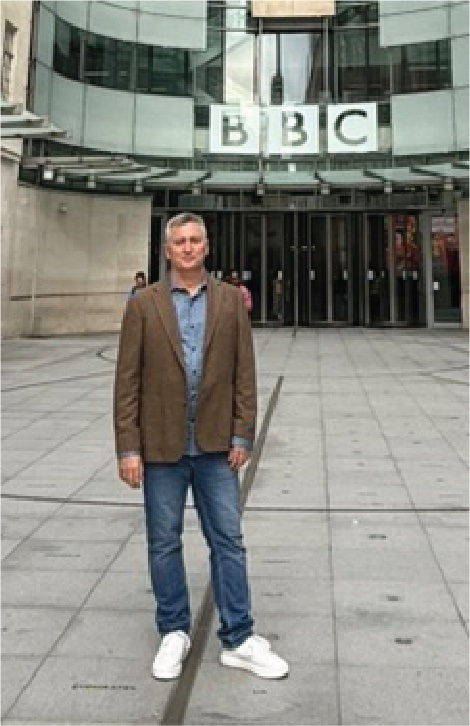
On those late nights in 2002, when I was writing the code that became Sellingantiques, I had no idea how big it would become.
Twenty-four years later it holds something I never set out to build: a record of what antiques are listed for. This guide adds it all together: 489,246 antiques, sold by more than 1,200 dealers, over nine full years to 31 December 2025.
Two things to know as you read. Every price is an asking price, not a valuation. And no dealer and no single sale is named in any of the figures.
Everything in the guide is free to quote and to reproduce, with a link back. I hope it helps you buy, sell or simply understand antiques a little better.
Every day I telephone three antiques dealers, simply to ask how they are doing. I can say, hand on heart, that the dealers on Sellingantiques are some of the nicest people you could hope to meet and will always be happy to hear from you.
The credit for this guide belongs to them: their knowledge is in every title and every price here.
Conor HannahFounder, Sellingantiques
Every antique has already had one owner, and most have had several. Between 2017 and 2025, more than 1,200 dealers on Sellingantiques found new owners for 489,246 of them, from silver spoons to dining tables that seat twelve. Added together, those sales show what an antique costs, what its age, its wood, its maker’s name and a matching partner are worth, and how quickly each kind finds a home.
This guide sets it out in ten chapters. The Sellingantiques guides to single kinds of antique, from chairs to silver, go deeper into each. This one looks across them all, at what only the whole archive can show. The figures are our own; where a fact comes from elsewhere, its source is named.
Contents
Ten chapters, all on this page. Each has an address of its own, so a writer can link straight to the chapter that holds the figure.
How many, how much and how fast: the whole archive on two pages.
- Typical asking price £560; half lie between £285 and £1,195
- 48% listed at under £500, 72% at under £1,000
- Furniture is 43% of the pieces and 51% of the value
Every kind of antique the archive can measure, each with its typical price, its range, how many sold and a link to pieces for sale today.
- 1,062 forms of antique priced, each with a link to pieces for sale
- From jugs at £225 to rugs at £1,750
- Sofas: £950 in 2017–19, £1,400 in 2023–25
The price of age, reign by reign and decade by decade, and the places where newer beats older.
- A 17th-century piece is listed at 1.9 times the typical for its category
- Furniture titled George I: £1,885. Victorian: £690
- Art Deco furniture (£1,150) is listed above Regency (£980)
What a piece is made of, and what that is worth: the ladder of woods, and the metals and stones that lift a price.
- Kingwood £1,550, walnut £875, mahogany £750, oak £695, pine £497
- Mahogany is named in 14% of all titles
- Ormolu goes with 2.0 times the typical price
The names that add to a price, the fastest-selling name in the archive, and what a country of origin is worth.
- Howard in a title: 2.8 times the typical for its category. Gillows: 2.0 times
- Mouseman: 80% sold within three months
- Italian 1.9×, Irish 1.6×, French 1.2×
The adjectives of the trade, each set against the price of the pieces it describes.
- “Important” 5.6×, “magnificent” 3.3×, “fine” 1.5×, “rare” 1.4×
- “Lovely”, “pretty” and “charming”: about 0.7×
- 107,215 titles use the word “antique”. It reads 1×
What a matching partner adds, kind by kind, and where a set of chairs makes its jump.
- A pair of chests of drawers: 2.6 times a single one
- A set of six chairs £895, of eight £1,495, of ten £2,250
- Pairs of sofas, bookcases, mirrors and tables
How long an antique waits for a buyer, the months and days they sell, and what each budget buys.
- Half sell within 102 days; 80% within a year
- Under £250, 56% sell within three months; at £5,000 and over, 31%
- Quickest kinds: wardrobes, boxes and bookcases
Each kind on its own two pages: price, range, period, speed and its risers, with a door into the full guide where there is one.
- Chairs, tables, mirrors, chests of drawers, desks, clocks, art, silver and ceramics have guides of their own
- Cabinets, cupboards, sideboards, sofas, lighting, glass, boxes and more appear here first
The reigns and their dates, an A to Z of the trade’s words, the method in full, every source, and the figures to download.
- 120 terms of the trade defined, each with the page it was read on
- Fifteen reigns and sixteen styles, with their dates
- The figures to download, free to quote and reproduce with a link back
Before the chapters, the whole market at a glance. The kinds of antique run from a jug, typically £225, to a rug at £1,750. Most of what dealers sell sits in the middle: 72% of all the pieces sold were listed at under £1,000.

The Guide to Antiques Antiques in numbers
How many, how much and how fast: the whole archive in one place.
From the Sellingantiques sold archive, 2017 to 2025
Count everything and three numbers stand out. Between 2017 and 2025, more than 1,200 dealers sold 489,246 antiques through Sellingantiques. The typical one was listed at £560. And the prices asked for them all, added together, come to £509 million.
This chapter is the map for the rest of the guide: how the prices are spread, where the money sits, what the archive is made of, and how steady it has all been.
What an antique costs
Half of all the antiques sold were listed between £285 and £1,195, with the typical piece at £560. A quarter of the archive sits below that range and a quarter above it.
A budget goes further than the grand names of the trade suggest. 48% of the pieces sold were listed at under £500, and 72% at under £1,000. At the other end, one piece in ten was listed above £2,300 and one in a hundred above £8,500.
Where the money is
Count pieces and the archive is a place of modest prices. Count pounds and it looks different. Pieces listed at under £250 are 20% of everything sold and 3% of the money asked. Pieces at £5,000 and over are 2.5% of everything sold and 23% of the money.
The middle of the market carries the most. Pieces listed between £1,000 and £2,499 are 19% of the antiques and 27% of the value, more than any other band.
What the archive is made of
Furniture is the heart of it: 43% of the pieces and 51% of the money. Silver and jewellery come next by number, at 16% of the pieces, and the decorative pieces that finish a room, mirrors, clocks, lighting and the rest, are 18%.
One kind stands above the others. 51,220 tables were sold in nine years, so more than one antique in ten is a table. Silver and chairs follow.
Nine steady years
Antiques do not lurch. In 2017 the typical piece was listed at £495. By 2022 it had reached £595, and it has stood there in every year since. The middle half of prices moved with it, from £275–£995 to £295–£1,250.
The same is true kind by kind. Of the 32 kinds of antique this guide can compare, 25 were listed higher in 2023–25 than in 2017–19. Chapter two sets them out one by one.
How far each kind can go
The typical price says what most pieces cost. The upper tenth says how far a kind can go. One rug in ten was listed above £7,750, one sculpture in ten above £4,500, and one clock in ten above £3,950. The chart of the upper tenth sits beside the ten kinds sold most, above: the two lists share only jewellery.
The Guide to Antiques The price guide
Every kind of antique the archive can measure, each with its typical price, its range, how many sold and a link to pieces for sale today.
From the Sellingantiques sold archive, 2017 to 2025
What is it worth? This is the chapter that answers by the piece. It prices 31 named kinds of antique, from rugs to jugs, and it opens the door to 1,062 forms within them, from the partners’ desk to the caddy spoon. Every form has its place in the price guide, a page of its own: its typical asking price, the range that holds the middle half, the number sold and the share that sold within three months.
Every form is one you can go and look at. Its name is a link to the pieces of that form for sale on Sellingantiques today. Ten kinds have a guide of their own, and their figures here are the ones those guides give.
The price ladder, kind by kind
The ladder runs from the rug, typically £1,750, to the jug at £225. Between them sit the 31 kinds in the table, each with its typical price, the range that holds the middle half of all pieces sold, the price that one piece in ten was listed above, the number sold and the share that sold within three months.
| Kind of antique | Typical price | The middle half | One in ten above | Sold | Sold in three months | More |
|---|---|---|---|---|---|---|
| Rugs | £1,750 | £850 to £3,900 | £7,750 | 6,068 | 34% | 4 forms |
| Dressers | £1,450 | £825 to £2,250 | £3,471 | 1,691 | 42% | 8 forms |
| Sideboards | £1,250 | £675 to £2,250 | £3,400 | 8,720 | 48% | 20 forms |
| Sofas | £1,250 | £650 to £2,200 | £3,750 | 4,748 | 49% | 19 forms |
| Sculptures | £1,250 | £595 to £2,450 | £4,500 | 4,238 | 43% | 10 forms |
| Clocks | £975 | £495 to £1,995 | £3,950 | 12,840 | 44% | Its guide |
| Desks | £975 | £595 to £1,800 | £2,990 | 8,754 | 49% | Its guide |
| Wardrobes | £900 | £650 to £1,425 | £2,250 | 4,829 | 57% | 12 forms |
| Bureaux | £895 | £495 to £1,850 | £3,264 | 3,712 | 41% | 14 forms |
| Chests of drawers | £795 | £495 to £1,475 | £2,500 | 20,898 | 52% | Its guide |
| Bookcases | £795 | £465 to £1,495 | £2,850 | 13,199 | 55% | Its guide |
| Cupboards | £795 | £450 to £1,450 | £2,550 | 11,743 | 51% | 26 forms |
| Dressing tables | £795 | £480 to £1,295 | £1,950 | 2,168 | 54% | 11 forms |
| Tables | £785 | £425 to £1,450 | £2,695 | 51,220 | 45% | Its guide |
| Cabinets | £775 | £425 to £1,450 | £2,640 | 14,370 | 45% | 31 forms |
| Mirrors | £695 | £395 to £1,250 | £1,950 | 18,368 | 42% | Its guide |
| Chairs | £685 | £375 to £1,295 | £2,350 | 35,247 | 47% | Its guide |
| Jewellery | £595 | £275 to £1,450 | £3,250 | 23,272 | 45% | 23 forms |
| Chests and coffers | £550 | £350 to £890 | £1,450 | 6,925 | 47% | 24 forms |
| Vases | £550 | £285 to £1,244 | £2,750 | 4,404 | 45% | 11 forms |
| Art | £485 | £260 to £1,100 | £2,800 | 24,283 | 47% | Its guide |
| Lighting | £485 | £275 to £895 | £1,750 | 19,419 | 45% | 13 forms |
| Fireplaces | £425 | £275 to £780 | £1,450 | 3,661 | 39% | 14 forms |
| Stools | £395 | £225 to £680 | £1,250 | 6,143 | 46% | 17 forms |
| Metalware | £385 | £195 to £721 | £1,495 | 8,604 | 44% | 15 forms |
| Ceramics | £330 | £195 to £645 | £1,398 | 10,914 | 46% | Its guide |
| Boxes | £295 | £200 to £495 | £980 | 14,480 | 56% | 25 forms |
| Plates | £275 | £165 to £495 | £875 | 1,484 | 44% | 6 forms |
| Silver | £255 | £165 to £435 | £870 | 46,047 | 52% | Its guide |
| Glass | £235 | £150 to £395 | £795 | 12,993 | 48% | 17 forms |
| Jugs | £225 | £145 to £385 | £775 | 1,015 | 46% | 4 forms |
Four kinds, watches, beds, barometers and cups, have no price here for the kind as a whole: they did not meet the test set out in chapter ten. Where one of their forms did, it is in the price guide.
The kinds that have risen
Eleven of the 31 kinds were listed a tenth or more higher in 2023–25 than in 2017–19. Sofas lead: a typical £950 then, £1,400 now. Ceramics and mirrors follow.
Most of the list is furniture a house is lived on and around: sofas, tables, chairs, cupboards and cabinets. The pieces that furnish a room have been the ones to move.
What is it worth?
Pick a kind and a form. The answer comes from 489,246 antiques sold.
Made to seat a household: fixed, extending or in sections.
The dearest, the most sold and the quickest
Among the named forms with at least a hundred sold, the dearest are Howard & Sons sofas, at a typical £7,650. Four poster beds follow at £3,750 and carpets at £3,000.
The form sold most is the armchair: 12,804 in nine years. And the quickest are Globe Wernicke bookcases, of which 74% sold within three months.
Every form, kind by kind
The whole price guide has a page of its own: 1,062 forms in 36 kinds, each form with its typical asking price, its range, the number sold and a link to pieces for sale today. Choose a kind to see its table here. The number beside each name is the number of forms priced.
- Tables43
- Silver159
- Other antiques46
- Chairs26
- Art64
- Jewellery23
- Chests of drawers28
- Lighting13
- Mirrors19
- Boxes25
- Cabinets31
- Bookcases104
- Glass17
- Clocks32
- Other furniture8
- Cupboards26
- Ceramics156
- Desks38
- Sideboards20
- Metalware15
- Chests and coffers24
- Stools17
- Rugs4
- Wardrobes12
- Sofas19
- Vases11
- Sculptures10
- Beds11
- Bureaux14
- Fireplaces14
- Barometers3
- Dressing tables11
- Dressers8
- Plates6
- Jugs4
- Cups1
The Guide to Antiques What a century is worth
The price of age, reign by reign and decade by decade, and the places where newer beats older.
From the Sellingantiques sold archive, 2017 to 2025
How old is it? It is the first question anyone asks of an antique, and the archive says it is the right one. Of the 489,246 antiques sold between 2017 and 2025, those made before 1800 were typically listed at £745, those of the nineteenth century at £600 and those of the first years of the twentieth at £445.
Older is dearer, then, but not all the way down. Art Deco furniture is listed above Regency. A piece given a date is listed above one given only a label. And over these nine years it is the antiques of the early twentieth century whose prices have moved the most.
What age adds
A table costs more than a teaspoon whatever its age, so the fair test is to set each piece against others of its own kind: a chair against chairs, a clock against clocks. Done that way, age shows plainly. A piece dated to the 17th century is listed at 1.9 times the typical for its category, one dated to the 18th century at 1.5 times, and one dated to the 19th century at 1.1 times.
In pounds, the typical antique made before 1800 is listed at £745, against £560 for all antiques. The 1920s and 1930s, at £495, stand a little above the years from 1900 to 1919, at £445.
The trade uses the word more freely than the customs do, and so does this guide: 21% of the pieces in the archive are dated 1920 or later.
Three and a half centuries on one line
Put every date on one line and the shape is a long slope with two surprises in it. The slope runs down from the seventeenth century to the years around 1900, where a piece sits just under the typical for its kind. Go back further still and it climbs again: the 342 pieces dated to the sixteenth century were listed at 2.4 times the typical.
The first surprise is the 1860s. Pieces listed as 1860 stand at 1.4 times the typical for their category, above those listed as 1850 (1.2×) and as 1870 (1.3×). The second is 1930: after thirty years below the line, pieces listed as 1930 come almost back to it, at 0.96×.
What a reign is worth
Dealers reach for a reign as readily as a date. In furniture, set the reigns in the order they came and the prices make a staircase. Furniture with George I in its title is typically listed at £1,885, George II at £1,500, George III at £1,195. Then the steps shorten: Regency £980, Victorian £690, Edwardian £499.
Two steps are out of line. Queen Anne, at £850, sits below the reigns on either side of her. And William IV, who reigned for seven years, is listed at £1,200, above the Regency before him.
- Elizabethan £1,650
- Elizabeth I, 1558 to 1603. 58 pieces of furniture sold with the name in the title. The Royal Family3
- Charles II £1,250
- Charles II, 1660 to 1685. 261 pieces of furniture sold with the name in the title. The Royal Family4
- William and Mary £1,750
- William III and Mary II, 1689 to 1702. 458 pieces of furniture sold with the name in the title. The Royal Family5
- Queen Anne £850
- Anne, 1702 to 1714. 1,641 pieces of furniture sold with the name in the title. The Royal Family6
- George I £1,885
- George I, 1714 to 1727. 487 pieces of furniture sold with the name in the title. The Royal Family7
- George II £1,500
- George II, 1727 to 1760. 1,276 pieces of furniture sold with the name in the title. The Royal Family8
- George III £1,195
- George III, 1760 to 1820. 6,166 pieces of furniture sold with the name in the title. The Royal Family9
- Regency £980
- The Regency, from 1811. 9,508 pieces of furniture sold with the name in the title. The Royal Family2
- George IV £1,382
- George IV, 1820 to 1830. 809 pieces of furniture sold with the name in the title. The Royal Family2
- William IV £1,200
- William IV, 1830 to 1837. 2,608 pieces of furniture sold with the name in the title. The Royal Family10
- Victorian £690
- Victoria, 1837 to 1901. 34,336 pieces of furniture sold with the name in the title. The Royal Family11
- Edwardian £499
- Edward VII, 1901 to 1910. 12,618 pieces of furniture sold with the name in the title. The Royal Family12
A date or a label
When a dealer lists a piece on Sellingantiques, the date can be given as a named period or as a century or a year. The two go with different prices. Pieces described as Georgian are listed level with the typical for their category; pieces of the same years given to the 18th century, at 1.5 times. Victorian reads 0.81× and the 19th century 1.12×. Edwardian reads 0.72× and 1900 reads 0.93×.
This is not proof that a label lowers a price. Dealers who date a piece closely may be handling different pieces. What the archive does show is that the two habits run at different levels, in all three periods and by a similar margin, so a listing that gives a date is one worth reading.
Where age pays, and where it does not
Age does not pay the same in every room of the house. In furniture the step is large: £975 before 1800 against £600 for the 1900s and 1910s. In art it is larger still, £950 against £495. But in silver and jewellery the price hardly moves with age, and in ceramics and glass the 1920s and 1930s (£335) are listed above everything made before 1800 (£290).
Furniture of the 1920s and 1930s, at £695, is also listed above furniture of the 1900s and 1910s. The highest figure in each row is picked out.
| Kind of antique | Before 1800 | 19th century | 1900 to 1919 | 1920s and 1930s | 1940 onwards |
|---|---|---|---|---|---|
| Furniture | £975 | £800 | £600 | £695 | £900 |
| Art and sculpture | £950 | £550 | £495 | £625 | £395 |
| Mirrors, clocks, lighting and decorative pieces | £595 | £595 | £469 | £495 | £450 |
| Silver and jewellery | £365 | £325 | £275 | £285 | £390 |
| Ceramics and glass | £290 | £265 | £325 | £335 | not shown |
Every period is listed higher than it was
Set the first three years of the archive against the last three and every period has moved the same way. The antiques of 1900 to 1919 moved most, from a typical £395 to £475. The 1920s and 1930s went from £460 to £525, and the nineteenth century from £595 to £660.
The twentieth century is also the quickest to find a buyer. Half of the pieces from the 1920s and 1930s, and half of those from 1900 to 1919, sold within three months of being listed, against 47% of those made before 1800.
Sources
Where the facts from outside our own archive come from. Each page was opened and read for this guide.
- GOV.UK, UK Integrated Online Tariff, heading 9706
- The Royal Family, George IV (r. 1820-1830)
- The Royal Family, Elizabeth I (r.1558-1603)
- The Royal Family, Charles II (r. 1660-1685)
- The Royal Family, William III (r. 1689-1702) and Mary II (r. 1689-1694)
- The Royal Family, Anne (r. 1702-1714)
- The Royal Family, George I (r. 1714-1727)
- The Royal Family, George II (r. 1727-1760)
- The Royal Family, George III (r. 1760-1820)
- The Royal Family, William IV (r. 1830-1837)
- The Royal Family, Victoria (r. 1837-1901)
- The Royal Family, Edward VII (r.1901-1910)
The Guide to Antiques Wood, metal, stone and clay
What a piece is made of, and what that is worth: the ladder of woods, and the metals and stones that lift a price.
From the Sellingantiques sold archive, 2017 to 2025
After its age, the first thing a dealer tells you about an antique is what it is made of. Of the 211,165 pieces of furniture sold between 2017 and 2025, 57,621 named mahogany alone.
This chapter sets the materials in order: the woods of the cabinet-maker, the finishes laid over them, the metals and stones of the decorative arts, and the gems and gold of the jeweller.
The ladder of woods
Fifteen woods, in order of price. At the top stand the fine cabinet woods: kingwood at a typical £1,550, amboyna at £1,450 and satinwood at £1,100. In the middle are the three woods named most, walnut at £875, mahogany at £750 and oak at £695. At the foot are the plain woods: pine, elm, ash and beech.
Walnut stands above mahogany, and burr walnut above both, at £895.
The wood named most
One wood dominates. Mahogany is in the title of 57,621 pieces of furniture, 27% of all that was sold, with oak second at 36,508 and walnut third at 26,410. Being the commonest, it is also close to the typical: mahogany furniture is listed at £750, against £795 for all furniture.
Which woods go first, and which have risen
Price and speed pull in opposite directions. The fine woods at the top of the ladder take their time: 37% of kingwood furniture sells within three months. The plain woods go quickly: 56% of pine and 53% of oak. Burr walnut is the exception, a fine wood that sells like a plain one, at 54%.
Over the nine years every material on the second chart has risen. Pieces with walnut in the title went from a typical £695 to £845, and pine from £468 to £595. Painted pieces rose furthest of all.
What the surface adds
Much of a cabinet-maker’s art lies on the surface. Furniture described as marquetry is listed at 1.6 times the typical for its category, gilt at 1.4 times and painted at 1.2 times. The plain words, inlaid and carved, sit level with the typical: they describe most good furniture.
Ormolu, bronze and marble
Outside the cabinet-maker’s shop the same ladder appears in metal. Ormolu goes with 2.0 times the typical price for its category and bronze with 1.6 times. Marble adds too, at 1.3 times. The household metals sit lower: brass, copper and pewter.
The jeweller’s ladder
In jewellery the ladder is at its steepest. Set against the typical piece of antique jewellery, an emerald in the title goes with 2.4 times the price, a diamond with 2.0 times and a sapphire with 1.7 times. The carat of the gold shows too: 18 carat reads 1.43× and 9 carat 0.5×. And in pottery and glass the fine bodies lead, with porcelain at 1.2 times the typical for its category.
Sources
Where the facts from outside our own archive come from. Each page was opened and read for this guide.
- Encyclopaedia Britannica, 1911 edition, Furniture (text on Wikisource)
- Encyclopaedia Britannica, 1911 edition, Mahogany (text on Wikisource)
- Encyclopaedia Britannica, 1911 edition, Rosewood (text on Wikisource)
- Victoria and Albert Museum, Bureau bookcase by George Oakley, about 1810
- Victoria and Albert Museum, Architect's table, collection record W.80-1962
- Victoria and Albert Museum, Writing table, collection record W.4:1 to 23-1956
- Encyclopaedia Britannica, 1911 edition, Wardrobe (text on Wikisource)
- Victoria and Albert Museum, Bureau bookcase, 1785–1790
- Encyclopaedia Britannica, 1911 edition, Veneer (text on Wikisource)
- Victoria and Albert Museum, Mirror, collection record W.26-1947
- Victoria and Albert Museum, Bookcase by John Channon, 1740
- Victoria and Albert Museum, Tureen and cover by Matthew Boulton and John Fothergill, 1773-1774
- Getty Research Institute, Art & Architecture Thesaurus: boulle work
The Guide to Antiques Makers, workshops and places
The names that add to a price, the fastest-selling name in the archive, and what a country of origin is worth.
From the Sellingantiques sold archive, 2017 to 2025
Most antiques are anonymous. Nobody knows who made the chair, only when and where. So when a maker’s name can be put to a piece, the dealer puts it in the title, and the archive shows what that name keeps company with: 1,709 antiques sold with Gillows in the title, 935 with Howard, 636 with Maple.
This chapter covers the names of the furniture trade, the names in silver and ceramics, the quickest-selling name in the archive, and the oldest name of all: the country a piece came from.
The furniture names
Twelve names from the furniture trade, in order of price. Howard of Berners Street, London, stands first at a typical £1,995, with Edwards & Roberts at £1,950, Holland & Sons at £1,650 and Gillows of Lancaster at £1,500. Then come Maple at £1,250 and Shoolbred at £950.
A name in a title is the dealer’s description, and it covers pieces by the firm, stamped by it or made in its manner. The figures show what the name keeps company with.

The quickest name in the archive
One name outruns every other. Of the 348 antiques sold with Mouseman in the title, 80% had gone within three months of being listed. No kind of antique, no wood and no other name measured in this guide sells as fast: the next quickest name, Howard, stands at 55%.
Mouseman pieces are typically listed at £678, which is 1.5 times the typical for their category. They are the rare case of an antique that is both dearer than its neighbours and quicker to sell.
Names in silver and ceramics
Silver and ceramics have their names too. Sèvres porcelain is typically listed at £1,250. Hester Bateman’s silver reads 1.5 times the typical for its category, and Elkington 1.27×. In the table, names that read 1.25× or more are picked out.
| Name in the title | What it is | Typical price | Against the typical | Pieces |
|---|---|---|---|---|
| Hester Bateman | Silver | £375 | 1.48× | 275 |
| Asprey | Silver and luxury goods | £370 | 1.29× | 384 |
| Elkington | Silver and plate | £345 | 1.27× | 425 |
| Tiffany | Silver, glass and jewellery | £395 | 1.17× | 213 |
| Garrard | Silver | £390 | 1.12× | 150 |
| Mappin & Webb | Silver and plate | £285 | 1.07× | 779 |
| Walker & Hall | Silver and plate | £275 | 1.04× | 426 |
| Sèvres | Porcelain | £1,250 | 1.85× | 604 |
| Famille rose | Chinese porcelain | £492 | 1.4× | 339 |
| Canton | Chinese porcelain | £495 | 1.29× | 286 |
| Minton | Pottery and porcelain | £395 | 1.16× | 310 |
| Imari | Japanese porcelain | £425 | 1.15× | 1,104 |
| Satsuma | Japanese pottery | £495 | 1.1× | 566 |
| Wedgwood | Pottery | £325 | 0.86× | 434 |
What a country is worth
The oldest name on an antique is the country it came from. Pieces described as Italian are listed at 1.9 times the typical for their category, Spanish at 1.8 times and Irish at 1.6 times. French, the commonest of all, reads 1.21×, and English 1.19×.
By number there is no contest. “French” is in the title of 37,996 antiques, 8% of everything sold, more than twice the number described as English.
Sources
Where the facts from outside our own archive come from. Each page was opened and read for this guide.
- Encyclopaedia Britannica, 1911 edition, Gillow, Robert (text on Wikisource)
- Victoria and Albert Museum, Bookcase made by John Howard & Sons
- Victoria and Albert Museum, Bookcase designed by G. E. Street, 1865
- Dictionary of National Biography, 1912 supplement, Maple, Sir John Blundell (text on Wikisource)
- British History Online, Survey of London, volumes 33 and 34: Carlisle Street
- Encyclopaedia Britannica, 1911 edition, Chippendale, Thomas (text on Wikisource)
- Victoria and Albert Museum, Spoon by Hester Bateman, 1776-1777
- Victoria and Albert Museum, Teapot by Elkington & Co., 1853
- Victoria and Albert Museum, Wedgwood: An introduction
- Victoria and Albert Museum, Plate by Minton, about 1835 (museum record O1260251)
- Victoria and Albert Museum, Cheese scoop by Mappin & Webb, 1894-1895
- Victoria and Albert Museum, Hot water jug designed by Archibald Knox for Liberty, 1904

The Guide to Antiques What dealers say, and what it is worth
The adjectives of the trade, each set against the price of the pieces it describes.
From the Sellingantiques sold archive, 2017 to 2025
A title is the only sales talk an antique gets. A dealer has a line to say what a piece is, and many spend a word of it on praise. The archive lets each of those words be set against the price of the pieces it was used on, 489,246 titles in all.
One caution before the figures. A word does not make a piece dearer. Dealers keep their grandest words for their grandest pieces, so what follows shows the company each word keeps, and that turns out to be worth knowing.
The ladder of praise
Fifteen words of praise, in order. At the top, “important” goes with pieces listed at 5.6 times the typical for their category, “monumental” at 5.2 times and “exhibition” at 4.4 times. These are rare words: “important” appears in only 129 titles in nine years.
Lower down come the words in daily use. “Fine”, used 10,989 times, goes with 1.53× the typical; “superb” with 1.45×; and “rare”, used 10,342 times, with 1.35×.
Everyday praise
Then there are the friendly words. “Beautiful”, “handsome” and “good” sit just under the typical for their category. “Lovely”, “pretty” and “charming” sit lower, at about 0.7 times. These are the words of the small, likeable piece: the kind a first antique often is.
“Quality” is the exception among everyday words, at 1.3 times the typical, and it is the most used word of praise in the archive.
The words used most
The commonest word of all is the one on the shop door. 107,215 titles, 22% of the archive, describe the piece as “antique”. It makes no difference: those pieces are listed level with the typical for their category.
After it come the plain measuring words, “large” and “small”, and then the praise: “quality”, “fine” and “rare”, each in more than 10,000 titles. “Vintage”, in 6,949 titles, goes with 0.8 times the typical.

Big words and small ones
Size words do two different jobs. The big ones go with big prices: “huge” at 2.6 times the typical for its category and “large” at 1.4 times. The small ones go with quick sales. 55% of the pieces described as small sold within three months, and 63% of those described as slim.
A piece that will go through the door and sit in an alcove, it seems, finds its buyer fastest. In the table, the quickest sellers are picked out.
| Word in the title | Against the typical | Typical price | Sold in three months | Pieces |
|---|---|---|---|---|
| Monumental | 5.21× | £2,995 | 40% | 106 |
| Huge | 2.64× | £1,350 | 49% | 808 |
| Massive | 1.85× | £950 | 53% | 176 |
| Large | 1.36× | £780 | 47% | 28,388 |
| Tall | 0.91× | £560 | 53% | 2,725 |
| Narrow | 0.78× | £695 | 51% | 764 |
| Small | 0.67× | £460 | 55% | 12,592 |
| Miniature | 0.65× | £295 | 53% | 3,299 |
| Slim | 0.62× | £475 | 63% | 595 |
Words that set a scene
Some words say where a piece belongs. “Farmhouse” goes with 1.7 times the typical for its category, “library” with 1.7 times and “country house” with 1.4 times. Farmhouse pieces also sell quickly, 58% within three months, and the word has risen: a typical £985 in 2017–19 and £1,495 in 2023–25.
“Grand Tour” reads 1.56× and “Black Forest” 1.22×. “Cottage” and “industrial” sit just under the typical.
The long and the short of a title
Last, not a word but a count of them. The commonest title runs to 40 to 54 characters. Pieces with titles of 55 characters or more are listed at about 1.2 times the typical for their category; pieces with titles under 25 characters at 0.8 times.
A long title has room for the maker, the wood, the date and the form. The more a dealer knows about a piece, the more there is to say, and the archive suggests that knowledge and price travel together.
The Guide to Antiques When two is worth more than twice one
What a matching partner adds, kind by kind, and where a set of chairs makes its jump.
From the Sellingantiques sold archive, 2017 to 2025
Some antiques come alone and some come with a partner. In nine years 40,924 pieces were sold as a pair, one sale in every twelve, and thousands more as a set. The price of a pair is rarely just twice the price of one.
This chapter measures what company is worth: which kinds are listed at more than double when there are two, where a set of chairs makes its jump, and what a suite, a nest and a harlequin set go for.
What a partner adds
Set the typical pair against the typical single piece of the same kind and a line appears at two. Above it, a pair is listed at more than twice the price of one: sideboards, chests of drawers, boxes, sofas and bookcases. A pair of chests of drawers is typically listed at £2,096, against £795 for one.
Below the line the partner still adds, but less than a second piece would cost. A pair of chairs is listed at 1.6 times one, a pair of tables at 1.5 times, a pair of mirrors at 1.4 times.
| Kind of antique | One | A pair | Pairs sold |
|---|---|---|---|
| Sideboards | £1,250 | £3,800 | 61 |
| Chests of drawers | £795 | £2,096 | 362 |
| Boxes | £295 | £722 | 83 |
| Sofas | £1,200 | £2,850 | 92 |
| Bookcases | £775 | £1,595 | 620 |
| Chests and coffers | £550 | £975 | 61 |
| Stools | £380 | £650 | 574 |
| Chairs | £545 | £895 | 7,784 |
| Tables | £775 | £1,200 | 1,847 |
| Mirrors | £695 | £950 | 878 |
| Art | £475 | £585 | 1,299 |
| Lighting | £450 | £550 | 6,314 |
| Ceramics | £325 | £395 | 1,451 |
| Vases | £500 | £595 | 1,296 |
| Silver | £250 | £285 | 4,117 |
Where a set of chairs makes its jump
Chairs are the antique most often sold by the set, and the size of the set moves the price at every step. A set of four is typically listed at £578 and a set of six at £895. Then the steps grow: eight £1,495, ten £2,250, twelve £2,750.
Divide by the number of chairs and the jump shows plainly. In a set of four or six, each chair is listed at about £149. In a set of eight it is £187, and in a set of ten or twelve about £225. Long sets are scarcer, too: 417 sets of ten were sold, against 2,310 sets of six.
Suites, nests and harlequins
Pairs and sets are not the only company an antique keeps. A suite, sold together as it was made to be used together, is listed at 2.7 times the typical for its category. A nest of tables, three or four for the space of one, reads 0.74×, and sets that dealers describe as harlequin read 0.92×.
The Guide to Antiques Speed, seasons and what a budget buys
How long an antique waits for a buyer, the months and days they sell, and what each budget buys.
From the Sellingantiques sold archive, 2017 to 2025
An antique has waited a century or two already, and the archive shows how much longer it waits for its next owner. Half of the 489,246 pieces sold between 2017 and 2025 had found a buyer within 102 days of being listed, and nearly one in five within a fortnight.
This chapter is for the buyer with a budget and a calendar: how fast each kind and each price goes, which months and days are busiest, and what the money buys.
How long an antique waits
The curve rises fast and then flattens. 18% of antiques sell within two weeks of being listed and 27% within a month. By three months it is 48%, by six months 64%, and by the end of a year 80%.
For a buyer the lesson is in the first part of the curve. A piece that suits you has probably suited someone else: nearly one in five is gone in a fortnight.
The price of patience
The less a piece costs, the faster it goes. Under £250, 56% sell within three months. Each step up the ladder takes a few points off, until at £5,000 and over it is 31%.
But the dearest pieces are not left on the shelf. 67% of the antiques listed at £5,000 and over had sold within a year, against 85% of those under £250. The grand piece simply waits for the right room.
Which kinds go first
Kind matters too. Wardrobes, boxes and bookcases are the quickest: more than half of each sell within three months.
Plot every kind by its price and its speed and the drift is plain: the dearer the kind, the longer the wait. The kinds worth noticing are the ones above the line, quicker than their price would suggest.

The antiques year
Antiques have a season, and it is the dark end of the year. November is the busiest month, with 9.8% of a year’s sales, followed by October and January. June is the quietest, at 7.5%.
It is a steady pattern: November was the busiest month in six of the nine years. It looks like furnishing for winter and buying for Christmas, with a fresh start in January.
The antiques week
The week has a shape too. More pieces are marked sold on a Monday than on any other day, 17% of the week’s total, and the fewest on a Sunday.
The day is the one on which the dealer recorded the sale, which need not be the day it was agreed. A weekend of looking, it seems, becomes a Monday of red dots.
What a budget buys
Last, the question every buyer starts with. 48% of all the antiques sold were listed at under £500, and 72% at under £1,000. The table shows each budget’s share of the archive, how quickly pieces at that price go, and the kinds it most often buys.
| Asking price | Share of all antiques | Sold in three months | What it most often buys |
|---|---|---|---|
| Under £250 | 20% | 56% | Silver 22%, glass 7%, jewellery 5%, boxes 5% |
| £250 to £499 | 27% | 51% | Silver 11%, tables 10%, chairs 7%, art 5% |
| £500 to £999 | 25% | 46% | Tables 13%, chairs 8%, chests of drawers 6%, mirrors 5% |
| £1,000 to £2,499 | 19% | 42% | Tables 14%, chairs 9%, chests of drawers 6%, mirrors 5% |
| £2,500 to £4,999 | 6% | 36% | Tables 14%, chairs 8%, chests of drawers 6%, clocks 5% |
| £5,000 and over | 3% | 31% | Tables 13%, art 10%, clocks 7%, chairs 5% |
The Guide to Antiques The kinds of antique, a spread each
Each kind on its own two pages: price, range, period, speed and its risers, with a door into the full guide where there is one.
From the Sellingantiques sold archive, 2017 to 2025
This chapter is the field guide. Each of the 31 kinds of antique has a card of its own, with the same figures in the same places: what it costs, how the price is spread, how many sold and how fast, what its age does to its price, and the forms of it that sell most.
The cards are grouped by family, and within a family the kind sold most comes first. Every card can be shown on another website, with a link back, by the button at its foot.
- Tables
- Chairs
- Chests of drawers
- Cabinets
- Bookcases
- Cupboards
- Desks
- Sideboards
- Chests and coffers
- Stools
- Wardrobes
- Sofas
- Bureaux
- Dressing tables
- Dressers
- Lighting
- Mirrors
- Boxes
- Clocks
- Metalware
- Rugs
- Fireplaces
- Silver
- Jewellery
- Art
- Sculptures
- Glass
- Ceramics
- Vases
- Plates
- Jugs
The furniture of the house
- One piece in ten was listed above £2,695
- Typical price £700 in 2017–19, £850 in 2023–25
- A pair is listed at 1.5 times a single one
- Busiest month: October, with 10.1% of a year’s sales
- 7,393 for sale on Sellingantiques when the figures were run
Typical price by period
Forms sold most
- Dining tables£1,295
- Side tables£550
- Console tables£1,195
- Occasional tables£495
- Writing tables£795
- One piece in ten was listed above £2,350
- Typical price £635 in 2017–19, £750 in 2023–25
- A pair is listed at 1.6 times a single one
- Busiest month: October, with 10.0% of a year’s sales
- 4,807 for sale on Sellingantiques when the figures were run
Typical price by period
Forms sold most
- Armchairs£790
- Dining chairs£950 a set
- Windsor chairs£495
- Desk and office chairs£465
- Country and kitchen chairs£495
- One piece in ten was listed above £2,500
- A pair is listed at 2.6 times a single one
- Busiest month: October, with 9.9% of a year’s sales
- 2,023 for sale on Sellingantiques when the figures were run
Typical price by period
Forms sold most
- Commodes£1,650
- Bow-front chests£650
- Chests on chests£1,345
- Serpentine chests£1,200
- Wellington chests£1,075
- One piece in ten was listed above £2,640
- Typical price £700 in 2017–19, £850 in 2023–25
- A pair is listed at 1.1 times a single one
- Busiest month: January, with 9.6% of a year’s sales
- 1,710 for sale on Sellingantiques when the figures were run
Typical price by period
Forms sold most
- Display cabinets£972
- Bedside cabinets£595
- Side cabinets£795
- Corner cabinets£645
- Glazed cabinets£565
- One piece in ten was listed above £2,850
- A pair is listed at 2.1 times a single one
- Busiest month: January, with 10.4% of a year’s sales
- 1,248 for sale on Sellingantiques when the figures were run
Typical price by period
Forms sold most
- One piece in ten was listed above £2,550
- Typical price £695 in 2017–19, £850 in 2023–25
- A pair is listed at 1.2 times a single one
- Busiest month: October, with 9.8% of a year’s sales
- 1,574 for sale on Sellingantiques when the figures were run
Typical price by period
Forms sold most
- Bedside cupboards£695
- Press cupboards£1,450
- Linen cupboards£1,420
- Corner cupboards£495
- Housekeepers cupboards£1,795
- One piece in ten was listed above £2,990
- Busiest month: January, with 10.2% of a year’s sales
- 1,100 for sale on Sellingantiques when the figures were run
Typical price by period
Forms sold most
- Pedestal desks£875
- Writing desks£775
- Kneehole desks£895
- Partners' desks£2,250
- Davenports£995
- One piece in ten was listed above £3,400
- A pair is listed at 3.0 times a single one
- Busiest month: October, with 9.7% of a year’s sales
- 1,169 for sale on Sellingantiques when the figures were run
Typical price by period
Forms sold most
- Sideboard dressers£1,695
- Dresser bases£1,750
- Chiffoniers£795
- Credenzas£2,225
- Buffets£995
- One piece in ten was listed above £1,450
- Typical price £495 in 2017–19, £580 in 2023–25
- A pair is listed at 1.8 times a single one
- Busiest month: November, with 10.2% of a year’s sales
- 847 for sale on Sellingantiques when the figures were run
Typical price by period
Forms sold most
- Coffers£595
- Trunks£550
- Blanket chests£345
- Blanket boxes£345
- Camphor chests£650
- One piece in ten was listed above £1,250
- A pair is listed at 1.7 times a single one
- Busiest month: November, with 9.8% of a year’s sales
- 728 for sale on Sellingantiques when the figures were run
Typical price by period
Forms sold most
- Piano stools£325
- Foot stools£375
- Joint stools£375
- Window seats£762
- Duet stools£475
- One piece in ten was listed above £2,250
- Busiest month: January, with 9.7% of a year’s sales
- 250 for sale on Sellingantiques when the figures were run
Typical price by period
Forms sold most
- Compactums£995
- Breakfront wardrobes£1,475
- Linen presses£1,450
- Mirrored wardrobes£598
- One piece in ten was listed above £3,750
- Typical price £950 in 2017–19, £1,400 in 2023–25
- A pair is listed at 2.4 times a single one
- Busiest month: October, with 10.0% of a year’s sales
- 530 for sale on Sellingantiques when the figures were run
Typical price by period
Forms sold most
- Settees£980
- Chaise£895
- Chesterfields£1,550
- Two seater sofas£1,250
- Settles£995
- One piece in ten was listed above £3,264
- Busiest month: January, with 10.0% of a year’s sales
- 769 for sale on Sellingantiques when the figures were run
Typical price by period
Forms sold most
- Bureau bookcases£998
- Secretaires£1,500
- Cylinder bureau£1,450
- Bonheur de jour£1,650
- Bureau cabinets£1,350
- One piece in ten was listed above £1,950
- Busiest month: March, with 10.1% of a year’s sales
- 219 for sale on Sellingantiques when the figures were run
Typical price by period
Forms sold most
- One piece in ten was listed above £3,471
- Typical price £1,295 in 2017–19, £1,450 in 2023–25
- Busiest month: March, with 10.1% of a year’s sales
- 231 for sale on Sellingantiques when the figures were run
Typical price by period
Forms sold most
- Welsh dressers£1,850
- Kitchen dressers£895
- Potboard dressers£1,890
Mirrors, clocks, lighting and the pieces that finish a room
- One piece in ten was listed above £1,750
- A pair is listed at 1.2 times a single one
- Busiest month: November, with 10.6% of a year’s sales
- 3,072 for sale on Sellingantiques when the figures were run
Typical price by period
Forms sold most
- Lamps£395
- Table lamps£360
- Candlesticks£300
- Standard lamps£495
- Candelabra£850
- One piece in ten was listed above £1,950
- Typical price £650 in 2017–19, £795 in 2023–25
- A pair is listed at 1.4 times a single one
- Busiest month: November, with 10.0% of a year’s sales
- 2,342 for sale on Sellingantiques when the figures were run
Typical price by period
Forms sold most
- Overmantel mirrors£1,046
- Wall mirrors£650
- Dressing-table mirrors£375
- Cheval mirrors£690
- Pier mirrors£695
- One piece in ten was listed above £980
- A pair is listed at 2.4 times a single one
- Busiest month: December, with 11.3% of a year’s sales
- 1,265 for sale on Sellingantiques when the figures were run
Typical price by period
Forms sold most
- Tea caddies£375
- Writing slopes£360
- Caskets£485
- Sewing boxes£370
- Stationery boxes£325
- One piece in ten was listed above £3,950
- Busiest month: December, with 9.6% of a year’s sales
- 2,222 for sale on Sellingantiques when the figures were run
Typical price by period
Forms sold most
- Mantel clocks£725
- Longcase clocks£1,750
- 1920s and 1930s clocks£595
- Wall clocks£780
- Mahogany-cased clocks£1,200
- One piece in ten was listed above £1,495
- A pair is listed at 1.7 times a single one
- Busiest month: October, with 9.6% of a year’s sales
- 1,529 for sale on Sellingantiques when the figures were run
Typical price by period
Forms sold most
- Metal urns£875
- Metal jardinieres£362
- Spelter£365
- Pans£230
- Metal sculptures£550
- One piece in ten was listed above £7,750
- 2,085 for sale on Sellingantiques when the figures were run
Typical price by period
Forms sold most
- Carpets£3,000
- Persian rugs£1,250
- Runners£1,250
- Tabriz rugs£2,650
- One piece in ten was listed above £1,450
- Typical price £395 in 2017–19, £462 in 2023–25
- Busiest month: November, with 11.7% of a year’s sales
- 641 for sale on Sellingantiques when the figures were run
Typical price by period
Forms sold most
- Fenders£480
- Irons£395
- Fire screens£450
- Surrounds£925
- Grates£595
Silver and jewellery
- One piece in ten was listed above £870
- A pair is listed at 1.1 times a single one
- Busiest month: November, with 10.5% of a year’s sales
- 3,525 for sale on Sellingantiques when the figures were run
Typical price by period
Forms sold most
- One piece in ten was listed above £3,250
- Busiest month: December, with 11.1% of a year’s sales
- 3,269 for sale on Sellingantiques when the figures were run
Typical price by period
Forms sold most
- Rings£950
- Diamond rings£1,250
- Brooches£320
- Pendants£395
- Earrings£490
Pictures and sculpture
- One piece in ten was listed above £2,800
- Typical price £450 in 2017–19, £500 in 2023–25
- A pair is listed at 1.2 times a single one
- Busiest month: November, with 9.3% of a year’s sales
- 5,394 for sale on Sellingantiques when the figures were run
Typical price by period
Forms sold most
- One piece in ten was listed above £4,500
- Busiest month: October, with 9.4% of a year’s sales
- 1,328 for sale on Sellingantiques when the figures were run
Typical price by period
Forms sold most
- Busts£950
- Carvings£800
- Horse sculptures£1,225
- Dog sculptures£895
Pottery, porcelain and glass
- One piece in ten was listed above £795
- 1,567 for sale on Sellingantiques when the figures were run
Typical price by period
Forms sold most
- Decanters£235
- Glass vases£425
- Glass bowls£225
- Glass jugs£185
- Cranberry glass£180
- One piece in ten was listed above £1,398
- Typical price £295 in 2017–19, £365 in 2023–25
- A pair is listed at 1.2 times a single one
- Busiest month: October, with 9.5% of a year’s sales
- 2,346 for sale on Sellingantiques when the figures were run
Typical price by period
Forms sold most
- Figures, groups and busts£350
- Animal models£290
- Staffordshire£235
- Figures£295
- Worcester£435
- One piece in ten was listed above £2,750
- A pair is listed at 1.2 times a single one
- Busiest month: October, with 9.1% of a year’s sales
- 754 for sale on Sellingantiques when the figures were run
Typical price by period
Forms sold most
- Imari vases£580
- Satsuma vases£495
- Doulton vases£325
- Spill vases£220
- Lidded vases£895
- One piece in ten was listed above £875
- A pair is listed at 1.1 times a single one
- Busiest month: March, with 10.2% of a year’s sales
- 490 for sale on Sellingantiques when the figures were run
Typical price by period
Forms sold most
- Cabinet plates£275
- Derby plates£235
- Minton plates£450
- Spode plates£205
- One piece in ten was listed above £775
- Busiest month: October, with 10.1% of a year’s sales
- 271 for sale on Sellingantiques when the figures were run
Typical price by period
Forms sold most
- Cream jugs£225
- Toby jugs£180
- Stoneware jugs£220
- Lustre jugs£230
The Guide to Antiques Periods, terms and how the figures were made
The reigns and their dates, an A to Z of the trade’s words, the method in full, every source, and the figures to download.
From the Sellingantiques sold archive, 2017 to 2025
This is the chapter to keep open in another window. It holds the reigns and their dates, the names of the styles, an A to Z of 120 terms a buyer meets in a dealer’s title, the method behind every figure in the guide, and the figures themselves to take away.
Nothing here is taken on trust. Every date and every definition carries the page it was read on, and every figure is our own.
The reigns and their dates
Dealers date by reign as often as by year, so the reigns come first: fifteen of them, from Elizabeth I to George V. The years are those the Royal Family gives. Beside each is the word that goes with it in a dealer’s title, and what the archive holds under that word.
Two words need care. Georgian covers four reigns and more than a century. And Regency is not a reign at all: the future George IV became Regent in 1811 and King in 1820.
| Reign | Years | The word in a title | Furniture sold with it | Typical price | Source |
|---|---|---|---|---|---|
| Elizabeth I | 1558 to 1603 | Elizabethan | 58 | £1,650 | The Royal Family3 |
| James I | 1603 to 1625 | – | – | – | The Royal Family38 |
| Charles I | 1625 to 1649 | – | – | – | The Royal Family39 |
| Charles II | 1660 to 1685 | Charles II | 261 | £1,250 | The Royal Family4 |
| James II | 1685 to 1688 | – | – | – | The Royal Family40 |
| William III and Mary II | 1689 to 1702 | William and Mary | 458 | £1,750 | The Royal Family5 |
| Anne | 1702 to 1714 | Queen Anne | 1,641 | £850 | The Royal Family6 |
| George I | 1714 to 1727 | George I | 487 | £1,885 | The Royal Family7 |
| George II | 1727 to 1760 | George II | 1,276 | £1,500 | The Royal Family8 |
| George III | 1760 to 1820 | George III | 6,166 | £1,195 | The Royal Family9 |
| George IV | 1820 to 1830 | George IV | 809 | £1,382 | The Royal Family2 |
| William IV | 1830 to 1837 | William IV | 2,608 | £1,200 | The Royal Family10 |
| Victoria | 1837 to 1901 | Victorian | 34,336 | £690 | The Royal Family11 |
| Edward VII | 1901 to 1910 | Edwardian | 12,618 | £499 | The Royal Family12 |
| George V | 1910 to 1936 | – | – | – | The Royal Family41 |
The names of the styles
A reign is a date; a style is a look. These are the style names a buyer meets most, each as the Getty Research Institute’s thesaurus of art and architecture defines it, with what the archive holds beside it.
- Elizabethan
- The English style of architecture and decorative arts of the reign of Elizabeth I: a combination of Gothic, Italian Renaissance, Flemish and vernacular styles. Getty Research Institute42 100 sold with the word in the title; 2.17× the typical for their category.
- Jacobean
- The English style of the reign of James I, from 1603 to 1625. Its decorative arts are characterised by rich carving and by bulb and twist shapes. Getty Research Institute43 474 sold with the word in the title; 0.84× the typical for their category.
- William and Mary
- The English style of the reign of William III and Mary II, viewed as a transitional period in which the forms of the Restoration become lighter and more elegant. Getty Research Institute44 567 sold with the word in the title; 2.48× the typical for their category.
- Queen Anne
- The English style of the reign of Queen Anne, from 1702 to 1714, known for its straightforward simplicity. Getty Research Institute45 1,975 sold with the word in the title; 1.07× the typical for their category.
- Georgian
- The style of Britain and Ireland during the reigns of George I to George IV, between 1714 and 1830. Some authors omit the reign of George IV and call the period from about 1790 to 1830 Regency. Getty Research Institute46 22,834 sold with the word in the title; 0.9× the typical for their category.
- Regency
- The English style of the regency of George, Prince of Wales, from 1811 to 1820, taken to include his reign as George IV from 1820 to 1830. Getty Research Institute47 13,487 sold with the word in the title; 1.26× the typical for their category.
- Victorian
- The style of Great Britain and its colonies during the reign of Queen Victoria, from 1837 to 1901, typically identified with heavy forms, bold patterns and elaborate ornamentation. Getty Research Institute48 67,455 sold with the word in the title; 0.89× the typical for their category.
- Edwardian
- Mainly the style of the reign of Edward VII, 1901 to 1910, though some authors date it from 1890 to 1914. Getty Research Institute49 26,653 sold with the word in the title; 0.75× the typical for their category.
- Baroque
- The style and period of western Europe from about 1590 to 1750, often with an emphasis on spectacle and emotional content. Getty Research Institute50 281 sold with the word in the title; 2.23× the typical for their category.
- Rococo
- A style, primarily of decorative art, that emerged in France about 1700 and dominated Europe until the late 18th century, characterised by opulence, asymmetry and a light palette of colours. Getty Research Institute51 769 sold with the word in the title; 1.47× the typical for their category.
- Neoclassical
- The European and American style between the mid 18th and the mid 19th century, inspired by archaeological discoveries and characterised by the imitation of Greek and Roman forms and motifs. Getty Research Institute52 419 sold with the word in the title; 1.9× the typical for their category.
- Biedermeier
- A satirical name for a style of Central European arts prevalent from the 1820s to the 1850s, of simple, unpretentious forms, that became associated with the taste of the middle class. Getty Research Institute53 337 sold with the word in the title; 1.68× the typical for their category.
- Gothic Revival
- A style in architecture and the decorative arts marked by a return to the tracery, pinnacles and foils of Gothic architecture. Getty Research Institute54 2,011 sold with the word in the title; 1.17× the typical for their category.
- Aesthetic Movement
- A British and American movement of the 1870s and 1880s that followed the philosophy of art for art’s sake and stressed beauty over narrative content. Getty Research Institute55 1,053 sold with the word in the title; 0.82× the typical for their category.
- Arts and Crafts
- An aesthetic and social movement of the late 19th century that originated in England, a reaction against industrialisation marked by a desire to revive craftsmanship. Getty Research Institute56 5,705 sold with the word in the title; 0.79× the typical for their category.
- Art Nouveau
- A style that flourished in Europe and the United States from about 1890 to 1910, characterised by fluid, undulating lines based on organic forms. Getty Research Institute57 4,177 sold with the word in the title; 0.91× the typical for their category.
The words of the trade
The words below are the ones a dealer’s title uses without stopping to explain. Each definition is given with its source.
A
- Act of Parliament clock
- Act of Parliament clocks are British pendulum wall clocks of the mid- to late 18th century, with large dials and wooden cases, generally made for public gathering places such as inns. Getty Research Institute58
- After
- “After” is used for a copy, by an unknown hand, of a known work of the named artist. Getty Research Institute59
- Armoire
- Originally a large closet or chest for storing arms or tools. Today the word refers to a French-styled wardrobe for clothing or linens, with large doors opening to shelves. Getty Research Institute60
- Armorial ware
- Armorial ware is porcelain with a coat of arms as its main decoration, most of all Chinese export porcelain. Getty Research Institute61
- Art Deco
- Art Deco is known for rectilinear motifs, vibrant colours and elegant, simplified forms. Getty Research Institute62
- Astragal
- Astragal is an architect’s word for a small convex moulding. It comes from the Greek for the ankle-joint. Encyclopaedia Britannica, 1911 edition63
B
- Bachelor’s chest
- A bachelor's chest has a folding top which, when opened, serves as a writing board. The type was made in 18th-century England. Getty Research Institute64
- Balloon clock
- Balloon clocks are late-18th-century bracket clocks with a round upper part, a waisted middle and a rectangular base, vaguely resembling ascension balloons. Getty Research Institute65
- Bergère
- An upholstered armchair, differing from other armchairs in being upholstered between the arms and the seat. Getty Research Institute66
- Blue-and-white
- Blue-and-white means ceramics decorated with cobalt blue on a white body, usually painted with a brush under the glaze. Victoria and Albert Museum67
- Bone china
- Bone china is a form of porcelain that includes bone ash. Bone ash was first added to porcelain at the Bow factory in the 1740s, and Josiah Spode favoured it in a hard-paste mixture in the 1790s. Victoria and Albert Museum68
- Bonheur du jour
- The bonheur du jour is a lady's writing desk, so called because, when it was introduced in France about 1760, it speedily became intensely fashionable. Encyclopaedia Britannica, 1911 edition69
- Boulle work
- Boulle work is marquetry of brass and tortoiseshell. The name comes from the artist André-Charles Boulle and his sons, whose work was widely imitated. Getty Research Institute25
- Bow front
- A bow front is a single convex curve. Getty Research Institute70
- Bracket clock
- Bracket clocks are small, wood-cased clocks, spring-driven or with a pendulum, meant to stand on a bracket on the wall or on a mantel, or to be carried from room to room. Getty Research Institute71
- Buffet
- Case furniture for a dining room, with compartments or shelves below for articles of table service and a surface for serving food. The term has been in use since the 16th century. Getty Research Institute72
- Bun feet
- Bun feet are flattened ball feet, used on furniture from the middle of the 17th century. Getty Research Institute73
- Bureau bookcase
- A bureau bookcase is a bureau with a bookcase on top of it, its doors glazed or panelled. The hinged flap folds down on wooden supports, called lopers, to make a writing surface. Victoria and Albert Museum74
- Bureau plat
- A bureau plat is a large flat-topped writing table, usually with drawers in the frieze. Getty Research Institute75
- Burr or burl
- An area of a tree where the grain has grown in a deformed manner, forming wavy and circular patterns in timber and veneer. Getty Research Institute76
C
- Cabriole leg
- A leg with a double curve, convex above and concave below, introduced about 1700. Getty Research Institute77
- Campaign furniture
- Furniture designed to be erected and taken apart easily and quickly, produced for officers to take on military campaign. Getty Research Institute78
- Canterbury
- A small rack with partitions, intended to hold sheet music, books or loose papers. Getty Research Institute79
- Carlton House table
- A Carlton House table is a writing table with a low superstructure of two or three tiers of small drawers, rising from the back and curving round the sides. It was presumably named in the late 18th century after the Prince Regent's Carlton House. Getty Research Institute80
- Carriage clock
- Carriage clocks are small, portable clocks for use when travelling, usually in a rectangular brass case with glass-panelled sides and a hinged handle on top. Getty Research Institute81
- Chaise longue
- A chair, often upholstered, with a full-length leg rest and usually arms, designed for one person to recline on. Getty Research Institute82
- Charger
- Chargers are large platters, usually circular or oval, used for serving meat. Getty Research Institute83
- Chesterfield
- A sofa with heavily overstuffed ends and back that have no exposed wood and together form a continuous line. Getty Research Institute84
- Chest of drawers
- A chest of drawers is case furniture with drawers, typically three to five of them. It generally stands on feet, though some rest directly on the floor. Getty Research Institute85
- Chiffonier
- A sideboard with a cupboard. Getty Research Institute86
- Chinoiserie
- Chinoiserie is a European and American style that reflects fanciful notions of China, influenced by travellers’ tales and by exports of Asian ceramics, textiles and art objects. Getty Research Institute87
- Circle of
- “Circle of” is used for a work by an unknown artist who lived at the same time as the named artist and probably had some contact with him or her. Getty Research Institute88
- Coffer
- A small chest for the storage of valuables, which may also serve as a seat or a table. Getty Research Institute89
- Commode
- A commode is a chest of drawers or cabinet of chair-rail height, made for display as well as storage and often elaborately decorated. The word is used especially of French pieces, and of those made elsewhere to French taste. Getty Research Institute90
- Comport
- Comports are bowls, usually set on a high footed stem, for serving fruit, nuts or sweets. Getty Research Institute91
- Console table
- A console table is supported by a bracket fixed to the wall, called a console, or stands on legs of that form. It may have a marble top. Getty Research Institute92
- Conversation piece
- Conversation pieces are group portraits in a domestic or landscape setting, the sitters in casual conversation. They were especially popular in Britain in the 18th century. Getty Research Institute93
- Cornice
- A cornice is a projecting moulding that crowns whatever it is fixed to. Doors and windows have their cornices, and so do pieces of furniture. Encyclopaedia Britannica, 1911 edition94
- Cow creamer
- A cow creamer is a jug in the form of a cow. It is filled through an opening in the back, with the mouth as its spout and the curved tail as its handle. Getty Research Institute95
- Crazing
- Crazing is the name for fine cracks in the surface of a glaze. They do not usually expose the surface beneath. Getty Research Institute96
- Credenza
- A sideboard, usually for the dining room and typically of Italian design, generally with two or three cupboard doors and drawers in the frieze. Getty Research Institute97
- Cricket table
- Cricket tables are joined tables with three legs, of a type made in 17th-century England. Getty Research Institute98
D
- Date letter
- A date letter is the letter of the alphabet stamped on silver to show the year in which it was made or assayed. Getty Research Institute99
- Davenport
- A compact writing table fitted with drawers. Getty Research Institute100
- Dentil
- A dentil is a small tooth-shaped block, repeated in a row as an ornament beneath a cornice. The word comes from the Latin for a tooth. Encyclopaedia Britannica, 1911 edition101
E
- Earthenware
- Earthenware is pottery with a porous body, fired below 1200°C. It is not vitrified, and must be glazed to make it non-porous. Getty Research Institute102
- Ebonising
- Treating wood with chemicals to imitate the appearance of ebony: a finish popular during the 19th century for pianos, clocks and furniture. Getty Research Institute103
- Eight-day clock
- An eight-day clock is wound every seven days; the eighth day allows for a day's delay in winding. It can often be told by the winding squares on its dial. Getty Research Institute104
- Epergne
- The epergne is known from the mid 18th century and, for all the French sound of its name, is distinctly British. Victoria and Albert Museum105
- Etching
- In etching the plate is covered in varnish, the design is scratched through with a needle, and acid bites into the exposed metal. National Gallery, London106
- Export porcelain
- Chinese export porcelain is porcelain made and decorated in China to European order. Getty Research Institute107
F
- Faience
- Faience is properly the French term for a fine glazed and painted earthenware made at Faenza in Italy. Encyclopaedia Britannica, 1911 edition108
- Finial
- An ornament that terminates the point of a vertical member, found on furniture as well as architecture. Getty Research Institute109
- Flatback
- A flatback is a cheap earthenware ornament modelled only on the front and slim enough to fit the narrowest shelf. Staffordshire potters called such pieces “images”. Victoria and Albert Museum68
- Folio
- A folio is made of sheets of paper folded once, and is a book of the largest size. Encyclopaedia Britannica, 1911 edition110
- French polish
- French polish is a liquid for polishing wood, made by dissolving shellac in methylated spirit. Encyclopaedia Britannica, 1911 edition111
- Fusee
- A fusee is a spirally grooved, cone-shaped pulley and chain, designed to counteract the weakening pull of a mainspring as it uncoils. Getty Research Institute112
G
- Garniture
- A garniture is a set of matching porcelain vases and other vessels, meant to be displayed together in a row, as on a mantel. Getty Research Institute113
- Gesso
- Gesso is a white ground of chalk or gypsum mixed with glue, used to prepare wooden panels and other supports for painting and gilding. Getty Research Institute114
- Ginger jar
- A ginger jar is usually ovoid, with flattened shoulders, an upright collar and a domed cover. It is a type traditionally used by the Chinese for preserving ginger. Getty Research Institute115
- Girandole
- A mirror, often circular and convex, with an elaborately carved and gilded frame fitted with branched candleholders. Getty Research Institute116
- Gouache
- Gouache is a matte, opaque, water-soluble paint. It differs from watercolour mainly through the addition of white fillers such as chalk. Getty Research Institute117
H
- Hallmark
- An official stamp affixed by a guild or an assay office to an article of gold or silver as evidence of the quality of the metal. A maker’s mark, by contrast, identifies the craftsman or workshop. Getty Research Institute118
I
- Imari
- Imari is a style of Arita porcelain made from the beginning of the 18th century, with dense, crowded decoration. Getty Research Institute119
- Inlay
- Any process by which small pieces of one material are inserted into a larger piece of another so as to create a design. Getty Research Institute120
J
- Japanning
- A hard lacquer finish built up from many coats of varnish, then polished and decorated, originally developed as a substitute for Oriental lacquer. Getty Research Institute121
- Jardinière
- An ornamental container, usually relatively squat, for holding or growing plants or flowers. Getty Research Institute122
K
- Kakiemon
- Kakiemon is finely potted Japanese porcelain made from the late 17th century. Its patterns were copied in 18th-century Europe, notably at Meissen, Chantilly, Chelsea and Bow. Victoria and Albert Museum68
- Kit-cat
- The kit-cat is a portrait canvas of 36 by 28 inches: less than a half-length, but long enough to include a hand. It is named after the Kit-Cat Club, whose members Sir Godfrey Kneller painted at one uniform size. Encyclopaedia Britannica, 1911 edition123
- Kneehole desk
- A kneehole desk has a recessed centre front, usually flanked on each side by a set of drawers. Getty Research Institute124
L
- Lantern clock
- Lantern clocks were first developed in England in the 1620s. The name probably comes from “laton”, meaning brass, as most of them had brass cases, and they were always driven by weights. Victoria and Albert Museum125
- Linen press
- A cupboard for the storage of linen items. Getty Research Institute126
- Lustre
- Lustre is made by painting a pigment containing oxides of copper and silver onto a fired, glazed pot, which is then fired again at a low temperature with the air supply restricted. Victoria and Albert Museum68
M
- Maiolica
- Italian tin-glazed pottery is known as maiolica, a name usually said to derive from Majorca. Victoria and Albert Museum68
- Manner of
- “Manner of” is used where the style is somewhat close to that of the named artist but the work does not seem to be a deliberate copy; its maker generally lived in a later period. Getty Research Institute127
- Mantel clock
- Mantel clocks are clocks designed to rest on mantels, generally squat, heavy and lacking handles. Getty Research Institute128
- Marine
- Marines are works that show ships, shipbuilding or harbours. Where the water itself dominates the scene, the word is seascape. Getty Research Institute129
- Marquetry
- Small pieces of specially shaped wood, or sometimes other materials, incorporated into a surface of decorative veneer. In inlay the pieces are set into a solid ground; in marquetry the entire surface is veneered. Getty Research Institute130
- Monteith
- A monteith is a large bowl for cooling wine glasses, which hung from its scalloped rim in iced water. From about 1690 many had rims that lifted off, to turn them into punch bowls. Victoria and Albert Museum131
N
- Nickel silver
- Nickel silver is an alloy of copper, nickel and zinc, used among other things for articles that are to be plated. Getty Research Institute132
O
- Oil paint
- Oil paint is made by grinding pigments with a drying oil such as linseed oil. Getty Research Institute133
- Old Master
- Old Master is a term widely applied to painters, and to their works, from the period between the 13th and 18th centuries. National Gallery, London134
- Ormolu
- Brass or bronze which is gilded or is gold in colour. Getty Research Institute135
- Overmantel mirror
- Overmantel mirrors are made to fit above the mantel. Those hung horizontally usually have three panes of glass, sometimes four, the centre one about twice the width of each outer one. Getty Research Institute136
- Oyster veneering
- Oyster veneering, used in England from the 1660s, makes a decorative surface from oblique cuts of a richly figured timber such as olive or walnut. Victoria and Albert Museum22
P
- Parian
- Parian is a fine white porcelain that often resembles statuary marble. It was developed in England in the 1840s. Getty Research Institute137
- Parquetry
- Marquetry executed in a geometrical pattern. Getty Research Institute138
- Partners’ desk
- A partners' desk is built so that two people may work face to face. It generally takes the form of a large writing table or desk with drawers on both sides. Getty Research Institute139
- Pedestal desk
- A pedestal desk has a flat top on two boxlike supports, which hold either cupboards or drawers. Getty Research Institute140
- Pier glass
- A pier glass is a tall, narrow mirror made to fill the pier, the wall between two windows. It sometimes hangs above a pier table. Getty Research Institute141
- Pier table
- A pier table is a side table designed to stand at the pier, the wall between two windows, sometimes with a pier glass above it. Getty Research Institute142
- Pot-pourri vase
- A pot-pourri vase is pierced with holes so that the scent of dried and perfumed flowers can fill a room. Victoria and Albert Museum143
Q
- Quartetto table
- Quartetto table was Sheraton's name for a nest of four small tables. Getty Research Institute144
R
- Refectory table
- Refectory tables are long dining tables popular in the 16th and 17th centuries, so called because they resemble the tables of a refectory, though not necessarily used in one. Getty Research Institute145
- Regulator
- A regulator is a clock of great accuracy, with a deadbeat escapement and a temperature-compensated pendulum, used to regulate other timepieces. Regulators were first used in observatories and in clock and watch shops. Getty Research Institute146
S
- Salt glaze
- Salt glaze is made by throwing common salt into the kiln at the height of the firing, a practice that began in the Rhineland. Encyclopaedia Britannica, 1911 edition147
- Salver
- A salver is a flat tray for carrying glasses, cups and dishes at table, or for presenting a letter or a card. The word comes from the Spanish salva, the tasting of food and drink before it was served. Encyclopaedia Britannica, 1911 edition148
- Satsuma
- Satsuma is the name for ceramics made at kilns in Kagoshima Prefecture, the former Satsuma domain in southern Kyushu, from the early 17th century. Getty Research Institute149
- Serpentine front
- A serpentine front is convex in the centre and concave at both ends. Getty Research Institute150
- Sheffield plate
- Sheffield plate is a thin layer of silver fused to a copper core. It originated in 1742 with Thomas Boulsover, a Sheffield cutler. Victoria and Albert Museum151
- Silhouette
- The silhouette takes its name from Étienne de Silhouette (1709–1767), controller-general of France, whose name became the popular word for a figure reduced to its simplest form. Encyclopaedia Britannica, 1911 edition152
- Skeleton clock
- Skeleton clocks are designed so that as much of the movement as possible can be seen. They were devised in France in the mid-18th century and were popular in England during the 19th century. Getty Research Institute153
- Sterling silver
- Sterling silver is an alloy with a minimum of 925 parts of silver in 1,000, the rest being copper to harden it. Getty Research Institute154
- Sutherland table
- Sutherland tables are drop-leaf tables with a very narrow centre, of a type made in England from the early 19th century. Getty Research Institute155
T
- Tallboy
- A tall case piece, generally of seven or more drawers, divided by a cornice into two sections. Getty Research Institute156
- Tankard
- A tankard is a straight, flat-bottomed drinking vessel with a hinged cover and a handle, holding from a pint to a quart. Encyclopaedia Britannica, 1911 edition157
- Tantalus
- A receptacle for holding square decanters, with an overhead hinged frame that can be locked. Getty Research Institute158
- Tazza
- A tazza is a shallow saucer-like dish, mounted on a stem and foot or on a foot alone. Encyclopaedia Britannica, 1911 edition159
- Tea bowl
- Tea bowls are hand-sized cups in the shape of a bowl, usually without a handle, and sometimes with a matching saucer. Getty Research Institute160
- Tea caddy
- A relatively small, covered container for dry tea, used on a tea table. Getty Research Institute161
- Transfer printing
- In transfer printing a design is printed onto tissue paper, or a thin sheet of gelatin, and then transferred to the surface of the ware. The technique was in use at Birmingham in 1751. Victoria and Albert Museum68
- Tureen
- A tureen is a deep dish or bowl with a cover, round or oval, made to serve soup at table. The word is a corruption of “terrine”, an earthenware vessel. Encyclopaedia Britannica, 1911 edition162
- Tyg
- Tygs are large mug-like drinking vessels, usually with two or four handles and sometimes with as many as twelve. Getty Research Institute163
V
- Veneer
- A veneer is a thin layer of wood of high decorative value, glued to a plainer surface to improve its appearance. Encyclopaedia Britannica, 1911 edition21
- Verge
- The verge is probably the earliest type of escapement, and is now obsolete. Getty Research Institute164
- Vinaigrette
- A vinaigrette is a small receptacle for scented vinegar, once used by women, and sometimes men, to ward off faintness. Getty Research Institute165
W
- Wainscot chair
- A joined chair of the 16th or 17th century with a solid panelled back and a plank seat, generally made of oak and often carved. Getty Research Institute166
- Watercolour
- Watercolour is a transparent paint of ground pigments mixed with water and, generally, gum arabic. It grew rapidly in popularity in the 18th and early 19th centuries, when small cakes of paint in metal pans became available. Getty Research Institute167
- Whatnot or étagère
- Open-tiered shelves for displaying small objects, sometimes with drawers or a cabinet below. Getty Research Institute168
- Woodcut
- A woodcut is printed from a block carved so that the image stands out in relief. In Europe, images were being printed on paper from woodblocks by the late fourteenth century. Tate169
How these figures were made
- The source. 489,246 antiques marked sold by UK dealers on Sellingantiques between 2017 and 2025.
- Kinds and forms. A kind is the category a dealer filed the piece under. A form is one of the pages within that category on Sellingantiques, or one of the forms set out in the kind’s own guide. A piece belongs to a form when its title names it, so a piece can count under more than one.
- Asking prices. Every price is the dealer’s asking price when the piece was marked sold, not the price paid. Prices under £100 are not counted.
- Typical means the median: half of the pieces were listed for more and half for less. The middle half runs from the quarter mark to the three-quarter mark, and “one in ten above” is the nine-tenths mark.
- Times the typical. A piece’s asking price is divided by the typical price of its own category in the year it sold. The figure given for a word, a wood, a name or a date is the middle one of those. It shows the company a word keeps, not what the word does.
- Dates, woods, makers, countries and words are read from the dealer’s own title, and the period from the date the dealer chose when listing the piece. A name in a title may mean made by, stamped by or in the manner of: the title names it, and the figure says no more than that.
- Speed is counted from the day a piece was listed to the day its dealer marked it sold. Every figure is about pieces that did sell.
- Pairs and sets are counted where the title says so, and priced as the lot.
- Then and now sets 2017–19 against 2023–25.
- Nobody is identified. A figure is shown only where it rests on at least 30 pieces from at least 5 dealers, with no dealer supplying more than a quarter. No single sale is quoted.
- Not priced here. Barometers, beds, cups and watches are sold on Sellingantiques too, but as whole kinds they did not meet that test in these years. The same is true of some well-known makers’ names, which is why they are missing from chapter five.
- Repeats are counted once: the same piece listed and marked sold twice within 180 days is one sale.
- The ten guides. For chairs, tables, mirrors, chests of drawers, desks, clocks, art, silver, ceramics and bookcases, the forms and their figures in chapter two are the ones each kind’s own guide gives.
Use these figures
Every figure, chart, drawing and sound bite in this guide is free to quote and reproduce with a link back to it. Each chart, drawing and reference panel has “Use this on your website” beneath it.
Source: The 2027 Sellingantiques Guide to Antiques (https://www.sellingantiques.co.uk/antiques_guide)Sellingantiques (2026) The 2027 Sellingantiques Guide to Antiques. Available at: https://www.sellingantiques.co.uk/antiques_guide (Accessed: 28 November 2026).Every kind and every form in the price guide, 1,093 rows, as a spreadsheet file.
Download the figuresCounts and typical prices only. No dealer and no single sale appears in it.
The rooms pictured are Back to the Past settings made by Sellingantiques from dealers’ own photographs. They belong with the dealers named and are not free to reproduce.
Questions people ask
How much does an antique cost?
The typical antique is listed at £560. Half of the 489,246 antiques sold between 2017 and 2025 were listed between £285 and £1,195.
Are antiques expensive?
Most are not. 48% of the antiques sold were listed at under £500 and 72% at under £1,000.
Which kind of antique costs the most?
Of the kinds this guide can price, rugs are typically listed highest, at £1,750, then dressers at £1,450 and sculptures at £1,250.
Is an older antique worth more?
Typically, yes. A piece dated to the 17th century is listed at 1.9 times the typical price for its category, and one dated to the 18th century at 1.5 times.
Which wood is worth the most in antique furniture?
Furniture in kingwood is typically listed at £1,550, in walnut at £875, in mahogany at £750, in oak at £695 and in pine at £497.
Does a maker’s name add to the price?
It goes with a higher one. Antiques with Howard in the title are listed at 2.8 times the typical price for their category, and those with Gillows at 2.0 times.
Is a pair worth more than two single pieces?
Often. A pair of antique chests of drawers is listed at 2.6 times the price of a single one, and a pair of chairs at 1.6 times.
How quickly do antiques sell?
Half of all antiques sell within 102 days of being listed, and 80% within a year.
When do most antiques sell?
November is the busiest month, with 9.8% of a year’s sales, and June the quietest, with 7.5%.
What counts as an antique?
For UK customs an antique is a thing of an age exceeding 100 years. The trade uses the word more freely, and so does this guide, which includes pieces dated up to the 1960s.
Sources
Where the facts from outside our own archive come from. Each page was opened and read for this guide.
- GOV.UK, UK Integrated Online Tariff, heading 9706
- The Royal Family, George IV (r. 1820-1830)
- The Royal Family, Elizabeth I (r.1558-1603)
- The Royal Family, Charles II (r. 1660-1685)
- The Royal Family, William III (r. 1689-1702) and Mary II (r. 1689-1694)
- The Royal Family, Anne (r. 1702-1714)
- The Royal Family, George I (r. 1714-1727)
- The Royal Family, George II (r. 1727-1760)
- The Royal Family, George III (r. 1760-1820)
- The Royal Family, William IV (r. 1830-1837)
- The Royal Family, Victoria (r. 1837-1901)
- The Royal Family, Edward VII (r.1901-1910)
- Encyclopaedia Britannica, 1911 edition, Furniture (text on Wikisource)
- Encyclopaedia Britannica, 1911 edition, Mahogany (text on Wikisource)
- Encyclopaedia Britannica, 1911 edition, Rosewood (text on Wikisource)
- Victoria and Albert Museum, Bureau bookcase by George Oakley, about 1810
- Victoria and Albert Museum, Architect's table, collection record W.80-1962
- Victoria and Albert Museum, Writing table, collection record W.4:1 to 23-1956
- Encyclopaedia Britannica, 1911 edition, Wardrobe (text on Wikisource)
- Victoria and Albert Museum, Bureau bookcase, 1785–1790
- Encyclopaedia Britannica, 1911 edition, Veneer (text on Wikisource)
- Victoria and Albert Museum, Mirror, collection record W.26-1947
- Victoria and Albert Museum, Bookcase by John Channon, 1740
- Victoria and Albert Museum, Tureen and cover by Matthew Boulton and John Fothergill, 1773-1774
- Getty Research Institute, Art & Architecture Thesaurus: boulle work
- Encyclopaedia Britannica, 1911 edition, Gillow, Robert (text on Wikisource)
- Victoria and Albert Museum, Bookcase made by John Howard & Sons
- Victoria and Albert Museum, Bookcase designed by G. E. Street, 1865
- Dictionary of National Biography, 1912 supplement, Maple, Sir John Blundell (text on Wikisource)
- British History Online, Survey of London, volumes 33 and 34: Carlisle Street
- Encyclopaedia Britannica, 1911 edition, Chippendale, Thomas (text on Wikisource)
- Victoria and Albert Museum, Spoon by Hester Bateman, 1776-1777
- Victoria and Albert Museum, Teapot by Elkington & Co., 1853
- Victoria and Albert Museum, Wedgwood: An introduction
- Victoria and Albert Museum, Plate by Minton, about 1835 (museum record O1260251)
- Victoria and Albert Museum, Cheese scoop by Mappin & Webb, 1894-1895
- Victoria and Albert Museum, Hot water jug designed by Archibald Knox for Liberty, 1904
- The Royal Family, James I (r. 1603-1625)
- The Royal Family, Charles I (r. 1625-1649)
- The Royal Family, James II (r.1685-1688)
- The Royal Family, George V (r. 1910-1936)
- Getty Research Institute, Art & Architecture Thesaurus: Elizabethan
- Getty Research Institute, Art & Architecture Thesaurus: Jacobean
- Getty Research Institute, Art & Architecture Thesaurus: William and Mary
- Getty Research Institute, Art & Architecture Thesaurus: Queen Anne
- Getty Research Institute, Art & Architecture Thesaurus: Georgian
- Getty Research Institute, Art & Architecture Thesaurus: Regency
- Getty Research Institute, Art & Architecture Thesaurus: Victorian
- Getty Research Institute, Art & Architecture Thesaurus: Edwardian
- Getty Research Institute, Art & Architecture Thesaurus: Baroque
- Getty Research Institute, Art & Architecture Thesaurus: Rococo
- Getty Research Institute, Art & Architecture Thesaurus: Neoclassical
- Getty Research Institute, Art & Architecture Thesaurus: Biedermeier
- Getty Research Institute, Art & Architecture Thesaurus: Gothic Revival
- Getty Research Institute, Art & Architecture Thesaurus: Aesthetic Movement
- Getty Research Institute, Art & Architecture Thesaurus: Arts and Crafts
- Getty Research Institute, Art & Architecture Thesaurus: Art Nouveau
- Getty Research Institute, Art & Architecture Thesaurus: Act of Parliament clocks
- Getty Research Institute, Art & Architecture Thesaurus: after (attribution qualifier)
- Getty Research Institute, Art & Architecture Thesaurus: armoires
- Getty Research Institute, Art & Architecture Thesaurus: armorial ware
- Getty Research Institute, Art & Architecture Thesaurus: Art Deco
- Encyclopaedia Britannica, 1911 edition, Astragal (text on Wikisource)
- Getty Research Institute, Art & Architecture Thesaurus: bachelors' chests
- Getty Research Institute, Art & Architecture Thesaurus: balloon clocks
- Getty Research Institute, Art & Architecture Thesaurus: bergères
- Victoria and Albert Museum, Chinese blue-and-white ceramics
- Victoria and Albert Museum, An A–Z of Ceramics
- Encyclopaedia Britannica, 1911 edition, Bonheur du Jour (text on Wikisource)
- Getty Research Institute, Art & Architecture Thesaurus: bowfront
- Getty Research Institute, Art & Architecture Thesaurus: bracket clocks
- Getty Research Institute, Art & Architecture Thesaurus: buffets
- Getty Research Institute, Art & Architecture Thesaurus: bun feet
- Victoria and Albert Museum, Bureau bookcase, 1760–1780
- Getty Research Institute, Art & Architecture Thesaurus: bureaux plats
- Getty Research Institute, Art & Architecture Thesaurus: burl
- Getty Research Institute, Art & Architecture Thesaurus: cabriole legs
- Getty Research Institute, Art & Architecture Thesaurus: campaign furniture
- Getty Research Institute, Art & Architecture Thesaurus: canterburies
- Getty Research Institute, Art & Architecture Thesaurus: Carlton House tables
- Getty Research Institute, Art & Architecture Thesaurus: carriage clocks
- Getty Research Institute, Art & Architecture Thesaurus: chaises longues
- Getty Research Institute, Art & Architecture Thesaurus: chargers
- Getty Research Institute, Art & Architecture Thesaurus: chesterfields
- Getty Research Institute, Art & Architecture Thesaurus: chests of drawers
- Getty Research Institute, Art & Architecture Thesaurus: chiffoniers
- Getty Research Institute, Art & Architecture Thesaurus: chinoiserie
- Getty Research Institute, Art & Architecture Thesaurus: circle of (attribution qualifier)
- Getty Research Institute, Art & Architecture Thesaurus: coffers
- Getty Research Institute, Art & Architecture Thesaurus: commodes (French chests of drawers)
- Getty Research Institute, Art & Architecture Thesaurus: compotes
- Getty Research Institute, Art & Architecture Thesaurus: console tables
- Getty Research Institute, Art & Architecture Thesaurus: conversation pieces (portraits)
- Encyclopaedia Britannica, 1911 edition, Cornice (text on Wikisource)
- Getty Research Institute, Art & Architecture Thesaurus: cow creamers
- Getty Research Institute, Art & Architecture Thesaurus: crazing
- Getty Research Institute, Art & Architecture Thesaurus: credenzas
- Getty Research Institute, Art & Architecture Thesaurus: cricket tables
- Getty Research Institute, Art & Architecture Thesaurus: date letters
- Getty Research Institute, Art & Architecture Thesaurus: davenports
- Encyclopaedia Britannica, 1911 edition, Dentil (text on Wikisource)
- Getty Research Institute, Art & Architecture Thesaurus: earthenware
- Getty Research Institute, Art & Architecture Thesaurus: ebonizing
- Getty Research Institute, Art & Architecture Thesaurus: eight-day clocks
- Victoria and Albert Museum, Epergne by Thomas Pitts, 1763-64
- National Gallery, London, Glossary: Etchings
- Getty Research Institute, Art & Architecture Thesaurus: Chinese export porcelain
- Encyclopaedia Britannica, 1911 edition, Faience (text on Wikisource)
- Getty Research Institute, Art & Architecture Thesaurus: finials
- Encyclopaedia Britannica, 1911 edition, Folio (text on Wikisource)
- Encyclopaedia Britannica, 1911 edition, French Polish (text on Wikisource)
- Getty Research Institute, Art & Architecture Thesaurus: fusees
- Getty Research Institute, Art & Architecture Thesaurus: garnitures
- Getty Research Institute, Art & Architecture Thesaurus: gesso
- Getty Research Institute, Art & Architecture Thesaurus: ginger jars
- Getty Research Institute, Art & Architecture Thesaurus: girandole mirrors
- Getty Research Institute, Art & Architecture Thesaurus: gouache (paint)
- Getty Research Institute, Art & Architecture Thesaurus: hallmarks
- Getty Research Institute, Art & Architecture Thesaurus: Imari
- Getty Research Institute, Art & Architecture Thesaurus: inlay
- Getty Research Institute, Art & Architecture Thesaurus: japanning
- Getty Research Institute, Art & Architecture Thesaurus: jardinières
- Encyclopaedia Britannica, 1911 edition, Kit-Cat Club (text on Wikisource)
- Getty Research Institute, Art & Architecture Thesaurus: kneehole desks
- Victoria and Albert Museum, Lantern clock by David Bouquet, about 1650
- Getty Research Institute, Art & Architecture Thesaurus: linen presses
- Getty Research Institute, Art & Architecture Thesaurus: manner of (attribution qualifier)
- Getty Research Institute, Art & Architecture Thesaurus: mantel clocks
- Getty Research Institute, Art & Architecture Thesaurus: marines (visual works)
- Getty Research Institute, Art & Architecture Thesaurus: marquetry
- Victoria and Albert Museum, Monteith by Joseph Ward, 1709-1710
- Getty Research Institute, Art & Architecture Thesaurus: nickel silver
- Getty Research Institute, Art & Architecture Thesaurus: oil paint
- National Gallery, London, Glossary: Old Master
- Getty Research Institute, Art & Architecture Thesaurus: ormolu
- Getty Research Institute, Art & Architecture Thesaurus: overmantel mirrors
- Getty Research Institute, Art & Architecture Thesaurus: Parian porcelain
- Getty Research Institute, Art & Architecture Thesaurus: parquetry
- Getty Research Institute, Art & Architecture Thesaurus: partners' desks
- Getty Research Institute, Art & Architecture Thesaurus: pedestal desks
- Getty Research Institute, Art & Architecture Thesaurus: pier glasses
- Getty Research Institute, Art & Architecture Thesaurus: pier tables
- Victoria and Albert Museum, The Chelsea porcelain factory
- Getty Research Institute, Art & Architecture Thesaurus: quartetto tables
- Getty Research Institute, Art & Architecture Thesaurus: refectory tables
- Getty Research Institute, Art & Architecture Thesaurus: regulators (clocks)
- Encyclopaedia Britannica, 1911 edition, Ceramics (text on Wikisource)
- Encyclopaedia Britannica, 1911 edition, Salver (text on Wikisource)
- Getty Research Institute, Art & Architecture Thesaurus: Satsuma
- Getty Research Institute, Art & Architecture Thesaurus: serpentine-front
- Victoria and Albert Museum, Verger's wand in Sheffield plate, about 1810
- Encyclopaedia Britannica, 1911 edition, Silhouette, Étienne de (text on Wikisource)
- Getty Research Institute, Art & Architecture Thesaurus: skeleton clocks
- Getty Research Institute, Art & Architecture Thesaurus: sterling silver
- Getty Research Institute, Art & Architecture Thesaurus: Sutherland tables
- Getty Research Institute, Art & Architecture Thesaurus: tallboys
- Encyclopaedia Britannica, 1911 edition, Tankard (text on Wikisource)
- Getty Research Institute, Art & Architecture Thesaurus: tantaluses
- Encyclopaedia Britannica, 1911 edition, Tazza (text on Wikisource)
- Getty Research Institute, Art & Architecture Thesaurus: tea bowls
- Getty Research Institute, Art & Architecture Thesaurus: tea caddies
- Encyclopaedia Britannica, 1911 edition, Tureen (text on Wikisource)
- Getty Research Institute, Art & Architecture Thesaurus: tygs
- Getty Research Institute, Art & Architecture Thesaurus: verge escapements
- Getty Research Institute, Art & Architecture Thesaurus: vinaigrettes
- Getty Research Institute, Art & Architecture Thesaurus: wainscot chairs
- Getty Research Institute, Art & Architecture Thesaurus: watercolor (paint)
- Getty Research Institute, Art & Architecture Thesaurus: étagères
- Tate, Art terms: Woodcut