
Antique Pendants
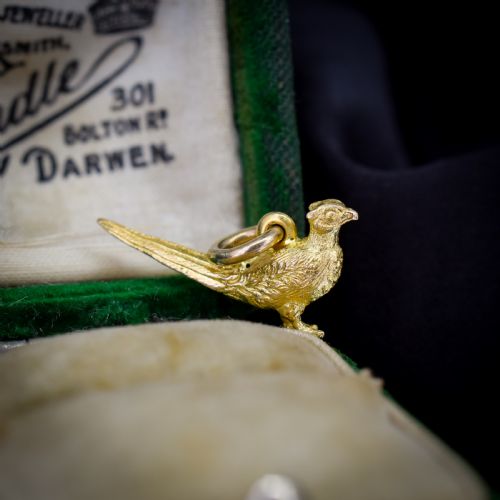
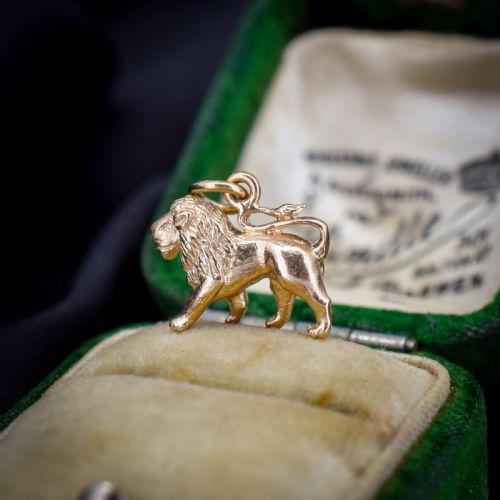
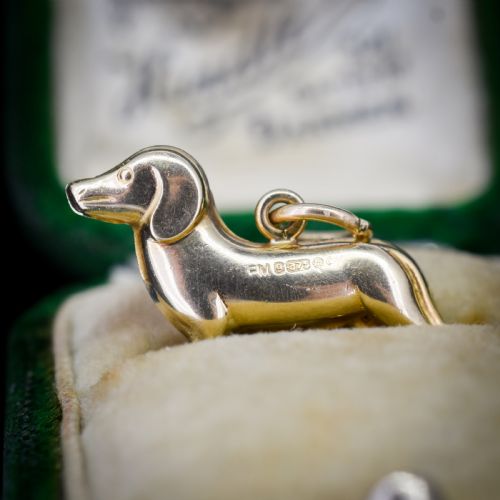
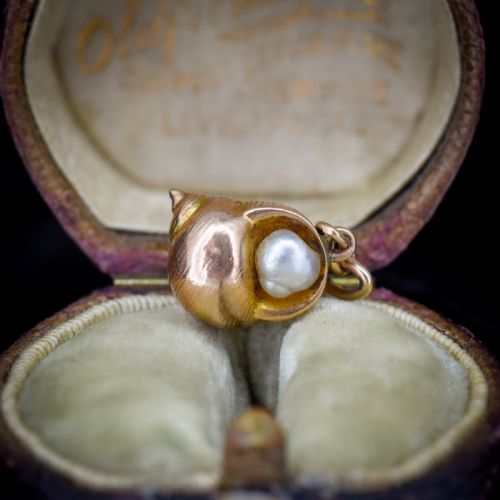
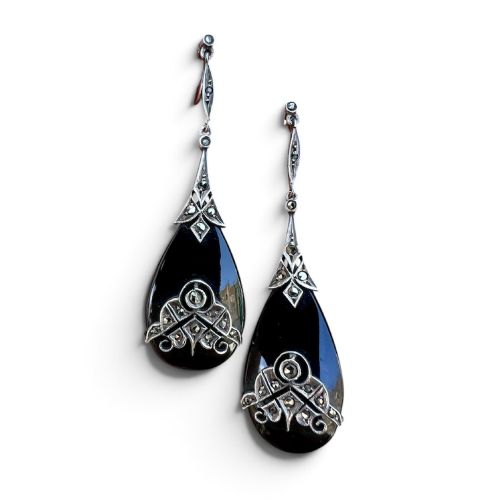
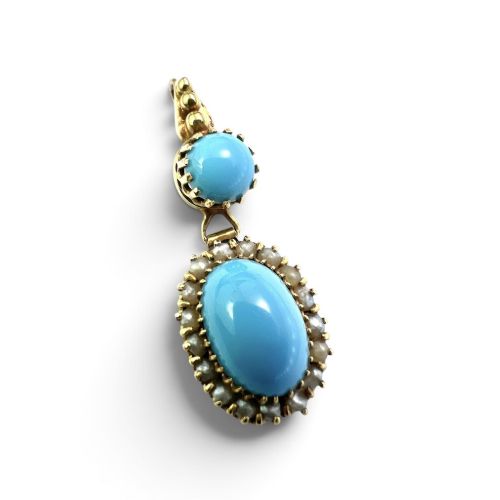
A pendant is an ornament made to hang from a chain or cord, and on Sellingantiques that means gem-set gold drops, lockets, crosses, charms, fob seals and enamelled silver, made from the early 19th century onward.
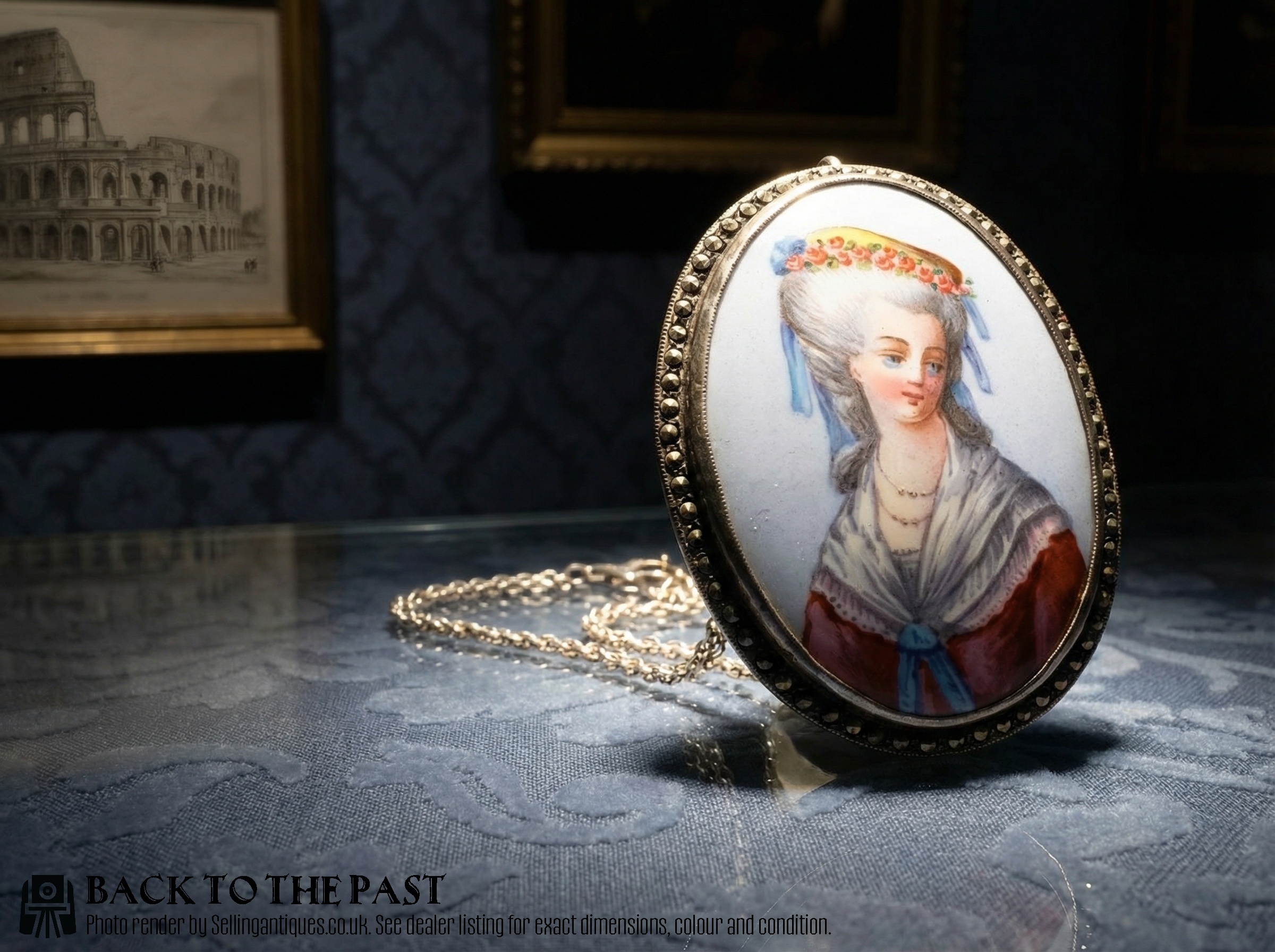
What You're Looking At
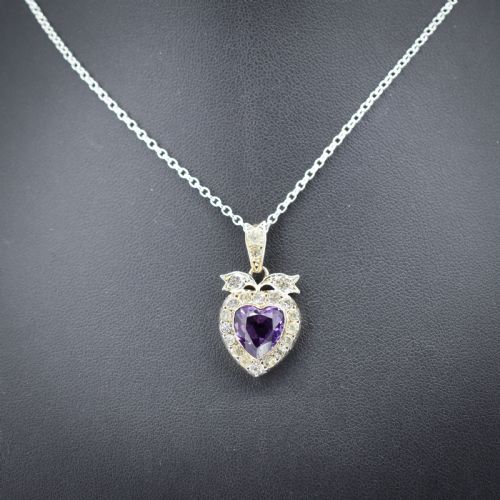
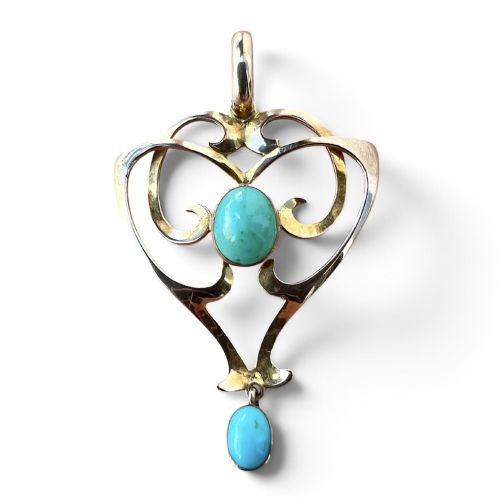
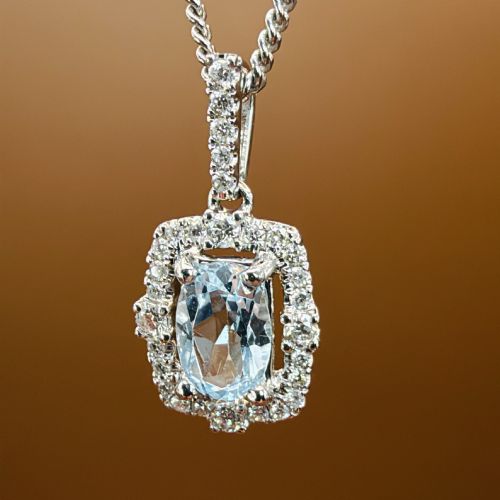
Gold dominates the titles and silver follows well behind, so the piece is usually a precious-metal mount holding one or more stones, paste or enamel. The single most common thing in the category is a 9ct gold drop set with a stone and diamonds, hung on a chain, since a quarter of titles carry the word necklace.
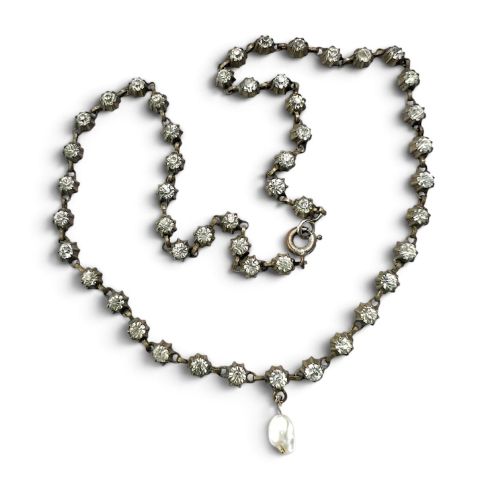
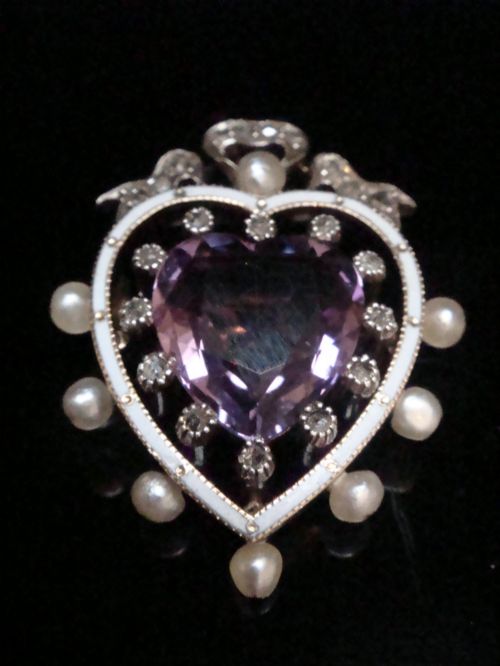
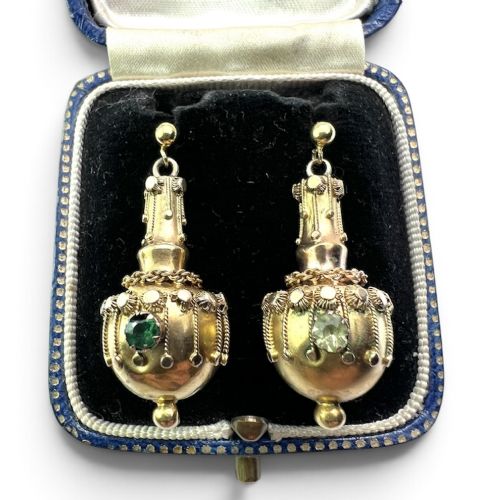
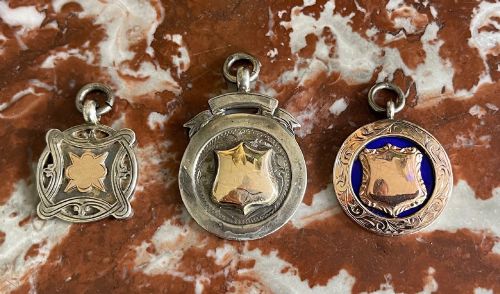
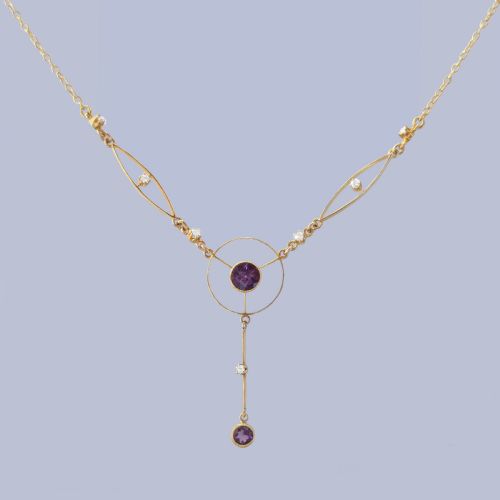
Amethyst, diamond, pearl and seed pearl recur most, with peridot, opal, garnet, sapphire and aquamarine behind them. Alongside the gem-set gold sit lockets with a compartment for a photograph, crosses and crucifixes, charms, fob seals off old watch chains, and convertible pieces with both a pin and a suspension loop. Drop earrings turn up more often in the live listings than in the archive.
Dates in the archive run from 1800 to 1960 with two humps: Victorian and Edwardian work either side of 1900, then the mid-century decades, the 1950s and 1960s strongest among them. A few sampled pieces sit outside that span altogether, one labelled Before 1700 and one Later than 1960, so the range is not a boundary.
Origin is mixed. French pieces are a steady presence, among them a run of 18K gold religious medals showing the Virgin. Danish silver forms its own pocket of a hundred or so titles, with Finnish, Norwegian and Swedish work beside it, and Austro-Hungarian, Italian, Chinese, Indian and Turkmen pendants all appear.
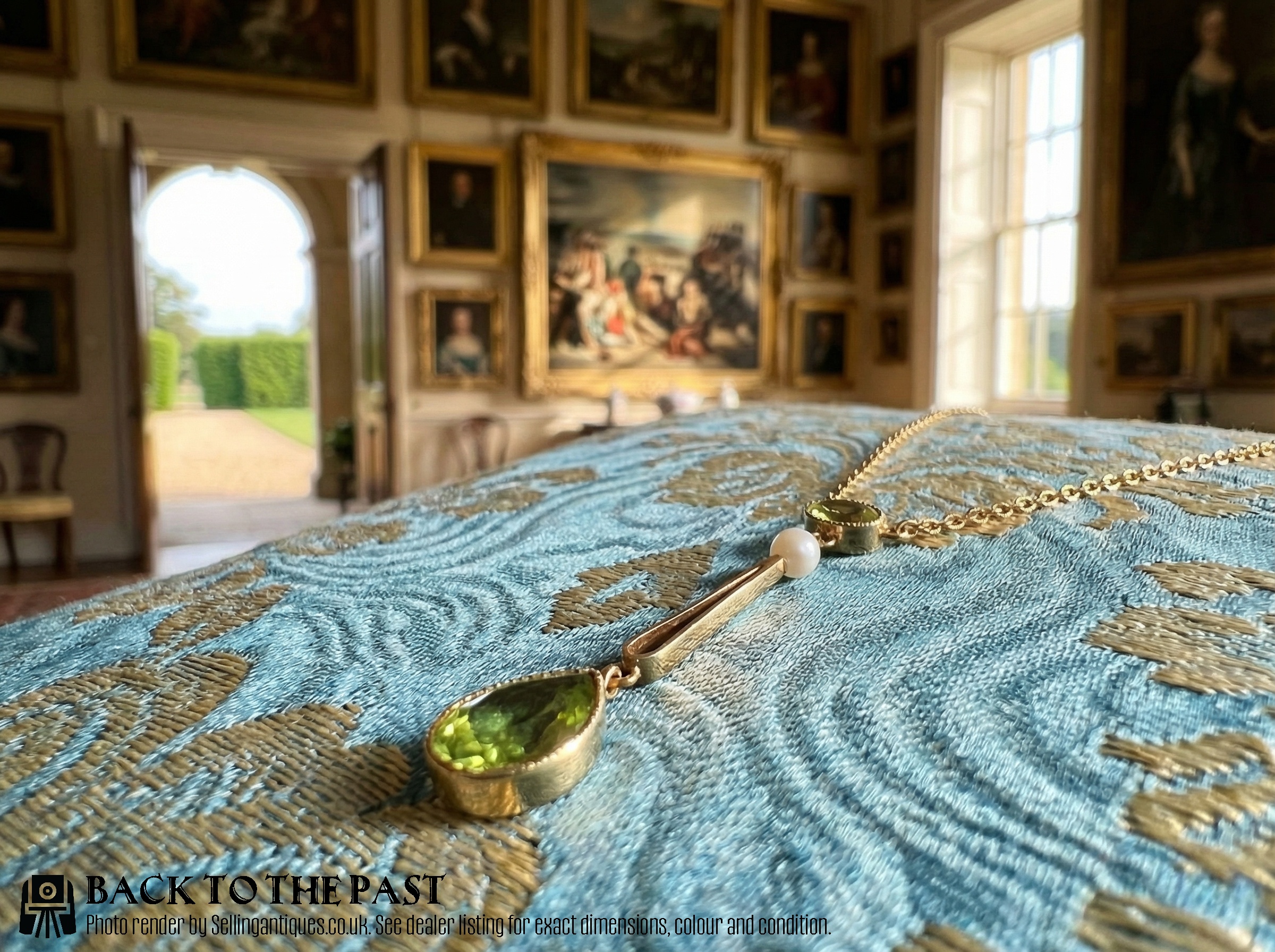
What Separates Them
Metal sets the floor. 9ct fills the lower and middle of the range and accounts for 714 titles on its own; 15ct, 18ct and platinum cluster towards the top. Fineness also dates a piece, since 15ct was a British standard dropped in 1932. The samples reach further still, into 10ct, 12ct, 14ct, 16ct, 22ct, palladium and a Russian 56 zolotnik cross.
Then the stones, and how precisely they're named. At the top of the range titles state weights and origins: a 2.48ct diamond, a 13.82ct opal, a natural unheated sapphire, a natural saltwater pearl. Lower down the stone is simply named, or it's paste, CZ or a synthetic ruby. Carat weights appear in 113 titles, cut in 178, and the heaviest quoted run into the tens of carats for citrine and amethyst.
Construction and authorship do the rest. Cluster, halo, star, starburst, negligée and lavalier settings sit above a plain single stone or a plain cross. And in the Arts and Crafts and Art Nouveau silver, the pieces carrying a named or attributed designer sit well clear of the anonymous enamelled work, which is nearly all of it.
Retail Price Guide 2026
Typical UK retail prices for pendants, calculated from the Sellingantiques database of over a million retail prices indexed since 2003. This retail price guide relies exclusively on Sellingantiques data; no external sources or auction records are used, so the figures do not describe the wider market.
Stated stone weights climb a long way on Sellingantiques: a 62.12 carat citrine, a 24.68 carat amethyst and a 20.00 carat opal have all passed through.
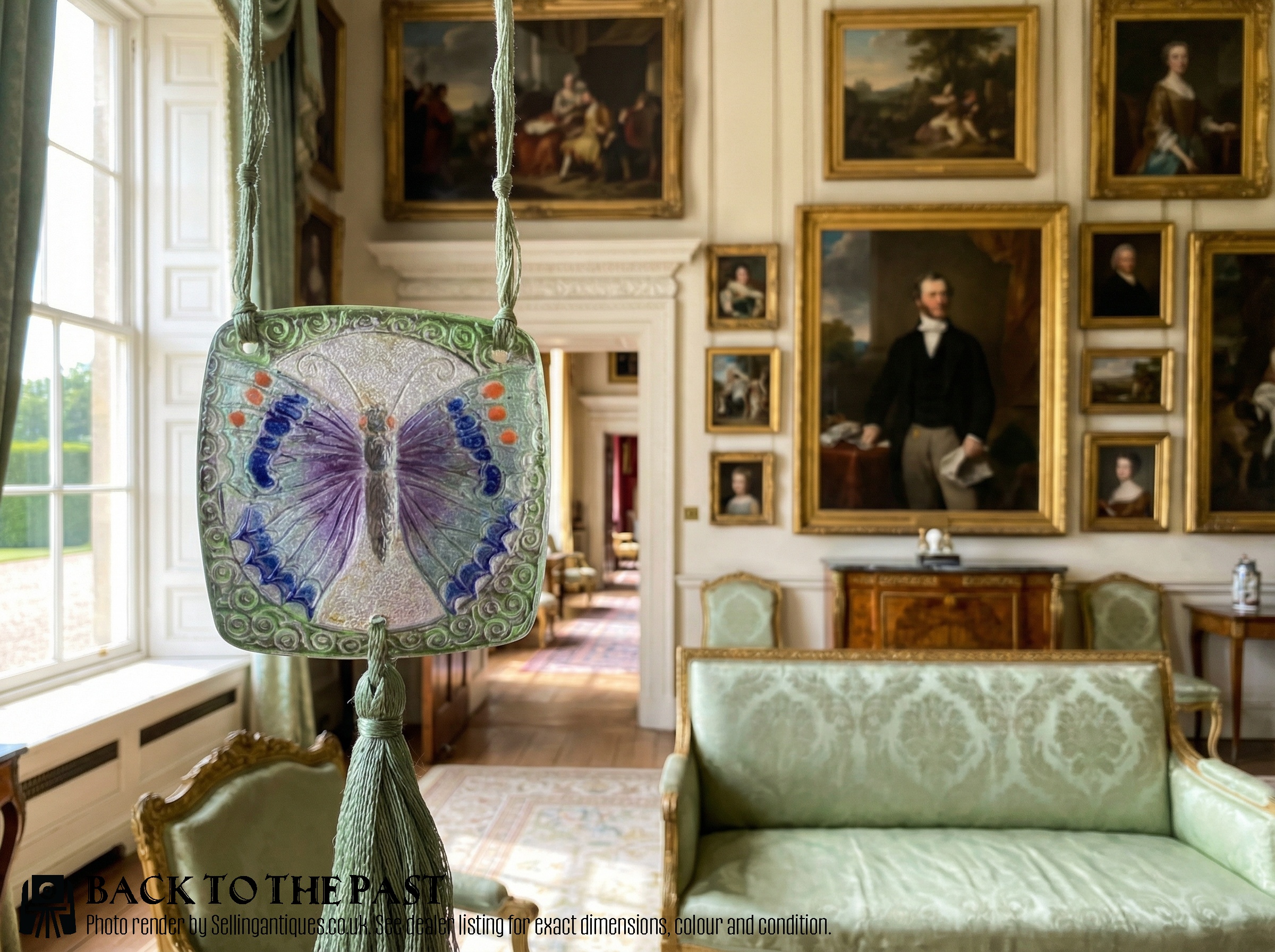
Murrle Bennett
The Antique Pendants Glossary
- 9ct, 15ct, 18ct, 18k
- Gold fineness. 15ct was a British standard used until 1932, so it dates a piece as much as it describes it.
- Locket
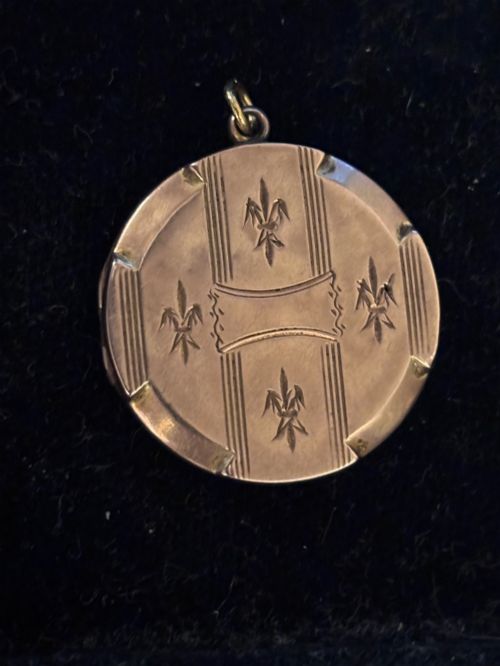
- A hinged pendant with a compartment inside for a photograph or a lock of hair. It appears in 158 titles.
- Cluster
- A central stone ringed by smaller ones, named in 75 titles. The commonest arrangement in the gem-set gold drops.
- Lavalier
- A pendant with one or more articulated drops hanging below the main setting. Common in the Edwardian entries. Spelled lavaliere as often as not.
- Fob seal
- A swivelling or engraved-stone drop that originally hung on a watch chain, now sold to wear at the throat.
- Suffragette
- Green, white and violet stones together, usually peridot, pearl and amethyst. The phrase turns up on several titles.
Frequently Asked Questions
What is the most common type of antique pendant?
A gem-set gold drop, most often 9ct, hung on a chain. Gold is named in more titles than anything else, and 9ct in a good third of them.
The pattern repeats across dozens of near-identical entries of the 9ct gold stone-and-diamond cluster type. Amethyst, pearl and diamond are the stones you'll meet most.
Do pendants usually come with a chain?
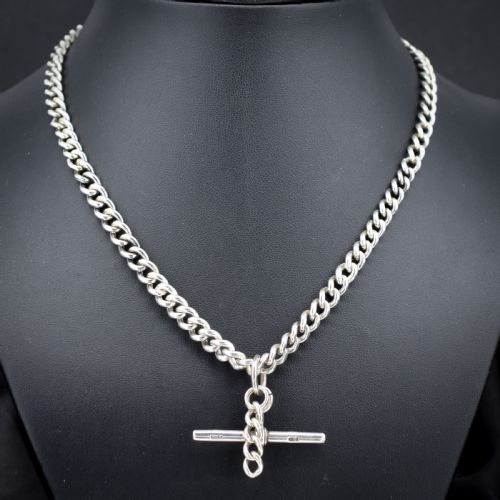
Often, yes. A quarter of titles include the word necklace and a smaller run says chain, so the pendant is frequently offered already hung.
Chain length, weight and gauge aren't standard information in this category. Inches and grams appear in only a scattering of titles.
Which periods do these pendants come from?
The dated field runs 1800 to 1960 across nearly 1,400 listings with a clean year. There are two concentrations: Victorian and Edwardian work, and the mid-century decades.
Victorian is the largest single label at 344 titles, but the 1960s, 1950s, 1930s, 1940s and 1920s together outnumber it. A handful of sampled pieces sit outside the span entirely, including two labelled Before 1700.
Are antique pendants usually signed by a maker?
Almost never. Only one name clears three dealers across the whole archive, and the great majority of titles name no maker at all.
Where a name does appear it may be stamped on the mount or offered only as an attribution. The Arts and Crafts and Art Nouveau silver is where attributions turn up most.
What is Scandinavian silver doing in this category?
It forms a distinct pocket of the archive. Around 103 titles say Danish silver, with Finnish, Norwegian and Swedish pieces alongside them, mostly dated between the 1930s and the 1960s.
It's a small share of the category, and almost all of it sits in the archive rather than the current listings.
How many pendants pass through Sellingantiques?
About 333 listings a year, and 87 dealers have listed at least one. That's one of the broadest dealer bases in jewellery on the site.
Breadth shows in the odd forms that appear once each: a dog whistle, a heart-shaped vesta case, a hexagonal powder compact with a mirror, a Turkmen cordiform asyk.