
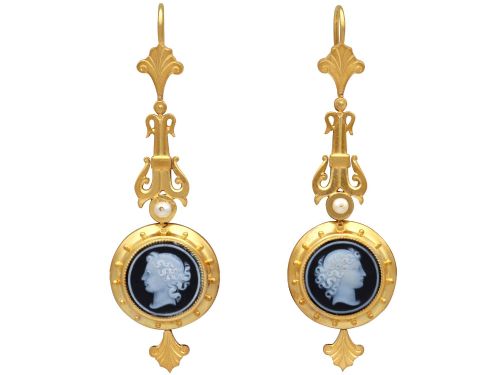
Victorian Jewellery
Personal jewellery from Queen Victoria's reign: gold rings set with diamonds, brooches and lockets, watch chains, earrings and silver Scottish agate work, worn every day or kept for dress.
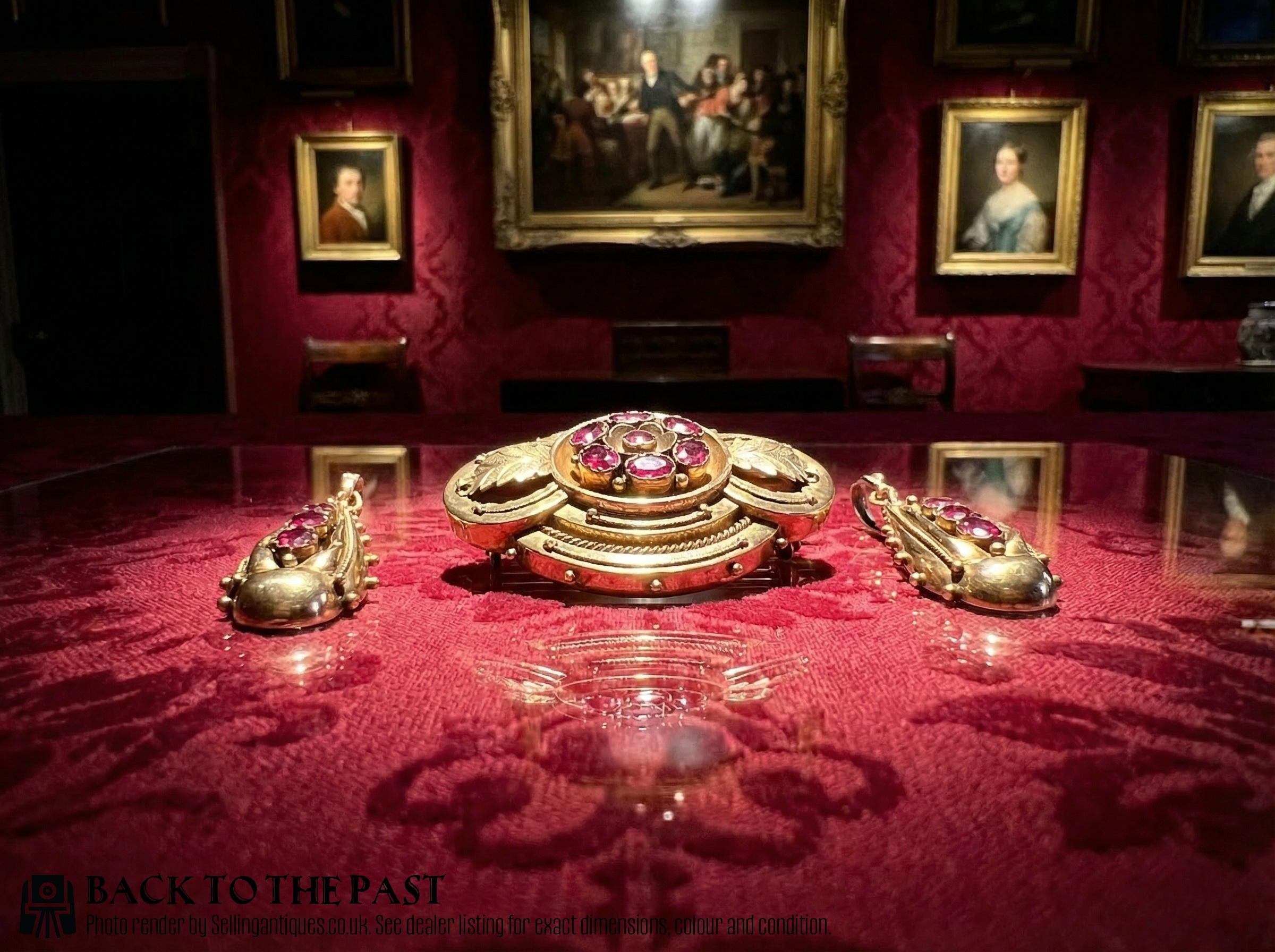
Victorian Jewellery
The heading covers British 19th-century personal ornament in precious and non-precious metal. Gold is named in six titles out of ten, with the British carat marks written out, 18ct, 9ct and 15ct. Silver accounts for a good slice of the rest. Stones carry the other half of the description, diamond most often, then pearl, ruby, sapphire, turquoise, garnet, amethyst, opal, agate and paste.
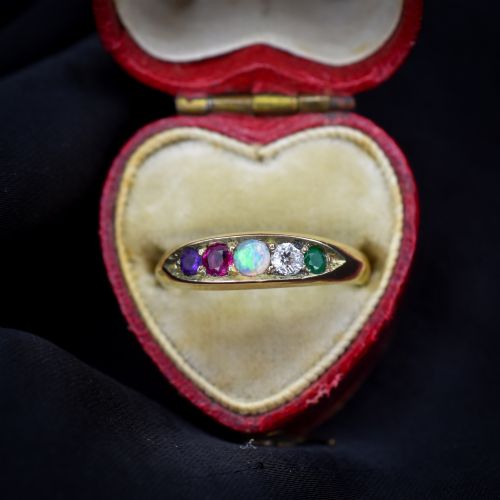
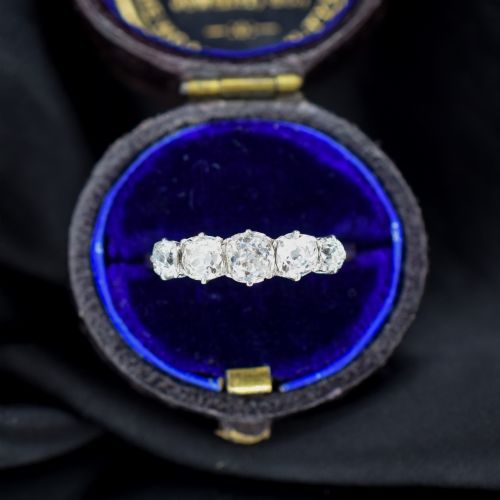
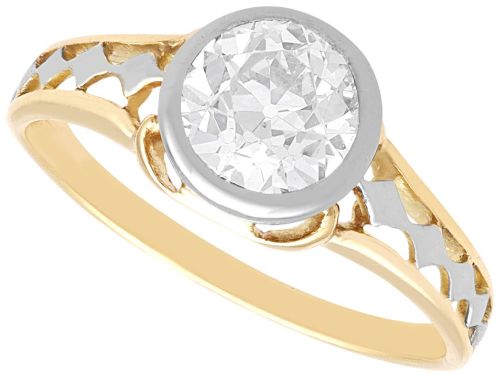
The piece you're most likely to meet is a gold-mounted, stone-set ring. Rings make up about a third of the category, and cluster, five-stone, solitaire and gypsy-set are the recipes that keep coming back. Ring titles tend to pair a carat mark with a named stone, and often a hallmark year and assay town as well.
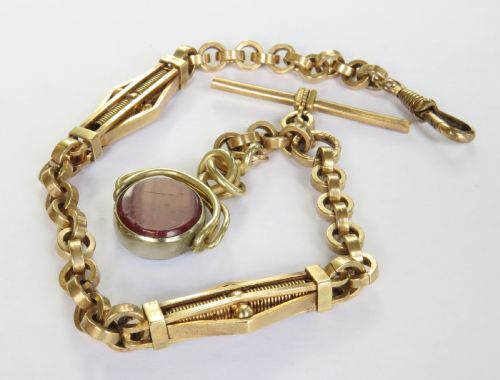
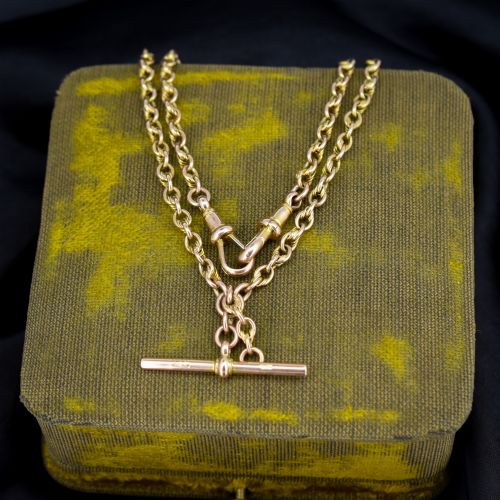
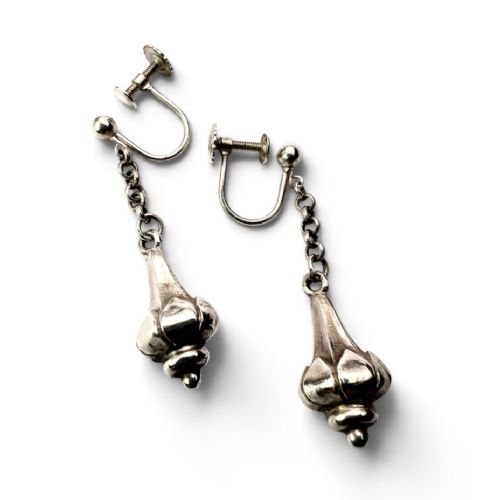
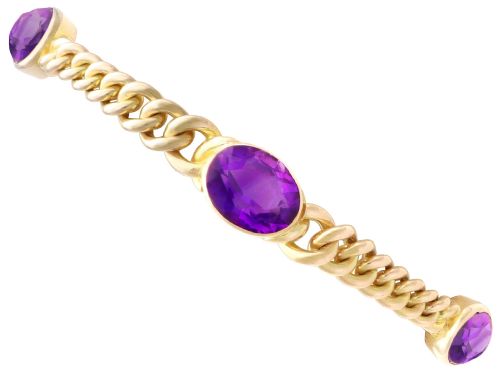
After rings come brooches, pendants and lockets, roughly a quarter of the whole, with star and heart shapes recurring. Chains, alberts, bracelets, bangles and watch furniture form a substantial minority, earrings around a tenth. Silver and non-precious work is a visible seam of its own: Scottish pebble and agate brooches, paste, jet, pique, tortoiseshell, niello, micro mosaic and pinchbeck.
Dating is loose. Most of the archive on Sellingantiques is labelled simply 'Victorian', with a smaller group given only as '19th Century', and fewer than a third carry a clean year. Where decades are stated they bunch late, in the 1880s, 1890s and 1900s, and the category is sold with its shoulders attached: Edwardian, 1910s and 1920s pieces sit alongside, and openly labelled revival work runs as late as the 1960s.

Where The Range Splits
The stone does most of the work. Toward the top, titles state carat weights and origins, Ceylon sapphire, Burma ruby, Colombian emerald, unheated, natural. Toward the bottom sit paste, simulated ruby, or a mount with no stone named at all. The gap between a weighed and located gem and a piece of foil-backed glass is the widest single split in the category.
Metal ranks in much the same order. The 18ct and 15ct pieces sit above the 9ct and silver end, and rolled gold, gold filled, gold plated and pinchbeck appear only among the cheapest titles. Hallmark evidence pulls in the same direction: an assay town and year, Birmingham, Chester, London, Sheffield, occasionally Exeter, puts a piece on a date, while much of the stock is dated by the reign alone.
Then there's substance. Stated weights and lengths recur at the upper end, heavy albert chains, long guards, broad bands, and 'large' turns up in well over a hundred titles. Completeness counts too: earring and brooch sets, matched necklace and bracelet, convertible pendant-and-brooch fittings, and original fitted boxes all cluster near the top.
Victorian Jewellery Retail Price Guide 2026
Typical UK retail prices for victorian jewellery, calculated from the Sellingantiques database of over a million retail prices indexed since 2003. This retail price guide relies exclusively on Sellingantiques data; no external sources or auction records are used, so the figures do not describe the wider market.
Scottish work is a distinct seam on Sellingantiques: Montrose agate, Peterhead granite, cairngorm and clan brooches, with agate named in well over a hundred titles.

The Victorian Jewellery Glossary
- 18ct, 15ct, 9ct
- Gold fineness in carats out of 24. The 15ct and 12ct standards were abolished in 1932, so their presence dates a piece before then.
- Old cut, old mine cut
- A hand-cut diamond with a small table and open culet, made before the modern brilliant. Rose cut, flat-backed with triangular facets on top, appears in well over a hundred titles.
- Cluster
- A central stone ringed by smaller ones, and the commonest ring layout in the category. Five stone and trilogy describe a row of five or three stones across the finger, usually graduated.
- Gypsy setting
- Stones sunk flush into a thick gold band, so the surface stays smooth. Around eighty titles use the term.
- Albert
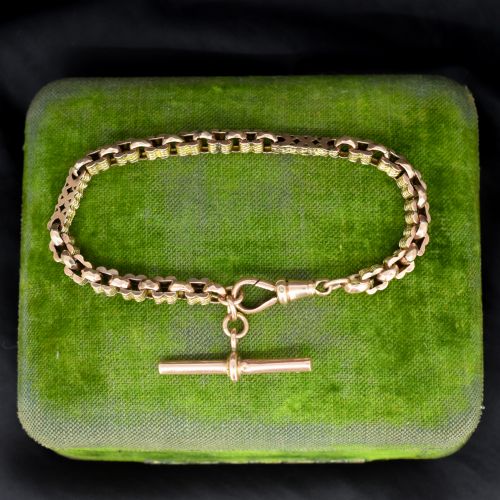
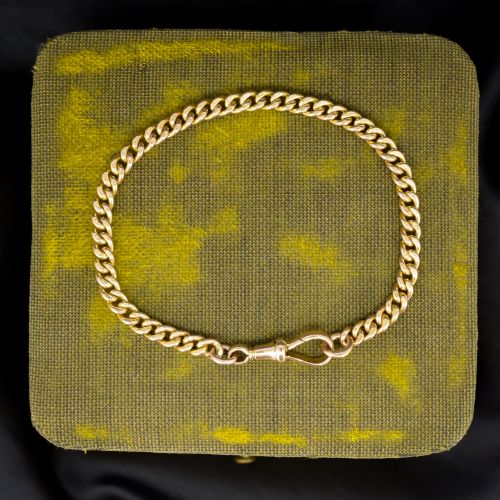
- A pocket-watch chain with T-bar and dog clip. A longuard is the very long version worn round the neck, and lengths of seventy inches turn up.
- Seed pearl, split pearl
- Tiny natural pearls, whole or halved, set in rows and clusters. Paste, by contrast, is cut and often foil-backed glass standing in for a gemstone.
- Scottish pebble
- Silver brooches and bracelets inlaid with banded agates, jasper and cairngorm, sometimes named by source such as Montrose agate or Peterhead granite.
Victorian Jewellery: Frequently Asked Questions
What does 15ct gold tell you about a piece?
The 15ct standard was a British one, abolished in 1932 along with 12ct. A piece marked 15ct was made before then, which is why the mark carries weight in titles.
It shows up in over three hundred listings on Sellingantiques. The samples also throw up 12ct, 10ct, 14ct, 19ct and 22ct.
Why are so many pieces dated only 'Victorian'?
Most of the archive carries no year at all. Around 1,561 listings are labelled simply 'Victorian' and a further 132 only '19th Century', so the reign does the dating.
Where a clean year does appear, it usually comes from a hallmark, with an assay town quoted alongside. Those dated pieces bunch in the 1880s, 1890s and 1900s.
Which stones turn up most often?
Diamond leads by a distance, named in around a third of all titles, with old cut and rose cut both common descriptions.
After that come pearl, ruby, sapphire and turquoise, then garnet, amethyst, opal and agate. Paste, meaning glass, appears in its own right at the lower end of the range.
What is Scottish pebble jewellery?
Silver brooches and bracelets inlaid with banded agates, jasper and cairngorm, cut and fitted like a mosaic. It forms a distinct seam within the category.
Ninety titles say 'scottish' and a hundred and nineteen say 'agate'. Named sources such as Montrose agate and Peterhead granite appear, as do clan brooches.
Are Edwardian and later pieces sold under this heading?
They are. The surrounding labels Edwardian, 1910s and 1920s all appear, and the clean-date field runs from 1800 through to 1960.
The late end is openly described revival work, such as 1950s 'Victorian Style' cluster rings and French dormeuses dated around 1960.
How wide is the choice in this category?
Around 365 pieces are listed a year, handled by 102 different dealers, which makes it one of the most widely carried categories on Sellingantiques.
The spread runs from silver and paste brooches and rolled-gold watch chains at one end to weighed, origin-named gems in fitted cases at the other.