
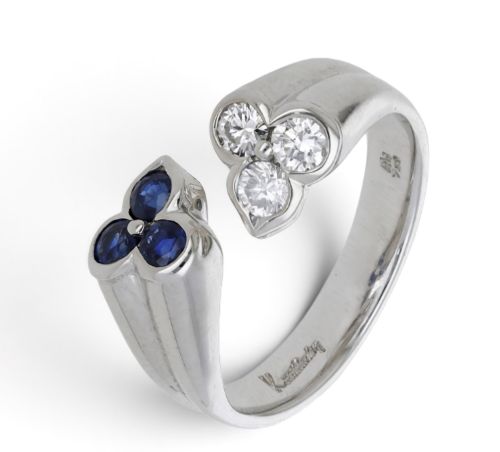
Antique Cocktail Rings
A cocktail or dress ring is a large gem-set finger ring built around a raised, showy head, made to be worn for evening and social occasions rather than as an engagement or wedding band.
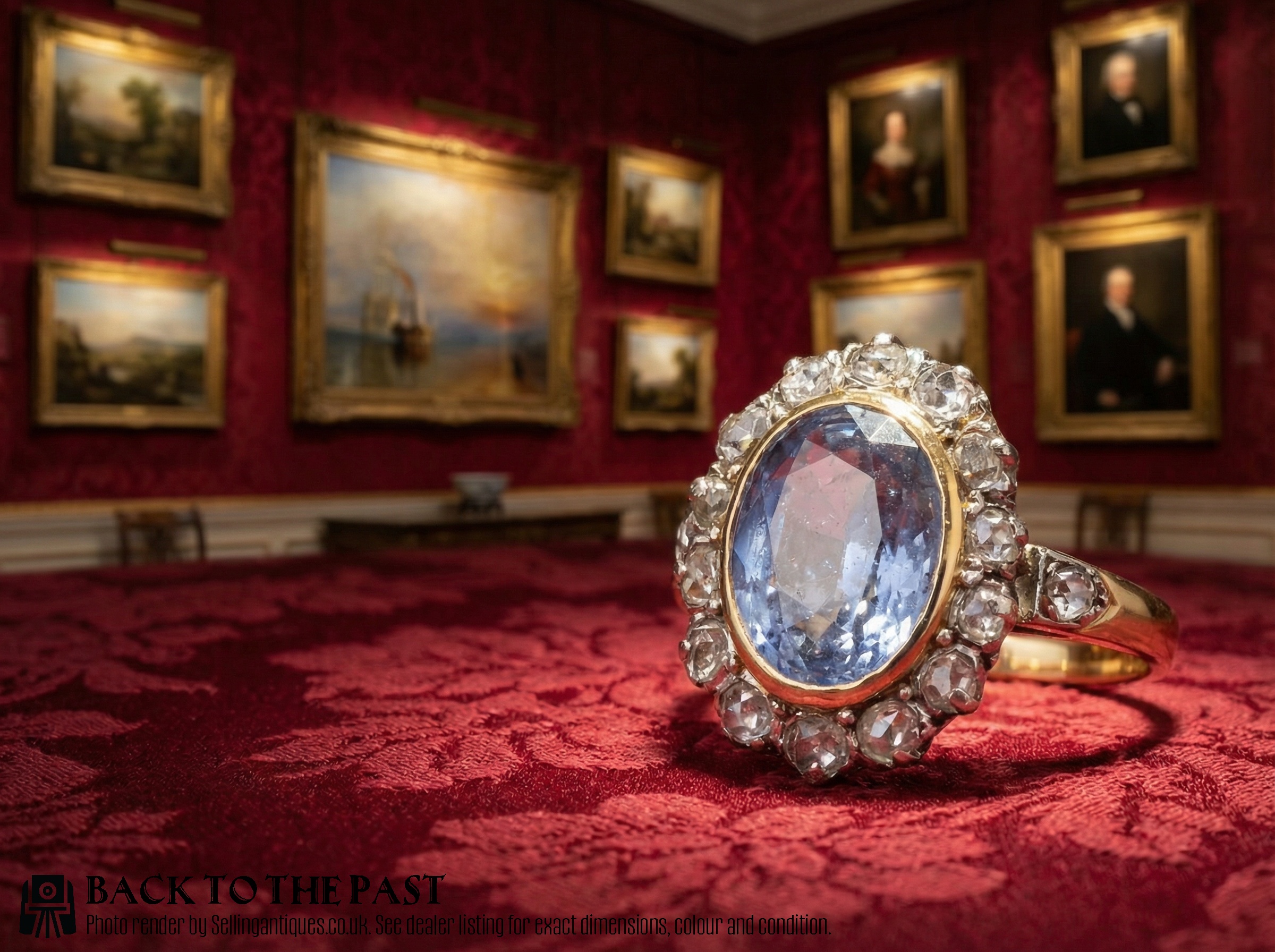
Antique Cocktail Rings
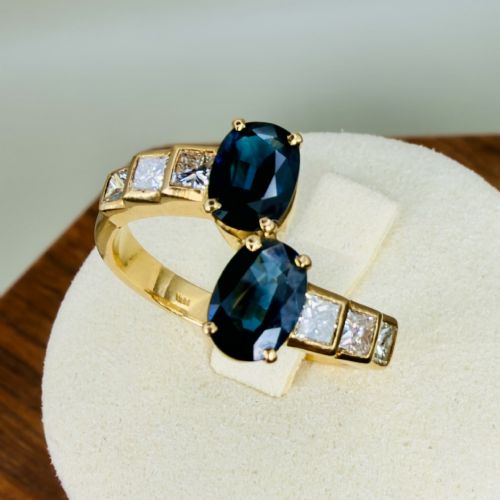
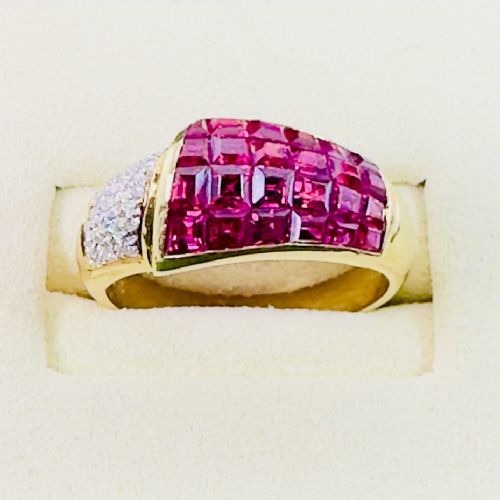
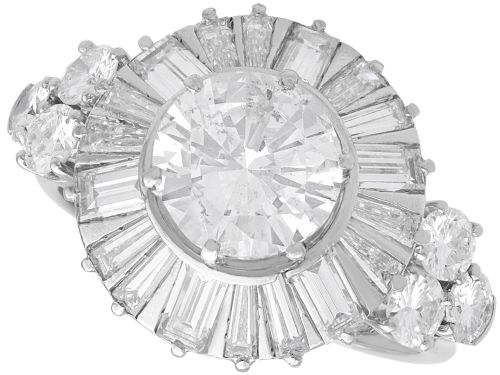
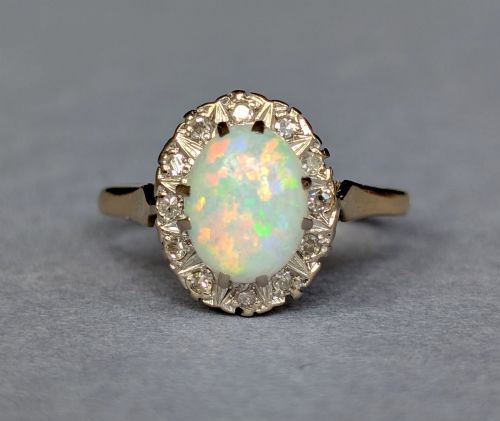
The interest sits in the head, not the band. A cluster of stones, a domed bombé top, a flat geometric plaque, all raised above the finger and sized to be seen across a room. The form took its name and its proportions in the 1920s to 1950s, when big coloured stones and cluster-set diamonds were the point of the thing.
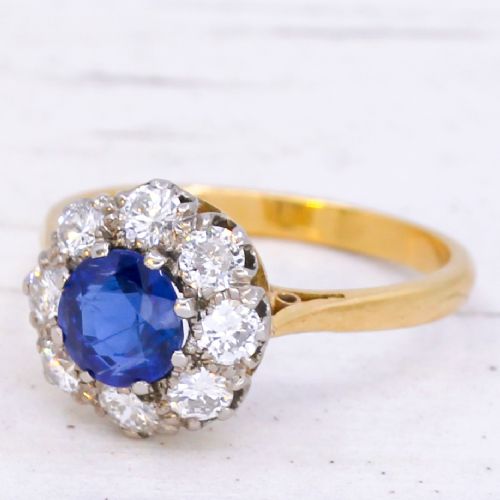
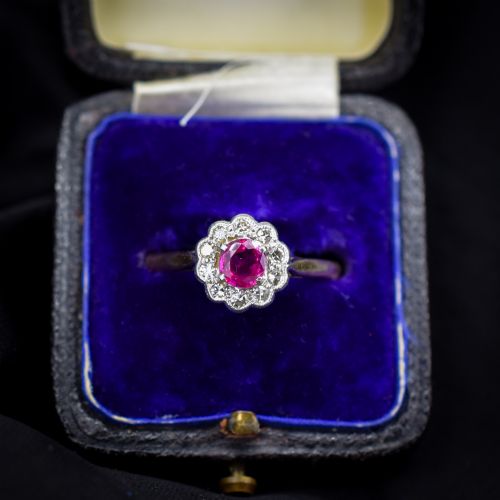
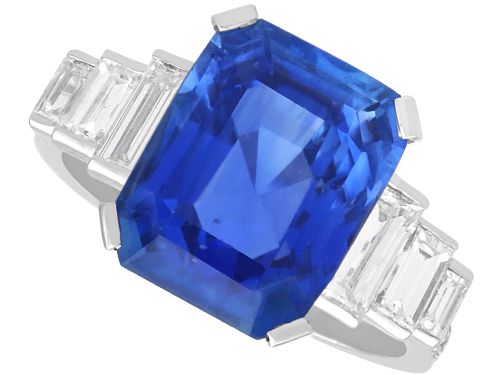
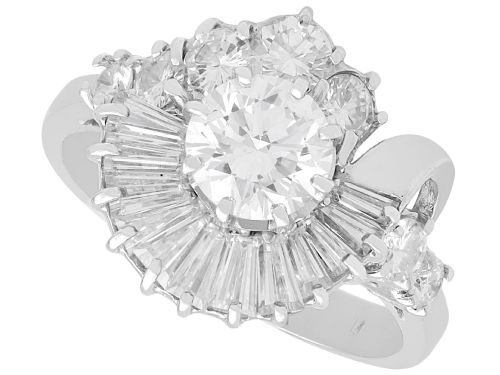
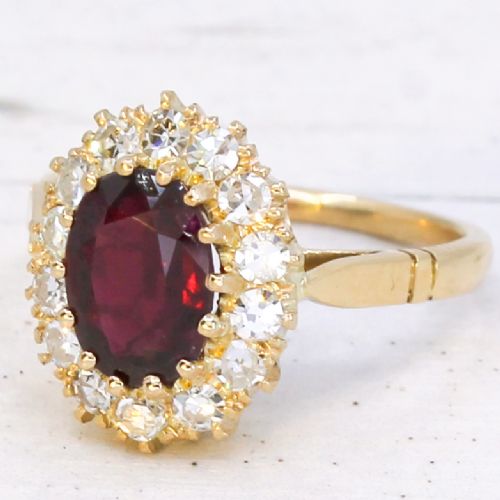
Diamond is named in most titles on Sellingantiques and gold in around half, so a ring in this category without either is the exception. Cluster is the commonest construction. The single most likely thing you'll meet is a deco-styled diamond and sapphire cluster in 18ct gold or platinum, and sapphire leads the coloured stones ahead of emerald and ruby.
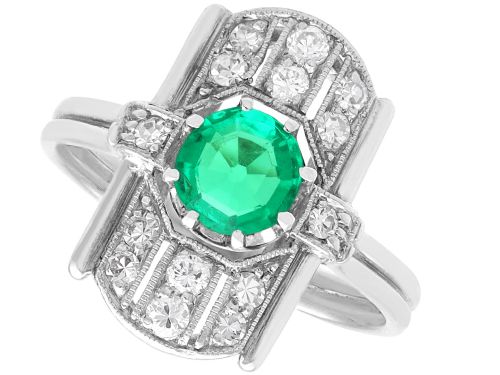
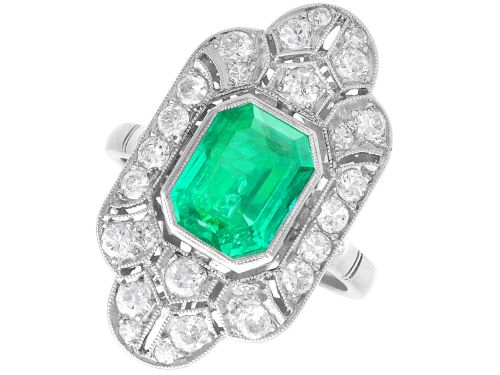
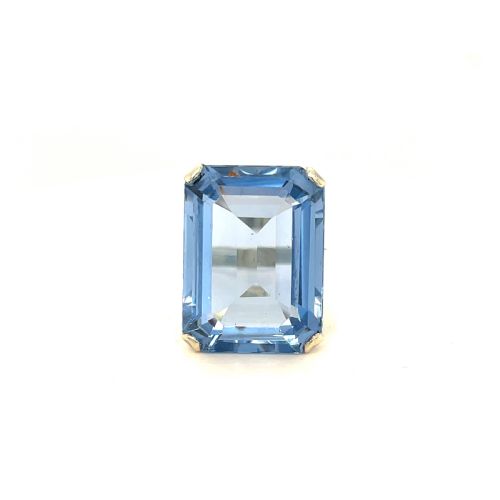
Around a third of titles carry the Art Deco label: platinum and white gold panels, targets, navettes and pavé plaques. Behind that sits the mid-century and Retro group, heavier and rounder, with tank mounts, bombé heads, scroll panels and rope twists. A third strand is the large single-stone dress ring in 9ct or 14ct gold, usually amethyst, citrine, topaz or aquamarine, and that group carries most of the lower range.
The dated field runs 1800 to 1960, with the 1930s, 1950s and 1960s accounting for most of it. Edwardian, Victorian and 19th century pieces are thin on the ground, often with rose-cut diamonds or paste in closed-back settings. Dealers date by style as much as by mark, so a few titles carry hallmark dates later than the decade given.
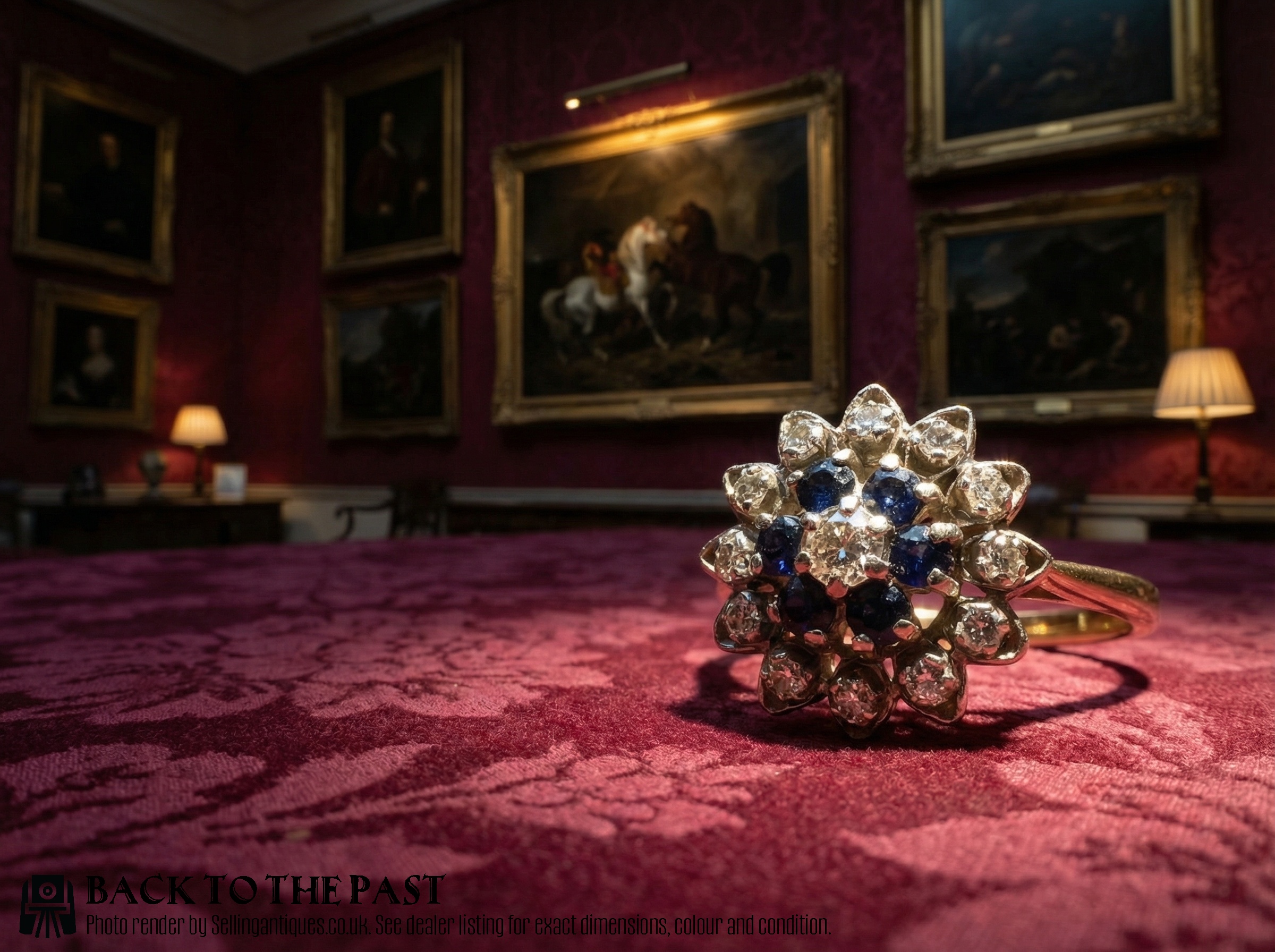
Where The Range Splits
Gem origin does more work than anything else. Ceylon is the one origin common enough to register as a term, and Colombian, Burmese, Mogok, Mong Hsu, Zambian and padparadscha surface only a handful of times, almost always at the top. A title reading plain 'sapphire' or 'emerald' sits a long way below one that names where the stone came from, or says it's unheated.
Natural against synthetic is the other clean divide. Natural appears in a good number of titles and clusters high; synthetic sapphire, synthetic ruby, zirconia, spinel and paste turn up repeatedly among the cheapest entries. Metal follows the same line, with platinum and 18ct across the upper range and 9ct or silver at the bottom, often paired with quartz or amethyst.
Quantified stones beat unquantified ones. Carat weight is named in a good share of titles and rises with the range, from sub-carat heads at the bottom to single stones in the twenties and thirties of carats. The largest stones are semi-precious, though, so size alone isn't the story: gem reports and certification wording appear only in the upper half.
Antique Cocktail Rings Retail Price Guide 2026
Typical UK retail prices for cocktail rings, calculated from the Sellingantiques database of over a million retail prices indexed since 2003. This retail price guide relies exclusively on Sellingantiques data; no external sources or auction records are used, so the figures do not describe the wider market.
Ceylon is the one gem origin named often enough to register in cocktail ring titles on Sellingantiques. Colombian, Burmese and Zambian each turn up only a handful of times.
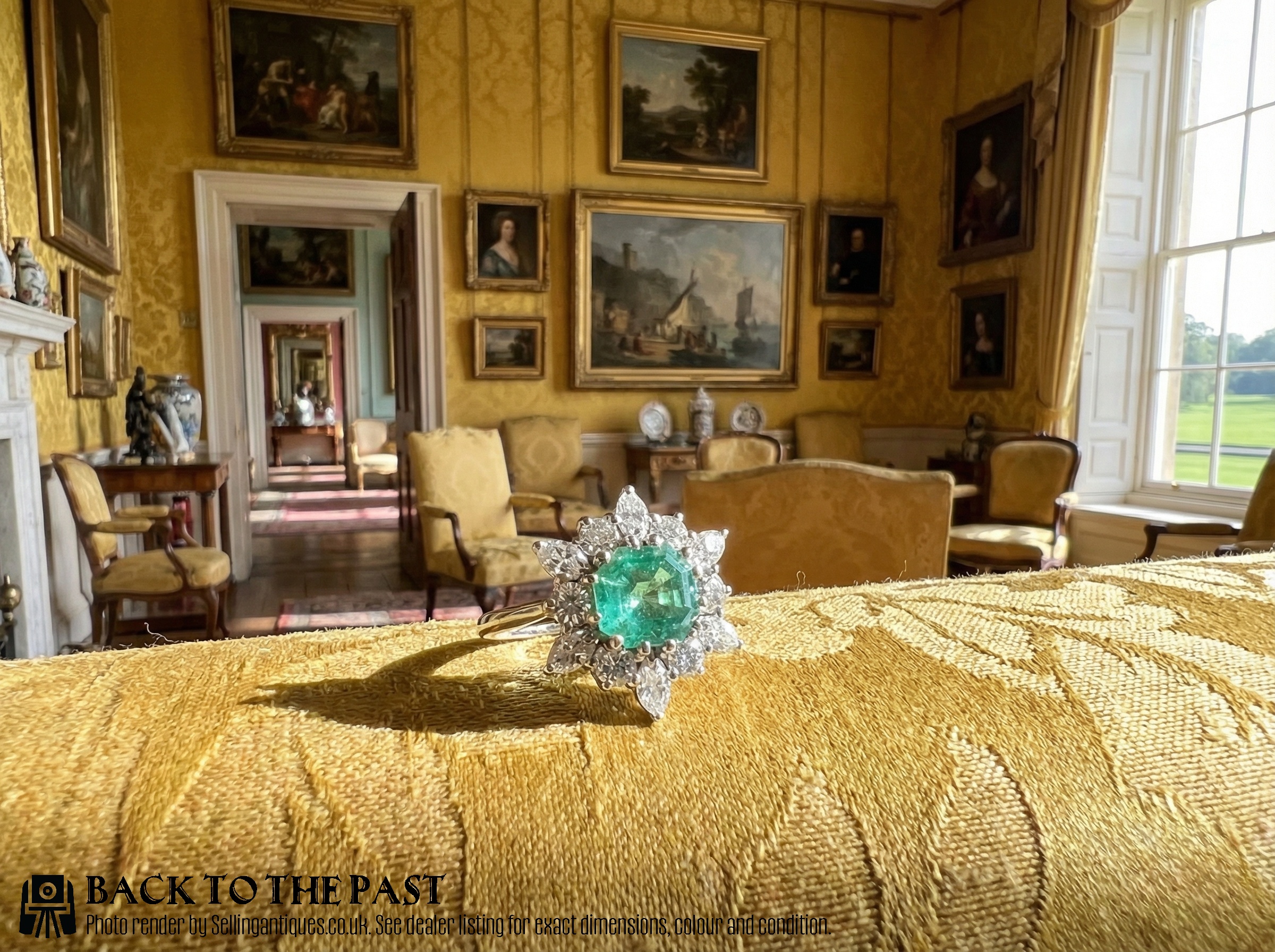
The Antique Cocktail Rings Glossary
- Cluster
- Several stones grouped as one head, usually a centre stone ringed by smaller ones. It's the commonest construction in this category by a wide margin.
- 18ct, 9ct, 14ct, 585, 333
- Gold fineness as stamped. 18ct dominates, 9ct and 14ct sit at the lower end, and continental marks like 585 and 333 are quoted occasionally.
- ct
- Carat weight of a stone, written as 0.50ct or 2.11ct. Not the same as ct for gold fineness, and both can appear in one title.
- Bombé
- A domed, swelling head that rises from the shoulders. It recurs in both the deco and mid-century listings.
- Tank
- The heavy, squared-off Retro mount of the 1940s and 50s, usually with a broad shoulder running into the band.
- Paste
- Cut glass set as a gemstone. Found on the silver rings and some of the earlier gold ones, and it sits at the bottom of the range.
Antique Cocktail Rings: Frequently Asked Questions
What period are most cocktail rings from?
The dated listings run from 1800 to 1960, but the weight is late. The 1930s, 1950s and 1960s between them account for the bulk, with the 1920s close behind.
Victorian, Edwardian and 19th century pieces are a small part of the whole. Dating in this category is the dealer's approximation from style, not a hallmark reading.
Which stones turn up most often?
Diamond, far ahead of everything else, and named in the majority of titles. Sapphire leads the coloured stones, then emerald, then ruby.
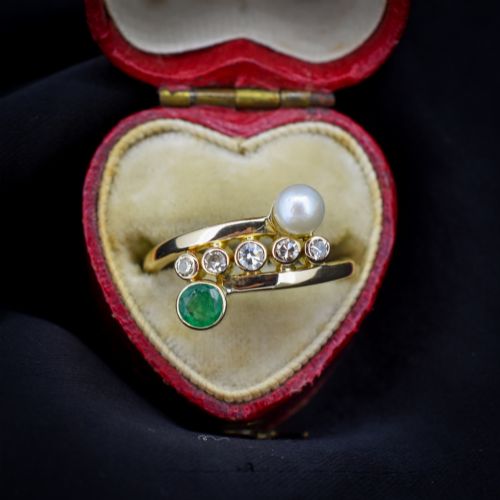
Amethyst and aquamarine appear regularly too, usually as large single stones in 9ct or 14ct mounts. Opal, pearl, tourmaline, zircon, jade and turquoise each surface in smaller numbers.
Is there a difference between a dress ring and a cocktail ring?
Not in practice. The two words are used interchangeably across the listings for the same thing: a large ring with a raised gem-set head, worn for show rather than as a wedding or engagement band.
'Dress' appears in a fair number of titles, often on the bigger single-stone semi-precious rings.
Why do some titles name a country for the stone?
Origin names like Ceylon, Colombian, Burmese, Mogok, Zambian and Australian mark out gems whose source has been identified, and they appear almost exclusively at the top of the range.
Ceylon is the only one common enough to count as a recurring term. The others surface a handful of times each, often alongside gem report or certification wording.
Do listings state the ring size?
Usually not. Size appears in only a small fraction of titles, so the majority of listings leave it out.
What titles do carry, more often, is metal, stone and construction: 18ct, platinum, cluster, bombé, tank.
What does Art Deco mean on one of these?
It points to the geometric styling of the 1920s and 30s: flat panels and plaques, target and navette heads, pavé and chequer settings, generally in platinum or white gold.
Around a third of titles in the category use the term, which makes the deco diamond and sapphire cluster the single most familiar type on Sellingantiques.