
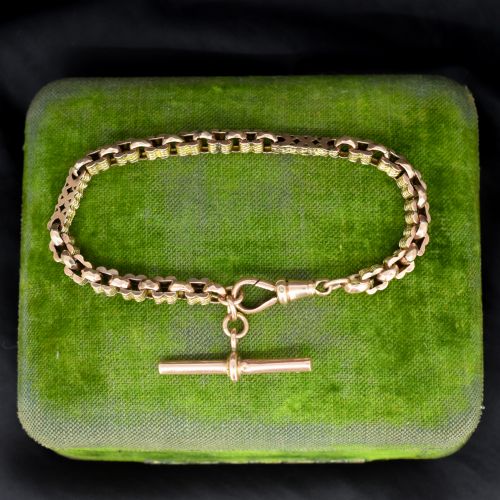
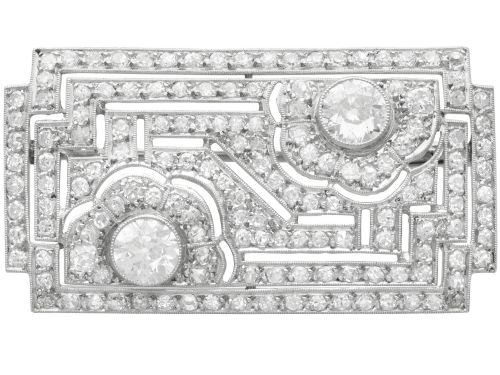
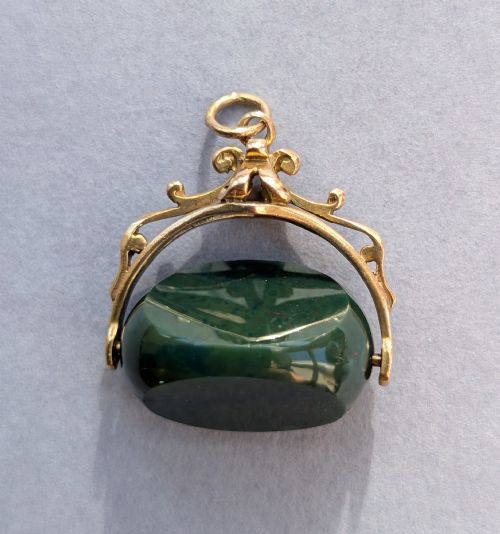
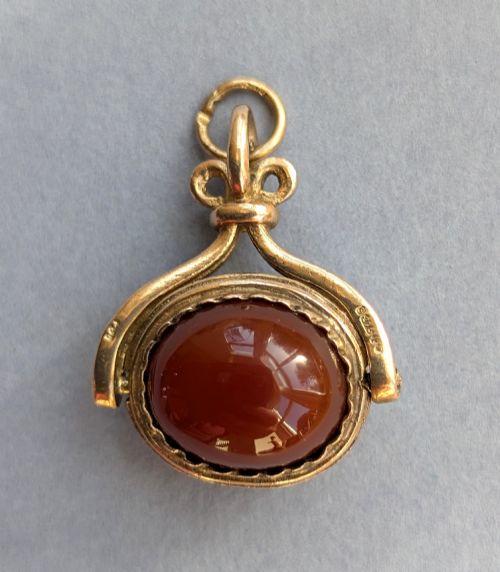
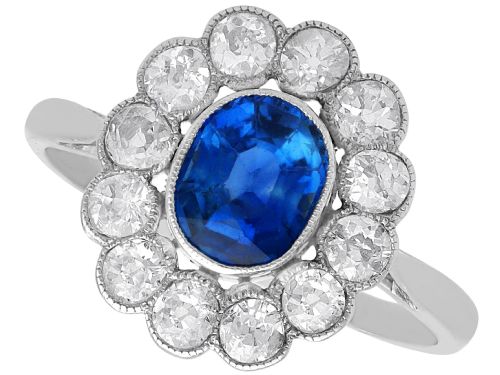
Edwardian Jewellery
Small gem-set gold jewellery from around the turn of the twentieth century, worn every day: rings above all, with pendants, brooches, chains and earrings behind them.
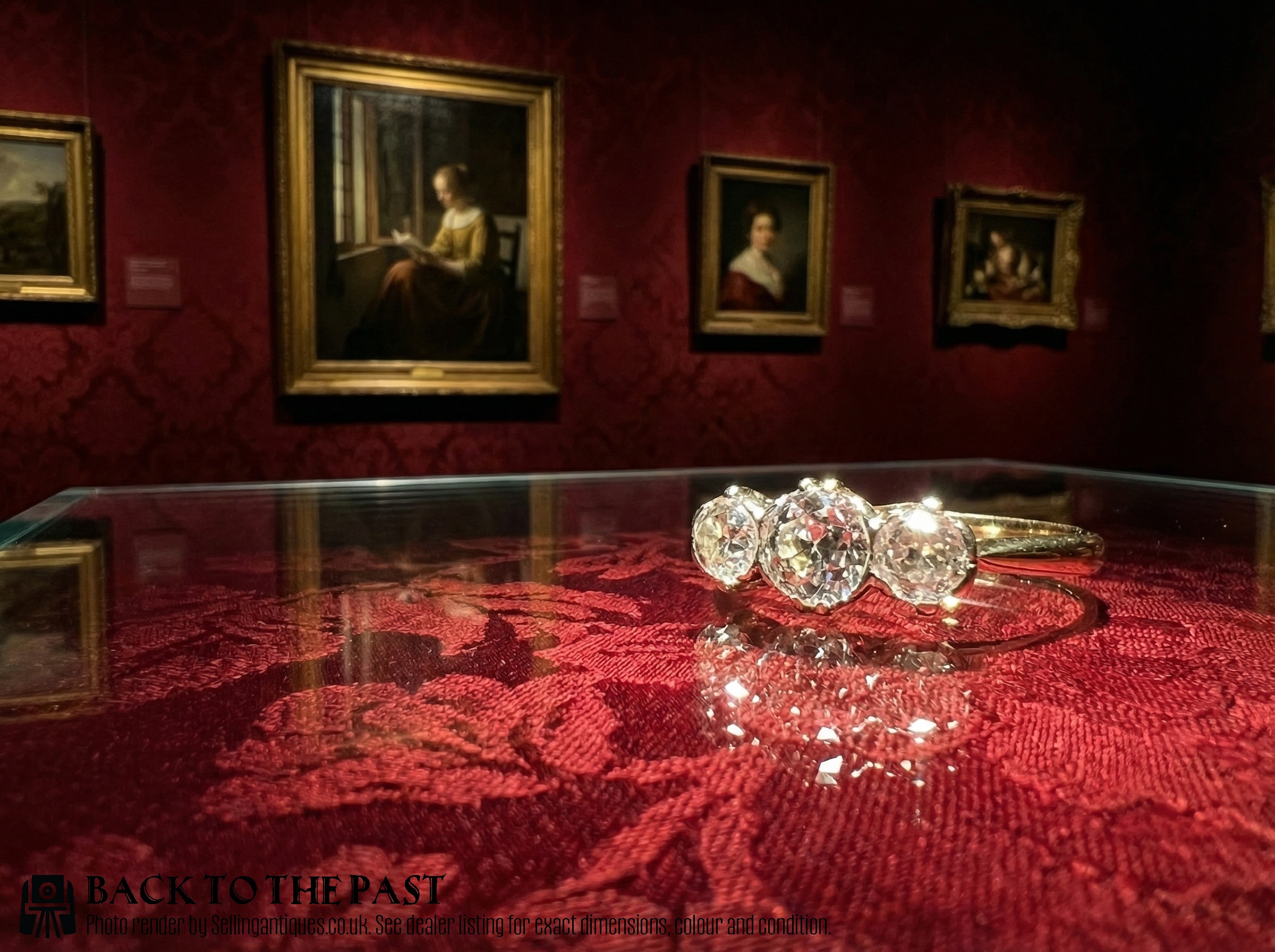
Edwardian Jewellery
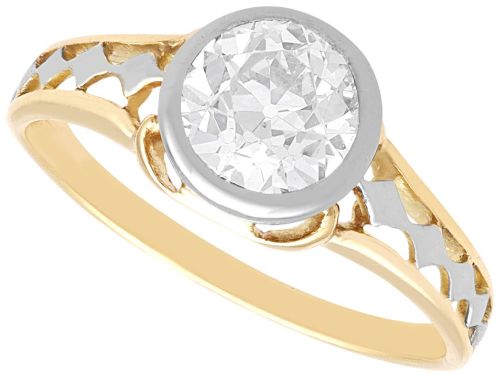
The label sits between Victorian taste and Art Deco, covering the years around the reign of Edward VII and just after, when platinum and fine white settings, garland and bow motifs and light openwork came into fashion in Britain and Europe. What survives is mainly small personal jewellery.
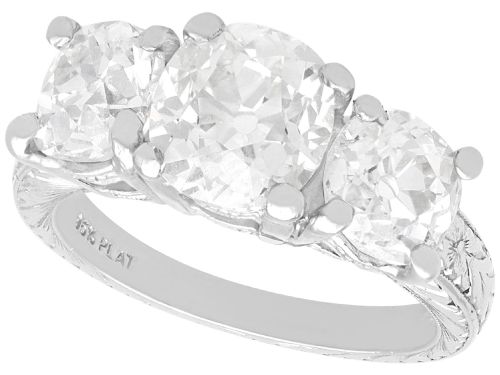
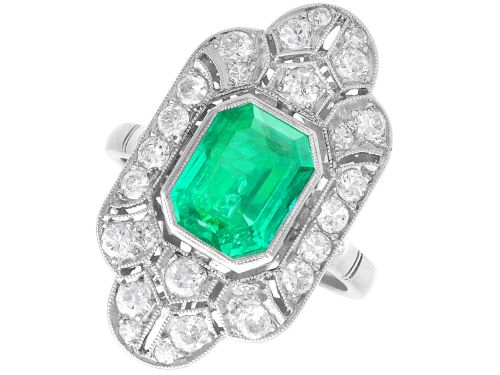
On Sellingantiques the heading is dominated by gem-set gold. Gold is named in well over half of titles and diamond in about half; rings account for two fifths, and cluster rings alone run to 230 of them. Mounts are usually stated as 18ct or 9ct, often with platinum settings on a gold shank, and 15ct turns up steadily, a British standard dropped in 1932.
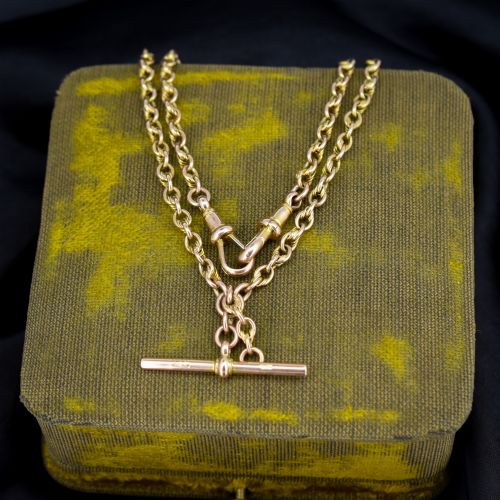
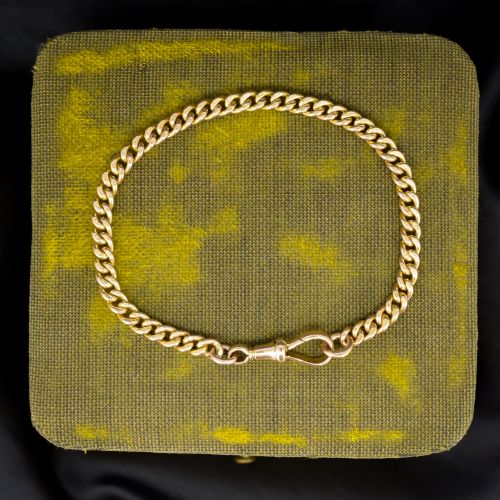
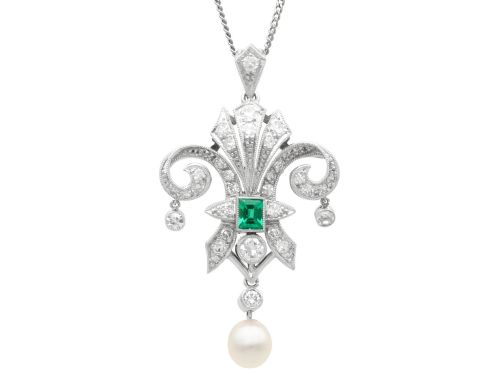
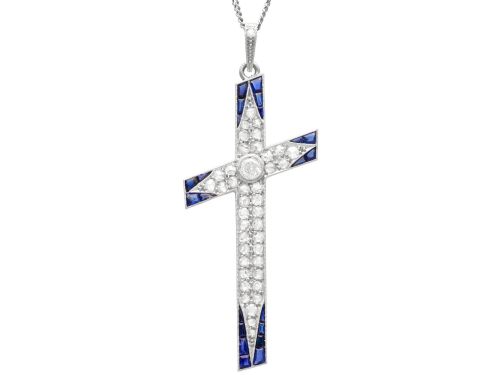
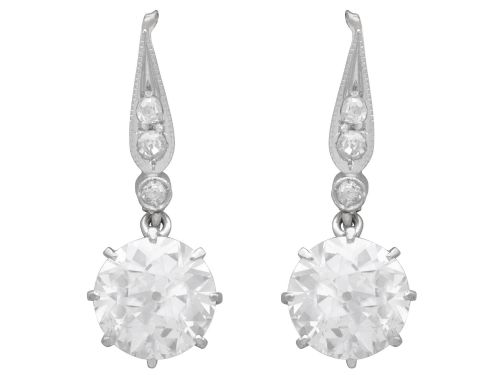
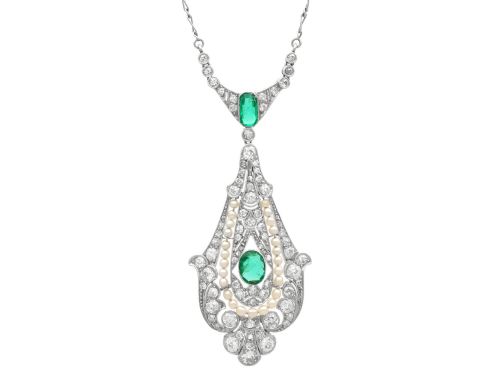
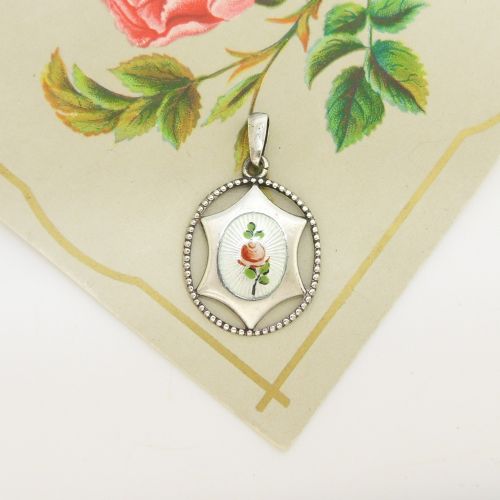
Rings aside, the second body of work is pendants, lockets and necklaces, with lavaliere and negligée drops recurring. Brooches, bar brooches, hat pins and stick pins make up about one in nine. Earrings, bracelets and cufflinks together come to around one in six. Silver, paste, marcasite and Arts and Crafts pieces sit at the accessible end.
Dating is loose. Of 2,643 listings, 1,208 are dated only "Edwardian", and the dealer date field runs from 1870 to 1960, with 1920s, 1930s and Victorian tags all present. A good deal filed here is dated by the dealer to either side of the reign, and the word often describes style as much as year. Art Nouveau wording appears in 97 titles.
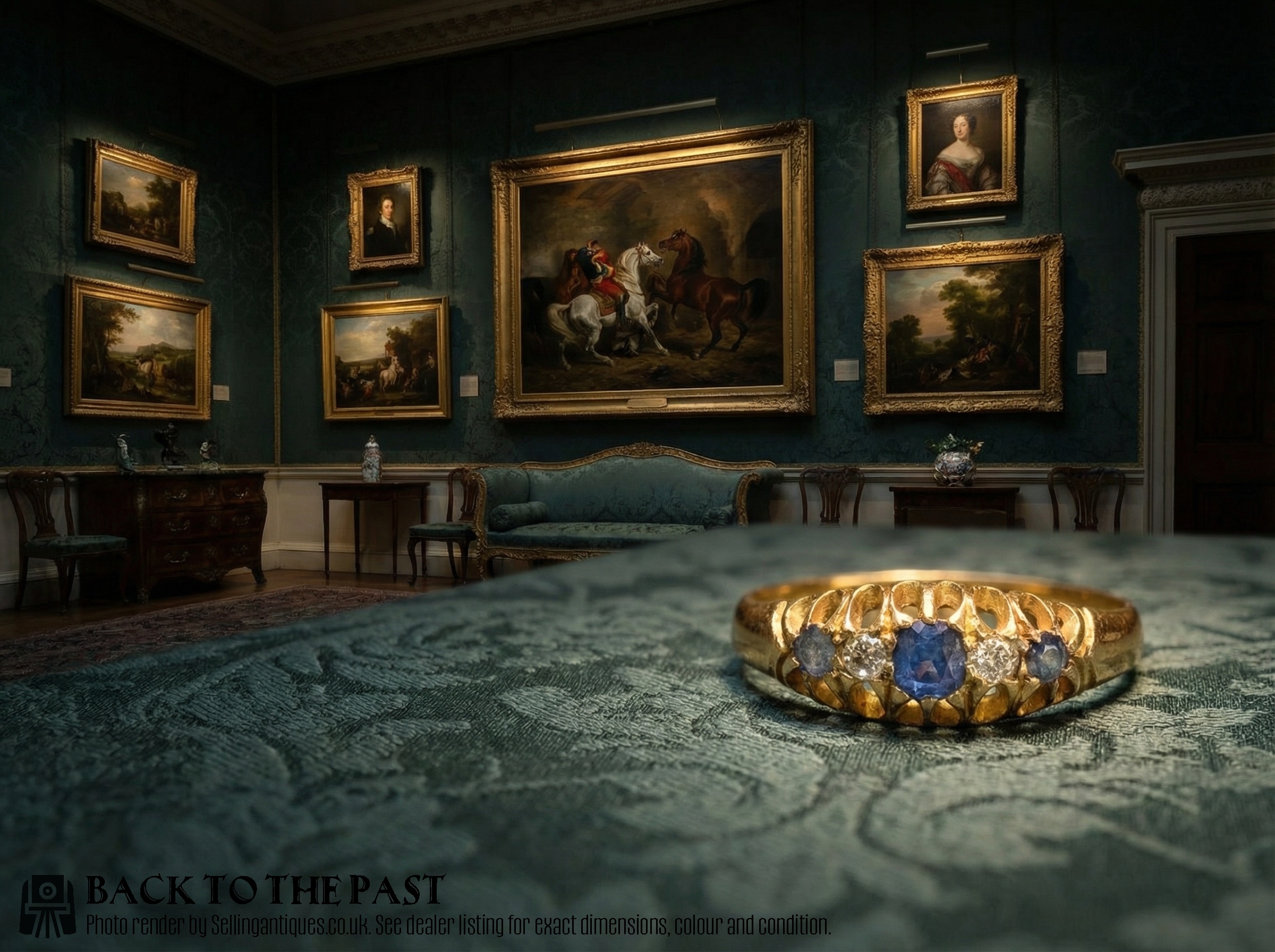
What Sets Them Apart
Stone weight does most of the work. Carat weights are quoted in 274 titles, and the range runs from five-stone rings of a tenth of a carat or so up to single stones of two, three and nearly five carats. The heaviest recorded on Sellingantiques are sapphires, an 11 carat and a 15.79 carat Ceylon stone, both dated to about 1910.
Metal follows the same line. Titles naming 18ct and platinum concentrate high in the range, 15ct sits in the middle, and 9ct and silver make up the accessible end. Paste, marcasite and enamel pieces belong there too, alongside the oddities: a compass pendant, a whistle pendant, a golf club medal, a cycling brooch with working wheels.
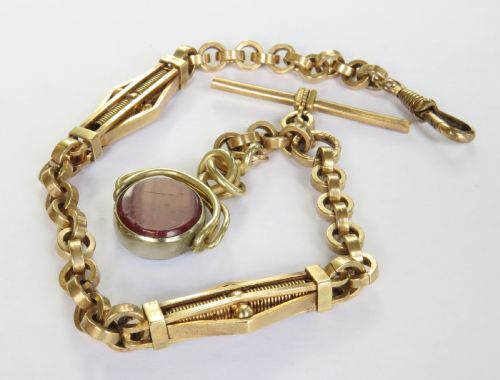
The other lift is what the description can say about the stones. Named origins such as Ceylon, Burmese and Colombian, the words natural and unheated, gem lab reports, natural saltwater pearls against cultured or simulated ones. Chains and bracelets separate the same way, by quoting grams and inches once they get substantial. French work is the most conspicuous non-British origin, named in 116 titles and clustering in the upper half.
Edwardian Jewellery Retail Price Guide 2026
Typical UK retail prices for edwardian jewellery, calculated from the Sellingantiques database of over a million retail prices indexed since 2003. This retail price guide relies exclusively on Sellingantiques data; no external sources or auction records are used, so the figures do not describe the wider market.
Edwardian is the period label used most on Sellingantiques for this jewellery, with the 1910s next and the 1900s third.
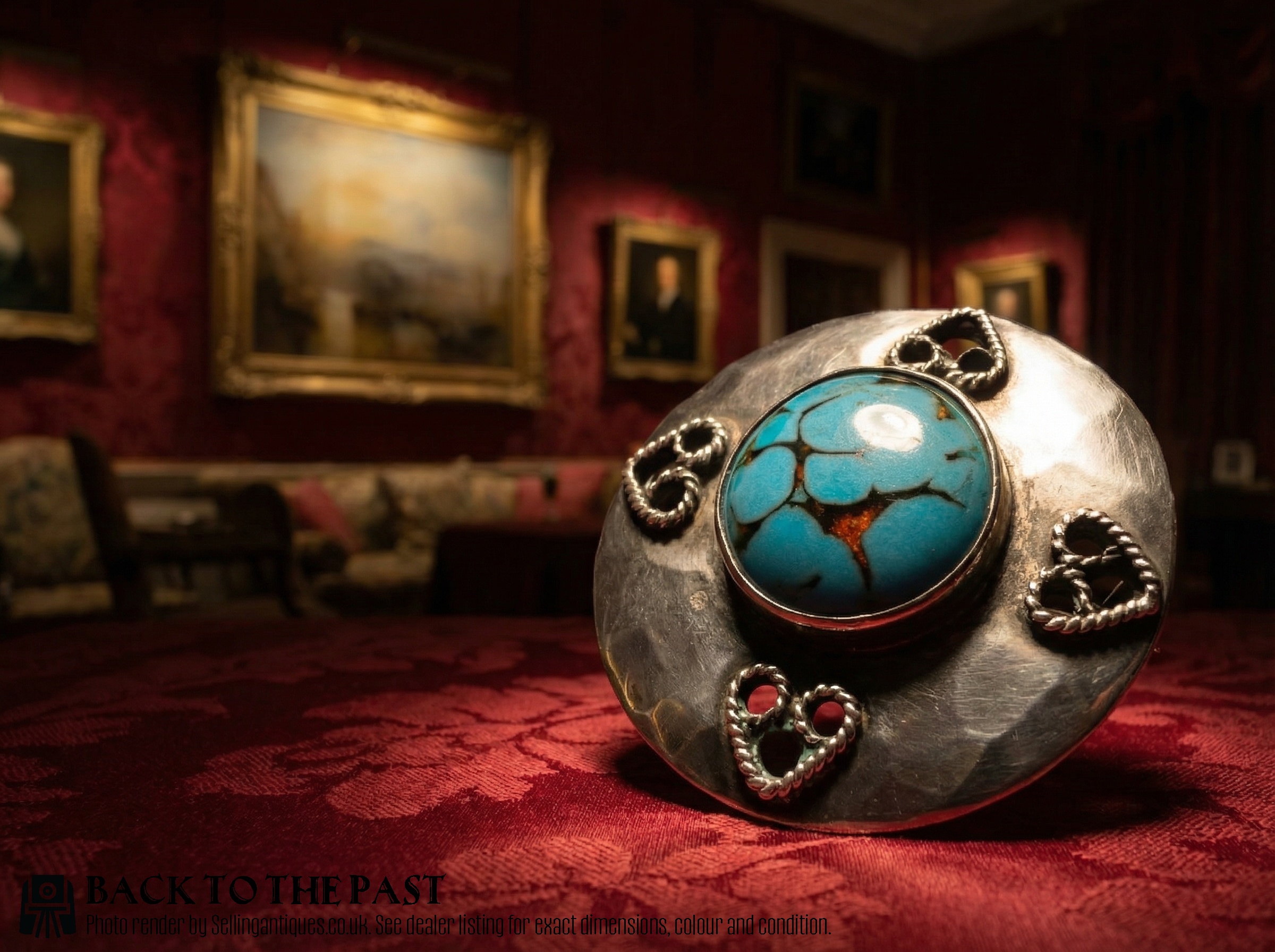
Charles Horner
The Edwardian Jewellery Glossary
- Cluster
- A centre stone ringed by smaller ones. The single commonest ring form under this heading, with 230 cluster rings among the titles.
- Old cut, old mine, old European cut
- Hand-cut diamonds of the period, with a small table and an open culet. "Cut diamond" appears in 490 titles.
- Rose cut
- A flat-backed diamond faceted in triangles rising to a point. Named in 85 titles, often in older or lighter settings.
- 15ct
- A British gold standard used until 1932. It appears in 225 titles and is a quiet dating clue running right through the archive.
- Toi et moi
- A two-stone crossover ring, the stones sitting side by side on curved shoulders. Recurs repeatedly through the ring listings.
- Lavalier, lavaliere, négligée
- A pendant hung from a chain, often with one or two drops of uneven length below the setting.
Edwardian Jewellery: Frequently Asked Questions
Is Edwardian jewellery always platinum?
No. Gold is named in far more titles on Sellingantiques than platinum is. Where platinum does appear it is often as settings on a gold shank, and "gold platinum" wording runs through 79 titles.
The usual mount stated is 18ct or 9ct, with 15ct between them.
What is a gypsy setting?
Stones sunk flush into a thick band, so the surface of the gem sits level with the metal. It recurs through the ring listings under this heading.
It turns up alongside the other ring forms named in titles: solitaire, five stone, trilogy, half hoop and cluster.
Why are some pieces dated to the 1920s or 1930s?
Because the label is used for style as much as for reign. Of 2,643 listings, 1,208 carry no year beyond "Edwardian", and the dealer date field as a whole runs from 1870 to 1960.
Where a decade is given, the 1910s and 1900s lead, but 179 fall in the 1920s and 96 in the 1930s, and 149 are tagged Victorian.
What are suffragette colours in these listings?
Combinations of amethyst, peridot and pearl, green, white and violet together. They recur often enough under this heading to count as a sub-type rather than a one-off.
They show up mainly in pendants and rings.
How common are makers' names?
Uncommon. Only one name clears three dealers across the whole category, and the bulk of what sells is unsigned.
Where a name does appear it comes stamped or on a mark rather than through attribution, and garland-style or openwork pieces are generally listed without a workshop.
Which pieces other than rings turn up most?
Pendants and necklaces are the second group, with pendant in 429 titles and necklace in 317, plus chains, lockets and drops.
Brooches account for 298 titles, including bar brooches, insect and swallow forms. Earrings, bracelets and cufflinks make up the rest, with gate and curb bracelets recurring.