
Antique Lockets
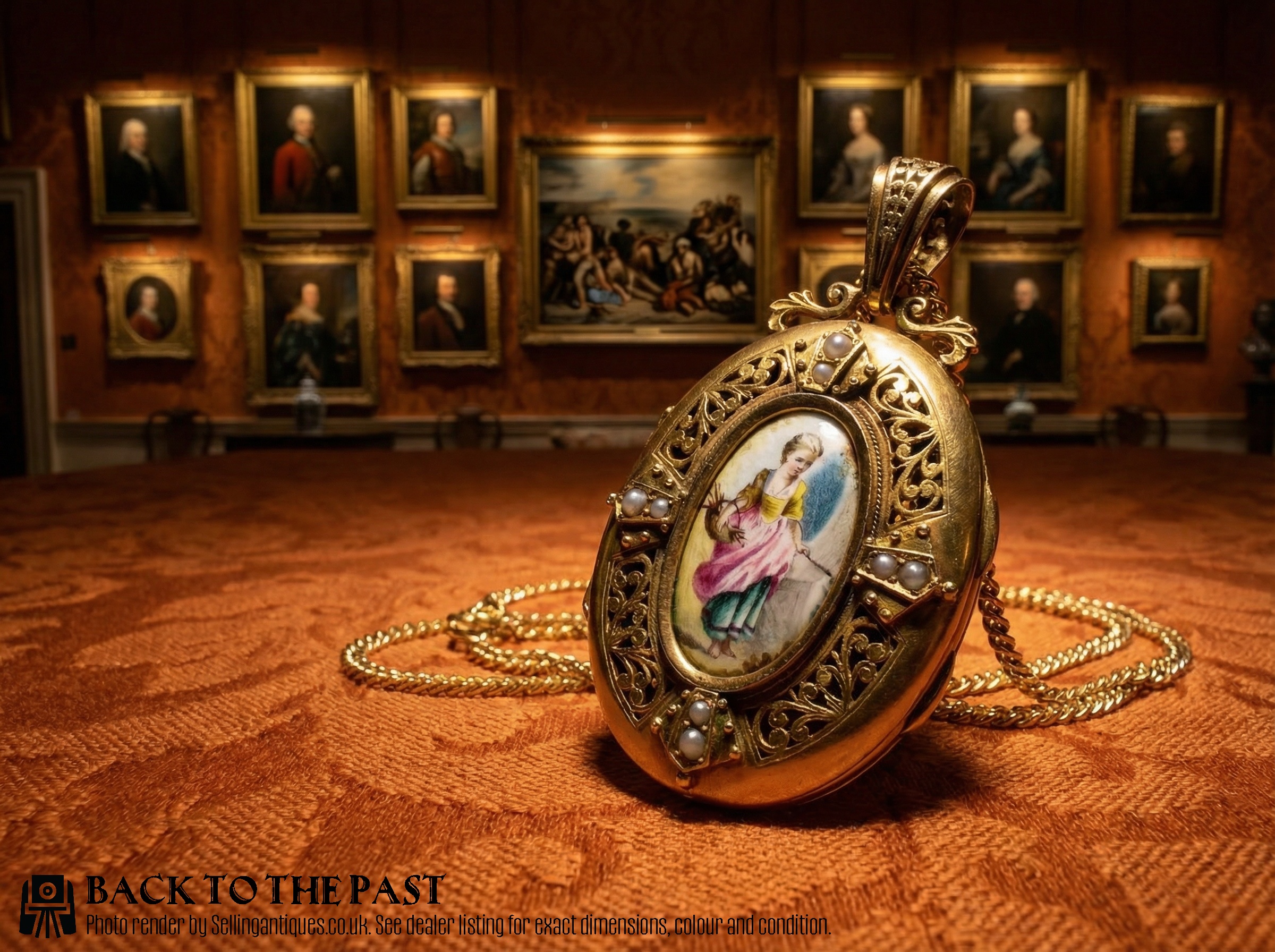
A small hinged or glazed case worn on a chain, made to hold a photograph, a lock of hair or some other keepsake close to the wearer.
Antique Lockets
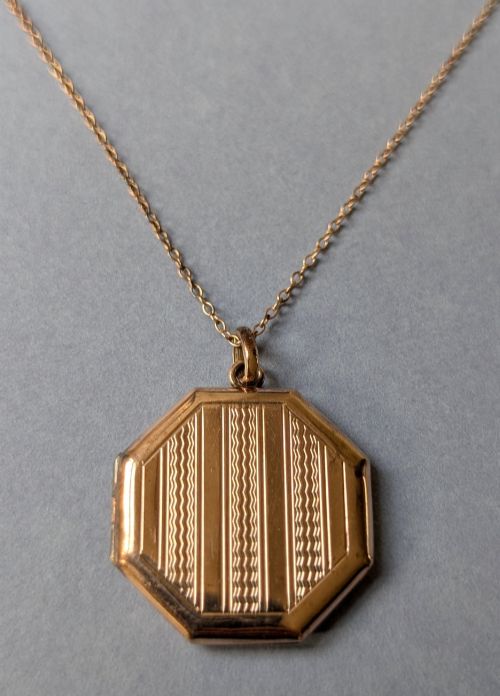
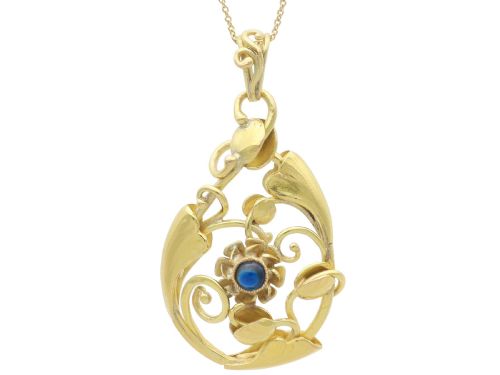
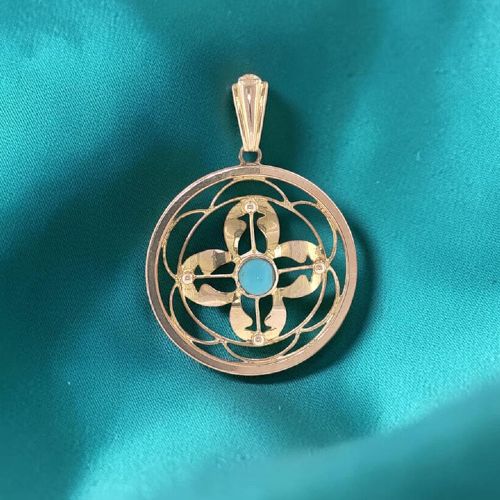
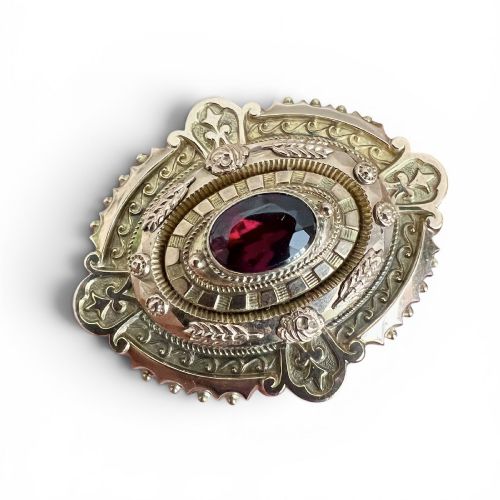
Lockets descend from earlier reliquaries and memorial jewels, and became a mass-worn form in the nineteenth century, when photography made portrait keepsakes cheap and easy to come by. Worn as a pendant on a chain, occasionally mounted instead as a brooch, ring, fob or bracelet clasp.
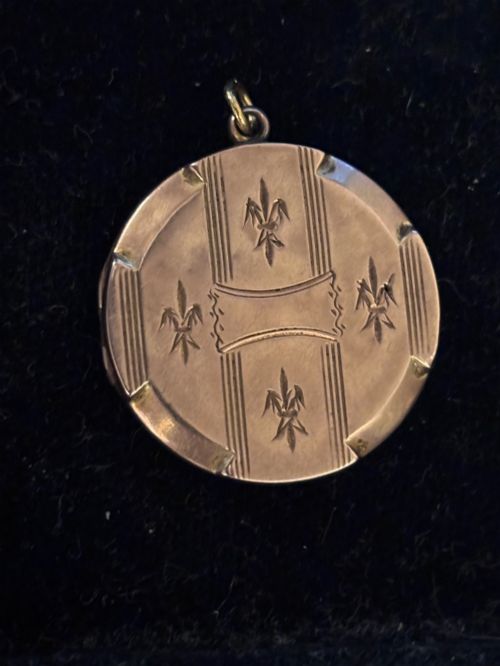
Gold dominates the titles on Sellingantiques and silver comes second, so roughly one locket in five is a silver piece. The single commonest thing you'll meet is a Victorian or Edwardian engraved gold locket pendant, most often 9ct, with an oval or round front carrying engraving, an applied bird, flower basket or star, or a set stone. Many are sold on or with a chain, and many are described as photo lockets. Nearly half the titles use the word pendant rather than locket.
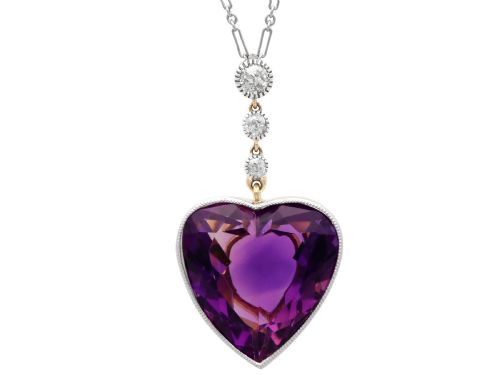
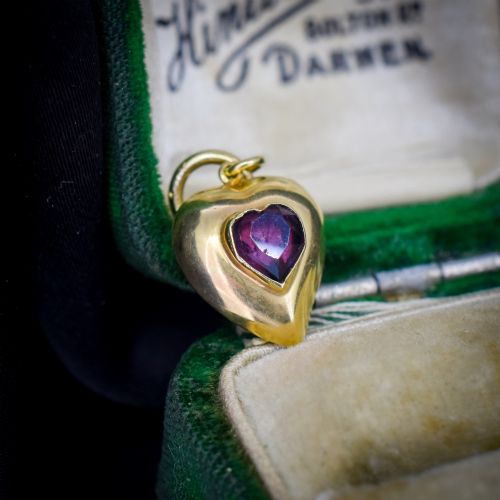
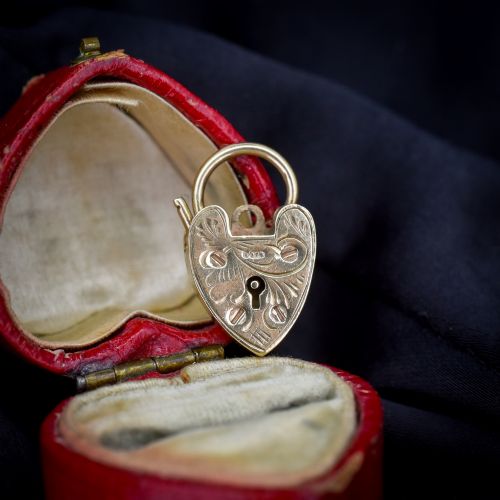
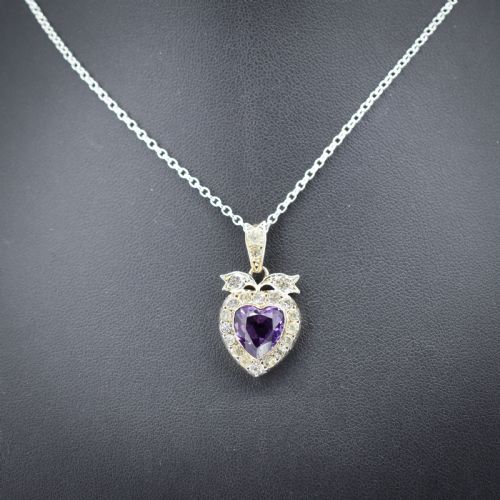
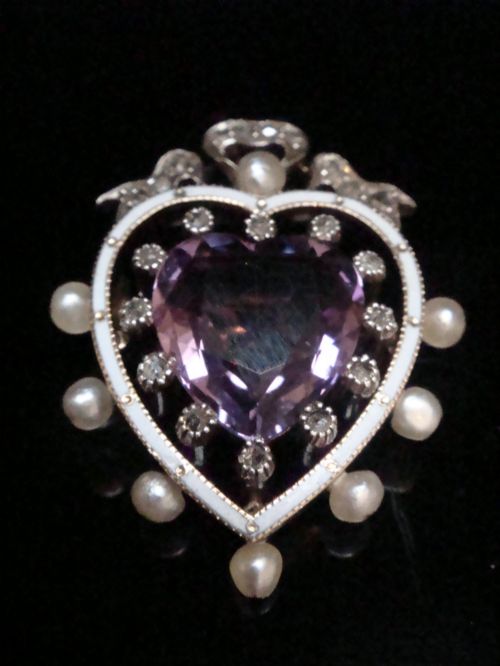
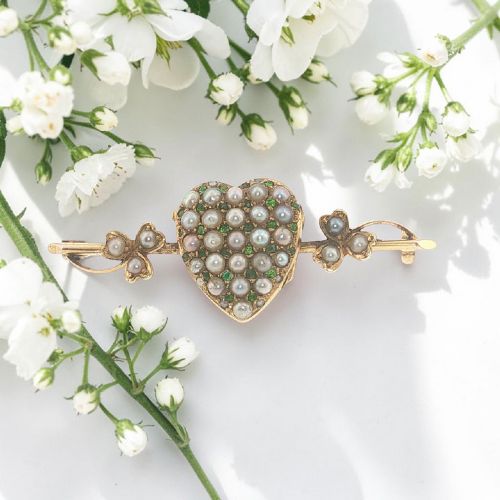
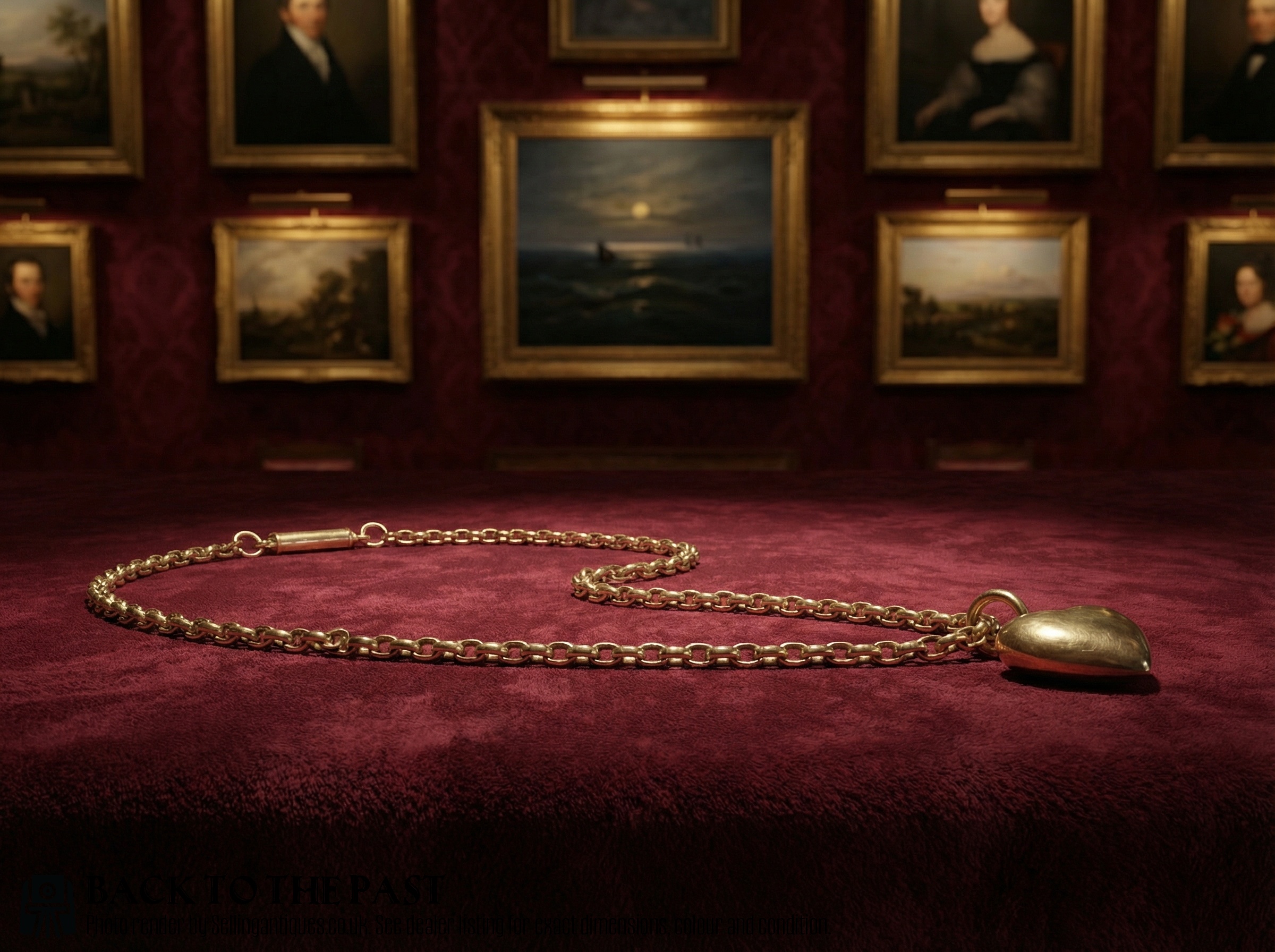
Above the 9ct block sit 15ct and 18ct pieces, often paired with pearls or diamonds and described as high carat. Silver runs from engraved Victorian fronts and swallow and sunflower motifs through book-chain necklaces to geometric Art Deco examples. Hearts are the one shaped form that recurs at scale, one title in six, including hollow domed puff hearts.
Dating is mostly by period name rather than a year. Victorian accounts for 140 titles and Edwardian 53, against scattered decade buckets, and the dealers' own dating runs 1860 to 1960 with fewer than a third of listings carrying a clean year. Treat Victorian, 19th Century and circa datings as the dealer's estimate.
Where The Range Splits
Metal does most of the work. 9ct fills the middle of the range; 15ct, 18ct and the pieces dealers call high carat sit above it. Below both are the gold-fronted lockets, where gold back and front panels cover a lesser core, and rolled gold, a thin bonded layer over base metal. All three descriptions turn up regularly in titles, and they describe different things.
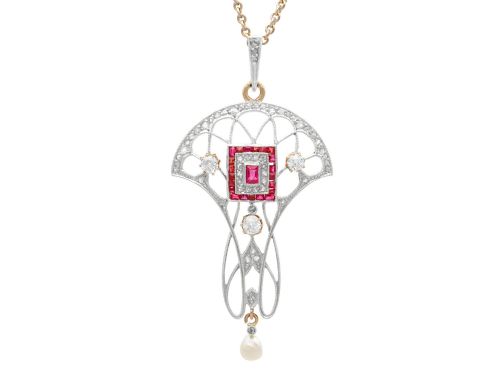
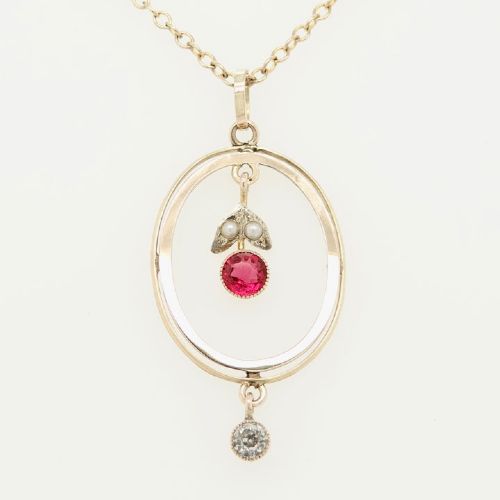
Stones lift a locket further. Diamond appears in 36 titles and pearl in 59, and the top-priced pieces tend to pair carat weights with 15ct or 18ct gold. Turquoise, garnet and ruby recur. Paste, cut glass standing where gemstones would, sits at the other end of that same axis.
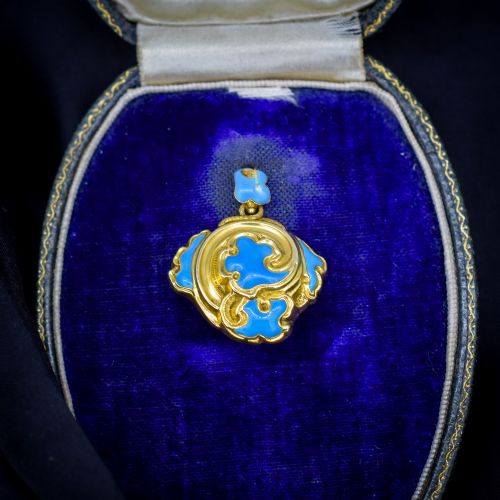
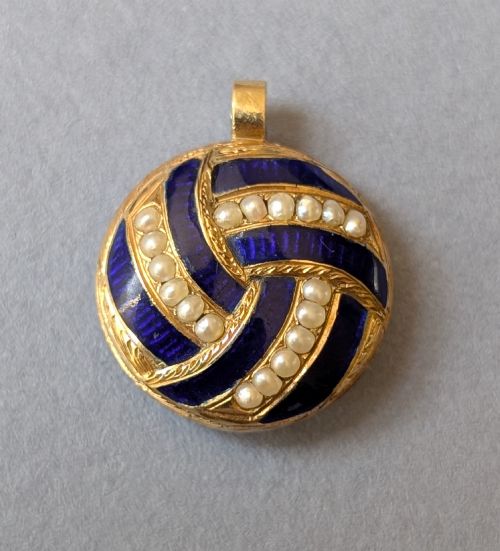
Then size and finish. Large is claimed in 37 titles, and weights get quoted in the title when they're worth quoting, from a gram or two on a small heart up to a heavy diamond-set collar locket. Enamelled, star-set and applied bird or flower-basket fronts recur among the dearer pieces, plain and simply engraved fronts among the cheaper. A locket still with its chain, book chain or case is described that way.
Antique Lockets Retail Price Guide 2026
Typical UK retail prices for lockets, calculated from the Sellingantiques database of over a million retail prices indexed since 2003. This retail price guide relies exclusively on Sellingantiques data; no external sources or auction records are used, so the figures do not describe the wider market.
The heart is the shape that keeps coming back on Sellingantiques: about one locket title in six names it, well ahead of ovals, rounds and squares.
The Antique Lockets Glossary
- Back and front
- A locket with gold front and back panels over a base-metal or lower-grade core. Twenty titles each use 'back' and 'front' this way.
- 9ct, 15ct, 18ct
- Gold fineness. 9ct is much the commonest here at 108 titles, with 15ct at 42 and 18ct at 34 sitting higher up the range.
- Rolled gold
- A thin layer of gold mechanically bonded to a base metal, named in ten titles.
- Puff heart
- A hollow domed heart locket, appearing repeatedly among the 55 heart titles.
- Seed pearl
- Tiny natural pearls used as borders and star motifs; sixteen titles name them.
- Mizpah
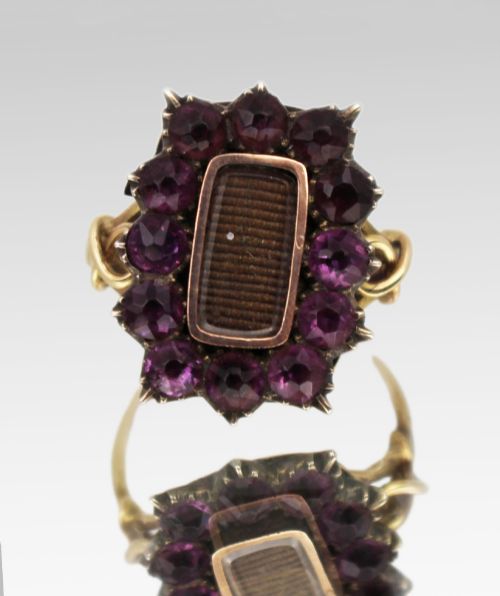
- A sentimental inscription of parting, found on Victorian lockets and turning up alongside hair compartments and memorial hearts.
Antique Lockets: Frequently Asked Questions
What is a shaker locket?
A glazed locket holding loose stones or seed pearls that move behind the glass. Several Edwardian examples appear in the archive.
It's a variant of the glazed-front locket rather than a separate category, and dealers name it in the title when a piece has one.
Are most antique lockets Victorian?
Victorian is the single largest period label, on 140 of 342 listings, with Edwardian on 53. Between them they cover the bulk of what turns up.
The edges are thinner. Occasional Georgian, William IV, 1940s and 1950s attributions appear, but only as a handful of listings each.
How common are silver lockets?
Silver is named in 72 titles, against gold in 221. So roughly one locket in five on Sellingantiques is a silver piece.
The silver runs wider in style than the gold: engraved Victorian fronts, swallow and sunflower motifs, book-chain necklaces, and geometric Art Deco examples.
Why are so many listed as pendants?
Because that's how they're worn. Pendant appears in 154 of the 342 titles, and many of those also mention a chain or necklace.
The locket and the pendant aren't different objects here. A hinged compartment on a chain gets called either, depending on the dealer.
Do lockets come as anything other than pendants?
Yes, but rarely. Locket rings, locket-back brooches, bracelet padlocks, watch fobs, tassel earrings and a bangle each surface only once or twice across the whole archive.
Brooch is the least uncommon of them, appearing in eighteen titles, usually as a brooch with a hinged compartment behind.
How many mourning lockets are there?
Fewer than the form's reputation suggests. Only ten titles say mourning outright.
Related pieces sit alongside them: hair compartments, Mizpah inscriptions and memorial puff hearts all appear in the sampled titles without the mourning label attached.