


Antique Wall Mirrors
A framed looking-glass made to hang on a wall, from a small oak hall mirror to a gilded overmantel several feet across.
What Are Antique Wall Mirrors?
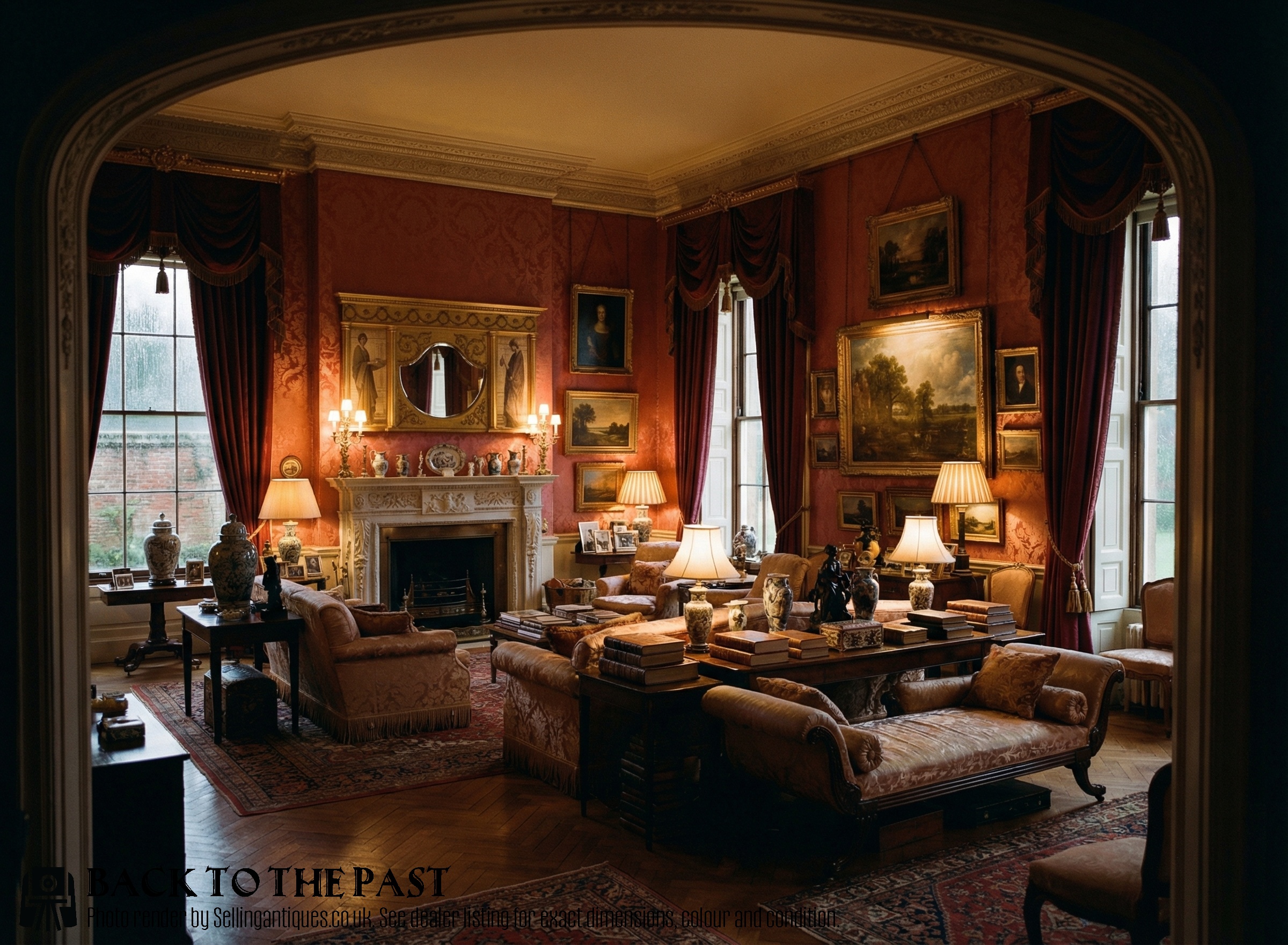
Framed mirrors for hanging became domestic furniture in Europe from the seventeenth century, once glass plates could be silvered at a usable size. Through the eighteenth and nineteenth centuries they settled into fixed positions in the room: over the chimneypiece, in the pier between two windows, and in the hall.
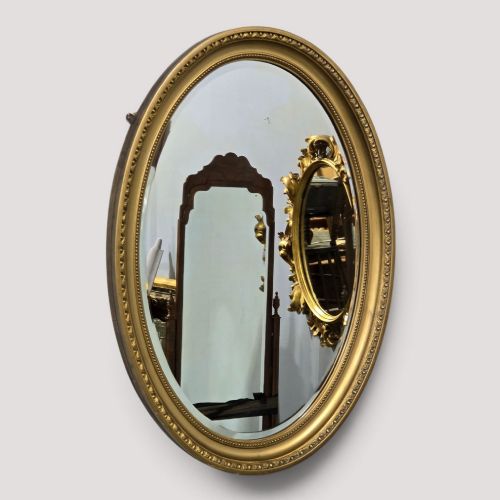
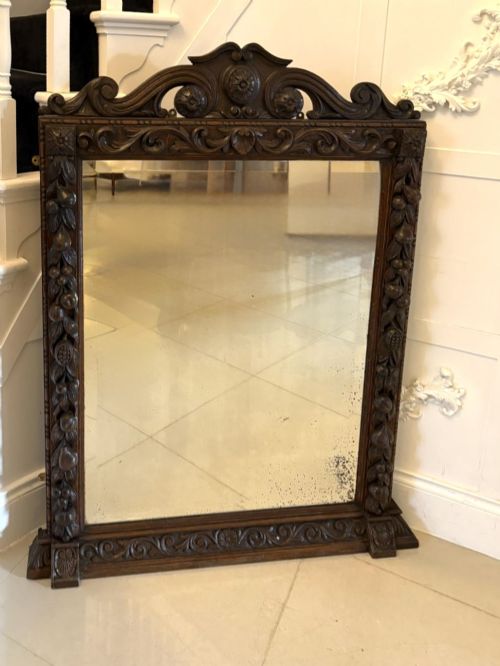
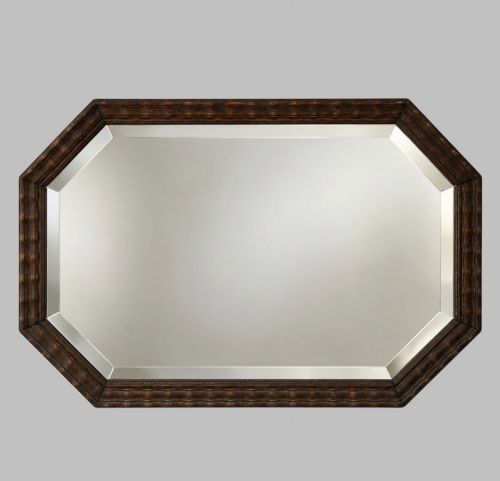
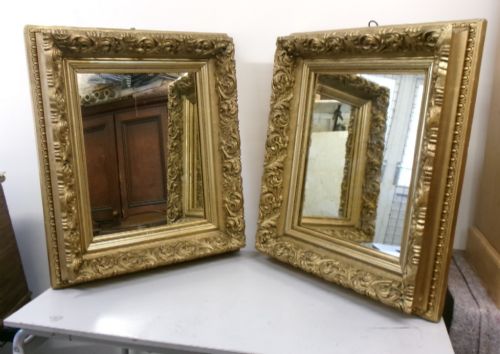
The frame is what you are really buying, and it dominates how these are titled. Gilt appears in more than a third of titles on Sellingantiques, with carved, giltwood and gesso following, and solid mahogany, walnut and oak at the plainer end. Shapes are rectangular by default; oval and convex get called out when they occur.
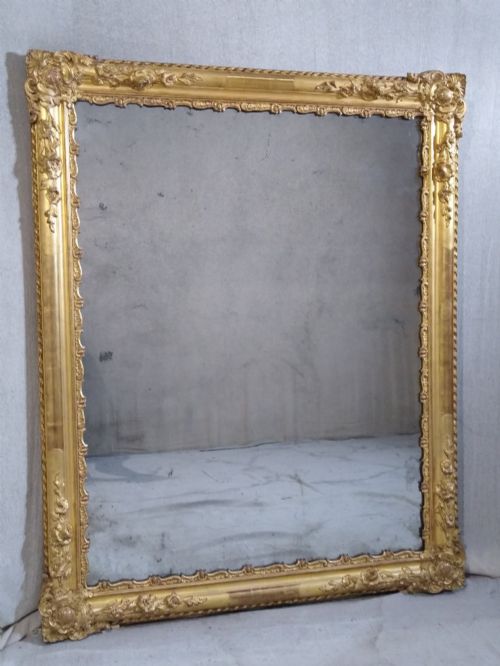
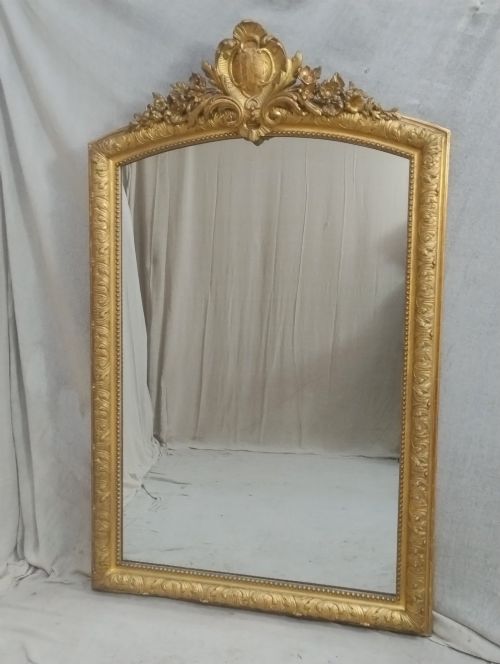
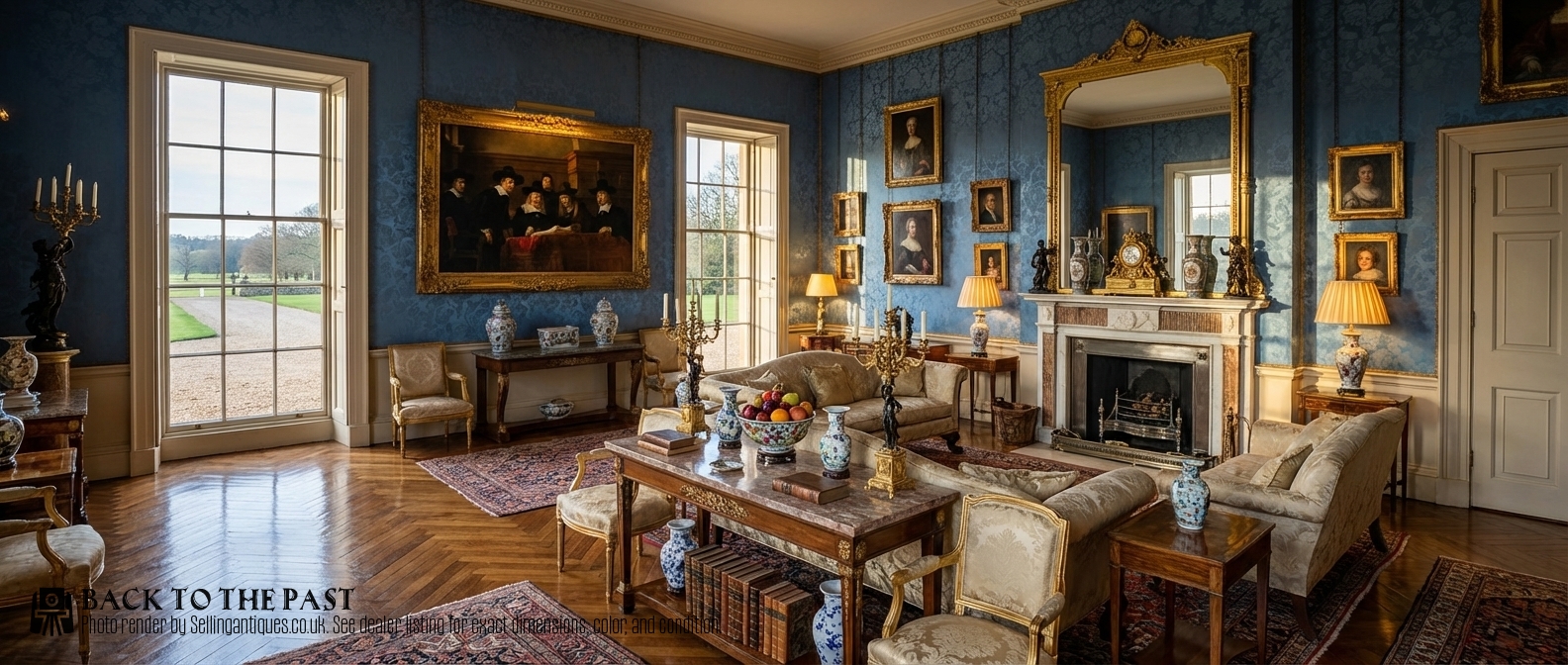
The version you're most likely to meet is a gilded rectangular mirror of nineteenth-century date, and within that the overmantel is the single most-named type. Dealers spell it two ways, overmantle and overmantel, and the usual description runs to carved wood and gesso, gilded, with an arched or shaped top.
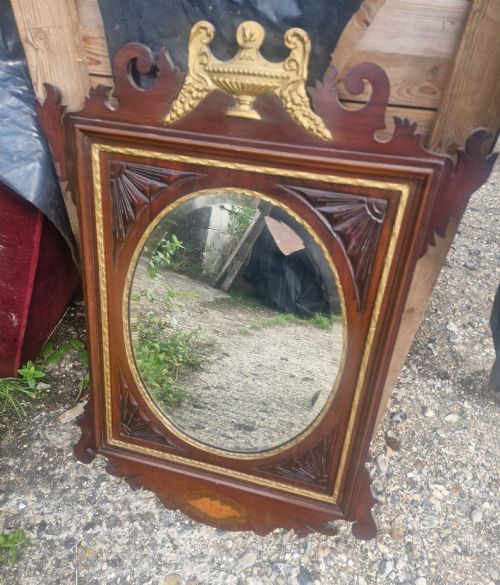
Around it sit four other groups: plain timber-framed wall and hall mirrors at the lower end; French and Continental pieces, including trumeaux and Florentine and Venetian work; Georgian and Regency fretwork, pier and convex mirrors; and Edwardian through Art Deco and Arts and Crafts frames, where copper, barbola and chinoiserie turn up. The dated field runs 1700 to 1960, though a quarter of titles say only '19th', and a decade in that field is the dealer's estimate rather than a documented date.
What Separates Them
Size does most of the work. A quarter of titles carry the word 'large', and it rises further among mirrors currently for sale. The top of the range is where dealers start quoting height in the title, in metres or feet, while small hall and bathroom mirrors sit at the bottom.
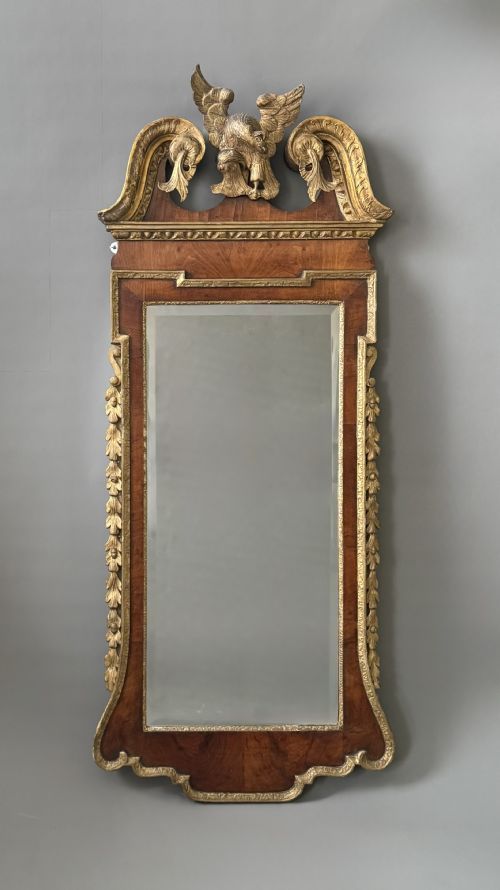
After scale, it's how the ornament was made. Carved giltwood recurs through the upper range, where the decoration is cut in the timber itself; frames built up in applied plaster and gilded cluster lower down. Wording about period matters the same way. 'George II Carved Giltwood' and 'George III Style' are two different propositions, and 'style' or 'revival' sits below the named period.
Original glass is flagged whenever a dealer has it, in the form of 'original plate', 'original bevelled glass', mercury glass or foxed glass, and it pushes a mirror up. So do pairs. Around one title in twenty says 'pair', and several of the highest-priced things in the archive are pairs of convex, oval or country-house mirrors rather than single glasses.
Retail Price Guide 2026
Typical UK retail prices for wall mirrors, calculated from the Sellingantiques database of over a million retail prices indexed since 2003. This retail price guide relies exclusively on Sellingantiques data; no external sources or auction records are used, so the figures do not describe the wider market.
Among the one-offs to pass through: a cork tramp-art frame, a carousel mirror, a fairground mirror, a marble mirror and one with its own candle box.
Charles Nosotti
The Antique Wall Mirrors Glossary
- Overmantel
- A mirror made to sit above a fireplace, usually wide and often arch-topped. Dealers spell it overmantel and overmantle in roughly equal comfort, so one spelling misses a good number of them.
- Pier mirror
- A tall narrow mirror for the wall pier between two windows. Named in over 150 titles, usually alongside Georgian or Regency.
- Giltwood
- A carved wooden frame gilded directly, with the detail cut in the timber. It appears in close to 500 titles.
- Gesso
- A plaster-like ground moulded or applied over wood and then gilded. The standard construction for nineteenth-century overmantels.
- Parcel gilt
- Partly gilded: gilding on selected mouldings against bare or painted timber, rather than the whole frame.
- Verre eglomise
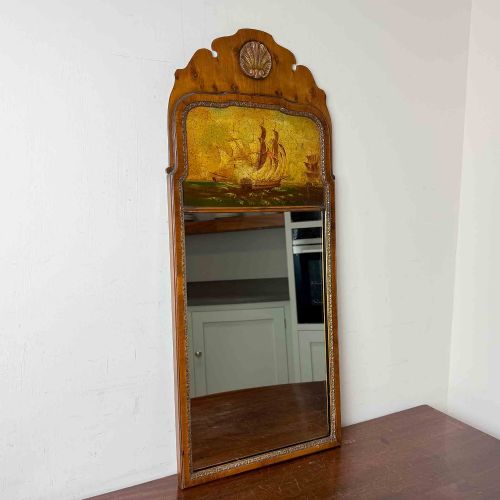
- A glass panel decorated on the reverse, sometimes with gilding, set above the mirror plate.
Frequently Asked Questions
What is an overmantel mirror?
One made to sit above a fireplace. They tend to be wide rather than tall, often with an arched or shaped top, and the usual build is carved wood and gesso, gilded.
It's the most-named specific type in the category, accounting for roughly a fifth of listings and the bulk of the upper range.
Why do listings spell overmantel two ways?
Both spellings are in ordinary dealer use. 'Overmantle' appears in around 635 titles on Sellingantiques and 'overmantel' in another 193.
Searching only one of them leaves about a quarter of them out of your results.
How old are most antique wall mirrors for sale?
The dated field spans 1700 to 1960. A quarter of titles say '19th', and 'Victorian' and 'Regency' are used the same broad way.
After those, the busiest decade buckets are the 1900s, 1880s, 1920s, 1860s, 1870s and 1910s. Treat any of them as the dealer's estimate of period rather than a documented year.
Are wall mirrors usually signed or attributed?
Rarely. Only one maker name clears three dealers across the whole archive, which tells you most wall mirrors reach the market unattributed.
What carries the description instead is period, frame material and shape.
What is a convex mirror?
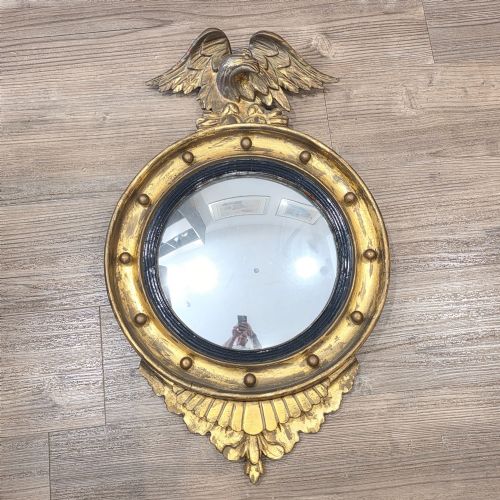
A domed circular plate that reflects a whole room in miniature. Around 140 titles name the form, and it sits mainly with Georgian and Regency listings.
Convex mirrors also turn up in pairs, and pairs are among the highest-priced entries in the archive.
Do unusual wall mirrors come up?
They do. The frame vocabulary alone runs to ebonised, silvered, painted, faux bamboo, faux bois, micromosaic, barbola, copper repoussé and tortoiseshell.
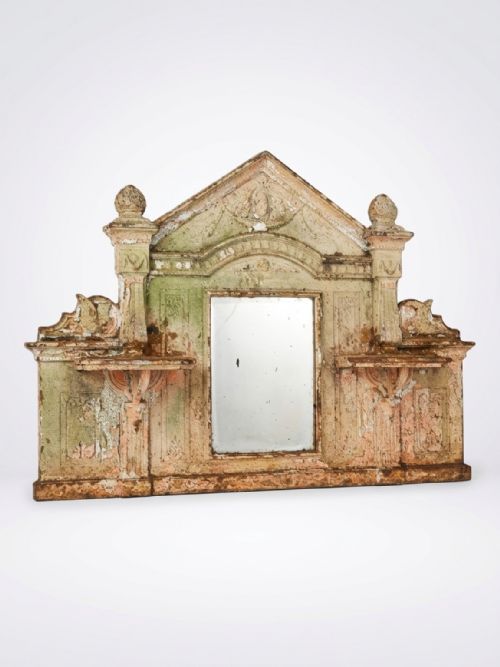
Single oddities in the archive include a cork tramp-art frame, a carousel mirror, an early twentieth-century fairground mirror, a marble mirror and a cast-iron overmantel. Origins stretch to Spanish Colonial, Syrian, Swedish and Indian work.