
Antique Large Mirrors
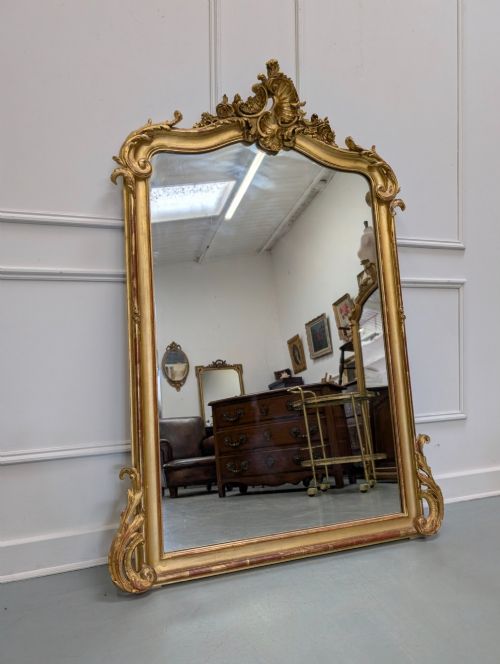
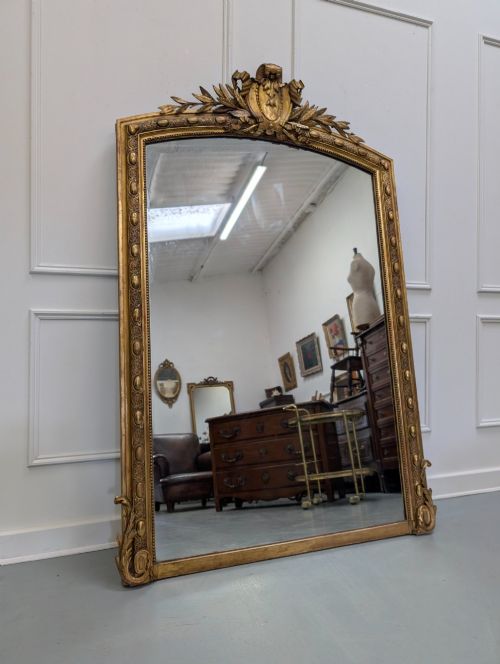
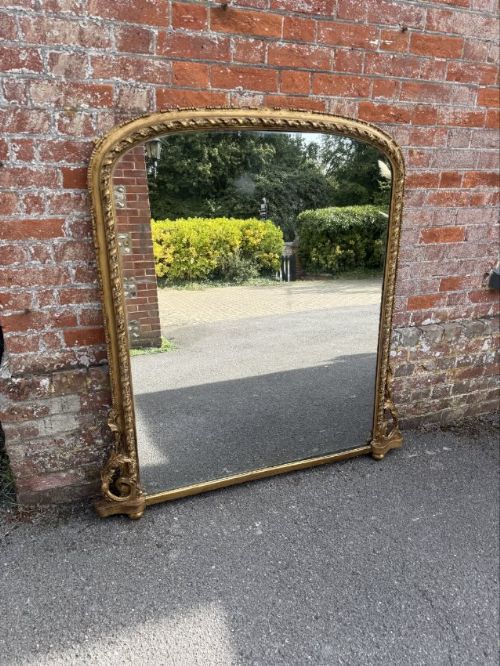
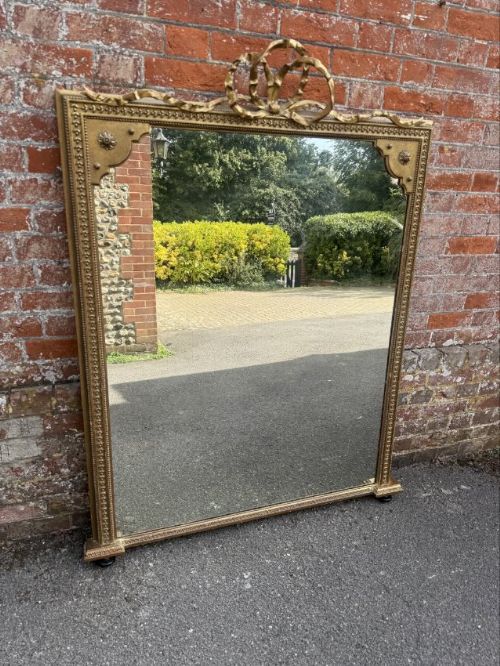
Large wall and floor mirrors in carved and gilded or painted frames, made through the 19th century as fittings for a chimneypiece, a hall or the wall between two windows.

Antique Large Mirrors
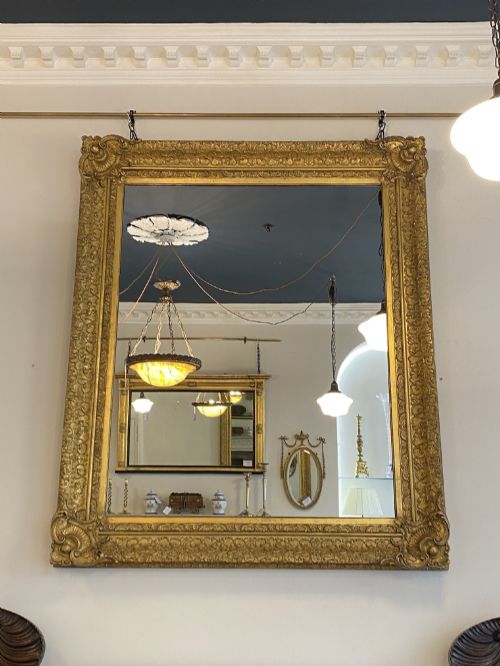
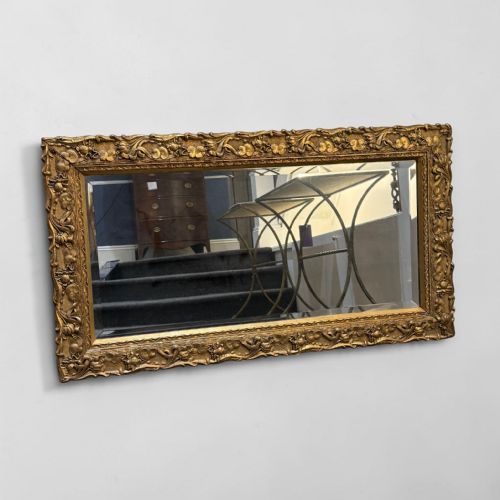
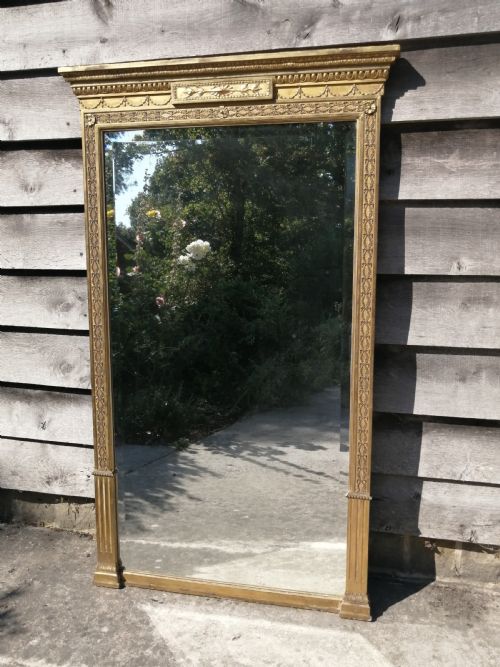
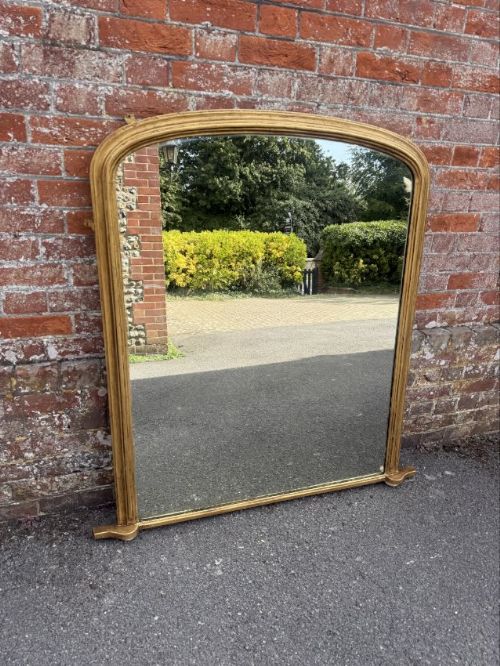
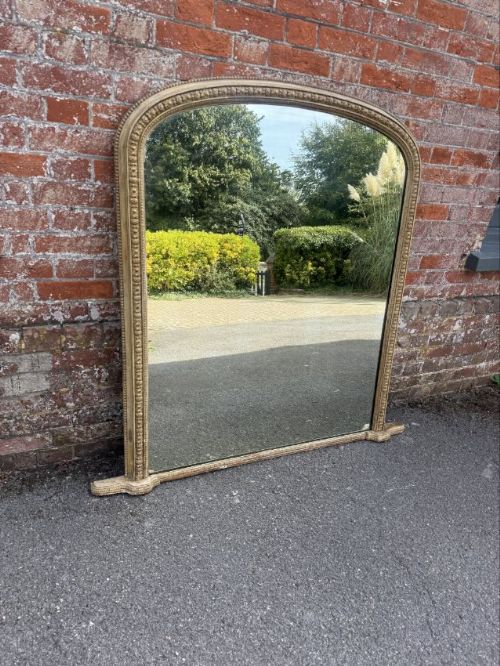
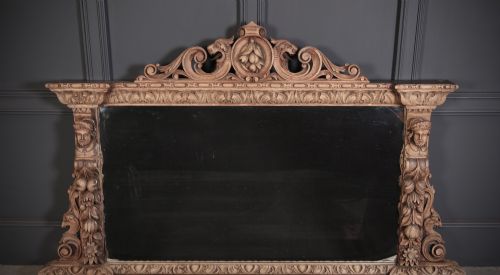
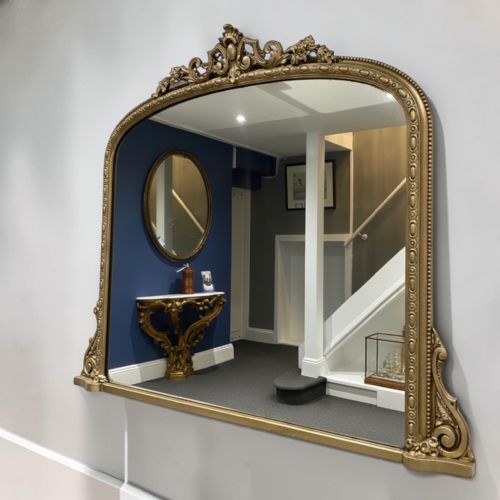
The dominant piece in this category is a 19th-century mirror in a carved wood and gesso frame, gilded or painted, rectangular with an arched or shaped top, hung on a wall or above a mantel. Just over half the titles say 19th century, and gilt is the commonest single word after that. Overmantle mirrors, made to sit above a fireplace, are the largest named form, spelled both overmantle and overmantel.
French descriptions outnumber English ones, and French carved wood examples described in near-identical terms form the single largest recognisable block. Painted frames run through that group, gesso painted and distressed painted among them, alongside the Louis Philippe label. English carved wood and gesso overmantles come next.
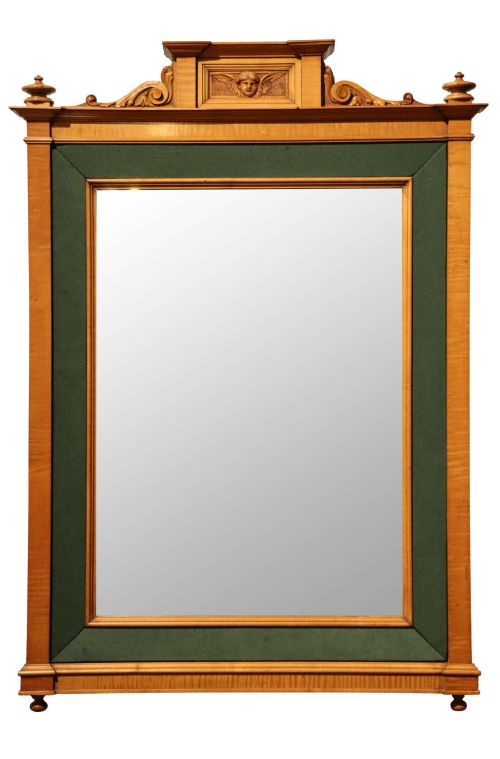
The rest spreads across pier mirrors for the wall between windows, hall mirrors, cheval and swing dressing mirrors for the bedroom, and a commercial strand of outfitters, shop fitting and tailors mirrors, several of them full height. Brewery advertising mirrors made for pubs turn up here too. Frames outside the gilt tradition, in mahogany, oak, ebonised timber, walnut, satinwood, birds eye maple and faux bamboo, are a smaller part of the whole.
Dates given by dealers run from 1700 to 1960, though the supply is concentrated: the 1860s, 1870s and 1880s between them carry more dated listings than the whole of the rest of the range. The commonest date of all is the plain "19th Century", with no decade attached. Twentieth-century examples are thin, and pieces from the 18th century or earlier appear only occasionally.
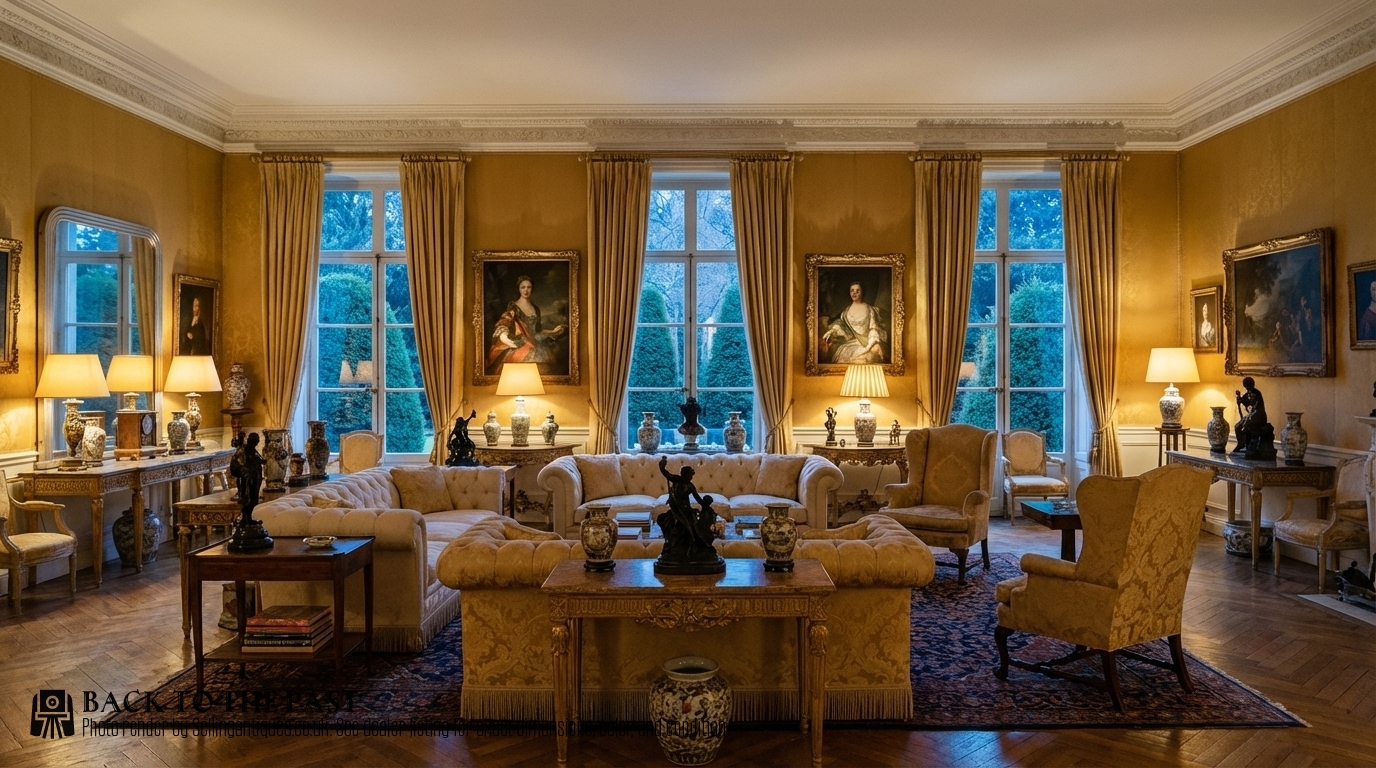
Where The Range Splits
Carving does most of the work. At the top the titles reach for ornate framed, cartouche, girandole with eagle surmount and exhibition quality, with the ornament cut deep and standing proud of the frame. At the bottom the word is simply plain, or plain framed, and a plain gesso moulding is a different object from a carved and modelled one.
Surface separates pieces that otherwise look alike. Original gilt, original silvered and original plate recur through the upper end, while over painted and distressed painted sit lower down. Frame material follows the same line: giltwood and carved gilt above painted softwood and gesso, plain oak and ebonised examples.
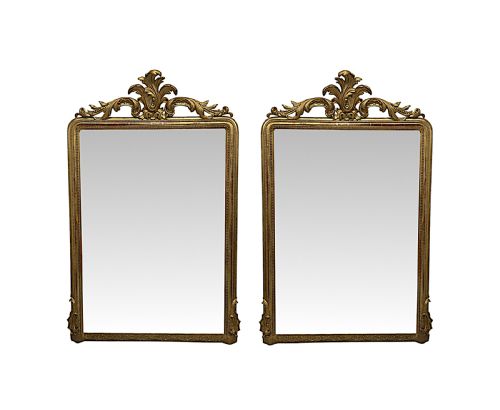
Then scale, which in this category means architectural scale. Titles escalate from large to very large, extra large, massive and grand scale, and where dimensions are quoted at the upper end they run to nine feet long, 79 inches tall, a four-foot diameter. Pairs sit above single mirrors, whether matched Italian giltwood cartouche frames or French painted ones.
Antique Large Mirrors Retail Price Guide 2026
Typical UK retail prices for large mirrors, calculated from the Sellingantiques database of over a million retail prices indexed since 2003. This retail price guide relies exclusively on Sellingantiques data; no external sources or auction records are used, so the figures do not describe the wider market.
One-offs from the archive include a sorcerer wall mirror, a tramp art frame, and a Black Forest cushion mirror carved six feet high.
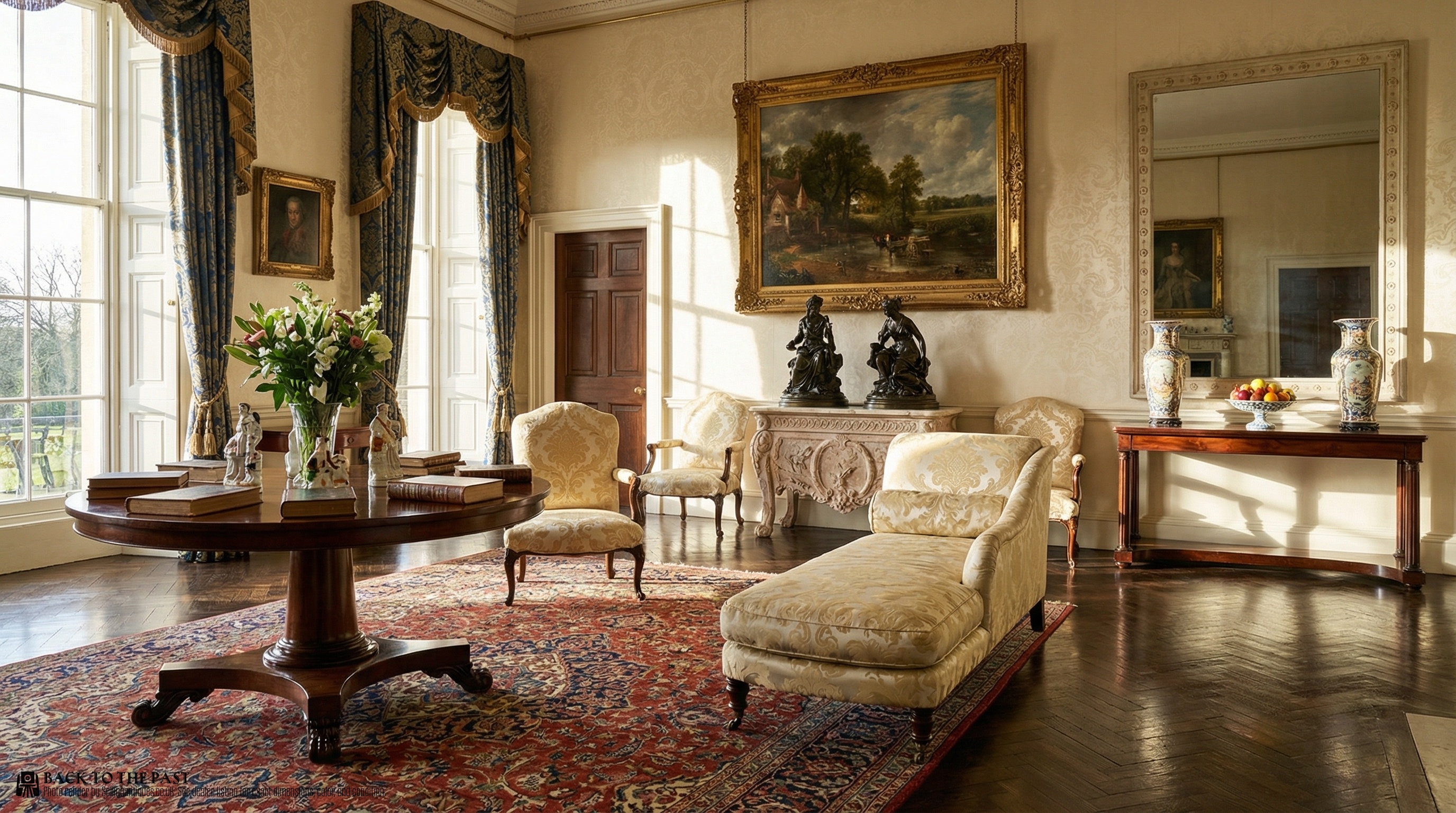
Charles Nosotti
The Antique Large Mirrors Glossary
- Overmantle
- A mirror made to hang above a fireplace. Both spellings turn up in titles, overmantle far more often than overmantel, and they mean the same thing.
- Gesso
- A chalk-and-glue paste built up over carved wood to take gilding or paint. Named in around a quarter of titles, usually alongside carved wood.
- Giltwood
- Wood carved and then gilded. The word describes what the frame is made of rather than a finish applied over something else.
- Pier mirror
- A tall narrow mirror for the wall between two windows, so the glass throws light back into the room. Just over a hundred titles use the term.
- Cheval mirror
- A full-length mirror swinging between uprights in a free-standing floor frame, made for bedrooms and dressing rooms.
- Trumeau
- A tall French mirror combining the glass with a painted or carved panel set above it.
Antique Large Mirrors: Frequently Asked Questions
What is an overmantle mirror?
It's a mirror made to sit above a chimneypiece, and it's the commonest named form in the category. Just over a quarter of titles use the word, with a further handful spelling it overmantel.
They're usually wide rather than tall, in carved wood and gesso, gilded or painted. Arched and shaped tops are the two profiles named most often.
Are most of these mirrors English?
No. French descriptions outnumber English ones in the titles, and French carved wood mirrors described in near-identical terms are the largest recognisable group on Sellingantiques.
English carved wood and gesso overmantles come next. Italian giltwood also appears, chiefly among the pairs.
When were large antique mirrors made?
The dated field runs from 1700 to 1960, but the weight sits in the second half of the 19th century. The 1860s, 1870s and 1880s together account for more dated listings than everything else combined.
The most frequent date of all is the unspecific "19th Century", given without a decade. Twentieth-century pieces are thin, and 18th-century or earlier ones appear only here and there.
What does gesso mean on a mirror frame?
Gesso is a chalk-and-glue paste built up over the carved timber to give a smooth ground for gilding or paint. It's named in roughly a quarter of titles, most often as part of the phrase carved wood and gesso.
It lets fine ornament be modelled without cutting every detail into the wood itself.
Which frame finishes turn up in this category?
Gilding leads, named in nearly half the titles. Painted frames follow, including gesso painted and distressed painted.
Silvered and ebonised finishes each appear on around a hundred listings. Bare timber frames in mahogany, oak, walnut, satinwood and birds eye maple make up a smaller share.
Were large mirrors made for shops as well as houses?
Yes. Alongside the gilt overmantles there's a commercial strand of outfitters, shop fitting and tailors mirrors, several of them full height.
Brewery advertising mirrors made for pubs sit in the same group. It's a small but persistent part of what comes through.