
Antique Pier Mirrors
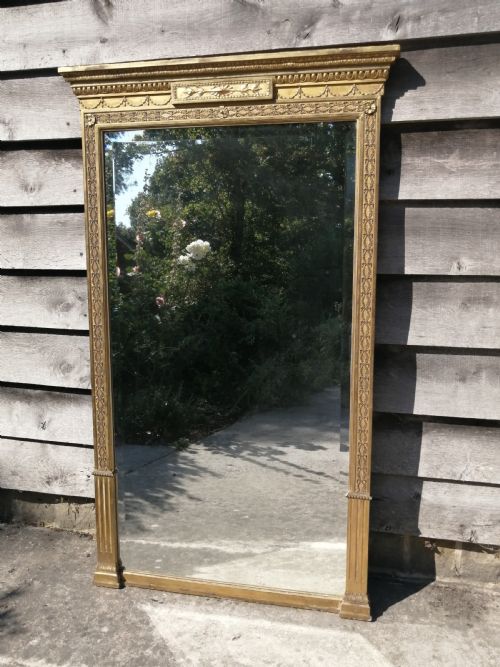
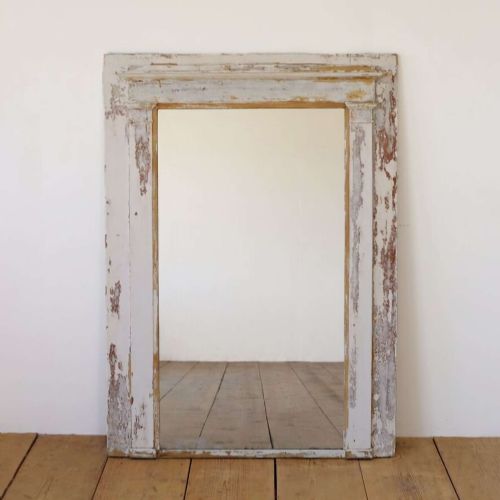
A tall, narrow wall glass made to hang on the pier between two windows, usually above a matching table, where it threw daylight and candlelight back into the room.
Antique Pier Mirrors
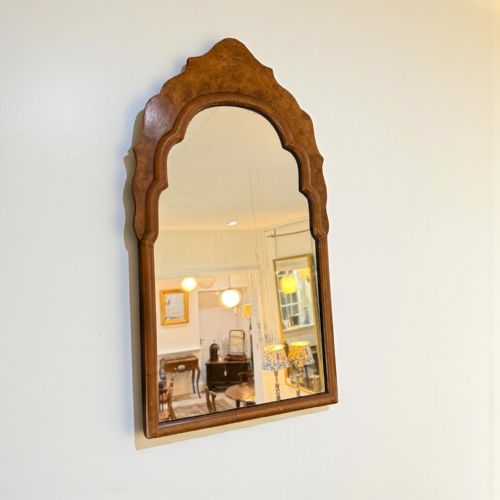
The proportion comes straight from the wall space it was built for, and pier glasses were made from the late 17th century onward for exactly that spot. The architectural reason faded, the shape stayed, and the heading now covers a broad family of upright wall glasses. Nine titles in ten simply say "mirror" somewhere; "pier glass" and "pier mirror" are used interchangeably throughout.
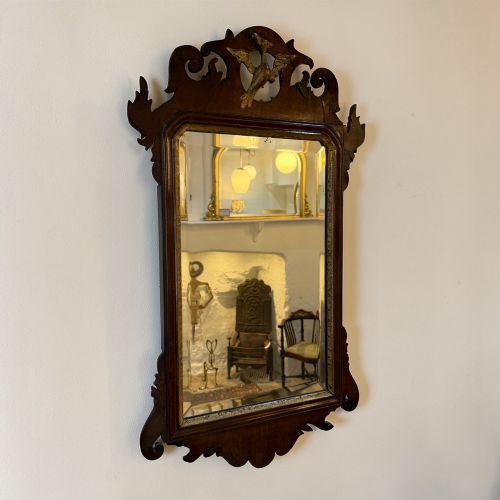
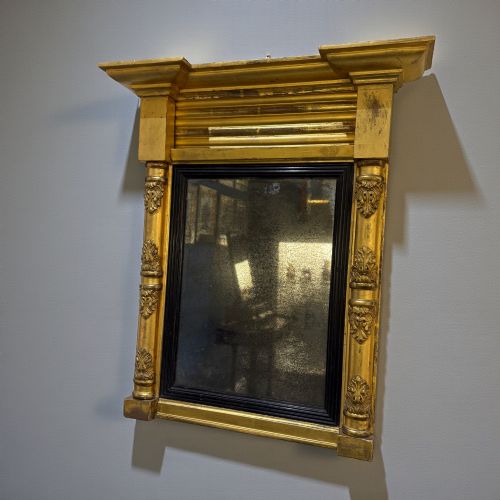
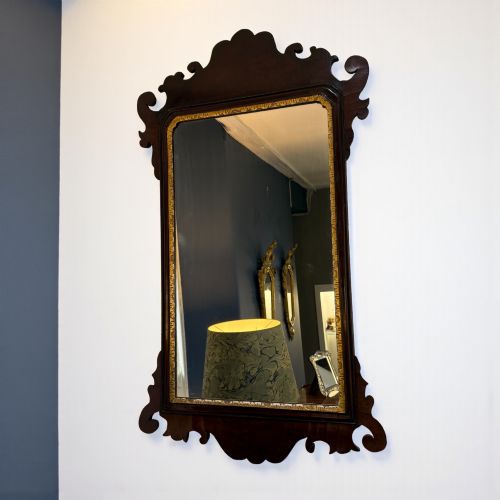
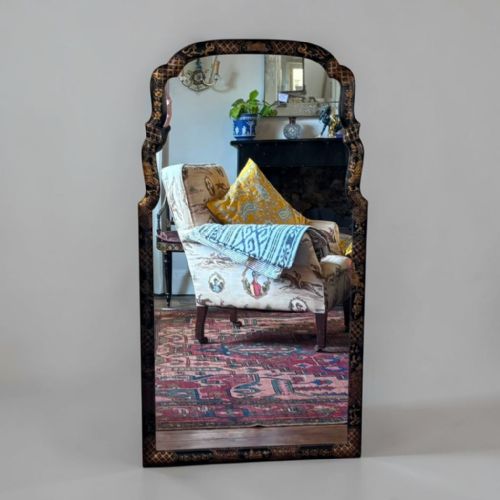
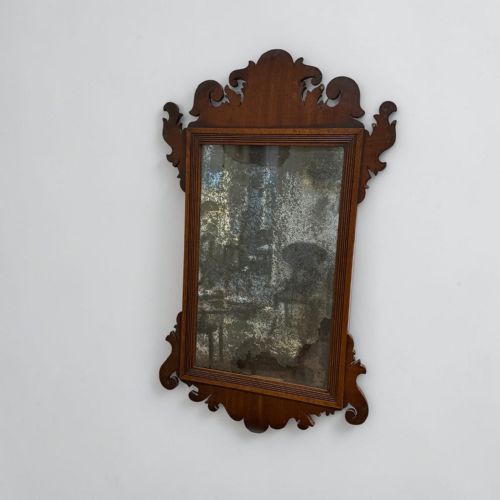
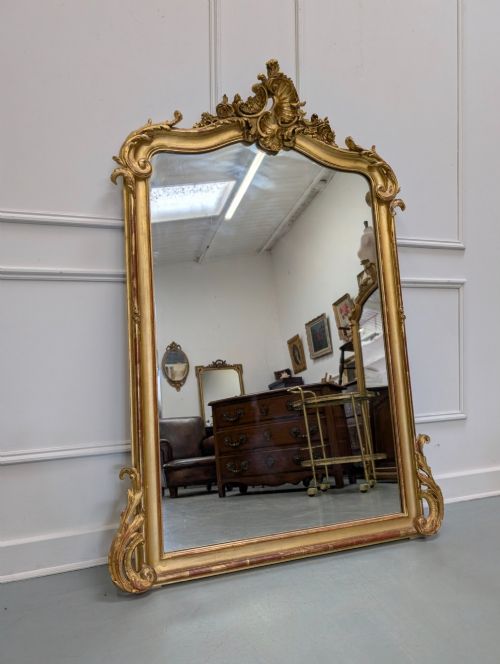
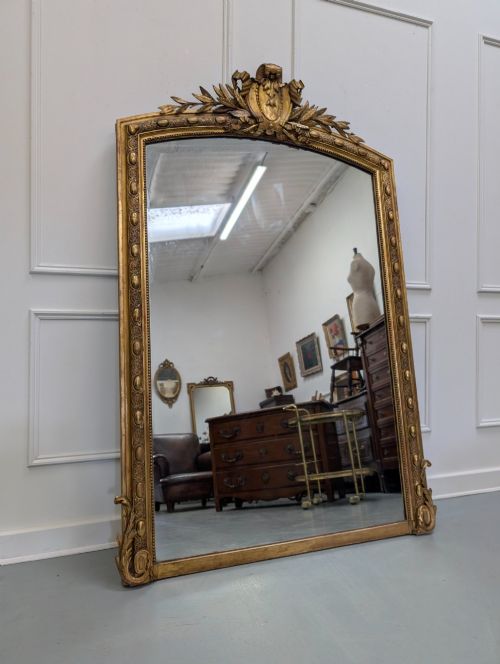
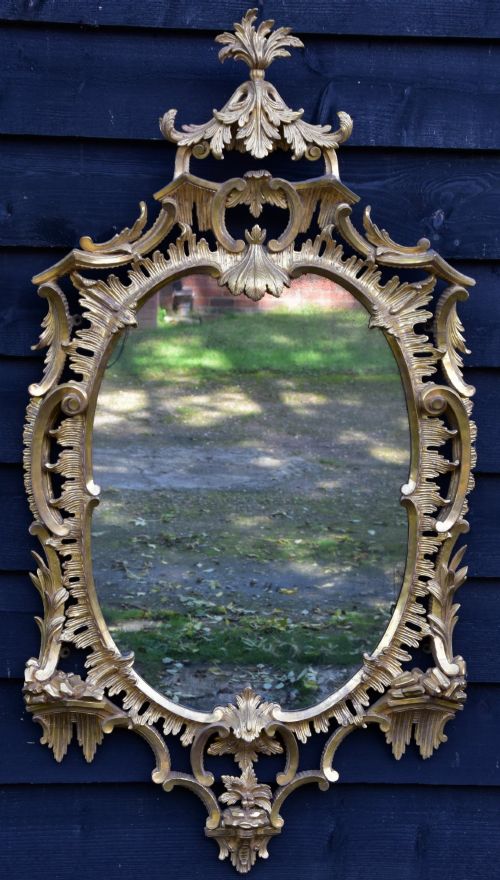
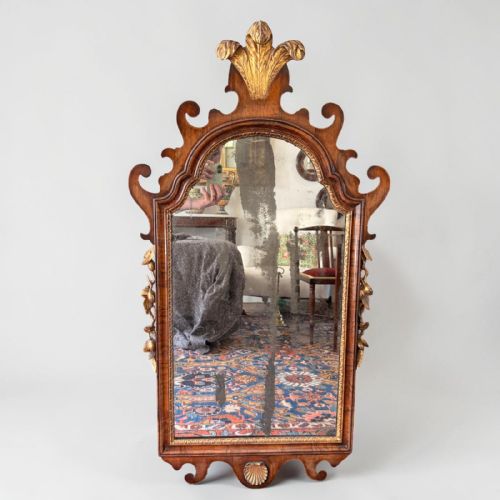
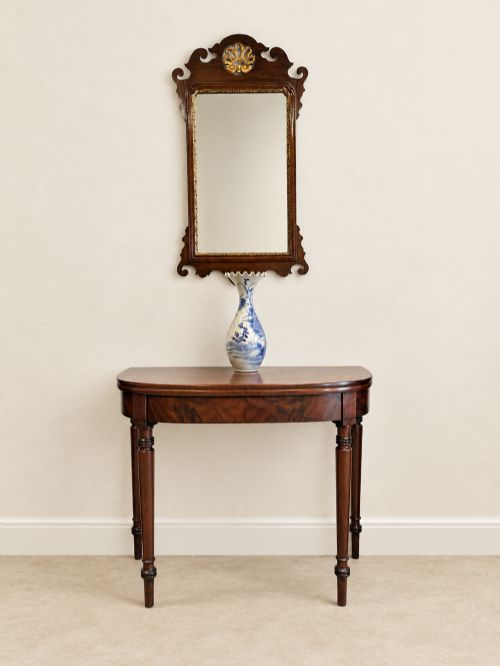
The form you'll meet most often is a single rectangular gilded or giltwood glass of the 19th century. Gilt work of some kind sits in a third of titles, with giltwood, gesso and carved frames close behind. Next likeliest is the Regency timber-framed type in mahogany, often with parcel-gilt detail and, again and again, a pierced fretwork or ho-ho-bird cresting.
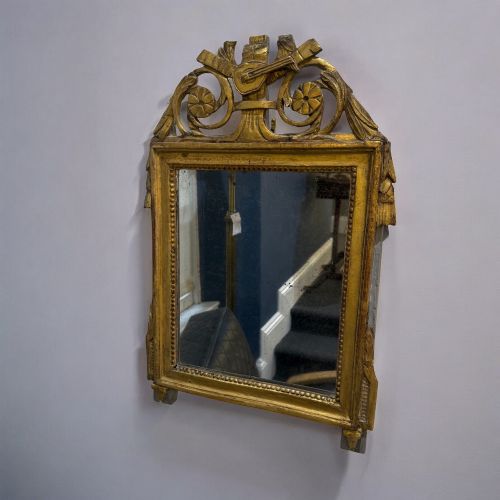
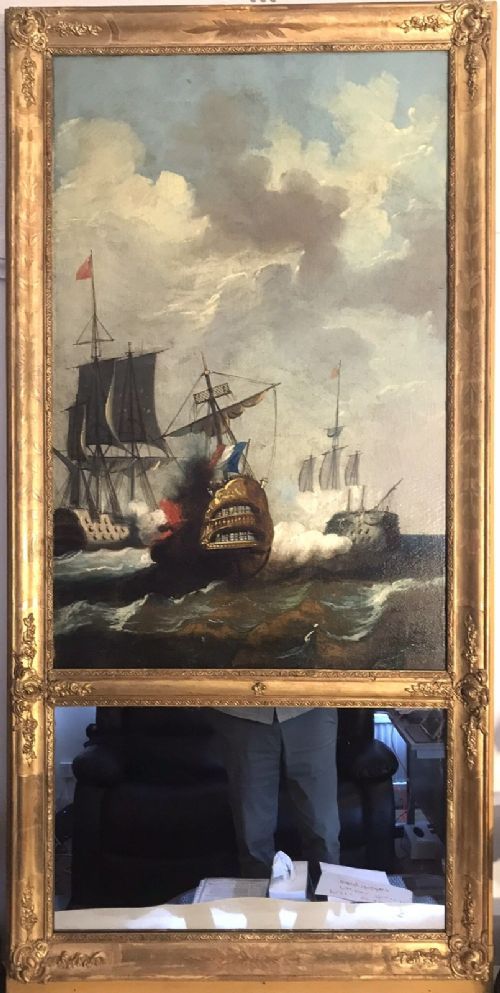
French work makes up roughly a fifth, including trumeaux with a painted panel above the plate, and a large repeating group of carved wood and gesso frames. Painted and decorated glasses account for around a tenth, covering verre églomisé, chinoiserie, japanned and lacquer frames and inset oil panels. Under a tenth are sold as pairs, close pairs or matched pairs. Origins in the samples run to Italy, Sweden, the Netherlands, the Baltic, Biedermeier Austria-Germany and twice to America.
Dating is mostly a style judgement rather than a year. Only 337 of 930 listings carry a clean date, and the commonest single entry in the dated field is the unspecific "19th Century", used 231 times, followed by Regency, "18th Century" and Georgian. Where decades are given they cluster from the 1850s to the 1900s. Titles and dated fields sometimes disagree, so read both together.
Where The Range Splits
Scale does more work than anything else. "Large" appears in nearly a fifth of titles, and the pieces at the top of the range put their height in the title: 190cm, 195cm, an eight-foot Italian example, a monumental classical glass at 260cm. Small and miniature sit at the other end.
Then the frame itself. Carved giltwood and carved gesso hold the upper ground, and the plainer gilt-framed or plain mahogany glasses sit below them. Titles that specify original plate, mercury glass or original gilding are making a claim about surface that separates two otherwise similar frames, though no descriptions accompany that evidence here.
Two more things move a glass upward. Pairs, close pairs and matched sets turn up disproportionately among the highest-priced samples, and there is one set of three. And an unqualified George I, II or III attribution sits well above the same shape sold as "Georgian style", "Regency style" or a revival piece.
Antique Pier Mirrors Retail Price Guide 2026
Typical UK retail prices for pier mirrors, calculated from the Sellingantiques database of over a million retail prices indexed since 2003. This retail price guide relies exclusively on Sellingantiques data; no external sources or auction records are used, so the figures do not describe the wider market.
The tallest to pass through Sellingantiques was a monumental classical pier mirror at 260cm, with an eight-foot Italian example not far behind.

Charles Nosotti
The Antique Pier Mirrors Glossary
- Pier glass
- The same thing as a pier mirror, and used interchangeably in titles across the category.
- Giltwood
- A carved wooden frame gilded overall, water- or oil-gilded. It sits in 126 titles, more than any other frame description bar plain gilt.
- Gesso
- A chalk-and-size ground built up over wood, then carved or moulded before gilding. Usually paired with "carved wood" in a title.
- Parcel gilt
- Partly gilded: gilding on selected mouldings or on a crest, over a frame otherwise left as timber. Common on Regency mahogany.
- Trumeau
- A tall mirror with a painted or carved panel above the plate, French in origin. Twenty-four titles use the word.
- Verre églomisé
- A painted and gilded glass panel, usually set above the main plate. Recurs on Regency examples.
- Ho-ho bird
- A carved bird cresting on Georgian-style fretwork frames. It appears on pieces dated anywhere from the 18th century to about 1900.
Antique Pier Mirrors: Frequently Asked Questions
What makes a mirror a pier mirror?
The name comes from the pier, the stretch of wall between two windows. Pier glasses were made to hang there, usually above a matching pier table.
In practice the heading covers a broad family of upright wall glasses, and "wall mirror" turns up in a good number of titles alongside "pier".
Are pier mirrors and pier glasses different things?
No. Dealers use the two terms for the same object, and both appear throughout the titles on Sellingantiques.
You'll also see the same glass offered as an overmantel, which is a mirror for above a chimneypiece. Twenty-four titles use that word, often as an alternative use rather than a different form.
How many come up for sale?
Around 89 are listed in a year, and 206 different dealers have handled one.
That's a form spread thinly across a very large number of stockrooms rather than held by a handful of specialists.
Which periods do they cover?
The dated field runs from 1700 to 1950, with a Queen Anne pier glass given as circa 1710 at the early end and a pair of giltwood mirrors dated 1950 at the late.
Most of the weight sits in the 19th century, with Regency the strongest named period after that. Decade-level entries cluster between the 1850s and the 1900s.
Do pier mirrors come in pairs?
Some do. Sixty-nine titles say "pair", which is under a tenth of the category, and the samples include matched pairs, close pairs and one set of three.
Pairs sit disproportionately in the upper part of the range compared with the same glass sold singly.
Are any pier mirrors signed by a maker?
Very few carry a name at all. Only one clears three dealers across the whole archive: Charles Nosotti, the London looking-glass firm, whose work appears both stamped and unstamped.
Most titles describe shape, period and material instead. Only about a third specify gilding, and only a tenth name a timber.