
Antique Mantle Mirrors
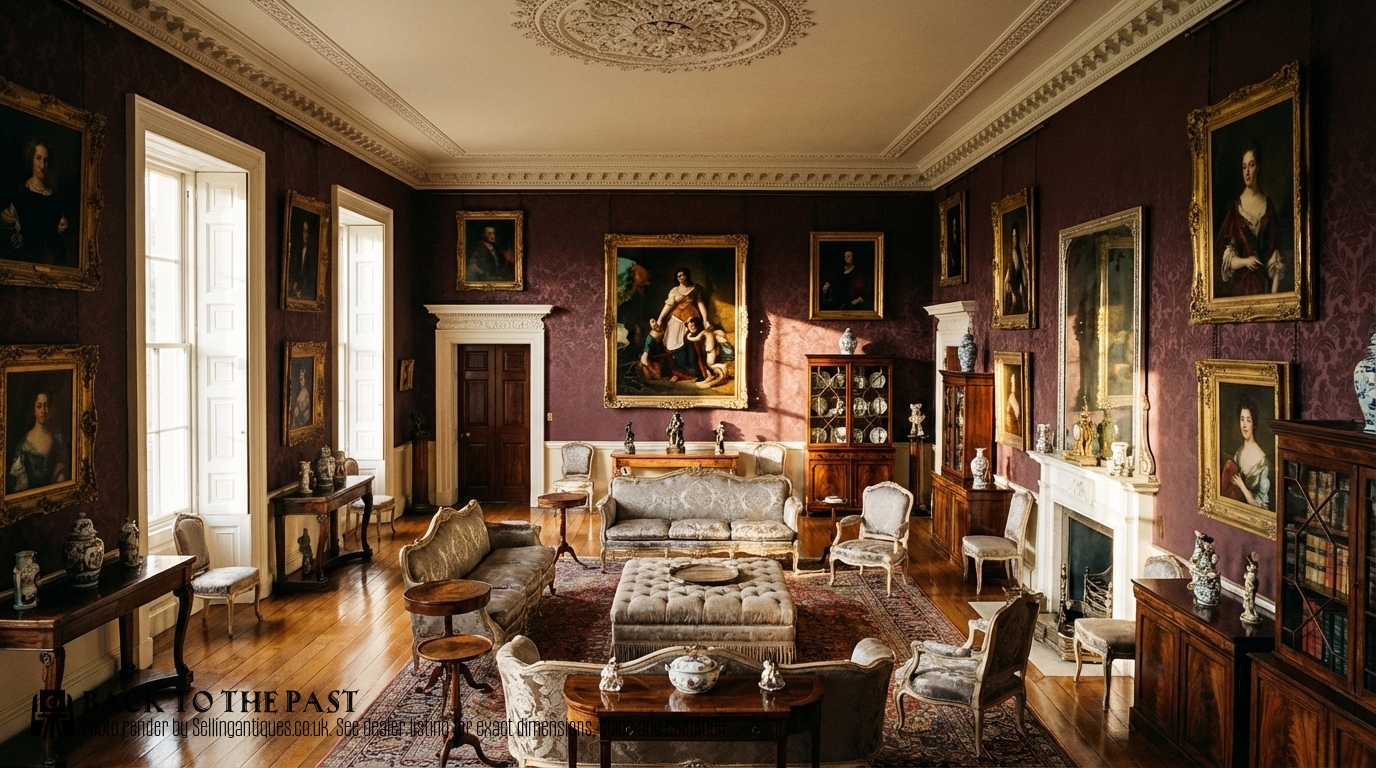
A large wall mirror made to hang above a fireplace, sized to the mantel shelf and set there to throw candle and firelight back into the room.
What Is A Mantle Mirror?
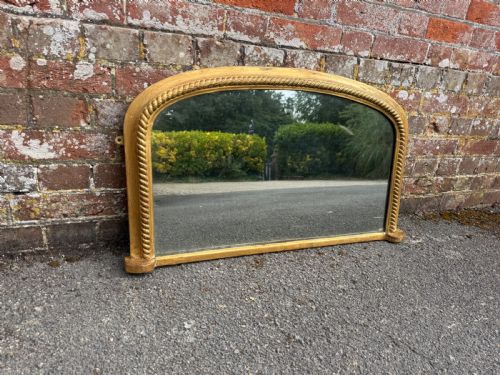
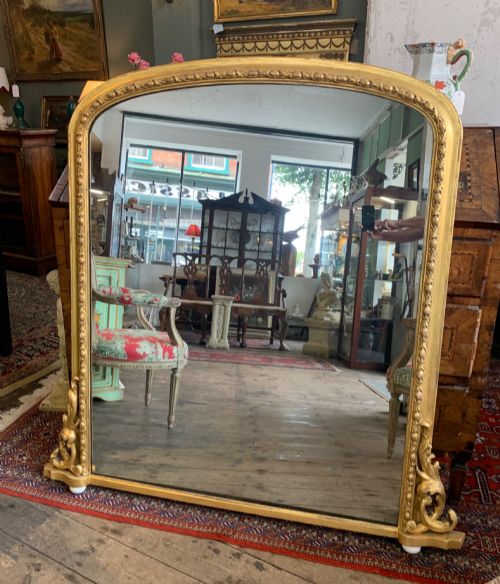
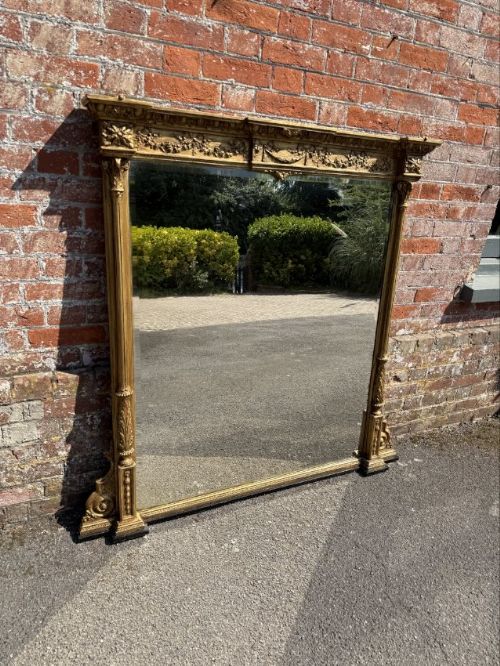
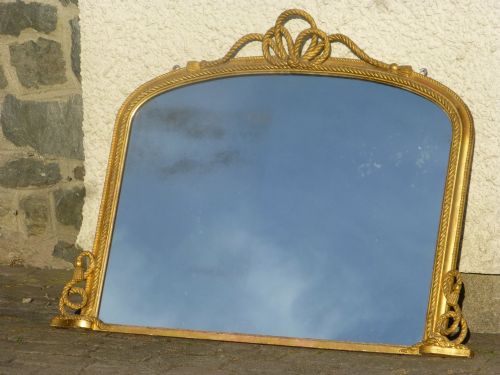
A rectangular or arch-topped plate in a decorated frame, hung above a chimneypiece. Mirrors made for that spot became a standard part of the panelled and papered interior from the late 17th and 18th centuries on. Cheaper plate glass and moulded composition ornament in the 19th century put them in ordinary houses as well as grand ones.
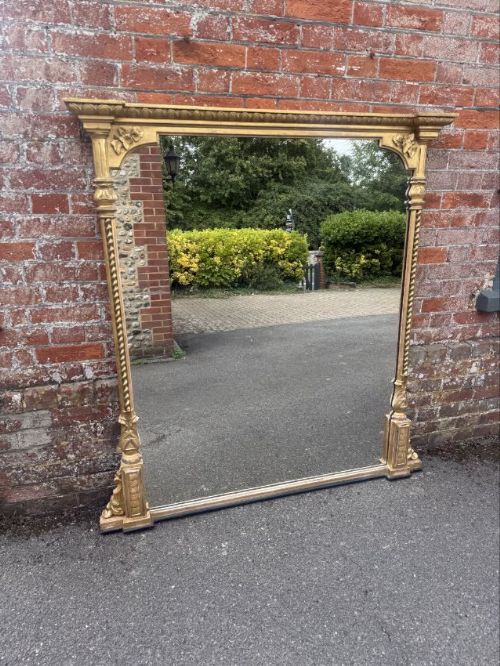
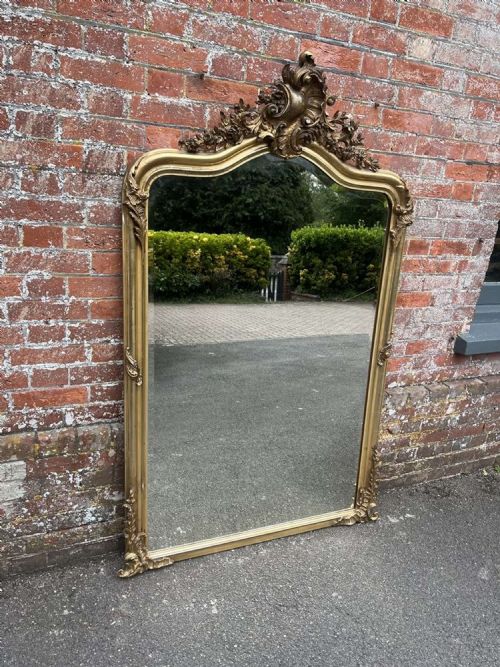
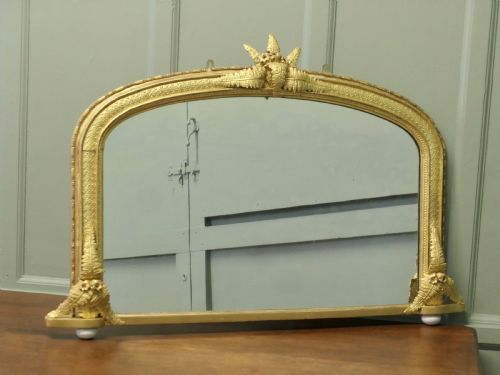
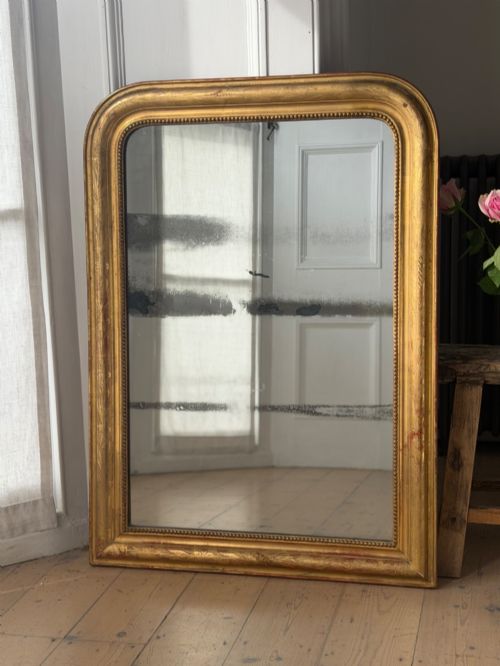
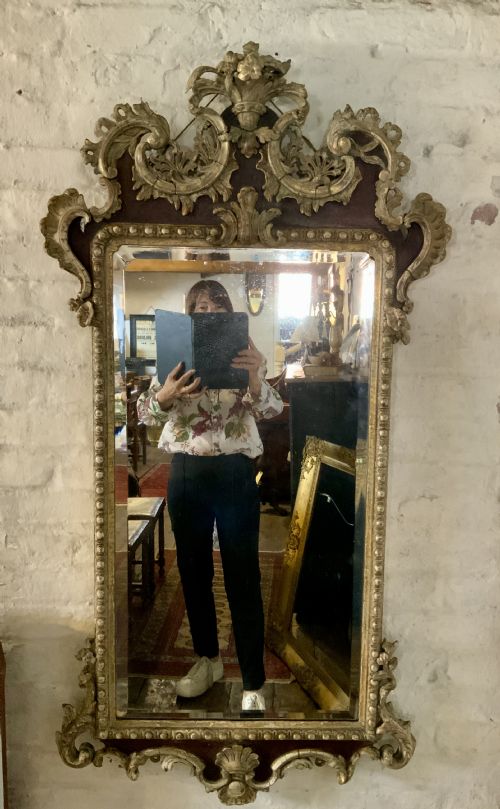
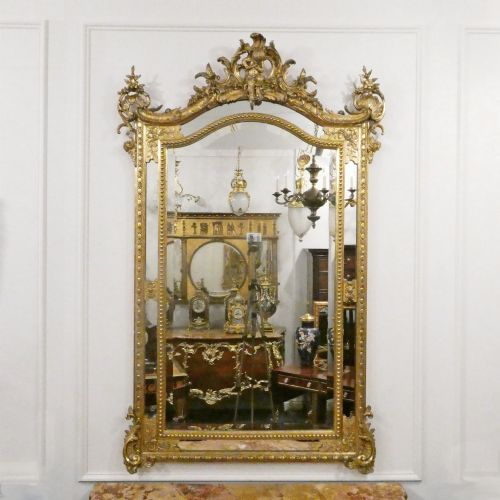
The frame you'll meet most often is gilded. Nearly half of all titles on Sellingantiques say gilt, and the recurring description is carved wood with a gesso ground, arched or shaped along the top edge, dated by dealers to the 1860s or 1870s. Two in five titles also say large, and a third say 19th century.
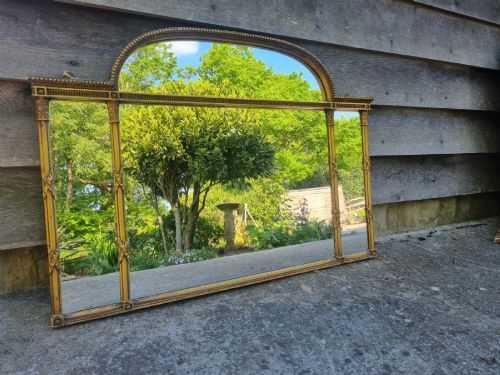
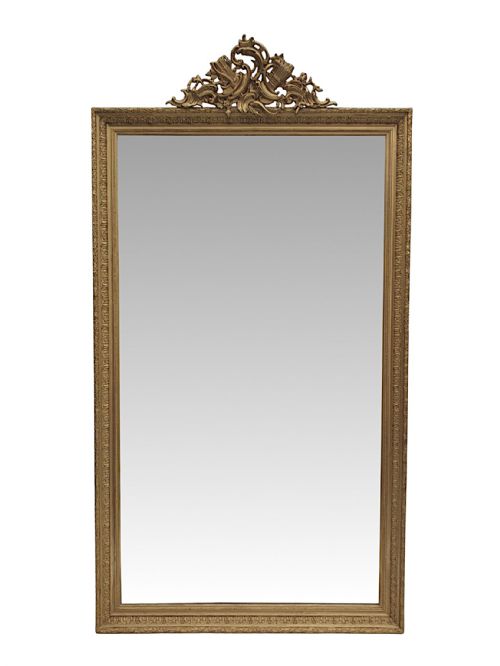
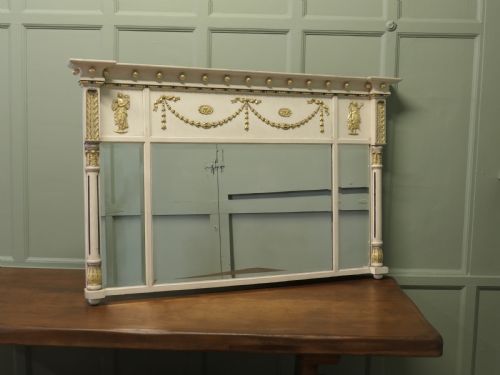
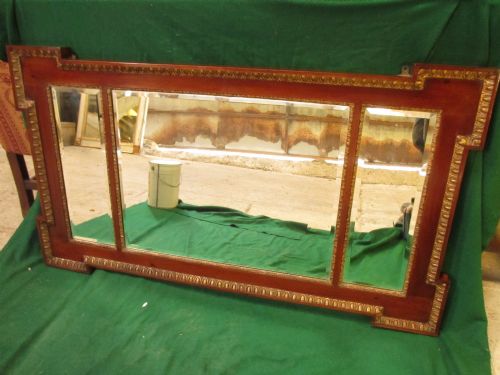
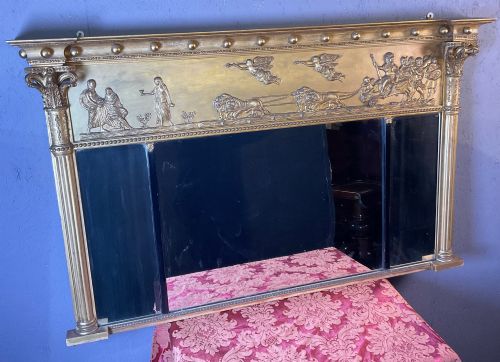
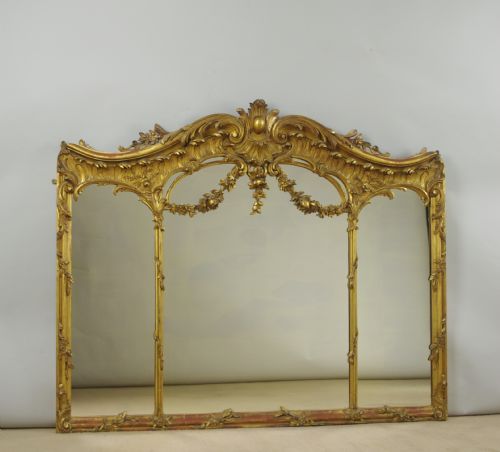
Behind that sits a smaller group in polished or carved hardwood: oak, mahogany, walnut, rosewood. Painted and parcel-gilt frames turn up throughout, along with triple-plate and triptych frames divided into glazed compartments. French and Continental pieces account for roughly one in eight, including trumeaux with a panel above the glass.
One word of warning about searching. The same object is titled over mantle, overmantle, overmantel and plain wall mirror, and the spellings split the stock, so one form on its own misses a good deal of it.
The Range
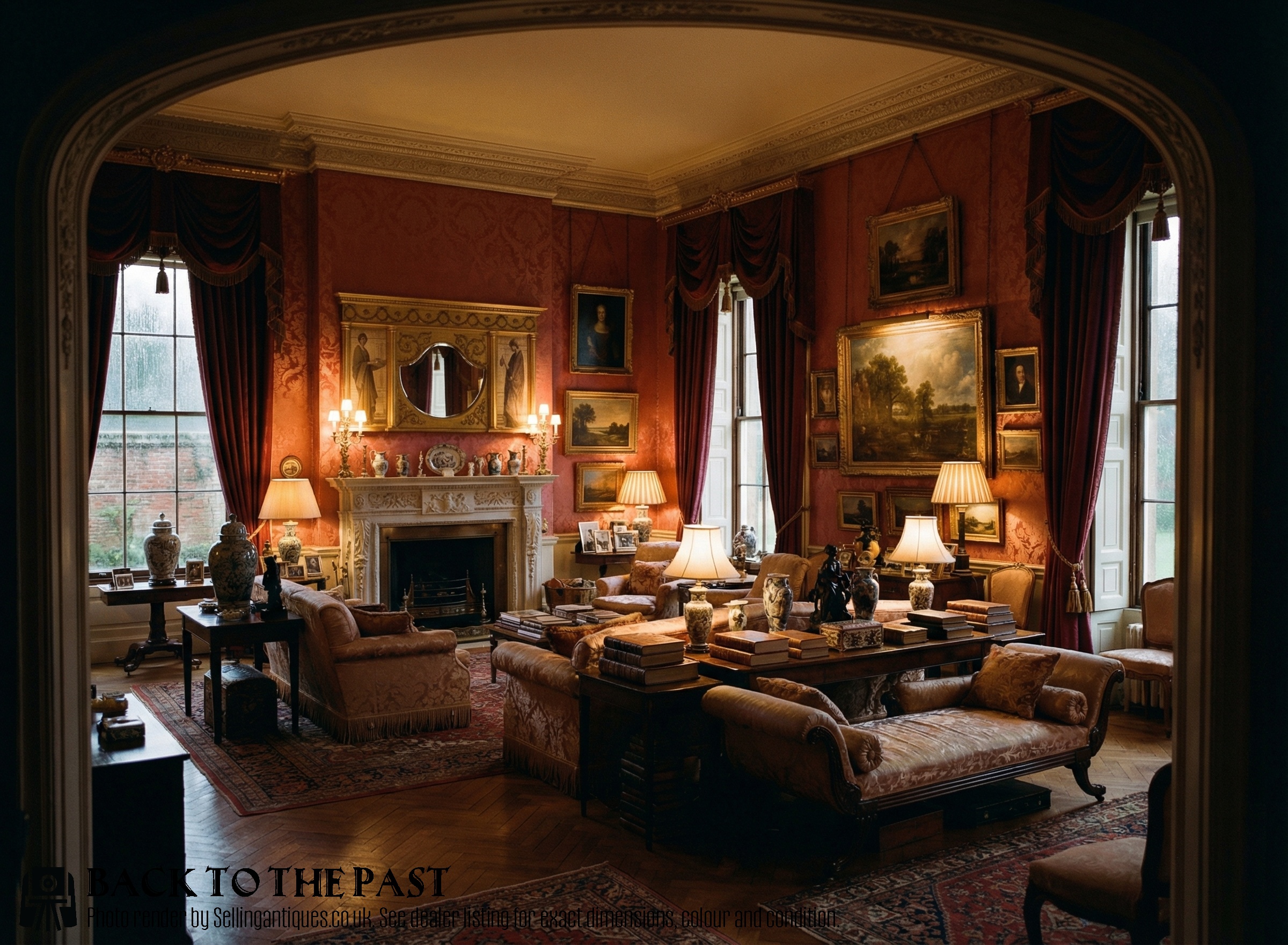
Carved wood does the most work at the top. Where the ornament is cut in the timber rather than moulded in gesso over it, the piece sits higher, and giltwood and carved wood recur through the middle and upper end. Gesso frames are the volume end of the gilded branch, though the two are often combined in one frame.
Scale follows close behind. Large appears in two out of five titles and clusters in the upper half, and the pieces that state their dimensions outright, one at 230 by 189.5cm and another at 79 inches tall, sit near the top. Compartmental frames, triple plate and triptych, run from mid-range up to Rococo-style giltwood examples.
Originality is the third lever. Titles that single out original gilt, original mirror plate or original back and glass belong to the upper half, and foxing in old mercury silvering has been offered as a selling point rather than a defect. In the hardwood branch, Edwardian and late Victorian oak, walnut and mahogany sit at the bottom, with rosewood and birds-eye maple well above them.
Retail Price Guide 2026
Typical UK retail prices for mantle mirrors, calculated from the Sellingantiques database of over a million retail prices indexed since 2003. This retail price guide relies exclusively on Sellingantiques data; no external sources or auction records are used, so the figures do not describe the wider market.
Mantle mirrors have been listed on Sellingantiques since 2010, with more than five hundred passing through since then.
The Antique Mantle Mirrors Glossary
- Overmantel, overmantle, over mantle
- All the same thing, a mirror made to hang above a fireplace. Dealers use all three spellings in titles, so the stock is split across them.
- Gesso
- A plaster-like ground laid over carved or moulded wood, then gilded or painted. Named in dozens of titles, usually alongside carved wood.
- Giltwood
- Wood carved and then gilded, as against gilding laid on gesso ornament. It recurs through the middle and upper end of the category.
- Plate
- The sheet of mirror glass itself. Descriptions talk about original glass, original mirror plate and bevelled glass.
- Triple plate
- A frame divided into three glazed compartments, a wide central plate with a narrower one either side.
- Trumeau
- A tall French mirror with a painted or carved panel set above the glass. A handful appear, one carrying an oil of galleons at sea.
Frequently Asked Questions
How many come up for sale each year?
Around 66 reach the market on Sellingantiques in a year, and 135 different dealers have listed one.
That spread matters. This is a category almost any general dealer handles rather than the preserve of a few specialists.
What period are most of them?
The dealer-supplied dates run from 1750 to 1950. The 1860s and 1870s together account for more of the dated listings than every other decade combined.
One in three listings is dated only to the 19th century rather than to a decade, so the century label carries a lot of weight. Victorian, Regency, Georgian and Edwardian are used just as loosely.
Eighteenth-century pieces and mid-20th-century Art Deco or 1930s frames appear only as scattered singletons.
Are gilded frames solid gold leaf on wood?
The gold is leaf, and what sits under it varies. Giltwood means the ornament is carved in the timber and gilded; gesso means a plaster-like ground was laid over wood first, then gilded.
Many frames combine both, which is why the phrase carved wood and gesso turns up so often. Water gilding, gold leaf on a wet-sized gesso ground that can be burnished, is named once.
Do mantle mirrors come in pairs?
Very seldom. Only three pairs appear across the samples.
Two of them are Georgian or Italian giltwood, and both sit at the very top of the range.
What sizes do they run to?
From small hanging mirrors up to architectural pieces over two metres. Two in five titles use the word large.
The biggest to state its measurements in a title is 230 by 189.5cm, and another gives its height as 79 inches.
Which makers are found on these frames?
No maker or workshop stands behind this category. The names that do appear in titles come from single listings rather than any pattern.
What listings identify instead is material, form and origin: gilt over gesso, carved wood, triple plate, arch top, English or French.