

Antique Overmantle Mirrors
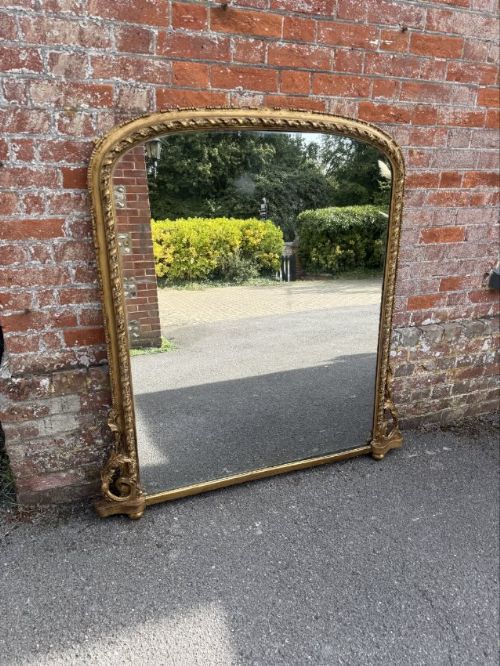
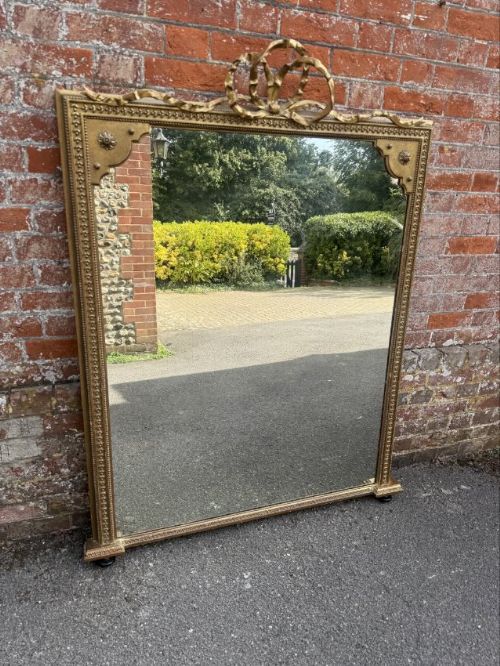
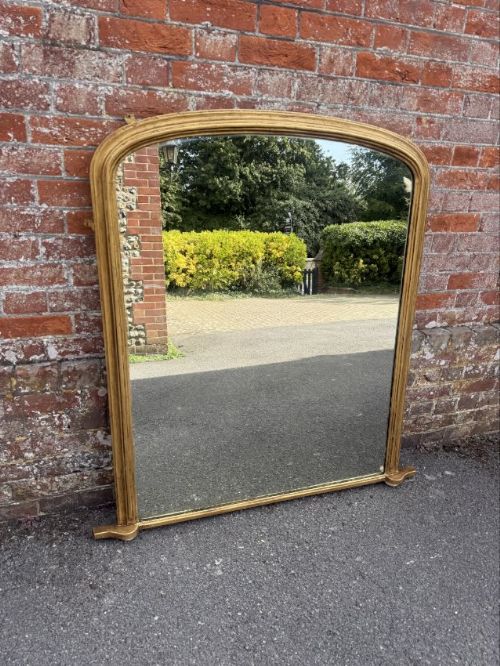
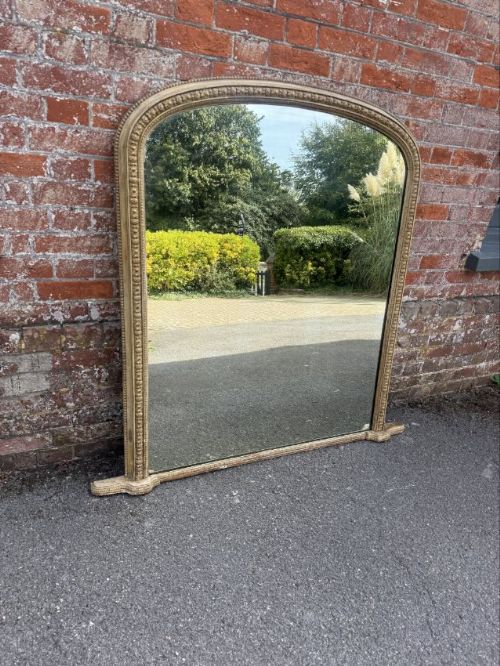
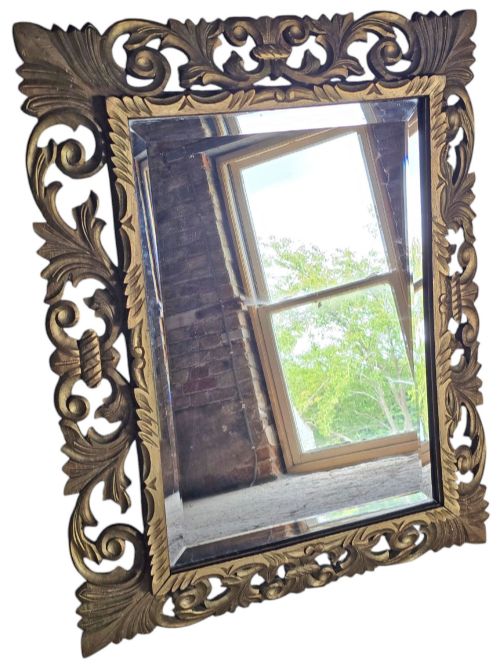
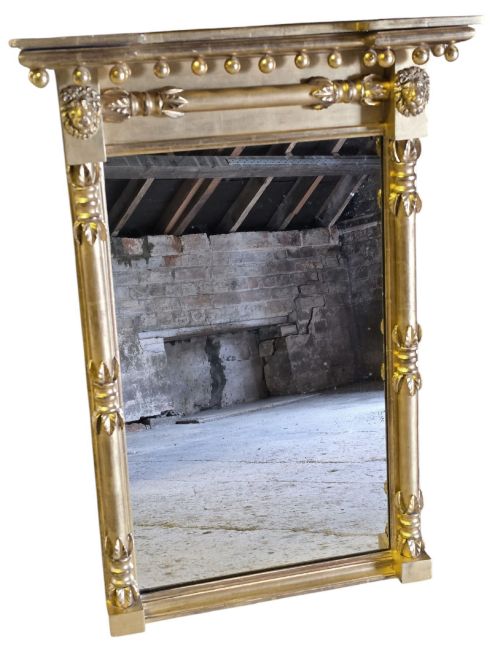
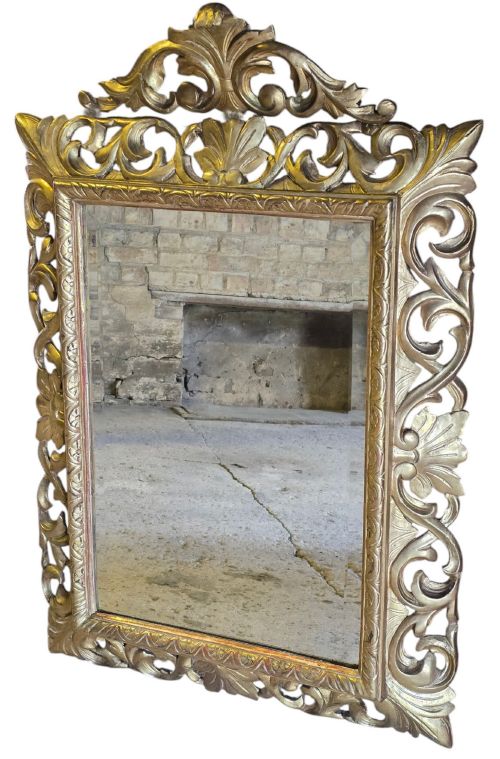
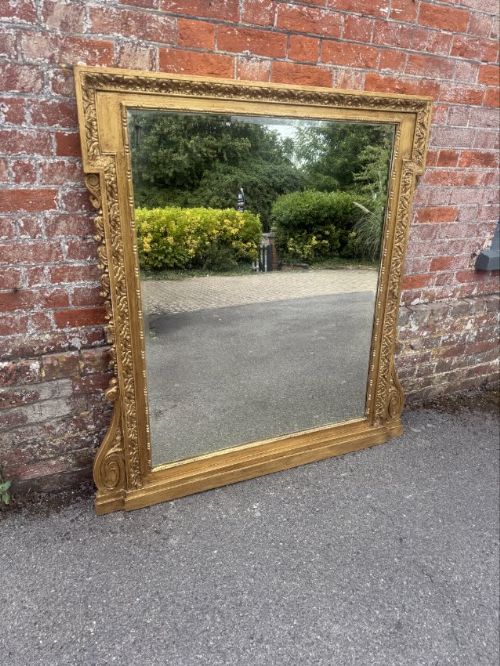
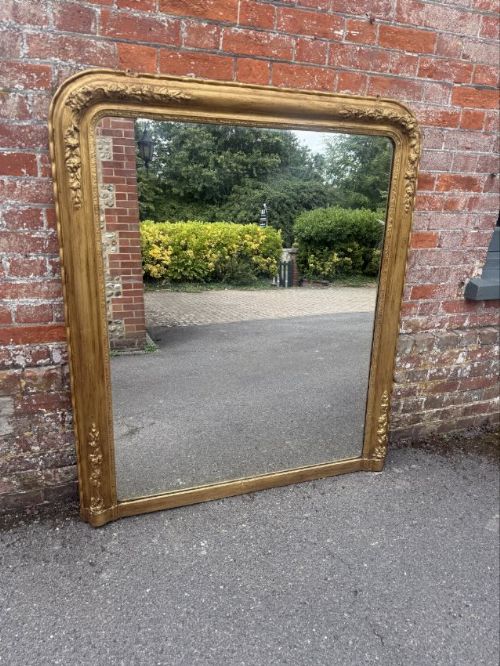
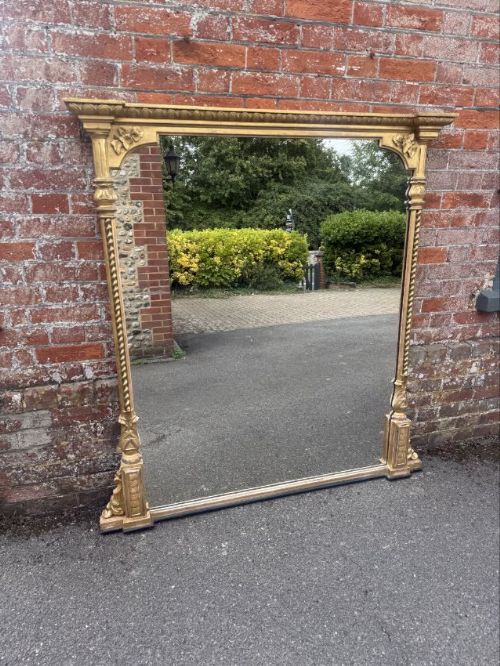
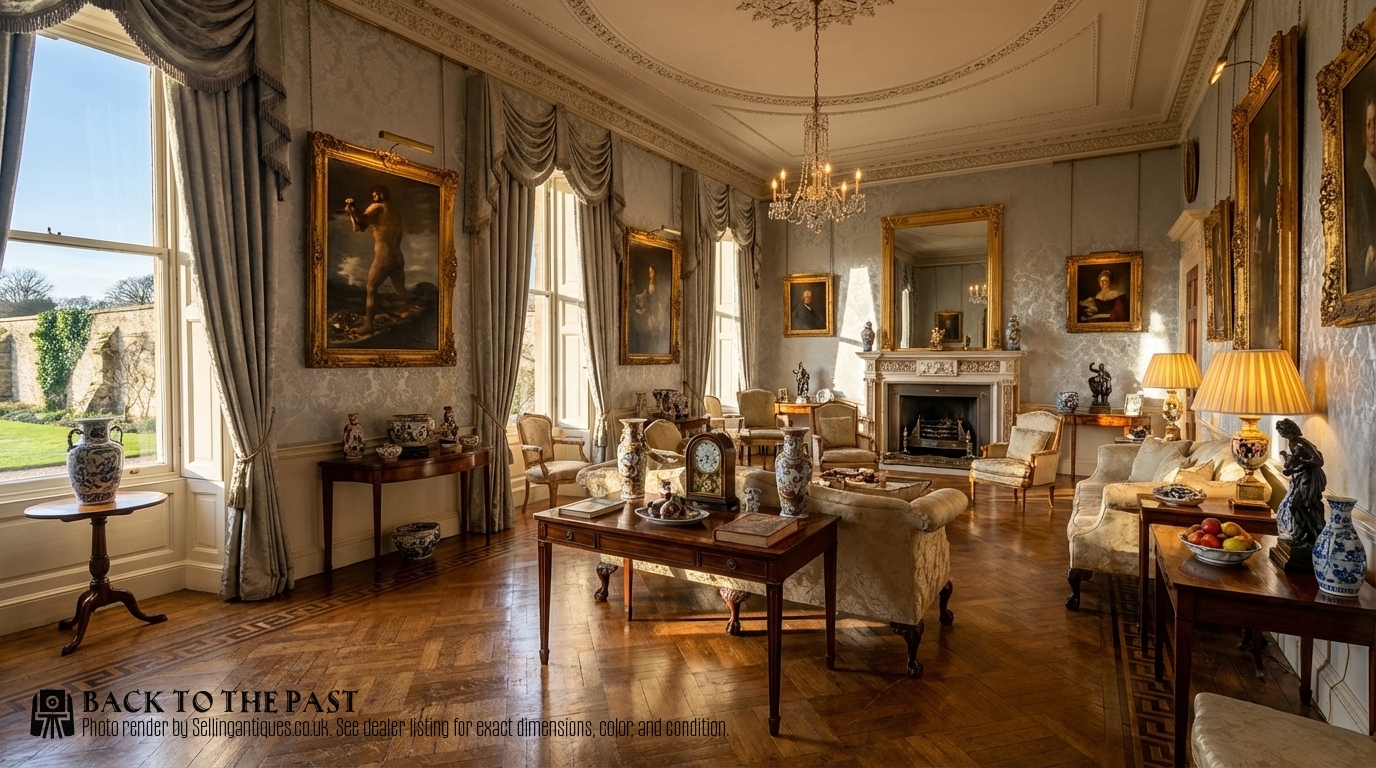
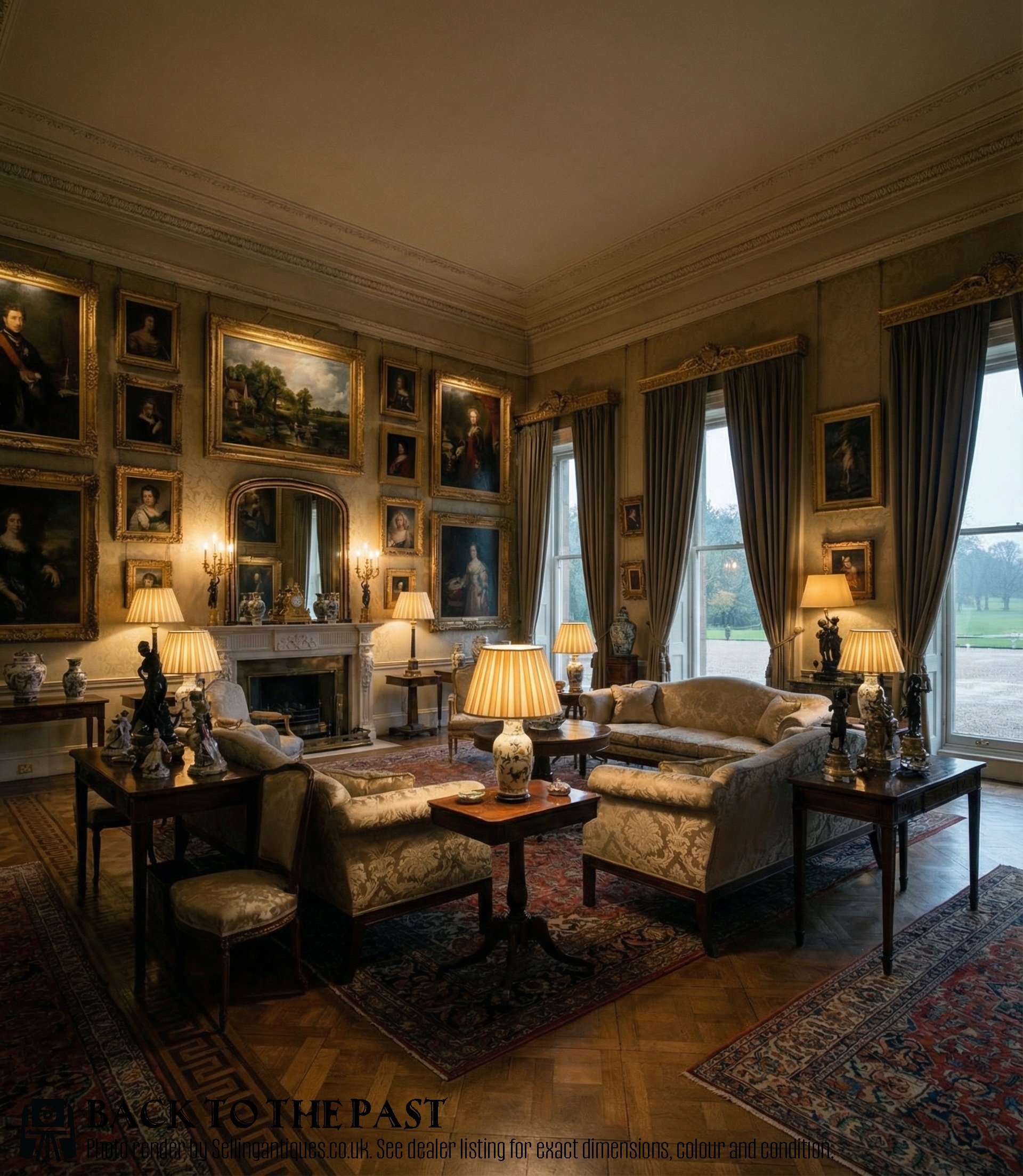
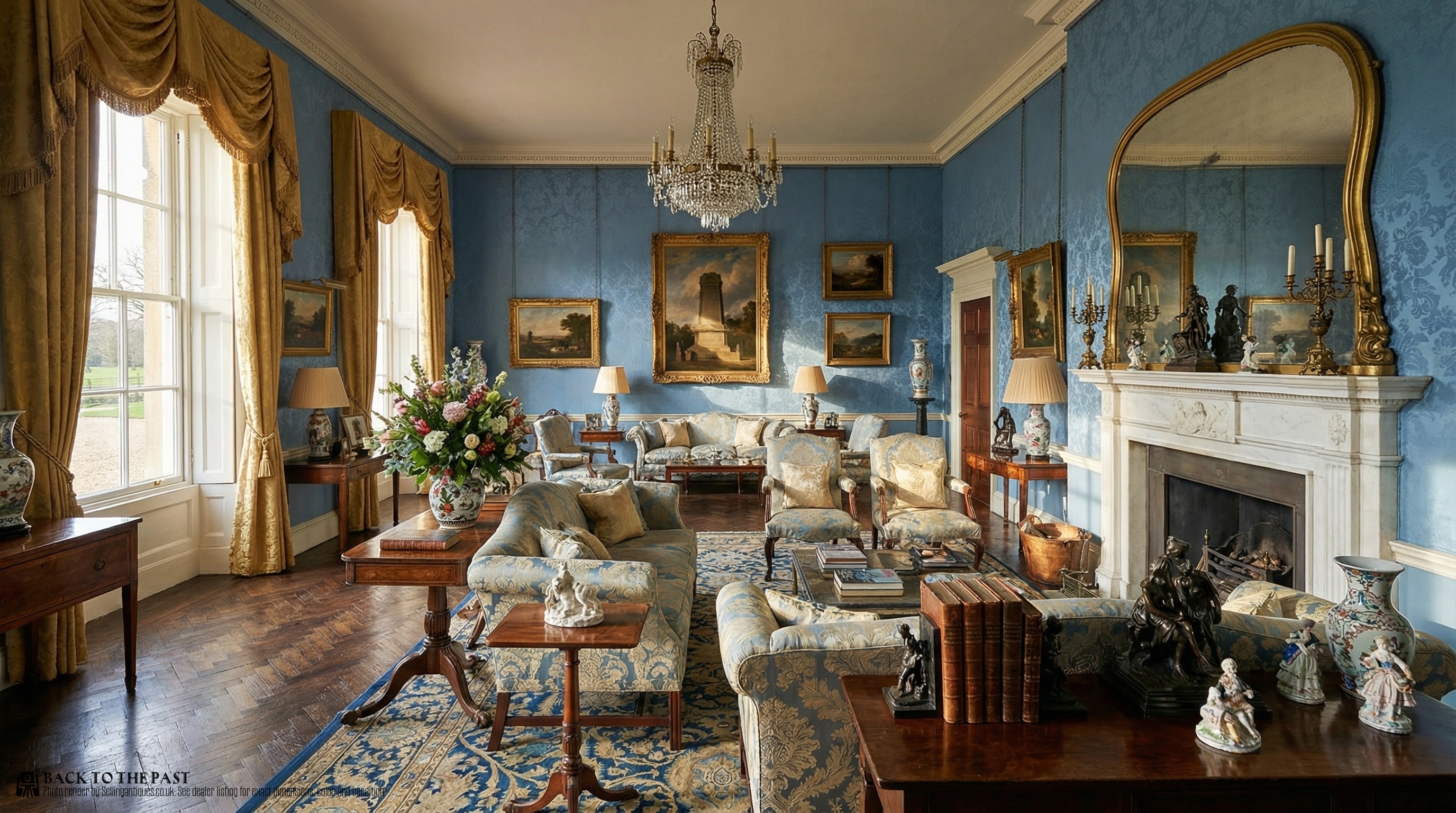
A large wall mirror made to hang above a fireplace, filling the chimney breast and throwing light back into the room.
Antique Overmantle Mirrors
Mirrors built for the wall above a mantel became a standard part of the English and French interior once larger glass plates could be had, and they were made in quantity through the 19th century as the chimney breast turned into the focal point of the reception room. Their job was scale: fill the space and bounce the light.
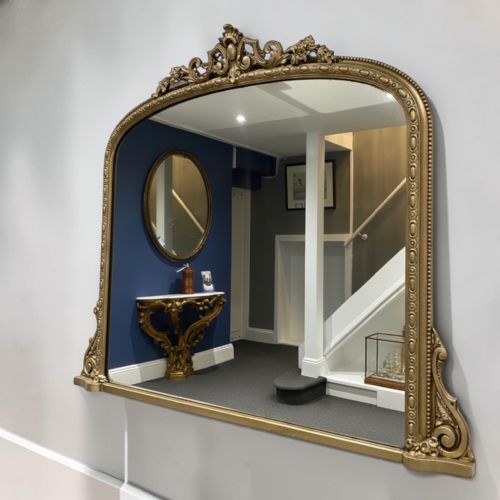
The version you're most likely to meet on Sellingantiques is English, 19th century, in a carved wood and gesso frame, gilt or painted, with an arched top. Gilt appears in most titles, carved wood and gesso in around a quarter each, and half the listings sit in the 19th century, with the 1860s to 1880s carrying the bulk of the dated stock.
Titles describe the frame far more than the glass. A single plate is the default; triple-plate and marginal-plate frames turn up now and then, and where a listing says nothing about the plate arrangement, one glass is what's meant. Scale is the practical fact: 'large' sits in over half of all titles and in more of the live stock.
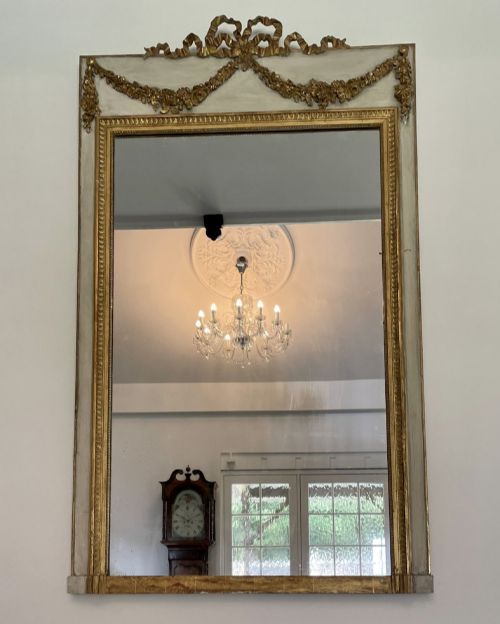
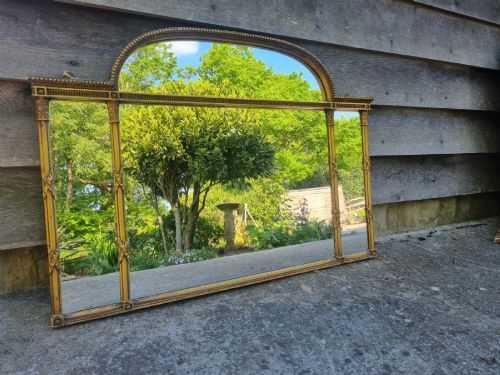
Beyond the English gesso mirrors, four smaller groups recur. French frames, trumeau types among them, are the largest of them. Ebonised and parcel-gilt Aesthetic frames form a small steady group. Timber frames in mahogany, oak, walnut or rosewood sit lower down the range, and Regency and Georgian pieces, often triple-plate or landscape format, make up a modest few.
What Moves The Price
Size does most of the work. The words 'very large' and 'huge', and stated heights around 148cm to 165cm and one at five feet, cluster in the upper half of the range, while 'small' sits at the bottom. Width matters as much as height on a wide chimney breast.
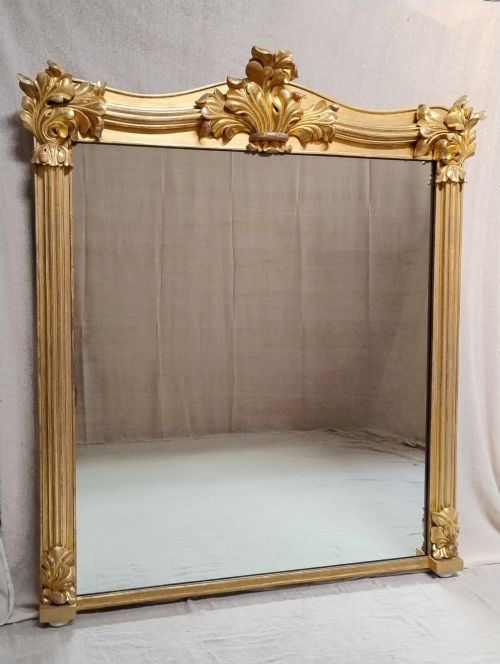
Then the surface. Gilt outnumbers paint by a long way in titles, and 'original gilt' and 'water gilded' recur among the higher-priced pieces. Frames in oak, walnut and mahogany, and plainer painted ones, gather at the cheaper end. Carving counts too: putto cresting, cherubs, eagles, griffin mounts, sunflowers, laurel and rope twist all sit above the frames dealers simply call plain.
Glass arrangement and number push the same way. Triple-plate, three-pane, triptych and marginal-plate frames appear repeatedly in the upper part of the range. Pairs are the archive's rarity, and the matched or near-matched pairs that do come up sit far above what a single mirror makes.
Antique Overmantle Mirrors Retail Price Guide 2026
Typical UK retail prices for overmantle mirrors, calculated from the Sellingantiques database of over a million retail prices indexed since 2003. This retail price guide relies exclusively on Sellingantiques data; no external sources or auction records are used, so the figures do not describe the wider market.
Origins beyond England and France are scarce on Sellingantiques: single Irish, Spanish, Dutch, Japanese lacquered and Venetian etched-glass overmantles across the whole archive.
Nosotti
The Antique Overmantle Mirrors Glossary
- Overmantle / overmantel
- A mirror made to hang above a fireplace. Both spellings appear in titles, sometimes in the same listing.
- Gesso
- A plaster-and-size composition laid over carved wood to take moulded ornament and gilding, named in roughly a quarter of titles.
- Arch top / archtop
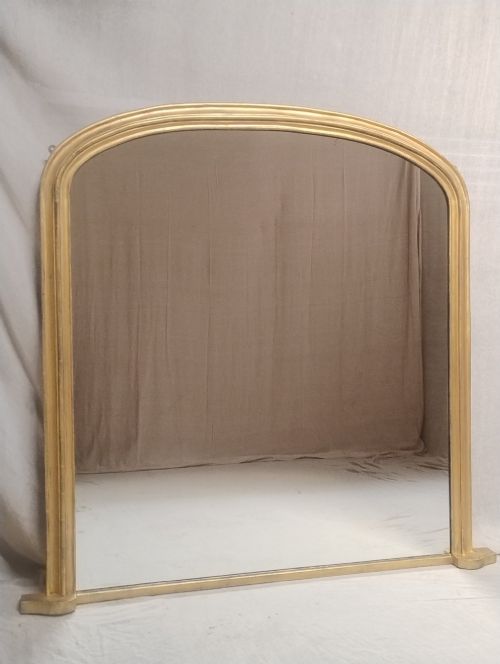
- A frame with a rounded or arched upper edge. Counting all three spellings, it's the commonest shape in the category at about a fifth of titles.
- Triple plate
- Three separate glasses in one frame, usually a wide central plate with narrower ones either side. Also written three pane or triptych. Marginal plates are narrow border glasses set around the main plate.
- Parcel gilt
- Partly gilded, with the rest left painted, ebonised or in bare timber. It turns up often alongside ebonised, which means stained or lacquered black in imitation of ebony.
- Trumeau
- A French tall panel mirror with a painted or carved panel set above the glass.
- Cresting
- Carved ornament rising above the top rail. Putti, sunflowers and eagles all appear, and a fox-hunting scene once.
Antique Overmantle Mirrors: Frequently Asked Questions
How many overmantle mirrors are listed each year?
Around 269 a year on Sellingantiques, handled by 127 different dealers. That makes it one of the most broadly carried mirror forms in the archive.
Supply is steady rather than seasonal, and the English gilt gesso frames make up the bulk of it.
What period do most of them come from?
The dated field runs from 1750 to 1960, but the weight sits in the third quarter of the 19th century onward. The 1860s, 1870s and 1880s alone account for 1,394 dated listings.
A large block carries only a loose date, 367 reading simply '19th Century' and 118 'Victorian'. Those are a dealer's period judgement rather than a year. Earlier 18th-century entries are the thin end of the range, not a real population.
Why are so many frames described as gesso?
Gesso is a plaster composition applied over a carved wood carcass. It takes moulded ornament cleanly and gives gilding a smooth ground, which suited frames made in quantity.
It appears in about a quarter of titles, almost always paired with carved wood, and usually finished in gilt.
Are French overmantles common in this category?
They form the largest group after the English frames. French gilt frames and trumeau types come up regularly, along with Louis Philippe, Louis XVI and chateau descriptions.
Origins beyond England and France are curiosities. Single Irish, Spanish, Dutch, Japanese lacquered and Italian Venetian etched-glass examples appear across the whole sample.
What shapes turn up besides the arched top?
Arch top dominates, but the shape vocabulary in titles is inventive. Hour glass, horse shoe, waisted, cushion, ribbon top and simulated bamboo frames each appear only once or twice.
Landscape format, wider than tall, was made for a low chimney breast and shows up among Regency and Georgian pieces.
Which names appear on overmantle mirrors?
One only clears the three-dealer threshold across the whole archive: Nosotti, on a stamped giltwood mirror.
The English gesso mirrors are described by material and shape, not by workshop. French pieces are rarely tied to a named maker or retailer either.