
Victorian Mirrors
Framed looking glasses of the British nineteenth century, made to hang above a fireplace, fill the wall between windows, or stand at a dressing table.
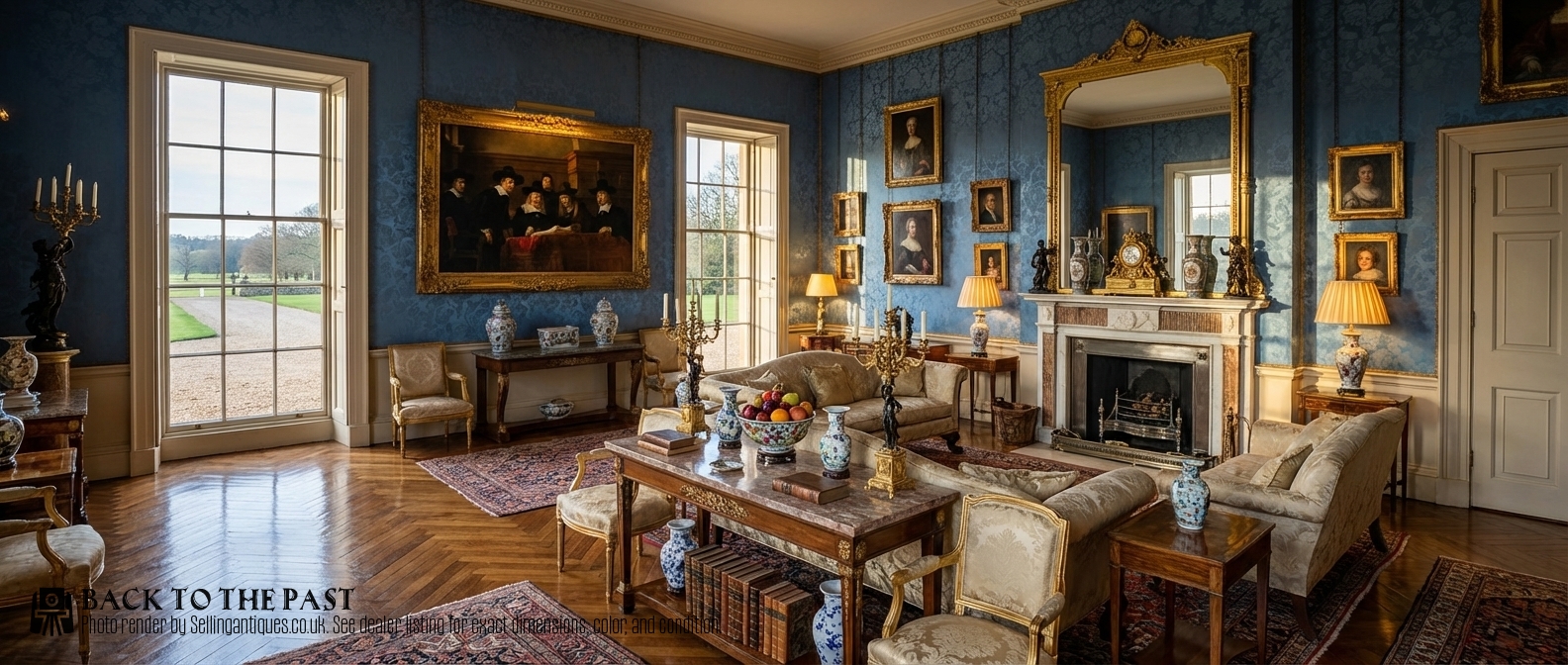
Victorian Mirrors
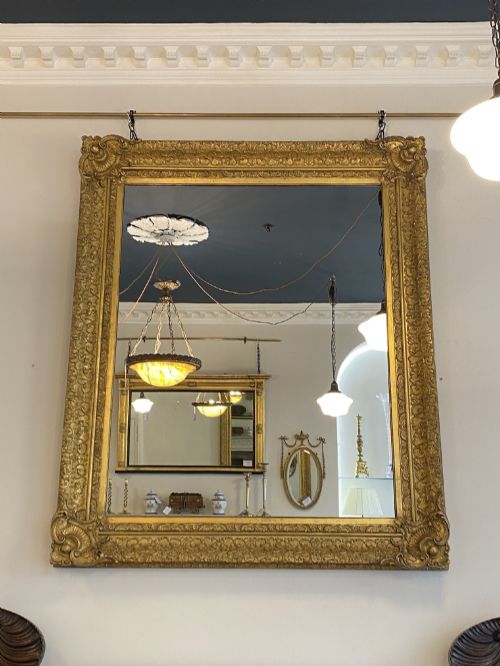
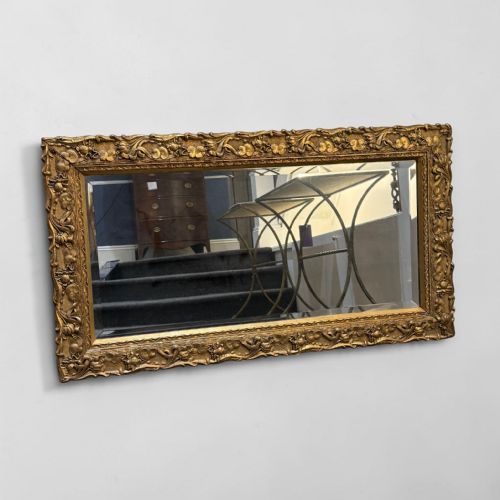
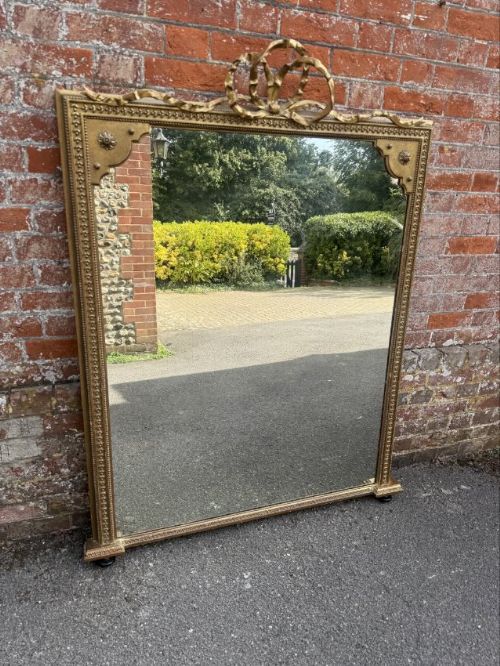
Almost all of them are framed glass rather than plate alone, and the frame is what listings lead with. Nearly half of the 2,624 titles on Sellingantiques carry the word gilt, with giltwood and gesso following behind, so the mental picture of a big gold frame is what the record says.
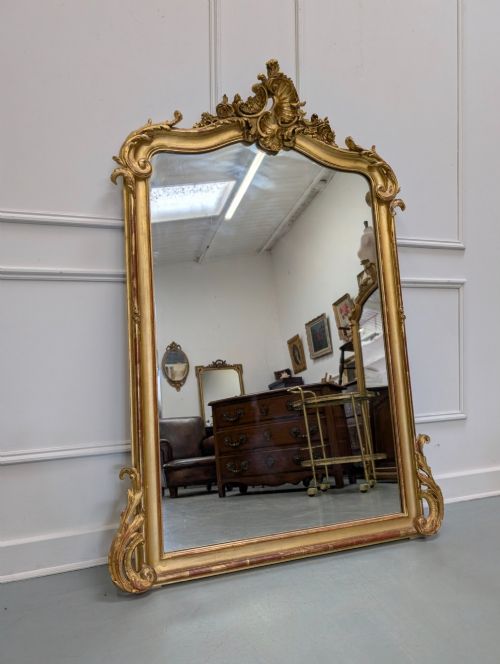
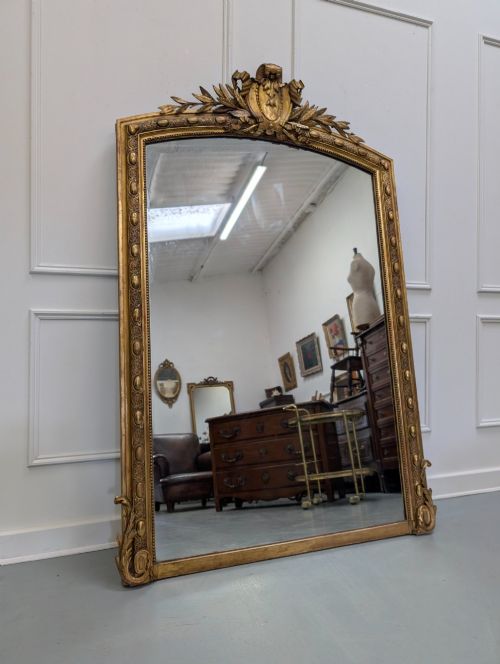
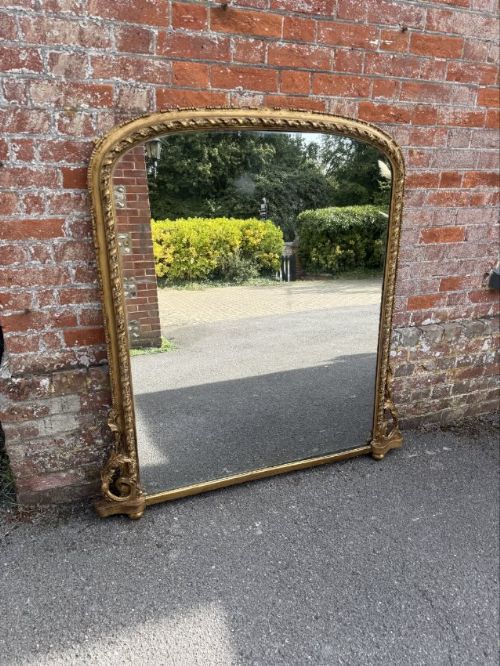
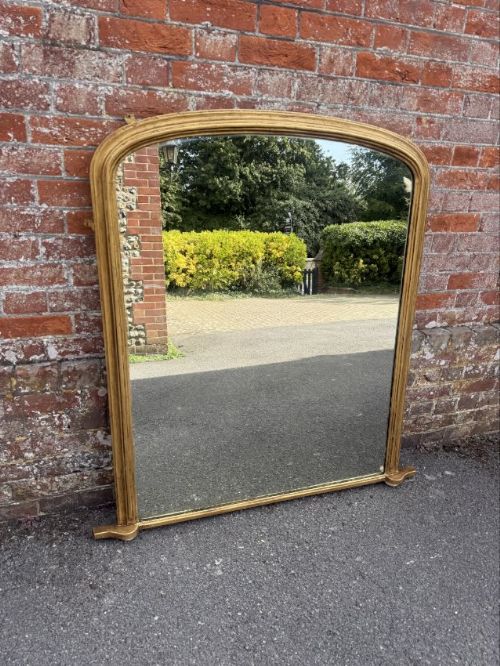
The form you'll meet most often is a gilt overmantel, English, made to sit above a fireplace. Both spellings run side by side in live listings, overmantle far ahead of overmantel, and one in three titles also says large. Within that group the arch-topped version is the recognisable sub-type, listed as arch top, archtop or top overmantle, and usually dated 1860 to 1880.
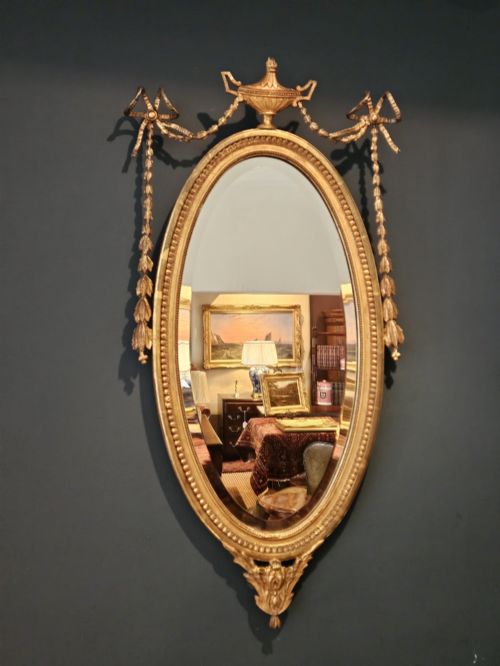
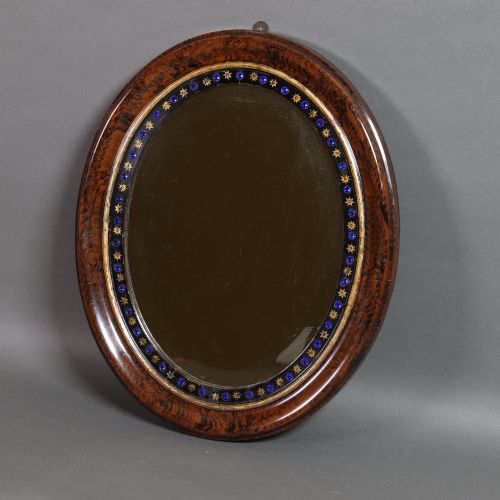
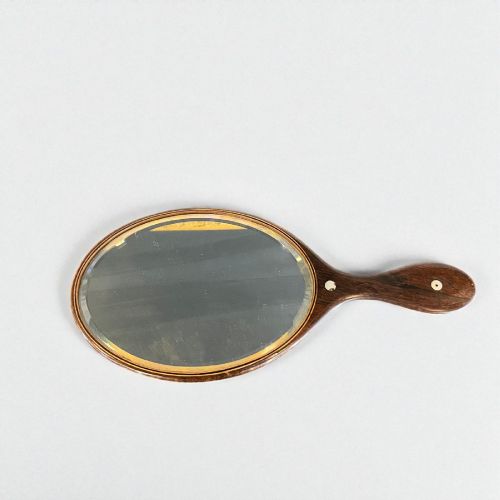
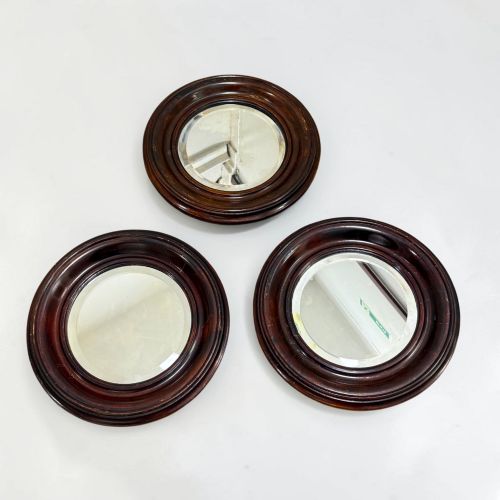
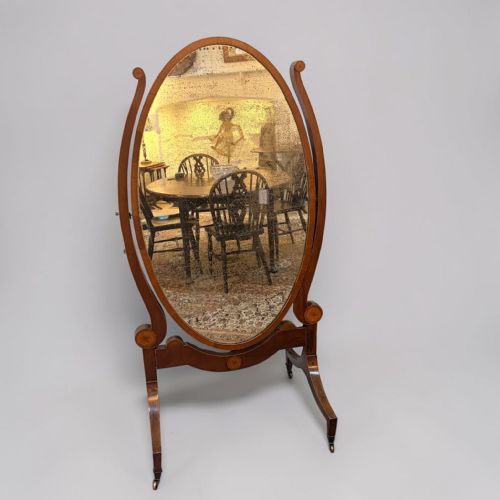
Beyond the overmantels, the category runs to pier mirrors for the wall between windows, oval and circular gilt wall mirrors, and the solid-timber side: mahogany and walnut cheval mirrors on their own floor frames, and small dressing, toilet and swing mirrors made to stand on a table. Ebonised, parcel-gilt, painted and silvered frames form a smaller but steady strand.
Dating is often a span rather than a year. Victorian alone accounts for 700 entries and 19th century another 369. Where a decade is given, the weight sits in the 1880s, then the 1870s and 1860s, with the 1850s, 1890s and the early twentieth century much thinner. A decade in a title is the dealer's estimate, written as circa 1880 or c.1870 as readily as a hard year.
Top And Bottom
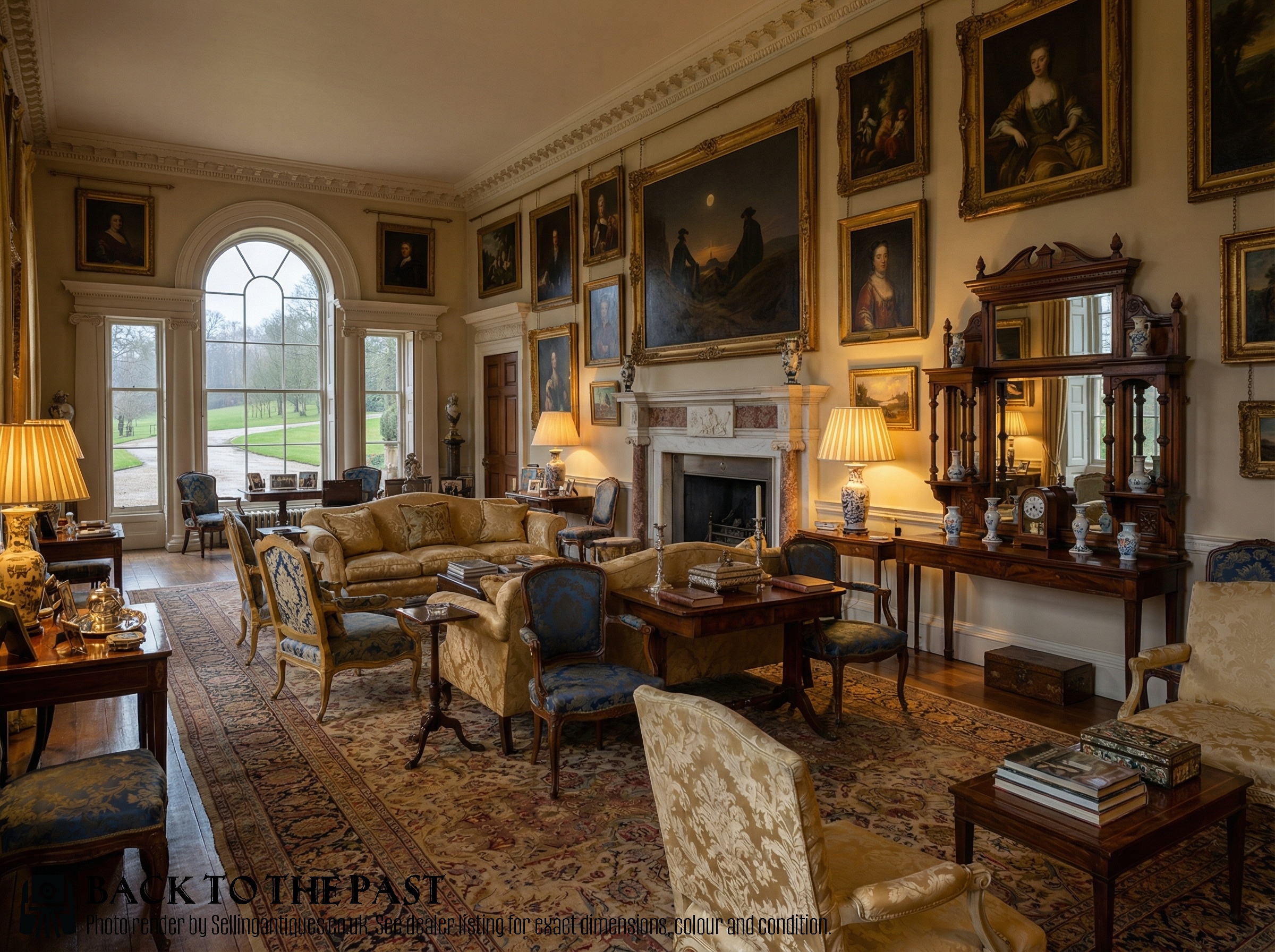
Scale does most of the work. A third of titles say large, and the highest-priced pieces are the ones described as large, very large or monumental, with dimensions stated in feet rather than inches: a five-foot-wide arched giltwood frame, another measuring 230 by 189.5cm. These country-house-scale giltwood overmantels sit at the very top.
After size comes how the frame was built up. The recurring upper-range phrase is carved wood and gesso, and carved turns up in nearly three hundred titles. Frames described as plaster gilt or simply moulded sit lower down. A named surmount also lifts a frame: putto cresting, a bird pediment, a carved lion pediment, a feather plume.
Original surface counts too. Titles that bother to say original plate, original water gilding or original foxed mercury plate cluster above the middle of the range. On the dressing and cheval side, the divide is timber: figured mahogany, carved walnut and burr walnut sit well above the plain mahogany dressing mirrors at the foot.
Victorian Mirrors Retail Price Guide 2026
Typical UK retail prices for victorian mirrors, calculated from the Sellingantiques database of over a million retail prices indexed since 2003. This retail price guide relies exclusively on Sellingantiques data; no external sources or auction records are used, so the figures do not describe the wider market.
The largest to pass through Sellingantiques are measured in feet: a five-foot-wide arched giltwood mirror, and another at 230 by 189.5cm.
Charles Nosotti
The Victorian Mirrors Glossary
- Overmantel (also overmantle)
- A mirror made to hang or sit above a fireplace. Both spellings are used interchangeably, and at least one listing hedges by using both in the same title.
- Arch top / archtop
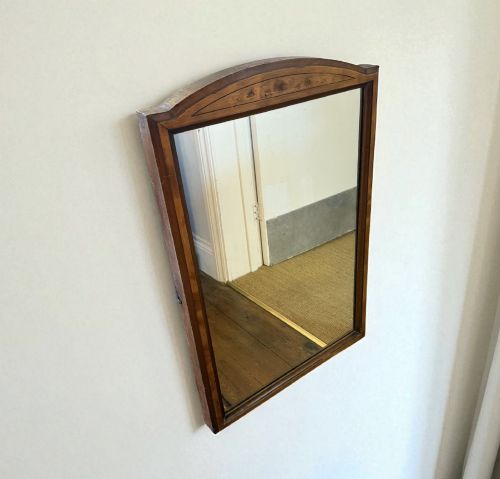
- A frame whose upper edge rises in an arch rather than running square across. The commonest named shape within the overmantels.
- Cheval mirror
- A full-length glass swinging in its own free-standing floor frame. Mahogany is the usual timber, walnut the next.
- Pier mirror
- A tall narrow glass for the pier, the stretch of wall between two windows.
- Gesso
- A chalk-and-size ground built up over the carved frame and then gilded. Often written in titles as carved wood and gesso.
- Parcel gilt
- Partly gilded, with gold on selected mouldings only, usually against an ebonised or painted ground.
Victorian Mirrors: Frequently Asked Questions
What is an overmantel mirror?
A mirror made to hang or sit on the wall above a fireplace. It is the dominant form in the category, and the frames are commonly gilt.
Listings spell it both ways. Overmantle appears in 861 titles and overmantel in 198, so both spellings are worth searching.
Why do so many say gilt?
Because a gilded carved-wood-and-gesso frame was the default. Gilt appears in nearly half of all titles on Sellingantiques, with giltwood and gesso named separately in hundreds more.
Gilt covers a wide set of finishes, though. Gilded plaster, silvered leaf, parcel gilt over ebonised ground and painted frames all sit under the same broad heading.
Which decade do most examples come from?
The 1880s, by a clear margin. That decade alone accounts for 548 dated listings, more than the 1850s, 1890s, 1900s, 1910s and 1920s put together.
The 1870s and 1860s follow. Nearly half the dating in the category is a span rather than a year, given as Victorian or 19th century.
Are cheval and dressing mirrors part of this?
Yes, and they make up roughly a fifth of the category. Cheval mirrors stand on their own floor frames; dressing, toilet and swing mirrors pivot between uprights on a table top.
These are the solid-timber side of the category. Mahogany leads, walnut next, with figured and burr timbers sitting at the upper end.
How often do these come up for sale?
Around 278 a year, and 281 different dealers have listed one. That makes it one of the most widely stocked things on Sellingantiques rather than a specialist's corner.
Pairs are a minor but genuine strand, with pair in 100 titles, from small girandoles to matched oval giltwood mirrors.
What unusual forms turn up?
Alongside the overmantels and cheval mirrors, the odd one surfaces once or twice: a fairground distortion glass, a cast-iron overmantel, a pharmacy dispensing mirror, an acid-etched pub mirror.
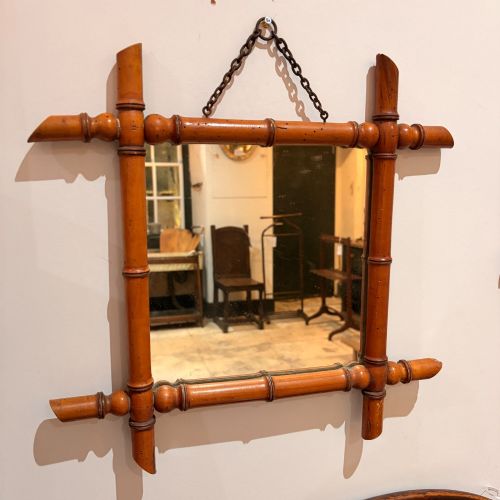
Others include a marble-framed mirror, a shell mirror, a tortoiseshell ripple frame and a convex sorcerer's or witch's mirror. Frames in faux bamboo, birds-eye maple, satin birch and burr yew also appear.