

Antique Horse Sculptures
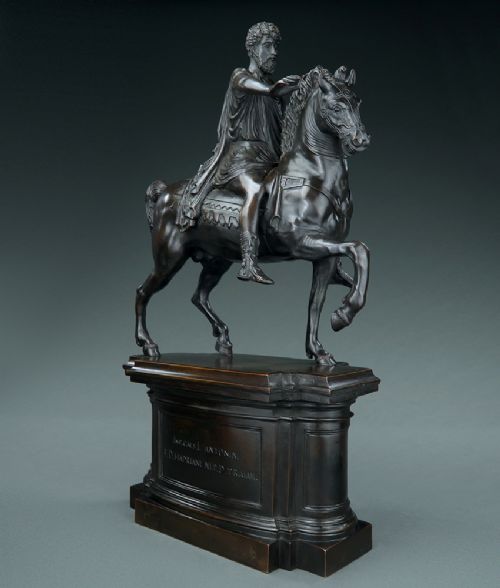
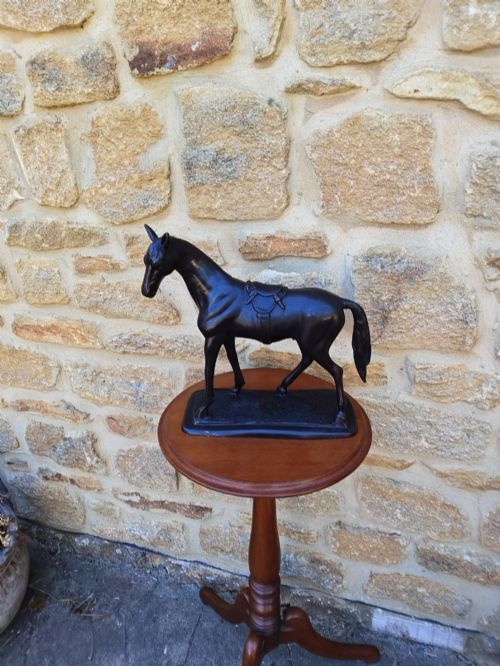
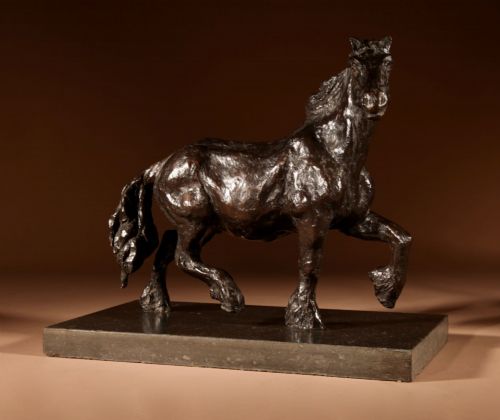
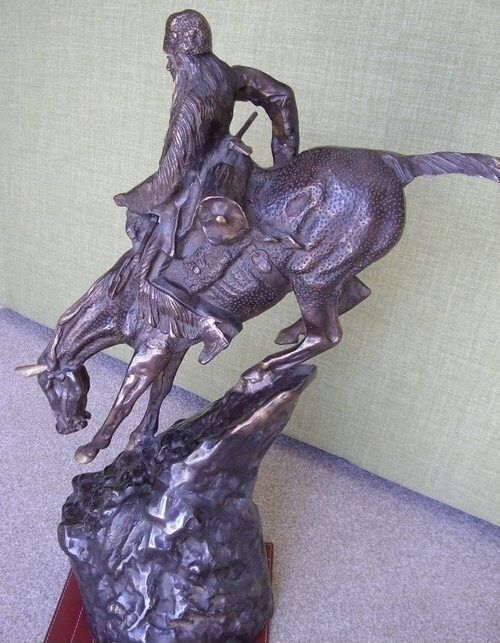
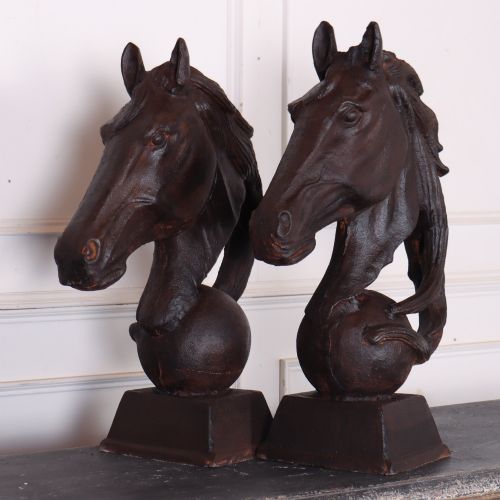
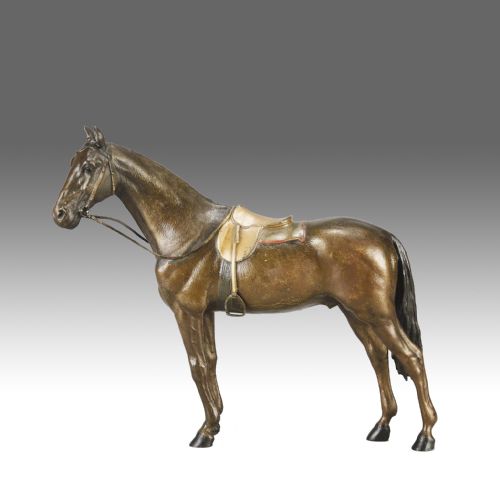
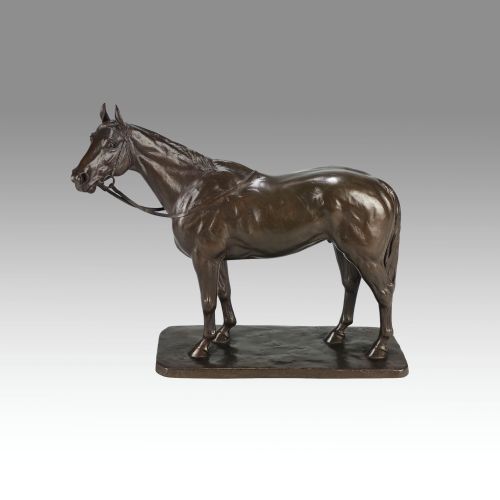
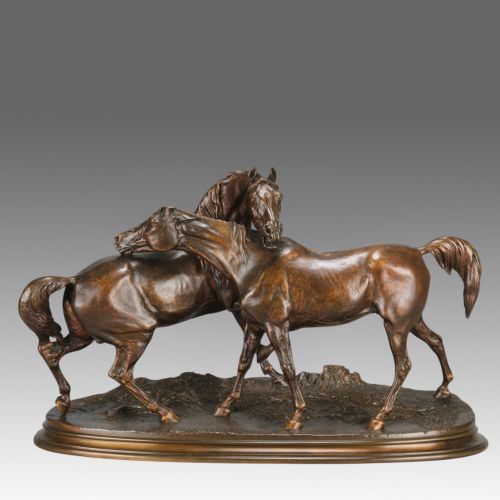
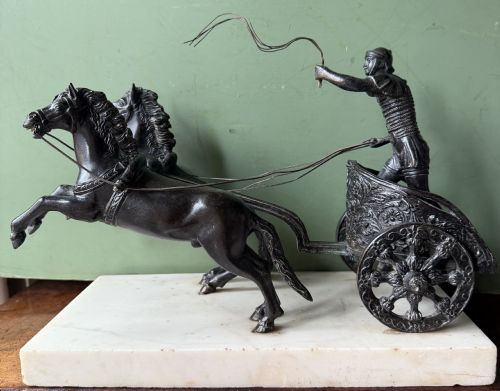
Free-standing horse figures, cast for the most part in bronze, made as decorative sculpture for the table, mantel and hall from desk scale up to life size.

Antique Horse Sculptures
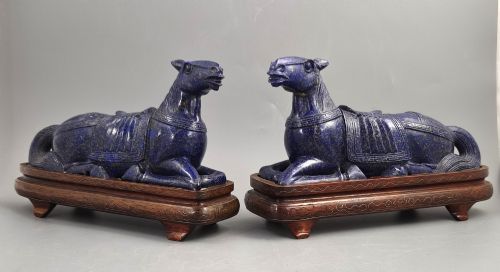
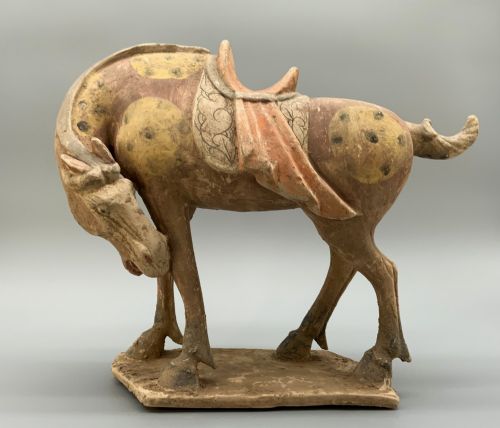
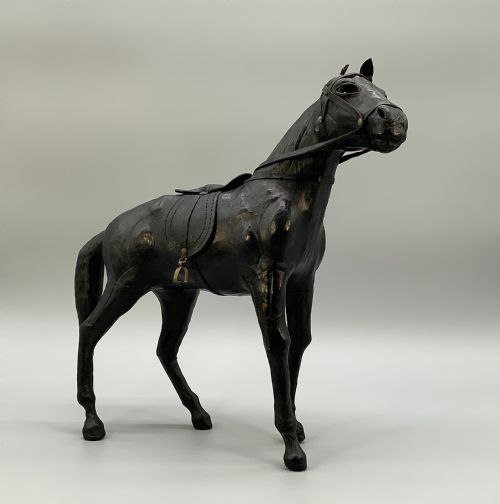
Bronze dominates the category, carrying nearly three quarters of the listings. The rest runs wide: carved wood, cast iron, cast silver, spelter, leather, boxwood, marble dust, specimen marble, hardstone and sancai-glazed pottery have all come through. The decorative horse as a domestic object is largely a 19th-century idea, when foundries could reduce famous monuments and issue newly modelled animal studies at drawing-room size.
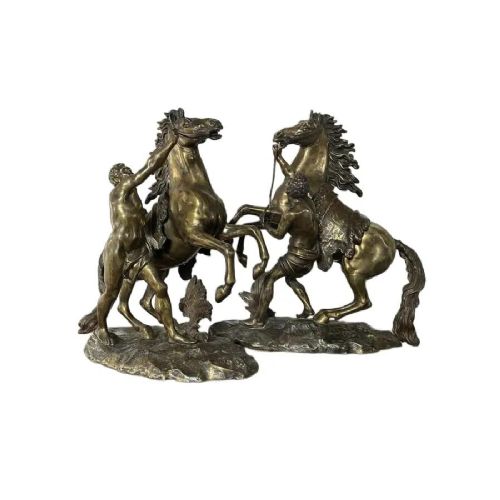
One subject sits above all others. The Marly Horses after Guillaume Coustou the Elder, a rearing horse restrained by its groom, account for roughly a quarter of titles, and dealers split almost evenly between the spellings Marly and Marley. They are commonly sold as opposed pairs, though single horses and single horse-with-groom casts turn up throughout.
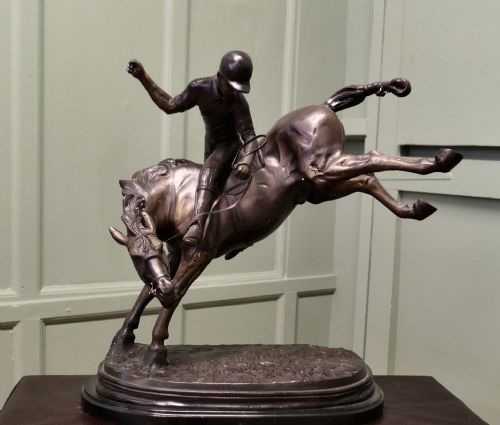
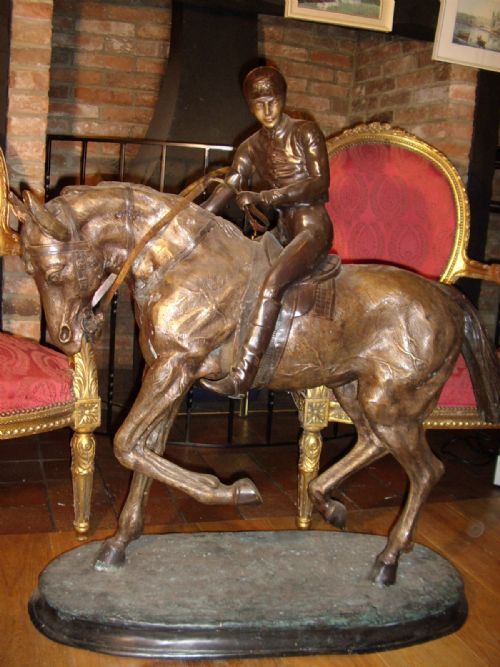
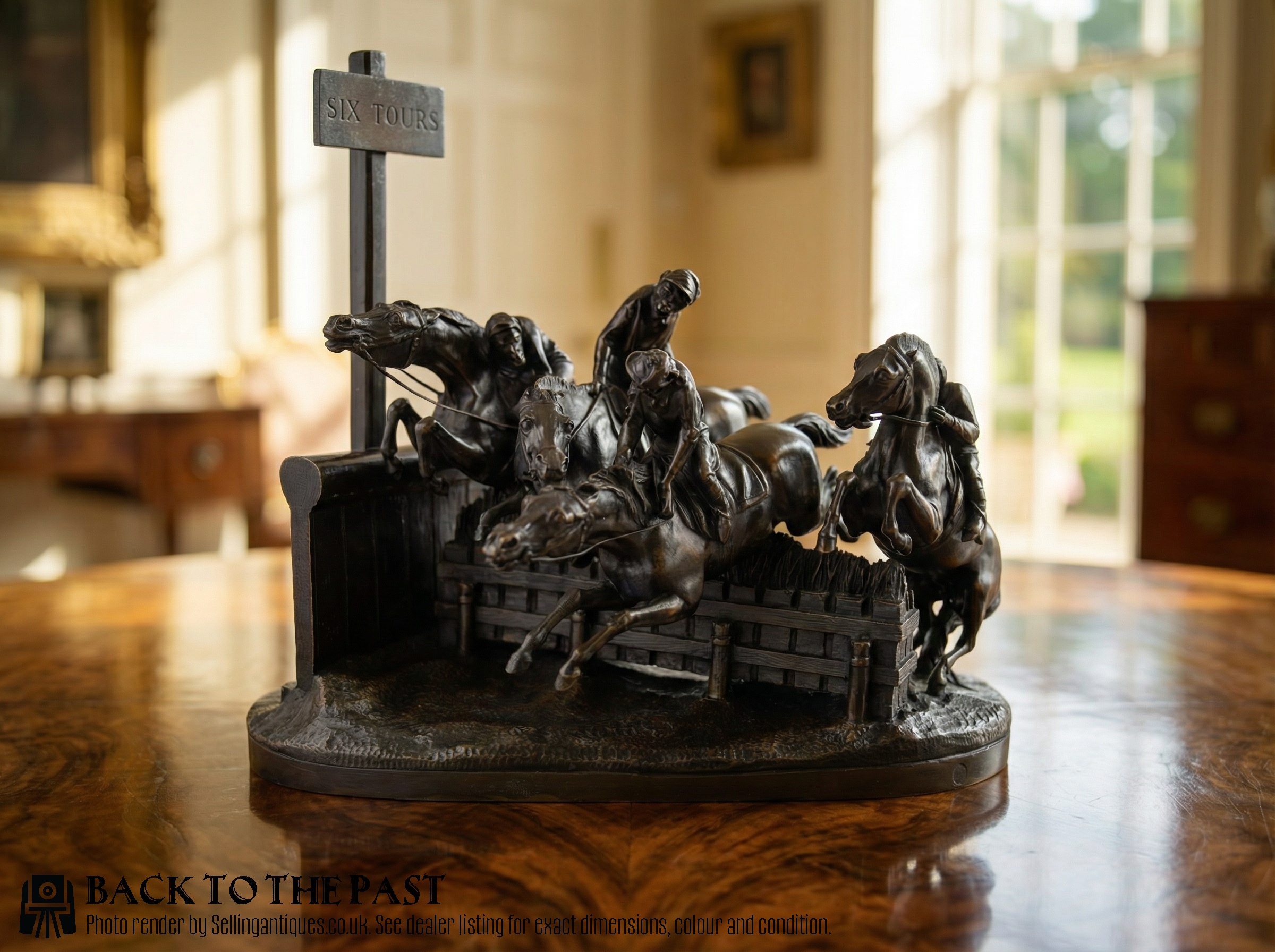
Around that core sit French animalier and equestrian bronzes: racehorses, jockeys, steeplechase and hunting groups, and named sitters on horseback including Napoleon, Charles I, François I and Bartolomeo Colleoni. Japan is the second nationality at about one title in eight, with Meiji, Taisho and Showa bronze horses and okimono forming a group of their own. Art Deco and other stylised 20th-century horses make up perhaps one in ten.
Dating is often a century rather than a year. Nineteenth Century is the single commonest entry, with Victorian behind it, and where dealers commit to a decade the 1880s lead, then the 1900s, 1920s and 1930s. The clean dates run 1850 to 1960, but the archive reaches outside that in both directions, from a Tang dynasty pottery horse to a signed bronze cob later than 1960.
Where The Range Sits
Material sets the floor and the ceiling. Bronze holds the centre and the top of the range, while carved wood, leather, spelter and marble-dust pieces gather at the bottom. Scale works the same way: the word large appears in one title in eight, and large, huge and life size recur among the higher-priced pieces, up to a life-size bronze stallion and a life-size leather horse.
A named hand lifts a piece. Titles at the top of the range name an individual sculptor; the plainest ones, a bronze horse and nothing more, sit low. The word after, which turns up in a good many titles and nearly always attaches to Coustou, marks a later cast or reduction of somebody else's model rather than an original by that hand, and it sits below an attributed original.
Pairs push upward. Two matching sculptures appear in just under a quarter of titles, almost always the two opposed Marly Horses, and while pairs turn up at every level they cluster in the upper half. A single horse and groom from the same model is a different proposition to the pair complete.
Antique Horse Sculptures Retail Price Guide 2026
Typical UK retail prices for horse sculptures, calculated from the Sellingantiques database of over a million retail prices indexed since 2003. This retail price guide relies exclusively on Sellingantiques data; no external sources or auction records are used, so the figures do not describe the wider market.
The top sale of the last year on Sellingantiques was an equine bronze of race horses and jockeys galloping, the Triumph Hurdle sculpture, in February 2026.
Franz Bergman
The Antique Horse Sculptures Glossary
- Marly Horses
- A pair of rearing horses each held by a groom, after the monumental marbles by Guillaume Coustou the Elder. Both Marly and Marley are used in titles, in close to equal numbers.
- After
- In a title, this signals a later cast or reduction of another sculptor's model rather than an original by that hand. It recurs through the category, nearly always with Coustou behind it.
- Pair
- Two matching sculptures sold together, in this category usually the two opposed Marly Horses facing one another. Just under a quarter of titles use the word.
- Animalier
- The 19th-century French school of sculptors who specialised in animal subjects. Several horse studies here are described that way.
- Okimono
- A Japanese free-standing display ornament, in this category worked in bronze and turning up among the Meiji, Taisho and Showa horses.
- Spelter
- A zinc alloy cast and finished to look like bronze. It appears in a small number of titles, alongside cold-painted bronze, where colour comes from unfired paint rather than patina.
Antique Horse Sculptures: Frequently Asked Questions
Why do so many listings say Marly or Marley?
It's the same subject, spelt two ways. The Marly Horses after Coustou make up roughly a quarter of everything in the category, and dealers divide almost evenly between the two spellings.
Searching one spelling alone will miss a good part of what's listed.
Are horse sculptures always sold in pairs?
No. Just under a quarter of titles use the word pair, and those are mostly the two opposed Marly Horses.
Singles appear throughout, including single horse-with-groom casts from the same model. Pairs turn up at every level of the range but gather in the upper half.
What does 'after Coustou' mean on a bronze?
It means the piece follows Coustou's model without being his own work. The original Marly Horses are monumental marbles; what comes to market are later casts and reductions at domestic scale.
The wording recurs across the category, nearly always with Coustou named. In the range, an attributed original sits above a piece described this way.
How common are Japanese horse bronzes?
Japan is the second nationality of the category after France, at around one title in eight.
They're dated by reign period, Meiji, Taisho and Showa, with Taisho the one that appears most in titles. Bronze okimono and foundry-signed horses form a coherent group, and boxwood netsuke horses turn up alongside them.
Is everything in this category bronze?
Bronze carries just under three quarters of the titles, so it dominates, but the remainder is varied.
Carved wood, cast iron, cast silver, spelter, leather, boxwood, marble dust, specimen marble, hardstone and sancai-glazed pottery have all been listed. The non-bronze pieces cluster at the lower end of the range.
How often do these come up for sale?
Around twenty horse sculptures reach the market on Sellingantiques in a year.
Seventy-four different dealers have listed one, which tells you this is a subject almost nobody specialises in and almost everyone handles at some point.