


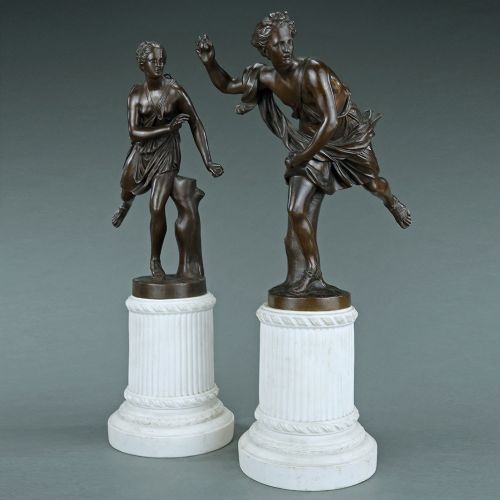
Antique Grand Tour Sculptures
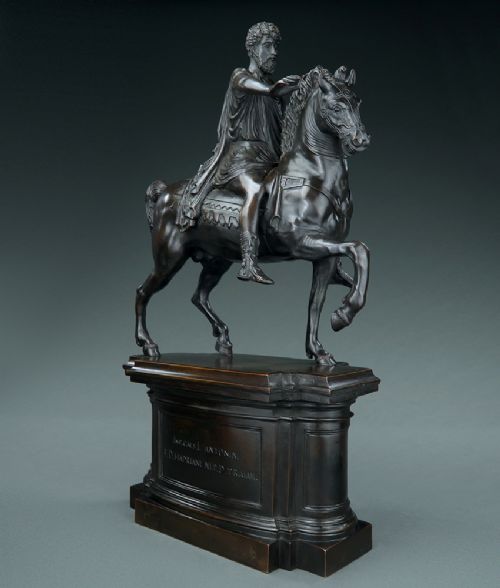
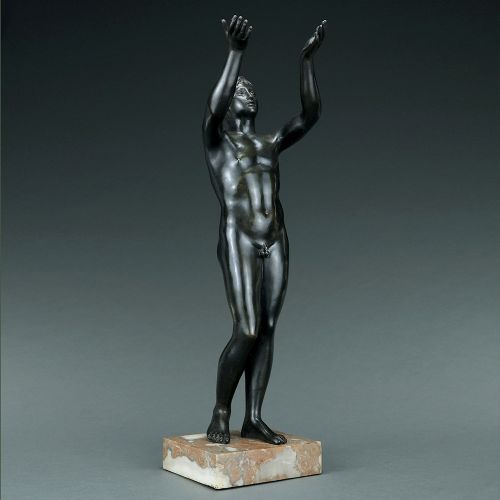
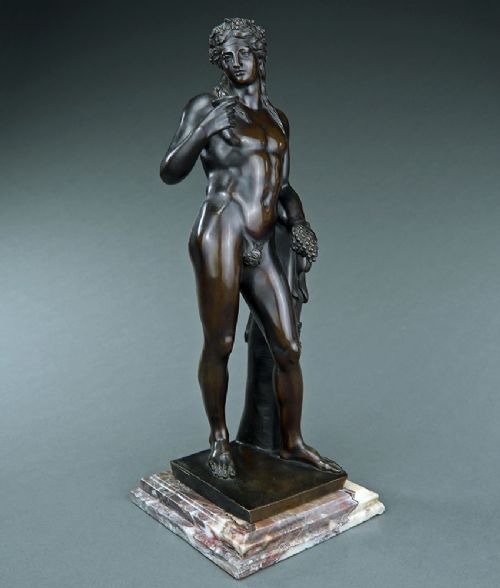
Reduced copies of famous antique and Renaissance statues, made in bronze, marble, alabaster and plaster as souvenirs for travellers and ornaments for the library.
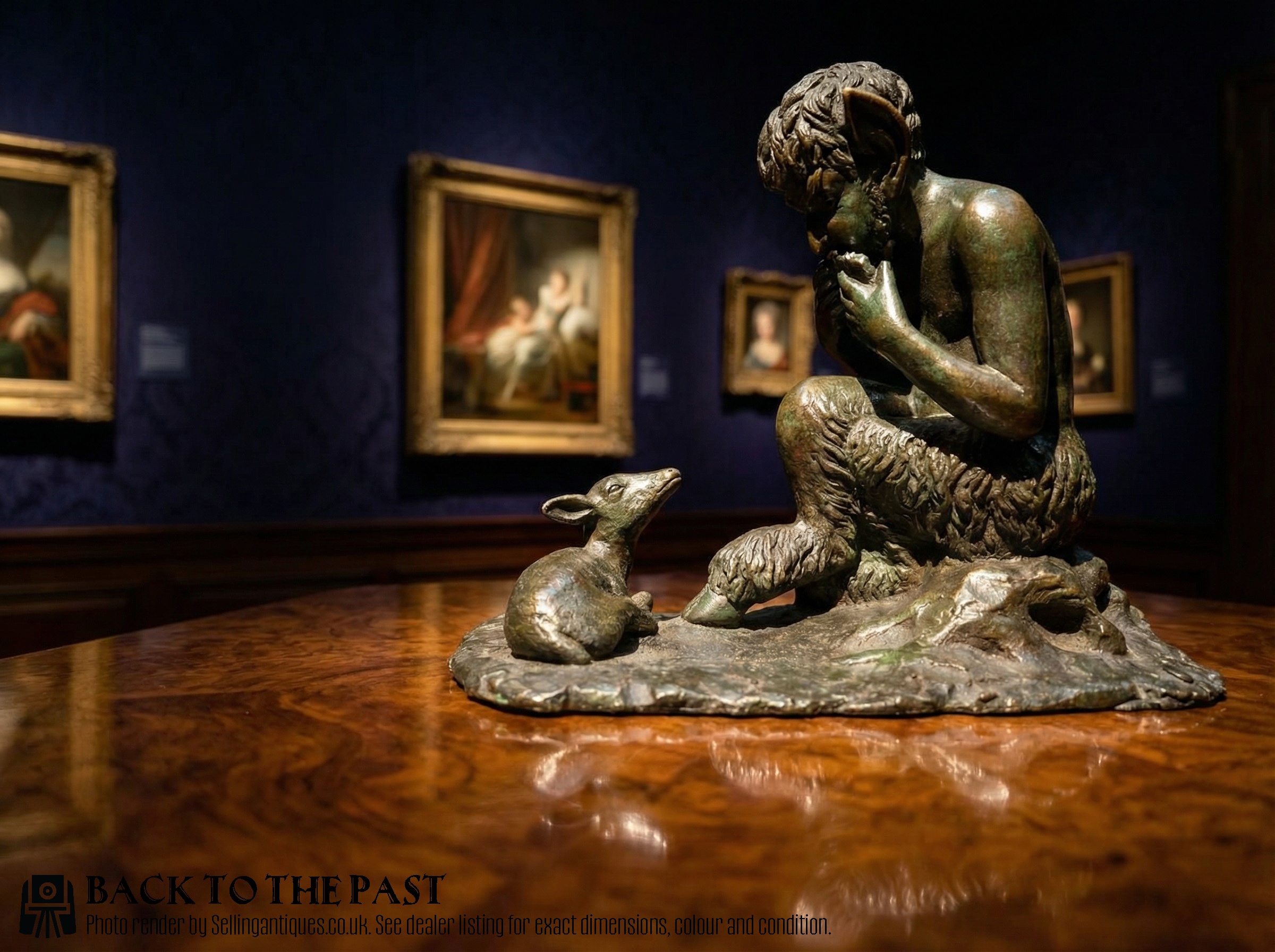
Antique Grand Tour Sculptures
The heading covers small copies of celebrated sculpture, sold to travellers who wanted a portable record of what they had seen in Rome, Naples and Florence, and to collectors who wanted classical figures for a bookroom. Alongside the straight copies sits a wider run of classical figures, groups and busts under the same heading.
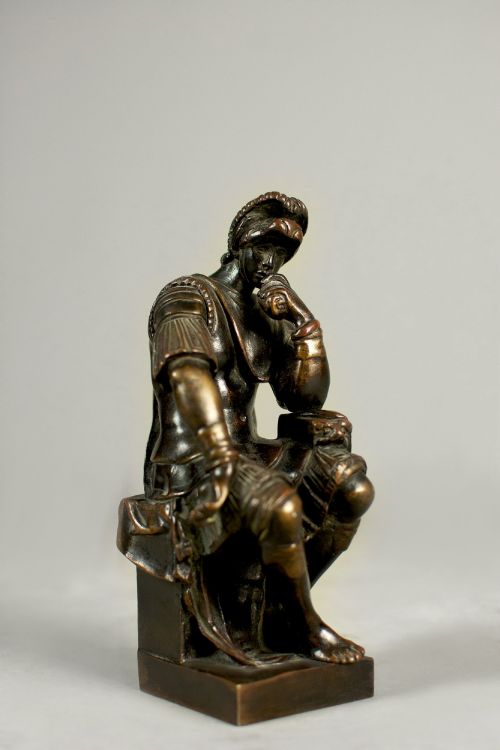
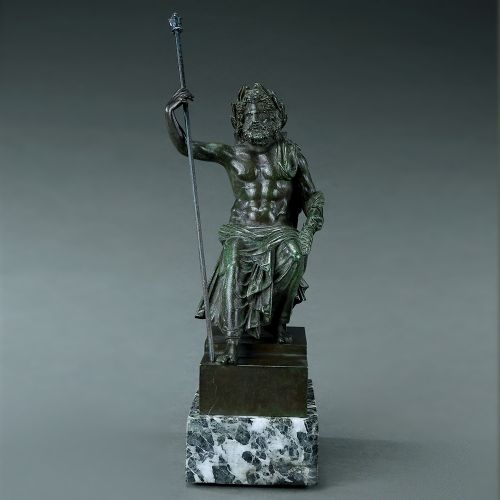
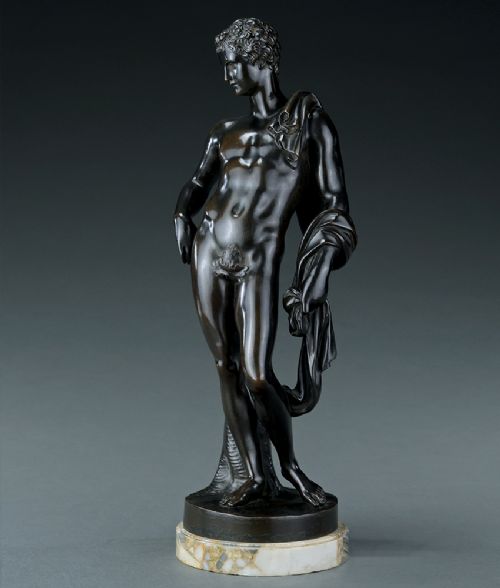
Bronze dominates: 281 of 460 titles on Sellingantiques name it, so the piece you are most likely to meet is a single 19th-century bronze reduction of a named model, described "after the antique" and standing on a separate plinth of marble, wood or serpentine. Many titles state the statue copied rather than any maker.
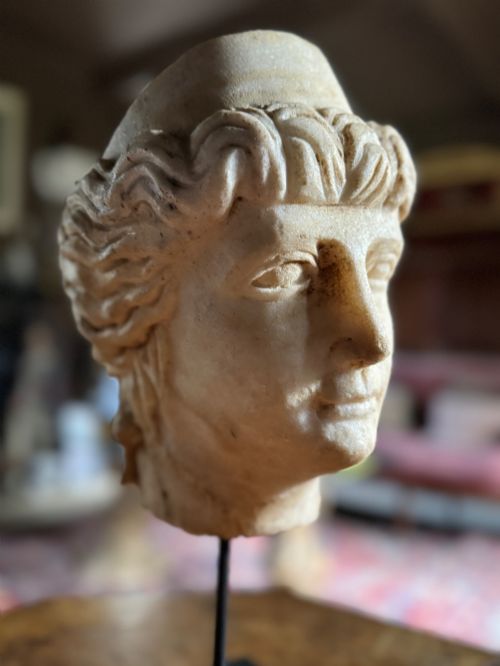
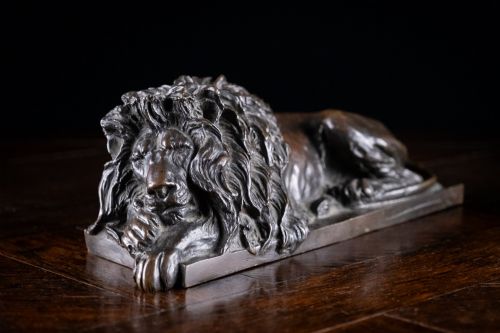
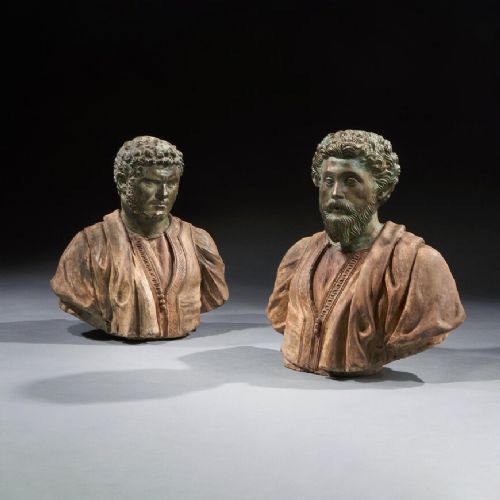
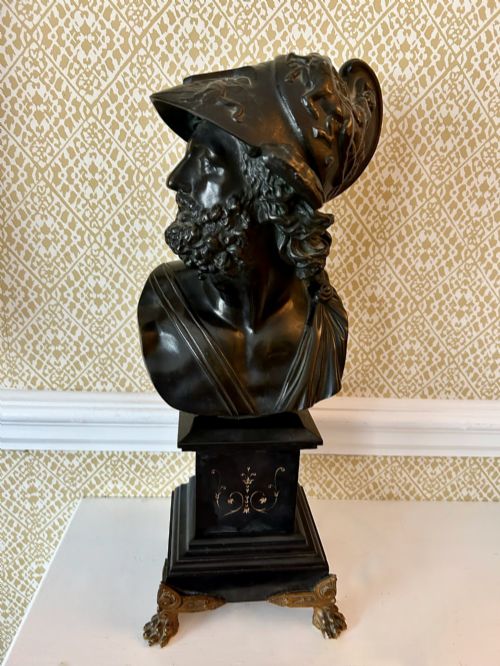
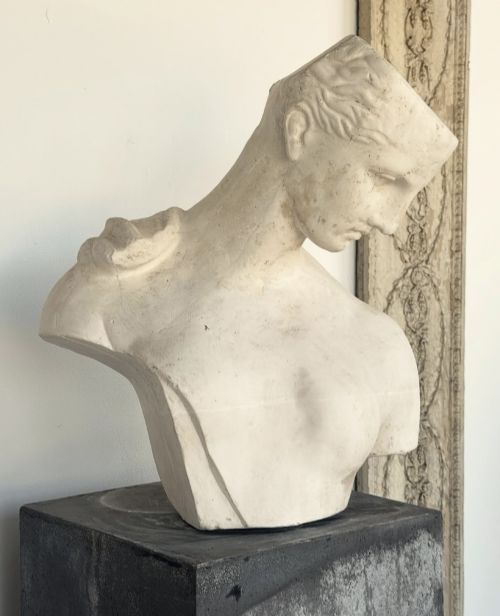
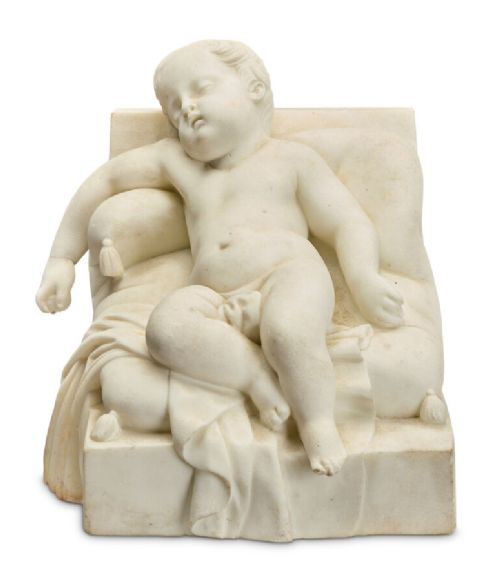
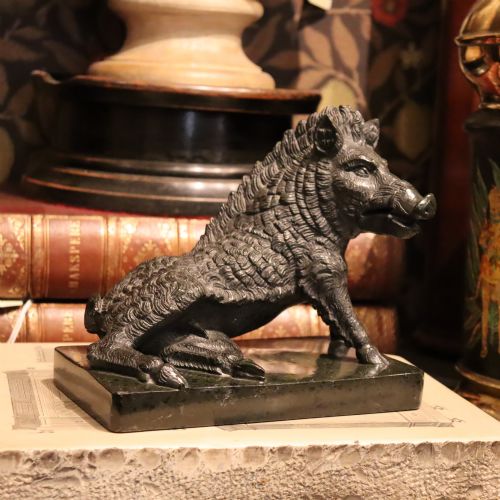
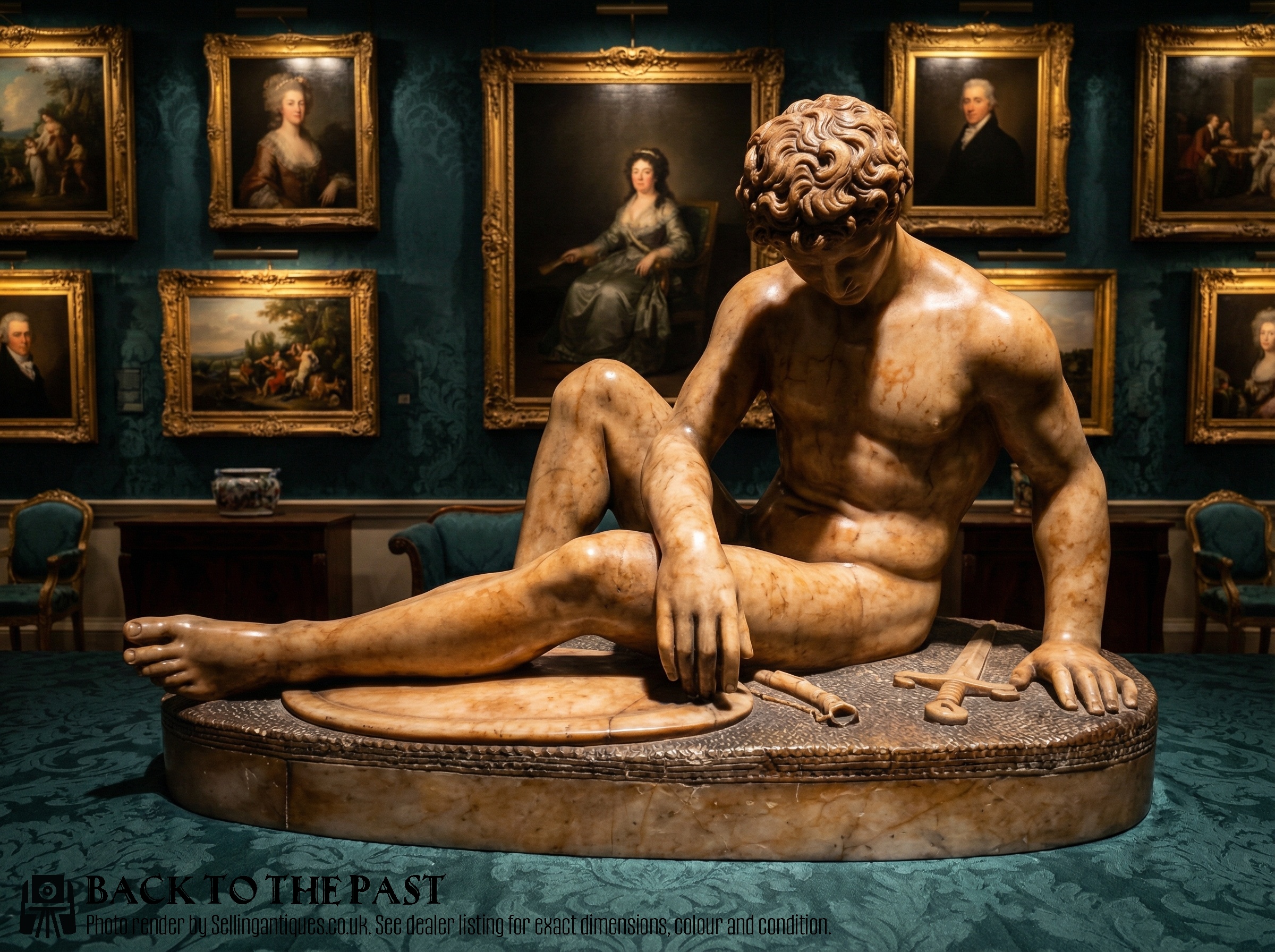
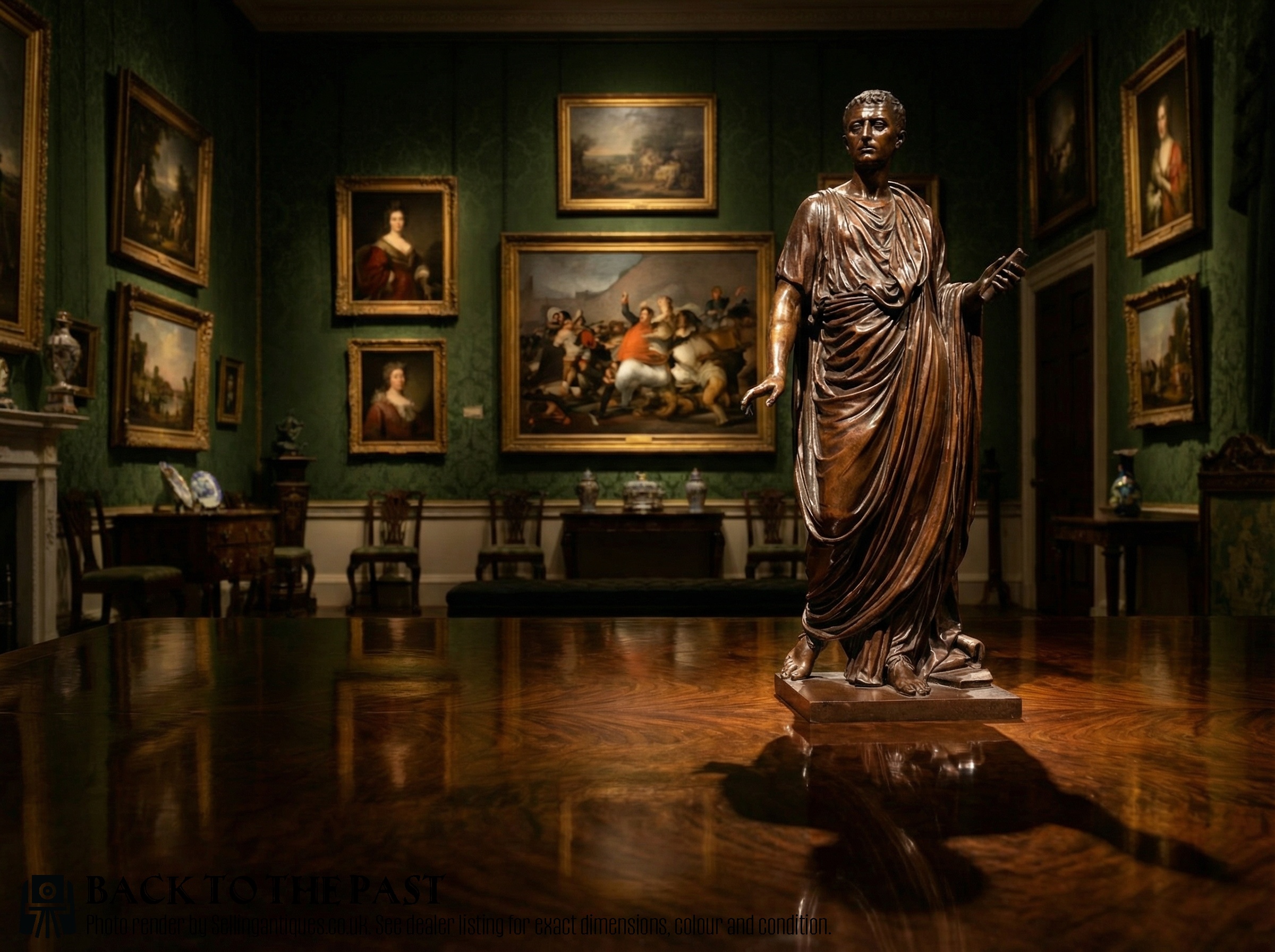
Carved stone makes up the substantial minority. Marble appears in 79 titles, alabaster in 35 and serpentine in 20, the softer stones carved in Florence and Volterra for lions, the Spinario, the Dying Gaul and Il Porcellino. A small tail of plaster and terracotta casts runs behind them. Library and portrait busts are their own strand, with Dante, Homer, Virgil, Antinous, Augustus and Demosthenes among the sitters.
The dated field runs 1750 to 1950, but the commonest entry by far is a bare "19th Century", which is a dealer's honest approximation rather than a dated attribution. Where decades are given they cluster on 1860 to 1900, the 1880s the peak by a wide margin, so the centre of gravity is the last third of the 19th century rather than the Grand Tour's 18th-century heyday.
What Sets Them Apart
Scale does most of the work. "Large" turns up in fifty titles, and the upper reaches of the range are held by pieces described as large, monumental or imposing: a large serpentine Dying Gaul, a monumental Mercury, a large-scale Il Porcellino. At the other end sit the small cabinet bronzes, one bust recorded at 13cm.
Material sorts the rest. Bronze and carved marble occupy the upper half of the range, alabaster and serpentine the middle, plaster and spelter the bottom. Pairs count too, and they are a habit rather than an exception: paired lions after the Medici or Canova model, Marly horses, Mercury and Fortuna, busts of Antinous and Ariadne, all sitting above comparable singles.
Naming lifts a piece twice over. A signature, foundry mark or city stamp puts it above an anonymous cast, and a title that names a canonical original, the Apollo Belvedere, the Borghese Gladiator, the Farnese Hercules, the Augustus of Prima Porta, runs above one reading only "grand tour bronze".
Antique Grand Tour Sculptures Retail Price Guide 2026
Typical UK retail prices for grand tour sculptures, calculated from the Sellingantiques database of over a million retail prices indexed since 2003. This retail price guide relies exclusively on Sellingantiques data; no external sources or auction records are used, so the figures do not describe the wider market.
Barbedienne is the name that turns up from the most dealers on Sellingantiques in this category, listed by four of them.
Barbedienne
The Antique Grand Tour Sculptures Glossary
- After the antique
- A copy of a known ancient statue rather than an original composition. The word "after" carries this in around a fifth of titles on Sellingantiques.
- Reduction
- A scaled-down version of a full-size original, the whole basis of the category. Fifteen titles use the word outright.
- Patinated
- The surface colouring on a bronze, brown through to green. Titles also use "verdigris" and "green patination" for the same thing.
- Souvenir
- Dealer shorthand for the tourist-market copies, in 66 titles. It signals the market a piece was made for, not the material or the model.
- Spinario
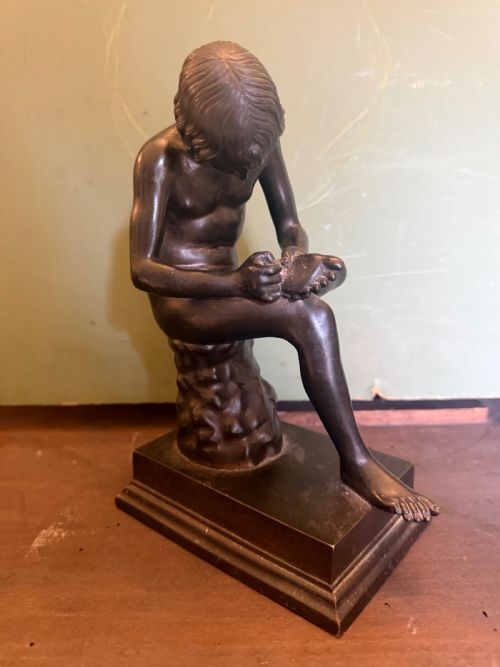
- The boy pulling a thorn from his foot, named in fourteen titles and carved and cast in every material the category uses.
- Dancing Faun of Pompeii
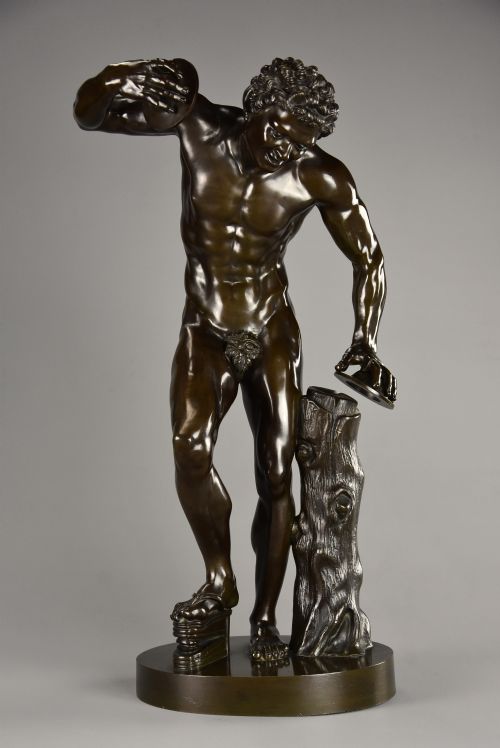
- The most repeated single model in the archive, in twenty titles, appearing in bronze, gilt bronze, plaster and alabaster.
Antique Grand Tour Sculptures: Frequently Asked Questions
What material are most of these made from?
Bronze, by a clear margin. It is named in 281 of 460 titles, usually as a single figure, group or bust on a separate plinth.
Carved stone follows: marble in 79 titles, alabaster in 35, serpentine in 20. Plaster and terracotta make up a small tail.
Which subjects come up most often?
The Dancing Faun of Pompeii is the most repeated single model, in twenty titles. Venus in her various forms appears in thirty-two.
Behind them come the Medici lions, Narcissus, the Dying Gaul, the Spinario and the Borghese Gladiator. Library busts of Dante, Homer, Virgil, Augustus and Demosthenes turn up throughout.
How old are Grand Tour sculptures usually?
The dated field on Sellingantiques runs from 1750 to 1950. The single commonest entry is a plain "19th Century", with 159 listings filed that way.
Where a decade is given, the 1880s lead by a wide margin, then the 1870s and 1890s. Only ten listings sit in the 18th century.
So much of what comes to market is later than the Grand Tour itself, made for a commercial tourist and library trade.
Why are so many sold in pairs?
Pairs were how a lot of this work was made and sold. Sixty-one titles, about one in eight, are of pairs.
Lions after the Medici or Canova model are the commonest, with Marly horses and Mercury and Fortuna close behind. A pair sits consistently above a comparable single figure.
Are these signed or marked by a maker?
Some are. Fifteen titles record a signature, and foundry or workshop names appear stamped on bronzes from Naples, Rome and Florence.
Many more name only the statue copied. An unsigned cast after a famous original is the ordinary case in this category.
Do architectural models turn up in this category?
Occasionally, and they are among the rarer things to appear. An alabaster Colosseum, a Leaning Tower of Pisa, a Pisa Baptistery, the Temple of Castor and Pollux and a pair of Forum temples in Siena marble have all been listed.
Figures, groups and busts account for the bulk of what comes through.