

Antique Chinese Sculptures
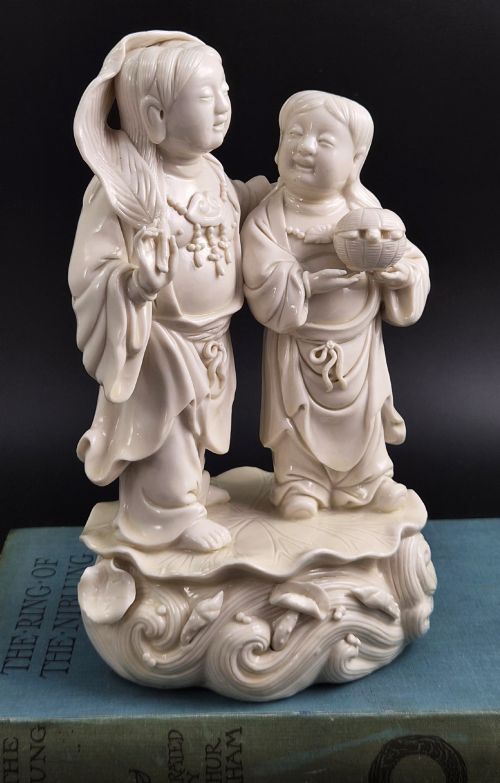
Free-standing Chinese figures carved in wood and stone or cast in bronze: deities, immortals, sages and guardian animals made for temples, household shrines, the scholar's desk and, from the 18th century on, the export trade.
Antique Chinese Sculptures
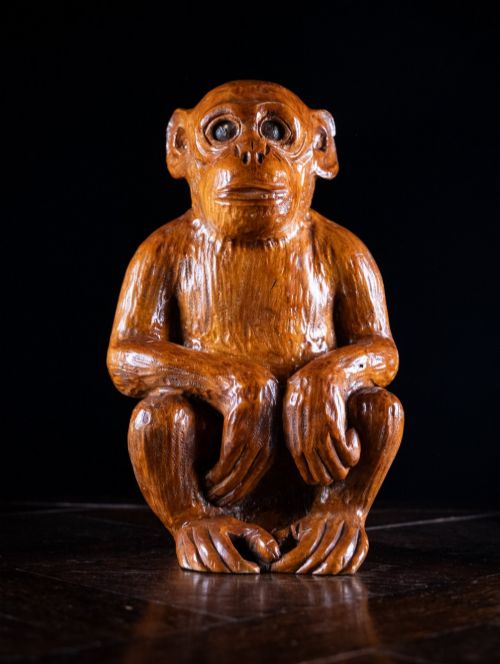
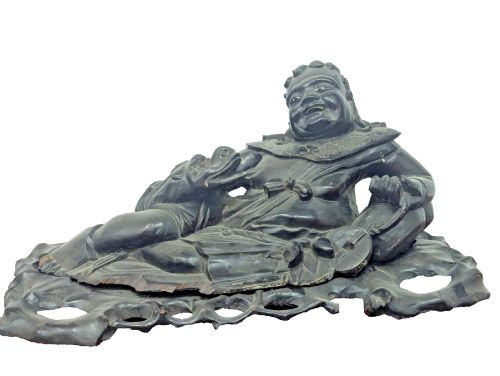
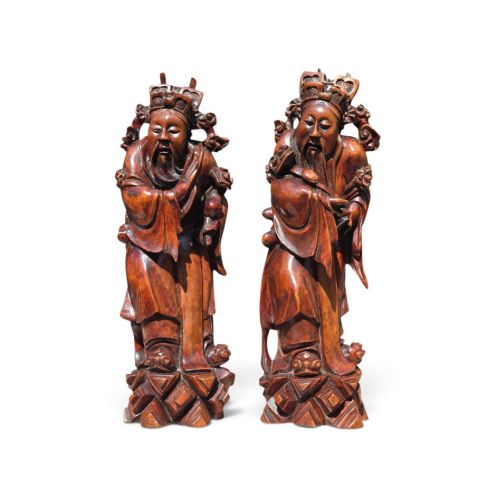
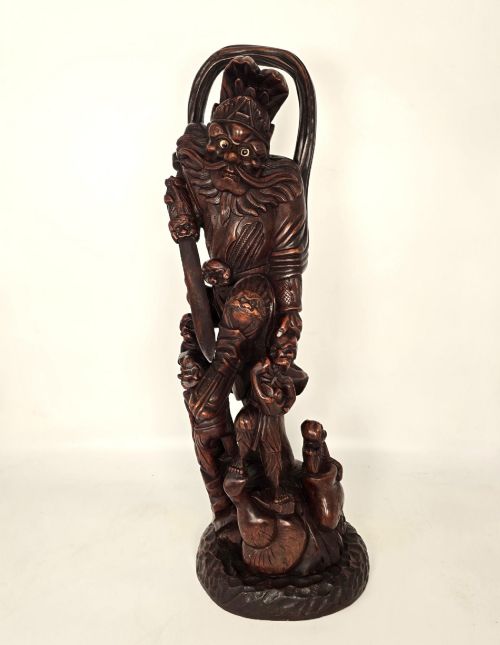
The word that dominates the titles is "carved", followed by "figure", so the piece you are most likely to be looking at is a hand-worked human or animal figure rather than a vessel or a piece of architecture. Wood leads: hardwood, boxwood, giltwood and lacquered figures of immortals, Shou Lao, fishermen, water buffalo, Guanyin and temple guardians make up the largest single group.
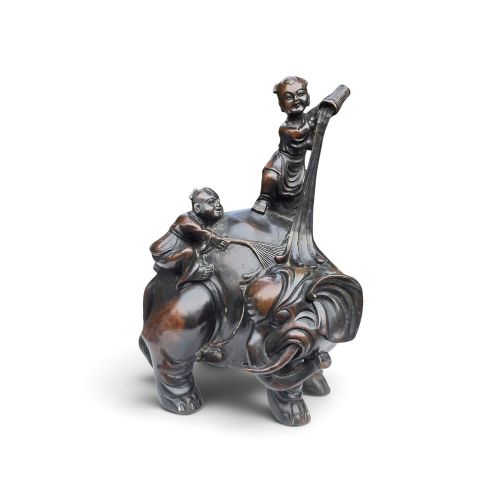
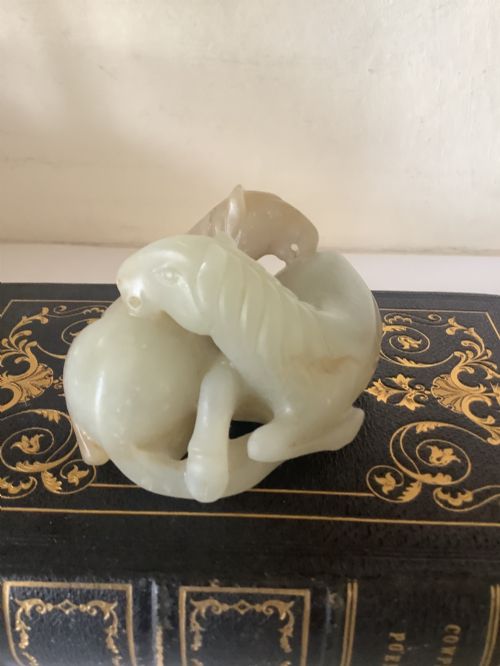
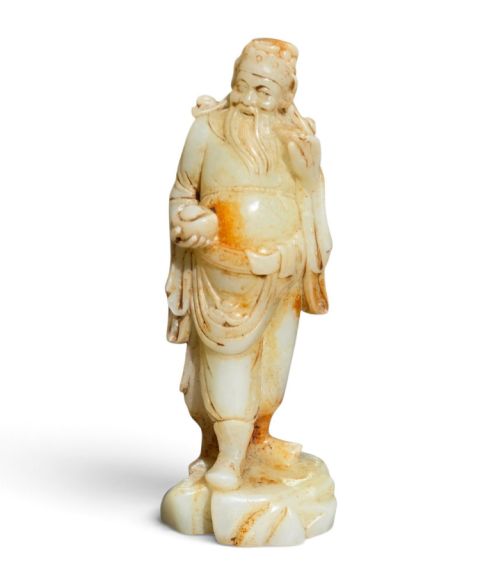
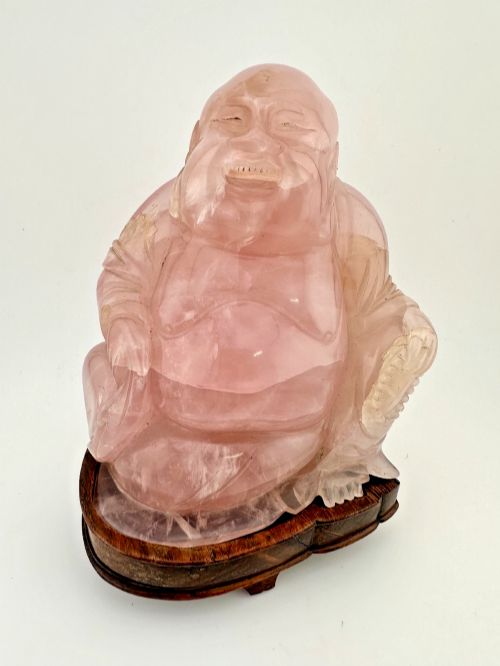
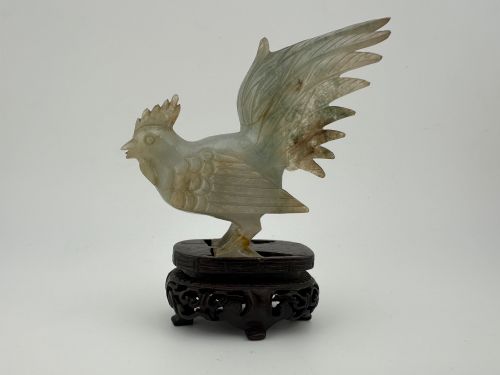
Stone and hardstone form the next band, around a quarter of listings. That covers soapstone landscapes and seals, jade brush washers and celadon jade dogs, jadeite figures, agate Guanyin, and the occasional named exotic such as chicken-blood stone or shoushan. Bronze and metal account for about one in ten: gilt bronze Guanyin, parcel-gilt Zhenwu, a Tang war horse, a cloisonné elephant.
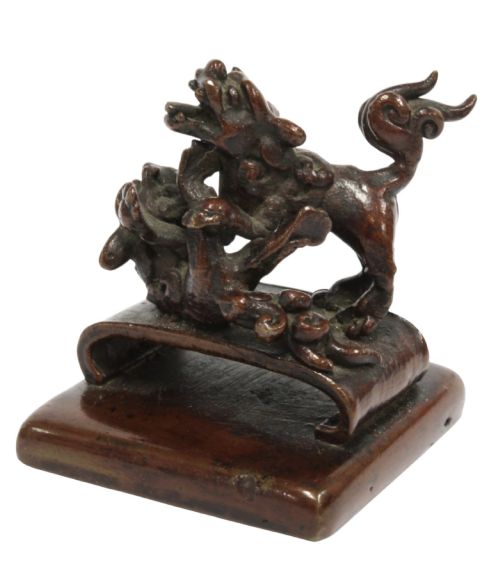
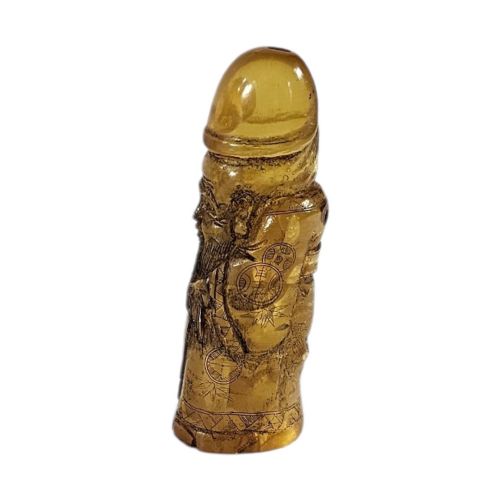
Two smaller groups recur. Root and burr-wood carvings use the natural gnarl of the timber, turning up as Shou Lao figures, boats, scholars and dogs of Fo. Foo dogs, temple lions and guardian figures appear throughout, and they usually arrive as pairs. A minority tail of pottery tomb figures, roof tiles, panels, plaques and pediments also sits in the category.
Dating is broad-brush. The commonest single entry is "19th Century", then "1900s", with "Victorian" covering much the same span. Decade-level dates are the minority, so read most of these as a dealer's century-band estimate. Twelve listings sit before 1700, where the samples reach back to Ming, Han and Tang attributions, including a pottery horse called 9th century and a dancer called 2nd century BC.
Where Value Sits
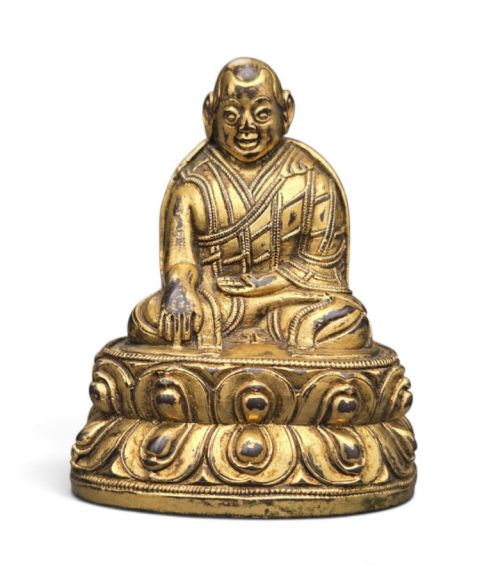
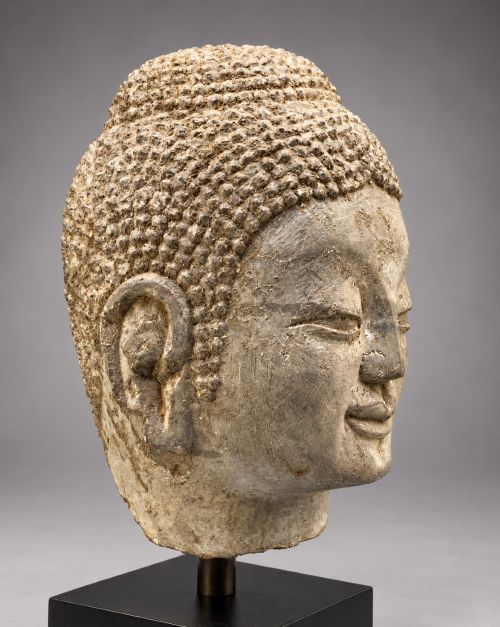
Material sets the floor and the ceiling. Small soapstone and hardstone animals, amethyst carvings and modest wooden figures hold the bottom of the range. Jade, jadeite, agate, coral, bowenite serpentine, gold-inlaid bronze and cloisonné enamel sit at the top, with monumental stone heads and gilt bronzes alongside them.
Scale is the single most advertised attribute after the carving itself. "Large" qualifies a good sixth of the titles, and "monumental" turns up on several of the highest-priced samples. Weight is stated only rarely, and when it is, the pieces are substantial: a pair of temple lions at 35kg, a gilt bronze Guanyin at 5.4kg.
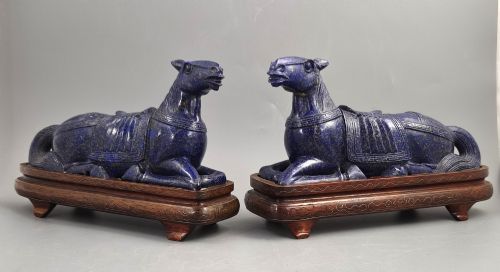
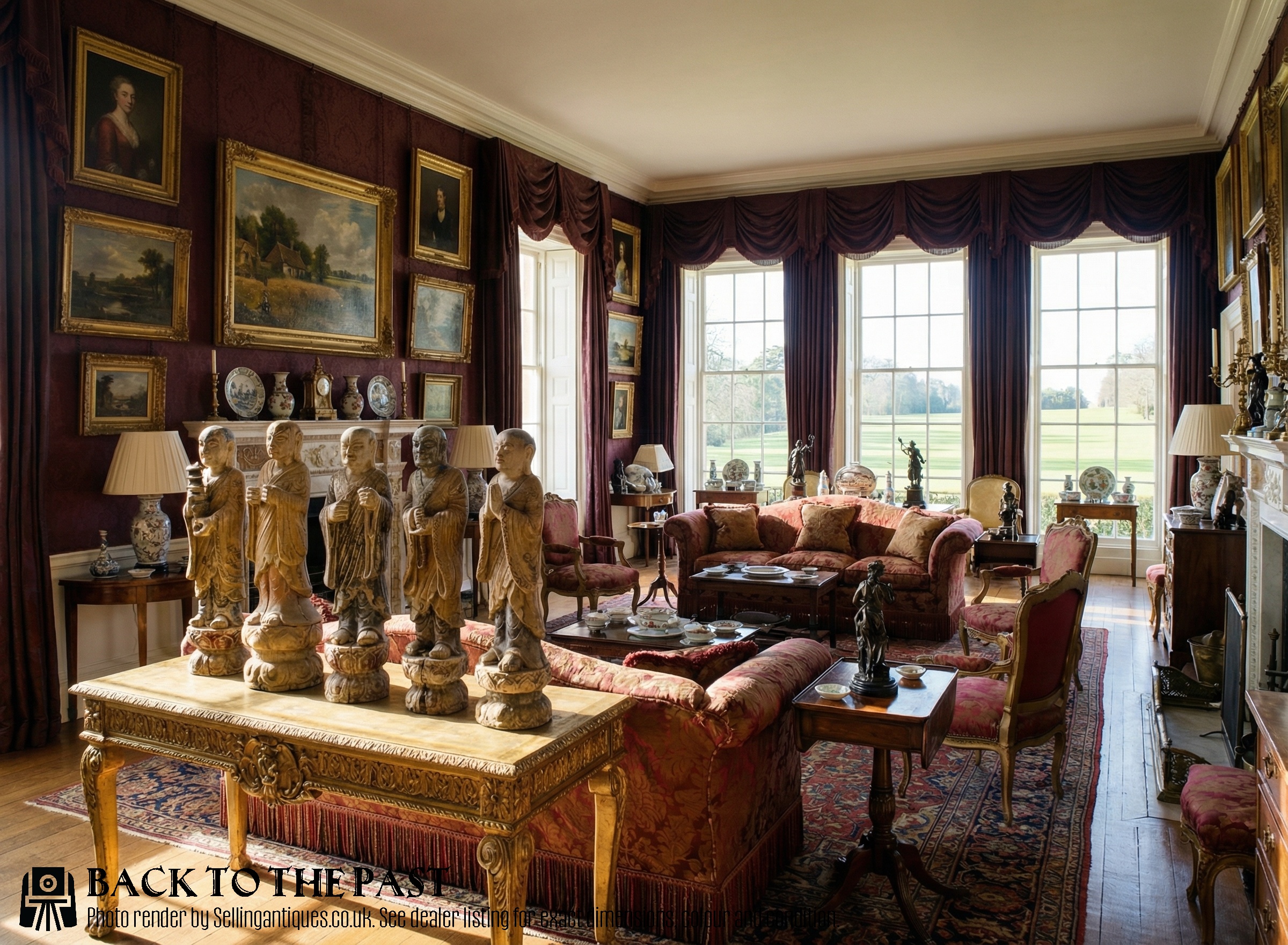
Then completeness and finish. A matched pair ranks above a single, and pairs account for one title in seven, nearly always guardian animals: foo dogs, temple lions, water buffalo, horses, elephants, phoenix birds. Multi-figure sets such as six Buddhist immortals do the same. Gilding, polychrome, lacquer and silver or gold inlay all lift a piece above plain carved wood, and Ming, Tang and Han attributions cluster at the top.
Antique Chinese Sculptures Retail Price Guide 2026
Typical UK retail prices for chinese sculptures, calculated from the Sellingantiques database of over a million retail prices indexed since 2003. This retail price guide relies exclusively on Sellingantiques data; no external sources or auction records are used, so the figures do not describe the wider market.
The heaviest to pass through Sellingantiques is a pair of temple lions at 35kg. A gilt bronze Guanyin came in at 5.4kg.
The Antique Chinese Sculptures Glossary
- Foo dog, or dog of Fo
- Guardian lion figure, made and sold as a pair. One of the most persistent subjects here, in wood, stone and bronze.
- Hardwood
- Trade term for the dense timbers used for figures, appearing in twenty-two titles. It tells you the wood is close-grained and heavy, not which species it is.
- Guanyin
- The Buddhist bodhisattva of compassion, and one of the most frequent subjects across every material, from agate to gilt bronze.
- Shou Lao
- God of longevity, known by his high domed forehead and staff. He recurs in hardwood figures and in root carvings.
- Rootwood, burr root
- Carvings worked from a gnarled root or burr so the natural form does much of the work. Nine titles, including boats and scholar figures.
- Sancai
- Three-colour lead glaze on pottery, seen on a roof ridge tile and on Tang-style horses.
Antique Chinese Sculptures: Frequently Asked Questions
What material are most of these carved from?
Wood is the largest group, roughly a third of listings: hardwood, boxwood, giltwood and lacquered figures. Stone and hardstone follow at around a quarter, taking in soapstone, jade, jadeite and agate.
Bronze and metal make up about one in ten, from gilt bronze Guanyin to cloisonné enamel. Pottery appears as a minority tail of tomb figures, roof tiles and plaques.
How old are Chinese sculptures on the market?
The dated field runs from 1750 to 1930. The earliest dated entry is a wooden medicine figure of about 1750.
Most carry a century band rather than a year. "19th Century" is the commonest single entry, then "1900s", with a smaller group of decade-level dates.
Twelve listings sit before 1700, where dealers have attributed pieces to the Ming, Han and Tang.
Why are foo dogs sold in pairs?
They were made as guardians and set out flanking an entrance, so pairs are how they were produced and how they still come to market.
Pairs account for one title in seven across the category, and the pairing is nearly always guardian animals: foo dogs, temple lions, water buffalo, horses, elephants and phoenix birds.
Does size make much difference?
It is the most advertised attribute after the carving itself. "Large" qualifies a good sixth of titles, and "monumental" appears on several of the top-of-range samples.
Weight is quoted only occasionally, and then on the heavy end: a pair of temple lions at 35kg, a gilt bronze Guanyin at 5.4kg.
Are any Chinese sculptures signed by a maker?
No carver, workshop or foundry name comes through this archive. These pieces are described by material, subject, period and scale instead.
What you get in place of a name is the dynastic label. "Dynasty" appears in thirty titles, with Qing and Ming the two used most.
Which unusual pieces turn up?
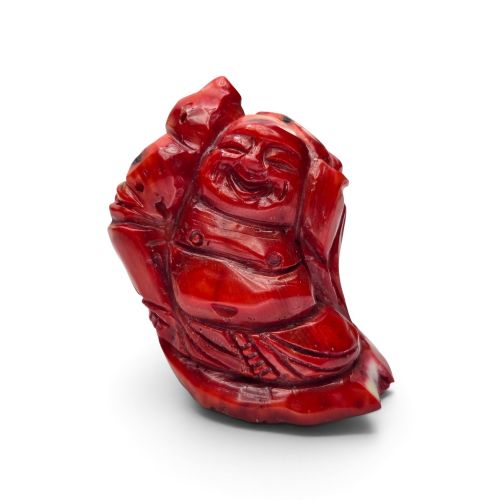
One-offs recur at the edges: a red coral fishman holding a fish, a pair of immortals in buffalo horn, a bamboo head-rest pair, a sancai roof ridge tile.
Exotic stones surface by name once or twice each, among them chicken-blood stone, Laos Tianhuang, shoushan, bowenite serpentine and hetian jade.