




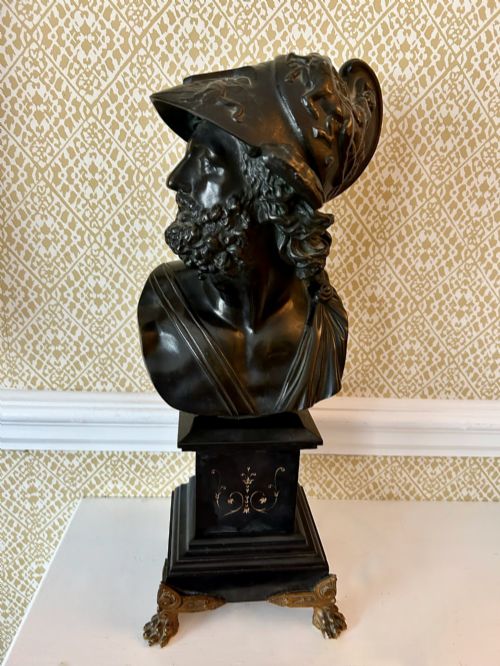
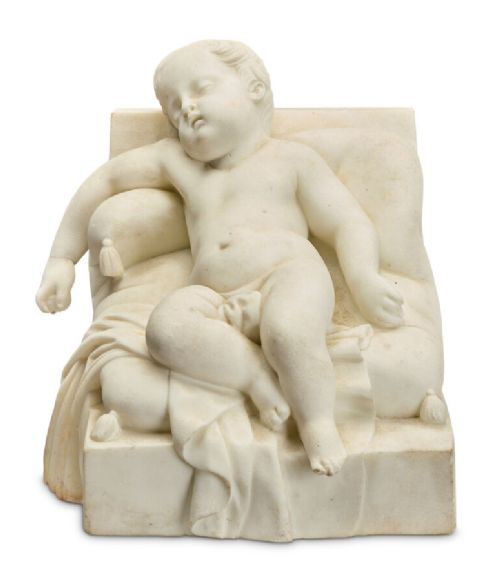
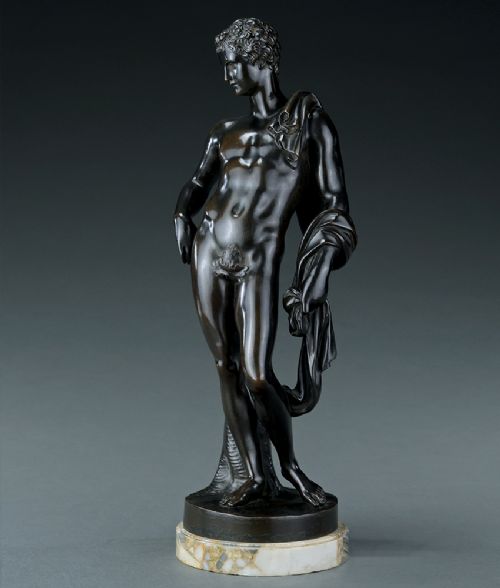
Antique Marble Sculptures
Carved stone and stone-mounted figures: white and coloured marble busts, statues, reliefs and animals, alongside a large body of bronze and spelter figures whose marble is the base they stand on.
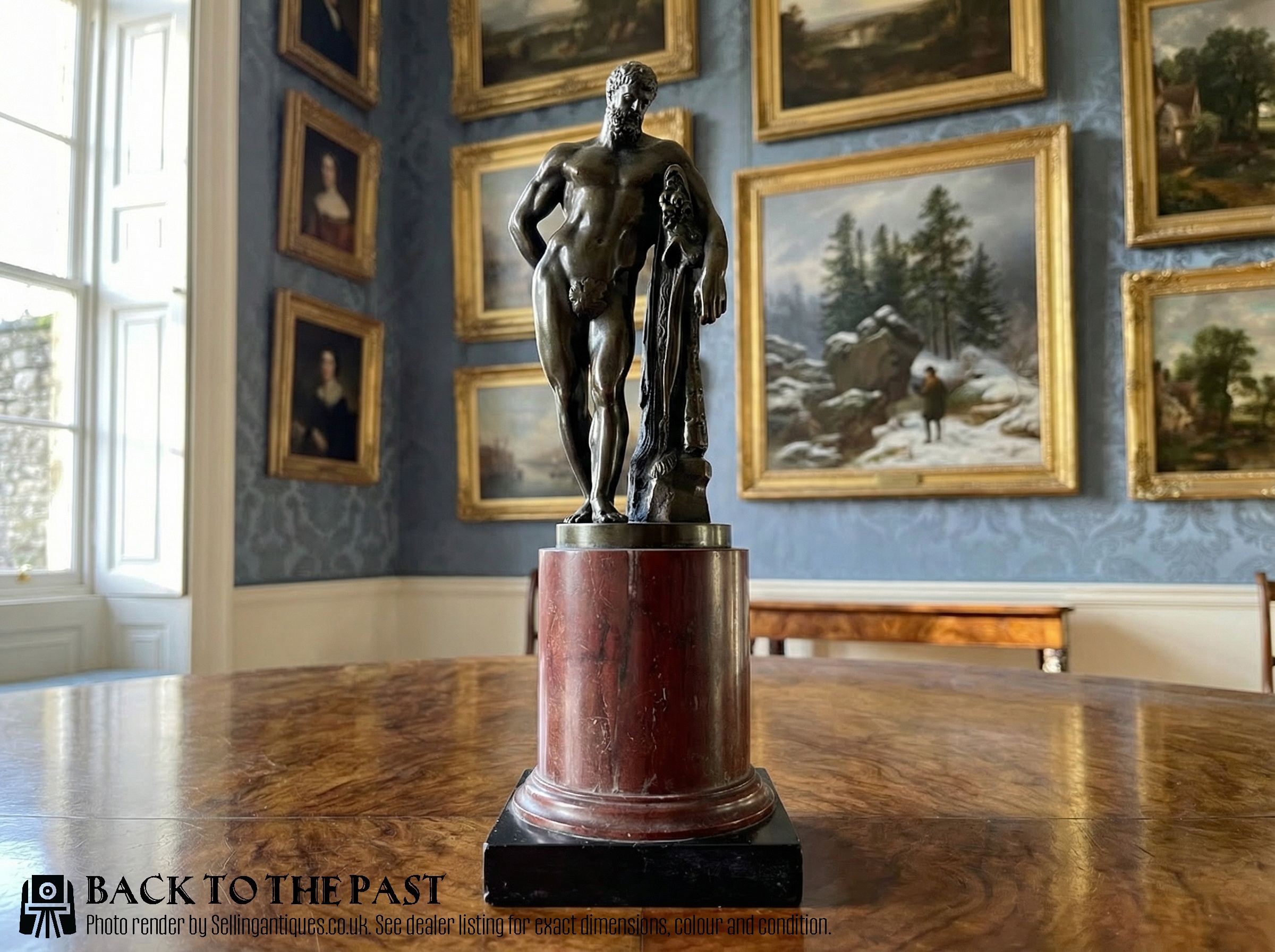
Antique Marble Sculptures
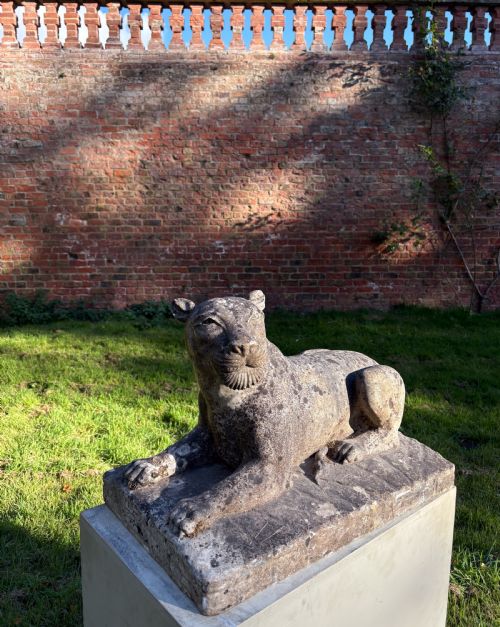
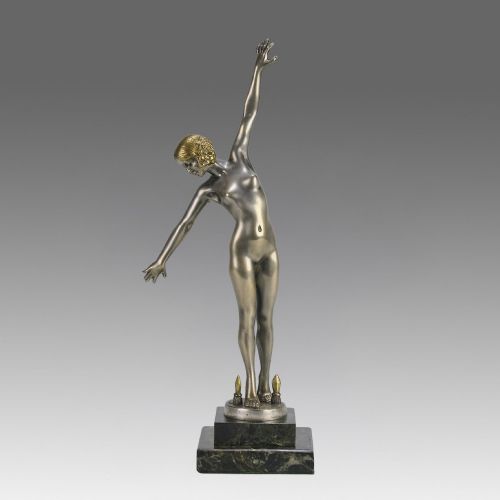
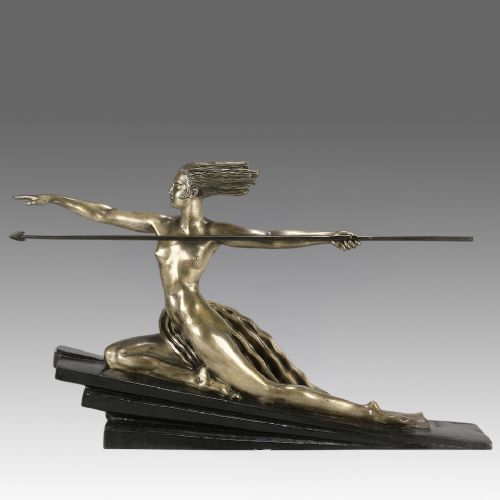
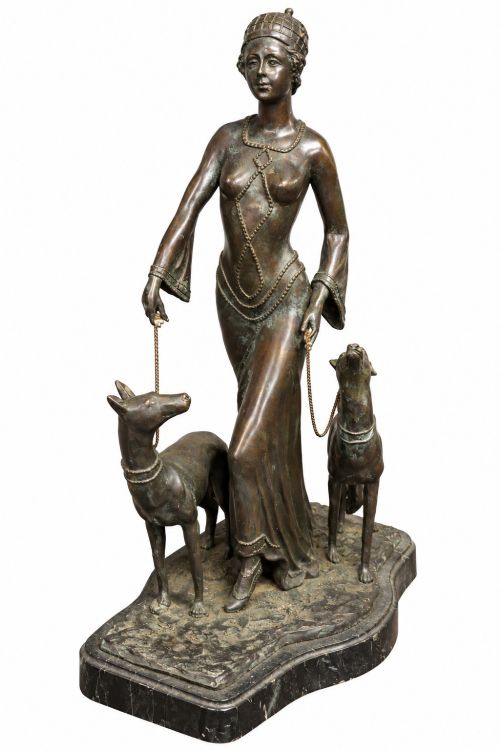
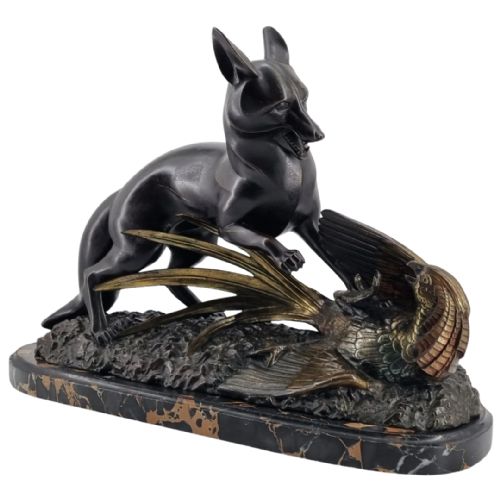
The heading covers three overlapping things. Carved marble proper, meaning busts, statues, reliefs and lions. Grand Tour souvenir reductions in serpentine, Carrara and bronze. And Art Deco and Art Nouveau figures set on marble or onyx plinths, where the stone is the mount rather than the sculpture.
Bronze is the word that appears most often in titles, so the single most likely encounter is a cast metal figure standing on a marble base, with the carved marble portrait bust close behind. Words for the mount, base, plinth and stand, run right through the descriptions, while 'carved' turns up in only a tenth of titles. Read the material line carefully: many listings never claim carving at all.
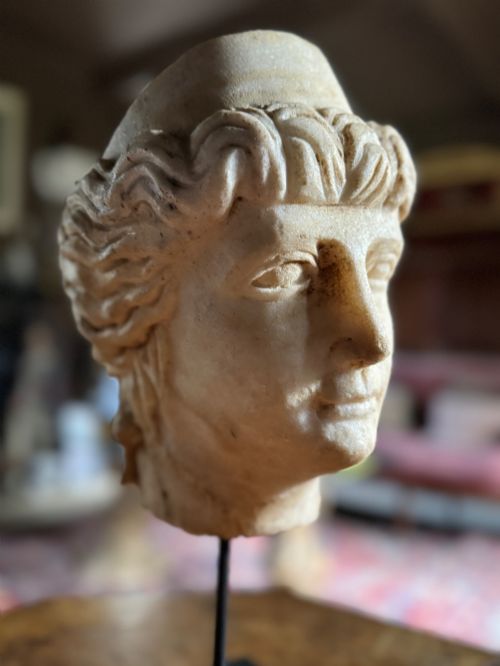
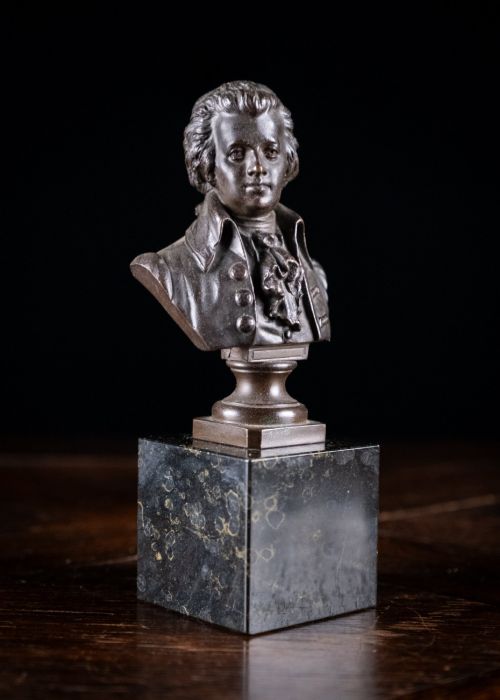
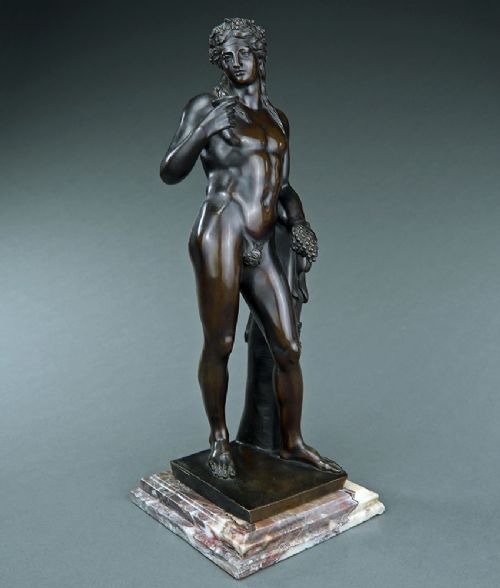
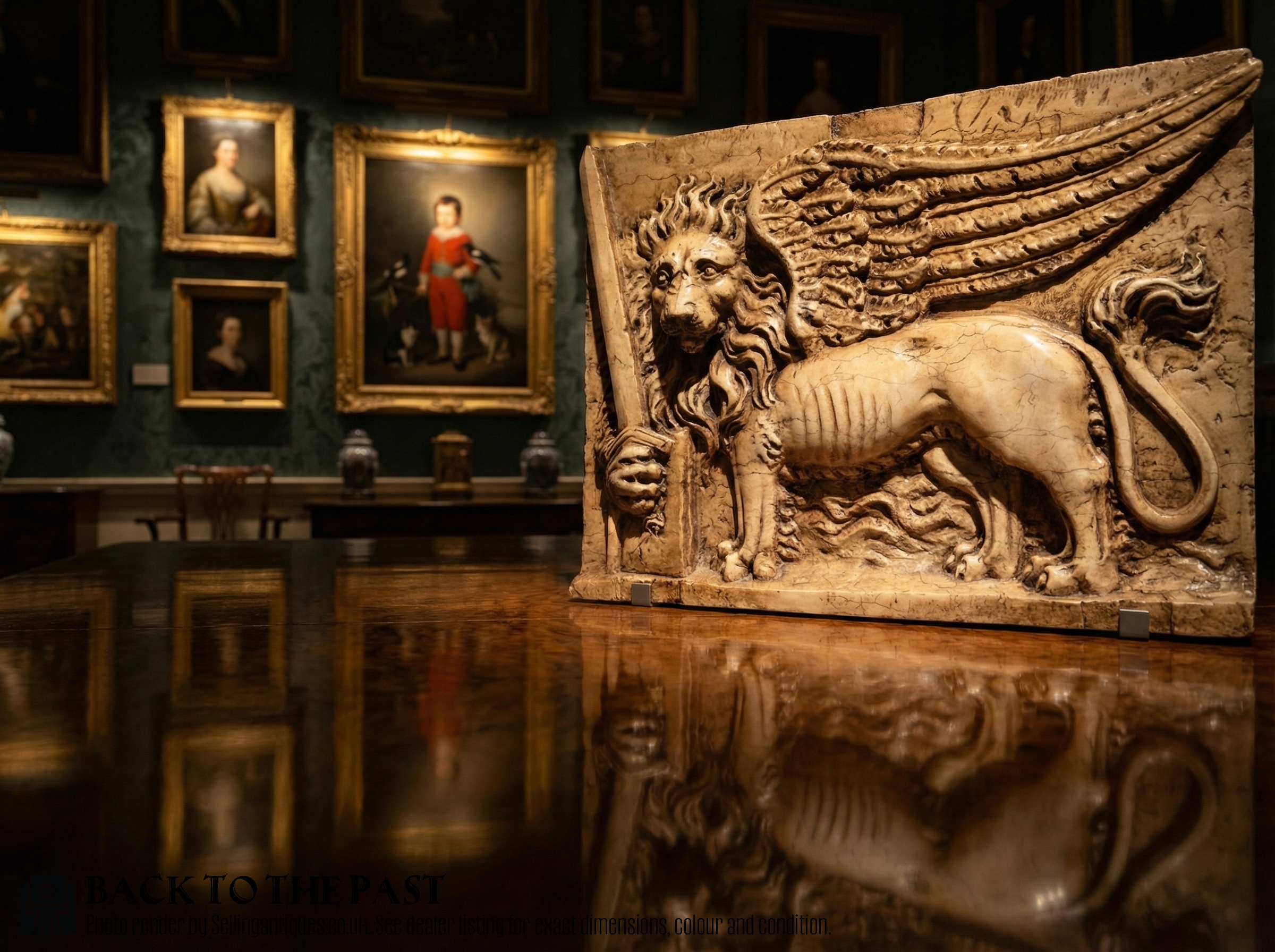
Portrait busts dominate the carved side, from Roman emperors and poets to veiled maidens and anonymous young women. The Grand Tour group repeats a fixed repertoire across separate dealers: the Dying Gaul, Il Porcellino, the Dog of Alcibiades, the Medici and Canova lions, the Arrotino, the Uffizi Wrestlers. Alabaster is folded into the same category, often in one object, with titles reading 'marble and alabaster bust'.
Dates in the archive run from 1750 to 1950. Where dealers commit to a decade, the 1930s, 1920s, 1900s, 1880s and 1890s carry the most, but one title in five is dated only '19th Century', which makes that hundred-year label the largest single period entry. Regnal terms, Victorian, Edwardian, Regency, Georgian, are used alongside years. Origins reach past Italy and France: Burmese, Japanese Meiji, Chinese, Indian, Belgian, Polish and Flemish pieces each surface once or twice.
Top And Bottom
Material sets the broad ranking. Carved marble busts, groups and statues sit at the top of the range, while bronze and spelter figures on marble bases fill the middle and lower band. A Septimius Severus bust, a Bacchus and Ariadne group, a marble girl with a mandolin are the kind of thing found at the upper end.
Scale and subject do the rest. Large is claimed in around a tenth of titles, and the biggest stated pieces are architectural: a 145cm Burmese Buddha, a 169cm Napoleon bust with its pedestal, life-size Carrara busts on their original marble columns. At the bottom are small busts, paperweights and diminutive figures. Named sitters, Napoleon, Byron, Madame Recamier, identified MPs and civic figures, sit above the generic 'young lady' and 'a boy'.
A named hand matters more than its frequency suggests. Signatures are claimed in fewer than a tenth of titles, yet named sculptors account for most of the upper reaches. Pairs and sets push upward too: matched lions, putti and busts, and the occasional set of three or four, place above single equivalents.
Antique Marble Sculptures Retail Price Guide 2026
Typical UK retail prices for marble sculptures, calculated from the Sellingantiques database of over a million retail prices indexed since 2003. This retail price guide relies exclusively on Sellingantiques data; no external sources or auction records are used, so the figures do not describe the wider market.
One-offs that turned up once and never again: a marble and slate snail paperweight, a marble lion's paw, and a marble skull vanitas.
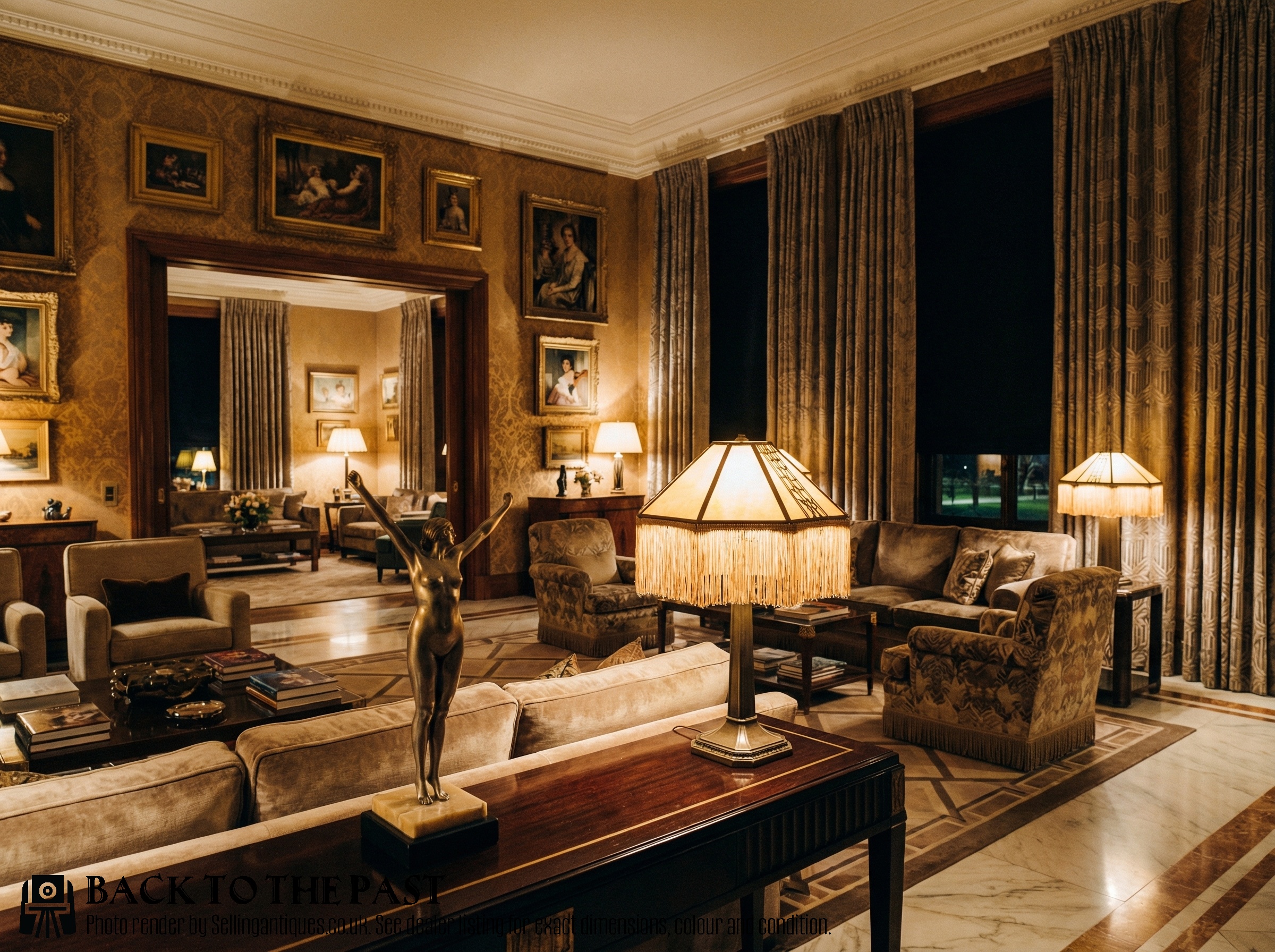
Demetre Chiparus·Pugi·A Cipriani·Franz Bergman
The Antique Marble Sculptures Glossary
- Bust
- A head and shoulders portrait, and the commonest carved form in the category by a wide margin.
- Carrara
- White Italian marble named after its quarries, and the stone most often named when a stone is named at all.
- Socle, plinth, base
- The stone support under a figure. 'Base' alone appears in dozens of titles, which is a fair sign the marble is the mount.
- Spelter
- Zinc alloy casting metal, used for many of the Art Deco figures that stand on marble.
- After the antique
- A copy or reduction of a known ancient original. 'After' turns up in a good many titles.
- Portoro
- Black-and-gold Italian marble, named in several Art Deco plinth descriptions. Rouge, sienna and verde antico also appear for bases and socles.
Antique Marble Sculptures: Frequently Asked Questions
Is a marble sculpture always carved from marble?
Often not. Bronze is the most frequent word in titles across the category, and the marble in question is commonly the base or plinth under a cast figure.
'Carved' appears in only about a tenth of titles, so the material line in a description is worth reading closely.
What subjects come up again and again?
Portrait busts lead: Roman emperors, poets such as Dante and Shakespeare, Diana, and veiled maidens. Library busts of poets and philosophers are a recurring title phrase.
The Grand Tour side repeats a set list. The Dying Gaul, Il Porcellino, the Dog of Alcibiades, the Medici and Canova lions and the Arrotino all appear across different dealers.
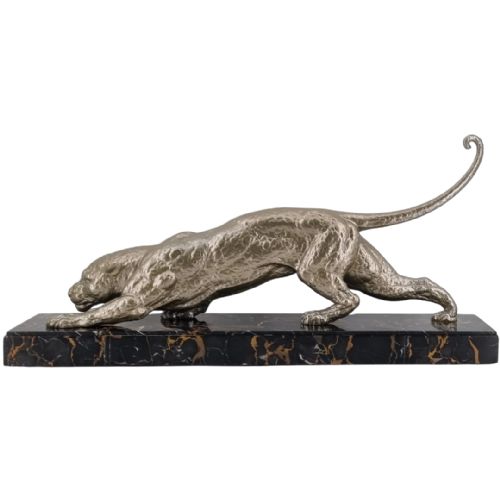
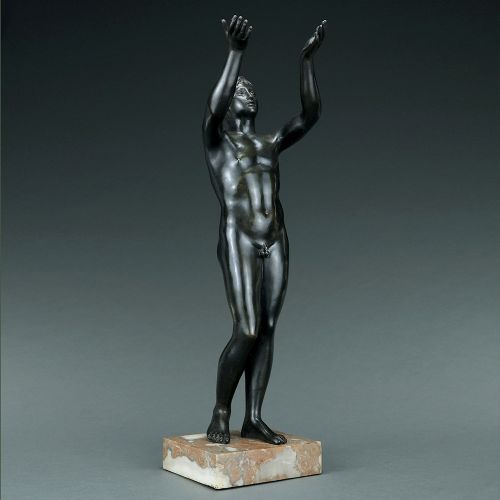
Art Deco brings dancers, panthers and nudes.
How old are these pieces?
The dated field runs from 1750 to 1950. A handful of titles claim the 17th and 18th centuries, so pre-1800 material exists but is a small minority.
The biggest single period entry is the unhelpfully broad '19th Century', which covers one title in five.
Why is alabaster listed with marble?
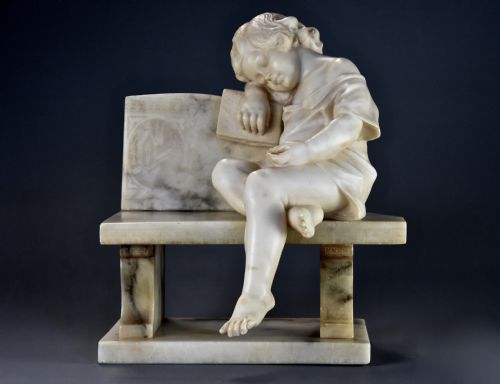
The two are frequently combined in one object, which is why a good many titles read 'marble and alabaster bust'.
Alabaster is the softer, more translucent stone. It appears on its own too, in busts and figures listed under the same heading.
Does a signature change much?
Signatures are claimed in fewer than a tenth of titles, yet named sculptors account for most of the upper reaches of the range.
Names appear in these listings as signed, or simply as attributed. The lowest-placed samples are anonymous: a marble bust of a young lady, a boy, a marble bust.
How many turn up for sale each year?
Around 63 pieces are listed a year on Sellingantiques, and 152 different dealers have handled them.
That spread means no single specialist defines the field, and the mix of carved stone, Grand Tour reductions and Art Deco figures shifts with whoever is listing.