
Antique Mantel Clocks
A clock built to stand on a chimneypiece or shelf rather than hang or stand on the floor, serving as a room's main timekeeper and a piece of display in its own right.
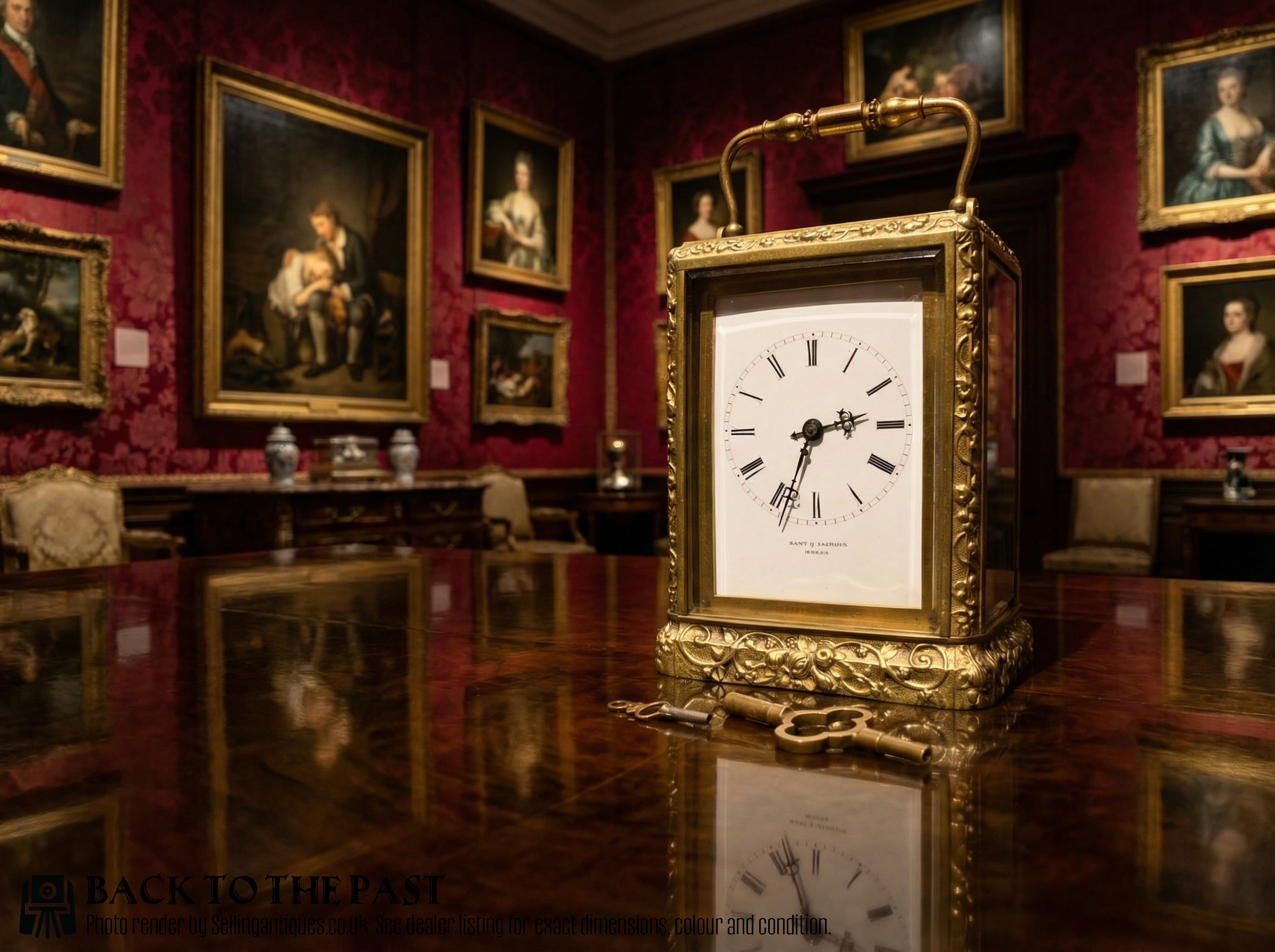
Antique Mantel Clocks
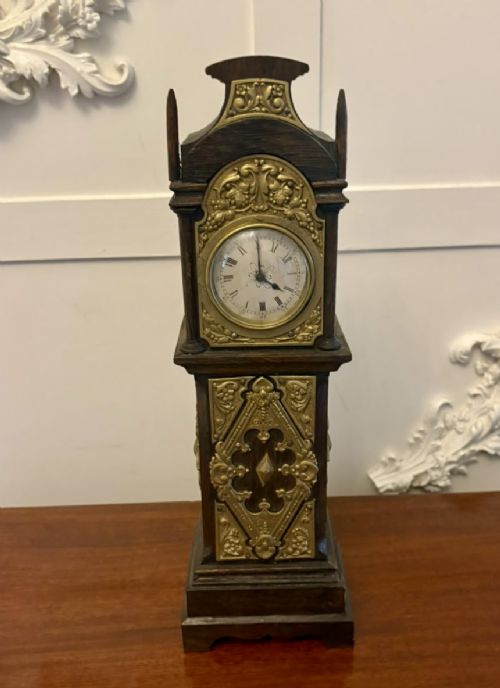
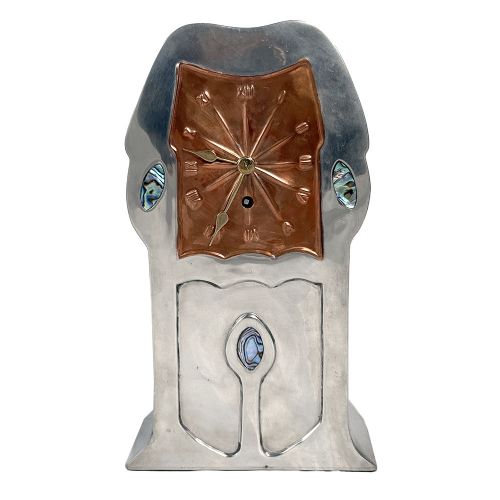
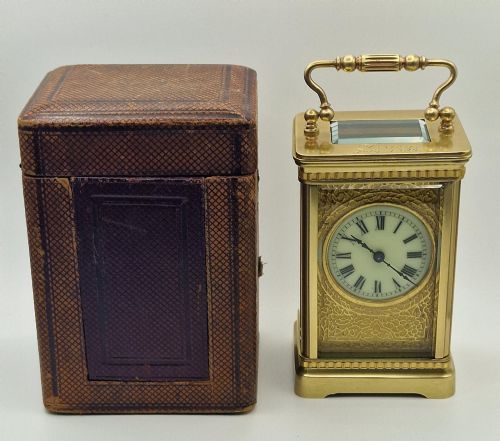
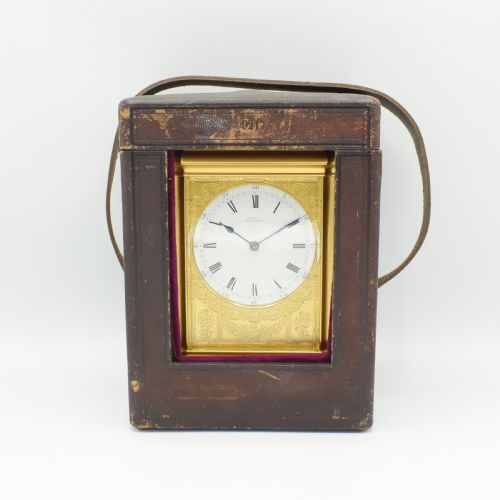
Spring-driven movements let cases shrink, and from the 18th century onward European workshops turned out shelf clocks in quantity. The heading gathers several case traditions: French drum-movement clocks, English wooden-cased mantel and bracket clocks, small brass-and-glass carriage clocks, four-glass and library clocks, and 20th-century pieces in chrome, bakelite and marble.
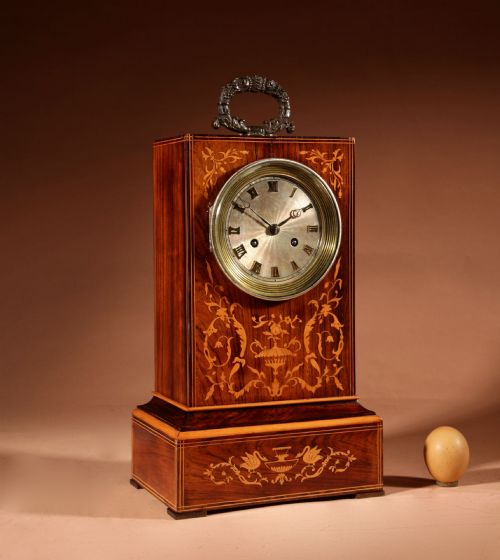
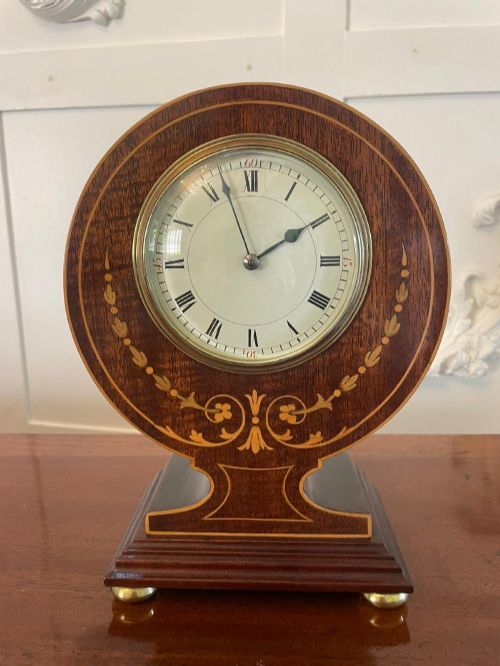
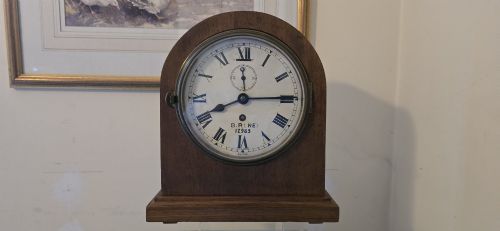
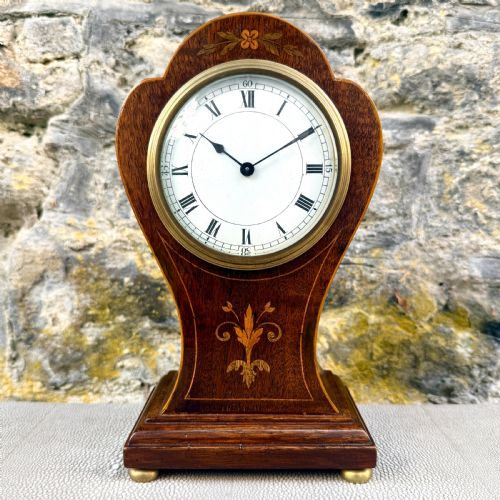
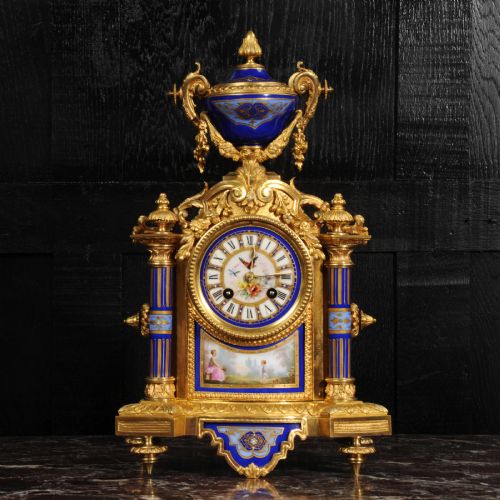
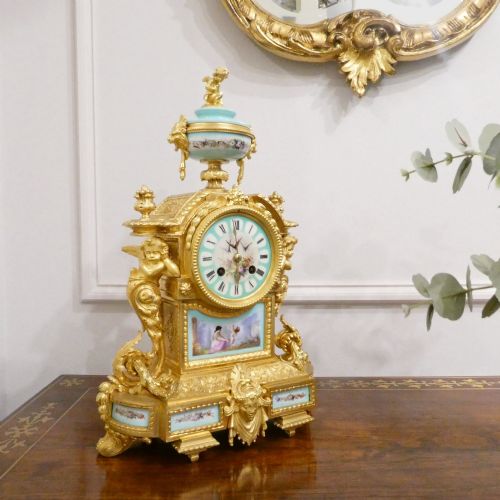
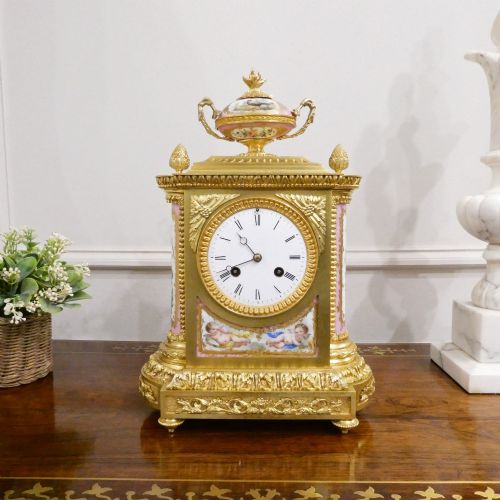
France supplies the largest single strand. Of 2,914 listings, 896 titles say french, and the supporting words cluster around them: gilt bronze, ormolu, marble, slate, boulle and porcelain-mounted cases, many signed Paris. The second big block is the English wooden-cased mantel clock, Edwardian and Victorian, in mahogany, walnut, oak and rosewood, a great deal of it inlaid, with the Sheraton-revival strain a recognisable sub-group of its own.
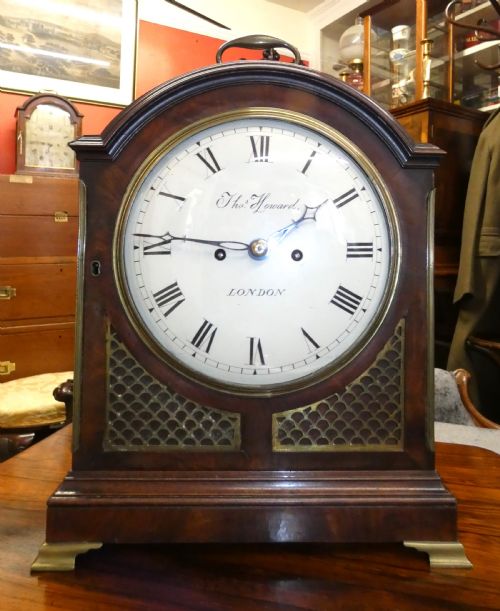
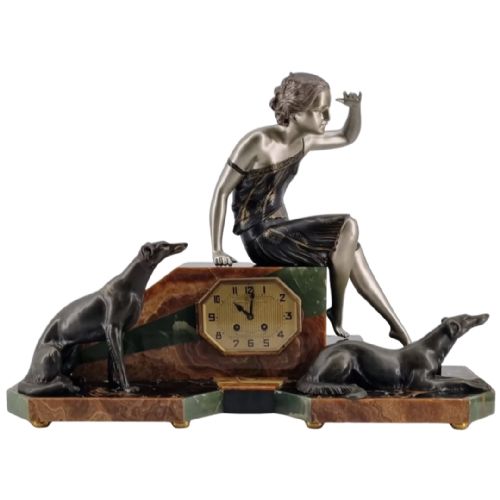
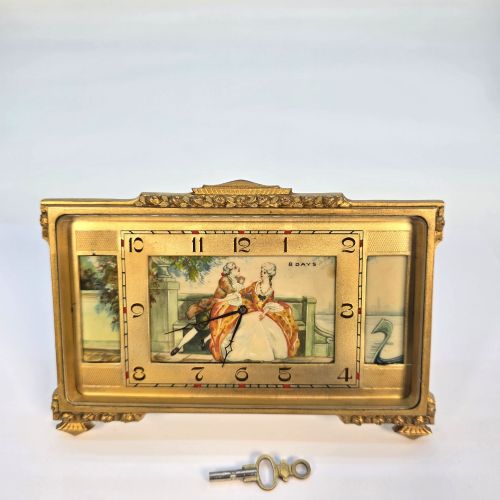
Beyond those two, bracket and fusee clocks, carriage clocks, four-glass and crystal-regulator clocks and Art Deco pieces are each substantial populations rather than stray entries. German work is visible throughout, Black Forest cases among it. Size language splits the field cleanly, from titles saying small, petite, miniature or mignonette to ones reaching for large, massive or monumental.
Dates run 1700 to 1960, with the mass sitting between about 1860 and 1930. The largest single date label is simply "19th Century", and hundreds more listings are dated only Victorian, Edwardian, Regency or Georgian, so a decade label is the dealer's estimate rather than a documented year. One more practical point: 173 titles spell it "mantle", and that spelling runs heavier in current stock than in the archive.
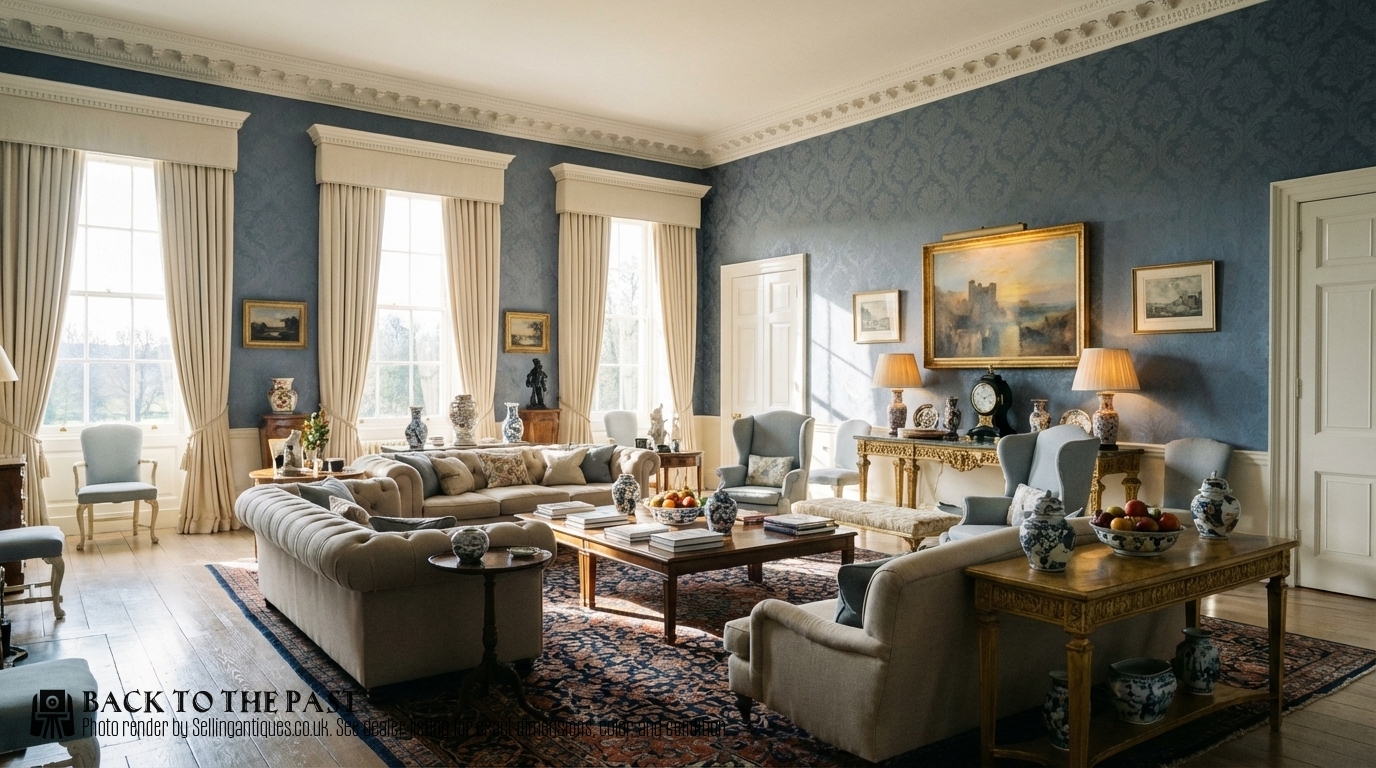
Where The Range Splits
Material and mounts do most of the work. Gilt bronze, ormolu, champlevé enamel, porcelain panels and malachite sit at the top of the range; painted and bronzed finishes, spelter, bakelite, plain oak and chrome sit at the bottom. Two clocks of the same outline can sit far apart on that basis alone.
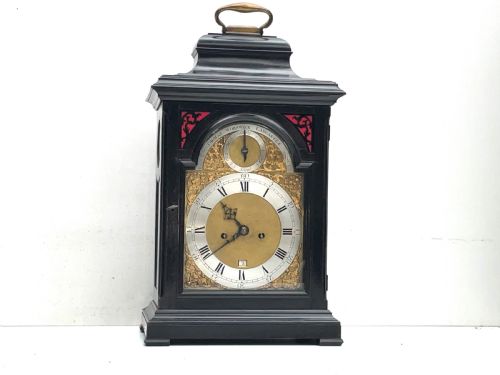
Then the movement. A timepiece only tells the time, and 93 titles use the word. Striking, quarter-striking, chiming and repeating work sits above it, and the top of the sample carries grande and petite sonnerie, perpetual calendar and equation of time, and Westminster or Whittington chiming. English fusee work is its own axis: twin, double and triple fusee bracket clocks, several signed to London makers, sit well above the wooden-cased revival mantel clocks, though fusee appears in only a small fraction of titles.
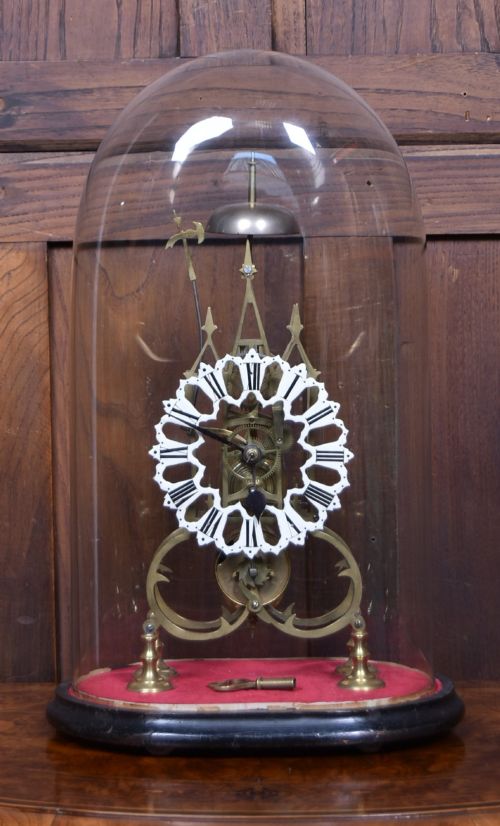
A signature lifts a clock, whether the maker's or a retailer's, and some listings record the two separately. So does survival as a set. A clock with its matching garniture, its original travelling case, its dome or its wall bracket sits above the same clock standing alone; 60 titles carry the word garniture, and three-piece marble, porcelain, cloisonné and champlevé sets recur.
Antique Mantel Clocks Retail Price Guide 2026
Typical UK retail prices for mantel clocks, calculated from the Sellingantiques database of over a million retail prices indexed since 2003. This retail price guide relies exclusively on Sellingantiques data; no external sources or auction records are used, so the figures do not describe the wider market.
The most expensive mantel clock ever sold on Sellingantiques was a late 19th century griotte marble clock by Ferdinand Barbedienne, in May 2023.
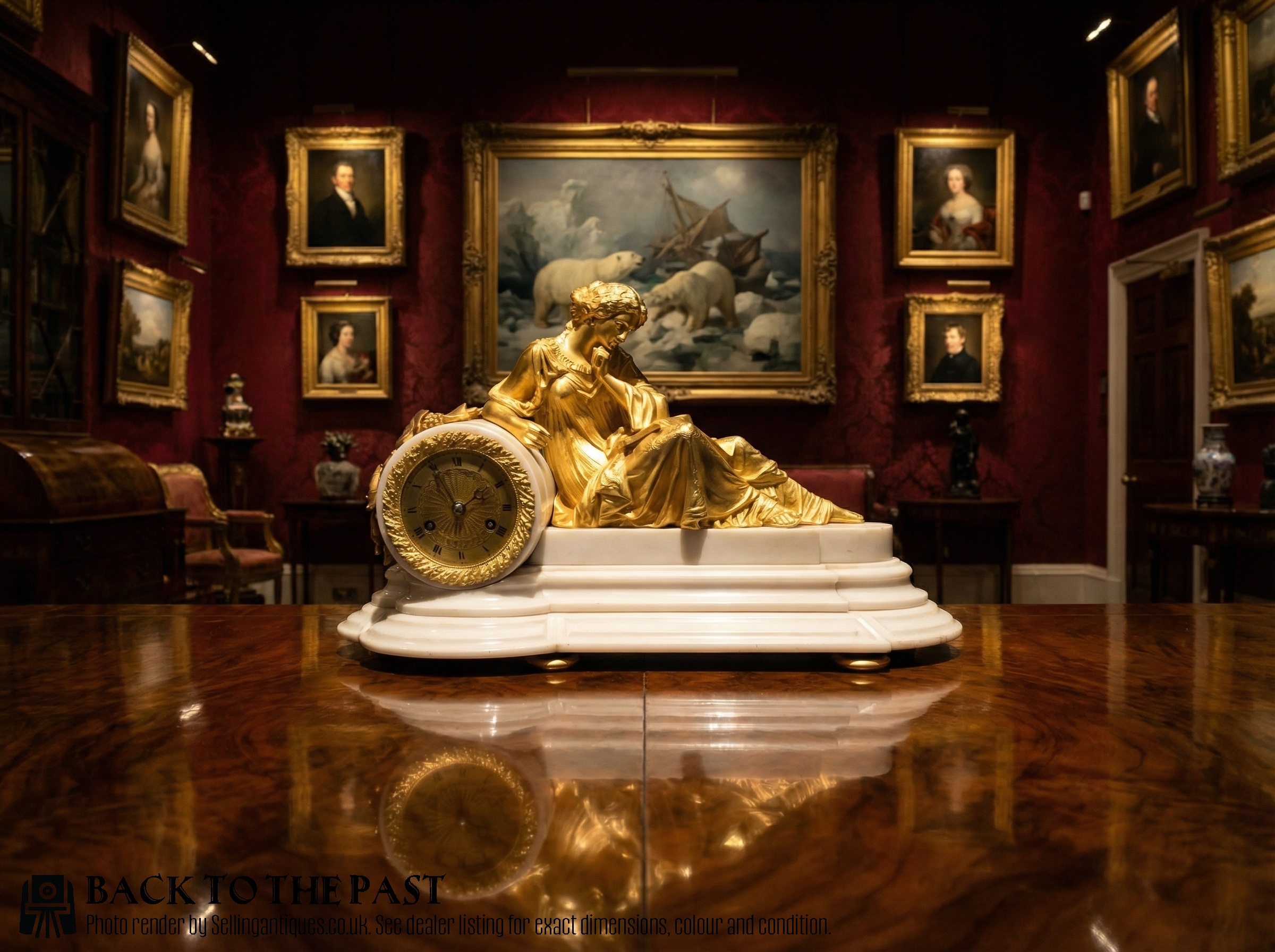
Lenzkirch·Samuel Marti of Paris·Raingo Freres·Dent·Japy Freres·Mappin & Webb·Brocot·Junghans·Leroy Paris·Deniere·Winterhalder & Hofmeier·Maple & Co·Drocourt·Asprey·Smiths
The Antique Mantel Clocks Glossary
- Fusee
- A spring movement using a tapered pulley with chain or gut line to even out the pull of the mainspring. Listings say single, double, twin or triple; 162 titles carry the word.
- Ormolu
- Gilded bronze or brass, used for mounts and whole cases. It appears in 228 titles, usually on French clocks.
- Timepiece
- Trade shorthand for a clock that tells the time and does not strike. Used in 93 titles.
- Four glass
- A case glazed on all four sides so the movement is on view. Some are described as crystal regulators, with mercury or faux-mercury pendulums.
- Boullework
- Brass inlaid into tortoiseshell as case decoration, met in 124 titles, 55 of them phrased as french boulle.
- Ting-tang
- A two-note quarter-striking chime, recurring on German and English cased clocks in the listings.
Antique Mantel Clocks: Frequently Asked Questions
What is a garniture?
A matching set of clock and side ornaments, usually candelabra or urns. The word appears in 60 titles.
The samples include three-piece sets in marble, porcelain, cloisonné and champlevé. A clock still with its garniture sits above the clock on its own.
Are most mantel clocks French?
France supplies the largest single strand. Of 2,914 listings, 896 titles say french, against 60 that say english, and those French clocks bring the gilt bronze, ormolu, marble, slate, boulle and porcelain cases with them.
German work runs through the category too, with Black Forest cases and several named German firms recurring. The English contribution is mostly wooden-cased Edwardian and Victorian clocks, plus the bracket and fusee tradition.
How accurate are the dates in listings?
Treat any single decade as the dealer's estimate. The dated field runs 1700 to 1960, and 1,738 of the 2,914 listings carry a clean year.
The rest are dated to a reign or a century. "19th Century" alone accounts for 442 listings, with hundreds more given only as Victorian, Edwardian, Regency or Georgian. Titles sometimes say circa 1750 where the date field says nothing more than Georgian.
What does Sheraton inlaid mean?
It describes the Edwardian revival taste for marquetry urns, garlands and shell fans on mahogany and satinwood cases. Sheraton appears in 68 titles, 61 of them as the phrase sheraton inlaid.
The wider inlaid strain is bigger still, with 332 titles using the word, and the samples add butterfly, herringbone, garland and Grecian-urn motifs.
Why do some listings spell it mantle?
Both spellings are in use. Of the titles, 173 say mantle rather than mantel, and that spelling is far more common in current stock than in the archive.
Worth knowing when you search, since the two spellings return different results.
Do unusual novelty clocks turn up?
Now and then. The samples throw up a swinging-maiden automaton chalet clock, an artist's-palette timepiece, a ships-wheel novelty, an Egyptian-revival case with a bronze sphinx and an early electrical clock in hammered brass.
Institutional and transport provenance appears occasionally too, including a GWR station master's clock and RAF officers' mess clocks.
Around 325 mantel clocks are listed on Sellingantiques in a year, and 187 different dealers have listed one, so the spread is wide.