


Victorian Clocks
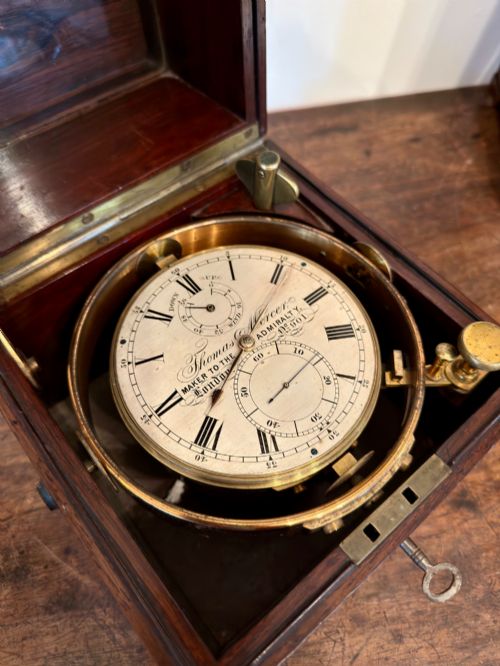
Nineteenth-century domestic and commercial clocks, spring and weight driven, made in quantity for mantelpieces, halls, offices, schools, stations and ships, and for travelling with.
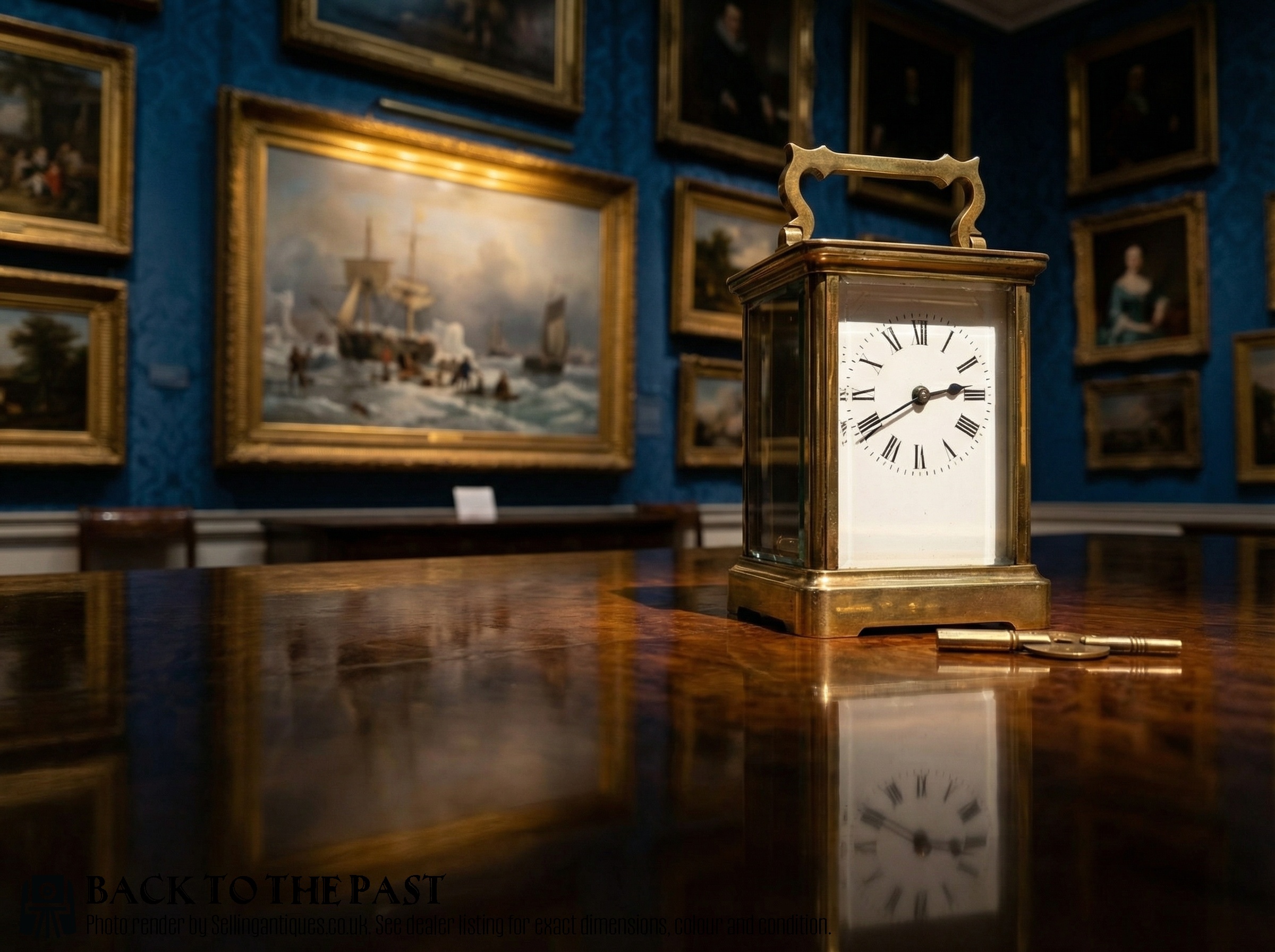
What You're Looking At
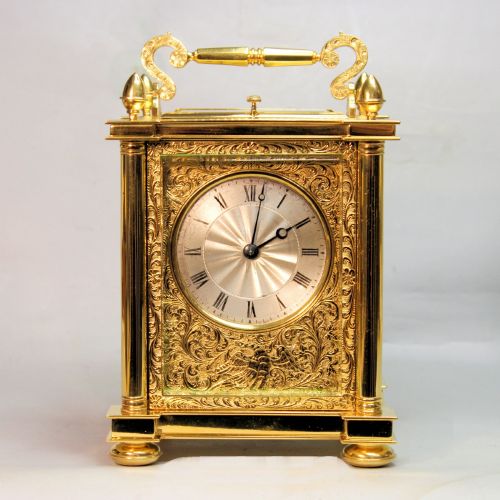
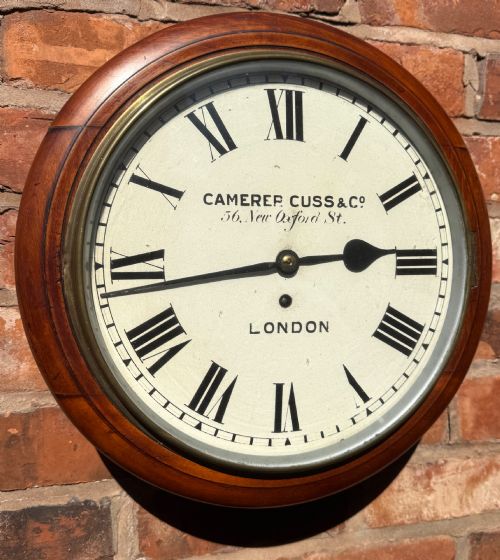
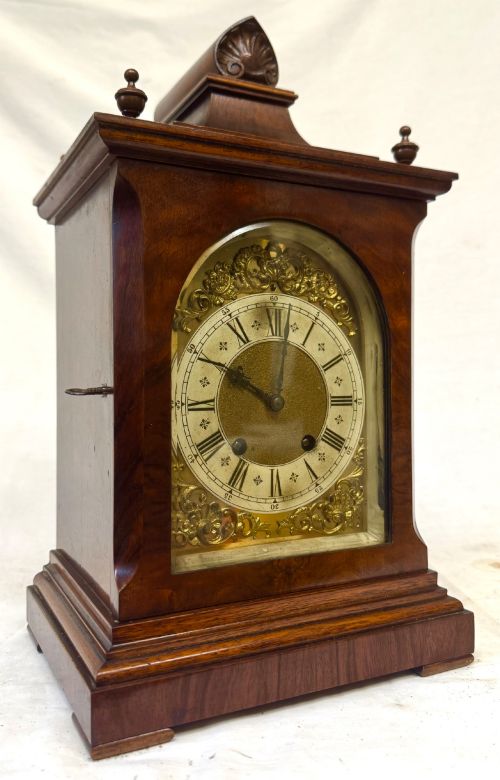
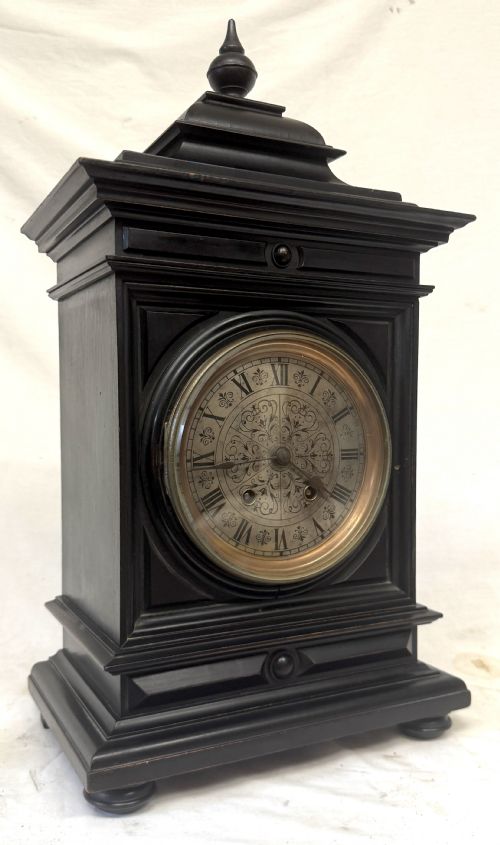
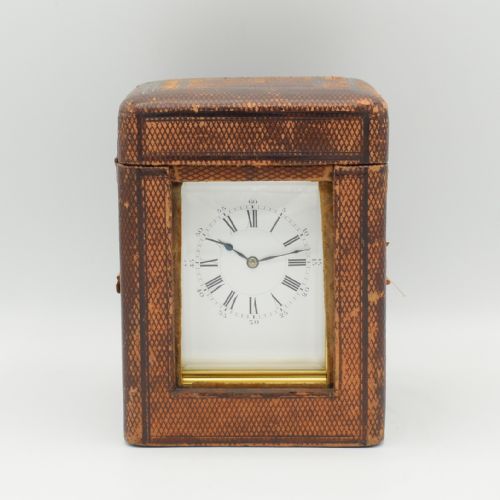
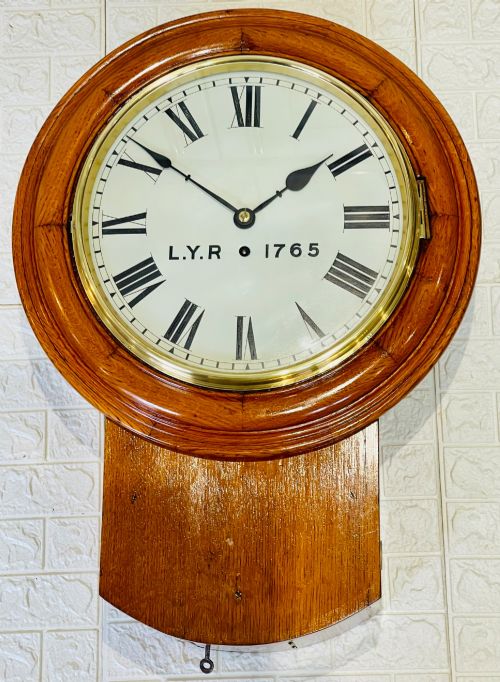
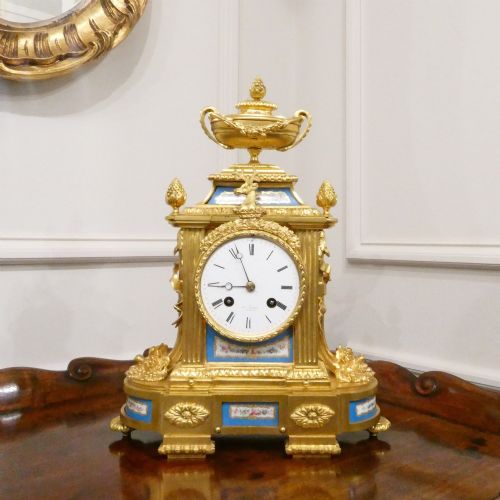
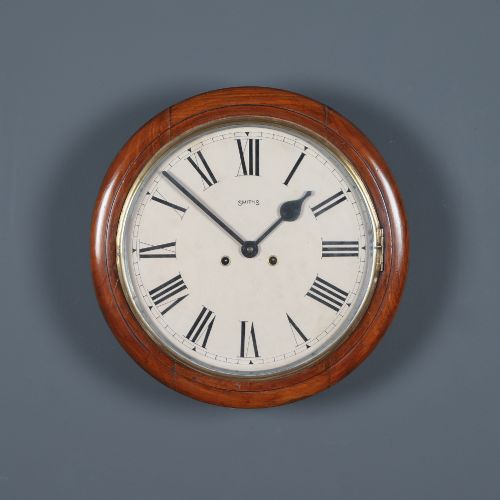
Three formats account for most of what comes up. French carriage clocks lead, small brass-and-glass travelling clocks with a handle on top, many of them repeating. English fusee wall clocks are close behind, the round dial clock and the drop dial with a box below the bezel for a longer pendulum. Mantel clocks come third, cased in marble, slate, mahogany and walnut.
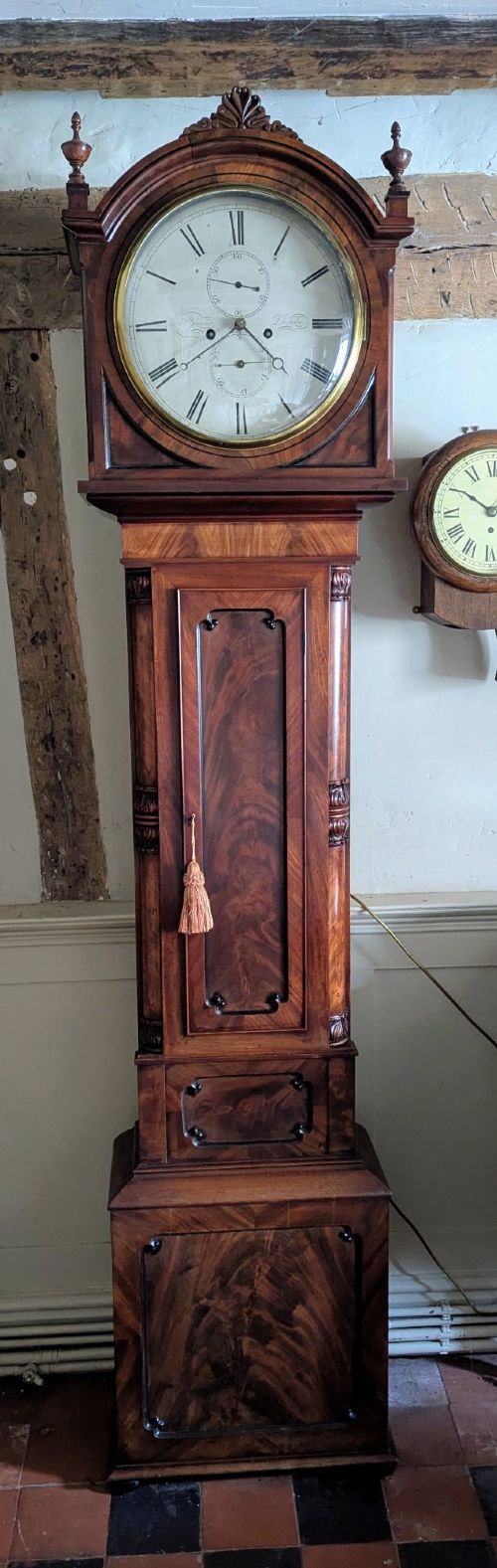
Beyond those, the category carries weight-driven Vienna wall regulators in walnut, single, double or triple weight; bracket and library clocks with double, twin or triple fusee movements; skeleton clocks under domes; and a smaller run of longcase work. Titles are built from case material, movement and format rather than maker, so the same clock may be listed as mantel or mantle, dial wall or drop dial.
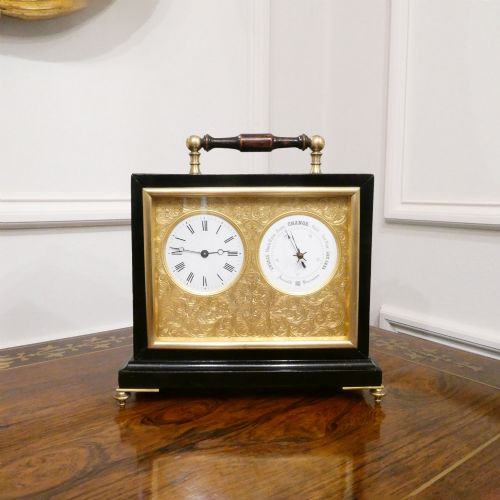
The dating is broad. Over a third of the listings are dated by era alone, saying simply Victorian or 19th Century, and where years are given the 1880s and 1860s dominate. The dated field runs from 1800 to 1960, so the heading describes a style and a trade grouping as much as a reign. Pocket watches, silver watch chains, a barometer and an oil portrait of a clockmaker sit inside it too.
Around 188 come to market in a year on Sellingantiques, listed by 150 different dealers, one of the broadest dealer bases in any category. Railway, ships, station master's, school and boardroom clocks all appear, including examples marked for the GWR, GNR, LMS, British Railways and the London County Council.
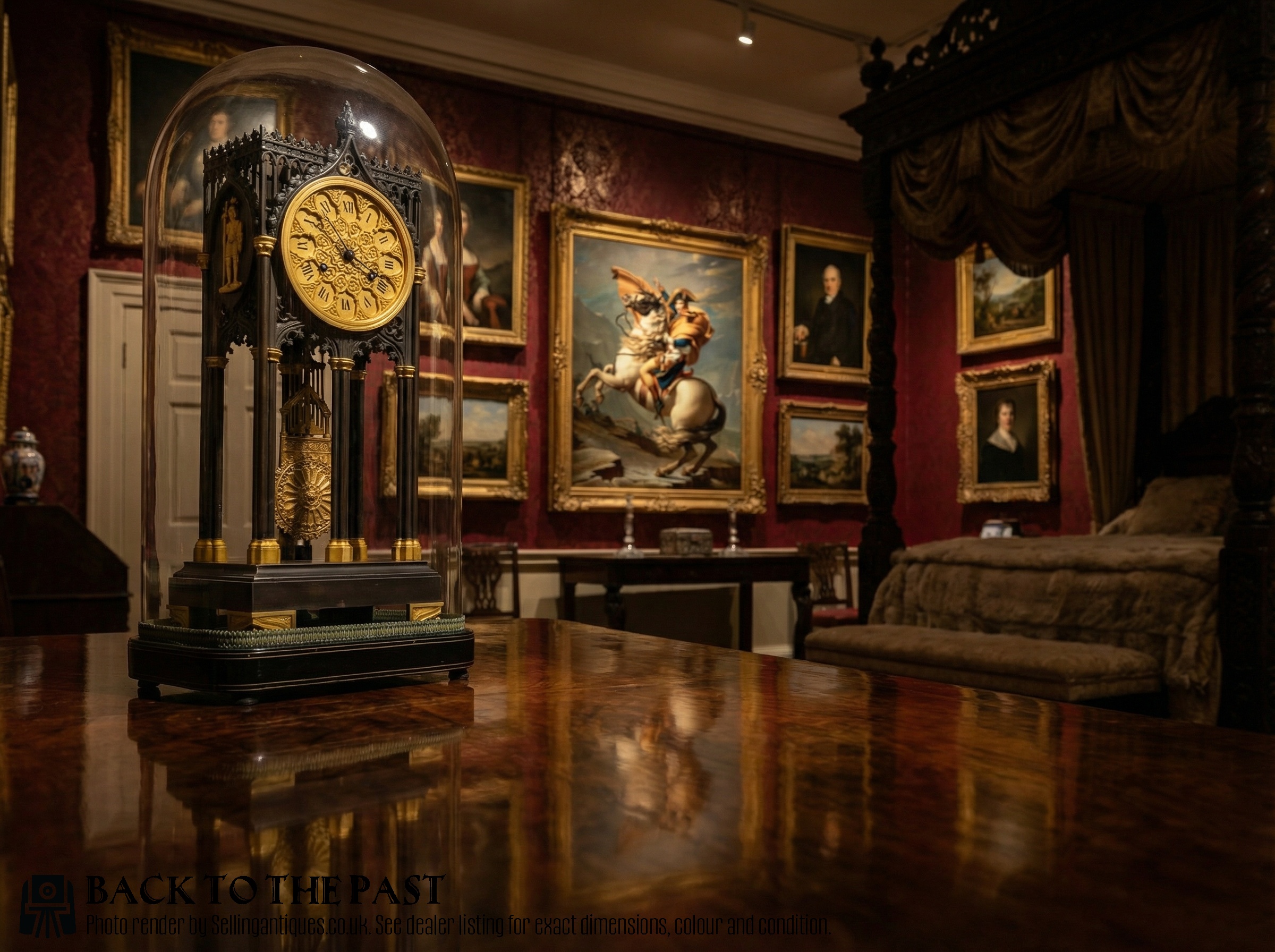
The Range
Trains and complication do most of the work. A single fusee timepiece, telling the hour and nothing else, sits at the bottom. Add a second train for striking and a third for chiming and the clock climbs; quarter-striking, musical and eight-bell bracket clocks and grande sonnerie carriage clocks occupy the upper end.
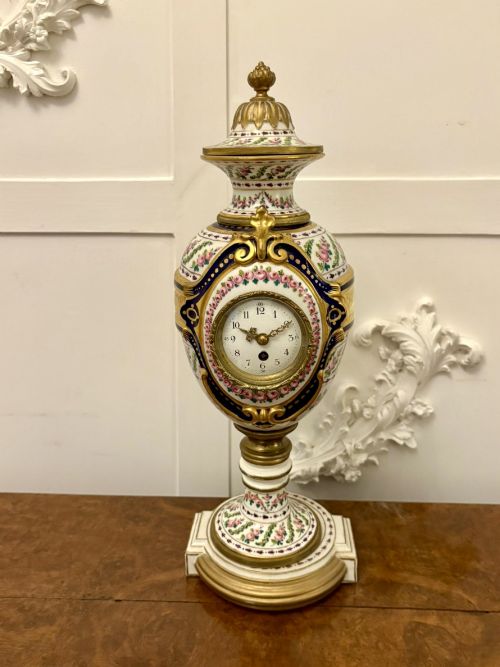
Case and decoration pull in the same direction. Plain oak and slate sit low. Ormolu, bronze, porcelain, enamel, champlevé and Sèvres-style cases populate the highest reaches, and a French mantel clock signed by a Paris bronzier sits at the very top of the range, an order of magnitude clear of the next piece.
A name in the title lifts a clock well above an untitled Carriage Clock or Wall clock. So does duration beyond the usual eight days, month-going and year-going movements, and specialist purpose, regulators and railway or ships work. Size counts at both extremes: giant carriage clocks and monumental wall dials reach the top, and so do mignonettes and miniature skeletons. Original leather travelling cases, keys, domes and marble plinths get called out in titles across the middle and upper range.
Retail Price Guide 2026
Typical UK retail prices for victorian clocks, calculated from the Sellingantiques database of over a million retail prices indexed since 2003. This retail price guide relies exclusively on Sellingantiques data; no external sources or auction records are used, so the figures do not describe the wider market.
Around 188 Victorian clocks are listed on Sellingantiques each year, from 150 dealers - one of the broadest dealer bases on the site.
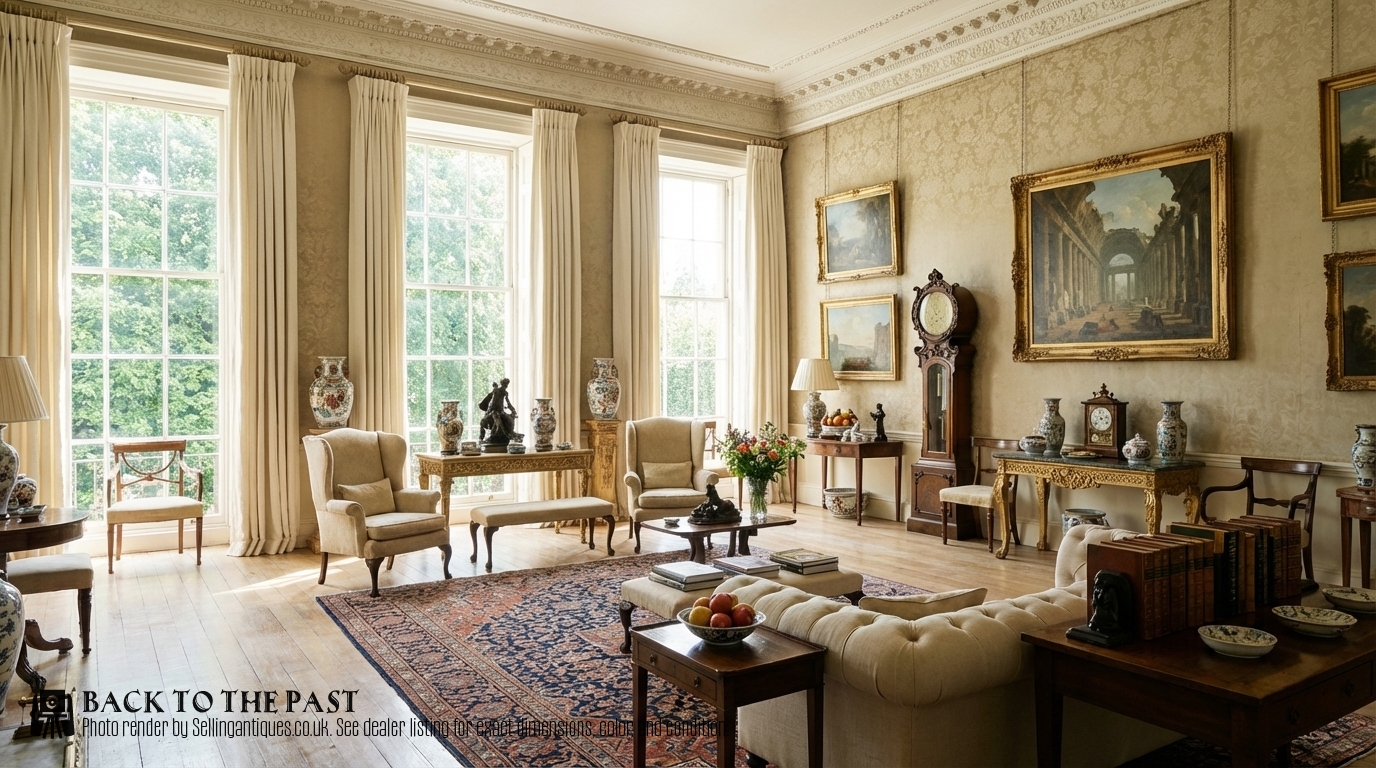
Dent of London·Samuel Marti·Drocourt
The Victorian Clocks Glossary
- Fusee
- A spring barrel geared through a tapered drum by chain or gut to even out the pull as the spring unwinds. The standard English movement in this category, named in 238 titles.
- Single, double, twin or triple fusee
- The count of fusee-driven trains: one for timekeeping only, two to add striking, three for chiming.
- Dial clock
- A round wall clock, all dial and very little case, made for offices, schools, stations and ships. A drop dial is the same thing with a box below the bezel to house a longer pendulum.
- Mantel or mantle
- The same shelf clock under two spellings. Search both, since 195 titles use one and 146 the other.
- Repeating or repeater
- A carriage clock that re-strikes the last hour at the press of a button. Grande sonnerie goes further, striking the hour at every quarter as well as the quarters.
- Timepiece
- Trade shorthand for a clock that tells the time and does not strike. Thirty-five titles use it.
Frequently Asked Questions
What sort of clock turns up most often?
French carriage clocks, at roughly a fifth of the category. Brass and glass, a handle on the top, and often a repeat button on the case.
English fusee wall clocks run close behind, and mantel clocks in marble, slate, mahogany and walnut come third.
Why do listings say mantel and mantle?
The trade has never settled it. Both spellings describe the same shelf clock.
On Sellingantiques, 195 titles use mantel and 146 use mantle, so searching one spelling misses a large slice of the shelf clocks.
Are these all made between 1837 and 1901?
No. The dated field on these listings runs from 1800 to 1960, and Regency, Edwardian and twentieth-century pieces sit inside the heading.
Over a third are dated by era rather than year, saying simply Victorian or 19th Century. Where a year is given, the 1880s and 1860s account for the largest groups.
What does fusee mean on a wall clock?
A spring barrel connected by chain or gut to a tapered drum, which evens out the pull of the spring from wound to run down. It's the standard English movement of the period.
Single fusee means one train, timekeeping only. Double, twin and triple fusee add striking and chiming, and those turn up on bracket and library clocks.
Which makers appear in this category?
Very few with any frequency. Only three names across the whole archive are carried by three dealers or more: Dent of London, Samuel Marti and Drocourt.
Everything else is a one-dealer or two-dealer name, appearing signed on a dial or backplate, on a retailer's plaque, or only as an attribution.
How large do these clocks get?
The size runs both ways at once. Sixty-seven titles say large and 38 say miniature.
The sampled extremes include giant carriage clocks, an 18-inch double dial wall clock, and a mignonette barely bigger than a matchbox.