


Antique Regulator Clocks
A regulator is a clock built, or sold, as a precision timekeeper: the standard against which other clocks and watches were set in workshops, observatories and public buildings.
Antique Regulator Clocks
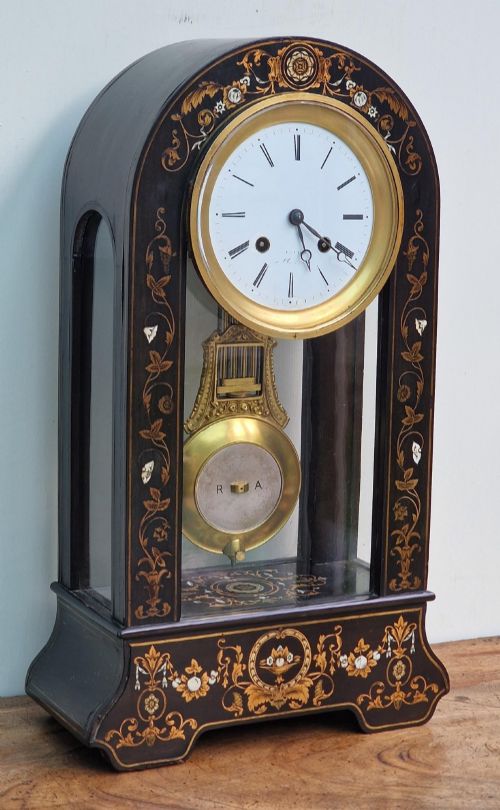
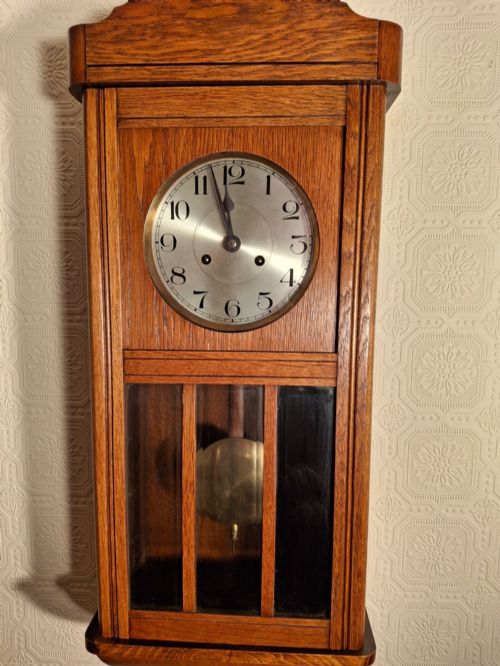
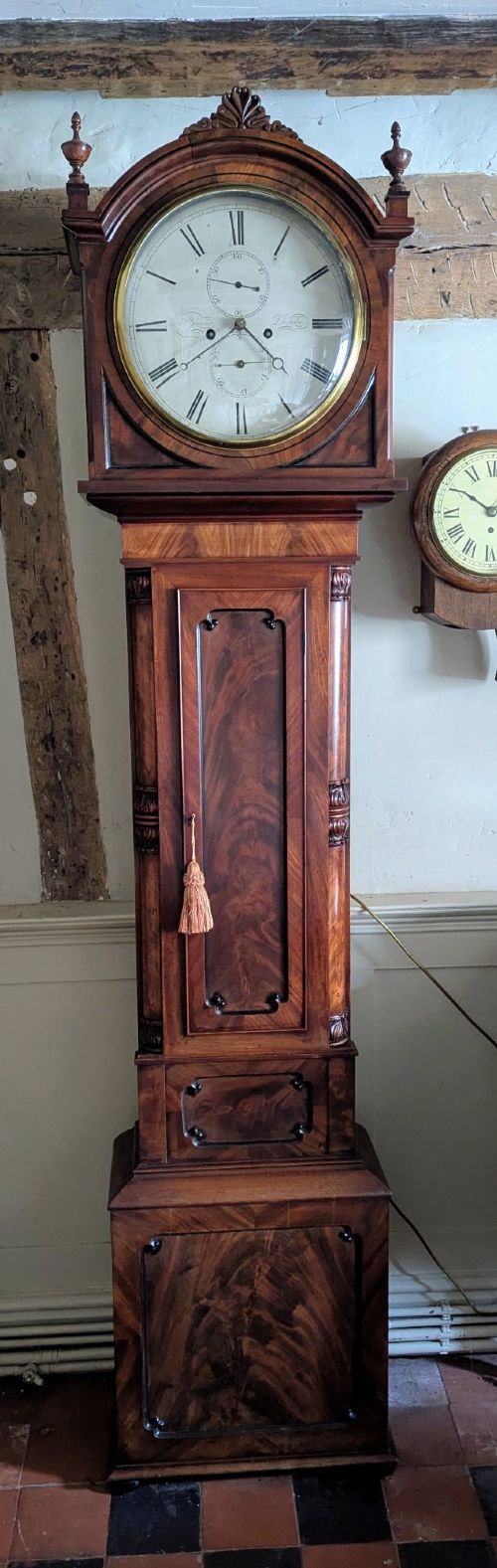
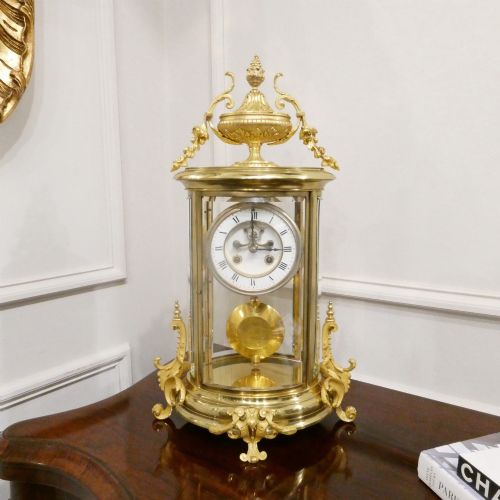
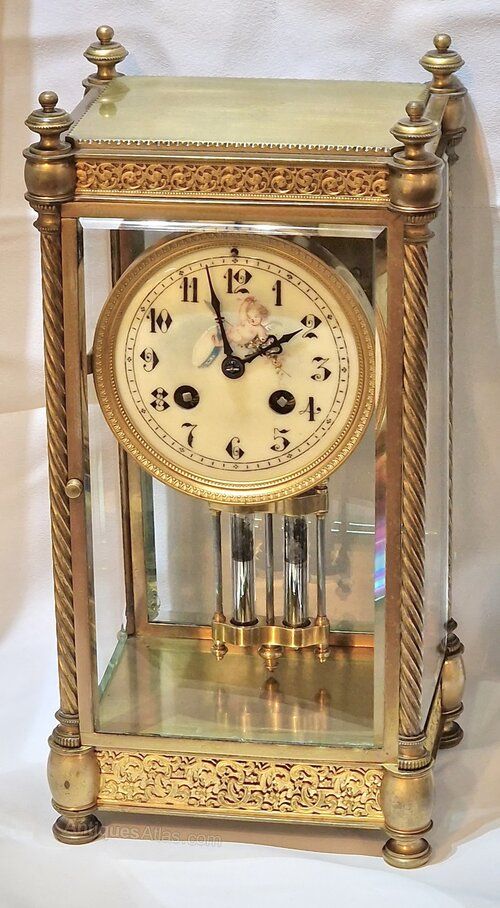
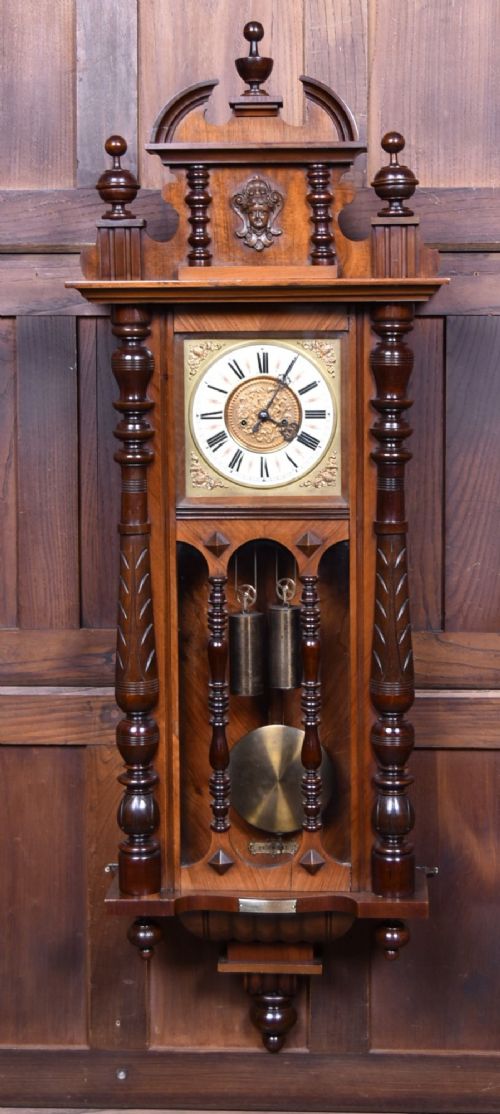
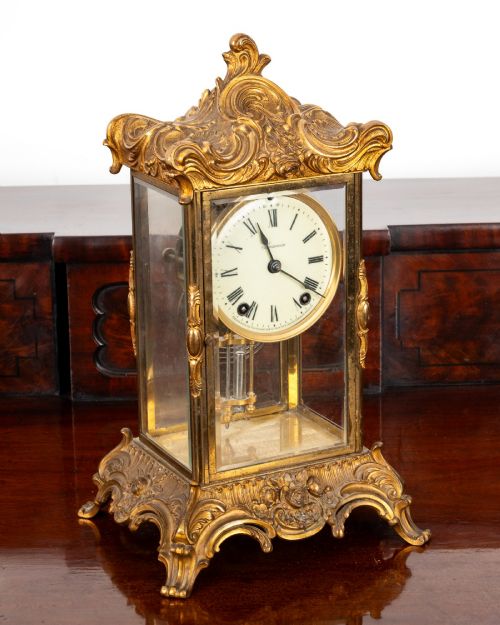
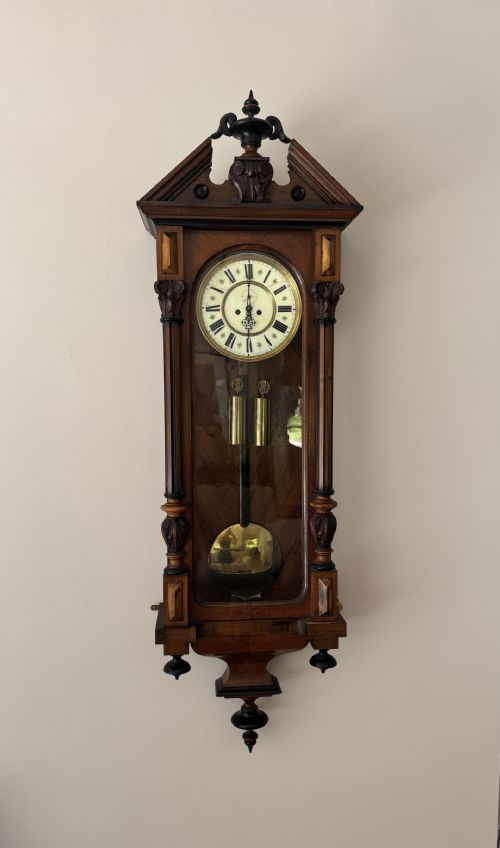
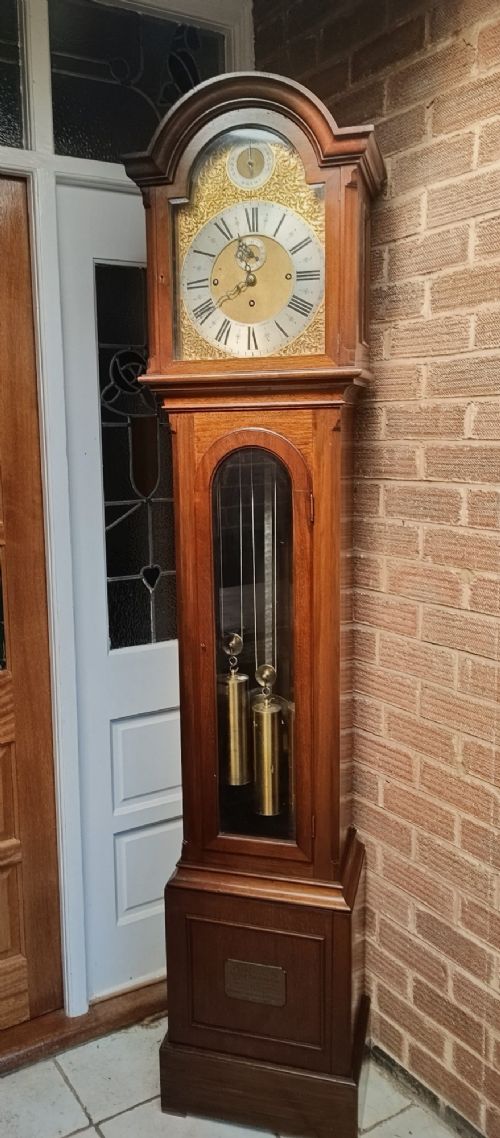
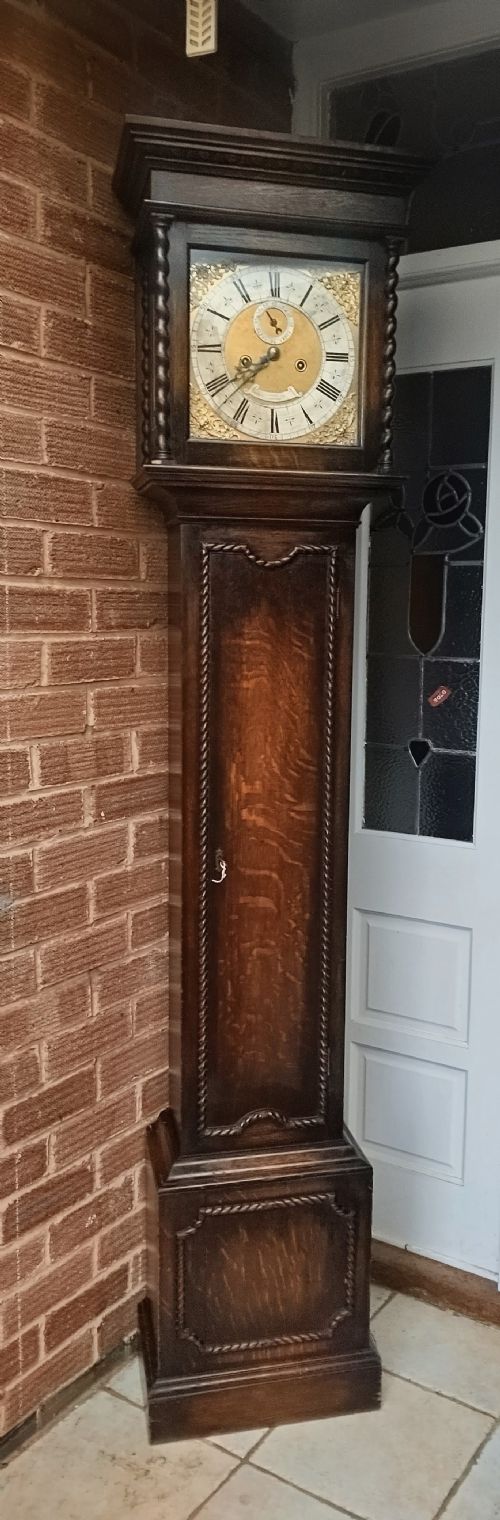
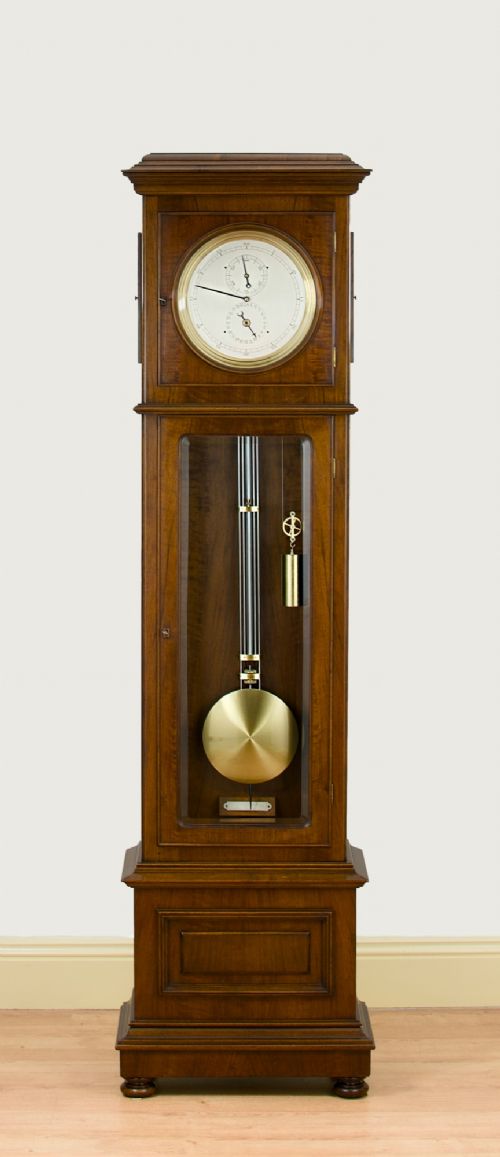
The heading gathers three shapes. Weight- or spring-driven wall clocks in glazed cases dominate: "wall" appears in 93 of 252 titles on Sellingantiques, "vienna" in 71. Then floor-standing longcases, described as longcase, long case or grandfather, sometimes all three in one title. Then small French four-glass mantel clocks in brass and bevelled glass.
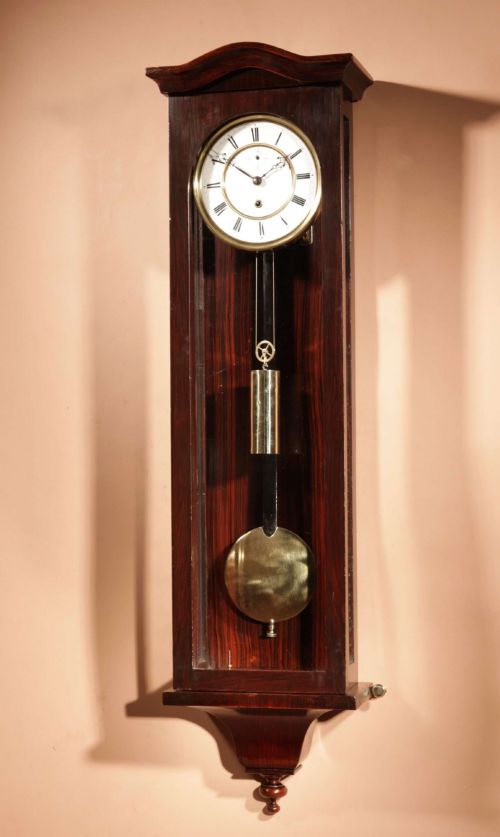
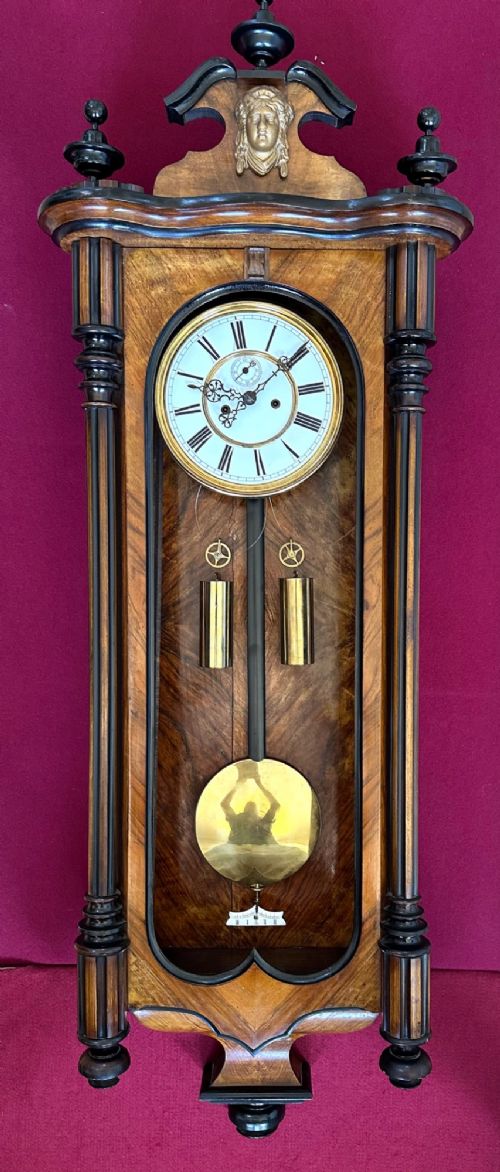
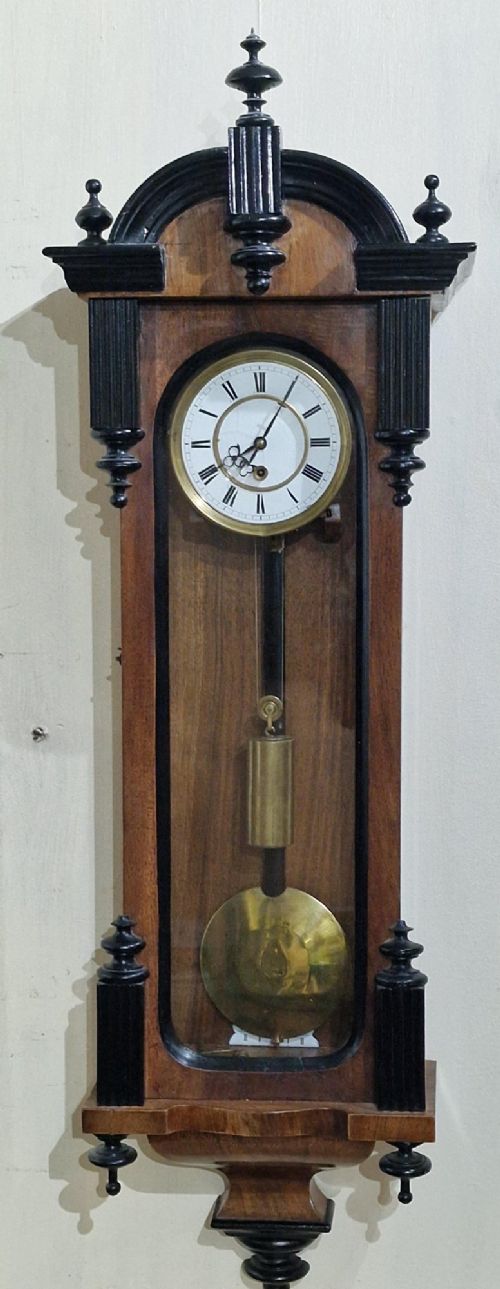
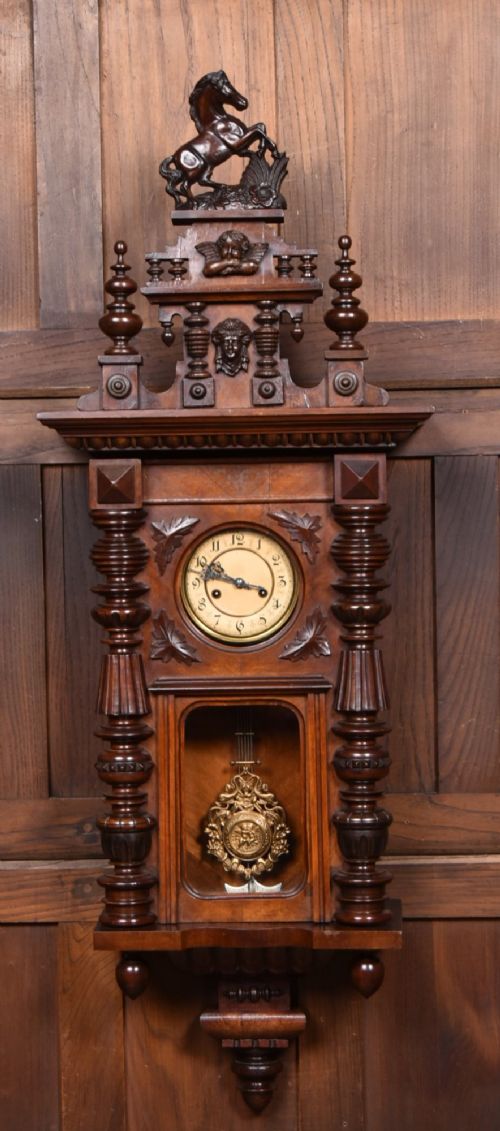
The single most likely encounter is a Vienna-style weight-driven wall regulator in a walnut case. Titles specify the weight count, single, double or twin, occasionally triple, and eight-day running is the default. Striking versions are noted separately from timepieces. Biedermeier, Dachluhr and Altdeutsch turn up as sub-names within the same Austrian and German tradition.
Walnut leads the case timbers, mahogany follows, oak a distant third. Alongside the three main shapes sit English drop-dial and domestic wall regulators, several signed for London, and a thin strand of one-offs: a table regulator with equation of time, a five-glass Goliath, a portico regulator on knife-edge suspension, two electric wall regulators.
Dating runs 1800 to 1960, with the weight falling on 1850 to 1900. A large slice carries no decade at all: 42 listings are dated only "19th Century", with a further 33 given as Victorian, Regency or Georgian. A few 18th-century longcases sit at one end, a 1920s to 1940s tail at the other.
The Range
Duration divides the field more sharply than anything else. Eight-day is the baseline, so a clock that runs 14 days, a month, 30 days or a year sits well above it, and so does grande sonnerie work that sounds quarters and hours at every quarter. Weight count runs the same way: single-weight timepieces low, double or twin in the middle, triple-weight examples at the top.
A name lifts a clock. Titles reading simply "Vienna wall clock" or "Regulator wall clock" cluster at the bottom, while those naming a maker and a town sit in the upper half almost without exception. London appears in 14 titles, and Scottish and Irish longcases signed for Edinburgh, Glasgow, Aberdeen and Belfast take a strong share of the upper end.
After that it's the movement's stated refinements and the case. Deadbeat escapement, maintaining power, pinwheel escapement and knife-edge suspension appear only in the higher reaches. So do burr walnut, flame mahogany, rosewood, carved and ebonised cases, and on the mantel side onyx, ormolu and champlevé enamel panels. The highest-priced pieces of all are French Louis XV and Louis XVI style clocks catalogued under this heading.
Antique Regulator Clocks Retail Price Guide 2026
Typical UK retail prices for regulator clocks, calculated from the Sellingantiques database of over a million retail prices indexed since 2003. This retail price guide relies exclusively on Sellingantiques data; no external sources or auction records are used, so the figures do not describe the wider market.
The most expensive regulator clock ever sold on Sellingantiques was a George III mahogany longcase by Thomas Best of London, in January 2024.
Samuel Marti·Lenzkirch
The Antique Regulator Clocks Glossary
- Regulator
- A clock made or sold as a precision timekeeper, or a case style following that pattern. On this site the word does both jobs.
- Vienna regulator
- Slim glazed weight-driven wall clock of Austrian or German type, and the commonest single form under this heading.
- Timepiece
- A clock that tells the time only, with no striking train. Listings separate these from striking versions.
- Four glass, or crystal regulator
- Small mantel clock with bevelled glass on all four sides, usually French. Bow-fronted panels recur.
- Deadbeat escapement
- Precision escapement named in several longcase titles, often paired with maintaining power, which keeps the clock running while it's wound.
- Grande sonnerie
- Striking system sounding both the quarters and the hour at each quarter. Eight titles carry it.
Antique Regulator Clocks: Frequently Asked Questions
What is a Vienna regulator?
A slim glazed wall clock of Austrian or German type, weight-driven and hung on the wall. It's the form you'll meet most often under this heading, with "vienna" in 71 of 252 titles.
Walnut is the usual case timber. Titles give the weight count, single, double or twin, and eight-day running is the default.
Why are longcase clocks listed as regulators?
Because "regulator" describes precision work as much as a shape. Floor-standing clocks with deadbeat escapements, maintaining power and month duration were built to the same standard, and dealers catalogue them accordingly.
Longcase, long case and grandfather are used interchangeably in titles, often two or three of them at once.
How long does one run between windings?
Eight-day is the norm across the category. Above that the archive on Sellingantiques has thrown up 14-day and month-duration clocks, a 30-day grande sonnerie Vienna and one year-duration French example.
Duration is the sharpest divider in the titles, and it tracks the range closely.
What are French crystal regulators?
Small mantel clocks with bevelled glass on all four sides, brass framed, so the movement shows from every angle. Around a sixth of the category, and a growing share of current stock.
Onyx, ormolu, champlevé enamel panels and bow-fronted glass all recur among them.
When were most of these made?
The dealer-entered dates run 1800 to 1960. Where a decade is given, the weight falls heavily on 1850 to 1900, with the 1890s, 1860s and 1880s the fullest.
Plenty carry no decade: 42 listings are dated only "19th Century", and another 33 as Victorian, Regency or Georgian.
Are unusual types ever listed?
Yes, though only in ones. The archive holds an equation-of-time table regulator, a five-glass Goliath table regulator, a portico regulator on knife-edge suspension and a wall clock with pinwheel escapement.
Two electric wall regulators have also passed through, at the late end of the date range.