



Antique Royal Worcester
Porcelain from the Worcester factory sold under the Royal Worcester name: hand-painted fruit tablewares and cabinet pieces, modelled figures, candle snuffers and cream-and-gilt blush ivory shapes, made from the mid-19th century to the mid-20th.
Antique Royal Worcester
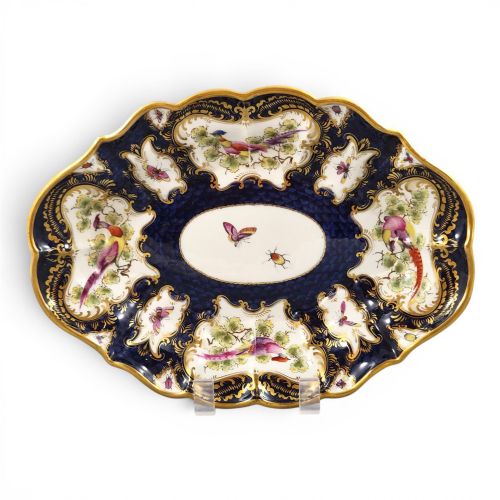
Painted fruit is the decoration that defines the category on Sellingantiques. Almost a third of titles carry the word 'fruit', and it arrives on small shapes: bon bon dishes, sugar bowls, dessert dishes, pin and pencil trays, plates, ginger jars and pot pourri jars. Still-life fruit on a mossy ground, usually with gilding.
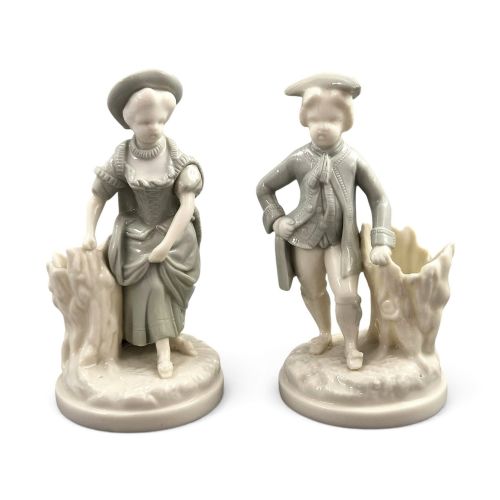
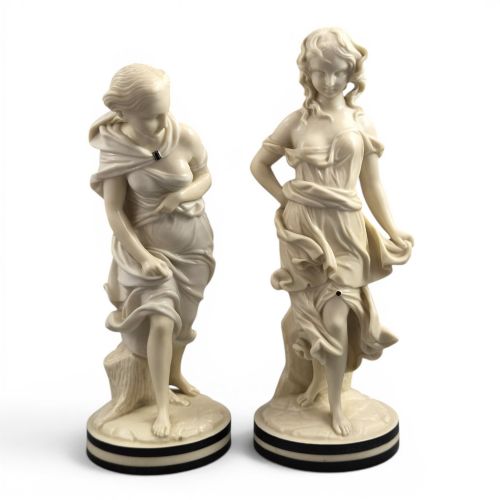
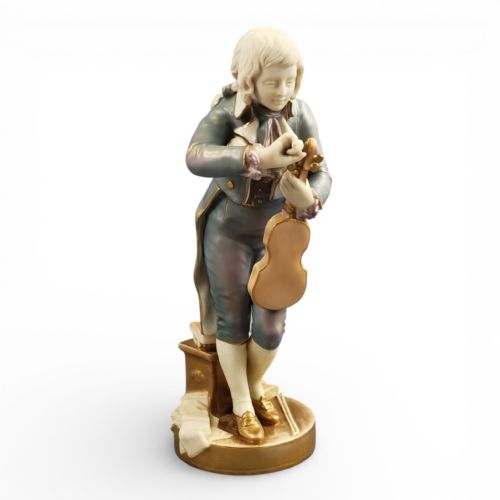
The second group is figures. Modelled figures and figurines turn up throughout, some from named series such as Countries of the World and Indian Craftsmen, some quoting a model or shape number, some described only as a porcelain figure. Candle snuffers sit alongside them, sold by character name and shape number rather than by description.
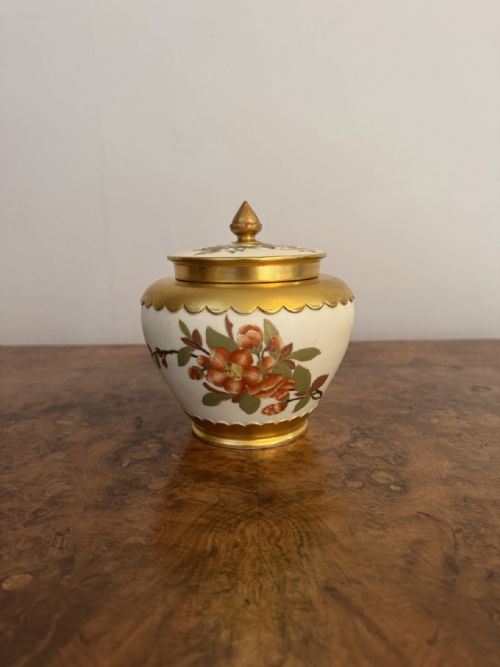
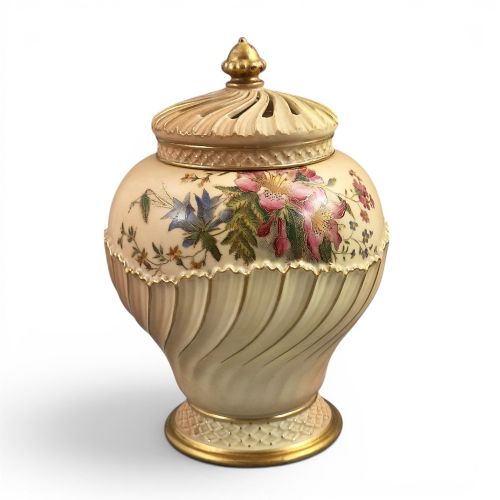
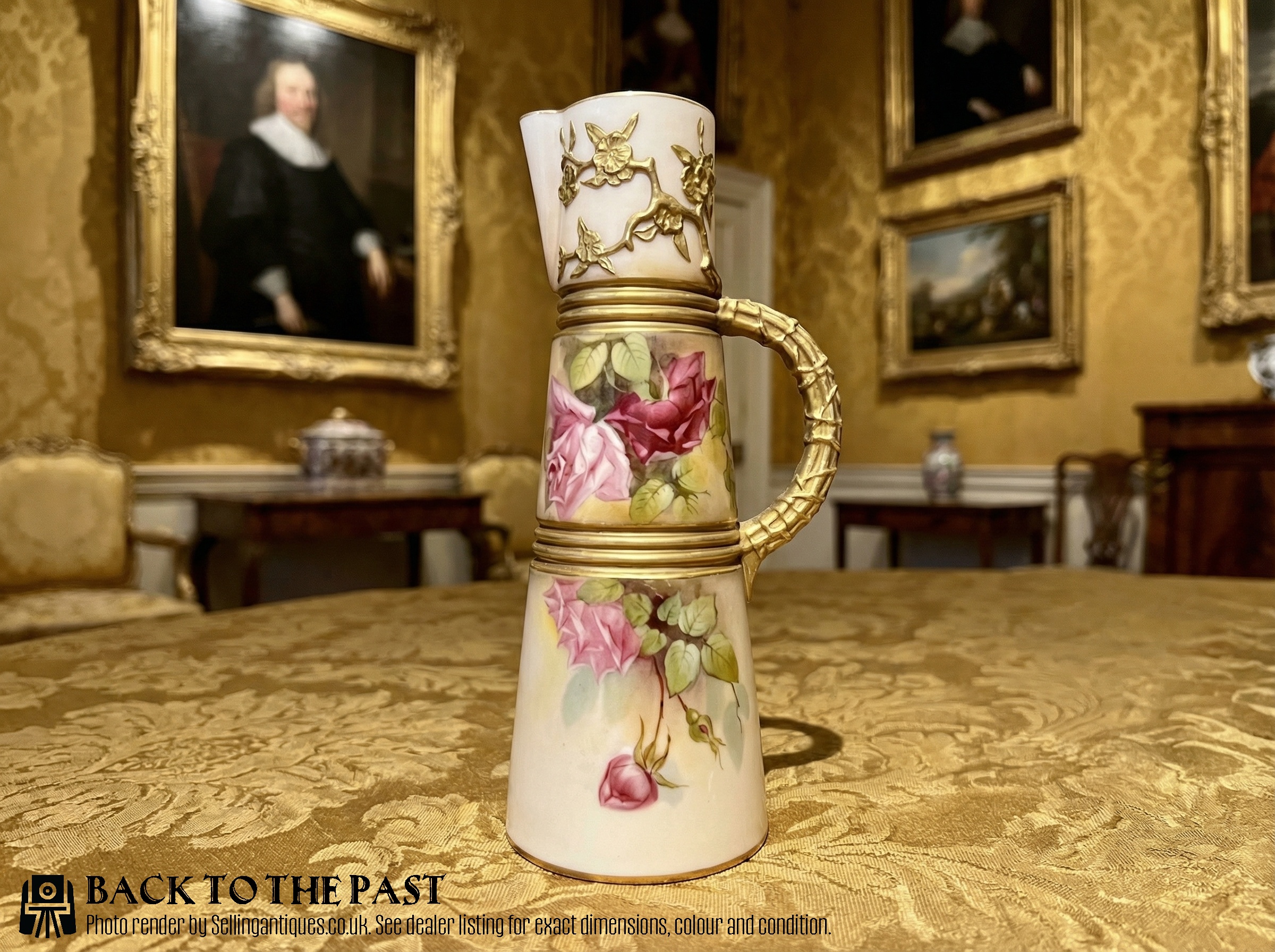
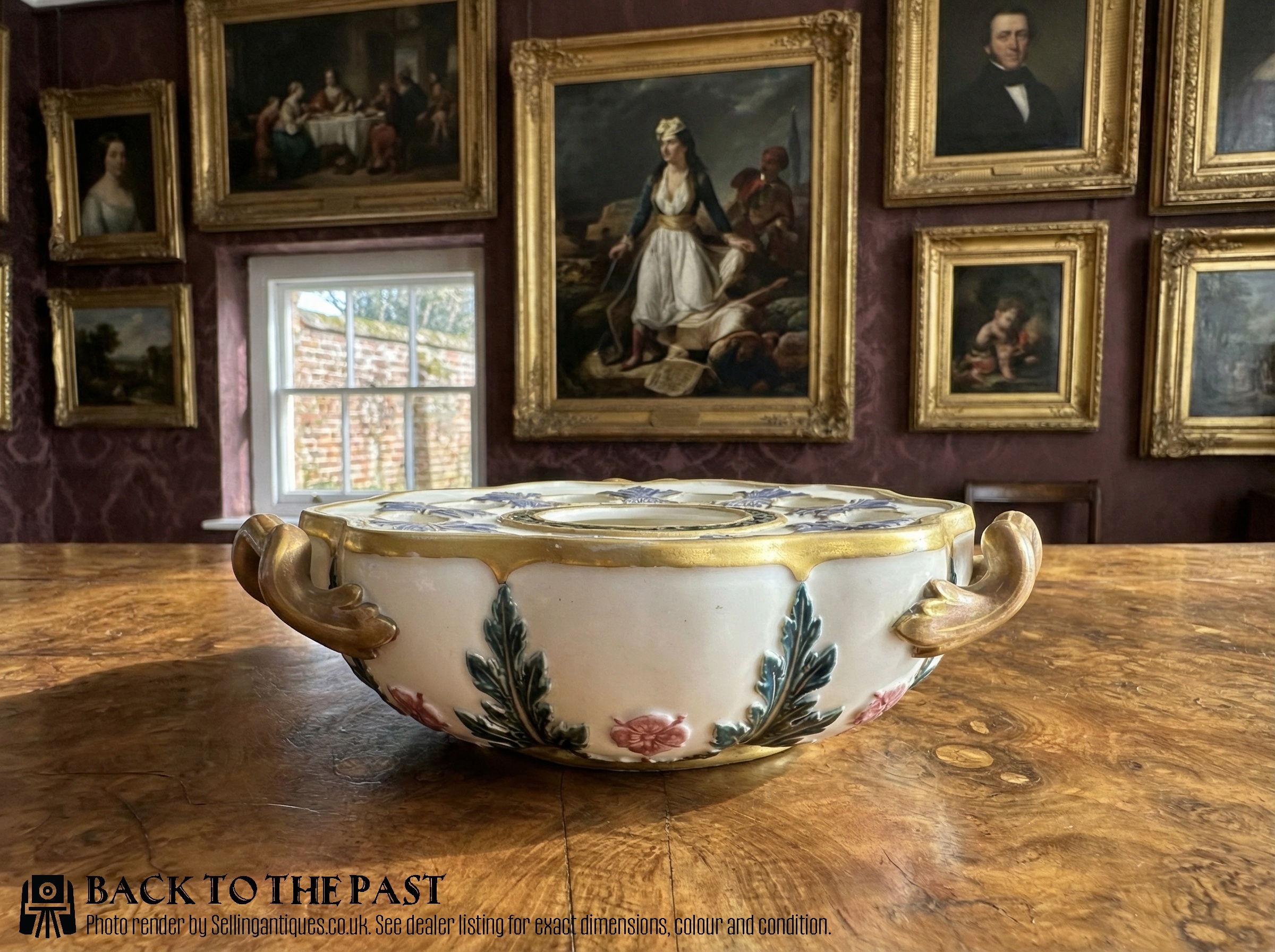
Then the blush ivory shapes: a cream-to-peach shaded ground with gilt and floral sprays, on ewers, jardinieres, baskets, centrepieces and wall pockets. Tea, coffee and dessert services form a smaller group, including cased coffee sets and dessert services of seventeen and twenty pieces.
Dating runs from 1850 to 1960, and the twentieth century carries the bulk of it. The 1960s is the busiest decade in the archive, ahead of the 1920s and 1930s. Titles often quote a year taken from a factory mark, so the date in a title is frequently finer than the period given.
Where The Range Splits
A decorator's name in the title moves a piece up. Around one title in nine names an artist, and four surnames carry most of that weight: Freeman, Ayrton, Stinton and Owen. Pieces carrying those names sit consistently in the upper part of the range.
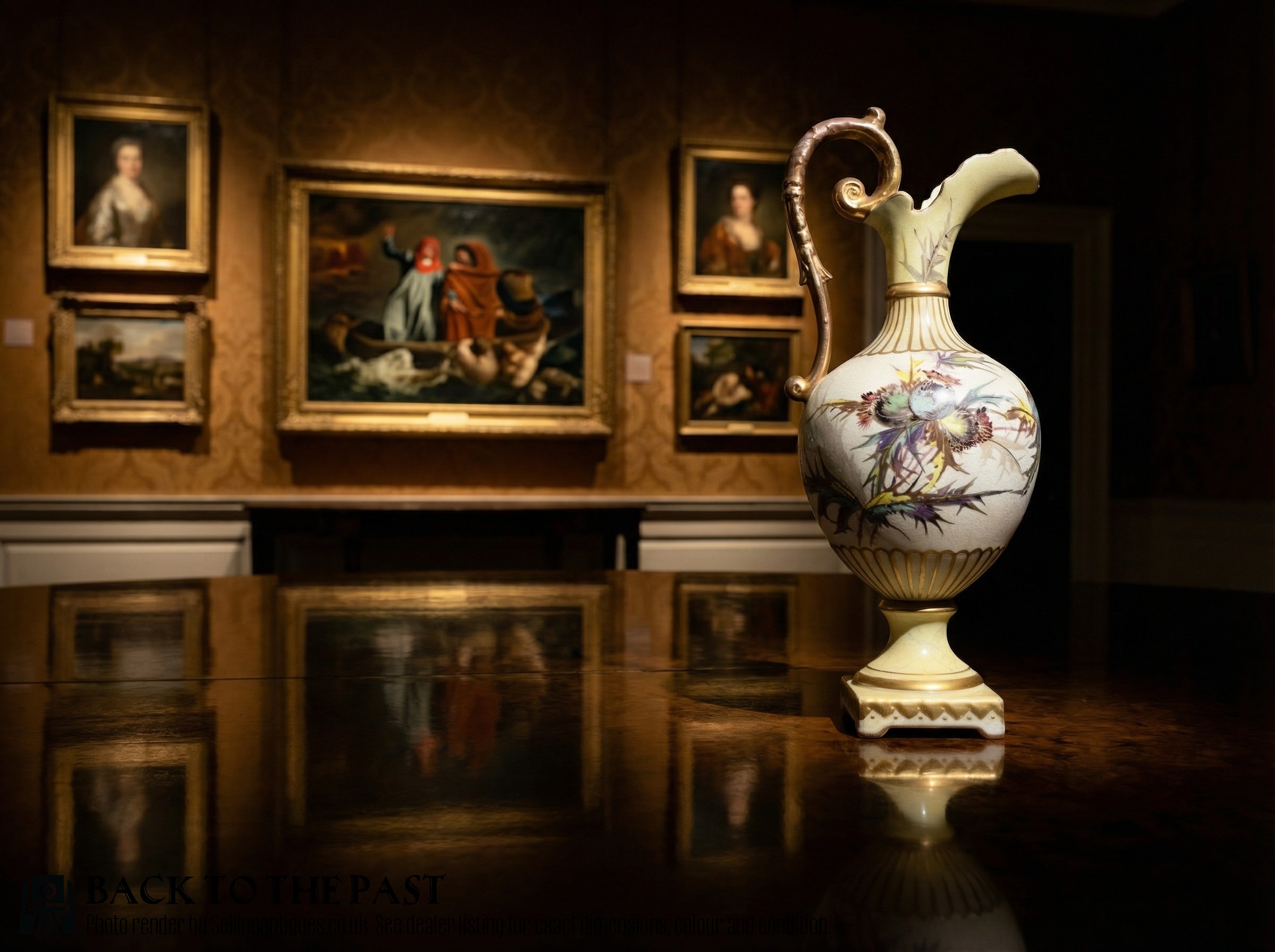
Reticulated work sits alone at the top. A short run of pierced teapots, ewers, jars, a cup and saucer and a candy box, attributed to George Owen, occupies the highest positions in the sampled range, and nothing else comes close.
Below that, two things lift a piece: subject and scale. Highland cattle, sheep, pheasants, grouse and storks sit well above the general run of fruit, as do framed plaques. A single bon bon dish or pin tray sits low; a twenty-piece dessert service, a cased coffee set or a three-piece pot pourri sits high. On figures, a named model, series or shape number does the same job.
Antique Royal Worcester Retail Price Guide 2026
Typical UK retail prices for royal worcester, calculated from the Sellingantiques database of over a million retail prices indexed since 2003. This retail price guide relies exclusively on Sellingantiques data; no external sources or auction records are used, so the figures do not describe the wider market.
About fifty-three pieces of Royal Worcester are listed on Sellingantiques each year, and fifty-three dealers have listed them - near enough one dealer, one piece.
James Hadley
The Antique Royal Worcester Glossary
- Painted fruit
- Still-life fruit decoration, usually on a mossy ground. The commonest term in these titles by a wide margin.
- Blush ivory
- A cream-to-peach shaded ivory ground, typically with gilt and floral sprays. Twenty-six titles use the phrase.
- Pot pourri
- A covered jar or vase, often in three parts with an inner cover and a pierced outer one. Forty-two titles.
- Rope edge
- A moulded twisted-rope border, found on plates, sugar bowls, teapots and tea sets. Star edge, gadroon and shell handled name other border and handle treatments.
- Tudor tray
- A named tray shape recurring in painted-fruit listings, sometimes square, sometimes oval. Bennett bowl, low comport and crown top work the same way.
- Reticulated
- Pierced work, cut through the body before firing. It appears on the highest-priced pieces in this category.
Antique Royal Worcester: Frequently Asked Questions
What is painted fruit decoration?
Still-life fruit, usually set on a mossy ground and finished with gilding. It's the factory's signature painted subject and the single commonest thing in this category on Sellingantiques.
It turns up on small hollow and flat wares rather than large ones: bon bon dishes, sugar bowls, dessert dishes, plates, pin trays, ginger jars and pot pourri jars.
Why do so many titles include an artist name?
Because the factory's painted wares were signed by the decorator, and dealers put that name in the title. Around one title in nine says 'signed'.
Four surnames recur across dealers: Freeman, Ayrton, Stinton and Owen. Titles carrying them sit consistently in the upper part of the range.
How old is most Royal Worcester on the market?
The dealer-supplied dates run from 1850 to 1960, and the twentieth century carries most of the category. The 1960s is the busiest single decade in the archive, with the 1920s and 1930s next.
Some dating is loose. A run of listings say only 19th century, Victorian or Edwardian, while others quote a precise year read from a factory mark.
What are the candle snuffers?
Small figural cones that cap a candle flame, modelled as characters and sold by name.
Mr and Mrs Caudle, Jenny Lind, Granny Snow, Monsieur Reynard, the Witch, the French Cook and 'Hush' all recur, usually with a shape number attached. They form a small but steady group.
About one listing in twenty-five is a snuffer or extinguisher.
Which pieces sit at the top of the range?
Reticulated pierced work, and by some distance. A short run of pierced teapots, ewers, jars, a cup and saucer and a candy box, attributed to George Owen, holds the highest positions.
After that come signed pieces with subjects other than fruit, framed plaques, and complete services or cased sets.
Do unusual shapes turn up in this category?
Now and again. A miniature tortoise, a bee-shaped pill box, a shell wall pocket, a wine cooler and a cased set made for a London retailer have each appeared once.
Majolica jardinieres dated to the 1860s and 1870s have also surfaced, well outside the usual run of fruit and figures.