


Antique Wedgwood
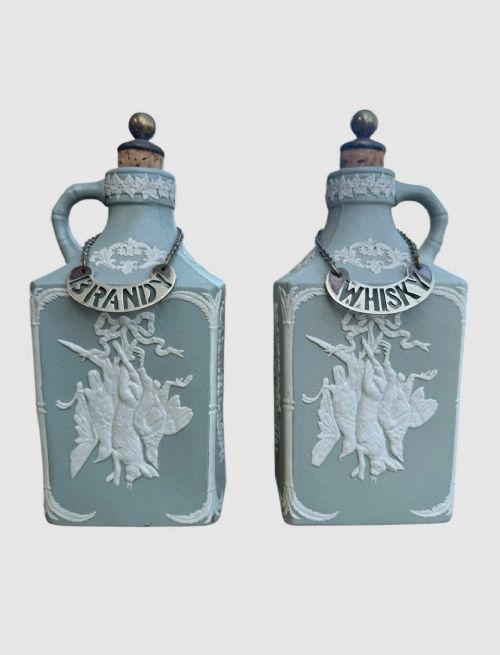
English pottery carrying the Wedgwood name, made from the early nineteenth century into the 1930s, mostly for the table: jasper biscuit barrels, caneware game pie dishes, printed platters and lustre bowls.
Antique Wedgwood
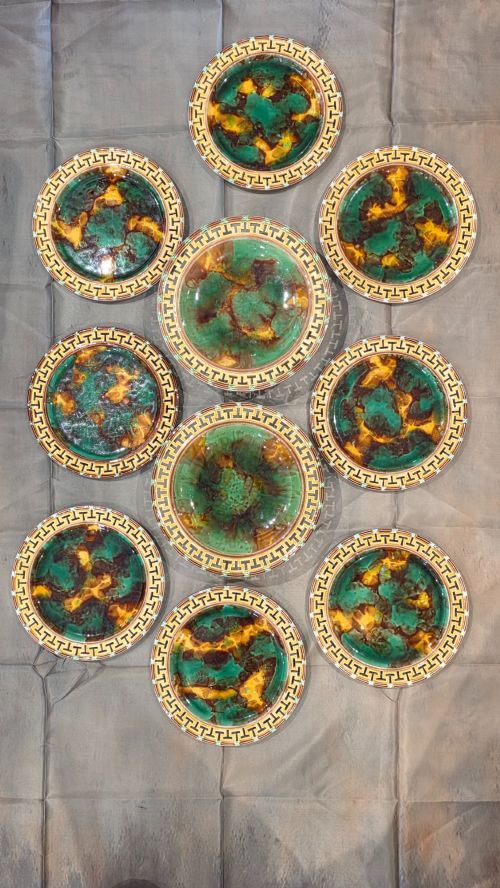
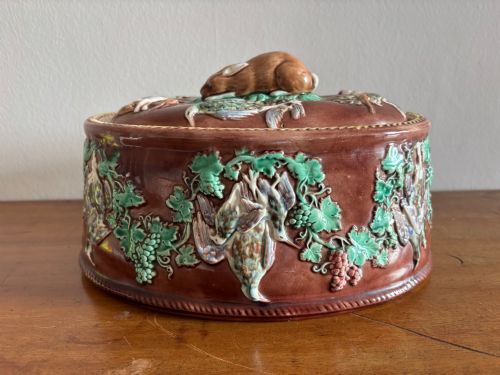
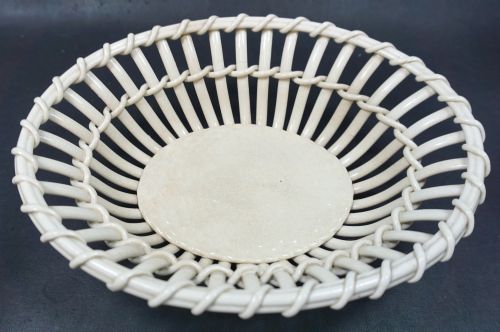
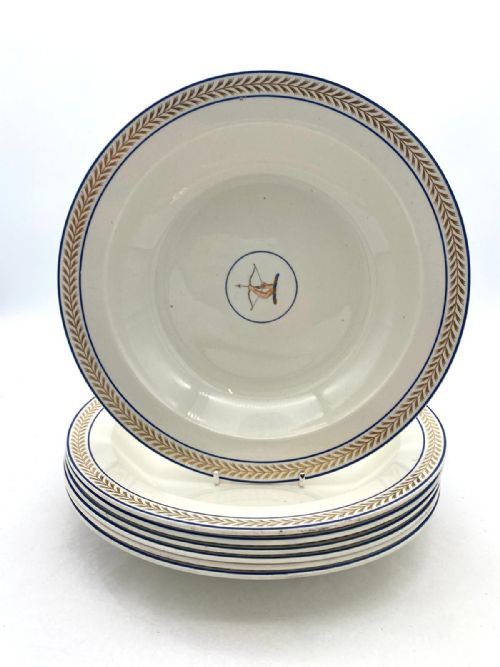
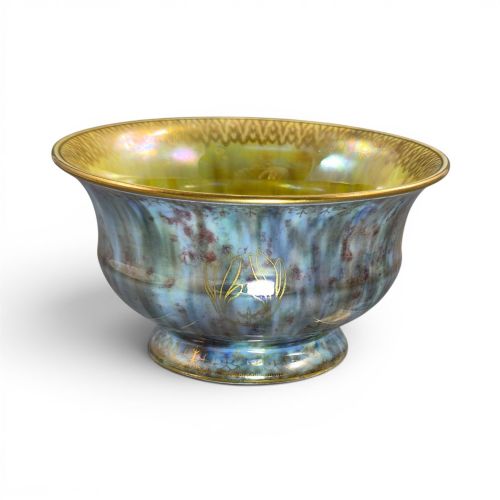
Two populations fill this category. One is nineteenth-century useful and ornamental ware in the Staffordshire stoneware and earthenware bodies: jasperware, caneware, creamware, black basalt, drabware, rosso antico, alongside majolica and blue-and-white transfer printing. The other is early twentieth-century lustre, iridescent glazes on bone-china bowls made as decoration rather than for use.
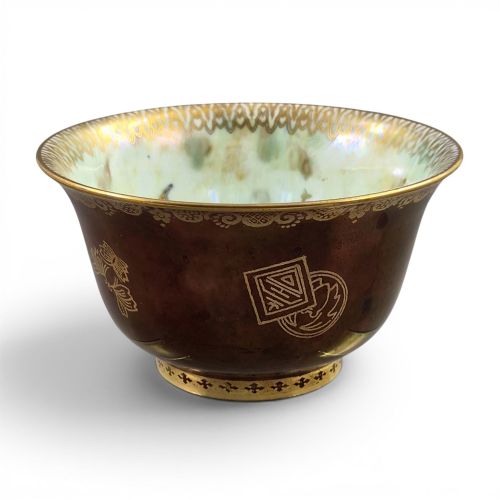
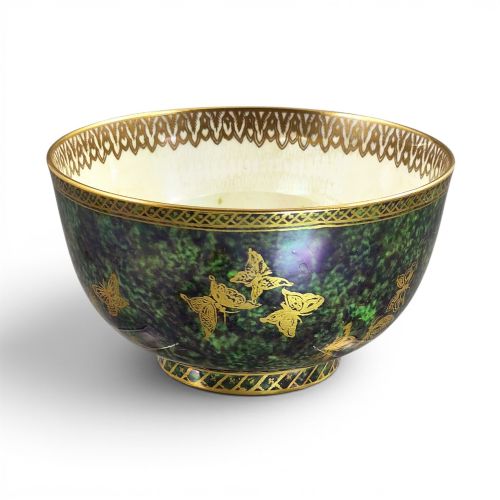
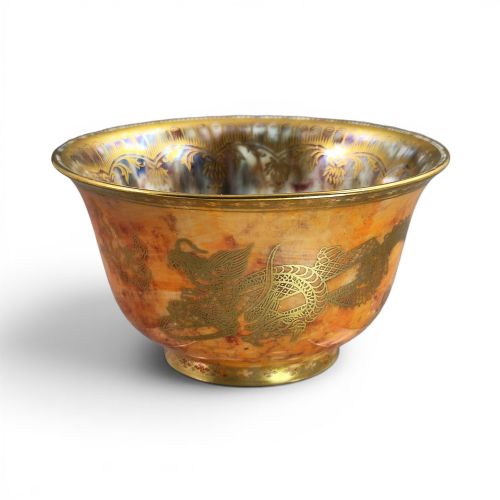
Bowl is the single commonest word in a listing title, and lustre runs close behind it. One title in five names Daisy Makeig-Jones, the designer of the Fairyland range and the ordinary lustre bowls beside it, and those bowls make up a good part of what is currently for sale. Butterfly and dragon subjects recur, and pattern numbers in the Z series are quoted in titles often enough to be worth reading.
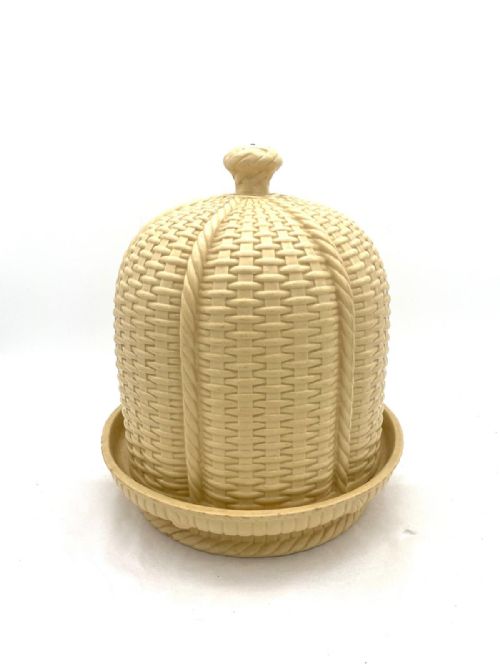
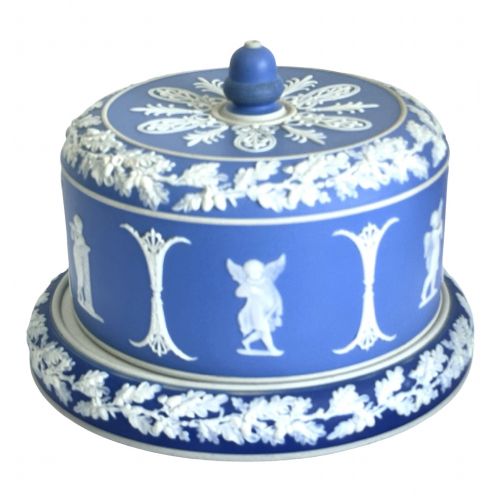
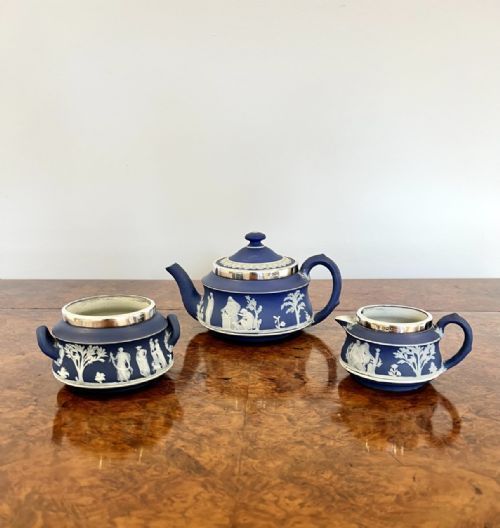
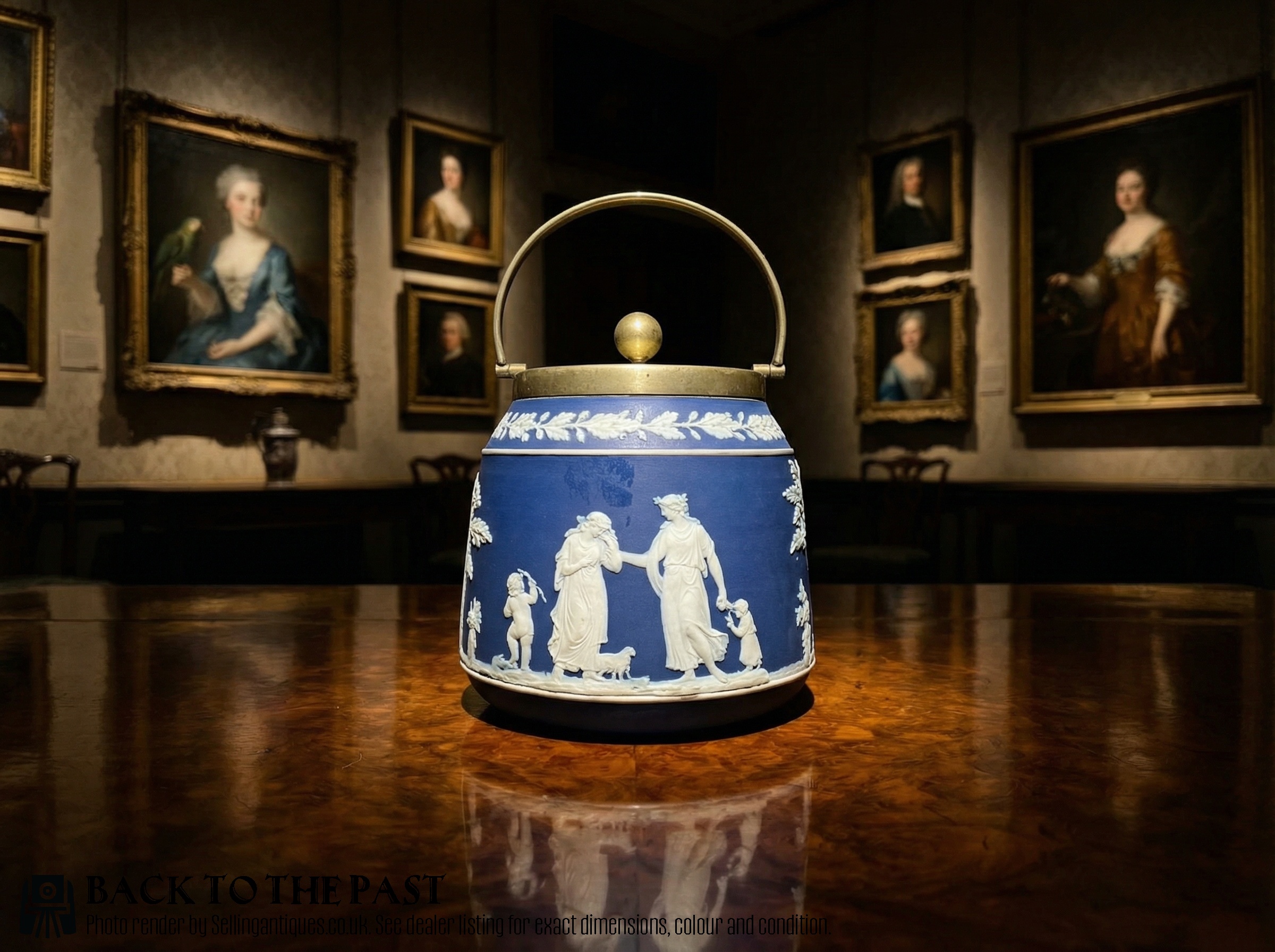
The jasperware side turns up as table furniture more than as ornament. Biscuit barrels are the recurring shape, with cheese domes, candlesticks, jardinieres, teapots, tea sets, plaques and campana urns behind them. Caneware appears almost always as a game pie dish or tureen moulded to look like raised pastry, and blue-and-white printed platters and tureens, the Bamboo pattern among them, sit mostly in the archive rather than in live stock.
Dating is uneven. Around half the listings carry a clean year, running from 1800 to 1930; the rest use a period word, with 19th Century the commonest, then Victorian, Regency, Edwardian and Georgian. Decade labels cluster in the 1900s to 1920s for the lustre and in the 1880s and 1890s for the jasper, and the period word and the title date do not always agree.
Where The Range Splits
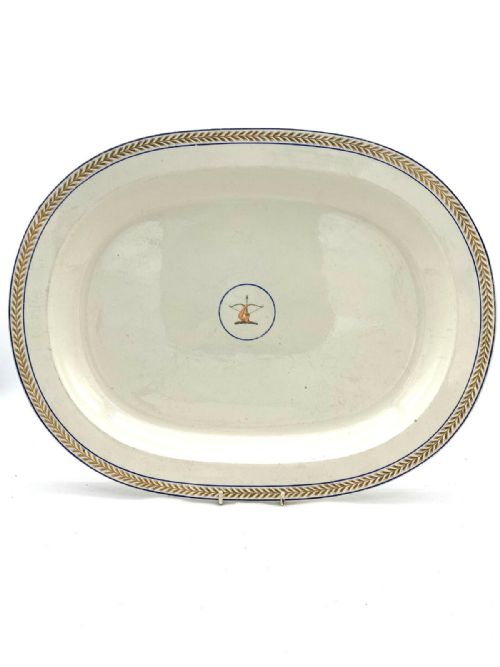
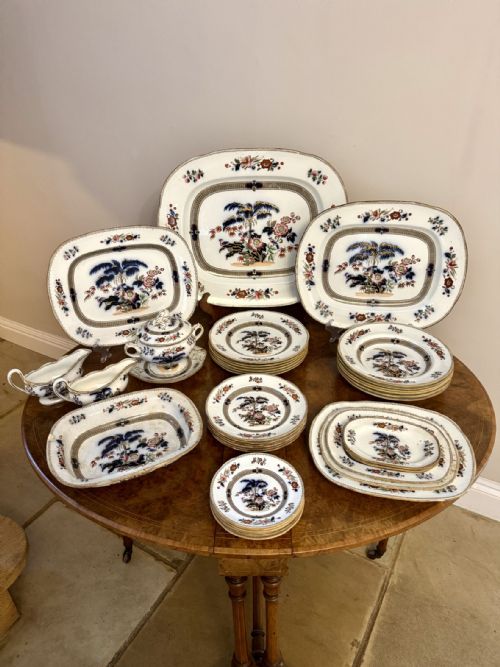
Completeness does more than anything else. The highest positions in this category are held by services rather than by any single ornamental piece: creamware dinner services with armorial and botanical painting, a Hibiscus dinner service, majolica dessert services. Tiles and small trinket boxes anchor the other end, and a single plate or barrel sits somewhere in between whatever the body.
A designer's name lifts a piece. Titles naming Daisy Makeig-Jones sit through the upper half, and within her lustre the subject matters too: King Dragon, Celestial Dragon and Dragon Lantern bowls sit above plain and mottled lustre. Other names appear only in ones and twos, Keith Murray among them, John Skeaping another.
Scale and number tell in the jasper and the tablewares. Pairs of campana urns, cache pots, candlesticks and platters sit above their single equivalents, large bowls above small, and miniature marks the bottom of the scale. Three-colour jasper, on a biscuit barrel or a cup and saucer, sits well above plain blue-and-white.
Antique Wedgwood Retail Price Guide 2026
Typical UK retail prices for wedgwood, calculated from the Sellingantiques database of over a million retail prices indexed since 2003. This retail price guide relies exclusively on Sellingantiques data; no external sources or auction records are used, so the figures do not describe the wider market.
19th Century is the period label used most for Wedgwood on Sellingantiques, with the 1920s next and the 1910s third.
The Antique Wedgwood Glossary
- Jasperware
- Unglazed coloured stoneware with applied white relief decoration, usually blue, and the commonest named body in these listings.
- Jasper dip
- Used in titles where the colour is a coating over a white body rather than running through the stoneware itself.
- Caneware
- Buff-coloured stoneware, which in this category nearly always means a game pie dish or a tureen.
- Game pie dish
- A lidded dish moulded to imitate raised pastry crust, sometimes with a separate liner inside.
- Fairyland Lustre
- The named lustre range with fantasy scenes, quoted alongside ordinary lustre bowls in butterfly, dragon and mottled patterns.
- Pattern number
- Lustre design codes in the Z series, such as Z4823, Z4830/H and Z5176, quoted in the title.
Antique Wedgwood: Frequently Asked Questions
What sort of Wedgwood turns up most often?
Bowls. The word appears in more titles than any other, and most of those are lustre bowls from the early twentieth century.
Behind them come jasperware table pieces, with the biscuit barrel as the recurring shape, and caneware game pie dishes.
Who is Daisy Makeig-Jones?
The designer named in one listing title in five, which makes her name almost as common in this category as the word jasperware.
Her work here is the lustre: Fairyland scenes, dragon and butterfly patterns, and plainer lustre bowls. Titles often quote her name alongside a Z pattern number.
How old is most of it?
The dated listings run from 1800 to 1930. Around half carry a clean year and the rest give only a period word, most often 19th Century.
Decade labels bunch at both ends: the 1880s and 1890s for jasperware, the 1900s through the 1920s for lustre. A couple of titles claim 1780s or 1790s dates for creamware and basalt.
Which pieces sit at the top of the range?
Complete services. Creamware and majolica dessert and dinner services take the highest positions, above any single ornamental piece.
Tiles and small trinket boxes sit at the bottom.
Are there figures in this category?
Very few. This is tableware and table furniture: services, tureens, platters, barrels, urns, candlesticks and bowls.
Only a handful of figures have passed through, among them a Skeaping deer and a sea lion.
What are the odder things listed under Wedgwood?
An invalid feeder, a lemon strainer, a quill holder dish, a bin label, a set of jasper fumigators and a complete ceramic bathroom set have all appeared.
Two pottery foot baths have come through as well, one printed with the Tower of London seen from the Thames. Tiles arrive in named series, including Months of the Year and a Game series.