



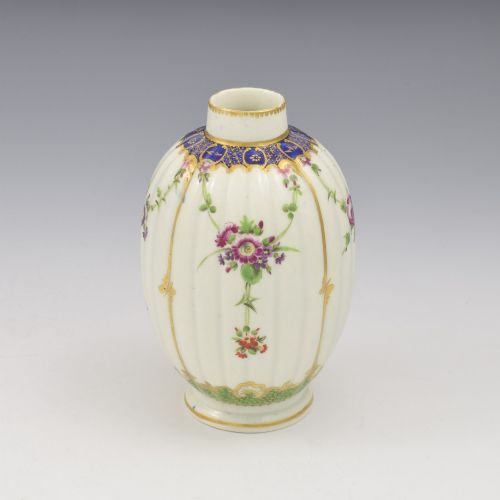
Antiques Blue and White
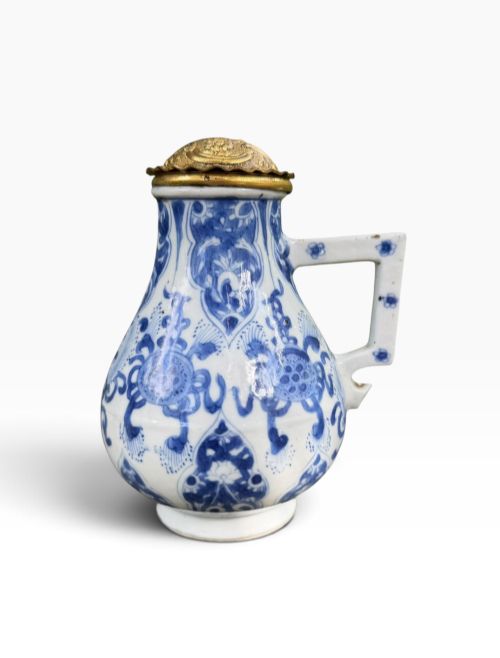
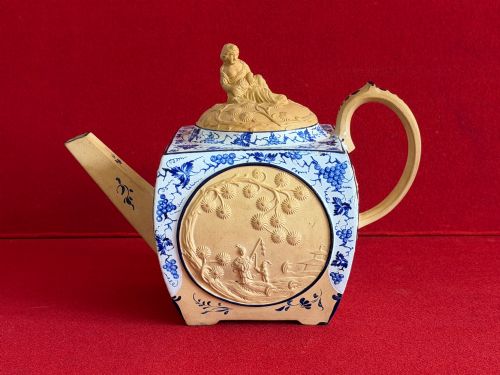
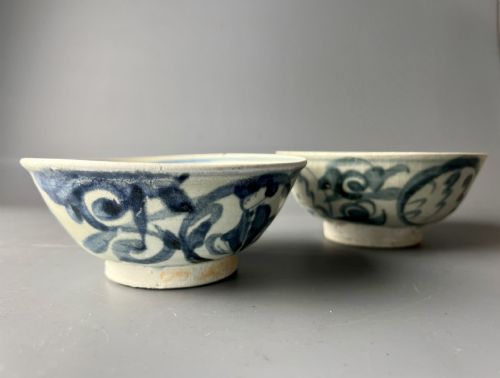
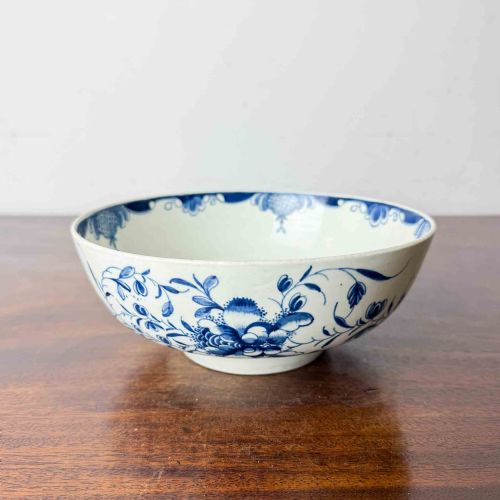
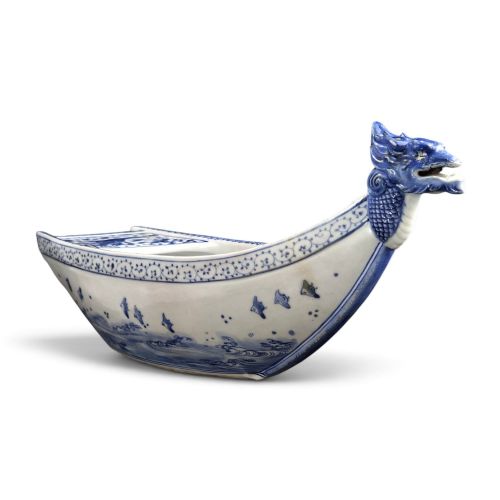
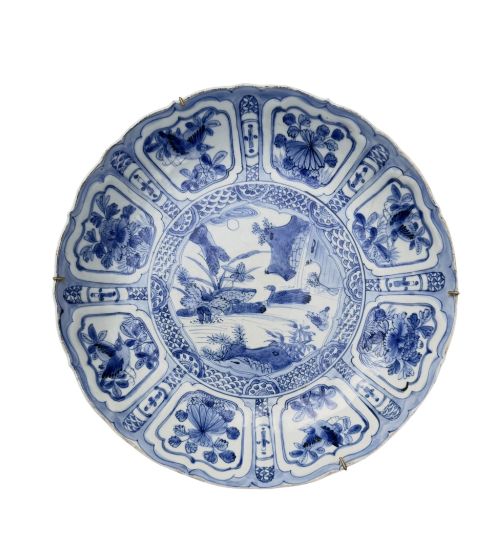
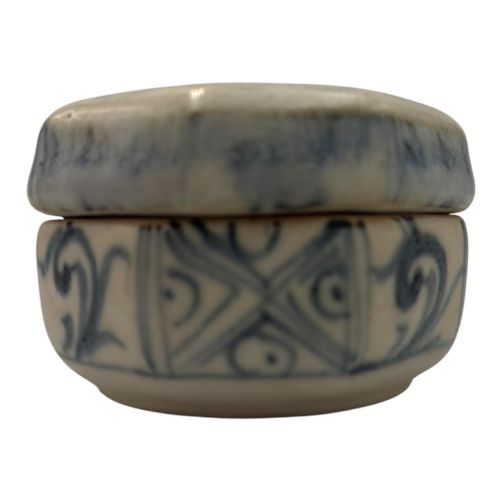
Cobalt decoration on a white ground, painted or printed, mostly on tableware and serving pieces made to be used at table or set out on display.
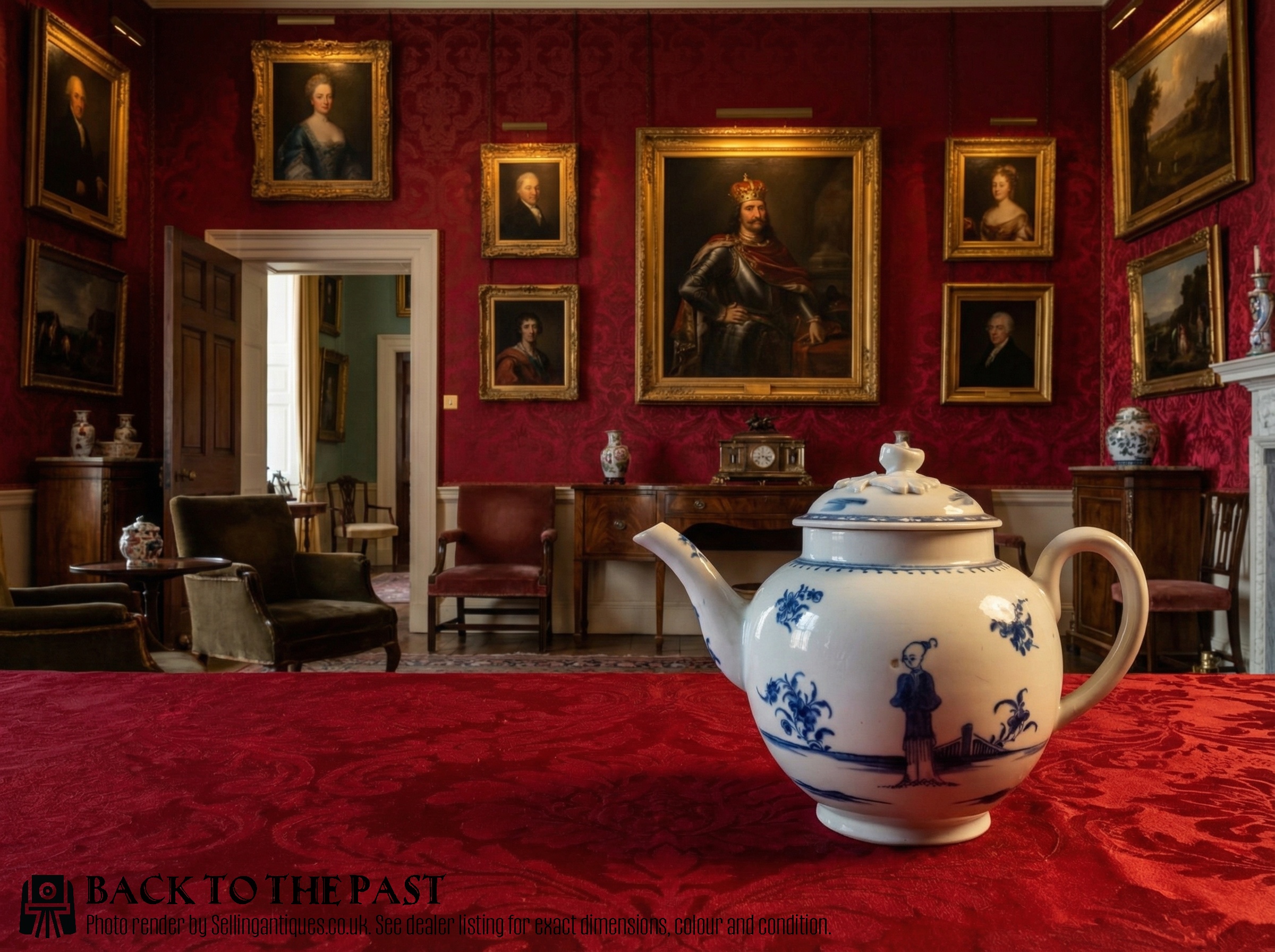
Antiques Blue and White
It's a decorative scheme rather than a factory, a body or a country. Cobalt under a clear glaze held together across porcelain, earthenware, tin-glazed delft and faience, and ironstone, because cobalt was one of the few pigments that would survive a high glaze firing.
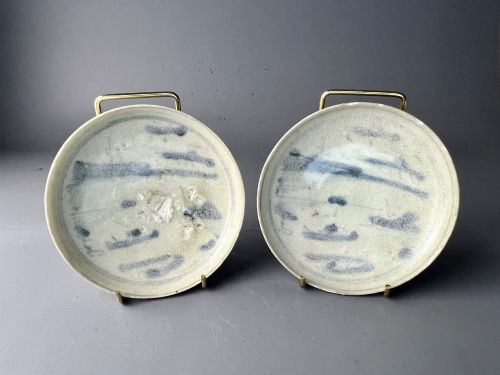
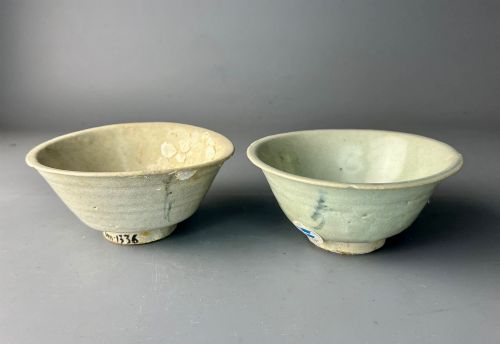
What turns up is dominated by flatware and serving pieces. Bowls lead the titles, then dishes, chargers and platters, with meat plates, drainers, tureens and their stands close behind. Teapots and teaware are a much smaller run. Roughly one in eight listings is described as large, and one in eleven comes as a pair.
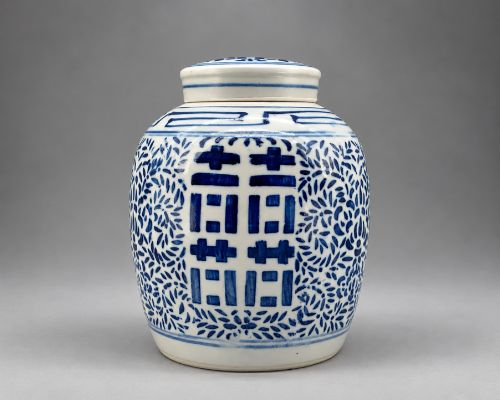
Origins split three ways. English pieces and Chinese pieces are the two big blocks, with Japanese porcelain behind them and Dutch, French and Italian wares in smaller numbers. The largest single branch is English transfer-printed pottery and ironstone, carrying named patterns such as Willow, Italian, Tower, Caramanian and Bridge of Lucano. Chinese export and earlier porcelain follows, running to ginger jars, jardinieres, brush pots and kendi. Tin-glazed delft and faience make up about one in eight, and Japanese Arita, Imari and Hirado under one in ten. A smaller band of 18th-century English porcelain sits in the middle and upper part of the range.
Dating is mostly by broad label. '19th Century' and '18th Century' between them outnumber every decade bucket combined, with Georgian, Victorian and Regency doing further work. Twenty listings sit in the 17th century and sampled titles reach earlier still. Where a title says Kangxi, or 18th/19th century, that's a period attribution rather than a documented year, so single years are the dealer's estimate.
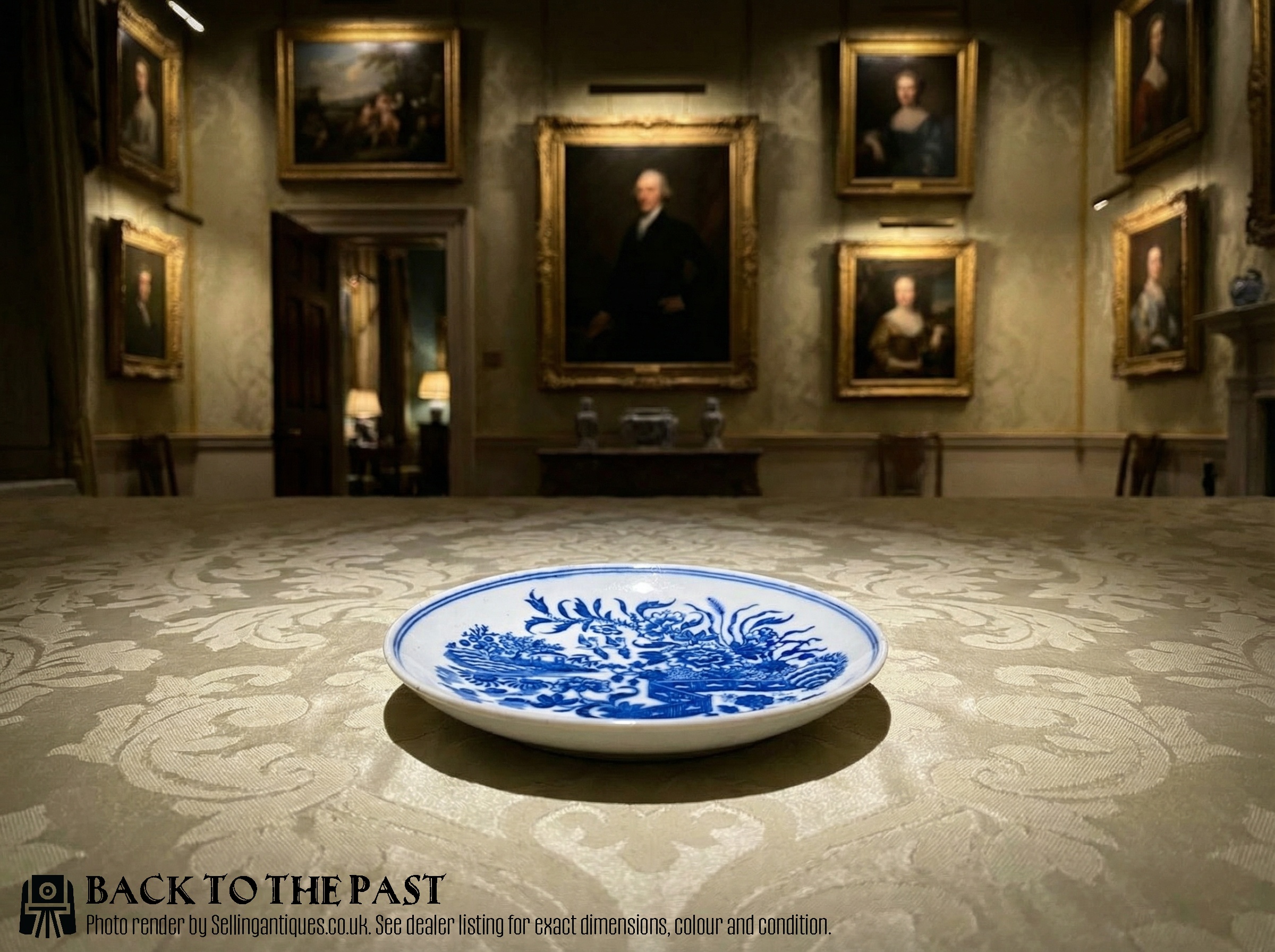
What Sets Them Apart
Scale and number move a piece up. Large appears in around one in eight titles, and the biggest sampled pieces, chargers stated at 71cm and 73cm and a 43cm maiolica dish, sit at the top of the range. Pairs of jars, jardinieres, chargers and platters run well above the single-piece band.
Completeness does the same work at the level of the set. Dinner services, child's services, supper sets, a twelve-place service, sets of ten and fourteen plates, a collection of fourteen meat drainers and a garniture of three vases all sit in the upper half. Single plates and single tiles cluster at the bottom.
Then naming and date. A titled pattern or a factory attribution lifts a piece clear of the generic blue and white bowl, and earlier attributions lift it further: Ming, Kangxi and 17th-century pieces sit highest, early 1900s to 1930s wares lowest. Form matters too. Footbaths, garden seats, milk pails, tulipieres, kendi and posset pots appear once or twice each and sit high, while tiles, saucers and pickle dishes recur and sit low.
Antiques Blue and White Retail Price Guide 2026
Typical UK retail prices for antiques blue and white, calculated from the Sellingantiques database of over a million retail prices indexed since 2003. This retail price guide relies exclusively on Sellingantiques data; no external sources or auction records are used, so the figures do not describe the wider market.
Apothecary wares form their own small cluster on Sellingantiques: albarelli, wet drug jars, a tobacco jar and a chemist's bottle, mostly 17th and 18th century tin-glaze.
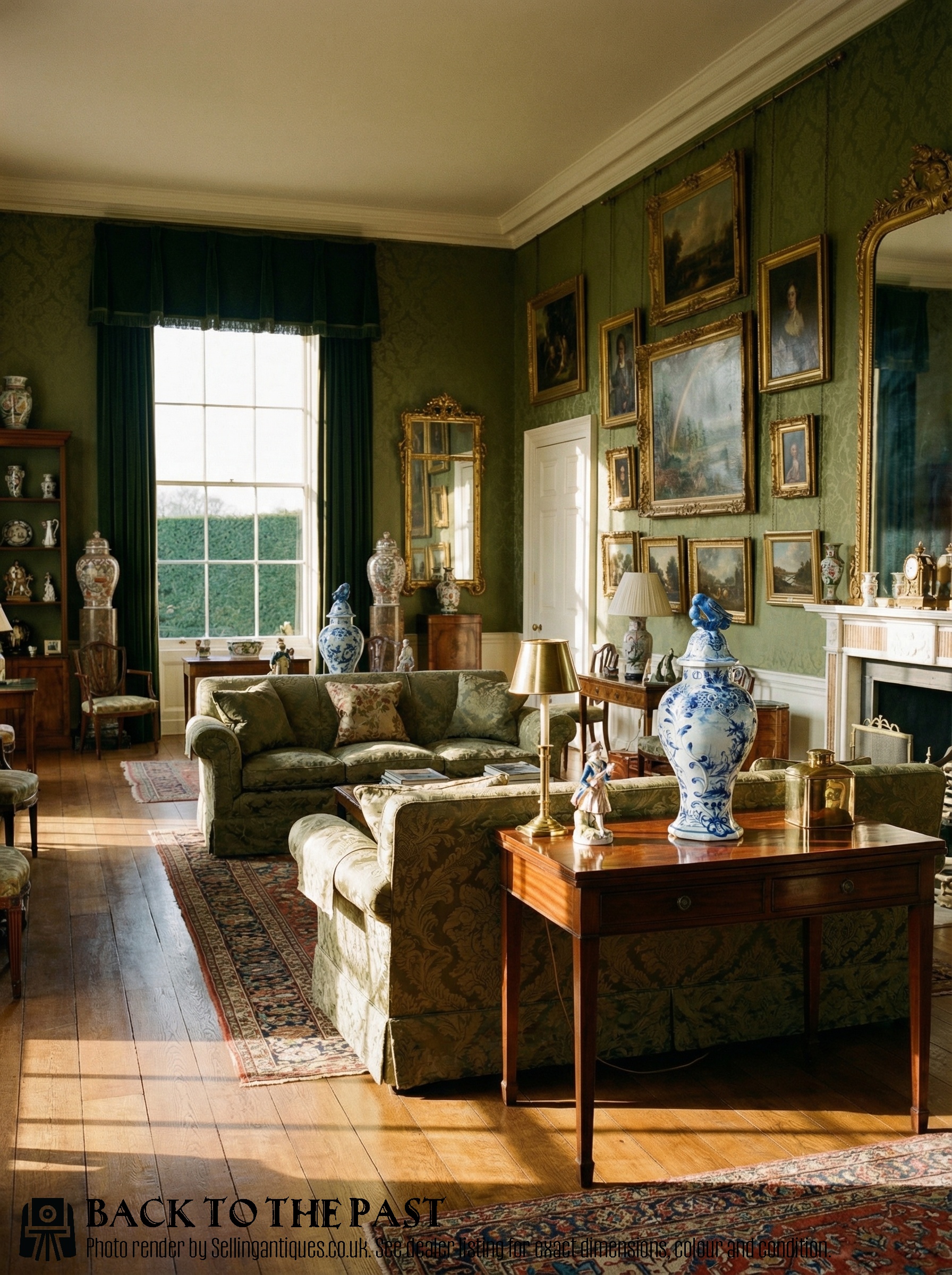
The Antiques Blue and White Glossary
- Transfer print
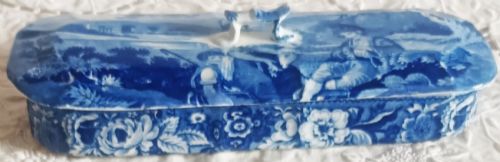
- A pattern printed from an engraved copper plate onto paper and laid on the ware, rather than painted by hand. It appears in a large run of English titles.
- Charger
- A large flat dish made for display or serving, and one of the commonest words in the titles here.
- Meat plate and platter
- Big oval dishes for a joint, sometimes sold with the drainer, the pierced insert that lifted the meat clear of its juices.
- Tureen and stand
- A covered serving vessel with its matching underplate. Tureens, stands and covers all appear in quantity, and the two parts don't always arrive together.
- Delft and faience
- Tin-glazed earthenware, hand-painted. Delft covers the Dutch and English wares, faience the French and Italian version of the same thing.
- First Period
- The earliest Worcester porcelain, also written Dr Wall. 'First' turns up in a run of titles alongside Caughley, Derby, Bow, Lowestoft and New Hall.
Antiques Blue and White: Frequently Asked Questions
How many blue and white pieces sell each year?
Around 88 are listed a year on Sellingantiques, and 143 different dealers have handled them.
That makes it one of the widest-carried groupings on the site rather than a specialist corner. You'll see it turning up in general stock as often as in ceramics-only listings.
Is blue and white always Chinese?
No. English titles and Chinese titles are the two largest origin blocks, running close together, with Japanese pieces behind them.
Dutch, French and Italian wares appear in smaller numbers. The scheme began in Chinese porcelain and travelled by sea trade, prompting tin-glazed copies in the Netherlands and Britain, then mass-produced transfer-printed earthenware from the later 18th century.
What forms other than tableware turn up?
Washing and bathing wares are a persistent minor thread: footbaths recur, along with a toilet with seat, a patterned sink, ewer-and-basin sets and a milk pail.
Apothecary vessels form their own small cluster, mostly 17th- and 18th-century tin-glaze, including albarelli, wet drug jars, a tobacco jar and a chemist's bottle.
One-offs surface too: a tulipiere, a barrel garden seat, a Persian kendi, a dog bowl, a butcher's shop tile.
Are children's pieces part of this category?
Yes, and they run right through the range.
At the lower end there's a miniature toy and a Dutch delft miniature armchair. Complete child's dinner and tea services sit near the top, where completeness counts for as much as it does in full-size services.
What does a named pattern in the title mean?
It means the dealer has identified the printed design. Willow, Italian, Greek, Tower, Caramanian, India Temple, Elephant, Wild Rose and Bridge of Lucano all appear in titles across the English transfer-printed block.
'Pattern' is one of the frequent words in the whole grouping. Named-pattern and named-factory listings sit consistently above the unattributed blue and white bowl or Delft charger.
Which pieces are the most specifically localised?
The tin-glazed ones. Delft accounts for roughly one in ten titles, and sampled Dutch and English examples name Bristol, Lambeth and named Delft factories.
Elsewhere the labels are broader: Chinese export, Japanese Arita, Staffordshire. Faience covers the French and Italian tin-glaze under a single word.