





Antique Ginger Jars
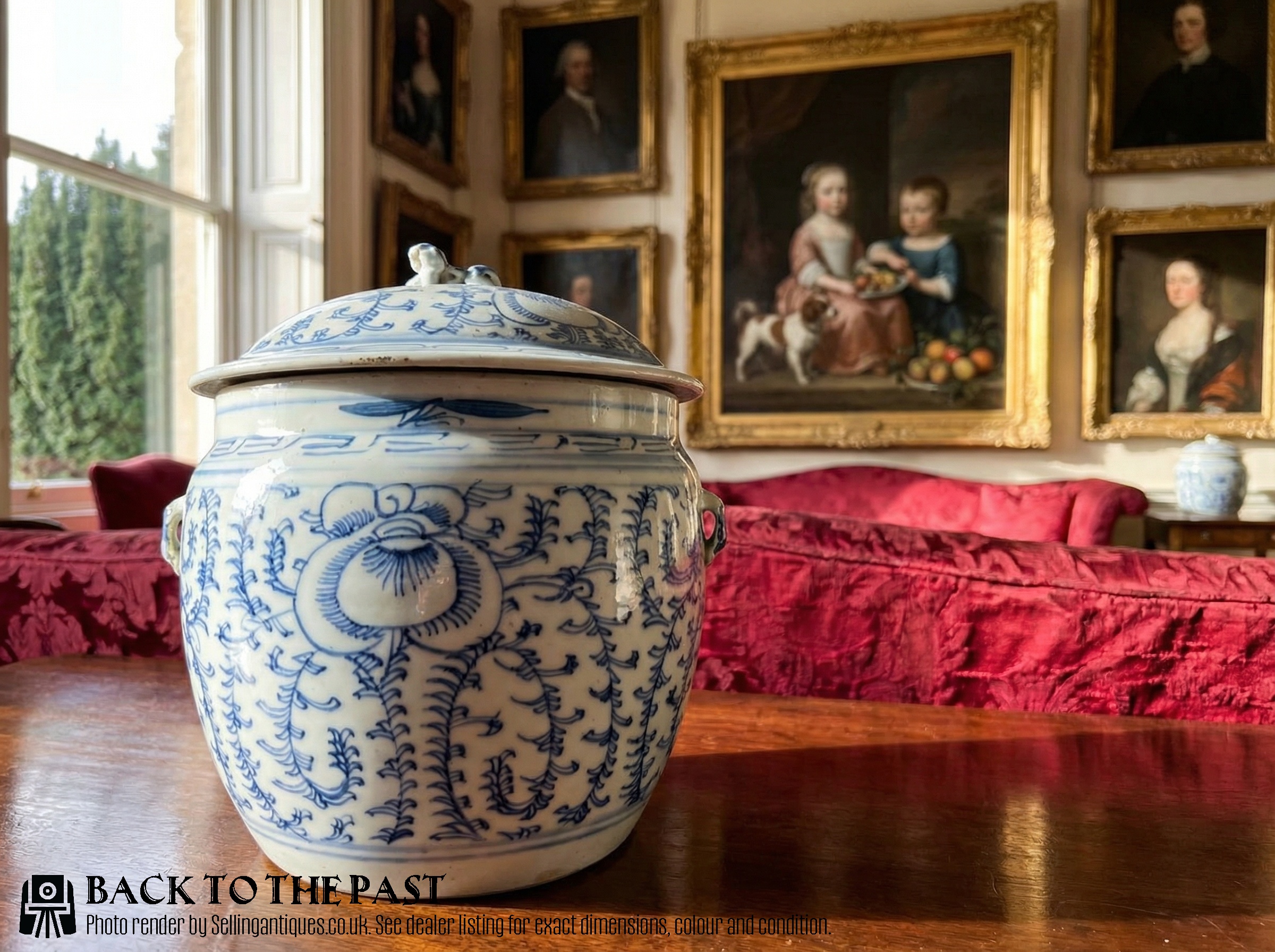
A lidded ceramic jar of ovoid or barrel form, usually porcelain, named for the preserved ginger and other foodstuffs shipped from China in jars like it and kept for display once emptied.
Antique Ginger Jars
The form is Chinese in origin: a lidded ovoid porcelain jar, shipped west full and kept afterwards as an ornament. Western factories later took up the shape as a decorative object in its own right, which is why the heading covers two quite separate populations of jar.
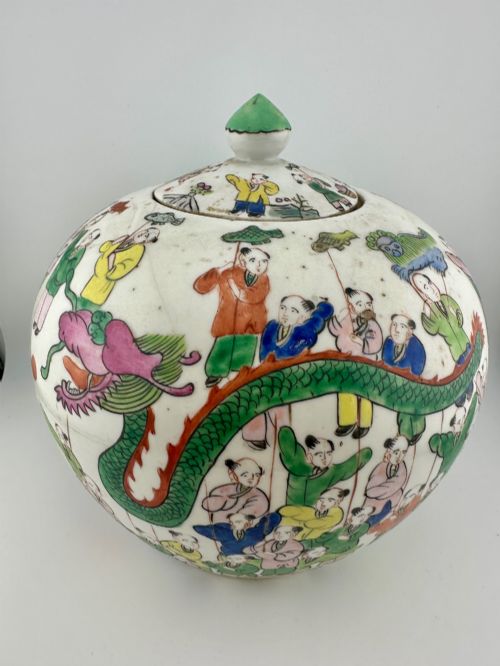
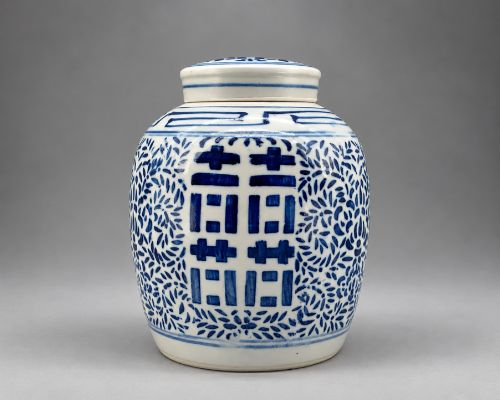
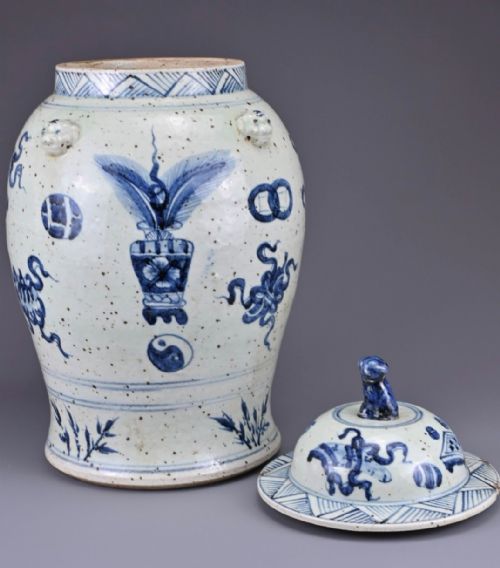
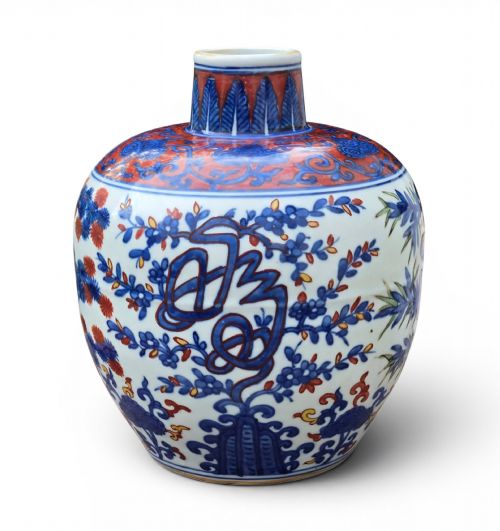
The one you are most likely to meet is a single Chinese porcelain jar with its cover, painted in underglaze blue and white or in famille rose enamels. Chinese appears in more than four titles in ten on Sellingantiques, and titles run across the 19th century with reign names such as Kangxi, Tongzhi, Guangxu and the Republican period used as dating shorthand.
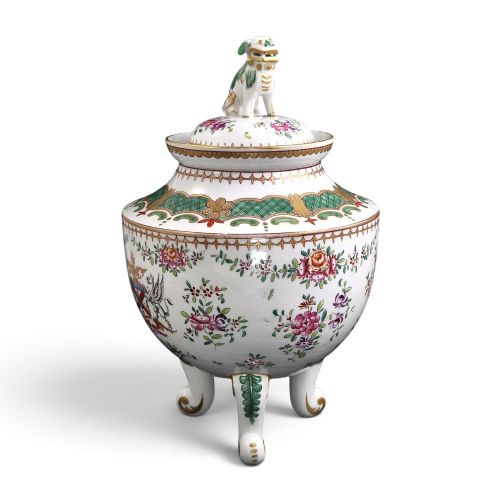
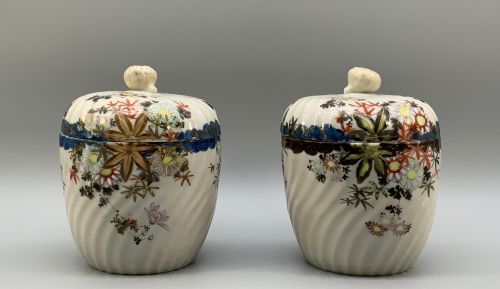
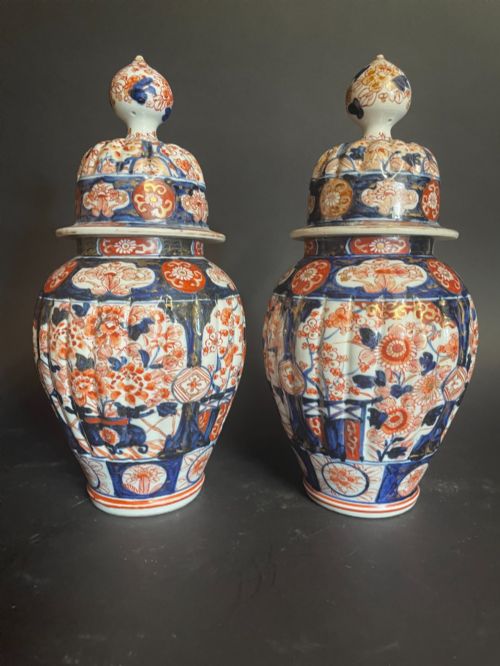
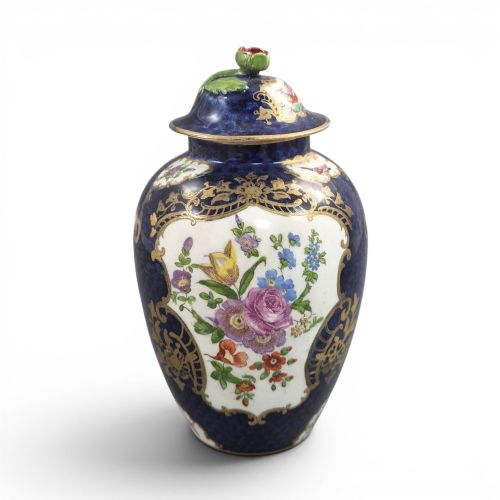
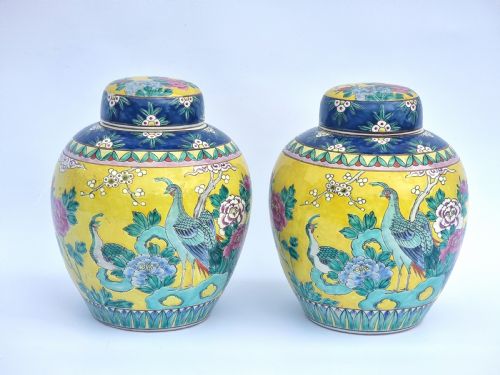
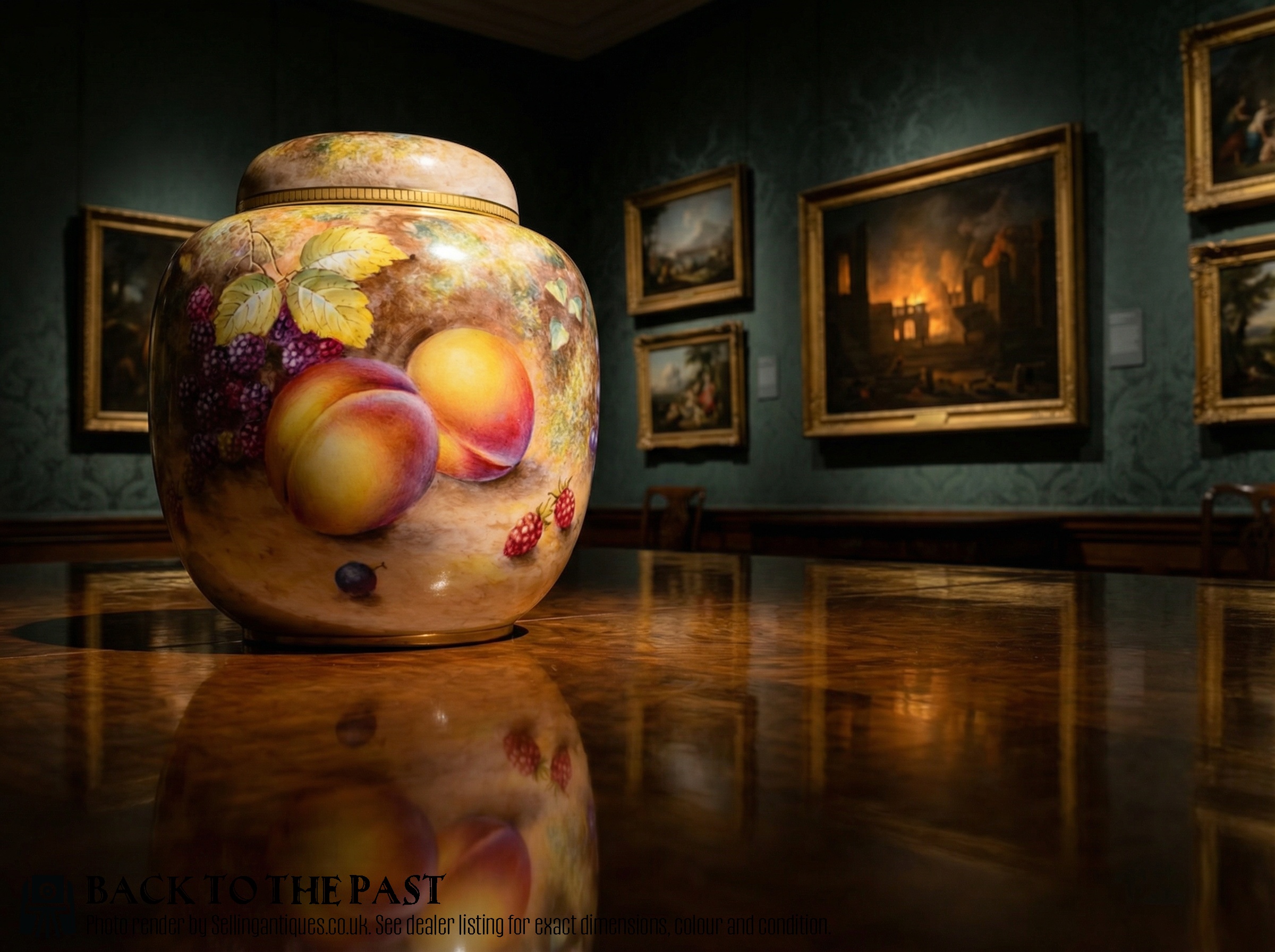
Second comes English factory work, and Royal Worcester dominates it: sixteen of ninety-six titles, hand-painted fruit on a mossy ground, with the sampled examples dated 1950 or 1960. Japanese export jars form a smaller group again, named in titles as Imari, Arita, Kutani and Satsuma, often of the Meiji period.
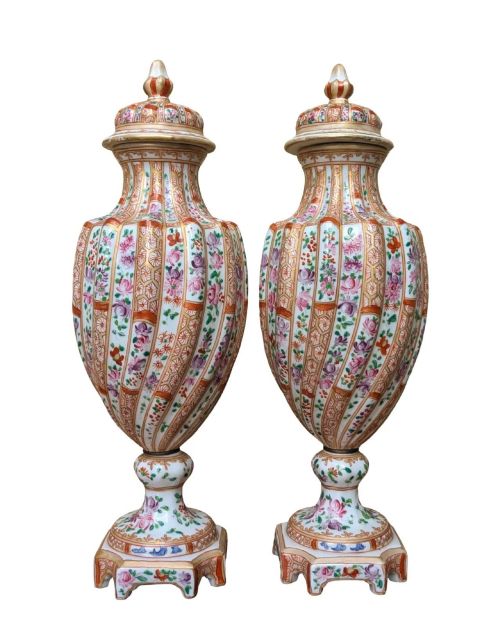
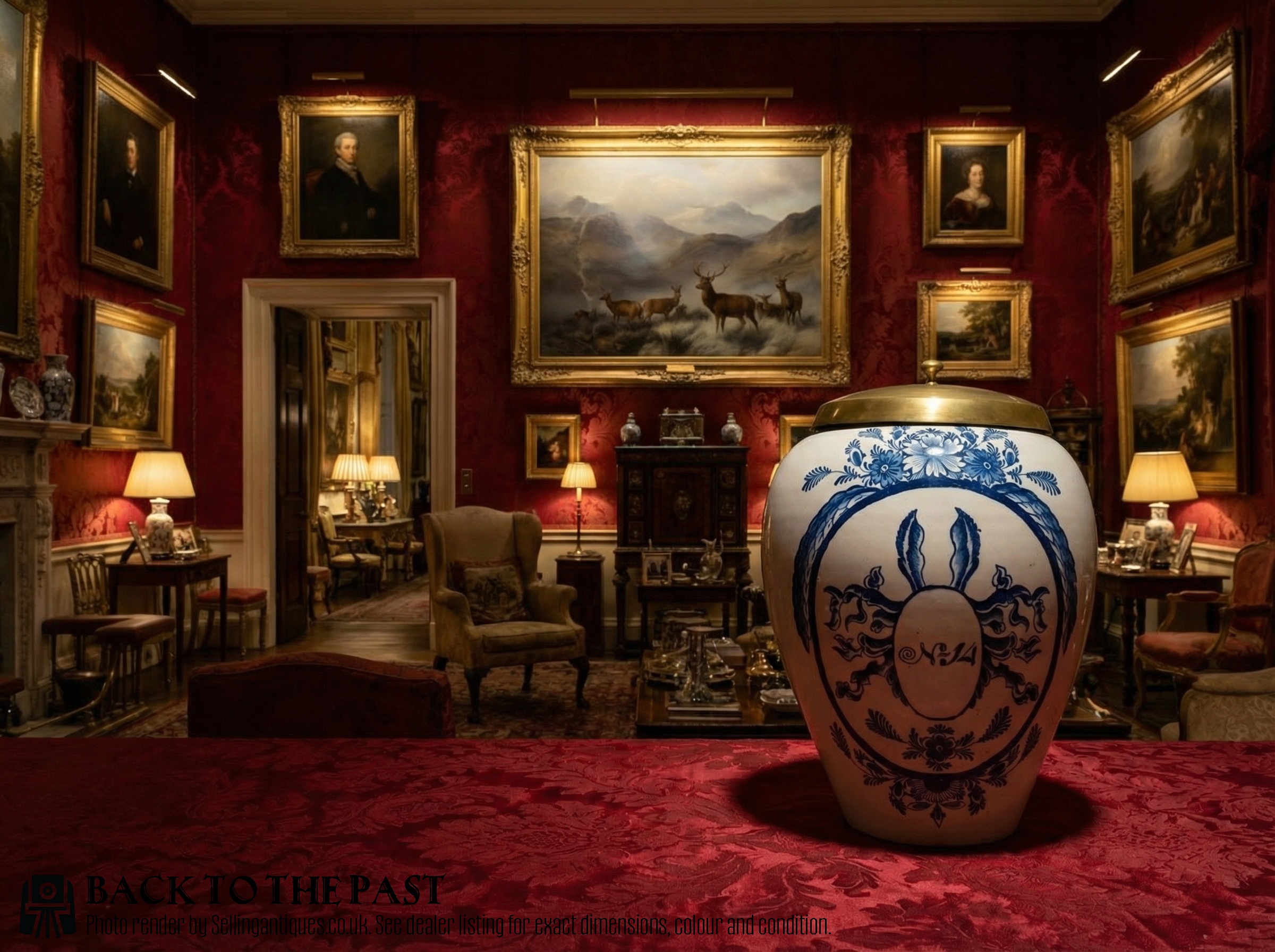
Pairs matter here. Eighteen titles are pairs rather than singles, and the habit crosses every branch, from Kutani and Delft through to signed Worcester. Beyond those groups sit scattered one-offs: Masons, Carlton Ware, Moorcroft, Bernard Moore, Delft, Herend, Booths and maiolica each turn up in single titles.
The Range
Dating precision does a lot of the work at the Chinese end. Titles that cite a reign and period, a Kangxi date or a Guangxu or Jiajing mark, sit far above those that say only antique Chinese ginger jar. The top of the archive is a single imperial underglaze blue and iron-red 'Longevity' jar with a Jiajing mark for 1522-1566, a reign that appears nowhere else.
Decoration separates the rest. Plain blue and white examples sit low in the range, while doucai dragon, famille verte, wucai and gilt Satsuma jars sit high. Scale pushes the same way: eleven titles lean on the word large instead of a measurement, and large jars recur in the upper part of the range.
On English pieces the painter's name is the lever. Royal Worcester fruit jars attributed to Freeman, P Love, John Smith and Jas Stinton occupy the upper half, and signed pairs go highest of all. Pairs beat comparable singles across the board. The bottom belongs to small English factory jars and 20th-century Chinese double- and triple-happiness pieces.
Antique Ginger Jars Retail Price Guide 2026
Typical UK retail prices for ginger jars, calculated from the Sellingantiques database of over a million retail prices indexed since 2003. This retail price guide relies exclusively on Sellingantiques data; no external sources or auction records are used, so the figures do not describe the wider market.
Ginger jars have been listed on Sellingantiques since 2011.
The Antique Ginger Jars Glossary
- Cover
- The fitted top, given in titles as 'and cover' or 'with lid'. Around a fifth of titles name one.
- Blue and white
- Underglaze blue painting on a white body, and the commonest decoration named in this category.
- Famille rose
- One of the Chinese enamel palettes named for its dominant colour, alongside famille verte and famille noire, green and black ground.
- Painted fruit
- The Royal Worcester speciality, hand-painted fruit on a mossy ground, named in ten titles.
- Prunus
- Plum-blossom pattern, usually reserved in white against a blue ground.
- Clobbered
- Later enamel overpainted onto an earlier blue and white jar. Two titles use the word.
Antique Ginger Jars: Frequently Asked Questions
Are ginger jars Chinese or English?
Both, and the heading carries the two side by side. Chinese appears in more than four titles in ten, Japanese in about one in ten.
The English contribution is concentrated in Royal Worcester fruit-painted jars, sixteen titles of ninety-six. A thinner scatter of other English and European factories fills in behind them.
How old are most of them?
The dated field runs 1800 to 1960, with fifty-two of ninety-six listings carrying a clean year. The single largest bucket is the vague label '19th Century', at twenty-five listings, so half the 19th-century material is only loosely placed.
Earlier pieces exist. Four listings sit in the 17th century, including a provincial Ming pottery jar and a pair of Kangxi ovoid jars given as about 1690.
The other weight is mid-20th century, almost all of it the Worcester fruit jars.
Why do so many come as pairs?
Pairs were made and kept as pairs for display, and eighteen titles on Sellingantiques are pairs rather than singles.
The habit crosses every branch: Kutani, Imari, Delft, Chinese blue and white and Royal Worcester. Pairs are commoner in current stock than in the sold archive, and they sit consistently above comparable singles.
What decoration turns up on them?
Blue and white leads, named in a sixth of titles, often with prunus reserved white against a blue ground. Famille rose, famille verte and famille noire enamels follow.
Japanese jars bring the Imari palette of blue, iron-red and gilt, plus Kutani porcelain and crackle-glazed Satsuma with dense enamel and gilding.
English jars go their own way, chiefly hand-painted fruit.
Do listings give sizes?
Not often. Sizes are stated only occasionally, and where they appear they are modest, 9 inches and 24cm in the sampled titles.
Eleven titles use the word 'large' instead of a measurement. Large examples recur in the upper part of the range.
Which unusual forms appear in the archive?
Single appearances make up a good part of the interest. A Malay-market kamcheng, a wucai jar with Buddhistic lions, and a doucai five-clawed dragon jar each turn up once.
So do a Herend tea caddy, a Bernard Moore jar and cover, and a Chinese jar fitted with a carved wooden lid and base. None of these repeats anywhere else.