
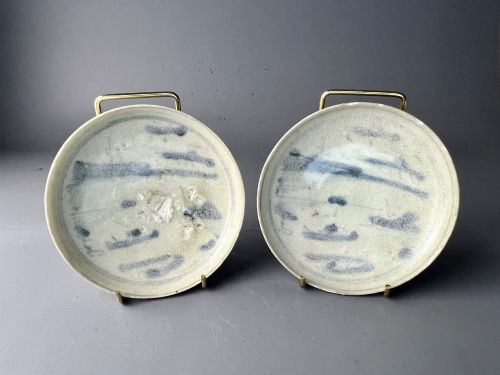
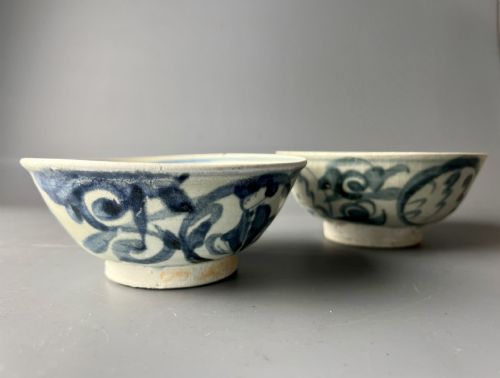
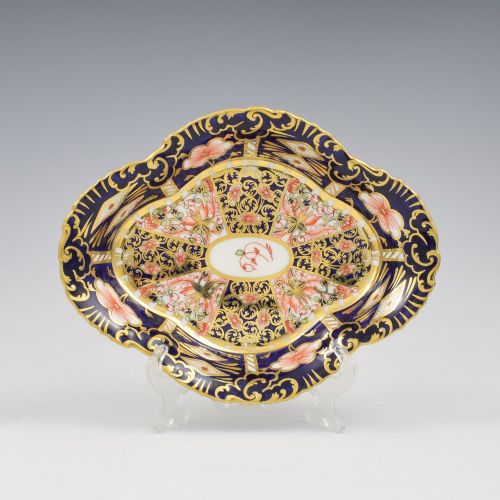
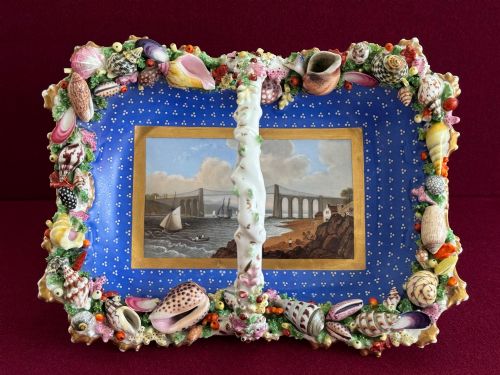


Antique Dishes
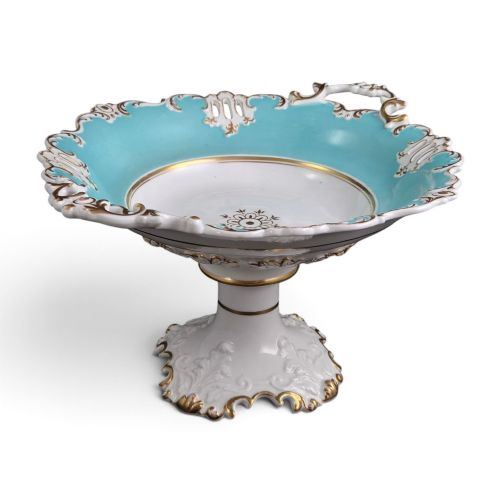
Flat and shallow ceramic serving wares, from small pickle and pin dishes to meat platters and display chargers of two feet and more, made to set food out at table or to hang and show.
Antique Dishes
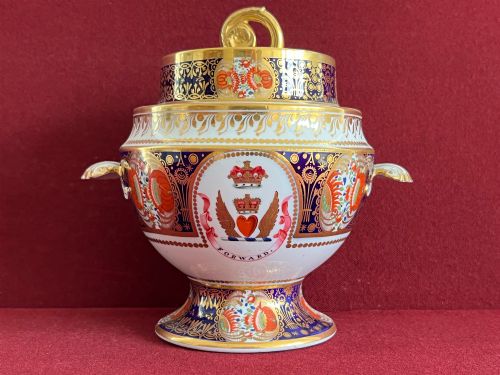
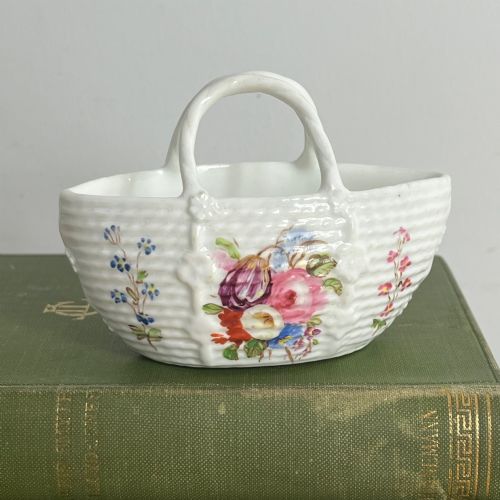
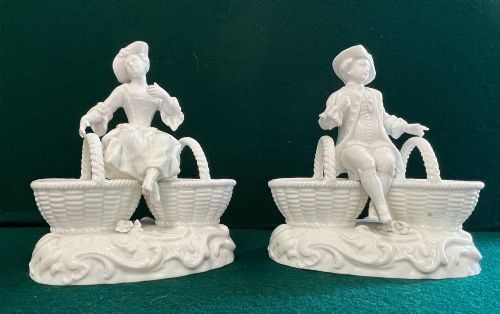
The word covers a lot. "Dish" appears in about half the titles on Sellingantiques, but "bowl", "charger", "platter" and "tureen" all sit in the same heading, so covered and footed forms come in alongside open ones. Around the edges are pieces that never went near dinner: trinket and pin dishes, powder boxes, soap dishes, cabinet plaques and centrepieces.
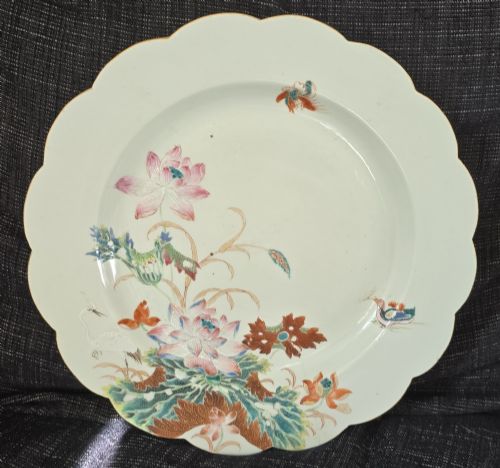
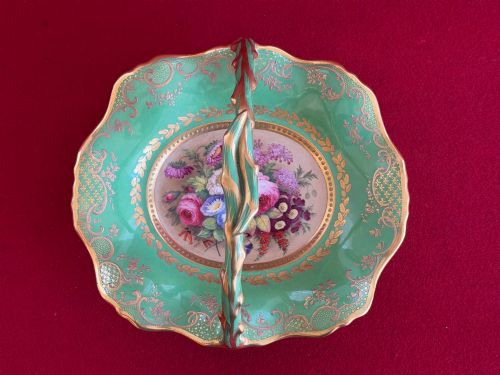
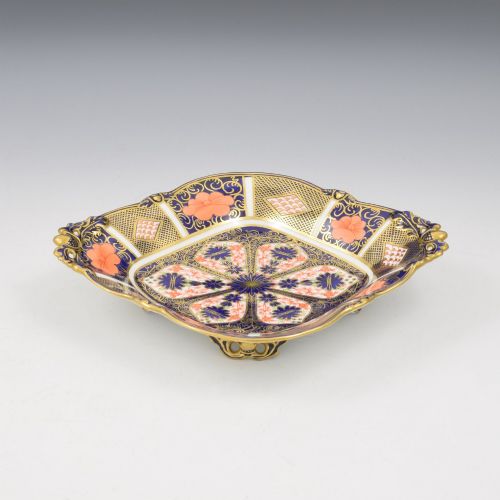
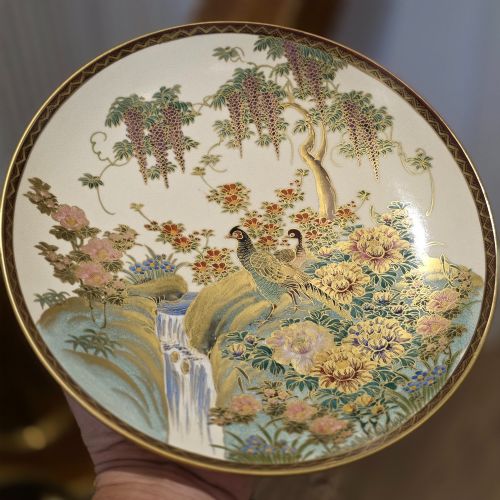
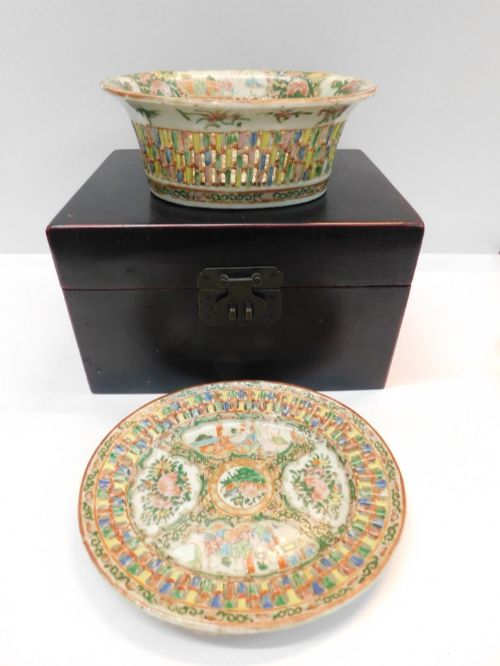
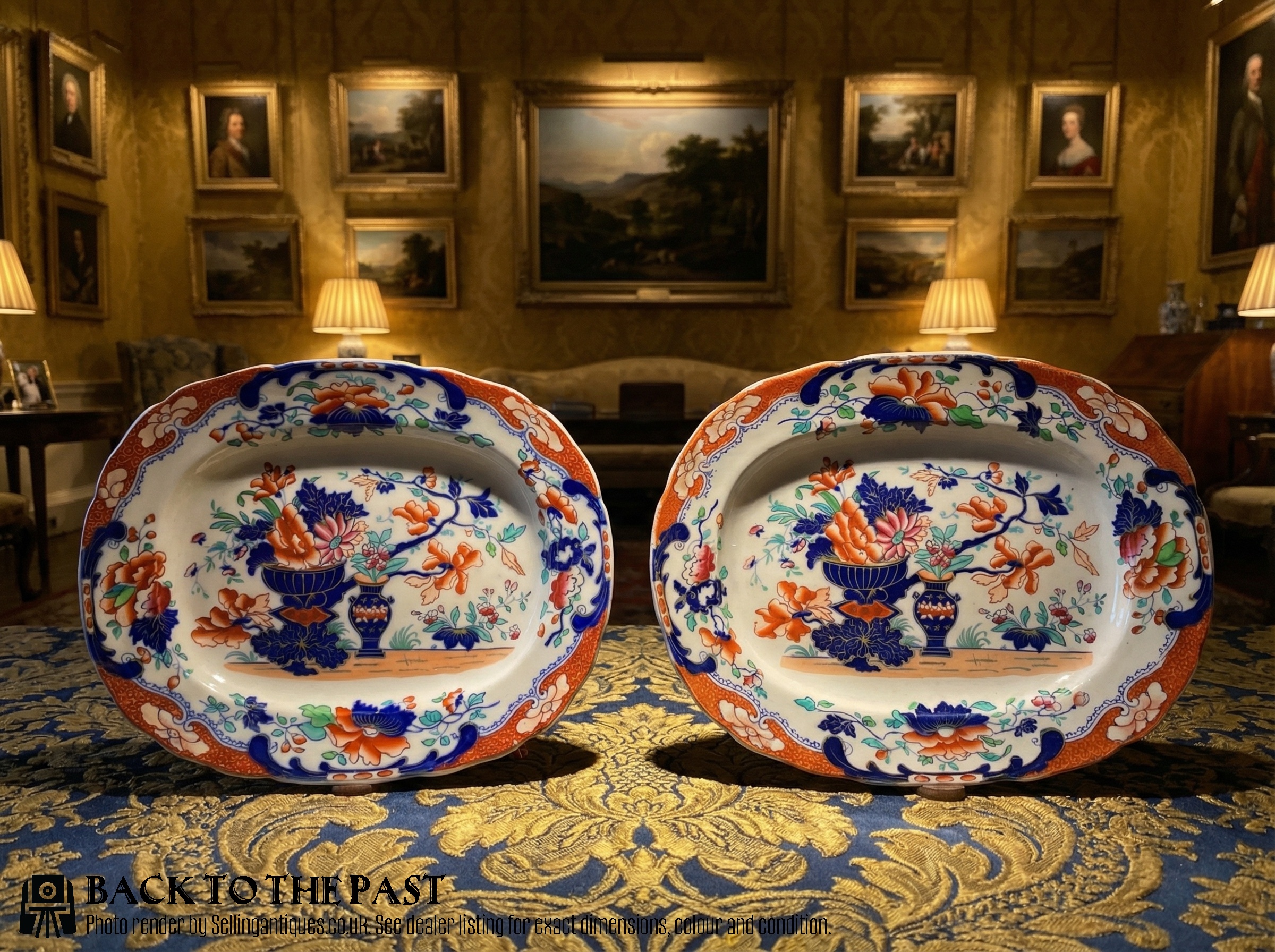
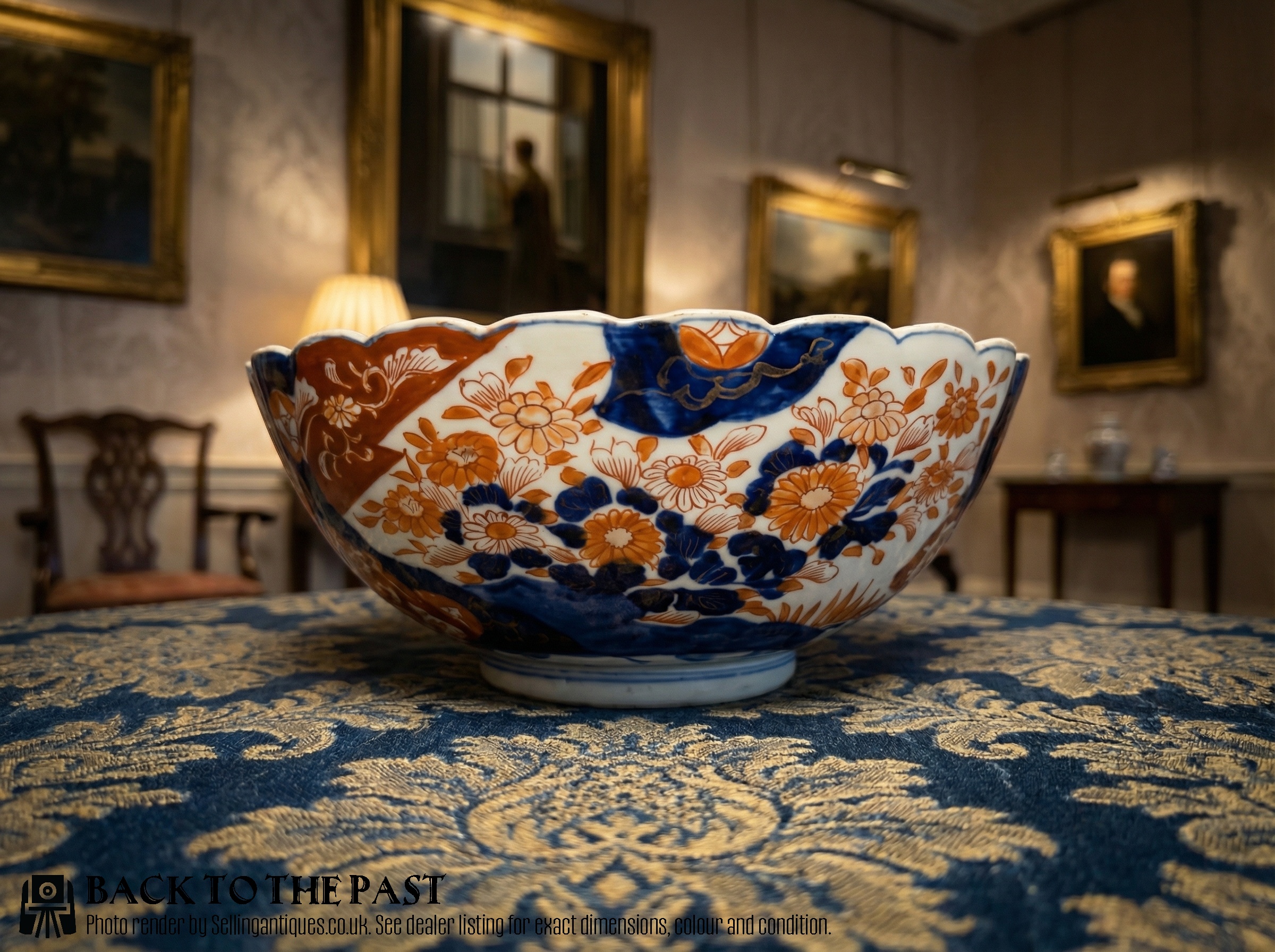
What you're most likely to meet is a single decorative dish or shallow bowl in porcelain, roughly a quarter of the titles. Three blocks dominate. English factory porcelain of the 18th and early 19th century, with Worcester in its various periods the largest name in the category. Japanese Imari, Arita, Kutani and Satsuma. And English blue-and-white transfer-printed pottery and ironstone. Victorian majolica, Chinese export and Continental porcelain and faience fill in behind them.
The specialised forms belong to the elaborate European dining service of the 18th and 19th centuries, when a meal was laid out in matched courses: dessert dishes, pickle dishes, cheese and game pie dishes, sauce and meat dishes. Chargers and big flat dishes were as much for display. Victorian tables produced forms with no modern equivalent, such as sardine dishes, stilton bells, tongue and brawn dishes, egg crocks and cress dishes.
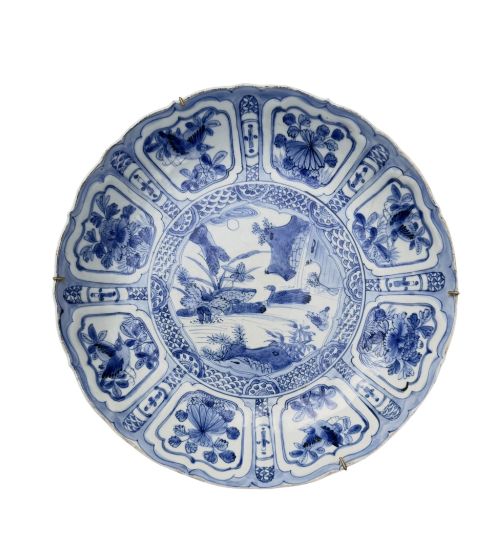
Dating is often broad rather than exact. "19th Century" and "18th Century" between them outnumber every decade, and "Victorian" and "Georgian" get used as dates in their own right. Where a decade is given it usually falls between the 1880s and the 1930s. Older things appear too, filed as "Before 1700": Kangxi, Ming, a Swatow dish, Sukhothai stoneware, a Kashan lustre bowl. The latest datable pieces run to the 1950s and 1960.
Where The Range Splits
Naming is what separates the top from the bottom. A title that says First Period Worcester, Bow, Chelsea, Vauxhall, Nantgarw, Swansea or a Chinese reign mark sits far above one reading simply "Imari Dish" or "Blue and White Ironstone China". The same object, identified to factory and period, is a different proposition from the same object left generic.
Hand-painting outranks printing. Painted decoration clusters high, and higher again where a painter is named: Royal Worcester fruit and game dishes attributed to Sebright, Ayrton, Townsend, Freeman, Stinton or Baldwyn, or Japanese pieces signed Gyokuzan, Kizan, Kozan or Shozo. Transfer-printed blue and white occupies the low and middle ground, which is why so much of it is affordable.
Then scale and completeness. "Large" turns up in a good many titles, and the pieces reaching furthest are display chargers stated at 63cm, 71cm and 73cm across. Pairs are common enough to be normal; sets do the work instead, from a run of eighteen Japanese plates with their storage box to a hundred-piece painted dinner service. Recorded provenance, ex-collection or "mark and of the period", lifts a piece again.
Antique Dishes Retail Price Guide 2026
Typical UK retail prices for dishes, calculated from the Sellingantiques database of over a million retail prices indexed since 2003. This retail price guide relies exclusively on Sellingantiques data; no external sources or auction records are used, so the figures do not describe the wider market.
The most expensive dishes ever sold on Sellingantiques were a Royal Worcester pair of oval painted fruit dessert dishes, star edged, decorated by H Ayrton, in July 2022.
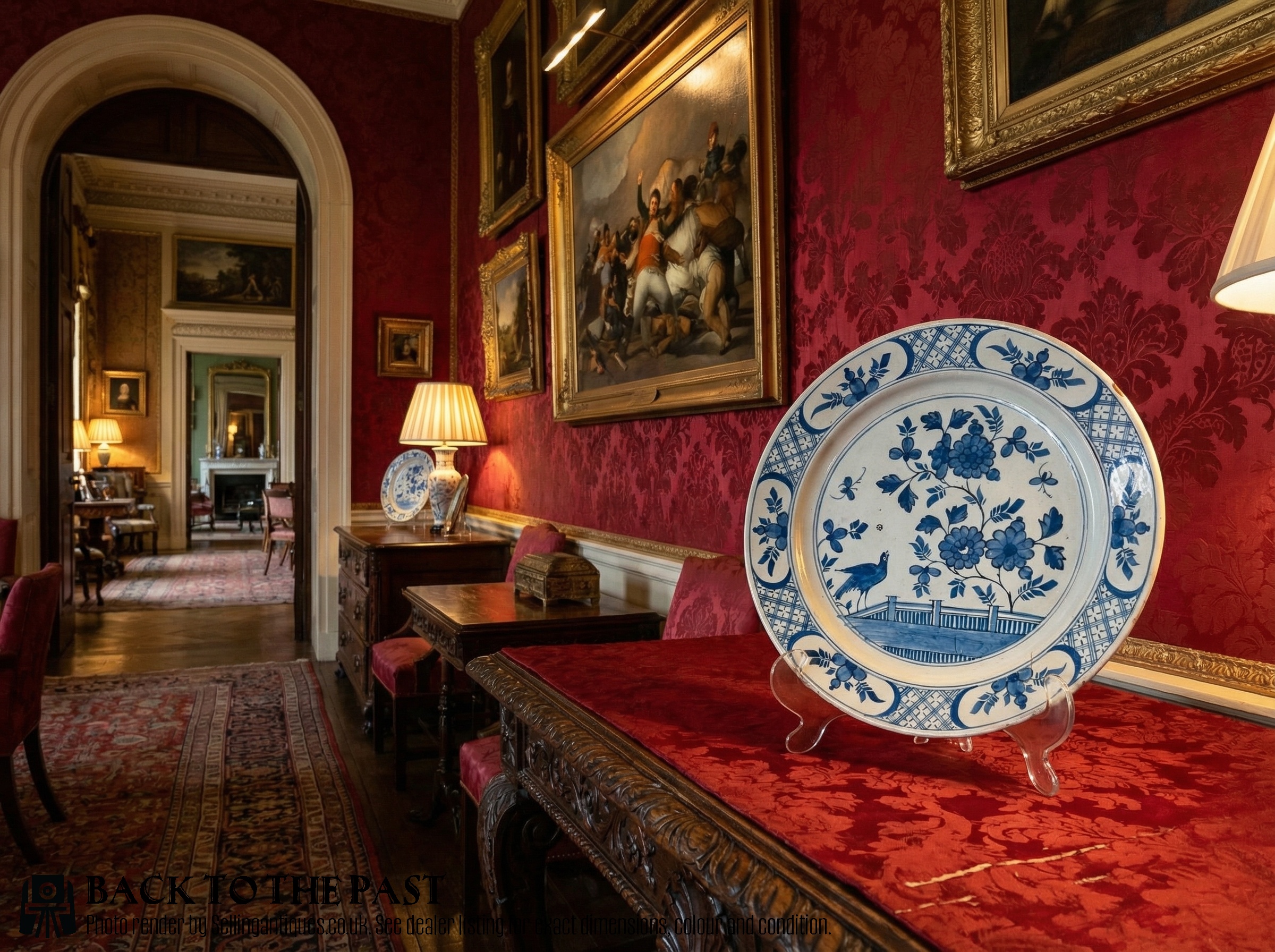
Samson
The Antique Dishes Glossary
- Charger
- A large flat dish made for display rather than service. Sampled diameters reach 71 to 73cm.
- Ironstone
- A dense, durable earthenware body, often with "Patent" or "China" worked into the name on the piece.
- Transfer print
- Pattern printed from an engraved plate instead of painted by hand, and usually blue and white.
- Imari
- Underglaze blue with iron-red and gilding. Japanese in origin, and copied in both China and England.
- First Period / Dr Wall
- The earliest Worcester porcelain, about 1751 to 1776. "First" in a title normally means this.
- Comport / compotier
- A footed dessert dish raised on a low pedestal.
- Pickle dish
- A small shaped dish for condiments, often modelled as a leaf or a shell, and a recurring 18th-century porcelain form.
- Blush ivory / blue scale
- Named Worcester grounds. Blue scale recurs across both First Period and later Worcester dishes.
Antique Dishes: Frequently Asked Questions
What is a charger used for?
It's a large flat dish, made for display as much as for serving. Chargers account for a substantial run of titles, and they're the biggest things in the category.
The largest sampled examples state 63cm, 71cm and 73cm across, with dealers reaching for words like monumental. Japanese Imari is the group they turn up in most.
Why are bowls and tureens listed as dishes?
Because the heading follows the trade, and the trade files shallow serving wares loosely. Around 126 dishes are listed a year on Sellingantiques and 150 dealers have offered them, one of the widest dealer bases of any ceramics form.
So covered and footed shapes come in with the open ones. Bowls, chargers, platters and tureens all appear under the same word.
Which factories turn up most often?
Worcester, in its various periods, is the single largest presence, taking in First Period, Worcester porcelain and Royal Worcester.
Beside it sit Japanese Imari and Arita, and English blue-and-white transferware in ironstone and pottery. Behind those come Derby, Caughley, Bow, Chelsea, Coalport, Ridgway, Spode, Davenport, Rockingham, Swansea and Nantgarw, along with Chinese export and Continental porcelain and faience.
How old are these pieces?
The dealer date field runs 1700 to 1960, and broad estimates outnumber precise ones. "19th Century" and "18th Century" between them beat every decade bucket, with "Victorian" and "Georgian" used as dates too.
Where a decade is stated it tends to fall between the 1880s and the 1930s. A bare "19th Century" is the dealer's period estimate rather than a year.
Are there dishes older than 1700 here?
Yes, filed simply as "Before 1700" or "17th Century". Sampled titles include Kangxi, Wanli and Ming pieces and a 16th or 17th-century Swatow dish.
Older still are a 14th to 15th-century Sukhothai stoneware fish dish, a 12th or 13th-century Persian Kashan lustre bowl and a 10th-century Nishapur buffware bowl.
What are the unusual Victorian table forms?
Specialised dishes that no longer have a modern job. Game pie dishes in caneware and majolica, sardine dishes, stilton bells, tongue dishes, brawn dishes with a bull's head cover, egg crocks and cress dishes.
Novelty and figural pieces recur as well: Continental fairings modelled as costumed frogs and a lobster, a Minton crab tureen, a fox dish, a squirrel dish, and covered cauliflower dishes.