
Antique Teapots
A ceramic pot for brewing tea, made from the late 17th century onward, and in this archive far more often porcelain or pottery than metal.
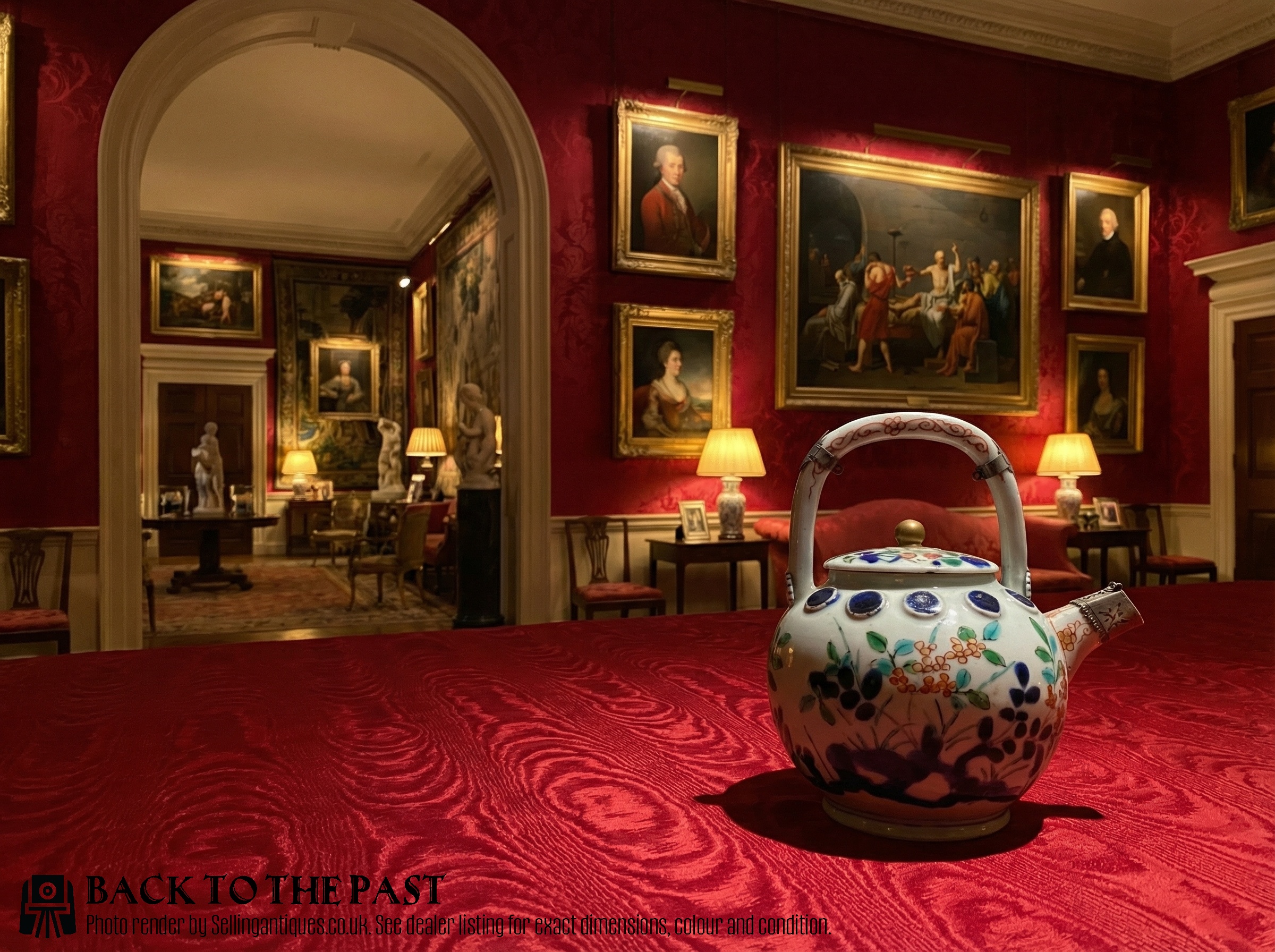
Antique Teapots
The teapot came to Europe with the tea trade in the 17th century, copying Chinese stoneware and porcelain, and settled into a standard domestic form as tea drinking spread. British factories were making them in porcelain, creamware and stoneware from the middle of the 18th century.
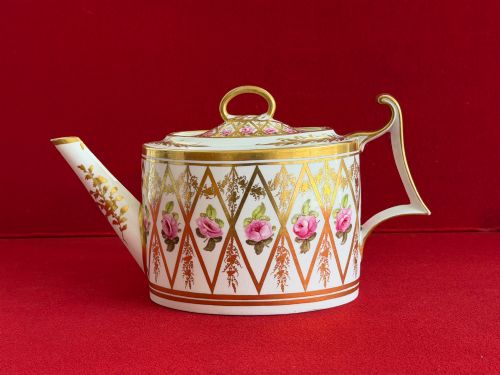
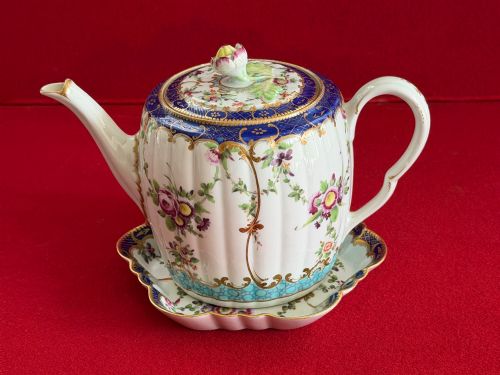
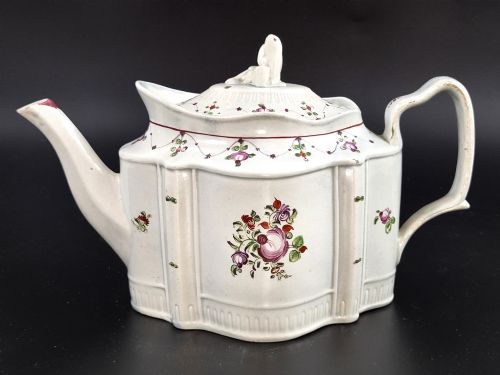
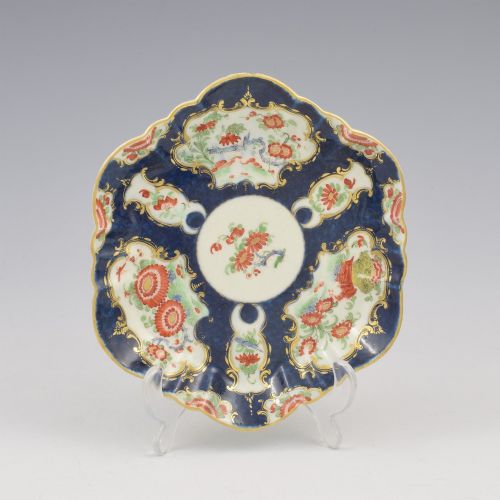
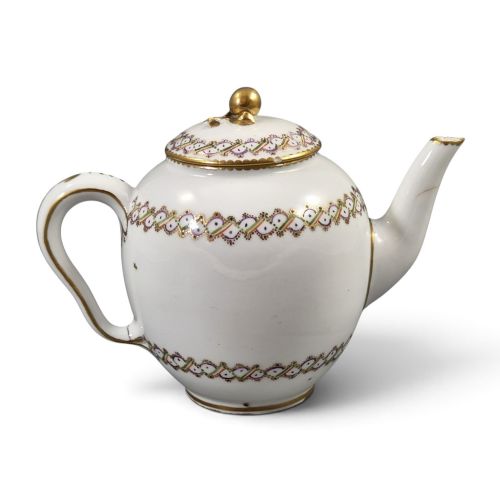
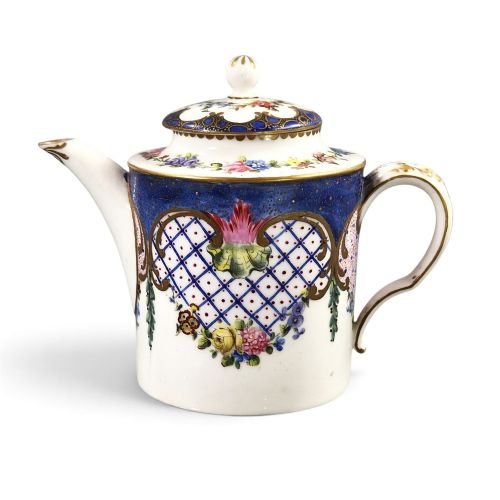
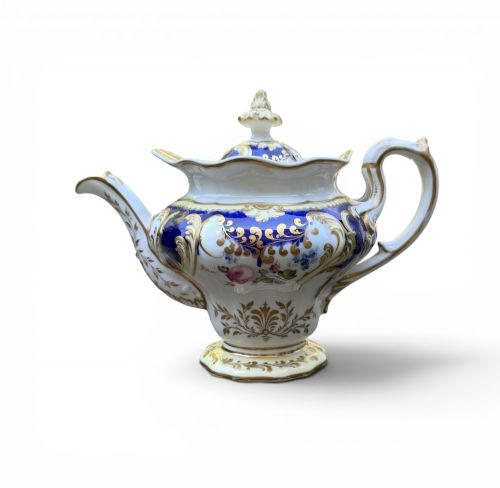
English factory porcelain of the later 18th and early 19th century is the single most likely encounter. Worcester dominates the titles, First Period pieces among them, with New Hall, Caughley, Lowestoft, Coalport, Spode, Ridgway and Miles Mason all present. Named and numbered patterns run through this group, and shapes are described as globular, barrel, oval, boat, octagonal or London.
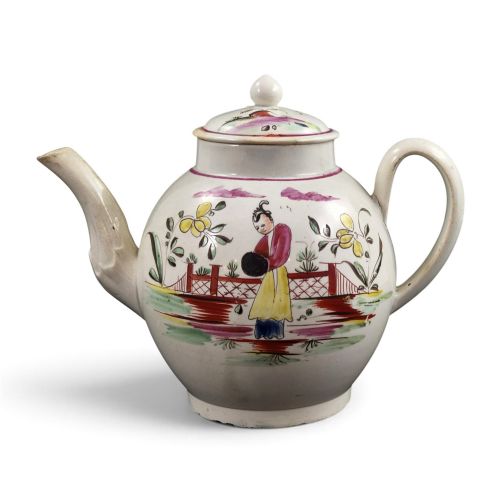
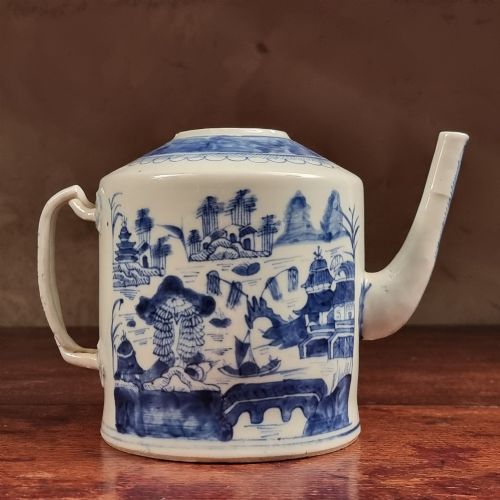
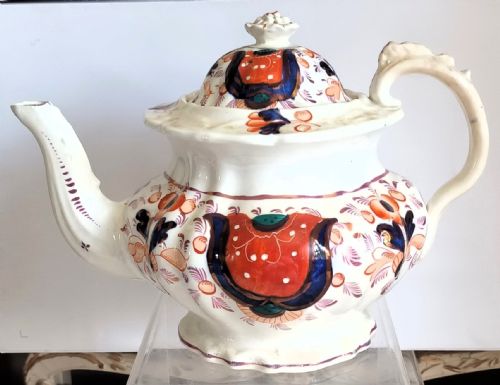
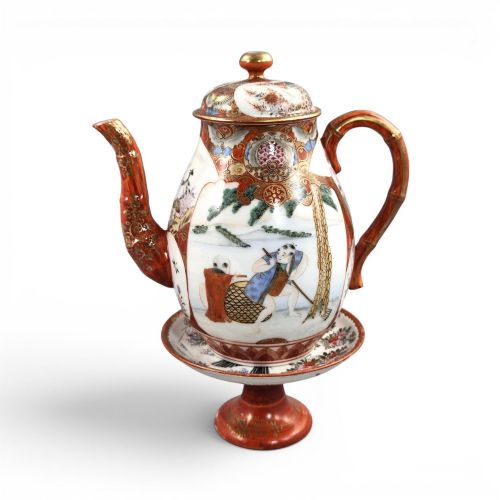
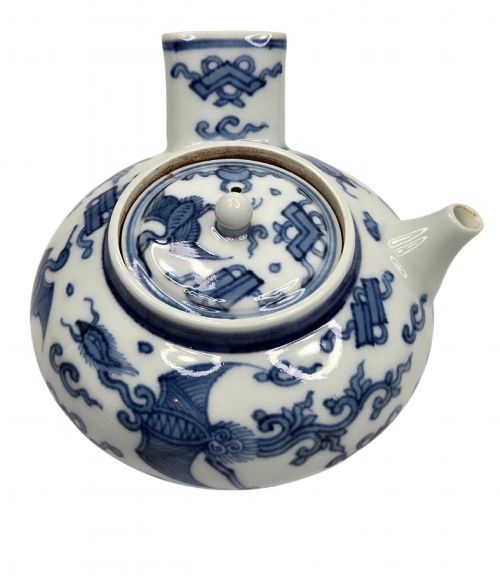
Chinese wares are the second population, roughly a fifth of the sample, from Yixing red stoneware to famille rose and famille verte, with Kangxi and Qianlong dating. Japanese pots follow at a smaller count: Imari, Satsuma, Kutani, Hirado, Kakiemon. English pottery bodies form a substantial minority, covering creamware, pearlware, agateware, caneware, black basalt, jasperware, salt-glaze and ironstone.
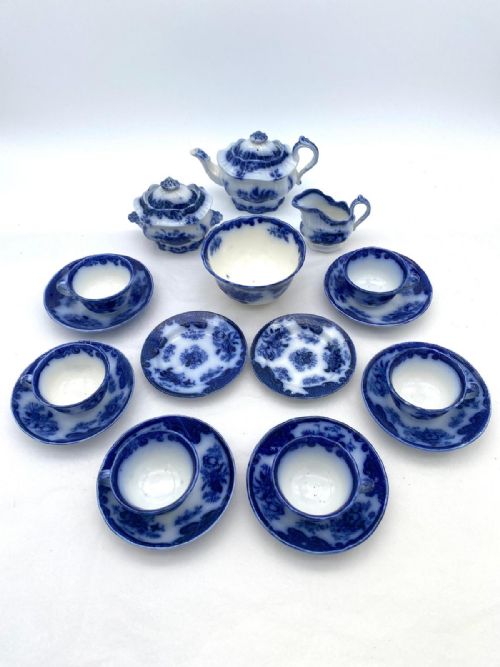
Smaller threads run steadily. Bargeware, much of it Measham, is the most consistent pottery sub-type. Novelty and commemorative pots throw up one-offs like a watering-can, a racing car and a commode-shaped pot. Miniatures, toy sets, bachelor's and solitaire services turn up throughout, and teapot stands are common enough that several are offered on their own with no pot.
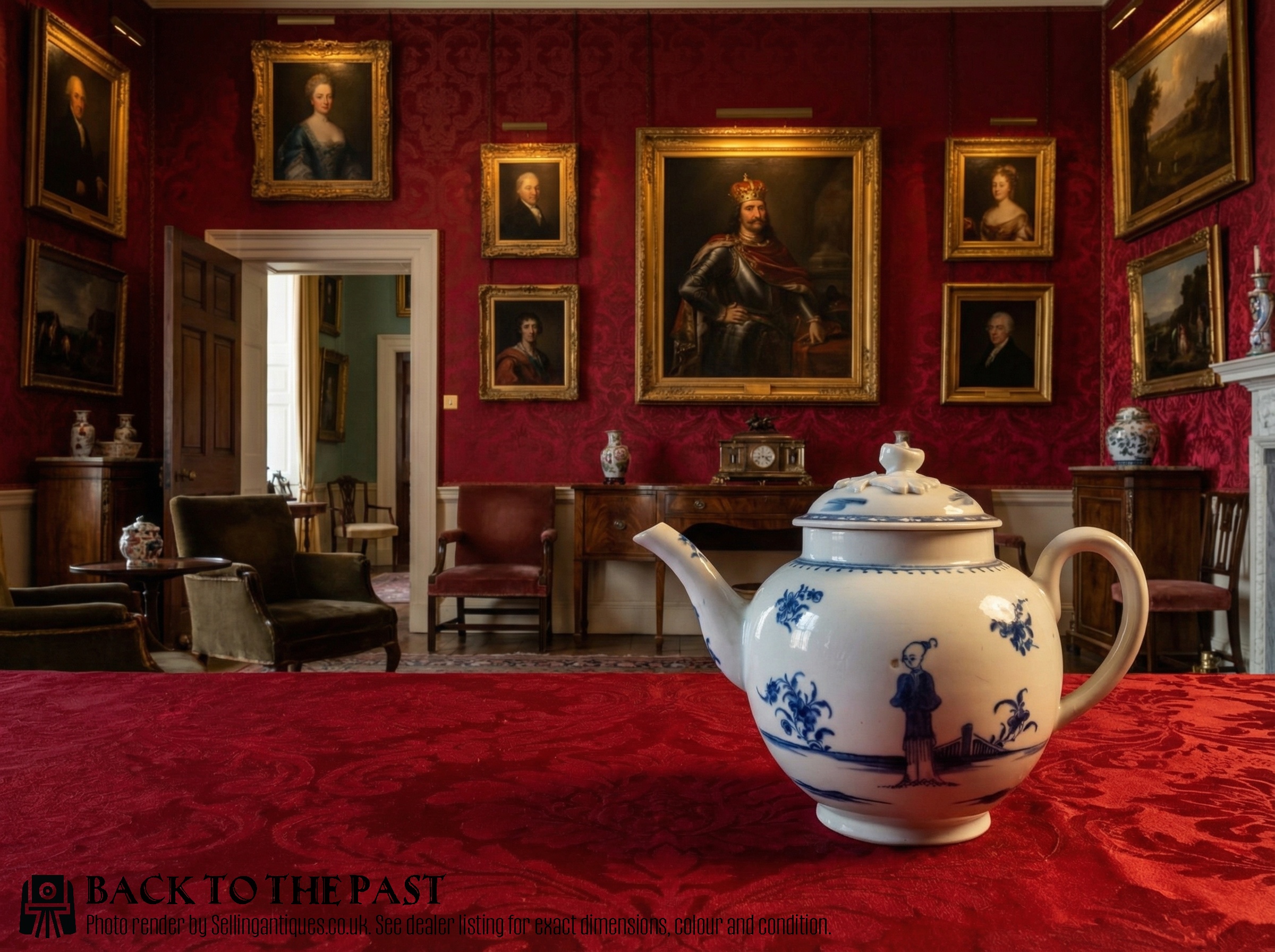
Where The Range Splits
Attribution does most of the work. The upper end of the sample carries named factories and identified periods, including reticulated Royal Worcester by a named modeller, Sèvres, Meissen, Kakiemon and Hochst. The lower end runs to generic descriptions with no factory named at all, small Victorian and 20th-century novelty pots among them.
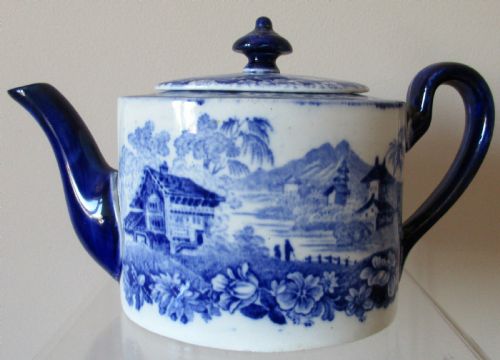
Decoration and pattern separate the middle from the top. Hand-painted work, enamelled flowers and painted fruit sit above transfer-printed and treacle-glazed wares. A named or numbered pattern, whether Mansfield, Fence, Three Flowers, Tobacco Leaf or a bare number, marks a piece the trade has already placed. Early Chinese dating pushes the same way, with Kangxi and early Qianlong pots high in the range and 19th and 20th-century Chinese and Japanese ones low.
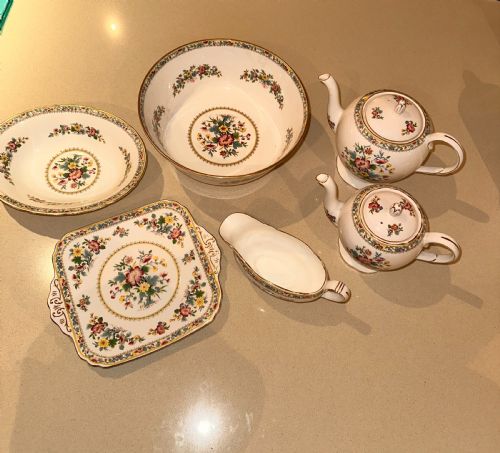
Completeness counts. Pots sold with their cover, with a matching stand, or as part of a set for six or a three-piece group recur through the upper half, while standalone stands sit near the bottom. Provenance is the last lever: three sampled titles cite a named former collection, and all three sit high.
Antique Teapots Retail Price Guide 2026
Typical UK retail prices for teapots, calculated from the Sellingantiques database of over a million retail prices indexed since 2003. This retail price guide relies exclusively on Sellingantiques data; no external sources or auction records are used, so the figures do not describe the wider market.
About twenty antique teapots are listed on Sellingantiques each year, and fifty-five different dealers have listed one.
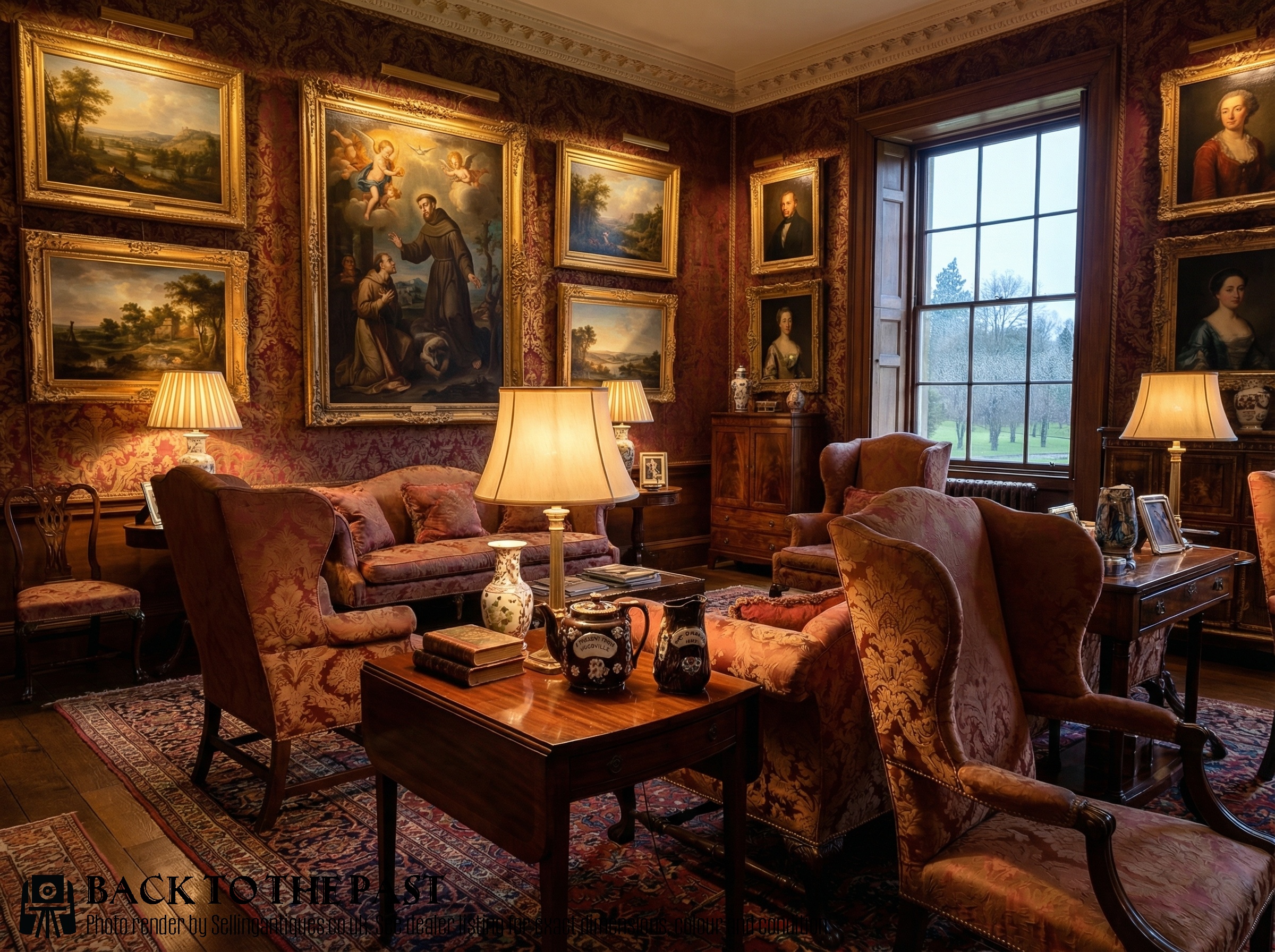
The Antique Teapots Glossary
- Cover
- The lid. Thirteen titles here sell a pot 'and cover', naming it because a matching cover is part of what's on offer.
- First Period
- Worcester porcelain of the factory's earliest era, often paired with the phrase 'Dr Wall'. It appears in nineteen titles in this archive.
- Pattern
- A named or numbered decoration scheme, from Fence and Mansfield to Three Flowers, or a bare number such as 484 or 1304. Twenty-six titles carry one.
- Teapot stand
- The flat matching dish a pot sits on. Thirteen titles mention one, and Prattware and Spode examples have sold on their own.
- Bargeware
- Brown treacle-glazed pottery with applied decoration and often an inscription, several examples from Measham. One in the archive is described as extra large.
- Clobbered
- Later enamel colour added over earlier blue and white decoration. Two Worcester pieces here are described that way.
Antique Teapots: Frequently Asked Questions
How many teapots come up for sale each year?
Around twenty a year come to market on Sellingantiques, and fifty-five different dealers have listed one.
That spread means no single specialist controls the category. Porcelain, pottery, Chinese export and novelty wares all arrive from different hands.
What period do most of these date from?
Eighteenth-century attributions outnumber every other bracket in the dealers' own dating, at forty-eight listings against thirty-five for the 19th century.
Beyond that, the labels are mixed: Victorian, Georgian, Regency, 1800s, 1900s, 1880s and 1930s all appear. Sixty-one listings carry a clean year, but bracketed dating is the norm.
A few sampled entries have a filed date that contradicts the circa given in their own title, so the field works as a rough sort rather than a research finding.
Are Chinese and Japanese pots common in this category?
Chinese pieces are the second largest group after English factory porcelain, twenty-nine titles in the sample, eight of them described as Chinese porcelain. Yixing red stoneware, famille rose and famille verte all appear.
Japanese pots number ten, covering Imari, Satsuma, Kutani, Hirado and Kakiemon.
Do teapot stands sell separately?
They do. Thirteen titles mention a stand, and several are offered as stands alone with no pot, including Prattware and Spode examples.
When a stand comes with its pot, the pairing sits higher in the range than a stand on its own.
What are the earliest and latest pieces recorded?
The dated field runs from 1700 to 1960, though a handful sit outside that. A Kakiemon pot given as around 1680, and Japanese and Chinese ewers around 1700, are the earliest things in the archive.
At the other end, mid-20th-century Royal Worcester painted-fruit wares include one given as 1960. The category doesn't stop at 1900.
Which unusual shapes have turned up?
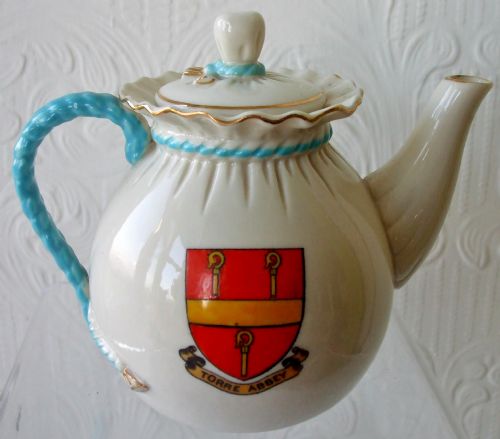
The oddest forms are one-offs rather than a type. A watering-can novelty pot, a commode-shaped earthenware pot with a widow finial, a double-spouted agateware pot, a racing car with a registration number, and a pot with a spaniel finial.
Miniatures and children's wares are a steadier thread, with eight titles saying miniature alongside a doll's-house pattern pot, a nursery pot and a toy tea set.