





Antique Imari
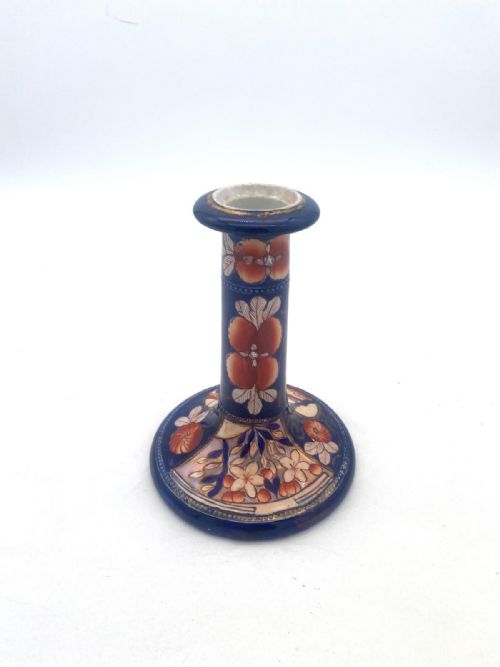
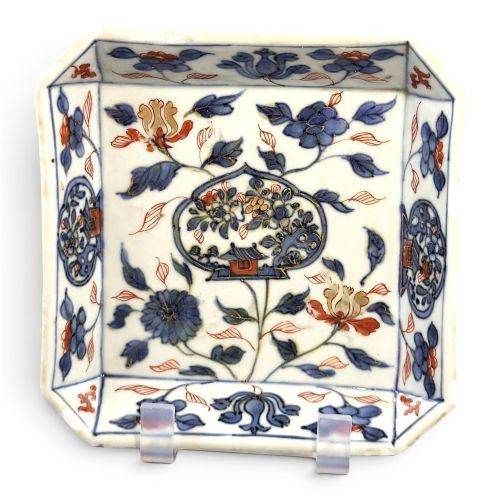
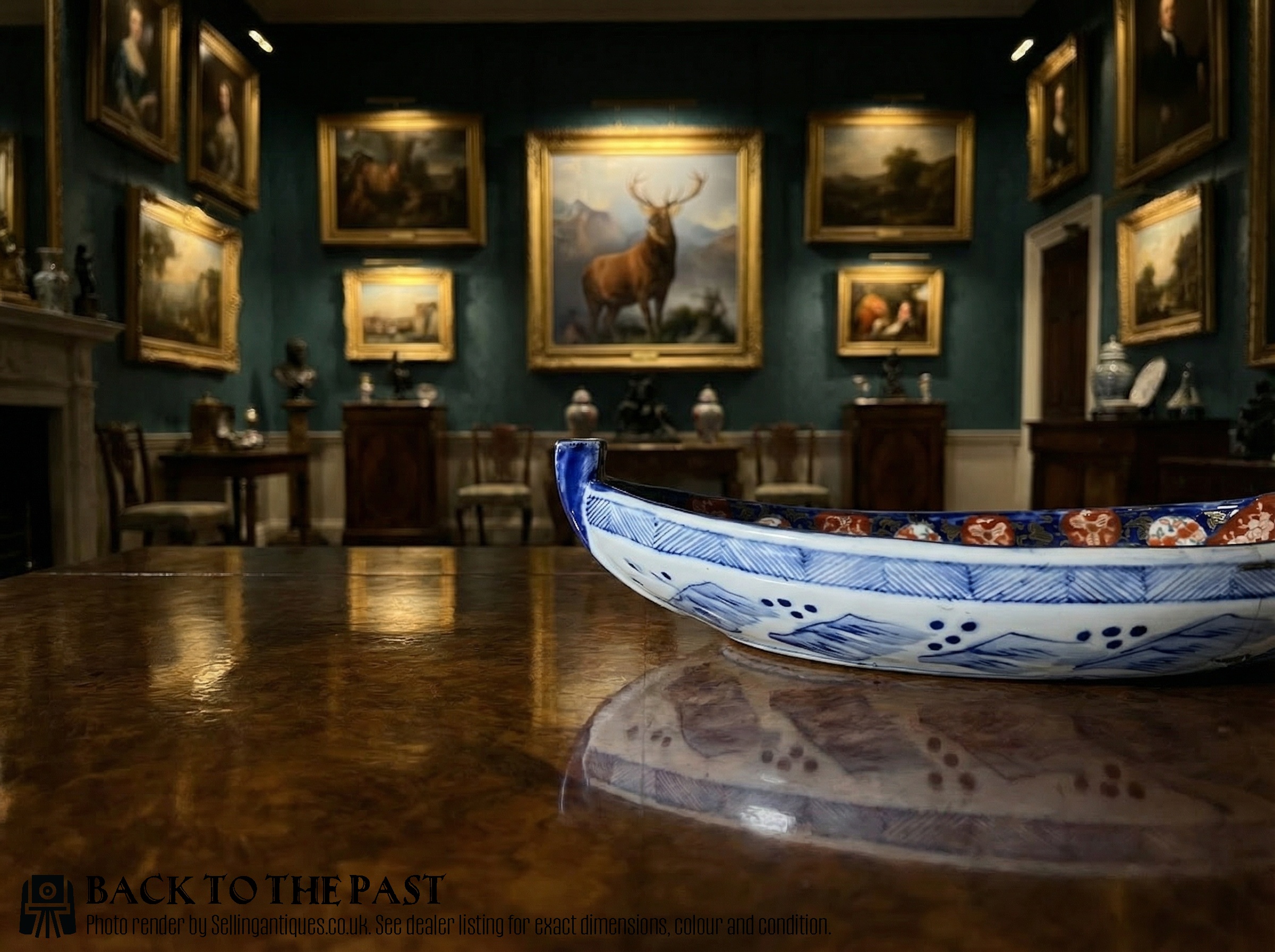
Imari is porcelain and pottery painted in underglaze blue, iron red and gold, made in Japan for export and later copied by Chinese and English factories for the western table and mantelpiece.
Antique Imari
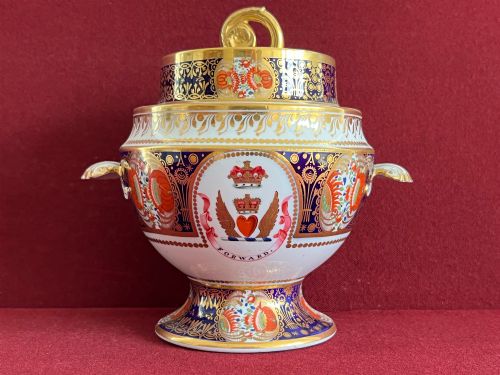
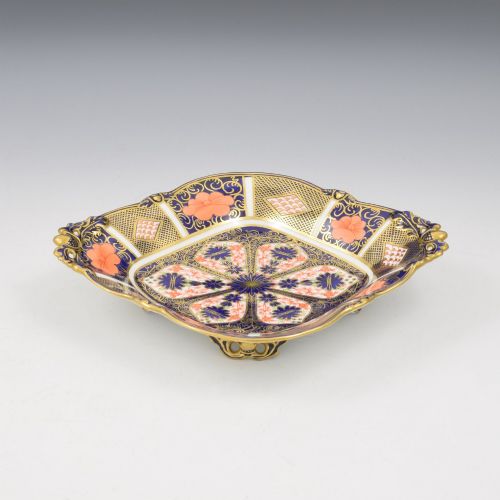
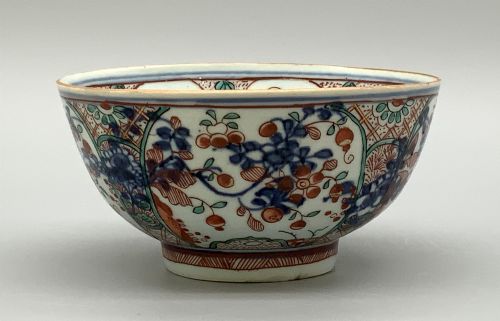
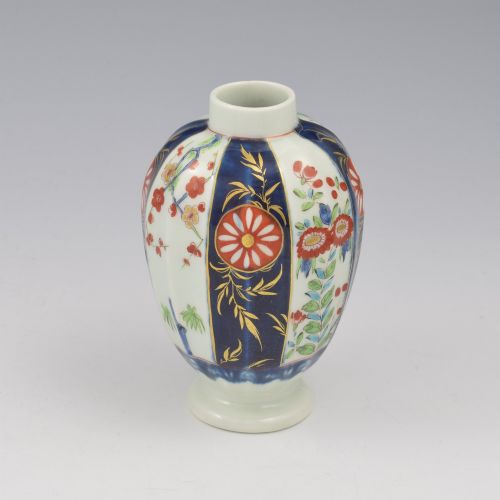
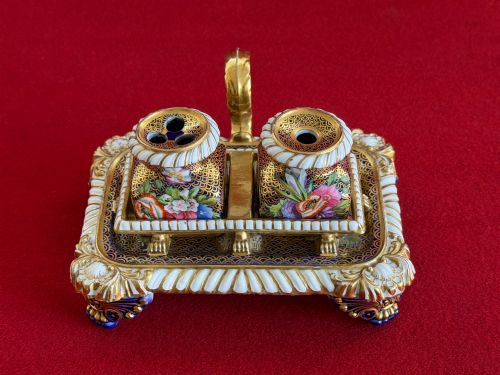
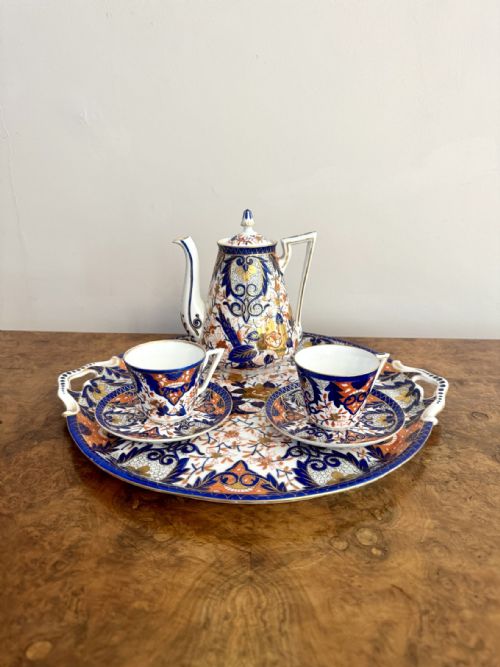
The word does two jobs. It names Japanese porcelain made around the kilns of Kyushu and shipped from the port of Imari, and it names the palette itself: underglaze blue with overglaze iron red and gilding. Wares in that palette made in China, and in England in porcelain and ironstone, sit under the same heading. Nearly half the titles on Sellingantiques say Japanese, so the Asian strand leads, but the English one is never far behind.
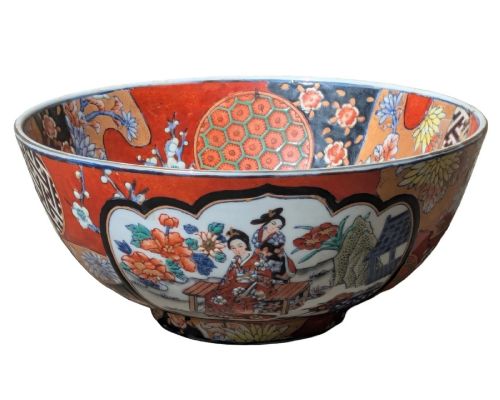
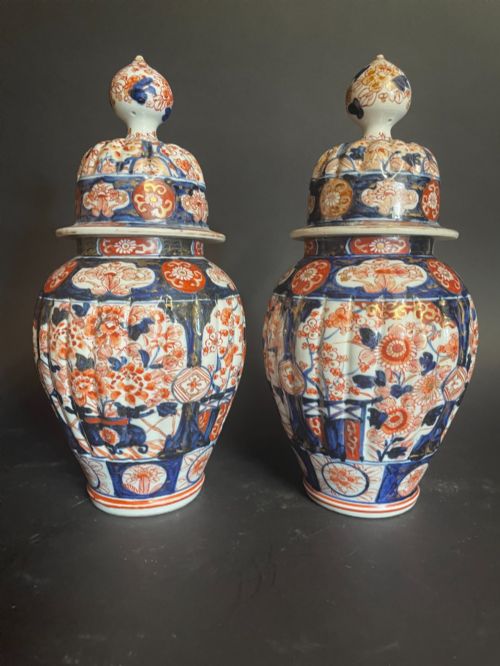
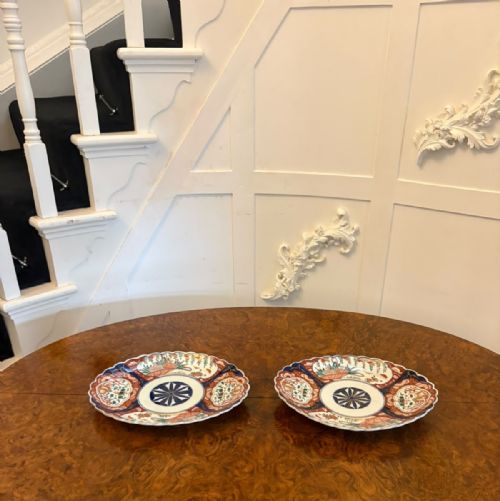
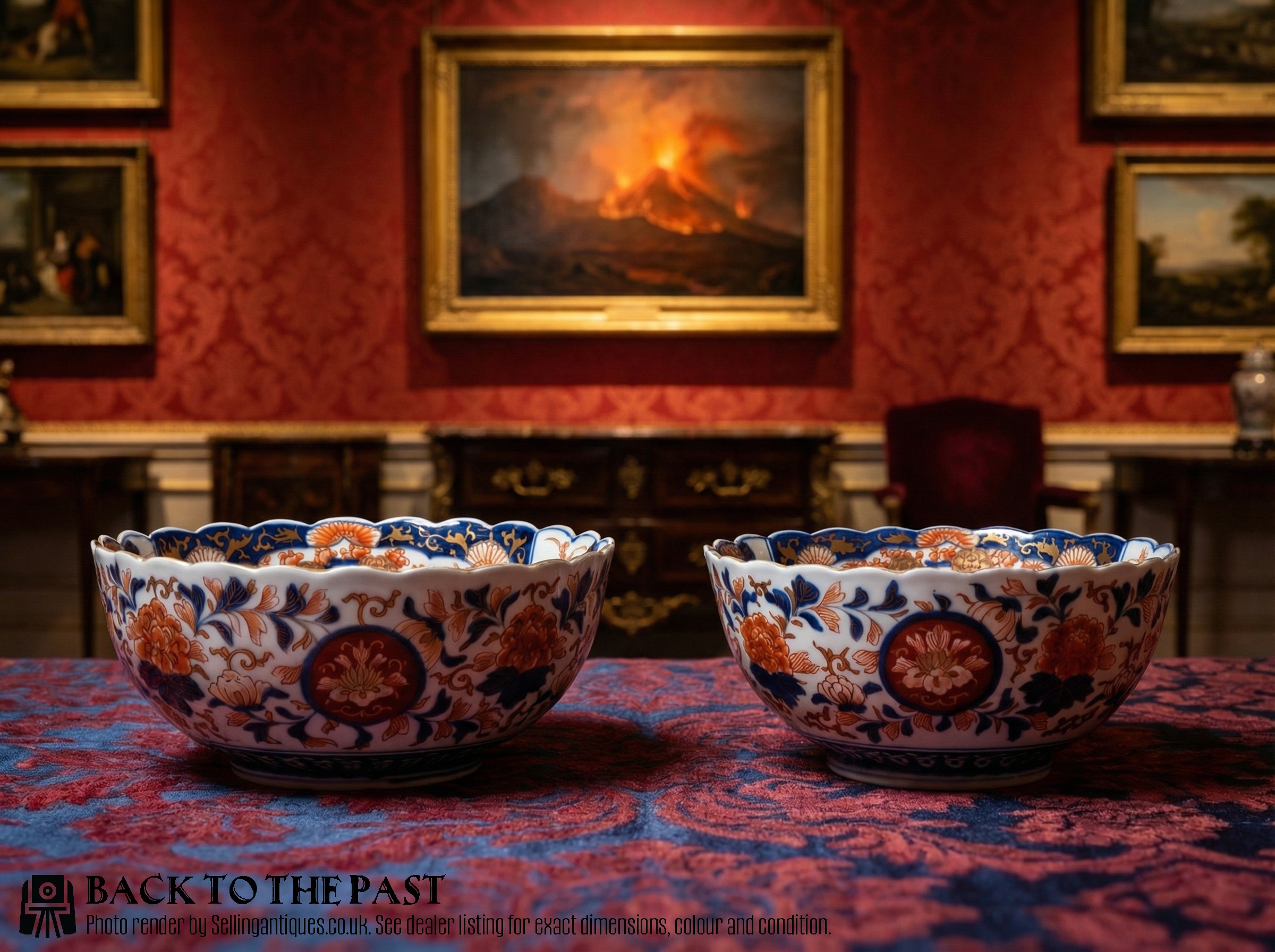
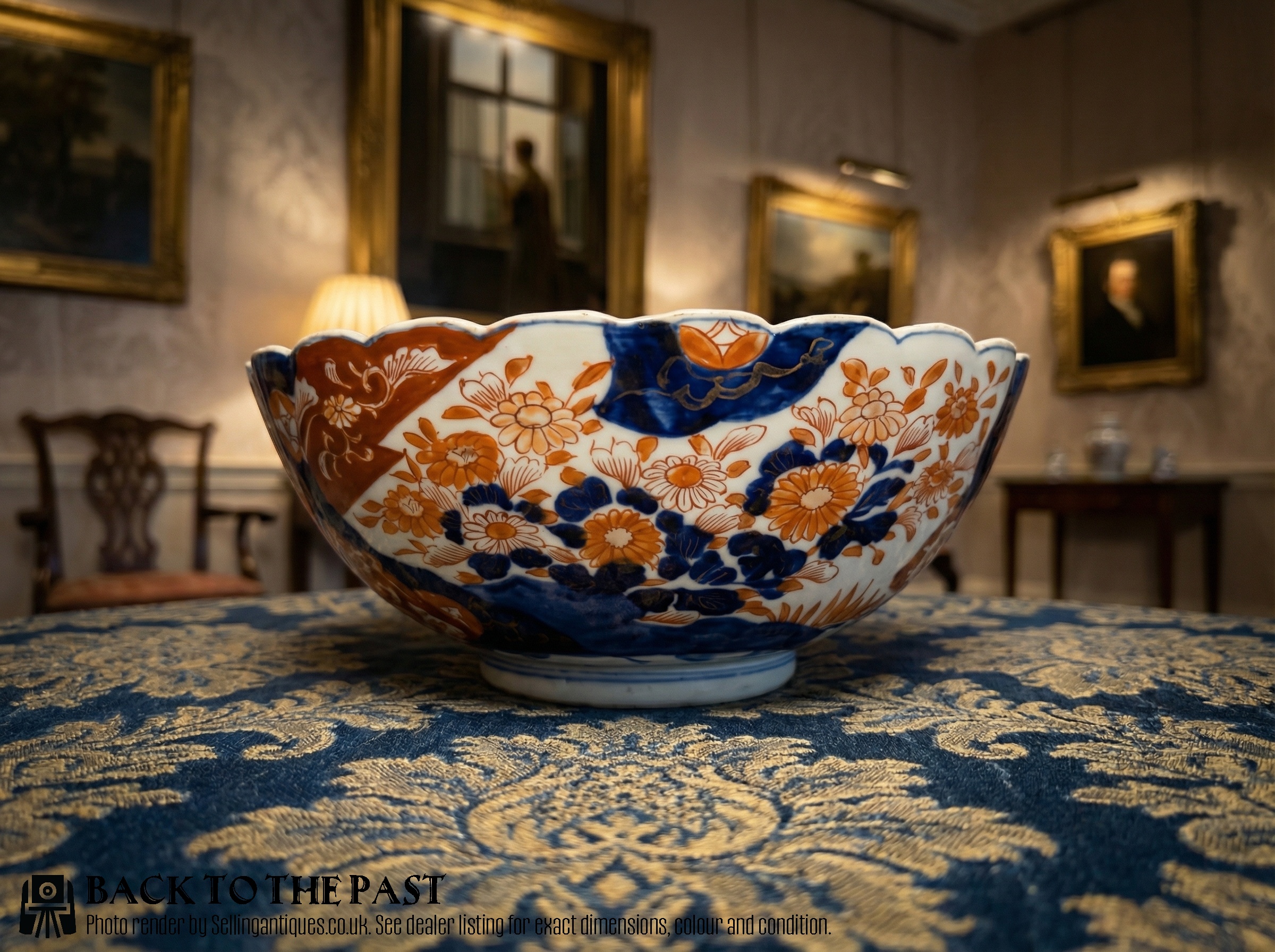
The piece you're most likely to meet is a Japanese bowl or charger of the later 19th or early 20th century. Bowls and chargers together account for a large share of the archive, with dishes, plates, jars and covers behind them. Large appears in around a fifth of titles and pair in a good many more, so scale and symmetry are part of how these were sold and displayed.
Earlier Japanese pieces form a substantial minority. Titles reaching back to the late 17th and early 18th century use Genroku and Edo as often as a year, and the dated field starts at 1700. The English strand shows up as coffee cans, dessert and tea wares and ironstone tureens in what the factories called Japan patterns, often with a pattern number quoted. Chinese Imari is the smallest of the three, appearing as export shapes: mugs, tankards, teapots, decanters and shell dishes.
Dating is broad more often than precise. "19th Century" and "1900s" between them cover close to half the listings, with decade-level dating thinner and reign labels used loosely alongside dates. A bare 19th century or 1900 is the dealer's bracket rather than a firm year.
What Sets Them Apart
Age and size do most of the work. Pieces named as late 17th or early 18th century, or carrying Genroku or Edo, cluster in the upper half of the range, while the 1900 Japanese bowl fills the middle. Where diameters are quoted the chargers climb steadily from around 39.5cm, and the two largest wall chargers, at 71cm, sit at the very top.
Numbers count too. Pairs run through a good many titles, and garnitures, dinner and dessert services and graduated sets of bowls sit above the middle. A single plate is the commonplace; eight matching dishes are not.
Then there's form. Chargers and bowls are what the category is made of, so anything else stands out: figures of a cat, a kitten, a pug, a rabbit, a monk, a boy, and pairs of bijin at the head of the range. Incense burners, barbers' bowls, sake ewers, umbrella stands and ormolu-mounted pieces are scarce and priced accordingly. In the English strand, a named factory with a pattern number reaches well above pieces described only as Imari pattern.
Antique Imari Retail Price Guide 2026
Typical UK retail prices for imari, calculated from the Sellingantiques database of over a million retail prices indexed since 2003. This retail price guide relies exclusively on Sellingantiques data; no external sources or auction records are used, so the figures do not describe the wider market.
About 63 pieces of Imari are listed on Sellingantiques each year, and 103 different dealers have handled them - one of the broadest dealer spreads in ceramics.
The Antique Imari Glossary
- Charger
- A large flat or shallow dish made for display rather than food, and a fifth of the titles here. Diameters are usually quoted, and they run a long way up.
- Palette
- Used in titles as "in the Imari palette", meaning the colours only. It describes the decoration, not the country the piece was made in.
- Meiji
- The Japanese period from 1868 to 1912, and the label attached to a great many of the later 19th-century export wares in this category.
- Genroku
- A Japanese era around 1688 to 1704. Where it appears it goes with the earliest pieces in the archive, alongside Edo, the long period before 1868.
- Ironstone
- A dense English earthenware body, not porcelain. Most of the ironstone here is decorated in Japan or Imari patterns, and tureens are a recurring form.
- Pattern number
- English factories numbered their designs, and titles quote them: 963, 967, 1128, 1166, 6299. Coffee cans and dessert wares carry them most often.
- Bijin
- A figure of a beautiful woman. It appears only a handful of times, always at the very top of the range, usually as a pair.
Antique Imari: Frequently Asked Questions
Is all Imari Japanese?
No. Japanese porcelain from the Kyushu kilns dominates, named in about half the titles on Sellingantiques, but the same palette was used by Chinese export kilns and by English porcelain and ironstone factories.
When a listing says "in the Imari palette" it is describing colours. That phrasing turns up throughout the English and Chinese material.
What form turns up most often?
Bowls and chargers, by a wide margin. Between them they account for close to half the titles, with dishes, plates and jars and covers behind.
The typical piece is a Japanese bowl or charger of the later 19th or early 20th century. Figures, incense burners and ewers appear only occasionally.
How old is the oldest Imari on the site?
The dated field runs from 1700 to 1930. The earliest titles reach back further in their wording, with a charger and a bijin described as circa 1690 and a wine bottle put before 1700.
About half the listings carry a clean year at all. The rest use period brackets or Japanese era names.
Why do some titles say Meiji instead of a date?
Japanese period names are used as dating shorthand. Meiji covers 1868 to 1912, Genroku sits around the turn of the 18th century, and Edo covers the long stretch before 1868.
English reign labels work the same way in this category, with Victorian and Georgian appearing alongside or instead of years.
What are barbers' bowls?
Shaving bowls with a cut-out for the neck. They are a recurring curiosity in this category, showing up in both the Japanese and Chinese strands.
Where they appear they are dated to roughly 1700 to 1750, so they belong with the earlier material rather than the export wares of the late 19th century.
Does size affect where a piece sits?
It does. Large appears in around a fifth of titles, and where diameters are stated the chargers climb from 39.5cm through 47cm and 55cm to 63cm.
Two wall chargers at 71cm sit at the very top of the range.