



Antique Beakers
A beaker is a small handleless drinking cup, made in porcelain or pottery for wine, beer, tea and later lemonade or water, and in decorated form for display.
Antique Beakers
Porcelain is the defining body, named in ten of fifteen titles on Sellingantiques. The single largest cluster is English factory porcelain of roughly 1750 to 1830, with Worcester, Chamberlain Worcester, Derby and Chelsea appearing across six titles. Decoration, painted rather than printed, is usually the only other physical fact the listing records.
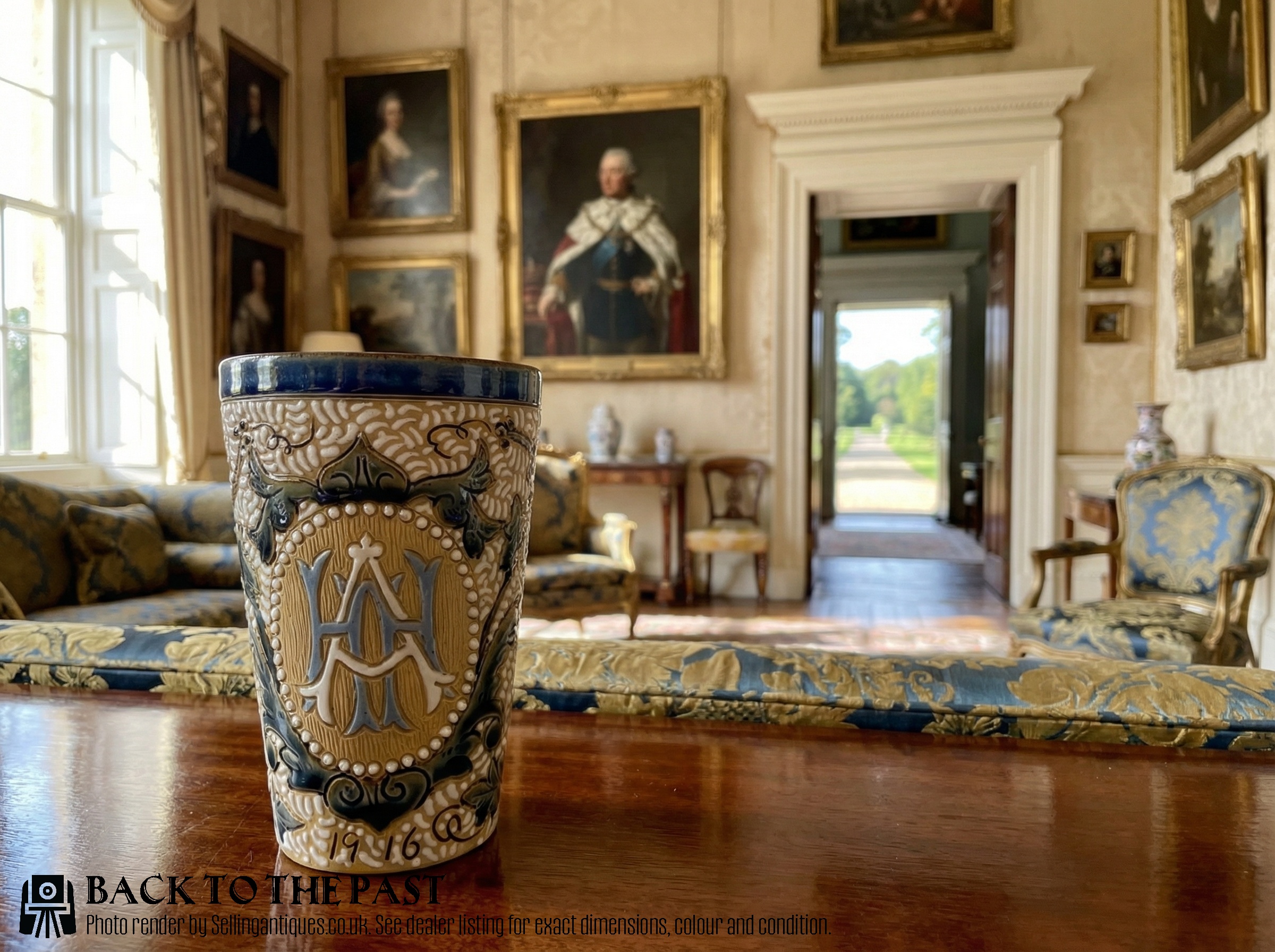
Behind that sits a second group: late Victorian and Edwardian art and studio pottery. A Wemyss ware beaker painted with cherries, a Doulton Lambeth stoneware beaker of 1881 with a silver mount, a Fulham Pottery Arts and Crafts beaker of 1920. Continental and Russian pieces are the thin end, three listings between them.
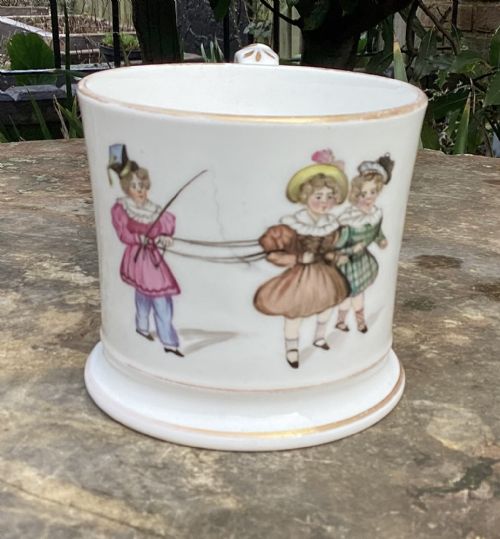
The heading also carries handled relatives. 'Mug' turns up in three titles, alongside a porter mug and a commemorative stein of 1896. Pairs appear too, including a pair of Chamberlain Worcester beakers made as ornaments rather than for drinking.
The dated field is mostly a period word. 18th Century, Georgian, 19th Century and Regency account for ten of the fifteen, so a 'Georgian' beaker may sit anywhere across a long span. Titles often give a circa - c.1750, c.1770, c.1830 - finer than the date behind them, so read both.
Where The Range Splits
A named English factory does most of the lifting. The Derby, Chamberlain Worcester and Chelsea listings sit in the upper half of the range, while an unattributed nineteenth-century floral porcelain mug, described only as hand painted, sits at the bottom. Attribution, not size or capacity, sorts the field.
Named decoration counts for nearly as much. A Kakiemon 'Two Quail' pattern or a beaker described as in famille rose taste sits well above one whose decoration is recorded only as floral or painted. A documented occasion works the same way, as with the coronation stein of 1896 and the dated silver-mounted beaker of 1881.
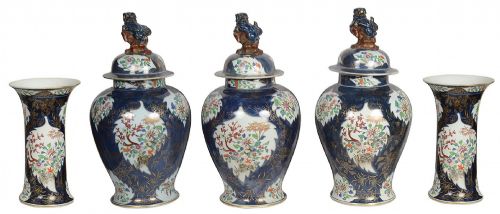
Number matters more than the form suggests. The pair of Derby lemonade beakers and the pair of Chamberlain Worcester beaker ornaments both sit high, and the top of the range is held by a multi-piece garniture rather than a beaker at all. Dealers' own claims of rarity cluster in the upper two-thirds.
Antique Beakers Retail Price Guide 2026
Typical UK retail prices for beakers, calculated from the Sellingantiques database of over a million retail prices indexed since 2003. This retail price guide relies exclusively on Sellingantiques data; no external sources or auction records are used, so the figures do not describe the wider market.
Beakers have been listed on Sellingantiques since 2013.
The Antique Beakers Glossary
- Beaker
- A drinking cup without a handle or foot. It is the core form under this heading, though listings also use 'mug' and 'stein' for close handled relatives.
- Porcelain
- The white vitreous ceramic body named in ten of the fifteen titles. It covers both the English factory pieces and the single Russian example.
- Stoneware
- A dense, high-fired opaque body. It appears once, in a silver-mounted Lambeth beaker of 1881.
- Wemyss ware
- Scottish painted earthenware. One beaker under this heading, decorated with cherries, dated about 1910.
- Kakiemon
- A Japanese-derived decorative style. The 'Two Quail' pattern appears on one Worcester beaker.
- Beaker ornament
- A beaker made for display rather than drinking, as in a pair of Chamberlain Worcester examples.
Antique Beakers: Frequently Asked Questions
What is a beaker in antique terms?
A drinking cup with no handle and no foot, one of the oldest vessel shapes. Ceramic versions were made in quantity from the eighteenth century, for wine, beer, tea and later lemonade or water.
Decorated examples were also made purely for display. One pair on Sellingantiques is listed as beaker ornaments rather than drinking vessels.
Why are mugs and steins listed as beakers?
The trade's own vocabulary is loose about the boundary. Alongside beakers proper, the heading has carried a porter mug, a floral mug, a Regency painted mug and a commemorative stein.
All are small drinking vessels, and dealers write titles the way they talk. Handled forms account for about a quarter of the listings.
Which factories turn up most often?
English porcelain factories dominate. Worcester, Chamberlain Worcester, Derby and Chelsea are named across six of the fifteen titles, covering roughly 1750 to 1830.
Later pottery names appear once each: Wemyss ware, Doulton Lambeth, Fulham Pottery. Continental work is limited to a Sinceny piece from the Rouen district and a Sarreguemines coronation stein.
How old are most beakers on the market?
Ten of the fifteen listings carry a period word rather than a year: 18th Century, Georgian, 19th Century or Regency.
Only four give a clean year, and those all fall between 1880 and 1920. The earliest firmly circa-dated piece is a Chelsea porcelain beaker of about 1750.
Are pairs of beakers common?
More common than the form suggests. Two of fifteen listings are pairs, a pair of Derby lemonade beakers and a pair of Chamberlain Worcester beaker ornaments.
Both sit in the upper part of the range.
How often do beakers come up for sale?
A trickle rather than a stream. On Sellingantiques the category runs at about two listings a year.
Those are spread across eleven different dealers, so no one dealer holds the field. Continental and Russian pieces are the scarcest, three listings in fifteen.