


Antique Centrepieces
A centrepiece is the ornament that holds the middle of a dining table, made in porcelain and pottery to carry fruit, sweetmeats or flowers as much as to decorate.
Antique Centrepieces
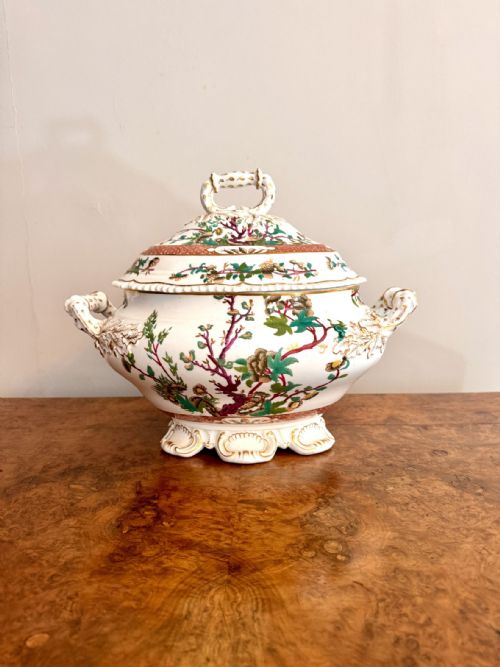
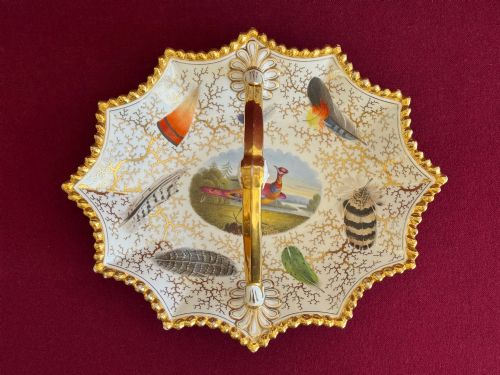
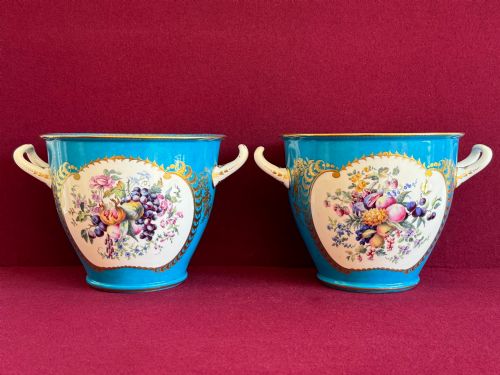
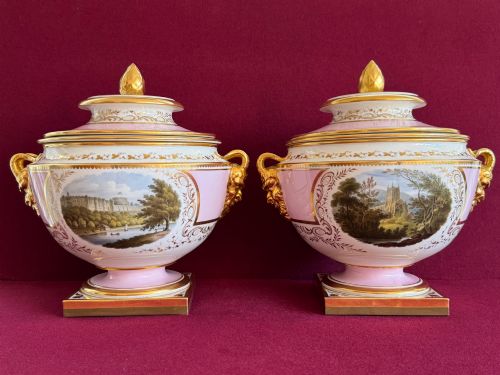
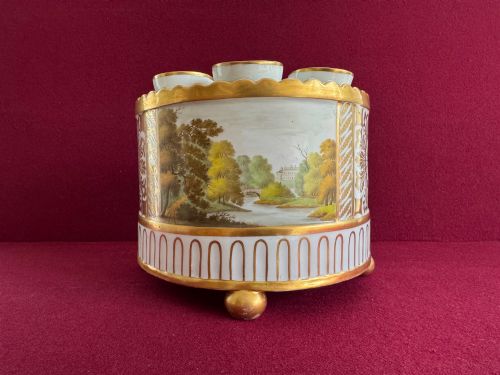
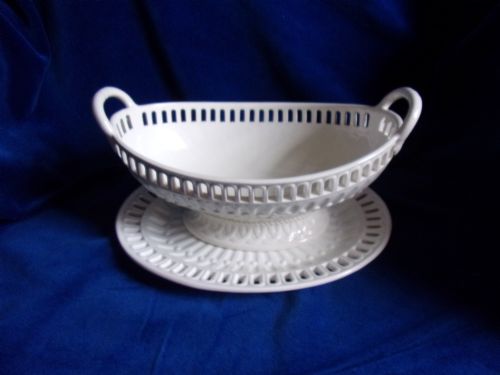
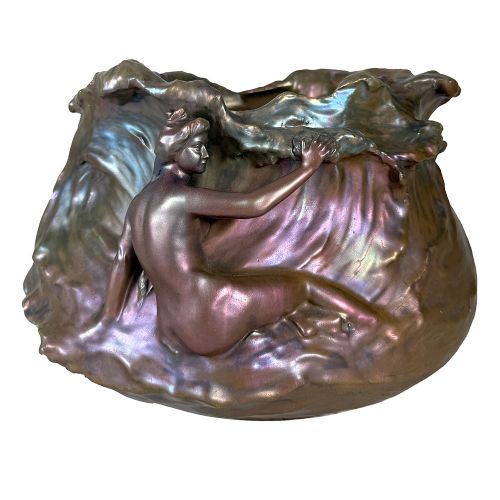
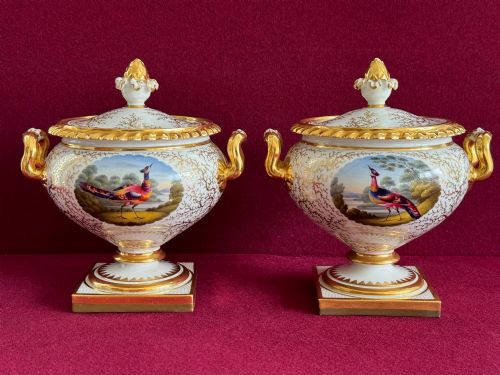
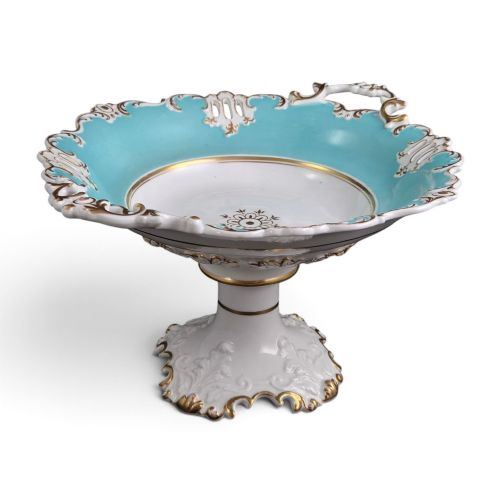
The form grew out of the epergne and the dessert service in 18th-century Europe, and carried on through the 19th century in porcelain and pottery. What sits under the heading on Sellingantiques is mostly ceramic: footed and pedestal bowls, comports and tazze, figural groups holding shells or baskets, and lidded tureens and dessert dishes on stands.
The usual encounter is a decorated bowl rather than the tiered figural piece of the reference books. "Porcelain" is the commonest word in titles and "bowl" the next, while only about one listing in twenty uses the word "centerpiece" at all. The rest are described as bowls, comports, baskets, tureens or dishes.
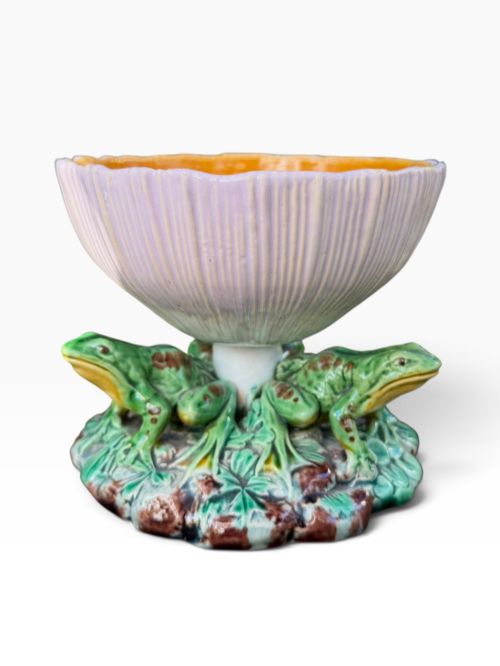
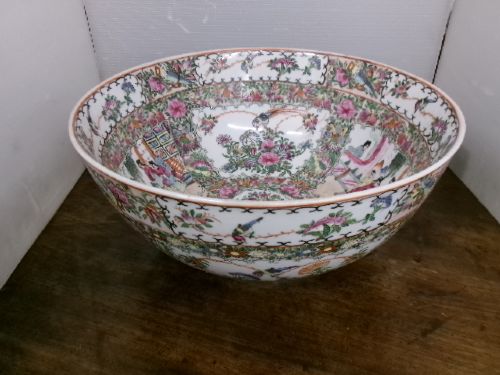
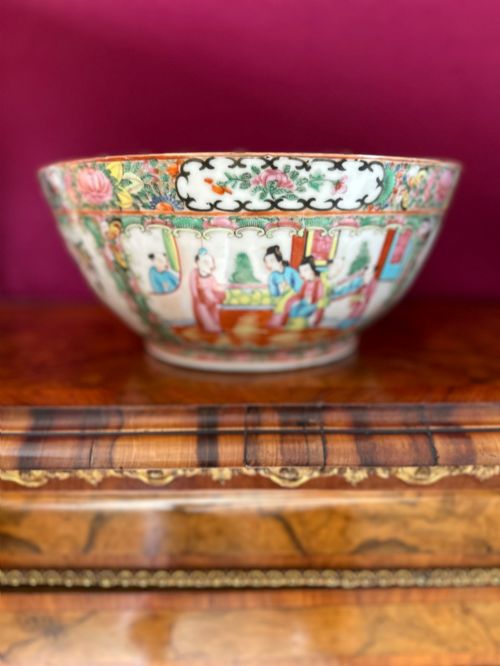
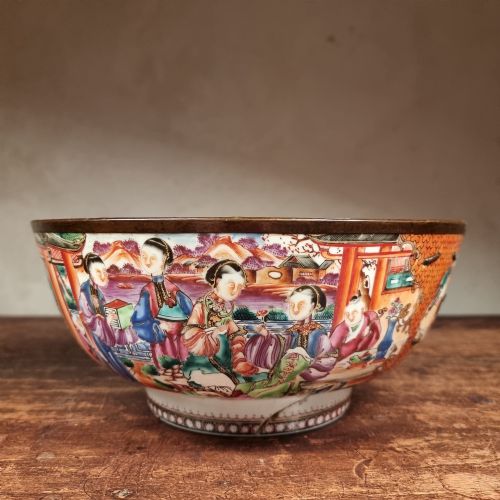
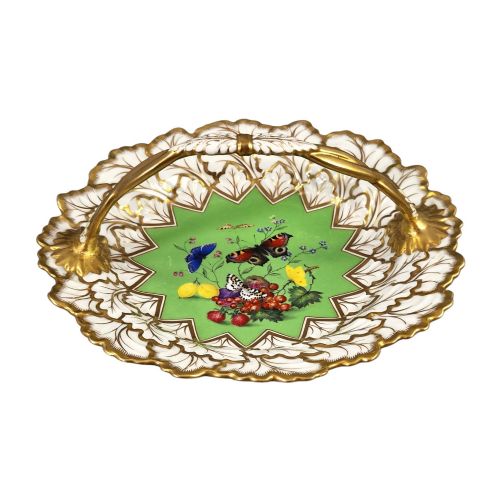
Four groups do most of the work. Japanese and Chinese bowls, largely Imari with Satsuma, Arita and Canton famille rose alongside, make up roughly a fifth to a quarter and are rising in live stock. English factory dessert wares account for about a quarter, in ironstone as often as porcelain. Continental figural porcelain with putti and maidens runs to about a fifth, and majolica sits under a tenth, heavier in the archive than in what's currently listed.
Dating spans 1750 to 1940. Where a clean year is given it clusters between 1880 and 1920, late Victorian to Edwardian, and a third of the archive is placed by century or reign instead: fifty listings say simply "19th Century". Georgian and 18th-century material is genuinely scarce. About 26 come to market in a year, spread across 71 different dealers, so this is a category most general ceramics dealers touch occasionally rather than one anybody specialises in.
Where The Range Splits
A name does most of the separating. Titles reading simply "Chinese Bowl" or "Japanese Porcelain Bowl" sit at the bottom, while Meissen, Sèvres, Worcester and Minton run to the upper end. A named hand lifts a piece further again: the English paintresses and painters, and the Kyoto Satsuma decorators, carry prices well above unsigned equivalents, though a named Japanese decorator appears only two or three times in the whole archive.
Date and construction pull the same way. Regency and 18th-century pieces, First Period Worcester shell centrepieces and Meissen figures of 1750 among them, occupy the top, while 1900s to 1930s bowls occupy the bottom. Metal mounting counts too: ormolu, gilt bronze and champlevé cluster in the highest band, and so do pairs and sets of three, which dominate the very top rather than single bowls.
After that it comes down to form and size. Figural modelling, putti and maidens, elephants, shells, prices above a comparable plain footed bowl. Scale is a recurring boast, with "large" in nearly a fifth of titles and "massive", "monumental" and "huge" turning up among the dearer pieces.
Antique Centrepieces Retail Price Guide 2026
Typical UK retail prices for centrepieces, calculated from the Sellingantiques database of over a million retail prices indexed since 2003. This retail price guide relies exclusively on Sellingantiques data; no external sources or auction records are used, so the figures do not describe the wider market.
19th Century is the period label used most on Sellingantiques for centrepieces, with the 1900s next and the 1880s third.
The Antique Centrepieces Glossary
- Comport
- A footed or stemmed dish for fruit or sweetmeats, used in a dozen titles and sometimes spelled "compote".
- Centre bowl
- Titles use "centre bowl", "centre piece" and "centerpiece" interchangeably for the ornament at the table's middle.
- Imari
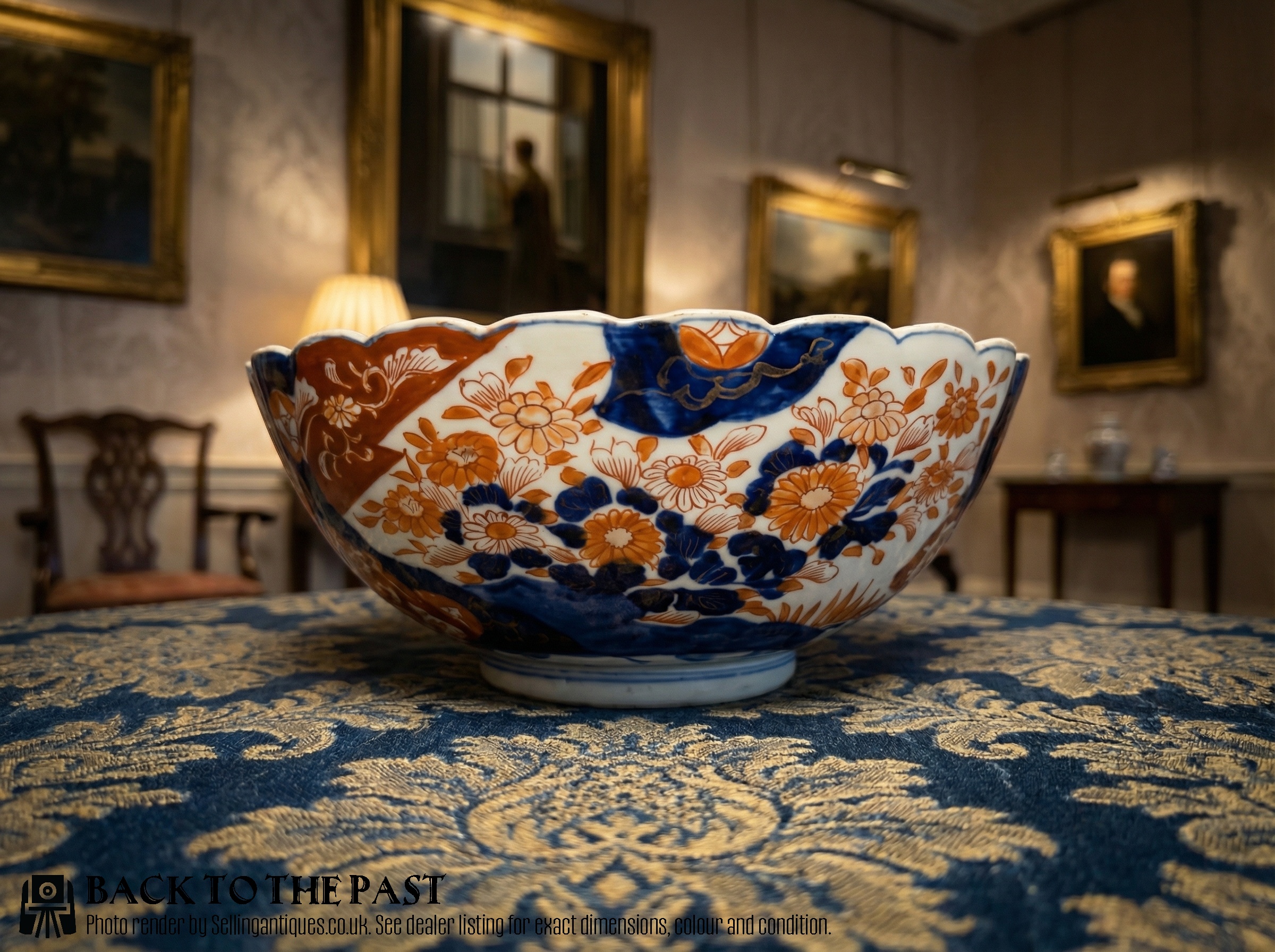
- Japanese palette of underglaze blue with iron-red and gilding, and the commonest named decoration in the category.
- Ironstone
- Dense English earthenware body, named in a dozen titles and used for comports and tureens.
- Blush ivory
- Worcester's shaded cream ground, named in several titles.
- Garniture
- A matched set, typically of three, meant to stand together on a table or mantel.
Antique Centrepieces: Frequently Asked Questions
What form do most centrepieces actually take?
A bowl, more often than anything else. "Porcelain" is the word that leads the titles and "bowl" follows it, usually footed or on a pedestal.
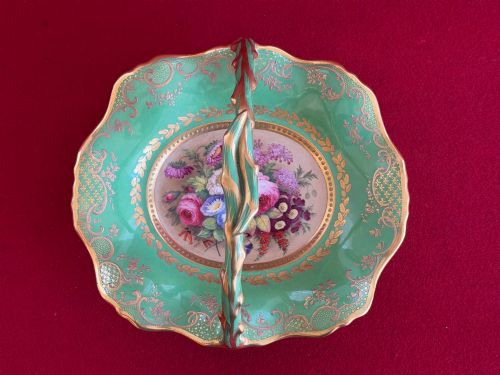
Beyond that, comports, baskets, dessert dishes and lidded tureens on stands. Figural groups supporting shells or baskets turn up throughout, but they are the smaller share.
Which are the Japanese pieces here?
Almost entirely Imari and Satsuma. Imari bowls are the single largest identifiable block in the category, and the Japanese share is rising in live stock.
Where a Japanese maker is named it is a Satsuma decorator from Kyoto, and that happens only two or three times across the whole archive. Chinese work sits alongside, including Canton famille rose punch bowls.
How old are they?
The dated field runs 1750 to 1940. The earliest is a pair of Meissen figures holding sweetmeat bowls dated 1750, the latest a Royal Worcester bowl of 1940.
Where a year is given it clusters between 1880 and 1920. Georgian and 18th-century pieces are scarce in this category.
Why do so many listings give only a century?
Because that's how the pieces are placed. Fifty listings say simply "19th Century", with eleven more "Victorian", six "18th Century" and five "Georgian".
So about a third of the archive is dated by century or reign rather than by year, with 98 listings carrying a clean year.
Are pairs and sets common?
Pairs turn up in a small share of titles, and sets of three appear twice.
They matter more than the count suggests: pairs, garnitures and ormolu-mounted pieces dominate the top of the range, ahead of single bowls.
What unusual centrepieces have come up?
Majolica throws up the oddest shapes: one modelled as two rabbits, another as a nautilus shell, and a Minton majolica crab tureen.
Elsewhere, a Parian "Fox & Rabbit" dish, a Coalport supper set with a lazy Susan, and a pair of Meissen elephants depicting Alexander the Great conquering India.