
Antique Urns
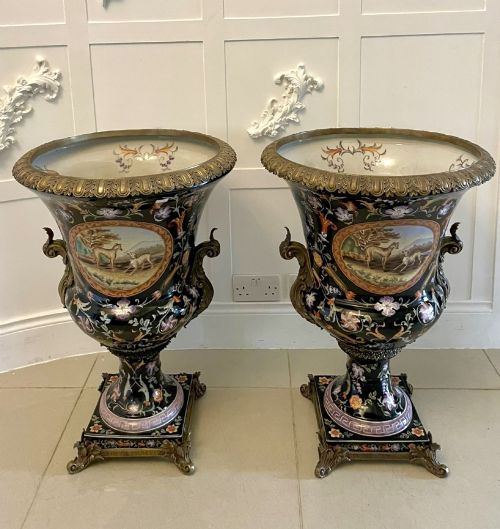
An urn is a classical vessel shape, made in terracotta for gardens and pedestals and in porcelain for mantels and tables, often with a cover and often in twos.
Antique Urns
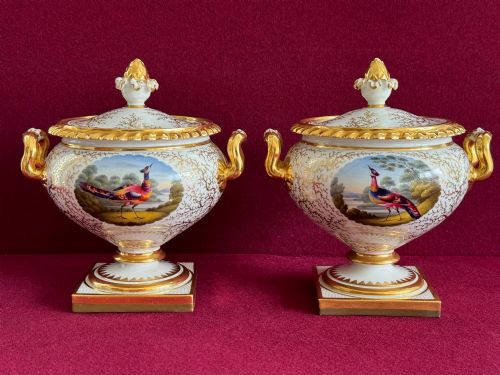
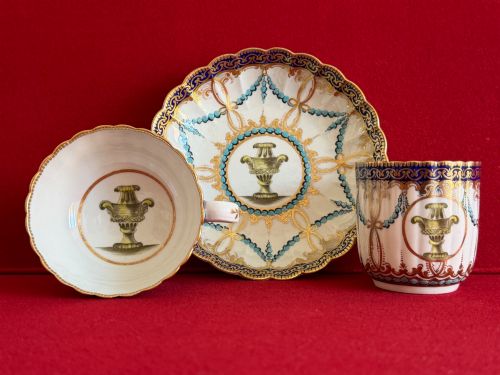
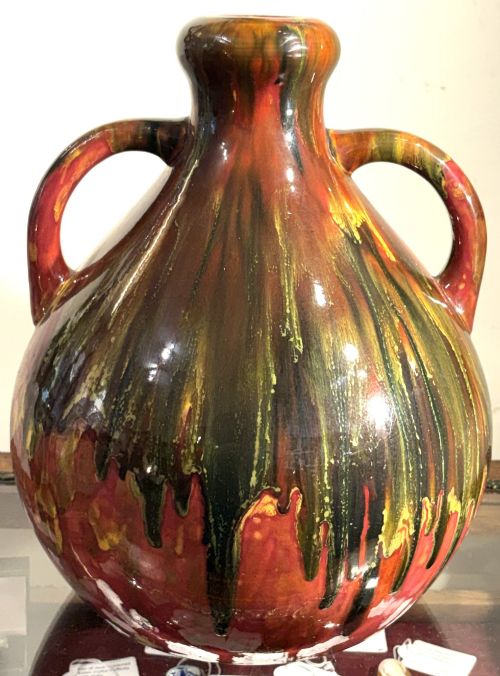
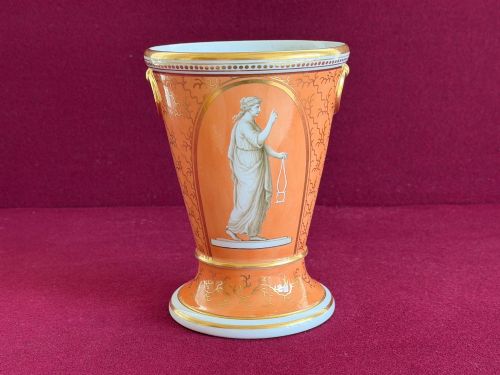
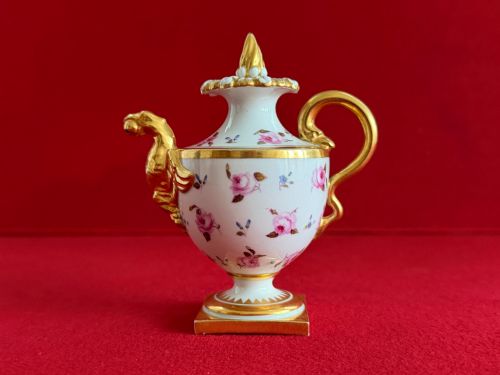
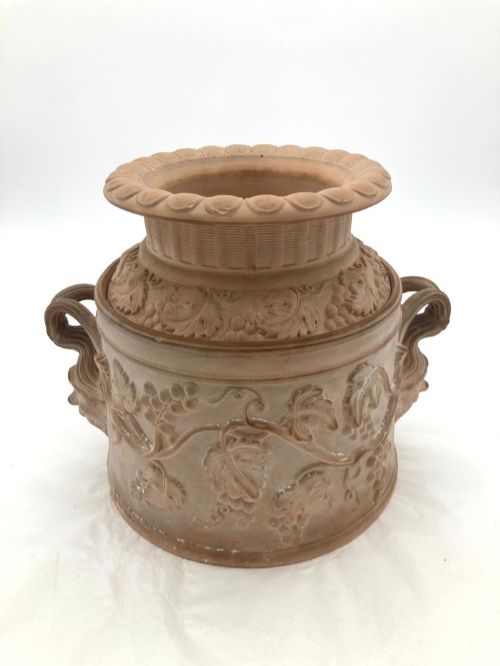
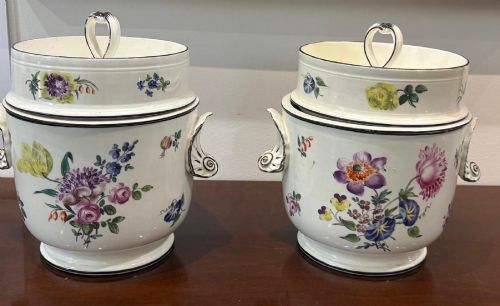
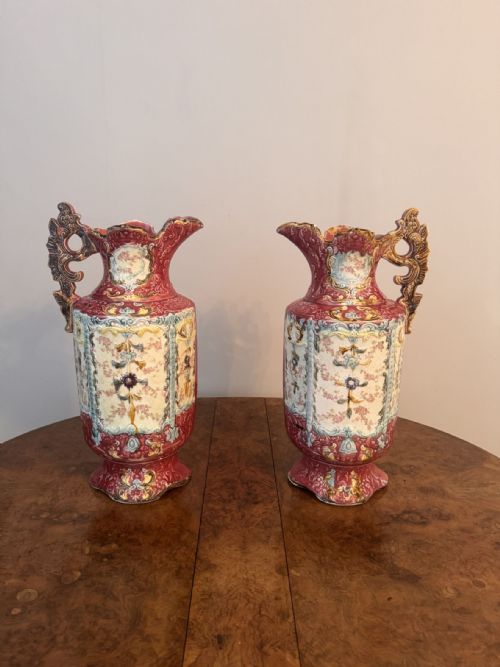
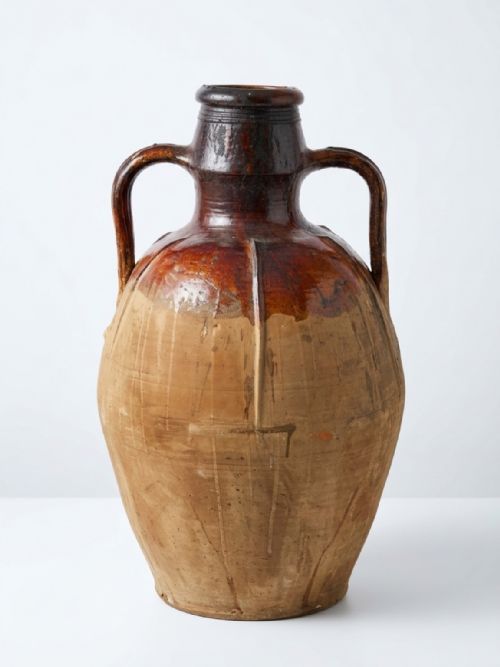
The heading covers two populations that share an outline and little else. One is unglazed or glazed earthenware for gardens and storage: garden urns, tazza shapes, oil and olive jars, pots on pedestals and plinths. The other is decorated porcelain for indoors: covered vases, pot pourri jars, ewers, jardinières and centrepieces.
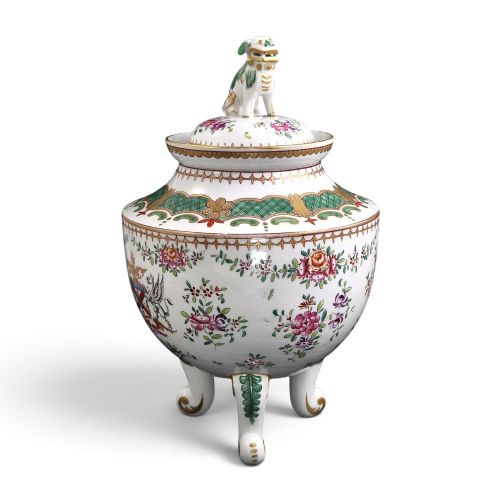
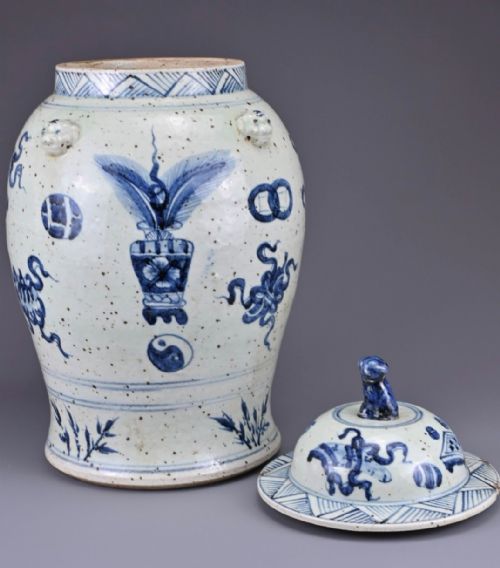
The split is close to even. Porcelain appears in 48 titles and terracotta in 44, so the single commonest thing a buyer meets is a painted or gilt porcelain covered urn, with terracotta close behind at roughly a fifth of the category. English factory porcelain accounts for about one in eight listings, with pot pourri jars and covers a small distinct group inside it. East Asian jars, ginger jars, temple jars and koro make up another eighth, and that group is growing among what's currently listed.
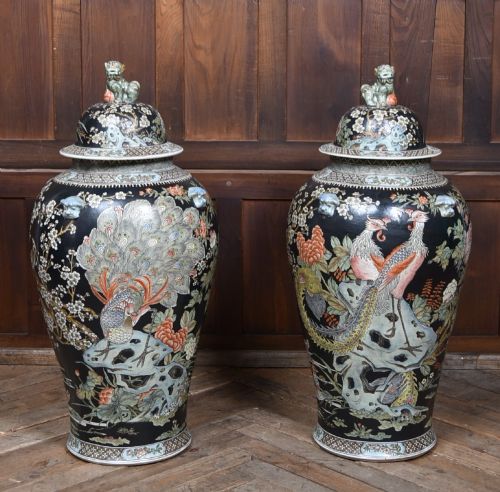
Pairs are the defining habit. 68 titles say pair, more than any single material word, so two rather than one is the default expectation. Sets larger than two turn up now and then: a garniture of four, a three-piece pot pourri set, three large French pots, once a set of twenty-five confit pots.
Dating is usually by century rather than year. The largest single bucket is simply 19th century, with 81 listings, and the dealer-supplied dates run from 1800 to 1960. Where decades are named they cluster in the 1880s and 1920s. Eighteenth-century and earlier pieces exist but are a minority. About 31 urns are listed a year on Sellingantiques, spread across 106 different dealers.
Where The Range Widens
Number is the first lever. A matched pair sits above a single, and a garniture or three-piece set above a pair. Since pairs are so much the norm here, a single reads as the plainer end unless something else is carrying it.
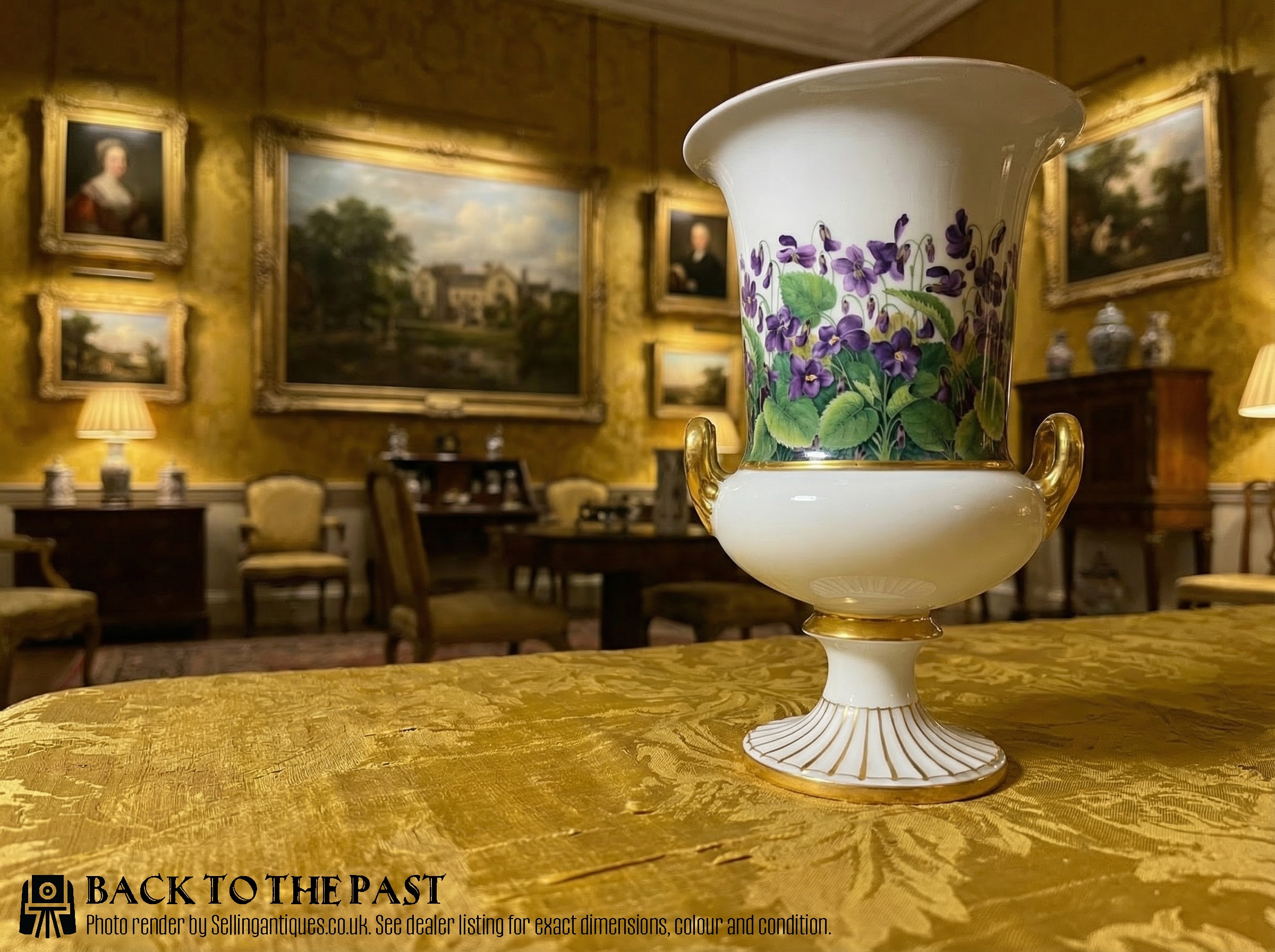
Material and finish separate the two halves. Porcelain with gilding or applied gilt bronze mounts sits above plain terracotta, and gilt is named in 10 titles against painted decoration in 12. Signed painted work and named decoration push a piece toward the top. The highest-priced things in the category are monumental ormolu-mounted porcelain and an early marked Chinese jar; the bottom is small English jardinières and plain French confit pots.
Scale and completeness do the rest. Large appears in 40 titles, with huge, tall and monumental used at the upper end, and pedestals and plinths named repeatedly. A cover matters too: 28 titles between them state lidded or with cover, and several specify the original cover, because the lid is the part that goes missing.
Antique Urns Retail Price Guide 2026
Typical UK retail prices for urns, calculated from the Sellingantiques database of over a million retail prices indexed since 2003. This retail price guide relies exclusively on Sellingantiques data; no external sources or auction records are used, so the figures do not describe the wider market.
19th Century is the period label used most on Sellingantiques for urns, with the 1880s and 1920s next.
The Antique Urns Glossary
- Pair
- Two matching urns sold together, and the most common single word in titles here at 68 listings. Where a title doesn't say pair, assume one.
- Cover or lidded
- The urn comes with its separate lid. Stated in 28 titles between the two words, sometimes as 'complete with original cover'.
- Terracotta
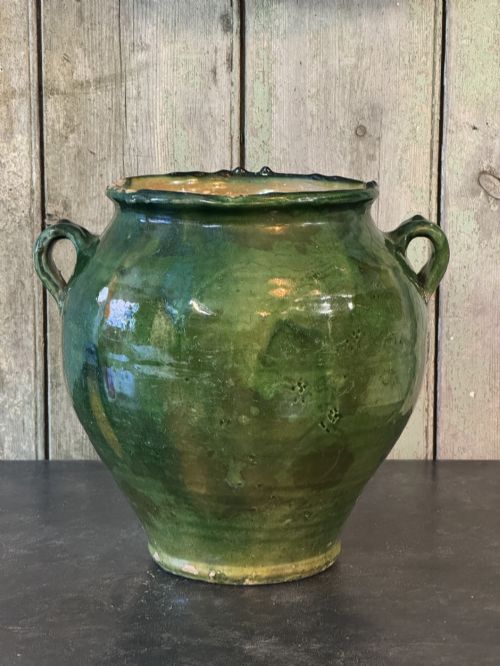
- Fired earthenware, unglazed or glazed, and the garden material in 44 titles. Usually paired with words like garden, pedestal or plinth.
- Pot pourri
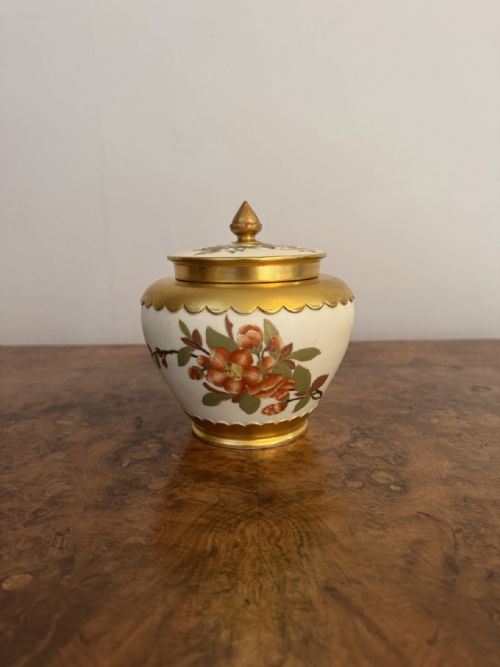
- A covered vessel made to hold scented petals, almost always porcelain, named in 11 titles.
- Jardinière
- A planter or plant holder. Spelled several ways across the titles, appearing in nine listings.
- Campana
- The bell-shaped classical outline, named in terracotta titles and elsewhere. Tazza is its shallow relative, a wide bowl on a stem, used for low garden urns.
Antique Urns: Frequently Asked Questions
Are antique urns usually sold in pairs?
Pairs are the habit of this category. 68 titles say pair, more than any material word, and eight of those add 'large pair'.
Sets larger than two are less usual. A garniture of four, a three-piece pot pourri set and three large French pots each appear, and once a set of twenty-five confit pots.
What are antique urns made from?
Two materials dominate almost evenly. Porcelain appears in 48 titles, terracotta in 44, and they overlap only in silhouette.
Porcelain covers the indoor pieces: painted, gilt, lidded, sometimes with gilt bronze mounts. Terracotta covers the garden and storage side, including oil and olive jars and urns on pedestals.
How old are most antique urns on the market?
The dated field runs 1800 to 1960, and the largest single bucket is simply '19th Century' at 81 listings, so dating here is usually a century rather than a year.
Where decades are given they cluster in the 1880s, 1920s, 1900s and 1860s. Eighteenth-century pieces are a minority, and a few entries run into the 1940s and 1960s.
What does pot pourri mean in an urn listing?
It's a covered vessel made to hold scented petals, usually porcelain. The word appears in 11 titles.
These sit mostly within the English factory group, and their share is up among what's currently for sale.
Which urns are garden pieces and which are for indoors?
Terracotta is the garden material. Titles in that group name garden, pedestals, plinths, tazza and campana shapes, alongside oil and olive jars made for storage.
Porcelain is the interior side: covered vases, pot pourri jars, ewers, garnitures and centrepieces, often painted or gilt.
What unusual urns turn up in this category?
Alongside the two main groups, East Asian jars account for roughly one in eight listings: ginger jars, temple jars and koro incense burners.
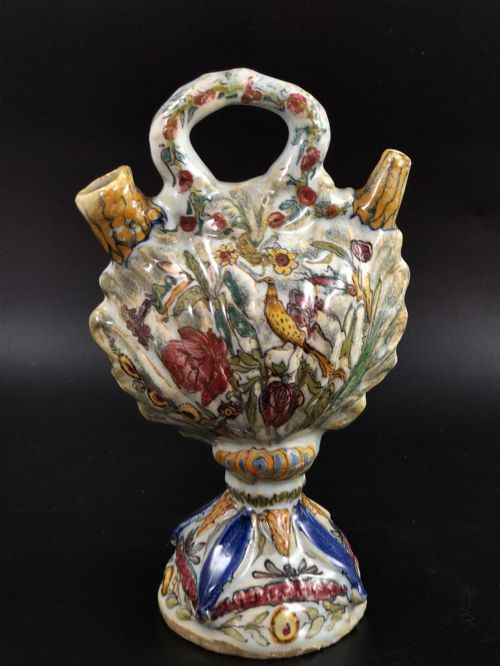
One-offs appear too. A toleware chestnut urn, a rose water sprinkler, a chintz urn-shaped slop pail, a stoneware water filter vessel and a pilgrim flask each show up once. The rarest origins recorded are Hungarian, Portuguese and Turkish, one sample title each.