


Antique Portraits
A framed likeness of a person, painted or drawn to record who they were, most often an oil on canvas of a sitter nobody has since named.
What You're Looking At
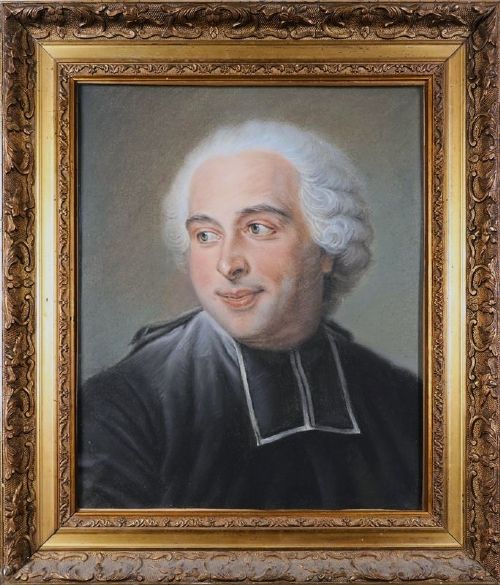
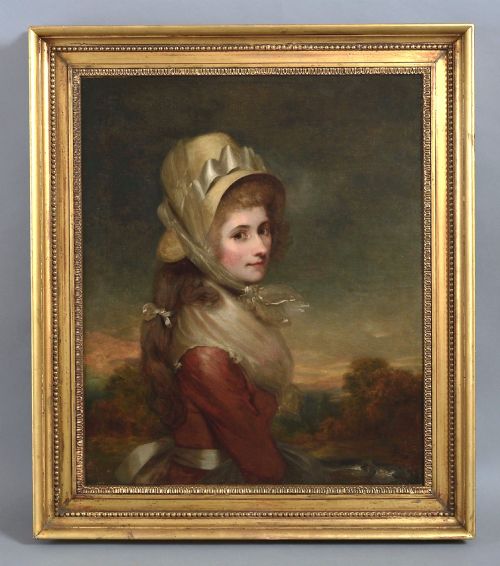
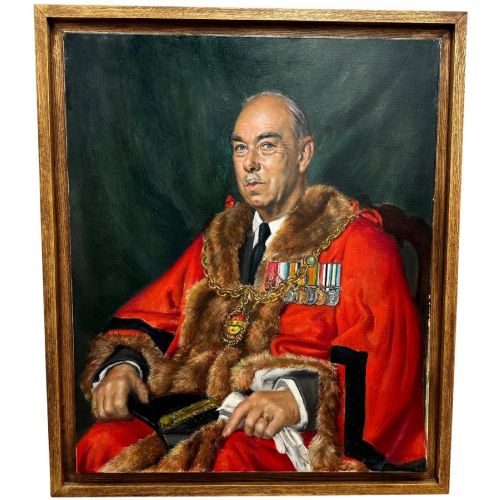
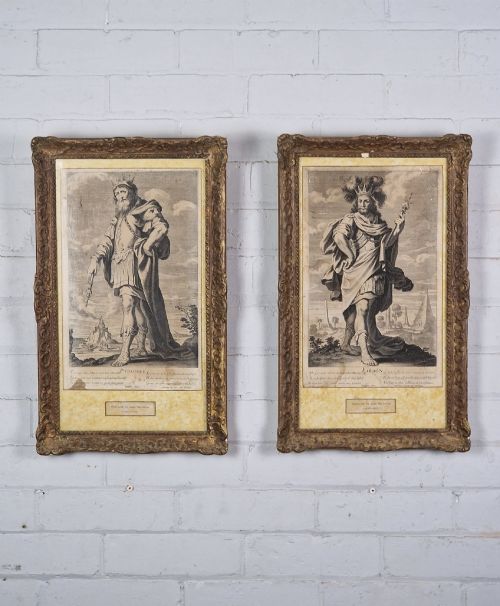
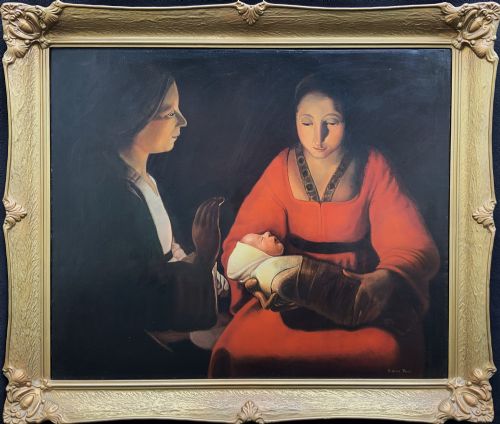
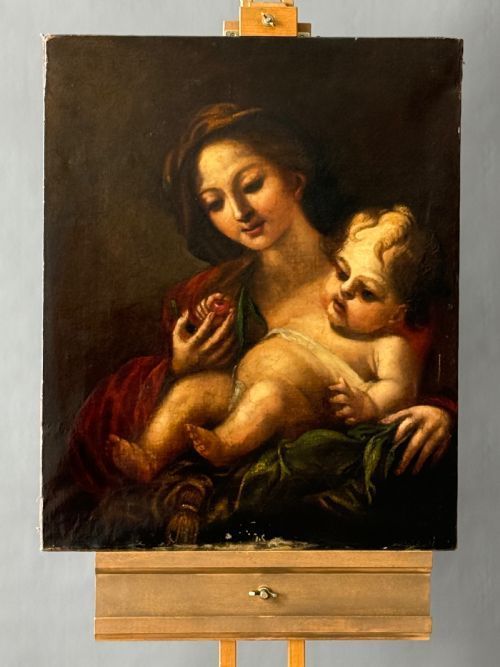
Oil dominates. The word appears in more than two fifths of titles on Sellingantiques, canvas in around a tenth, panel in a smaller number again. The standard picture is a half-length of an unnamed sitter, catalogued as a lady or a gentleman, with a circa date and a school rather than a signature. Only about one title in twenty says signed.
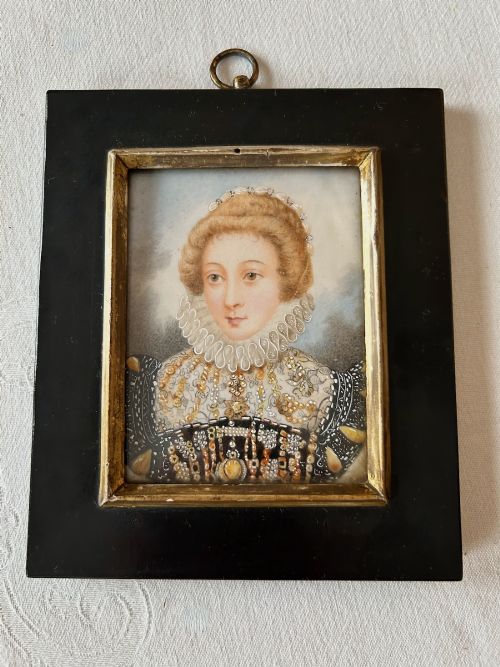
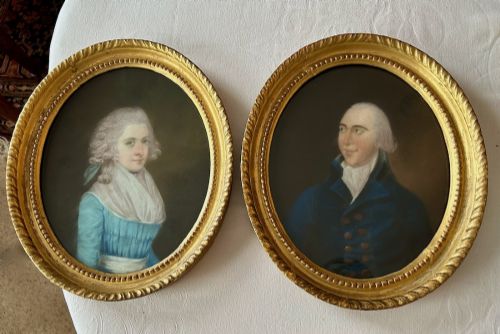
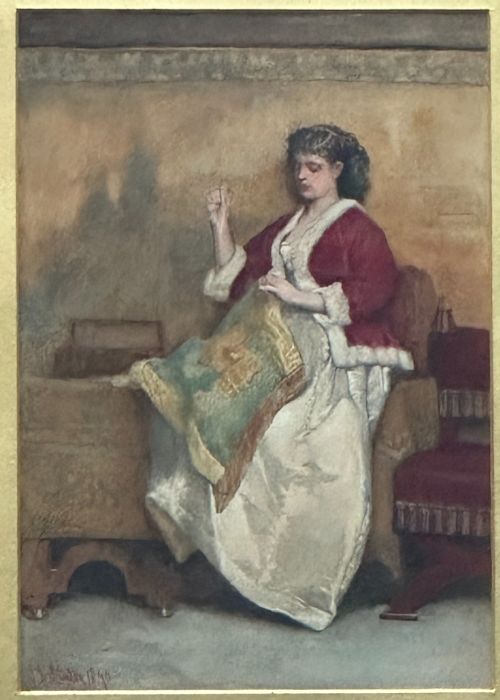
Works on paper make up the next seam: watercolour, pastel, pencil, chalk, with sanguine, charcoal, gouache and plumbago turning up through the samples. Smaller again are the miniatures, roughly one listing in fourteen, painted on card, copper, celluloid, glass or silk and often cased or mounted as a brooch. Cut and painted silhouettes sit alongside them.
Attribution is usually hedged. Circle of, after, attributed to, follower of and studio of together carry well over a thousand titles, against a much smaller group of firm names concentrated at the top of the range. Dating is broad too: 19th Century covers over a thousand listings, 18th and 17th several hundred each, and two thirds of listings never pin a clean year at all.
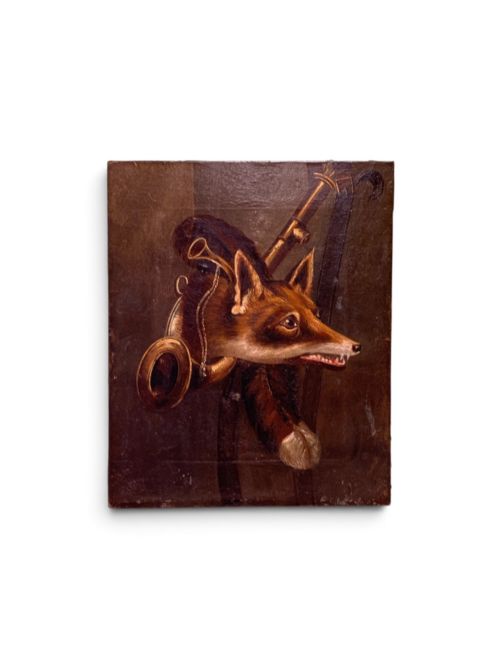
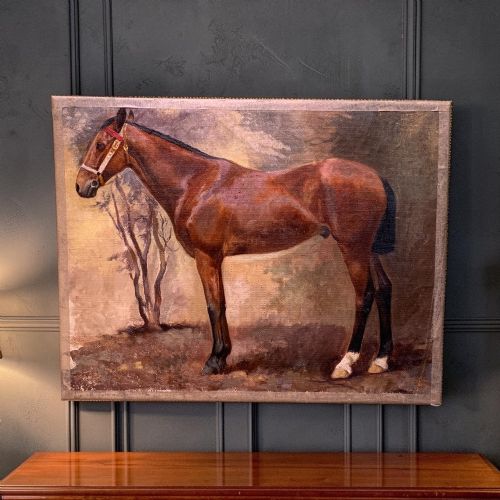
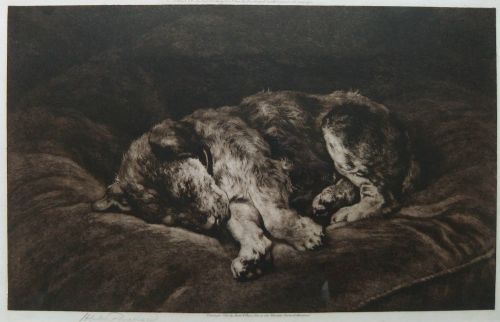
The heading also takes in animal subjects. Dogs appear in over a hundred titles, horses in ninety-odd, and the archive has carried a lion, a foxhound and a racing pigeon filed as portraits. Origins run well past the English School, with French, Dutch, German, Italian, Spanish, Chinese and Indo-Persian pictures among them.

What Separates Them
Attribution does most of the work. A bare school label sits at the bottom, a firm name at the top, and the hedges occupy the middle ground in a fairly orderly way: attributed to reads stronger than circle of, circle of stronger than follower of. A picture catalogued only as English School with a century bracket is the base case for the whole category.
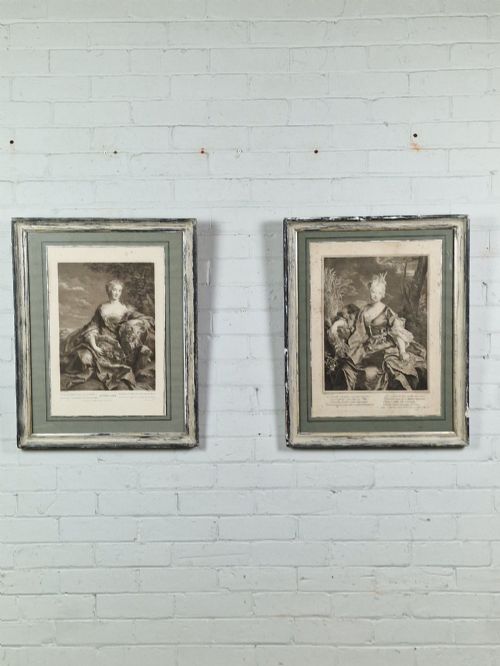
A named sitter lifts a picture. The upper range names the person, and often the family or the house they came from, while the bulk of listings offer a lady, a gentleman, a young girl. Scale and format pull the same way: large is claimed in nearly two hundred titles, pairs in a similar number, and husband-and-wife canvases sold together read differently from a single half-length.
Medium and date finish the pattern. Oil on canvas or panel sits above works on paper, with pencil, chalk and print titles clustering low. Earlier sitters carry more, particularly 17th and early 18th century figures in armour, ruff collars, lace jabots or silk dress, against generic 19th and 20th century half-lengths.
Retail Price Guide 2026
Typical UK retail prices for portraits, calculated from the Sellingantiques database of over a million retail prices indexed since 2003. This retail price guide relies exclusively on Sellingantiques data; no external sources or auction records are used, so the figures do not describe the wider market.
The word portrait stretches a long way: dogs appear in 118 titles and horses in 94, and the archive has carried a lion, a foxhound and a racing pigeon.

Michael Dahl·Charles Jervas·Charles Daniel Ward·Sir Godfrey Kneller·John Vanderbank·Thomas Murray·Jonathan Richardson·John Theodore Heins·John Greenhill·Thomas Hudson·Thomas Beach·John Hoppner·Colin Graeme Roe·Sir Thomas Lawrence·Tilly Kettle·Johann Kerseboom·Thomas Gibson·Christian Friedrich Zincke·Hans Hysing
The Antique Portraits Glossary
- English School
- No artist identified, only a national tradition and a date. School appears in over five hundred titles, english school in 173 of them.
- Attributed to
- The dealer's considered opinion that the named artist painted it, stopping short of certainty. Used in 239 titles.
- Circle of
- By an unidentified painter working close to the named artist, within his lifetime. The commonest of the hedges, on 356 titles.
- After
- A copy of a known composition by another hand, on 255 titles. Studio of, on 110, means the artist's workshop, wholly or partly by assistants.
- Miniature
- A small portrait, on ivory, card, copper or celluloid, often framed as a pendant or brooch. Silhouette. A profile in solid black, cut from paper or painted on card or glass.
- Plumbago
- A finely worked graphite drawing on vellum or card, chiefly a late 17th and 18th century form. Grisaille. Painted wholly in greys, as if sculpture.
Frequently Asked Questions
Why are so many sitters unnamed?
Because the names dropped away as pictures left families and passed through sales. Titles on Sellingantiques run to lady, gentleman, young girl, young boy, described by dress, age or occupation.
Where a sitter is named, the listing tends to name the family or house as well. Those sit at the top of the range.
What does circle of actually mean?
An unidentified painter working close to the named artist, during that artist's lifetime. It is one of a family of hedges dealers use when the hand isn't certain.
After means a copy of a known composition. Follower of means the manner, not necessarily the period. Studio of points at workshop assistants.
Are portraits usually signed?
No. Around one title in twenty says signed, and only about one in fifty says dated.
The hedged attributions far outnumber them. Circle, after, attributed, follower and studio together carry well over a thousand titles.
How reliable is a 19th Century date?
Treat it as a bracket rather than a date. Over a thousand listings are filed simply as 19th Century, with several hundred each under 18th and 17th.
The dealers' own dating spans 1631 to 1960, though fewer than a third of listings pin a clean year. Expect a circa in the description.
Do animal pictures count as portraits?
They're filed here, yes. Dogs appear in over a hundred titles and horses in ninety-odd, with collies, terriers, racehorses and hunters among them.
The archive has also carried a lion, a foxhound, a bull bitch and a racing pigeon under the same heading.
What are miniatures painted on?
Ivory and card are common, but the samples also show oil on copper, celluloid, reverse-painted glass and Italian examples drawn on silk.
Many come cased, and some are mounted as pendants or brooches. Miniature appears in 372 titles, roughly one listing in fourteen.