



Antique Miniatures
Very small painted pictures, mostly head-and-shoulders portraits on ivory, card, copper or vellum, made to be held, worn or set on a table rather than hung on a wall.

What Are Antique Miniatures?
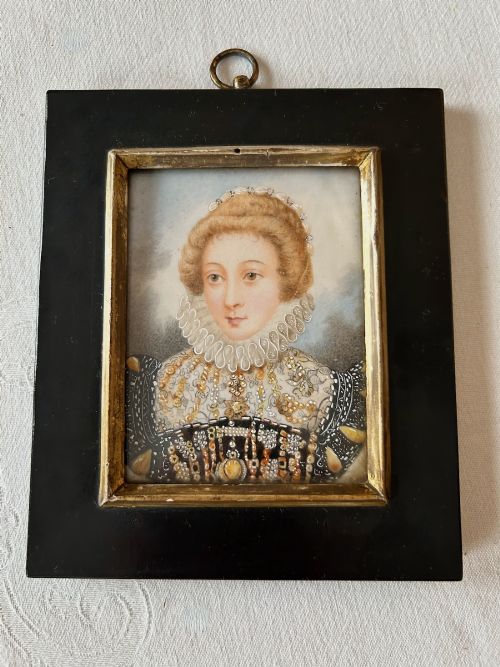
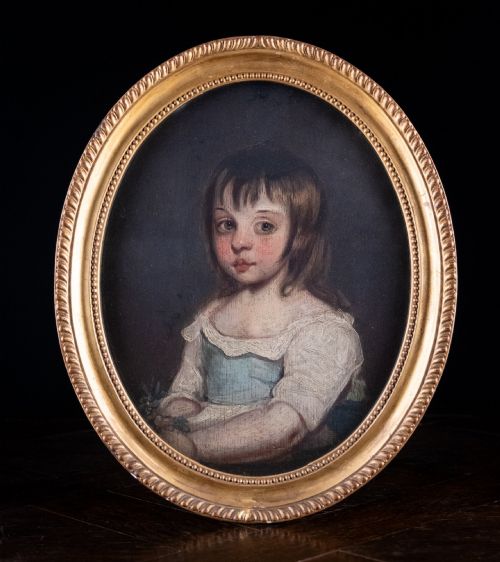
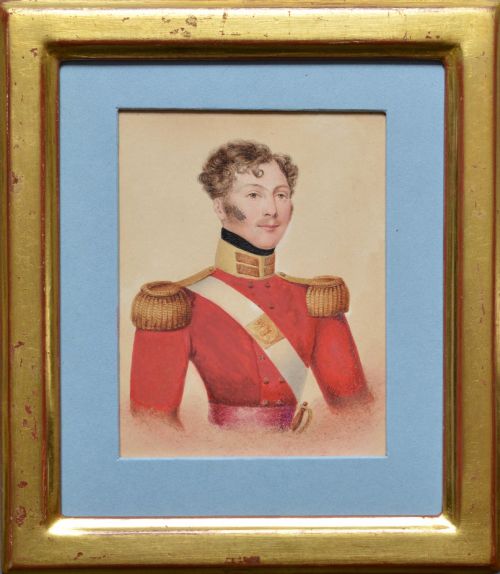
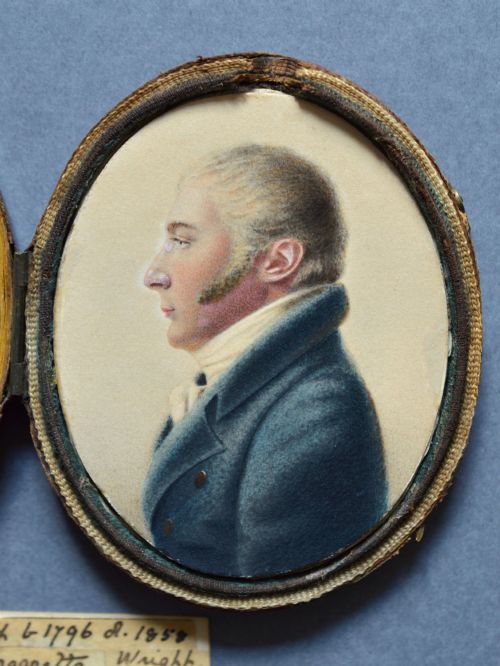
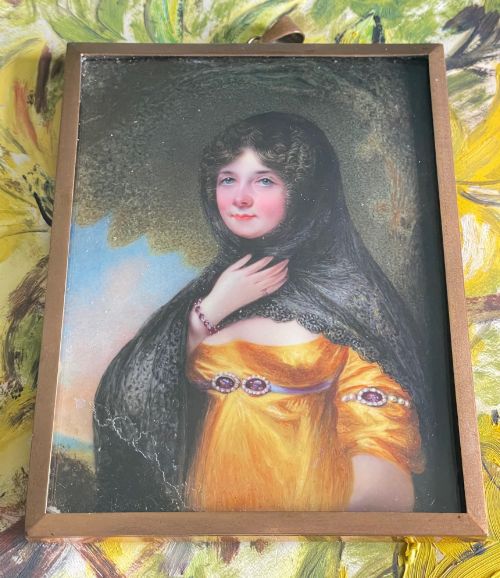
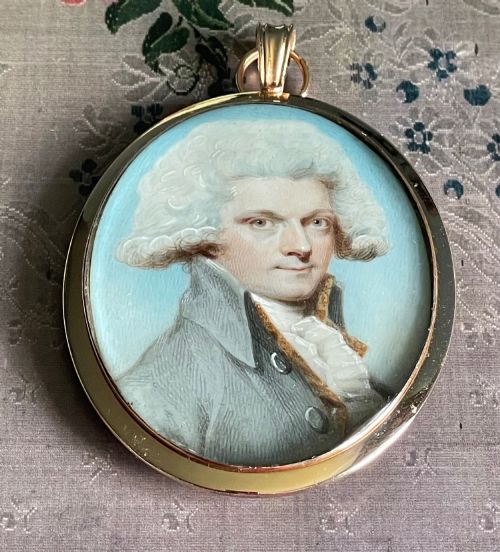
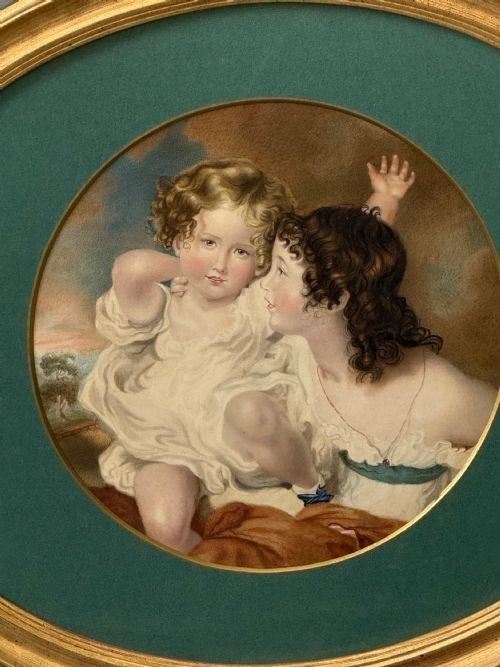
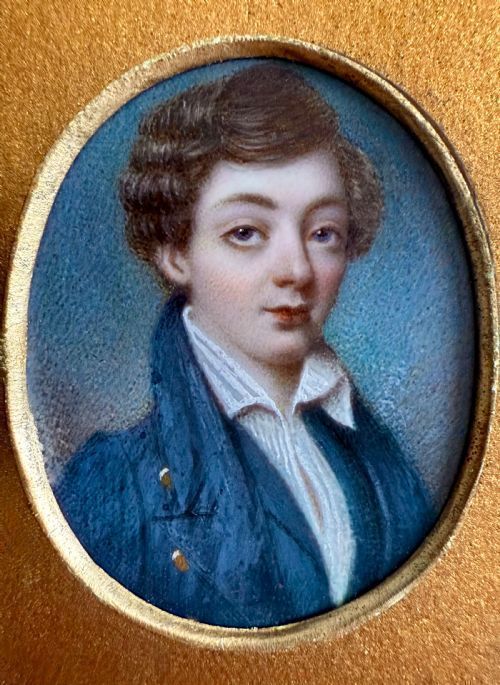
The portrait dominates. The word appears in 421 of 676 titles on Sellingantiques, and the sampled listings settle into one pattern: a single sitter, head and shoulders, in an oval frame. Ladies turn up in 96 titles, gentlemen in 61, with children, girls and young sitters behind them. Nearly all are sold framed, and the frame counts as part of the object.
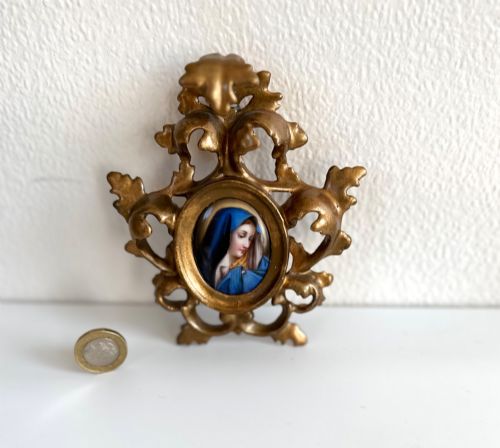
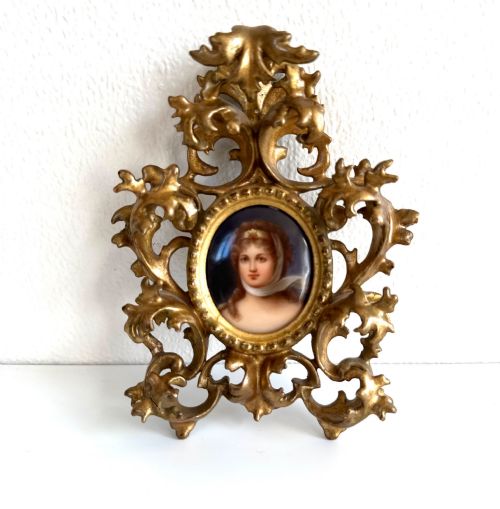
Supports split between watercolour, named in 115 titles, and oil in 74. Ivory appears in 33, copper in 15, and the rest of the sample runs through card, paper, vellum, panel, board, tin and plaster. The form grew out of sixteenth-century Europe, where a small likeness on vellum or thin ivory could be cased, worn as jewellery or given as a keepsake.
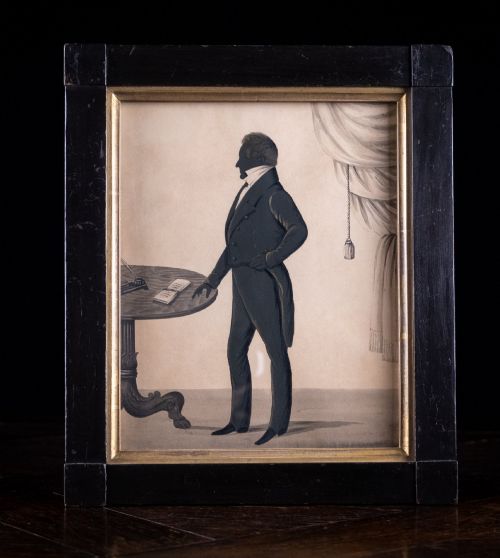
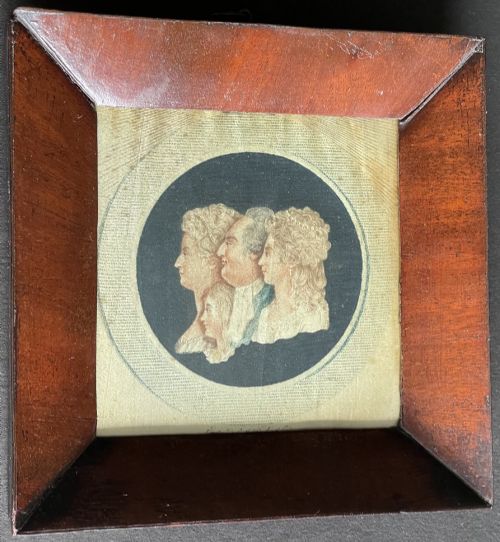
Around the portraits sit four smaller branches. Silhouettes account for 41 titles and about one in ten of current stock, cut or painted, gilded, on plaster or reverse-painted on glass. Landscapes, seascapes and still lifes make another tenth. Pairs appear in 57 titles, with framed sets of three up to eight recurring. Indian, Mughal and Persian album paintings are a small minority.
Dating is loose by design. The dealers' dates run 1700 to 1960, and 185 listings carry a clean year, but nineteenth-century labels dominate, with the eighteenth century behind them and Georgian and Regency covering similar ground. Only 13 titles say dated, so a year inscribed on the piece itself is unusual; a period bracket is the norm.
The Range
A name does most of the work. The upper half of the sampled range carries artists' names, signed in 59 titles and attributed in 12, while the lower half reads simply as a portrait miniature of a gentleman with nothing else to go on. An identified sitter pulls the same way: officers, bishops, countesses and royal or literary figures sit above the anonymous ladies.
Material and technique separate the tiers after that. Enamel plaques, plumbago drawings on vellum, a portrait on an agate panel and vellum work sit high in the sample. Celluloid, ivorine, bromide, engravings and mezzotints sit low. Sets and pairs appear disproportionately in the upper range, as does an original period mount, whether gold, pearl or gem-set, tortoiseshell, horn, boullework or a tooled leather case.
The ceiling belongs to non-European material. Indian appears in only 17 titles, yet Mughal, Deccan and Qajar entries account for several of the highest-priced pieces on Sellingantiques, alongside a Persian painting placed at the end of the sixteenth century. Twentieth-century work, including mid-century Italian lake views and Neapolitan seascapes, sits near the bottom.
Retail Price Guide 2026
Typical UK retail prices for miniatures, calculated from the Sellingantiques database of over a million retail prices indexed since 2003. This retail price guide relies exclusively on Sellingantiques data; no external sources or auction records are used, so the figures do not describe the wider market.
The largest single group to pass through Sellingantiques was a German set of thirty miniatures of the Vita Christi, in ink and pigment with gilt on paper.
Christian Friedrich Zincke
The Antique Miniatures Glossary
- Portrait miniature
- A small painted likeness, usually head and shoulders, made to be held or worn rather than hung on a wall.
- On ivory
- Painted on a thin sliver of ivory. It appears in 33 titles and carries paperwork implications for import and sale.
- Oil on copper
- A small oil painted on a copper plate. Copper is named in 15 titles, often on earlier work.
- After / attributed to / circle of
- Degrees of distance from a named hand. After runs to 24 titles, attributed to 12, with circle of and follower of alongside.
- Plumbago
- A finely worked graphite drawing, usually on vellum. Several turn up in the samples, and they sit high in the range.
- Piano key frame
- A frame faced with strips resembling piano keys, named in several listings; ebonised frames recur on early nineteenth-century watercolour profiles.
Frequently Asked Questions
What were portrait miniatures used for?
They were personal keepsakes. A small likeness on vellum, card or thin ivory could be kept in a case, worn as jewellery or handed to someone as a token.
The evidence still shows that use. Memorial and mourning brooches, a reversible pendant, a swivel mount and a tooled leather carrying case all appear among the listings.
Are most miniatures painted on ivory?
No. Ivory is named in 33 titles, well behind watercolour at 115 and oil at 74. Card, paper, vellum, panel, board and tin all recur.
The unusual supports are stranger still: an agate panel, mother-of-pearl, celluloid, ivorine, tinplate, plaster, oak, silk, and one Indian group painted on the reverse of the glass.
How are these dated by dealers?
Usually by bracket rather than by year. Nineteenth-century labels dominate the archive, with the eighteenth century behind them, and Georgian and Regency covering much the same ground from another angle.
Only 13 titles say dated, so an inscribed year on the piece itself is uncommon. Phrases like first half 19th century or 18th/19thC do most of the work.
Do silhouettes count as miniatures?
They sit in the category and account for 41 titles, rising to about one in ten of live stock on Sellingantiques.
The sample covers cut, painted and gilded profiles, work on plaster, on glass and reverse-painted glass, plus plumbago and pastel cut-outs. Signed or attributed silhouettists turn up more often than named hands on the painted portraits, and one profile is of a spaniel.
Why do Indian and Persian miniatures sit at the top?
They are scarce in this category. Indian appears in only 17 of 676 titles, yet those entries occupy the ceiling of the market.
Mughal School gouache, Deccan album pages around 1700, a Qajar painting and a Persian work placed at the end of the sixteenth century account for several of the highest-priced pieces in the archive.
Which pieces come as pairs or sets?
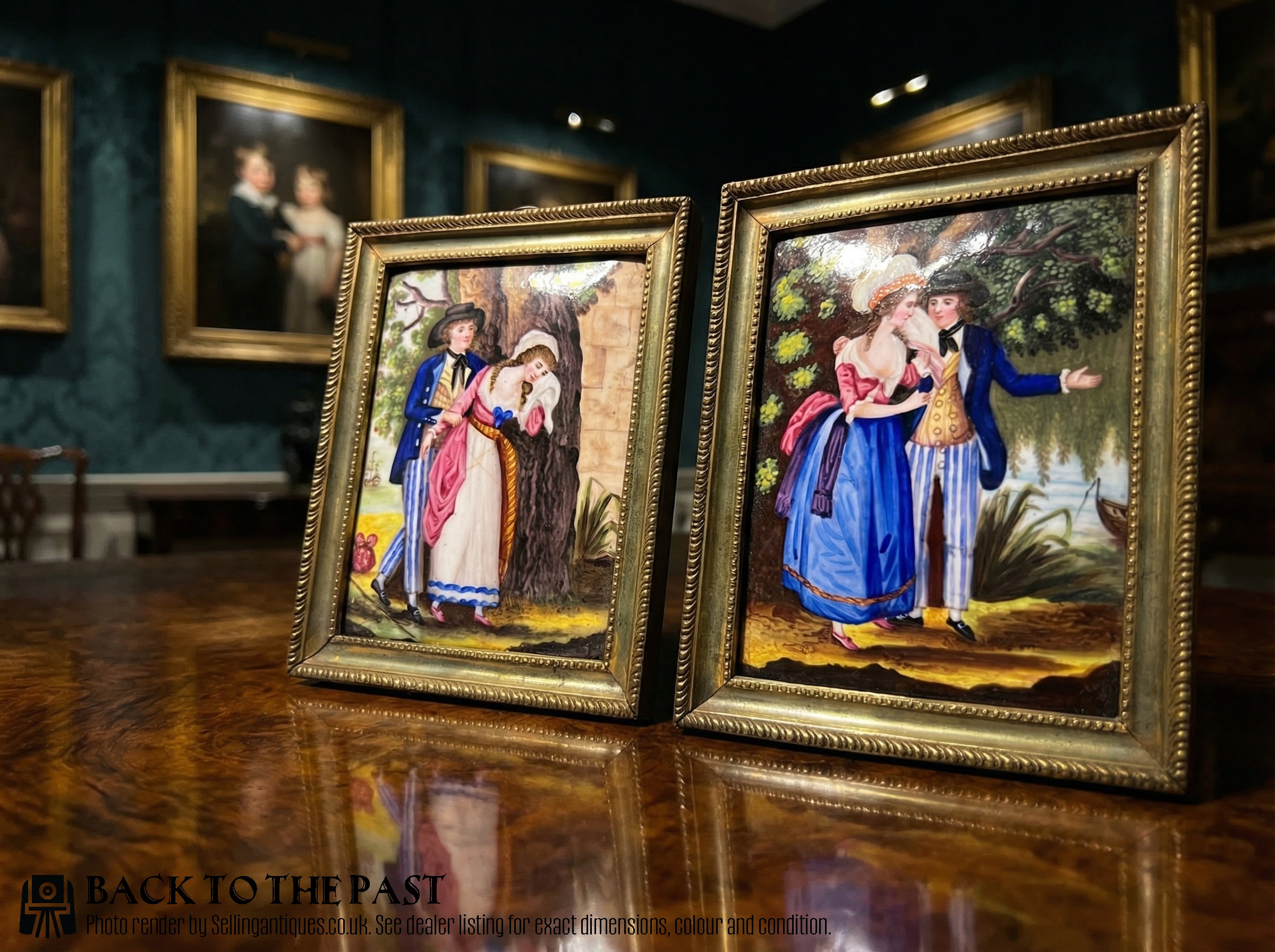
More come that way than the word miniature suggests. Pair appears in 57 titles, and framed groups of three, four, five, six, seven and eight recur through the sample.
The largest is a German entry catalogued as thirty miniatures of the Vita Christi, in ink and pigment with gilt on paper. Sets and pairs form a noticeable slice of current stock.