
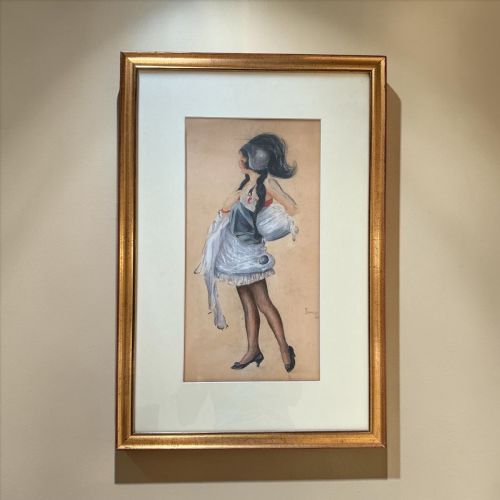
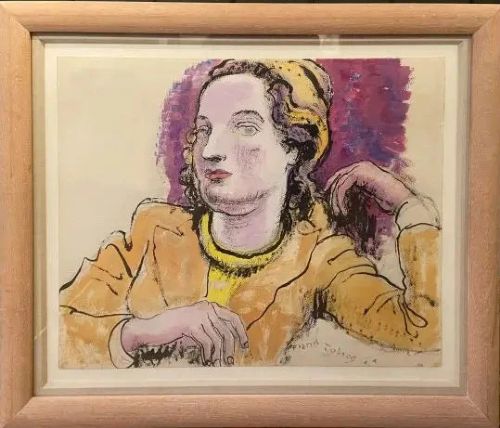
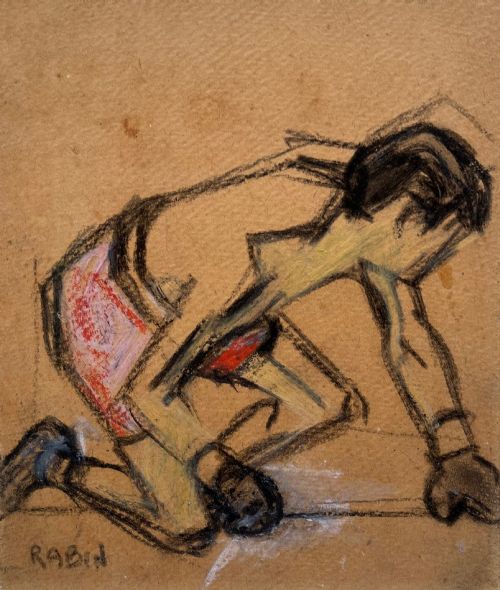
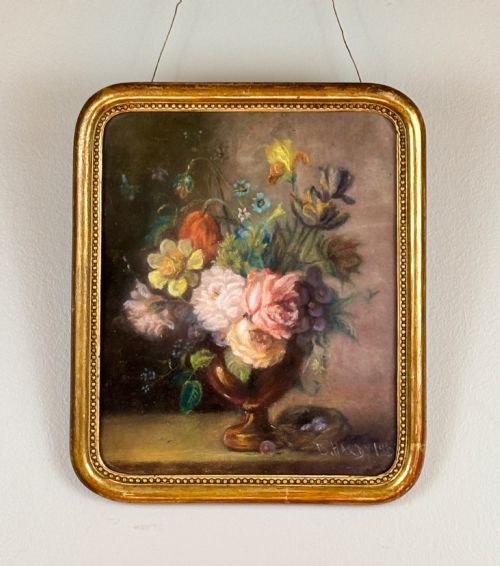
Antique Pastel
Dry pigment sticks worked on paper, framed and glazed: pastel was the quick way to catch a face, and portraits are what the category is largely made of.

What Is An Antique Pastel?
A pastel is dry pigment in stick form, worked straight onto paper, board or occasionally canvas. The surface is left unvarnished, so the work is glazed and framed. Pastel came into wide use for European portraiture from the seventeenth century onward, valued for speed and for flesh tones that needed no drying time.
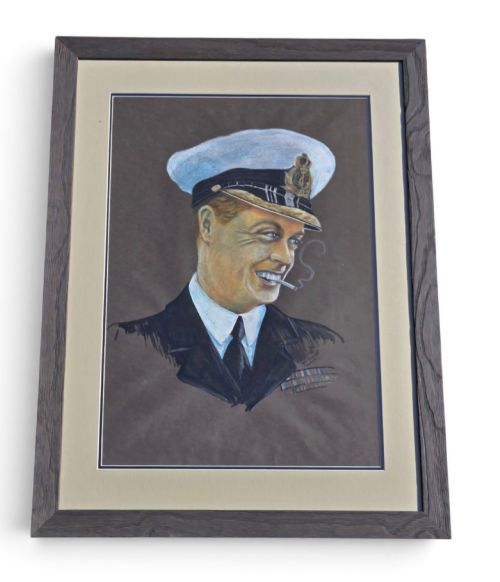
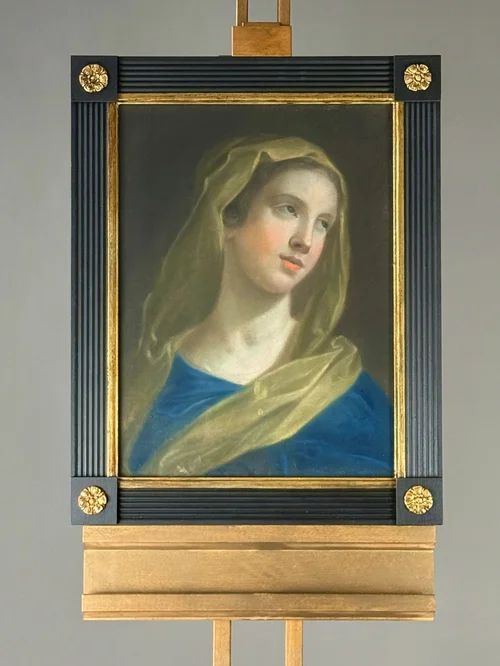
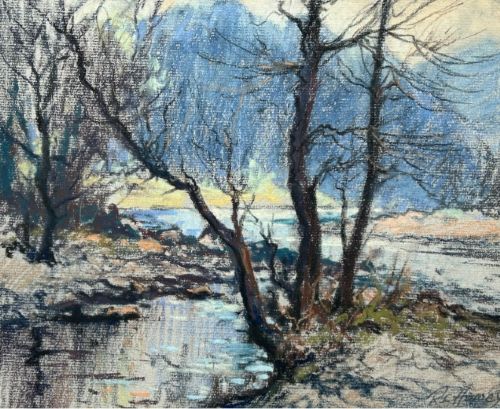
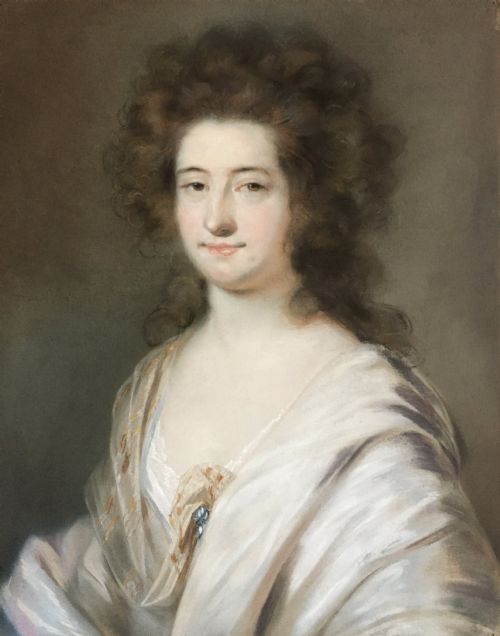
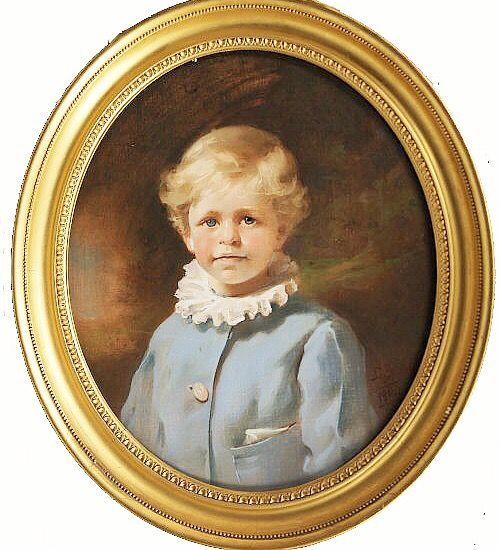
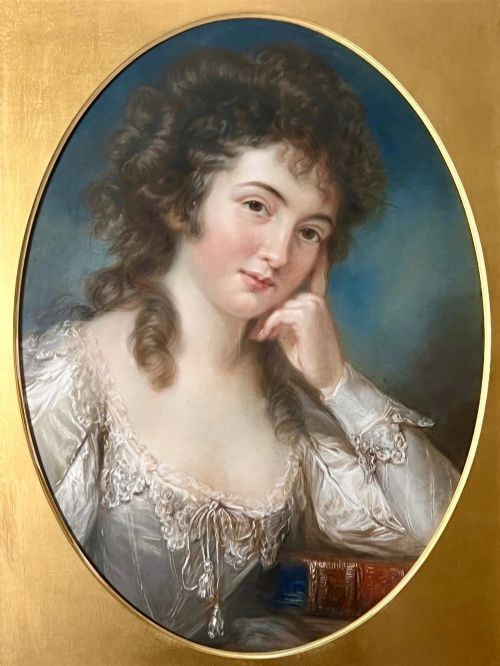
Portraiture dominates. The word portrait appears in 134 of 277 titles on Sellingantiques, nearly half of everything catalogued, and the recurring sitters are a lady, a young man or woman, a girl, a boy. Expect a single figure at head, bust or three-quarter length. Landscapes are the next group, around one in nine titles, with Yorkshire named more often than anywhere else, and Cornwall, the Isle of Man, Provence and Normandy turning up in ones and twos.
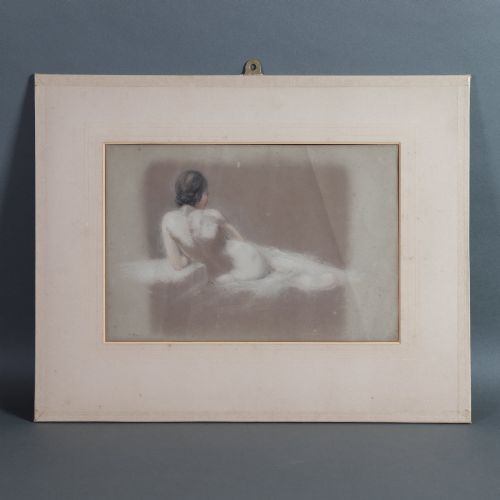
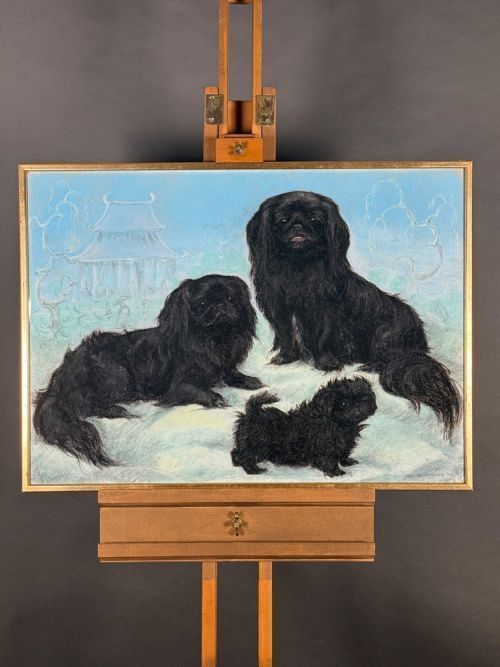
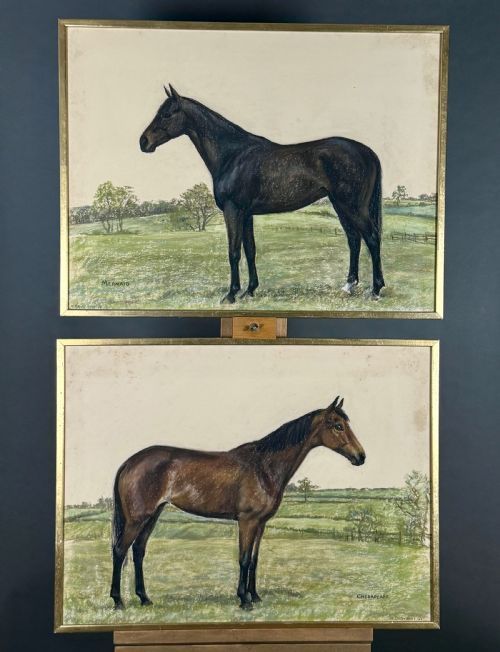
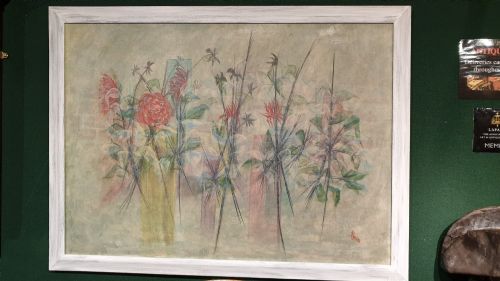
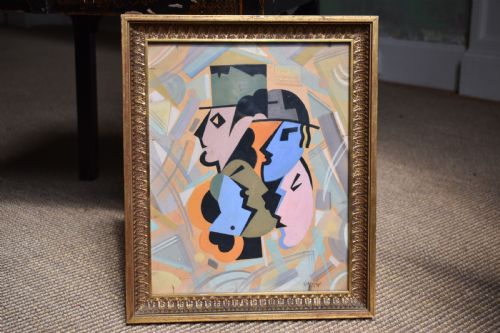
Pure pastel is less usual than the heading suggests. Gouache appears in 16 titles and watercolour in 14, and pieces regularly combine pastel with charcoal, pencil or chalk. Smaller threads run alongside the portraits: horses, dogs, cats, a lioness, a parrot, a bull, plus life studies and nudes.
Dates run from 1800 to 1960 in the recorded field, with 175 listings carrying a clean year. The profile bunches at both ends. Nineteenth Century is the single largest bucket, and it's a broad label rather than a year, while the 1940s, 1950s and 1960s together make an equally large block. The 1920s and 1930s are well represented; eighteenth-century work is scarce, at 14 listings.
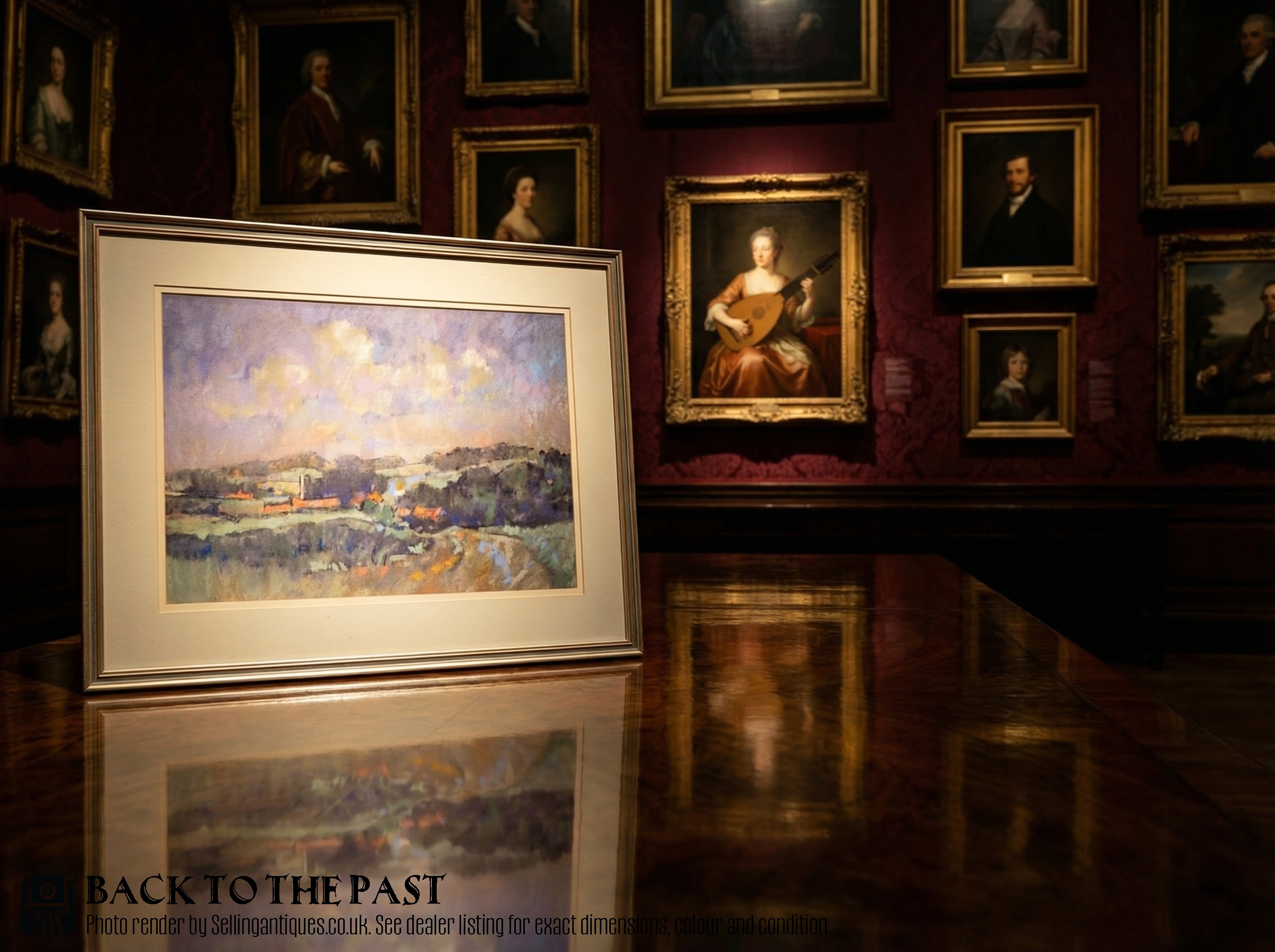
Where The Range Splits
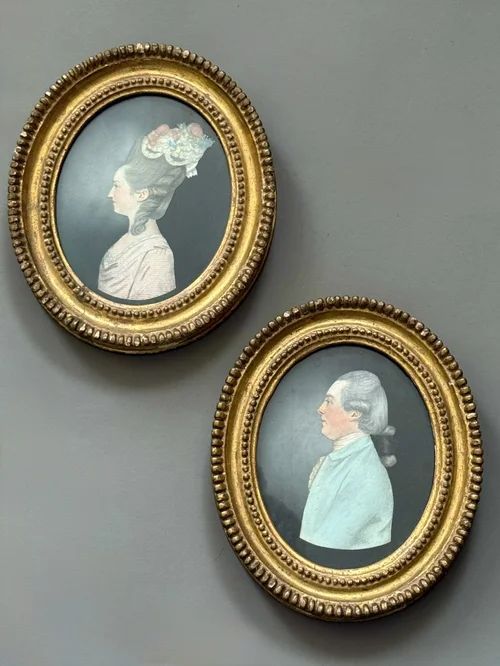
The name on the sheet does most of the work. The top of the range is almost entirely named hands, and eighteenth-century sitter portraits in oval giltwood frames sit up there. The bottom runs on British School, English School and 'indistinctly signed', with 18 titles carrying only a school attribution. Attribution language matters too: manner of, circle of, follower of and after all mean not by the artist named.
Signature and date are recorded less often than you'd think. Signed appears in 44 titles and an explicit date on the work in only 8, so pastels commonly reach the market with the hand unrecorded. Where both are legible, the piece sits higher.
Then it's a question of how finished, and how big. Studies, sketches and head studies cluster in the lower part of the range; fully worked portraits and landscapes sit above them. Large appears in 13 titles and pairs in 9, with sets of three, four and six in the mix, and scale pushes up. Dimensions rarely appear in titles at all, though one pastel and gouache moorland landscape runs 62 by 52 inches.
Retail Price Guide 2026
Typical UK retail prices for pastel, calculated from the Sellingantiques database of over a million retail prices indexed since 2003. This retail price guide relies exclusively on Sellingantiques data; no external sources or auction records are used, so the figures do not describe the wider market.
The largest pastel recorded on Sellingantiques is a Devon moorland landscape in pastel and gouache, measuring 62 by 52 inches.
The Antique Pastel Glossary
- Study
- A working or preparatory sheet rather than a finished composition. It appears in 24 titles, often as 'head study' or 'life study'.
- School
- A regional or national attribution with no named hand behind it: English School, Scottish School, German School. Used in 18 titles.
- Bust length / three-quarter length
- How much of the sitter is shown. It's the standard way of describing a portrait's format, and tells you the crop before you look.
- Gouache
- Opaque water-based paint, frequently combined with pastel. Named in 16 titles, more often than watercolour.
- Sanguine
- A red-brown chalk or pastel tone used for figure drawing, and the word turns up in place of a colour description.
- Cut-out profile
- A silhouette-style profile portrait, sometimes worked with pastel. An eighteenth-century form that appears only twice in the whole sample.
Frequently Asked Questions
Are antique pastels drawings or paintings?
Both words are used for the same objects. Around a fifth of listings call them drawings and a similar share call them paintings.
It reflects the medium more than any real difference. Pastel is a dry stick worked like chalk, but built up it covers like paint, so cataloguers land on either word.
What subjects turn up most often?
Portraits, by a long way. The word appears in 134 of 277 titles, with ladies, young sitters, girls, women and boys recurring.
Landscapes come next at around one in nine, and Yorkshire is the most named place. Animals, still lifes, life studies and nudes each form a smaller steady thread.
How old are most antique pastels on the market?
The dated field spans 1800 to 1960. Nineteenth Century is the largest single bucket, though it's a loose label rather than a precise year.
Mid-century work forms an equally large block, with the 1960s, 1950s and 1940s all well represented. Eighteenth-century pastels are the scarce end, at 14 listings.
Is a pastel always pure pastel?
Often not. Gouache is named in 16 titles and watercolour in 14, and pastel is regularly combined with charcoal, pencil or chalk.
Titles sometimes distinguish chalk pastel from oil pastel, the latter a waxy oil-bound stick giving a different surface. Oil pastel appears rarely.
Why are so few pastels signed?
Signed appears in 44 titles and an explicit date on the work in only 8. Many pastels were studies or informal sittings, never meant to leave the studio as finished exhibition pieces.
'Indistinctly signed' recurs at the lower end of the range. Where no name survives, listings fall back on school attributions or on manner of, circle of and after.
How many antique pastels come up in a year?
Around 35 are listed on Sellingantiques annually, and 81 different dealers have handled them.
That spread tells you something. Pastel isn't a specialist's corner of the trade; it arrives through general picture dealers, one or two at a time.