

Antique Lithographs
A lithograph is a print pulled from a drawn image on stone or plate, the picture-printing method of the 19th century, used for topographical views, natural history plates, caricature and advertising.

Antique Lithographs
Lithography prints from a drawing made on stone, later on metal plate. Invented at the very end of the 18th century, it became the commercial way of putting pictures on paper through the 1800s. Colour printing from multiple stones, chromolithography, came along mid-century, and artists kept using the process for original prints well into the 20th.
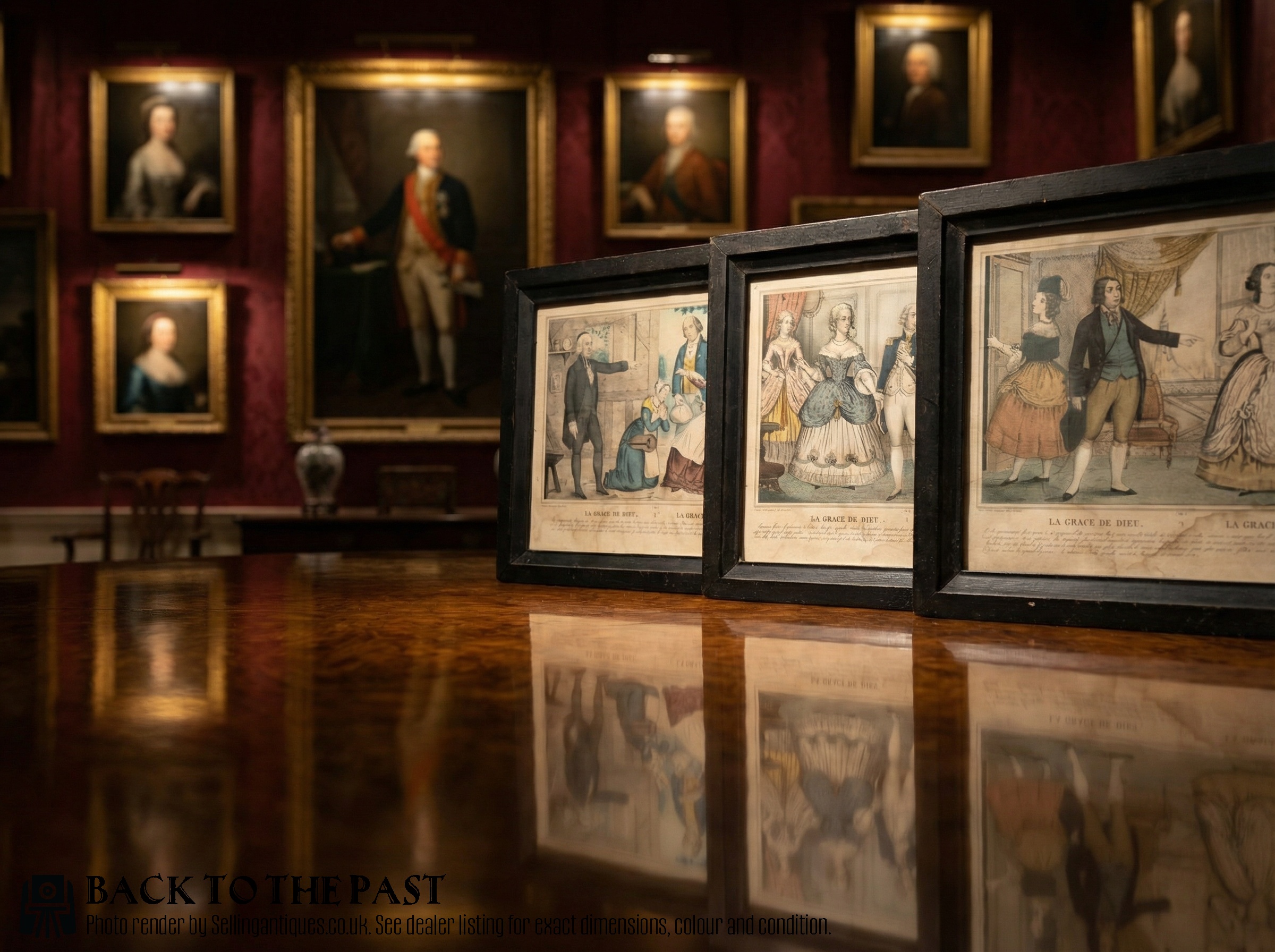
The form you'll meet most often is a single 19th-century sheet, frequently hand-coloured, and just as frequently sold as one of a pair or a set. "Lithographs" appears in about a fifth of titles, "19th" in around a sixth, and pairs and fours together in a good number more. Only a tenth of titles say framed, so the frame is usually either absent or unmentioned.
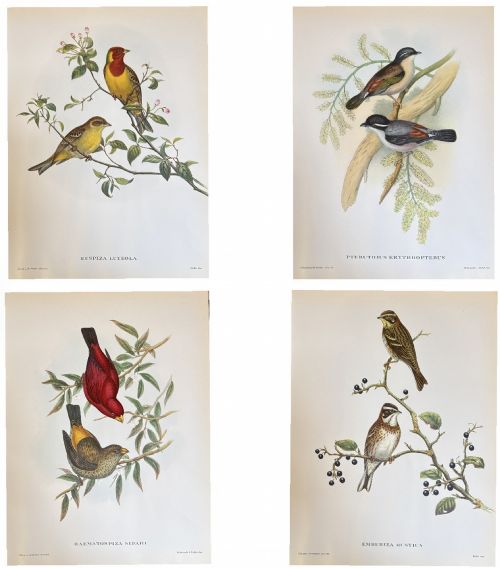
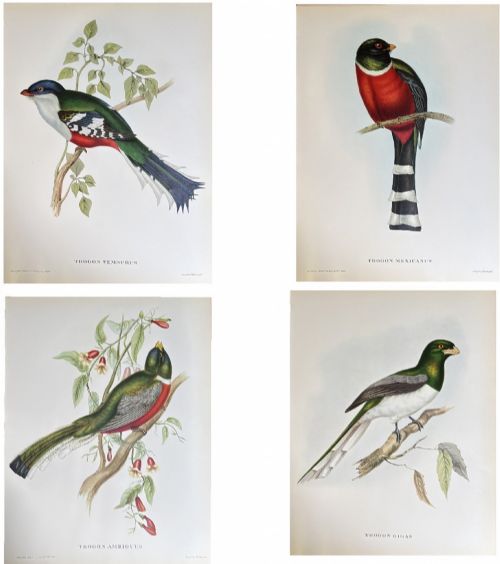
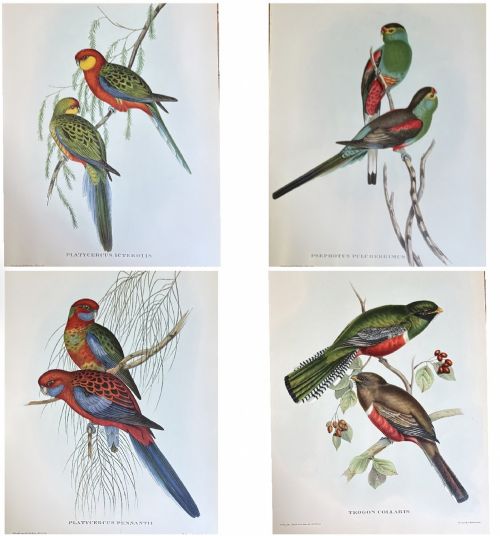
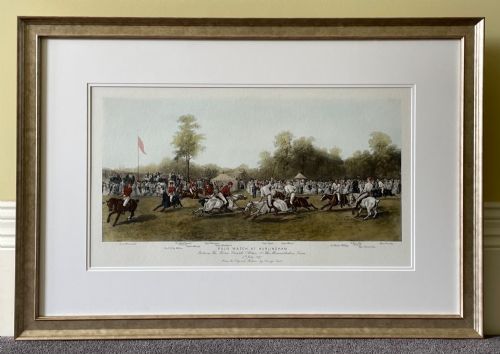
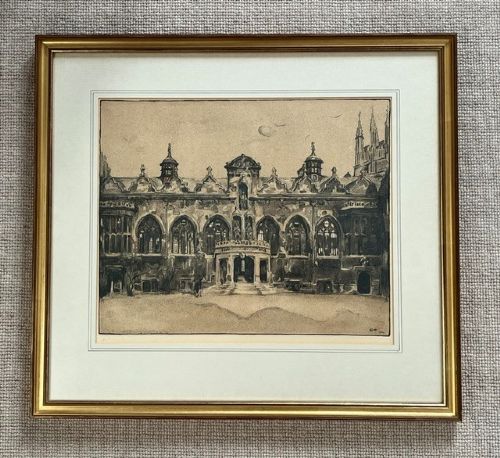
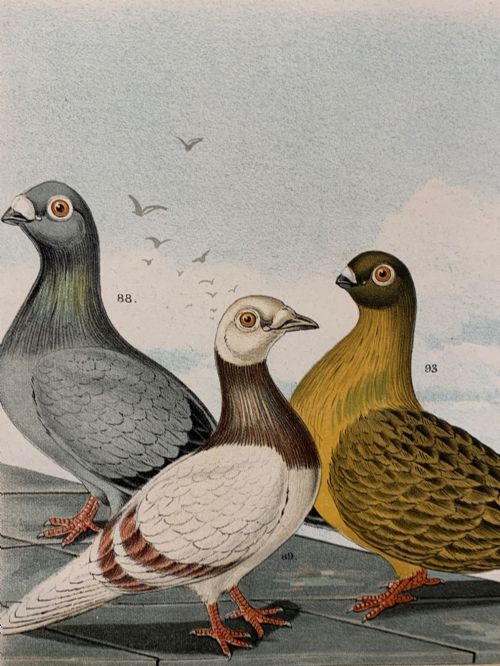
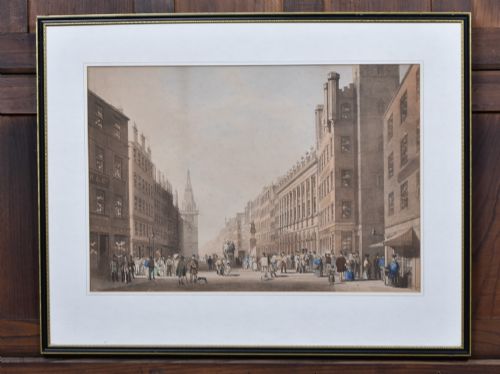
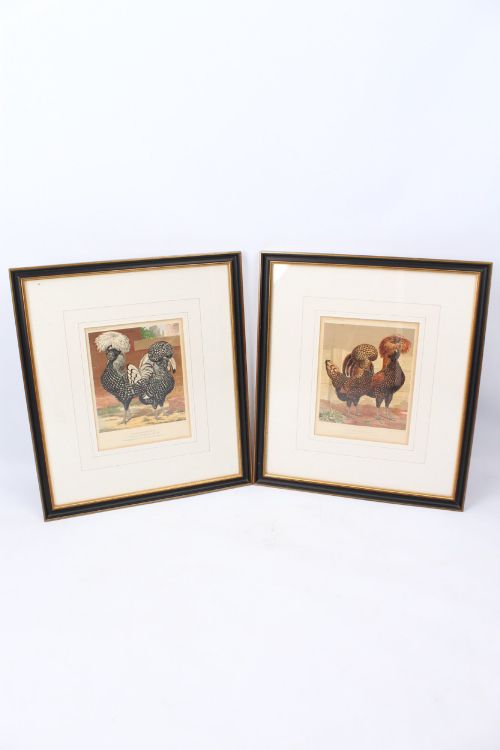
Subjects fall into a handful of camps. British topography and buildings make up roughly a quarter of sampled titles, with named places from Rievaulx Abbey and Peel Castle to Trongate Glasgow, Huddersfield and the Oxford colleges. Sporting and equestrian work is perhaps a fifth: hunting, racing, coursing, shooting and harness-trotting. Natural history runs to parrots, seabirds, butterflies, cattle, pigeon breeds and botanical plates.
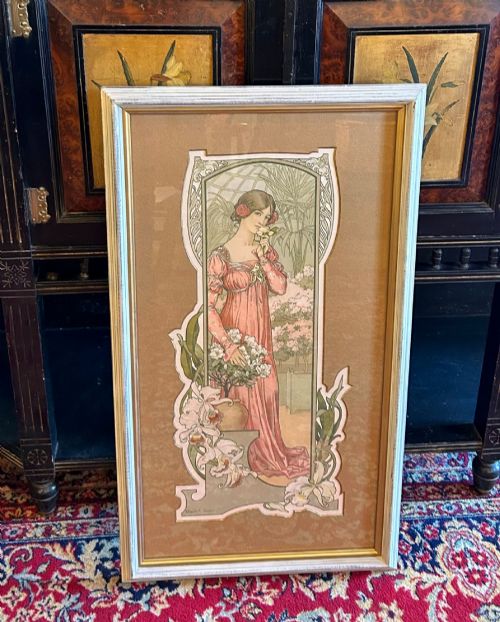
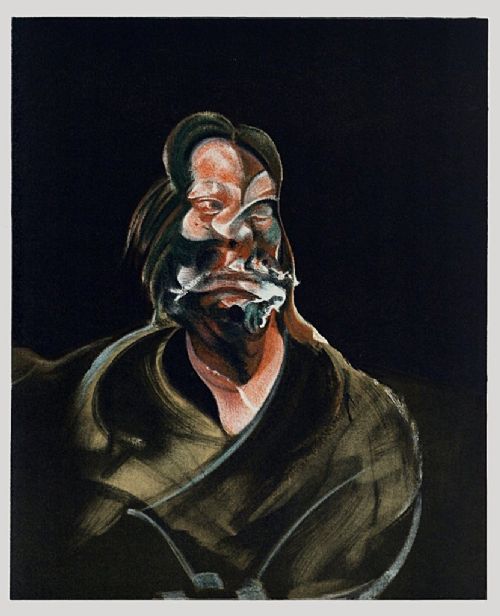
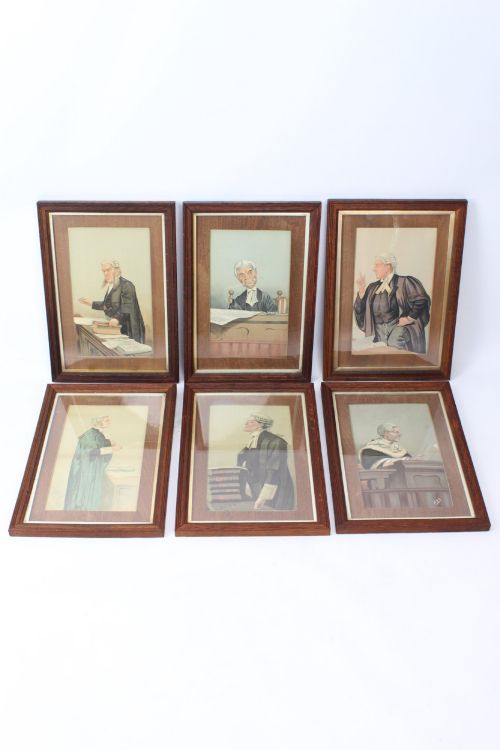
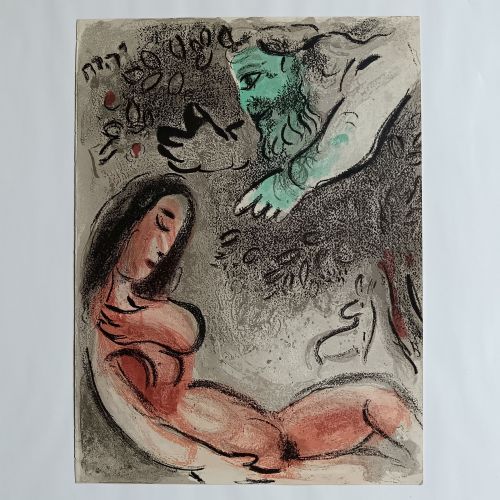
Two further groups sit apart. Vanity Fair caricature portraits, often double-page and often chromolithographed, form a small but distinct slice of listings, and they turn up in current stock rather than in the sold record. Then there's 20th-century artist work and Art Deco or poster material, roughly a fifth of the whole, where signatures and edition numbers start to appear. The heading also takes in a few sheets the dealer has called simply a print, or even an engraving.
What Moves The Range
A name does more than anything else. Sheets described only as a print of a gentleman, a pastoral mother and baby, or a Victorian pears study sit at the bottom of the sampled range. Titles naming the artist behind the image, or the caricaturist behind a Vanity Fair portrait, sit at the top. The word "after" turns up in a tenth of titles, marking a print that reproduces someone else's design.
Number and scale then do the rest of the work. Singles fill out the lower end; the upper end is thick with sets of four, six, twelve and twenty-four, and multi-print groups. Size pulls the same way, with "large", "huge" and stated dimensions of 29 by 23 inches confined to the top of the range. Hand colouring, named in a smaller share of titles, recurs through the better parrot, seabird, racing and Art Deco sets.
Signature, edition and proof status lift a sheet but are the exception: only a small number of titles mention a signature, and limited editions, trial proofs and blind stamps appear only a handful of times across the whole record. Framing pushes up modestly, more so where original frames are named rather than later gilt ones.
Antique Lithographs Retail Price Guide 2026
Typical UK retail prices for lithographs, calculated from the Sellingantiques database of over a million retail prices indexed since 2003. This retail price guide relies exclusively on Sellingantiques data; no external sources or auction records are used, so the figures do not describe the wider market.
The top lithograph sale of the last year on Sellingantiques was a pair of framed Victorian duck pictures, in August 2026.
The Antique Lithographs Glossary
- Lithograph
- A print pulled from a drawn image on stone or plate. The word carries about a fifth of titles in this category.
- Chromolithograph
- Colour printed from several stones rather than brushed on afterwards. It turns up on Vanity Fair sheets and animal subjects.
- Hand-coloured
- Colour applied by brush once the sheet was printed. A recurring note in titles, and one that runs through the better sets.
- After
- The print reproduces another artist's design rather than being drawn for the stone by that artist. Present in roughly a tenth of titles.
- Double page
- A print spread across two pages of a periodical, typically Vanity Fair. It appears in a small run of titles.
- Blind stamp
- An uninked mark impressed into the paper. Noted in the archive on a signed 20th-century sheet alongside a proof number.
Antique Lithographs: Frequently Asked Questions
Are lithographs usually sold in pairs or sets?
Sets are unusually normal in this category. Pairs appear in around a tenth of titles and fours in a smaller share again, and the archive runs to sixes, nines, twelves and a set of twenty-four framed lithographs of wild game.
One collection of about twenty large mosaic prints has passed through as a single lot. Singles are still the commonest listing, but a group is nothing out of the ordinary.
What does the date on a lithograph listing mean?
Read it as the dealer's shorthand. The dated field spans 1800 to 1960, and 118 of 229 listings carry a clean year, but the single commonest label isn't a year at all: 43 say only "19th Century" and 23 only "Victorian".
Where years are given they cluster twice, in the mid-to-late 1800s and again in the mid-20th century. Titles sometimes quote a publication year, 1821 or 1857 for instance, that sits inside a vaguer dated field.
Why do so many listings mention Vanity Fair?
The magazine's full-page caricature portraits form a category of their own, and 18 titles carry the name. They come as chromolithographs, often double-page, often tagged Spy or Men of the Day.
They're a current-shelf phenomenon. They make up a real slice of stock now listed on Sellingantiques against effectively none of the sold record.
How often are these prints signed or numbered?
Not often. Only 11 titles mention a signature, and edition numbers appear a handful of times, phrased as 1/300, one of 500 or a stated edition size of thirty.
A trial proof shows up once in the sample. Where signatures and editions do appear, it's generally on 20th-century artist sheets rather than the Victorian material.
Do lithographs come framed?
Some do. "Framed" appears in about a tenth of titles, with a few describing original frames by a named framing firm, others later gilt frames or gilt gesso.
The rest are described unframed or the frame simply goes unmentioned in the title.
Which unusual forms turn up in this category?
A Regency reverse lithograph printed on glass, an optical illusion sheet, a lithograph with pastel worked over the printing, and a double-sided sheet printed on both faces have all passed through.
Origins stray from Britain too. French subjects are the commonest non-British group, and the record holds a sheet from the House of Wentzel at Wissembourg, an Irish modernist print, and two American political prints of 1877 and 1882.