
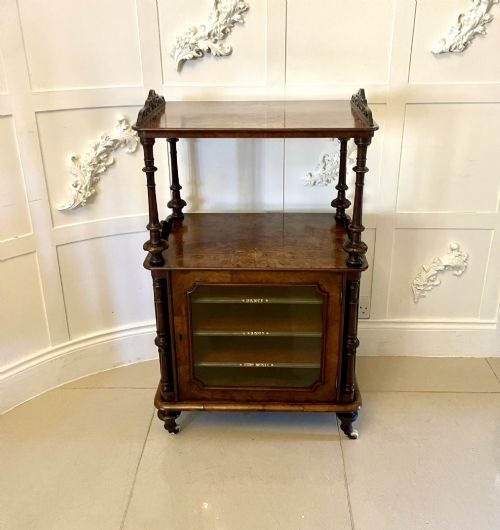
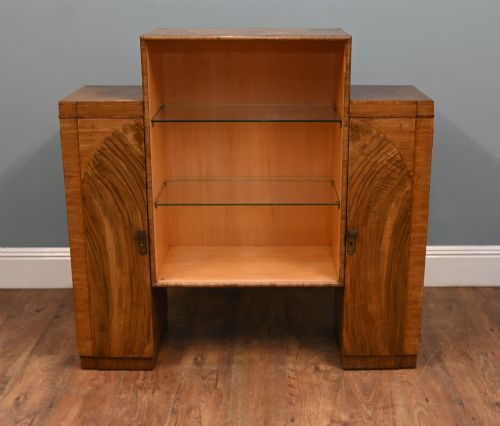
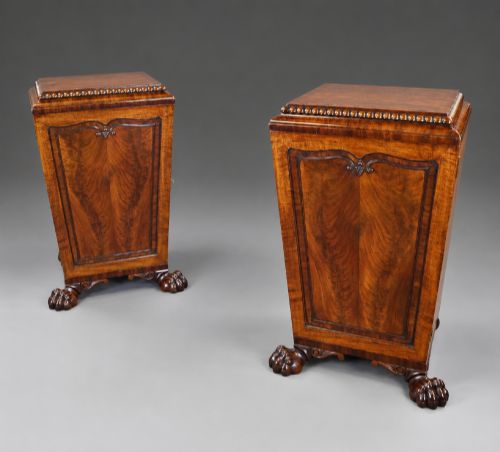
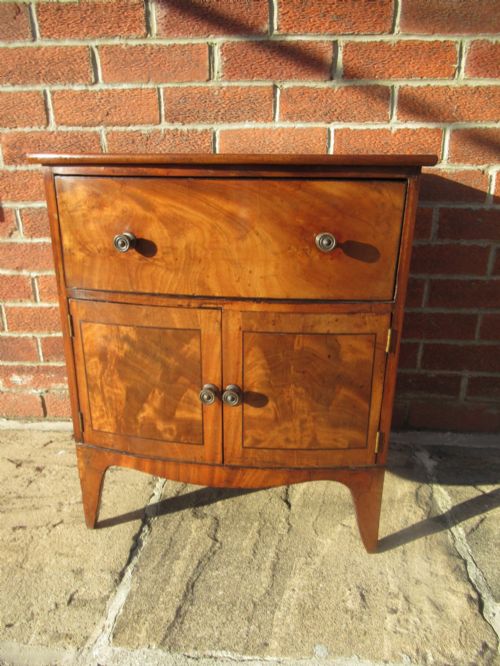
Antique Side Cabinets
A side cabinet is a low free-standing cupboard made to stand against a wall, beside a bed or in the pier between two windows, used for storage and display.
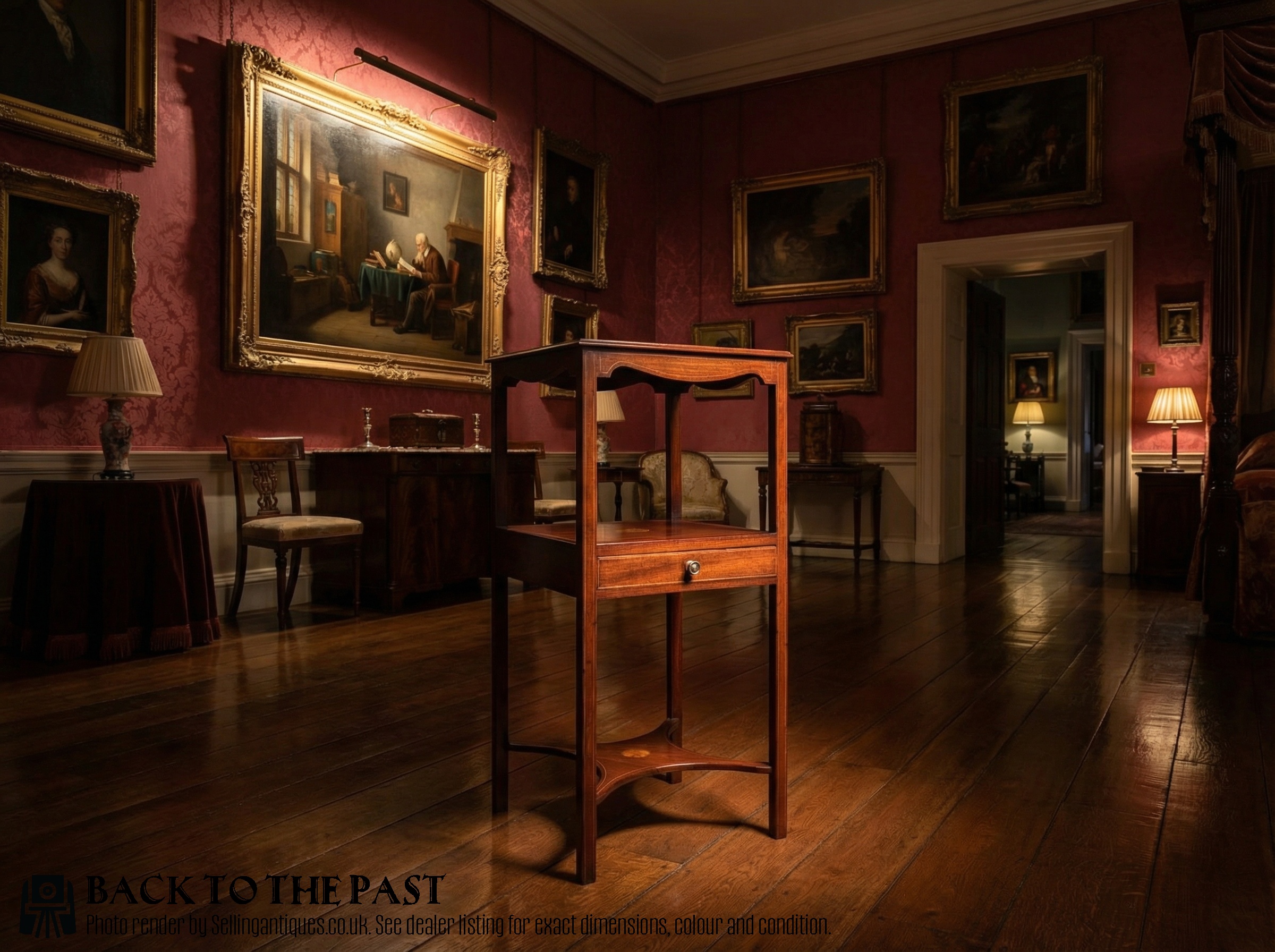
Antique Side Cabinets
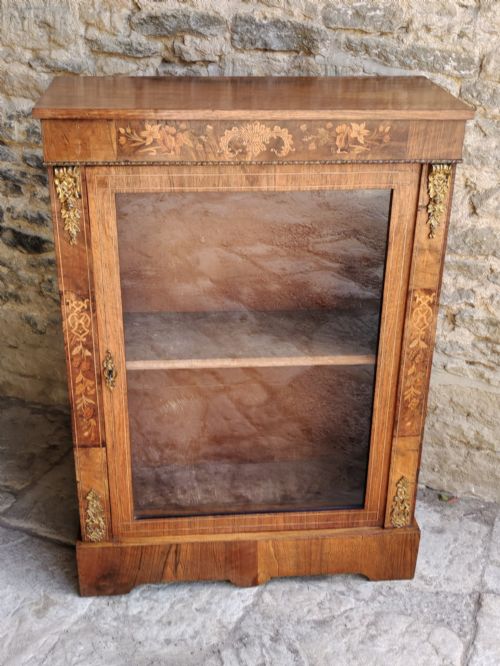
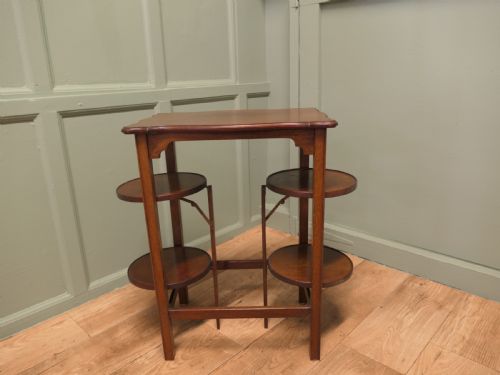
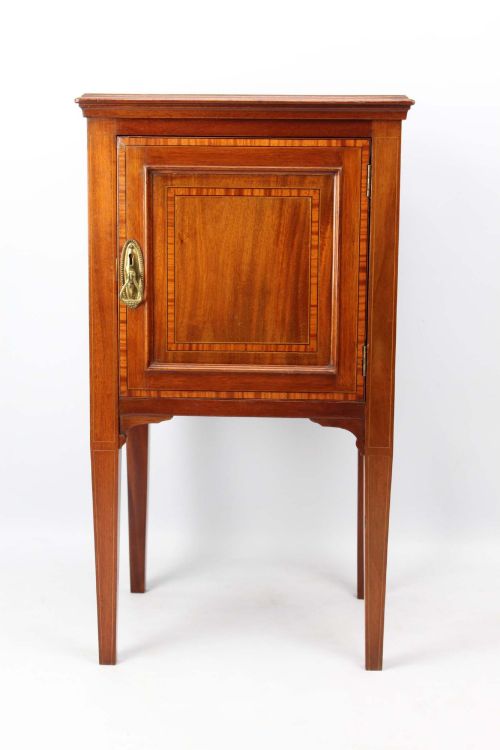
The heading covers a family of low cupboards named by where they stood rather than how they were built. Chiffoniers, pier cabinets, credenzas, bedside cupboards and small display cases all sit under it, together with the low side and lamp tables dealers list alongside them.
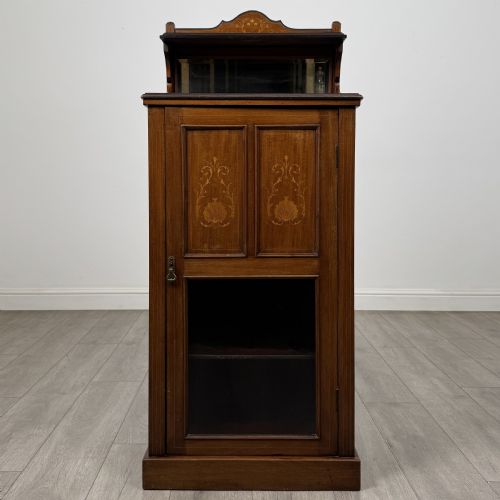
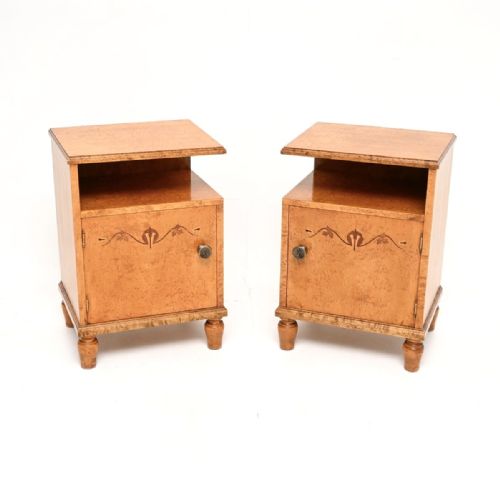
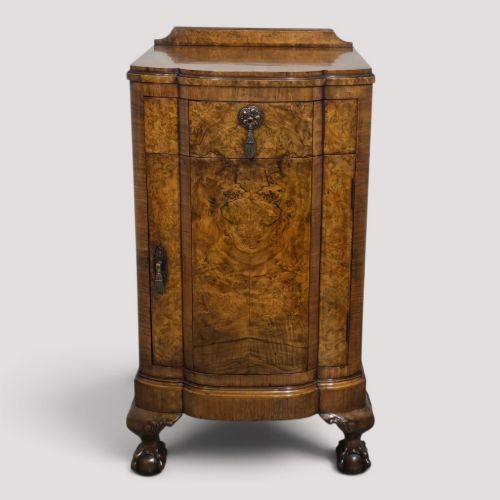
The version you'll meet most often is a Victorian or Regency inlaid two-door cabinet in mahogany or walnut, waist height or lower. Mahogany leads the titles at a quarter, walnut follows, and the word inlaid appears in a seventh of them. Pairs are a defining feature: one title in six mentions a pair, and the wording distinguishes true pairs, matched pairs and near pairs.
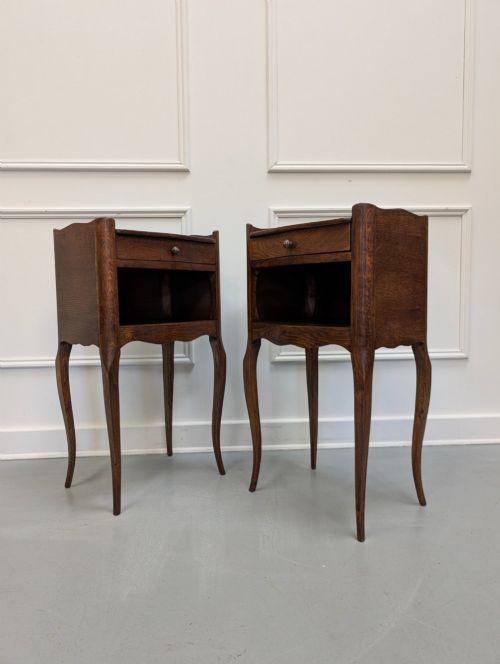
Beyond that centre, several clear branches run through the archive. Chiffoniers, pier cabinets and credenzas make up roughly a quarter and hold the top of the range, often with marble tops and glazed doors. Bedside cabinets, pot cupboards and night stands account for about a tenth, and much more of what's currently listed. French marquetry and ormolu-mounted cabinets in kingwood run to about one in eight, and 1920s and 1930s Art Deco and Arts and Crafts oak another one in six.
Dating is loose. The dated field runs 1800 to 1960, and the single commonest label is a plain "19th Century" rather than a decade. Where decades are given they gather between 1860 and 1900, then again in the interwar years. Both ends of the span are thin, and a few titles reaching back further sit outside the dated range.
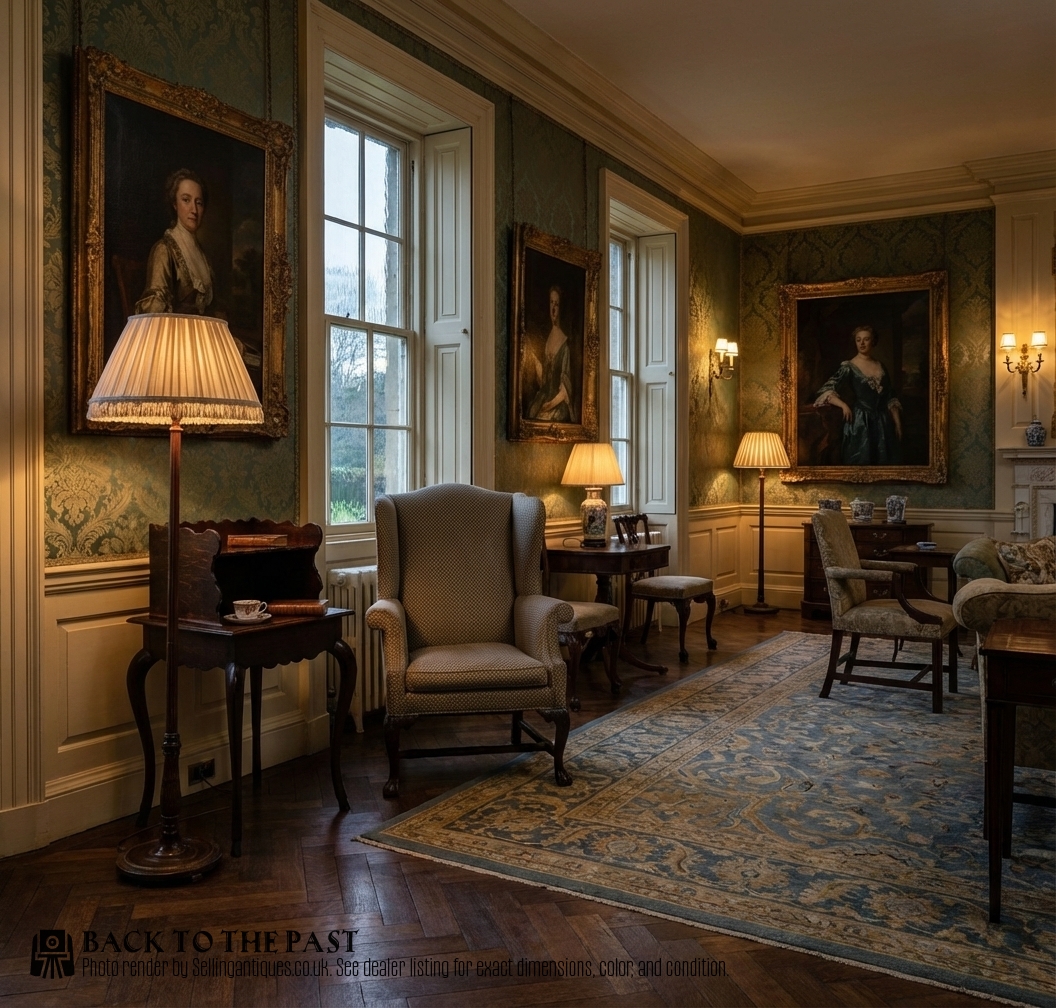
What Sets Them Apart
Timber and veneer do most of the work. Burr walnut, kingwood, satinwood, amboyna, thuya and pollard oak run through the upper reaches of the range, while plain oak and pine sit at the bottom. The same shape in figured veneer and in plain timber are two different propositions.
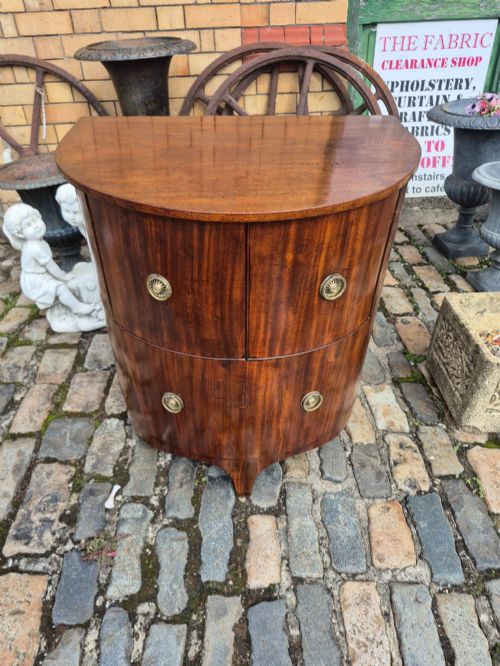
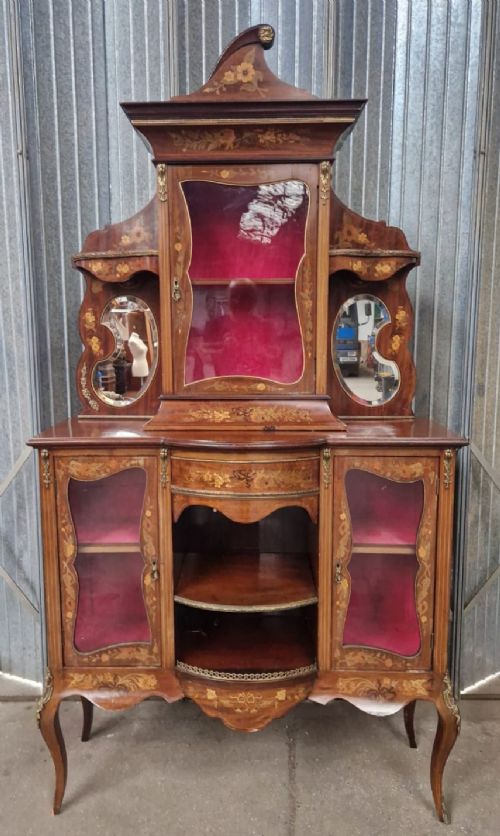
Decoration separates the rest. Simple lines of stringing are the baseline; shaped marquetry, gilt-bronze and ormolu mounts, pietra dura panels and boulle brass-and-tortoiseshell inlay occupy the highest ground on Sellingantiques, an order above the middle of the market. Front shape follows the same pattern, with breakfront, serpentine, bow-front and demi-lune cabinets sitting above plain rectangular ones.
Two other things lift a cabinet. A genuine pair outruns two singles, which is why the wording around pairs is so careful. And a name, whether stamped into the carcase or carried on a trade label, puts a cabinet well above the median, though only three names clear three dealers, so the great majority arrive with no attribution at all.
Antique Side Cabinets Retail Price Guide 2026
Typical UK retail prices for side cabinets, calculated from the Sellingantiques database of over a million retail prices indexed since 2003. This retail price guide relies exclusively on Sellingantiques data; no external sources or auction records are used, so the figures do not describe the wider market.
Gillows is the name listed by the most dealers on Sellingantiques. Only Collinson & Lock and Edwards & Roberts come close, and most cabinets carry no attribution at all.
Gillows·Collinson & Lock·Edwards & Roberts
The Antique Side Cabinets Glossary
- Chiffonier
- A low side cabinet of one or two doors, often with a raised back or shelf above the top. It appears in over thirty titles.
- Pier cabinet
- A tall narrow cabinet made for the pier of wall between two windows. Around fifty-five titles use the term, and they're frequently glazed.
- Pot cupboard
- The older name for a small bedside cabinet with an enclosed shelf. Titles also use nightstand, night stand and table de nuit for the same thing.
- Credenza
- A long low side cabinet, often bow-ended, with glazed panels to the side sections.
- Burr walnut
- Figured veneer cut from a burr on the tree. Seventy-odd titles name it, and burr in some form appears in a few more.
- Boulle
- Brass-and-tortoiseshell inlay in the French manner, sitting at the very top of this category's range.
Antique Side Cabinets: Frequently Asked Questions
What is the difference between a chiffonier and a credenza?
A chiffonier is a low cabinet of one or two doors, commonly with a raised back or shelf standing above the top surface.
A credenza is longer and lower, often bow-ended, with glazed sections flanking a central cupboard. Both are listed as side cabinets on Sellingantiques, and together with pier cabinets they make up roughly a quarter of the category.
Which woods are most common?
Mahogany and walnut lead the titles by a wide margin. Rosewood comes next, then oak, satinwood and kingwood.
The figured and exotic veneers, burr walnut, kingwood, satinwood, amboyna and thuya, cluster at the upper end. Plain oak and pine sit at the bottom.
Are side cabinets sold in pairs?
Often. The word pair appears in about one title in six, which makes pairs a feature of the category rather than an exception.
Listings distinguish between a true pair, a matched pair and a near pair. Pairs dominate the upper half of the range.
How old are most side cabinets on the market?
The dated field runs from 1800 to 1960. Where a decade is given, the listings gather between 1860 and 1900, and again in the 1920s and 1930s.
Many carry a period label instead. "19th Century" is the single commonest, with Victorian close behind, and Regency and Edwardian appearing in smaller numbers.
Do side cabinets have marble tops?
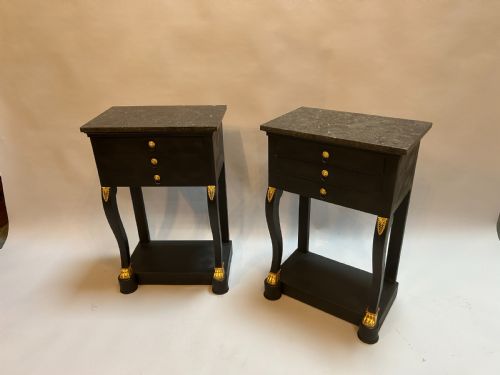
Some do. Around sixty titles mention a marble top, most often on French cabinets and on bedside examples.
The slab sits as a separate top over the carcase.
What unusual side cabinets turn up?
Specialist cabinets pressed into side-cabinet service account for the oddest entries. A Victorian dentist cabinet, a sewing-machine console and a coal purdonium have all been listed under the heading.
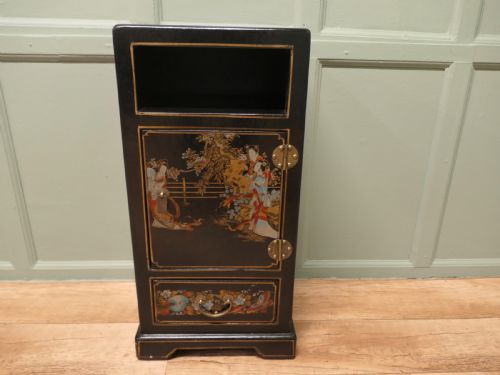
Others include a York Minster iron-grill cabinet and two glazed cabinets sign-written for a chocolate maker and a beer keller. Chinese pieces appear in twenty-five titles, with single examples from Syria, North India, Sweden, Switzerland and Germany.