
Antique Pine Cabinets
Softwood storage and display furniture, from small hanging wall cupboards to full-height glazed kitchen dressers, made for kitchens, dairies, bedrooms and shops rather than for the drawing room.
What Are Pine Cabinets?
Pine was the cheap, workable softwood of vernacular furniture. From the 18th century on it went into kitchen, dairy, bedroom and shop fittings that were meant to be painted or scrubbed, not polished. A good deal of what survives was stripped back in the later 20th century, when bare waxed pine came into fashion on its own terms.
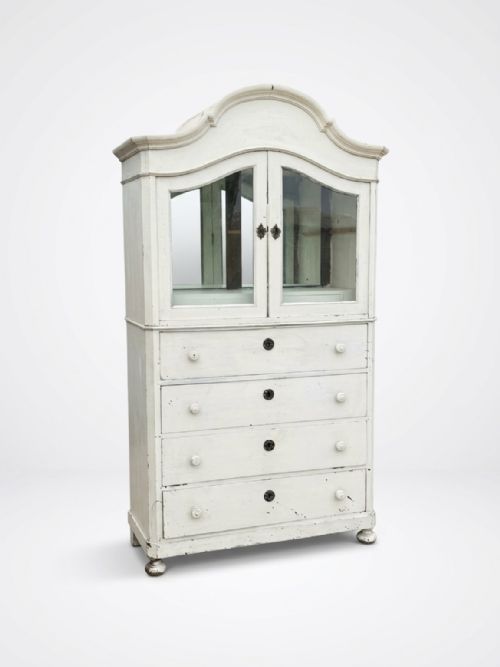
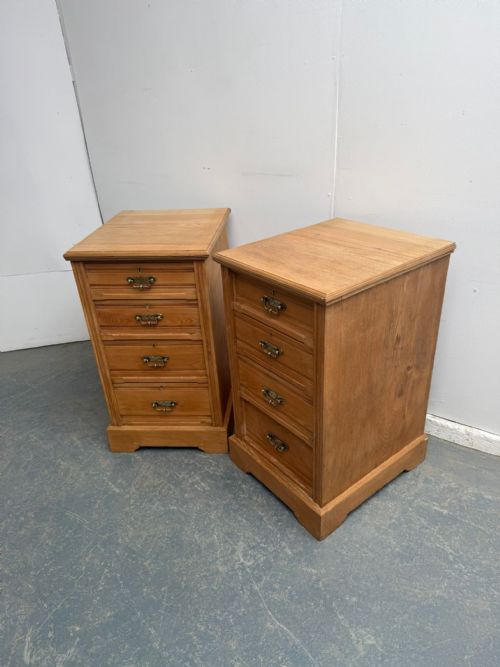
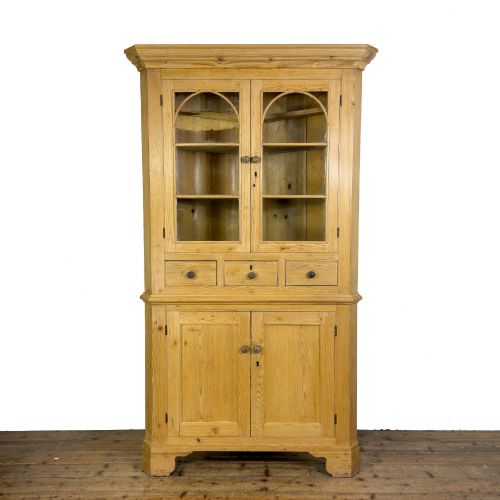
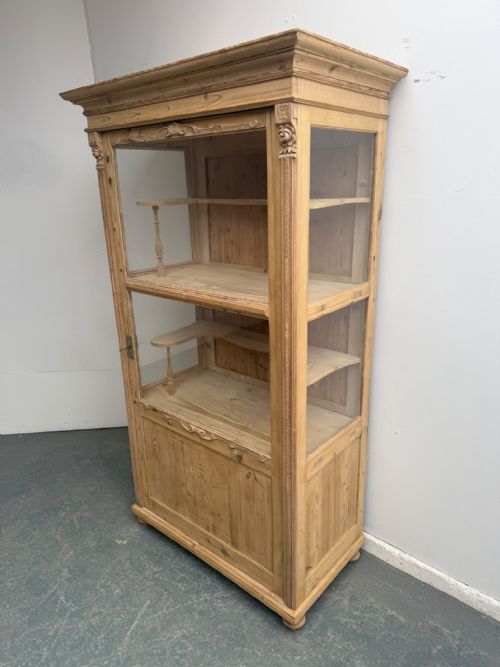
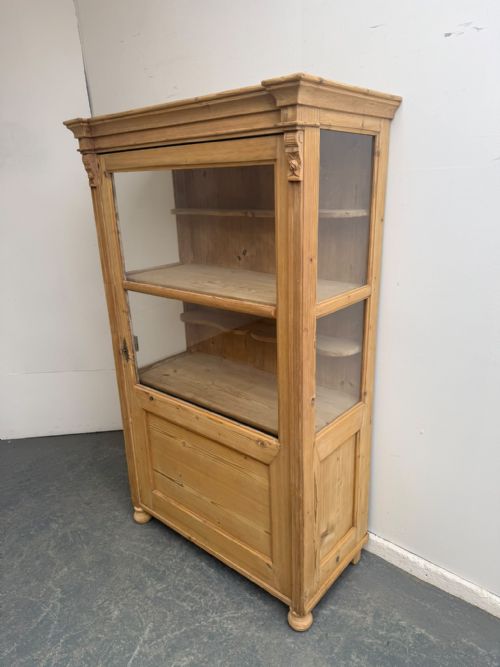
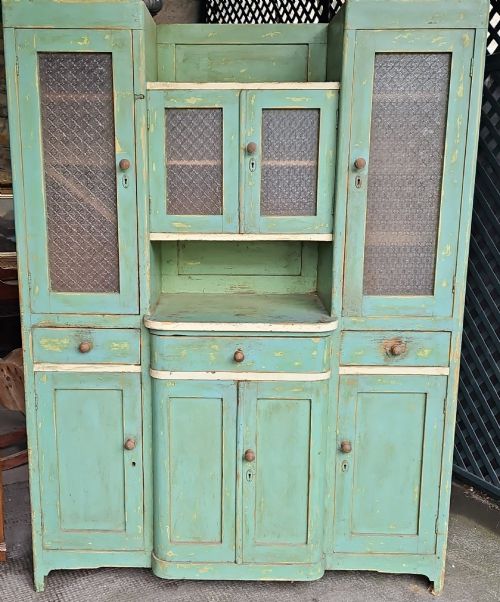
The shape you meet most often is the two-stage dresser or cupboard with a glazed upper section. Of 295 listings on Sellingantiques, 68 titles carry "glazed" and 66 "dresser", so glazed dressers and kitchen cupboards make up roughly a third of the category. Behind them come small bedside cabinets and pot cupboards, about one in seven, and often in pairs.
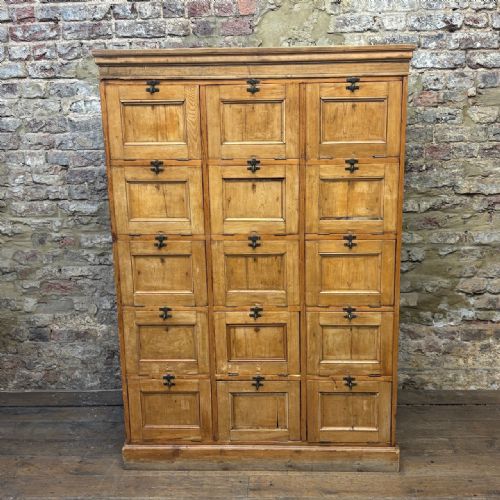
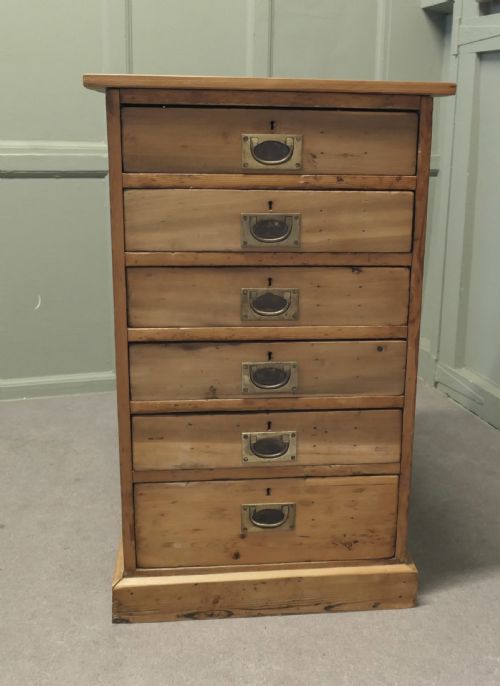
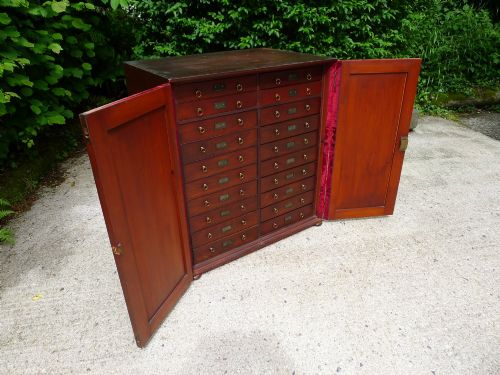
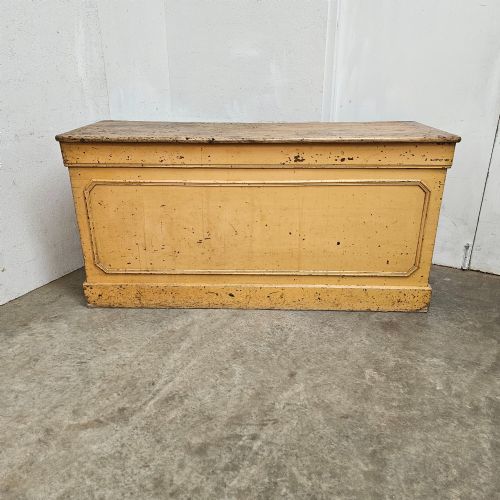
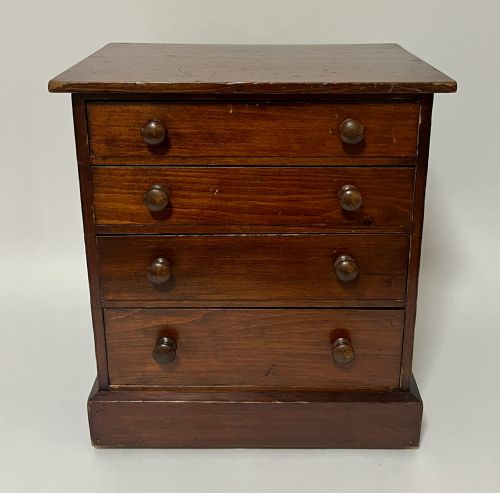
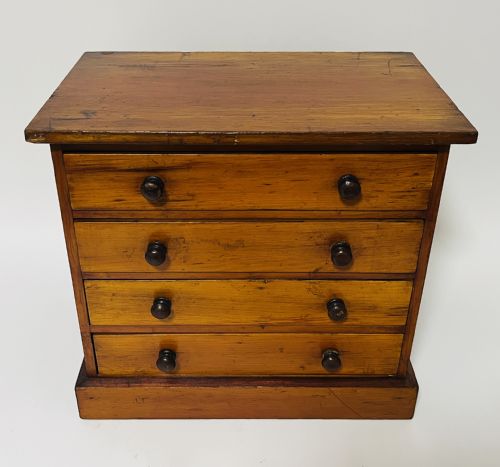
Three smaller branches fill out the rest. Collectors', specimen and filing drawers account for roughly one in eight, from a handful of drawers up to banks of 36, taking in microscope slide, apothecary and seed drawers. Corner pieces run to about one in ten and vary widely: hanging, freestanding two-stage, astragal-glazed, alcove, barrel-back and bow-front. Shop and trade fittings are about one in twelve, including haberdashery and drapers counters, chemist and bakers cabinets.
Dating is loose by habit. The dealers' own dates run from 1750 to 1960, but only 144 of the 295 listings give a clean year, and Victorian plus the unspecific "19th Century" are the two commonest entries by a distance. Early 20th-century pieces are a substantial part of the whole, with the 1920s, 1910s and 1900s all well represented. Pitch pine is named in 16 titles, and deal turns up as an older word for the same softwood.
Where The Range Splits
Surface history does more work than anything else. Original paint and original grained finishes sit at the top of the range, including a cabinet with a scraped-back blue interior and its grained exterior intact. Stripped and re-waxed pine, and pieces offered ready to wax or paint, sit through the middle and lower bands.
Size and date then pull in the same direction. Large, tall and full-height pieces push upward, and the top of the sampled range is dominated by big shop counters, an eight-foot larder cupboard and a museum showcase. Earlier and more architectural work sits higher still: Georgian alcove and carved corner cabinets, an architectural cupboard, a dome-top fitted cabinet.
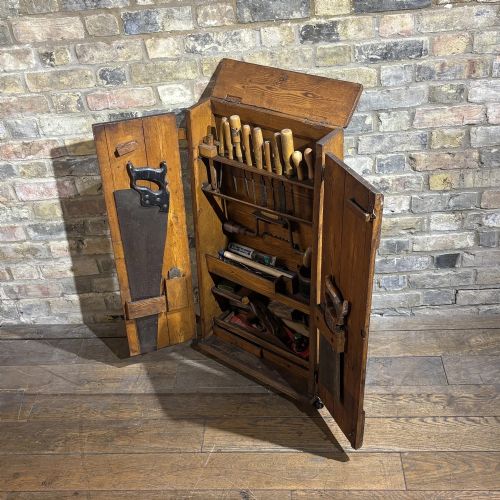
Two other things lift a piece. Named trade use, such as haberdashery, drapers, chemist, doctors, watchmakers, bakers, apothecary or post office, appears repeatedly above the middle of the range. So does count and completeness: banks of 12, 20, 24 and 36 drawers, and matched pairs, which cluster above single plain carcases.
Retail Price Guide 2026
Typical UK retail prices for pine cabinets, calculated from the Sellingantiques database of over a million retail prices indexed since 2003. This retail price guide relies exclusively on Sellingantiques data; no external sources or auction records are used, so the figures do not describe the wider market.
The oldest recorded on Sellingantiques are a George II carved pine alcove cabinet of about 1755 and a George III alcove corner cabinet of about 1760.
The Antique Pine Cabinets Glossary
- Glazed / partly glazed
- Fitted with glass doors or panels. "Partly glazed" means the glass is in the upper stage only, with solid doors below.
- Dresser
- A two-stage piece with a drawered or cupboarded base and open or glazed shelving above. Named in 66 of the titles.
- Two stage
- Made in two parts, base and top, which separate for moving. Common on dressers and freestanding corner cupboards.
- Stripped pine
- Pine with an earlier paint or stain finish removed. Original paint means the first painted surface is still there.
- Pot cupboard
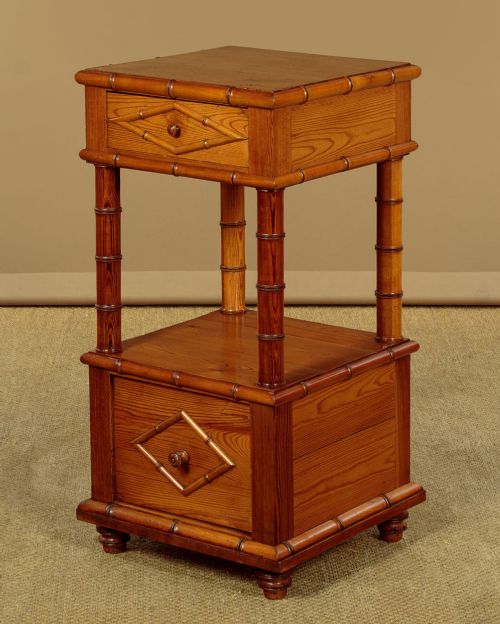
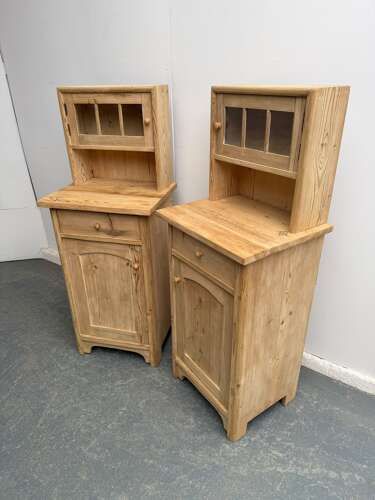
- A small bedside cupboard, originally for a chamber pot. Marble tops recur on these.
- Brushing slide
- A pull-out board fitted above the drawers, named on a sampled pair of bedside cabinets.
Frequently Asked Questions
What does a two-stage pine dresser mean?
It's made in two parts. A base with drawers or cupboards, and a separate top section of shelving that lifts off for moving.
On Sellingantiques the top stage is often glazed. Twelve titles say "glazed dresser" outright, nine say "glazed top" and eight "partly glazed", where only the upper section carries glass.
How old are most pine cabinets on the market?
The dealers' dates run from 1750 to 1960, though only 144 of 295 listings give a clean year. Victorian and the general "19th Century" are the two most-used labels.
Early 20th-century pieces are a real presence: 43 listings from the 1920s, 28 from the 1910s and 26 from the 1900s. Individual Victorian decades are recorded only sparingly by comparison.
Why are bedside cabinets often sold as pairs?
They were made for either side of a bed. Of 295 listings, 40 mention "bedside" and 28 are pairs, so pairing is a genuine sub-population rather than an occasional coincidence.
Pairs of bedside cupboards cluster above single examples in the range. Marble tops and brushing slides both turn up on them.
Is painted pine different from stripped pine?
Yes. Stripped pine has had an earlier paint or stain finish removed, which is what happened to a lot of this furniture in the later 20th century when bare waxed pine became fashionable.
Original paint means the first painted surface survives. Those pieces, and grained finishes, sit at the top of the sampled range, while stripped and re-waxed examples run through the middle and lower bands.
What are collectors' and specimen cabinets?
Shallow-drawered cabinets made to hold eggs, microscope slides, insects, seeds or trade samples. They account for roughly one in eight listings.
Titles tend to count the drawers out: 12, 20, 24 and 36 in the samples. The biggest banks sit near the top of the range.
Are there makers' names on pine cabinets?
A scan of these listings returned no cabinetmaker or retailer as a category-wide presence. Pine was the wood of vernacular and utility furniture, and it was rarely signed.
What does get named instead is the trade a piece served. Haberdashery, drapers, chemist, doctors, watchmakers, bakers, apothecary and post office fittings all appear, and that kind of provenance sits mostly above the middle of the range.