
Georgian Cabinets
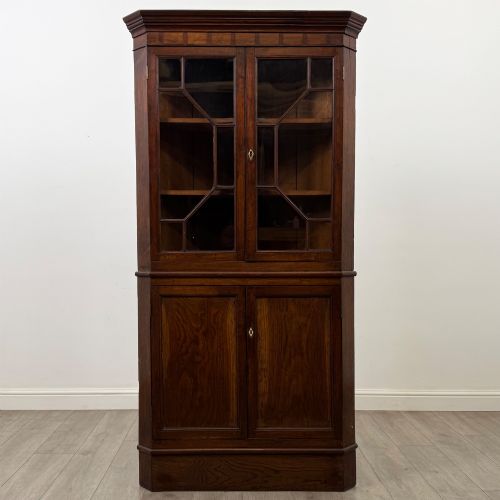
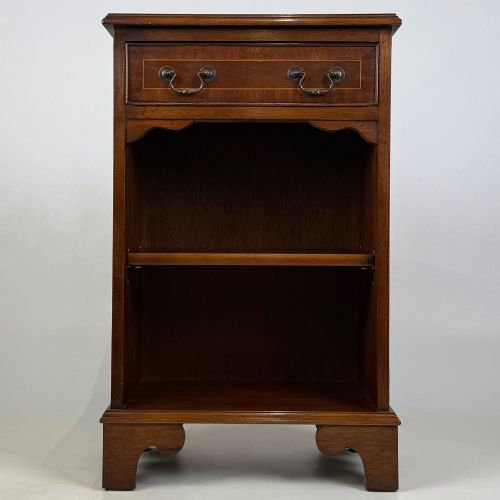
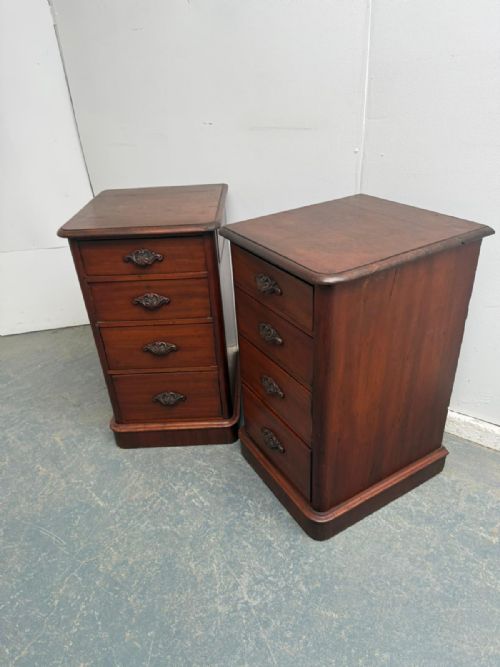
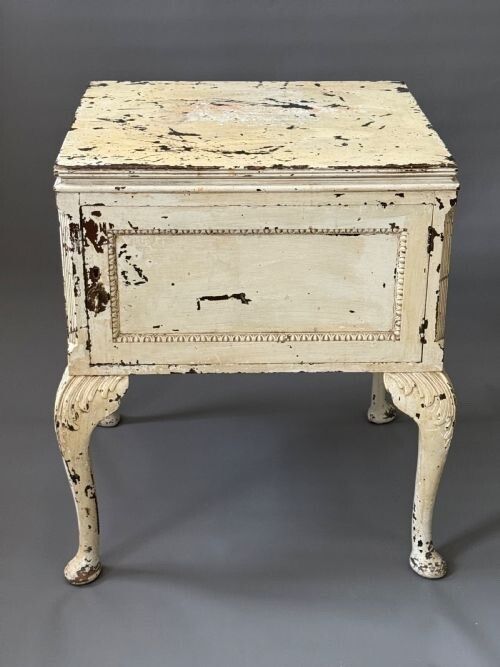
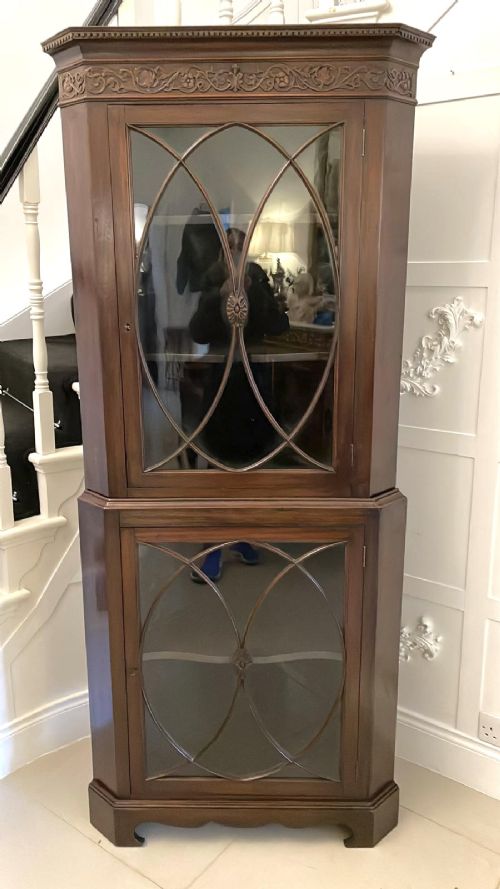
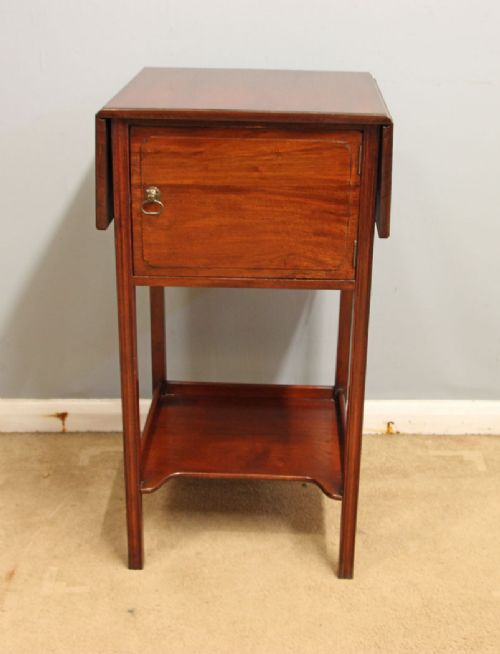
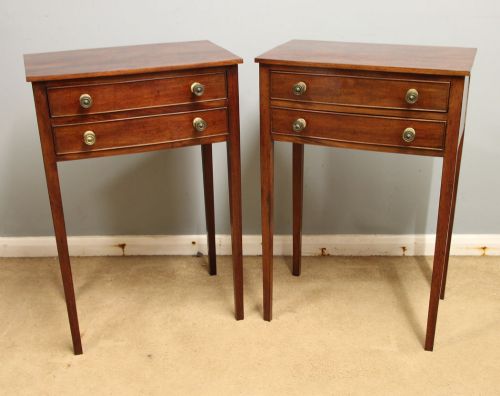
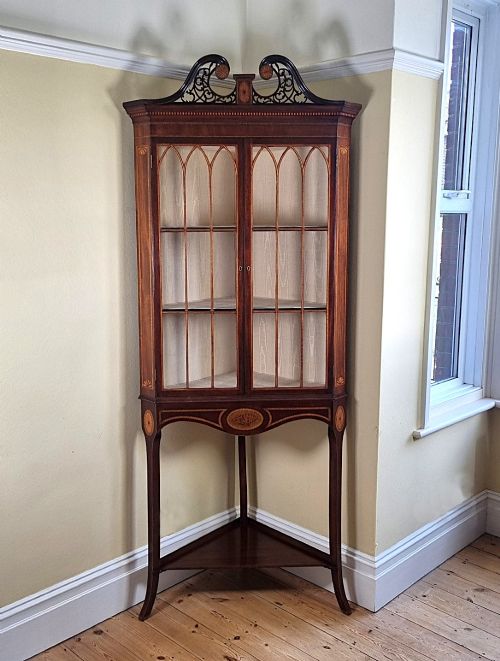
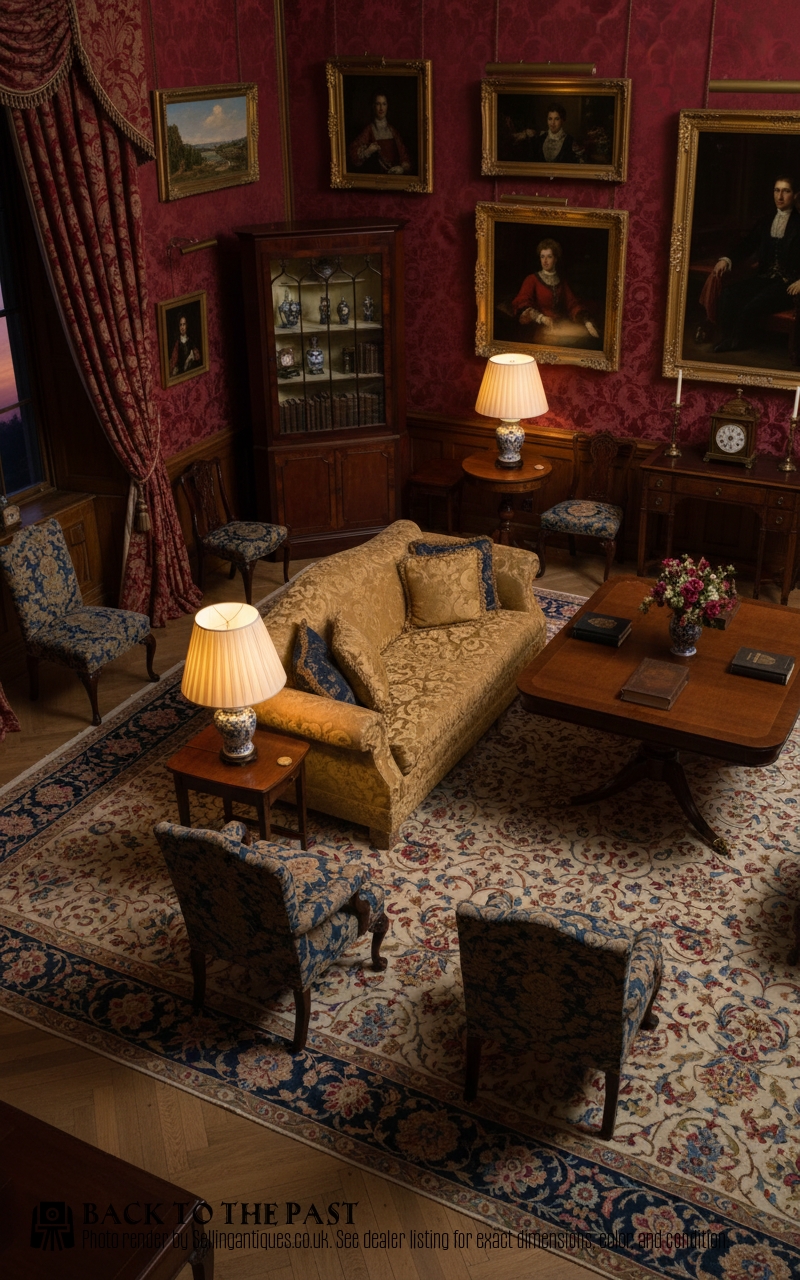
Small and medium case furniture from the Georgian taste: mostly mahogany bedside cabinets made for the bedroom and corner cupboards built to sit into the angle of a room.
Georgian Cabinets
Two objects dominate the heading, and they are quite different from each other. Bedside cabinets and night tables account for 171 of 577 titles on Sellingantiques; corner cabinets and corner cupboards account for 163. Between them they make up the bulk of what comes to market under this name.
Mahogany is the default rather than a selling point, named in 333 titles. Oak comes next, then walnut, with pine and satinwood behind them. Oak turns up often on corner cupboards in particular, where the timber and the form tend to travel together.
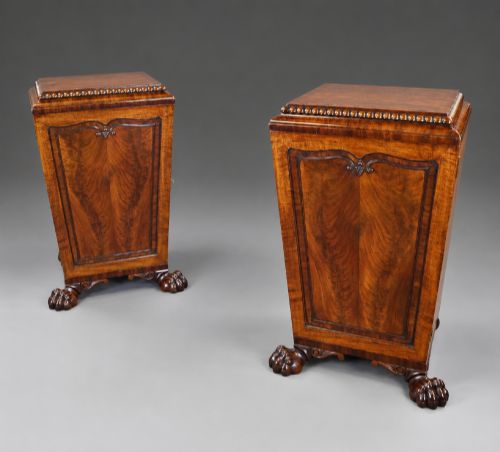
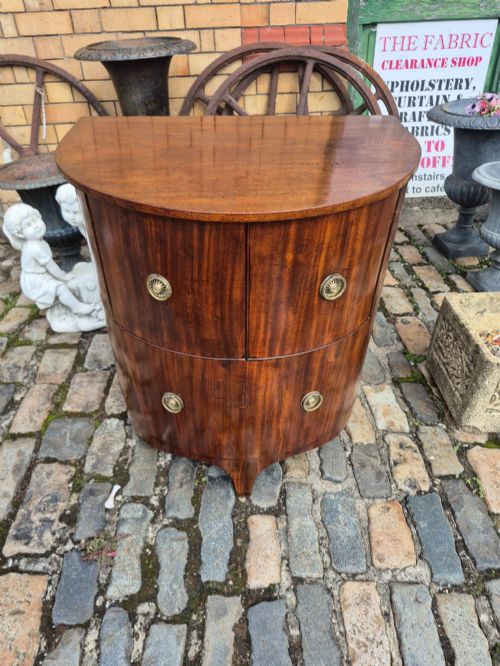
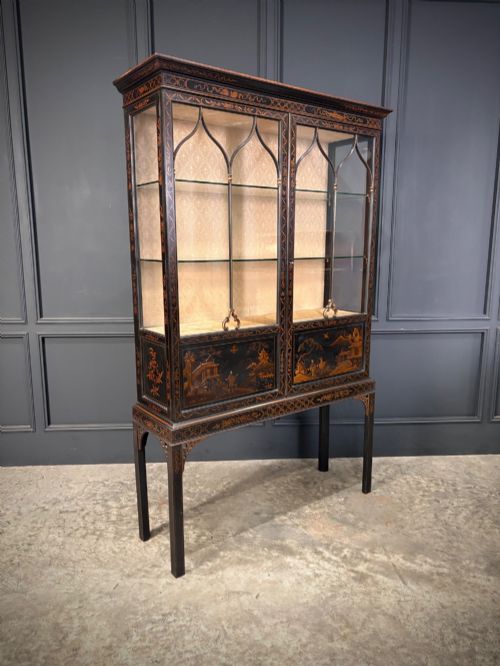
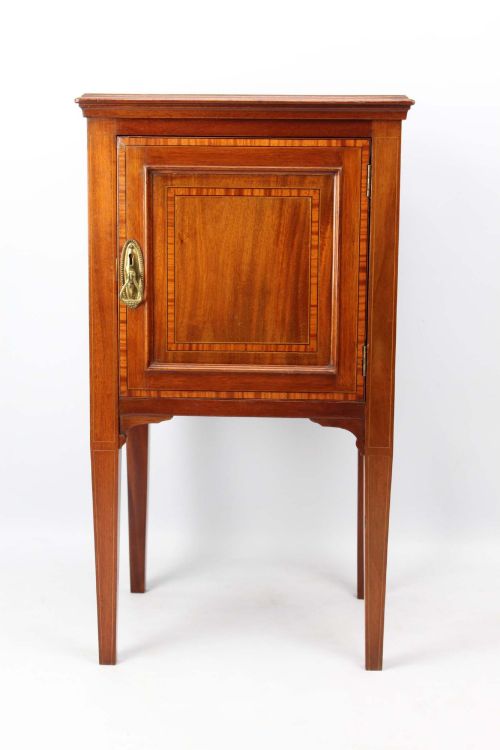
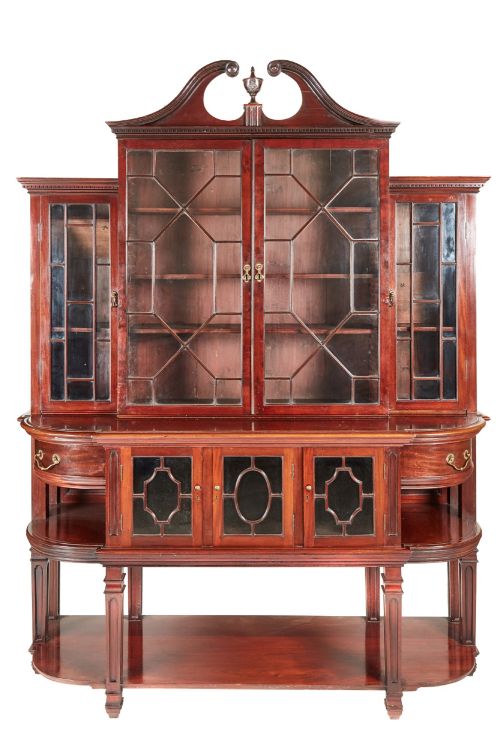
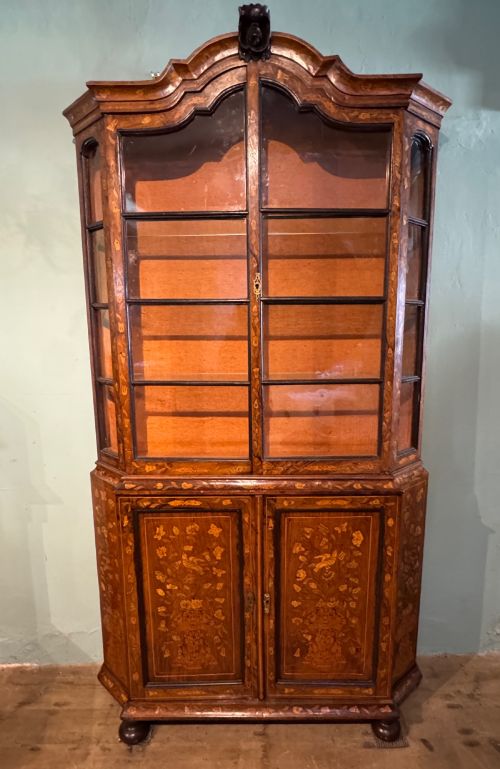
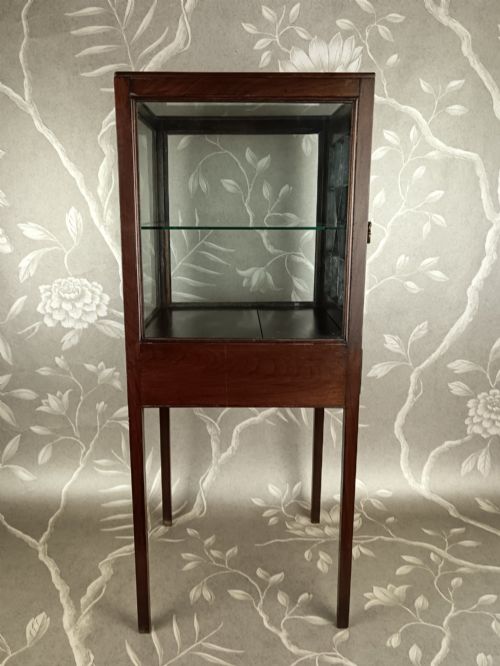
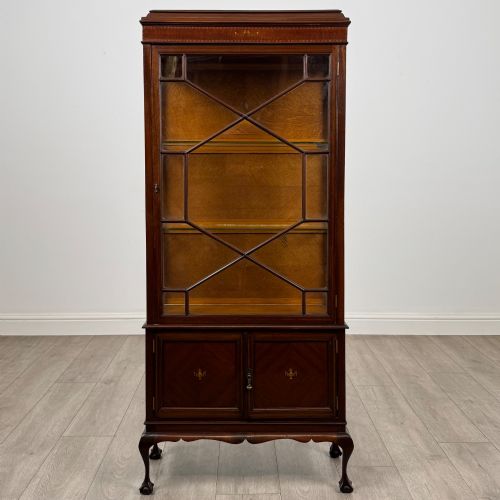
The bedside group appears under several labels for the same thing: bedside table, bedside cupboard, night table, pot cupboard, commode. Tray tops recur on them. Corner pieces split between hanging and floor-standing, and are commonly bow fronted or astragal glazed. Behind these sit glazed display and bookcase cabinets, and a smaller run of Regency side cabinets, chiffoniers and pedestal cabinets.
Read the dated field carefully. "Georgian" alone labels 200 listings, with "1800s", "18th Century" and "19th Century" used as brackets rather than dates, and only 188 of the 577 carry a clean year. A twentieth-century tail sits inside the same category, from the 1900s through the 1930s, so a title reading "Georgian style" or "in the Georgian manner" describes a revival copy.
Where The Range Widens
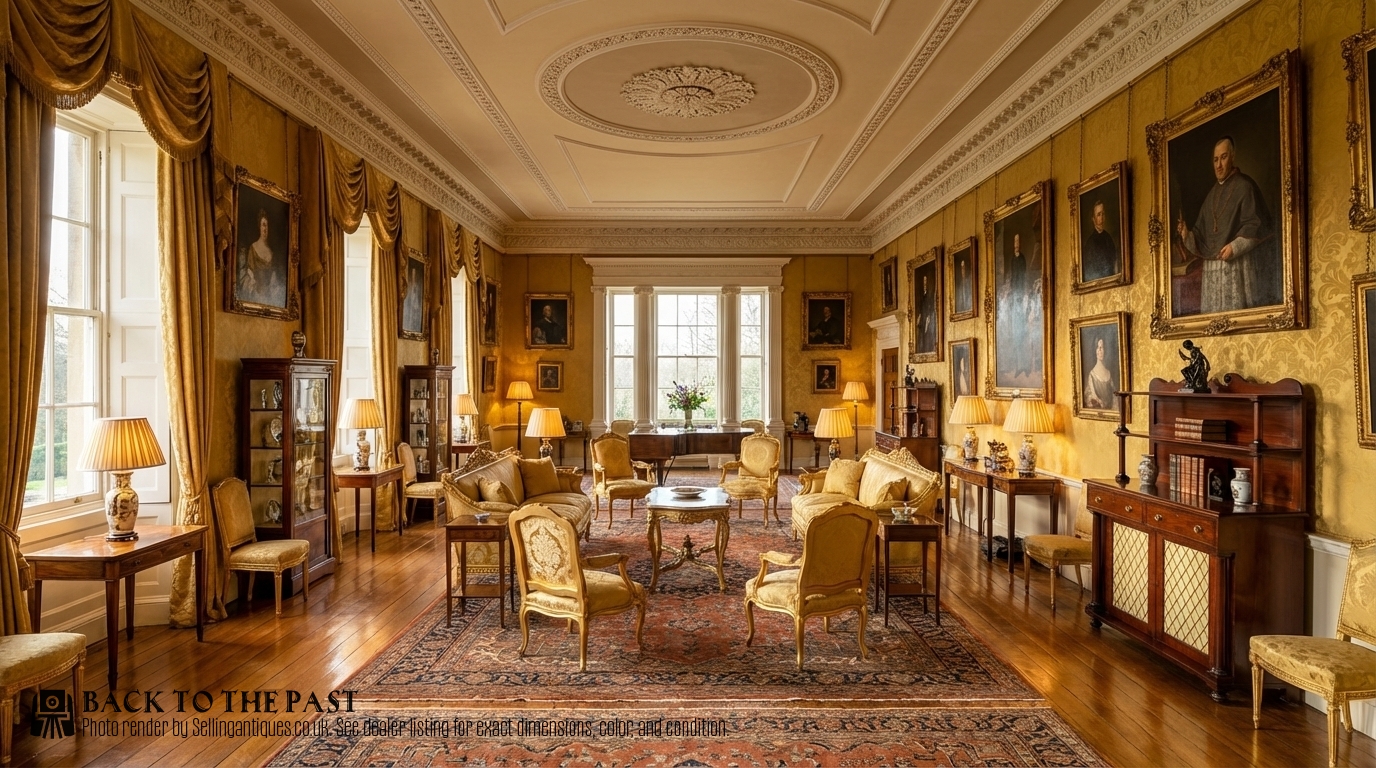
Timber and decoration do most of the separating. Plain mahogany is the floor of the category. Satinwood, walnut, burr walnut, yew, rosewood, pollard oak and figured flame or plum pudding mahogany cluster at the higher figures, and so does surface work: inlay in 38 titles, plus marquetry, parquetry, penwork and painted or gilded finishes.
Scale and complexity pull in the same direction. Miniature and table-top cabinets and small hanging corner cupboards sit at the bottom. Double corner cupboards, four-door glazed corner cabinets, breakfront bookcases, cabinets on stand and multi-drawer collectors' cabinets sit at the top, one of the latter running to forty drawers.
Two other things move a piece. Pairs are their own sub-population, with 58 titles offering two, a near pair or a matched pair, and they sit above single equivalents. Period against revival matters as well: the 1900 to 1930 copies occupy the middle band, while eighteenth-century pieces take both the top and, when plain and small, the bottom.
Georgian Cabinets Retail Price Guide 2026
Typical UK retail prices for georgian cabinets, calculated from the Sellingantiques database of over a million retail prices indexed since 2003. This retail price guide relies exclusively on Sellingantiques data; no external sources or auction records are used, so the figures do not describe the wider market.
Georgian is the period label used most on Sellingantiques for these cabinets, with 1800s next and 18th Century third.
The Georgian Cabinets Glossary
- Tray top
- A raised galleried top with a lifting or cut-out edge. It appears on 19 bedside cabinets and commodes in the archive.
- Astragal glazed
- Glazing divided by slender moulded bars, in 13 titles. Usually seen on corner and display cabinets.
- Night table
- The period term for a bedside cabinet, used in 18 titles. Night stand means the same object.
- Pot cupboard
- A bedside cupboard enclosing a chamber pot, used interchangeably with bedside cabinet in these titles.
- Barrel back
- The curved rear carcass of a corner cupboard, shaped to sit into the angle of a room.
- Tambour front
- A roll-up slatted door or shutter, recurring on bedside and side cabinets.
Georgian Cabinets: Frequently Asked Questions
Does Georgian in the title mean an 18th century date?
Not on its own. The dated field uses "Georgian" as a label on 200 listings, alongside bracket terms like "1800s", "18th Century" and "19th Century", and only 188 of 577 listings carry a clean year.
The dated field for the category runs from 1700 to 1960. Wording such as "Georgian style", "in the Georgian manner" or "revival" points to the style rather than the reign.
What timber are these usually made from?
Mahogany, named in 333 of 577 titles. It functions as the default timber here rather than as a feature worth flagging.
Oak accounts for 48 titles, walnut 31, then pine and satinwood at 14 each. Figured mahogany, burr walnut, yew, rosewood and pollard oak turn up among the higher-figure pieces.
How common are pairs of bedside cabinets?
Pairs are a recognised part of the category, with 58 titles offering two, a near pair or a matched pair.
They sit consistently above single equivalents in the archive.
What is the difference between a hanging and standing corner cabinet?
A hanging corner cabinet is wall-mounted. "Hanging" appears in 30 titles and "hanging corner" in 15, and these are among the smaller pieces in the category.
Floor-standing corner cupboards run much larger. The tallest thing recorded in any title is a freestanding pine corner cupboard at 198cm.
Are there named makers in this category?
No. A scan of the archive returned no cabinetmaker or retailer that recurs, and the few names that do appear in titles come from single listings.
Around 46 listings a year come to market on Sellingantiques, spread across 152 different dealers, so no single stockholder shapes the category either.
Which unusual forms turn up under this heading?
Multi-drawer collectors' and apothecary cabinets appear in 15 titles and account for several of the highest figures in the archive, one running to forty drawers.
One-off forms have included a hexagonal late Georgian cabinet, a set of pine pigeonholes, a cutlery urn, a corner niche, a medicine chest and an architect's plan chest used as a collectors' cabinet.