


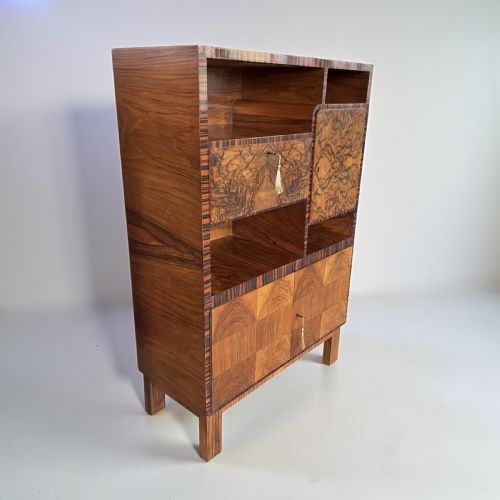

Antique Rosewood Cabinets
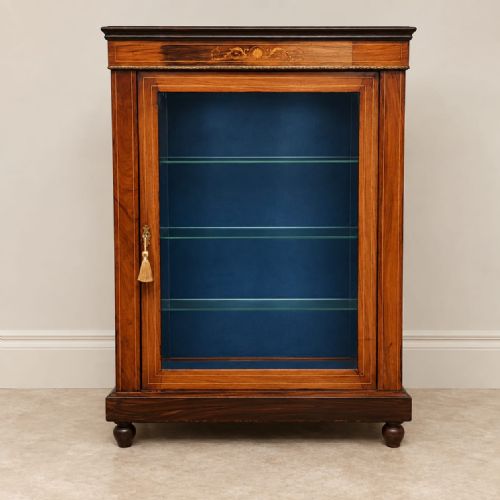
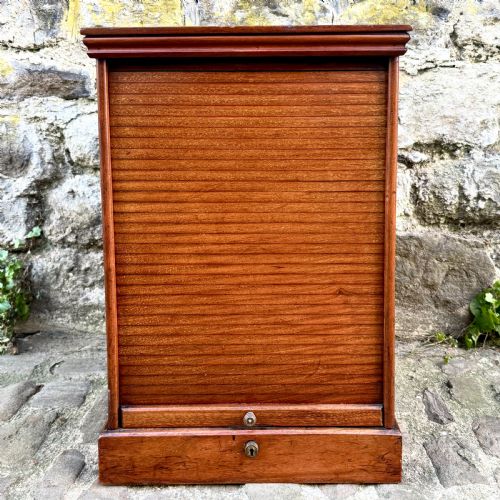
Cabinets veneered or made in rosewood, from small music and bedside cupboards to full-height side cabinets, chiffoniers and glazed display cabinets, made to stand in a formal reception room and hold books, sheet music, china or ornaments.
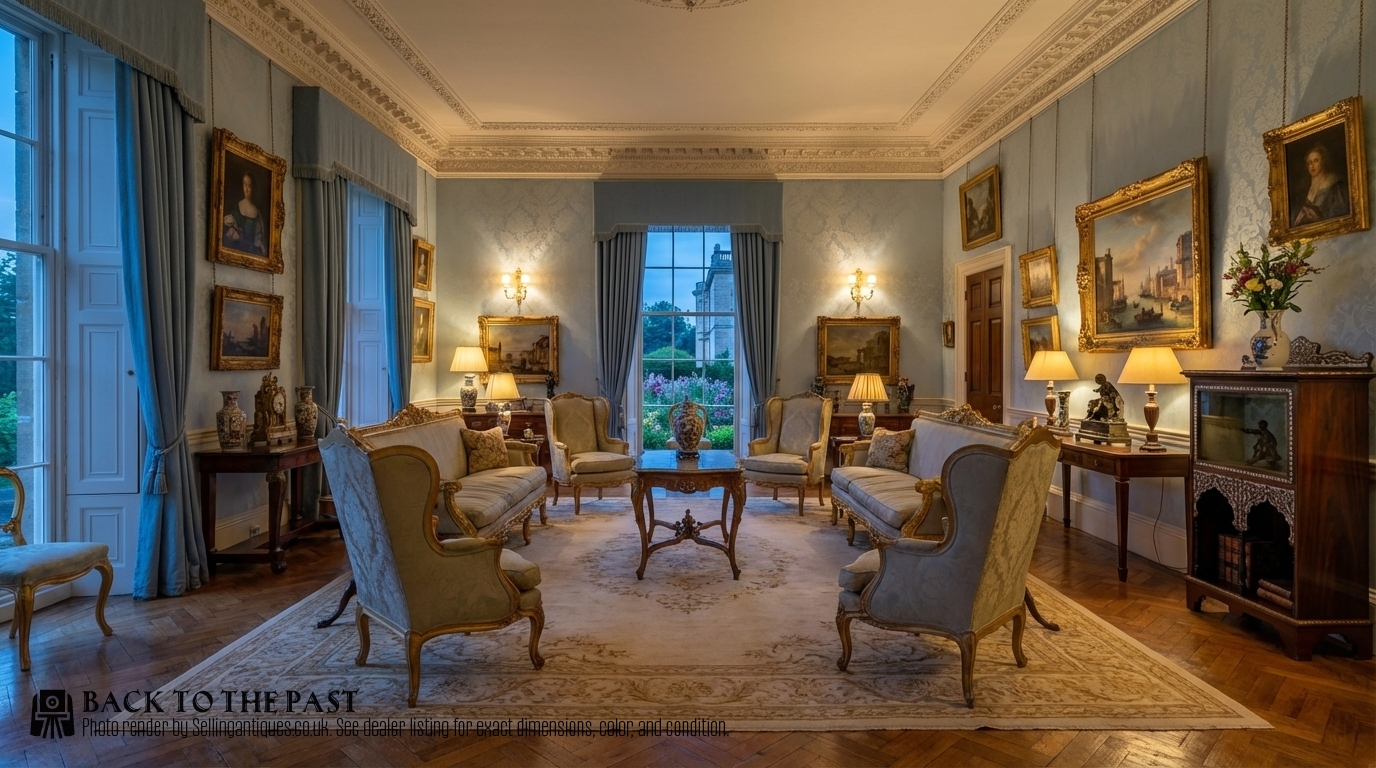
What Are Rosewood Cabinets?
Rosewood came into wide use as a cabinet timber in Europe from the later 18th century, valued as a dark, densely figured veneer for drawing-room furniture. The cabinets made from it were built to stand against a wall or a pier, and to display or store things where visitors would see them.
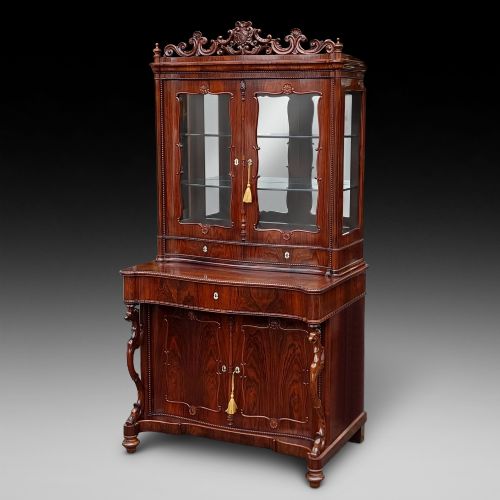
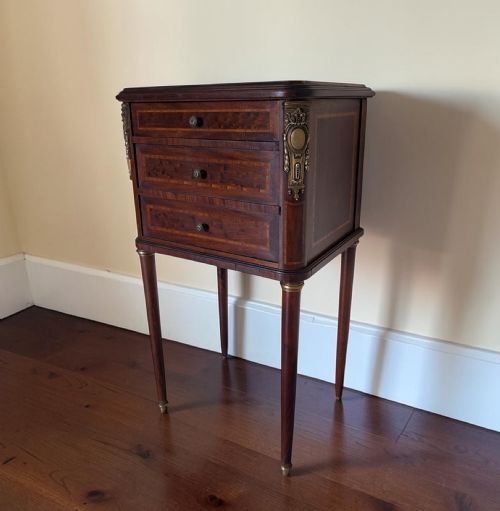
The side cabinet dominates. It appears in around a quarter of titles on Sellingantiques, low and made to sit against a wall, most often described as Victorian or Regency. Below it sit the specialist small forms: music cabinets, bedside cabinets, chiffoniers, corner cabinets and pier cabinets. Glazed display runs through a good number of titles too, taking in vitrines and corner display cabinets.
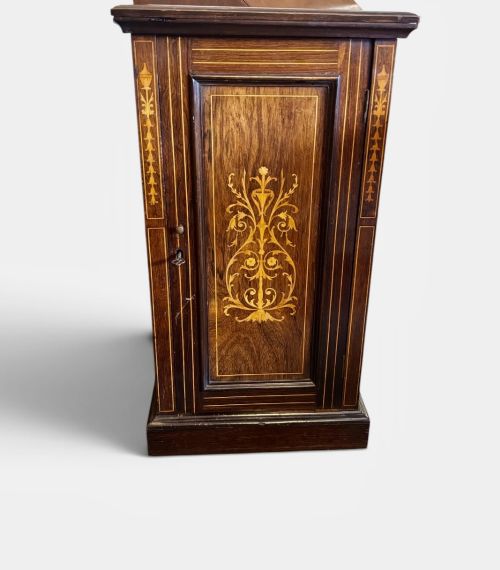
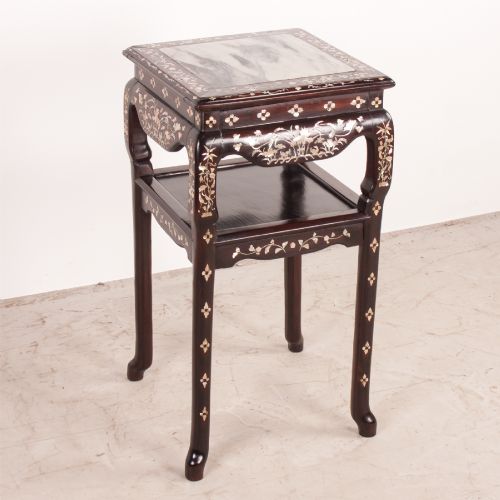
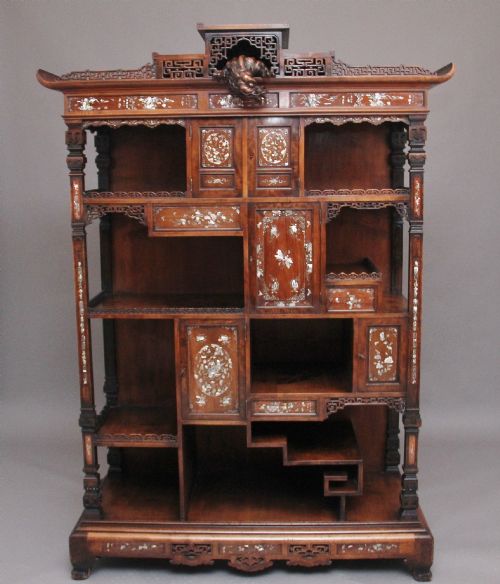
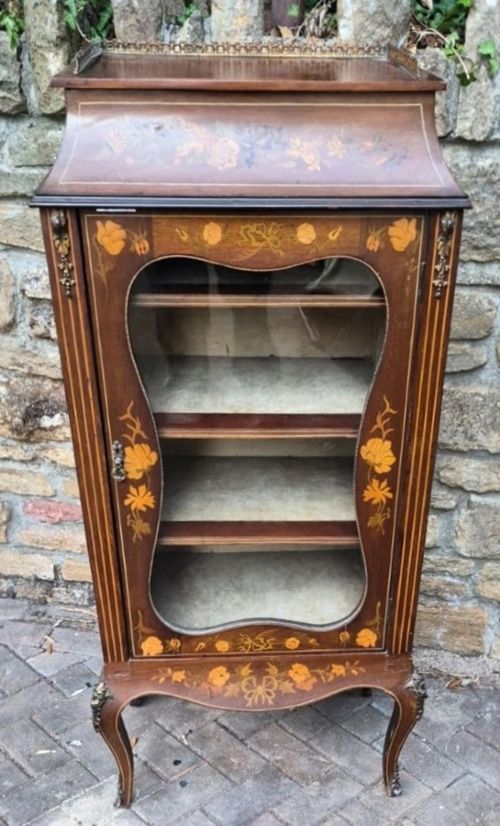
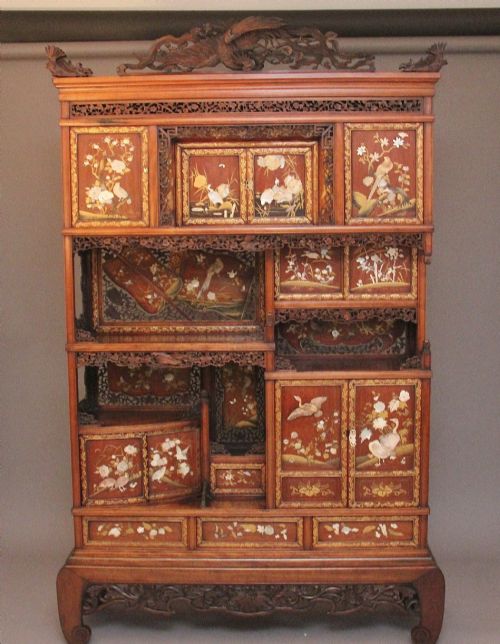
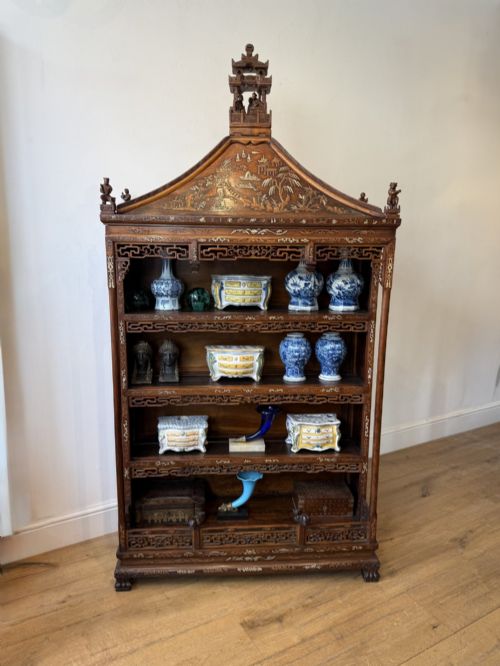
Inlay is the defining feature rather than a refinement. A third of all titles say 'inlaid', with marquetry and brass inlay named separately, and bone, mother-of-pearl, boxwood, satinwood and ivory all turning up as the inlaid material. Alongside the English work sits a run of French pieces, and a Chinese, Japanese and Anglo-Indian hardwood group where titles use rosewood, hongmu and shodana.
Dates cluster in the 1880s to 1900s, with a distinct Regency and William IV group at the earlier end and Art Deco at the later. Where a clean year is given it runs from 1800 to 1930, though '19th Century' on its own is the single commonest label. About 35 of these are listed a year, spread across a great many dealers, so a dealer tends to have one at a time rather than a run.
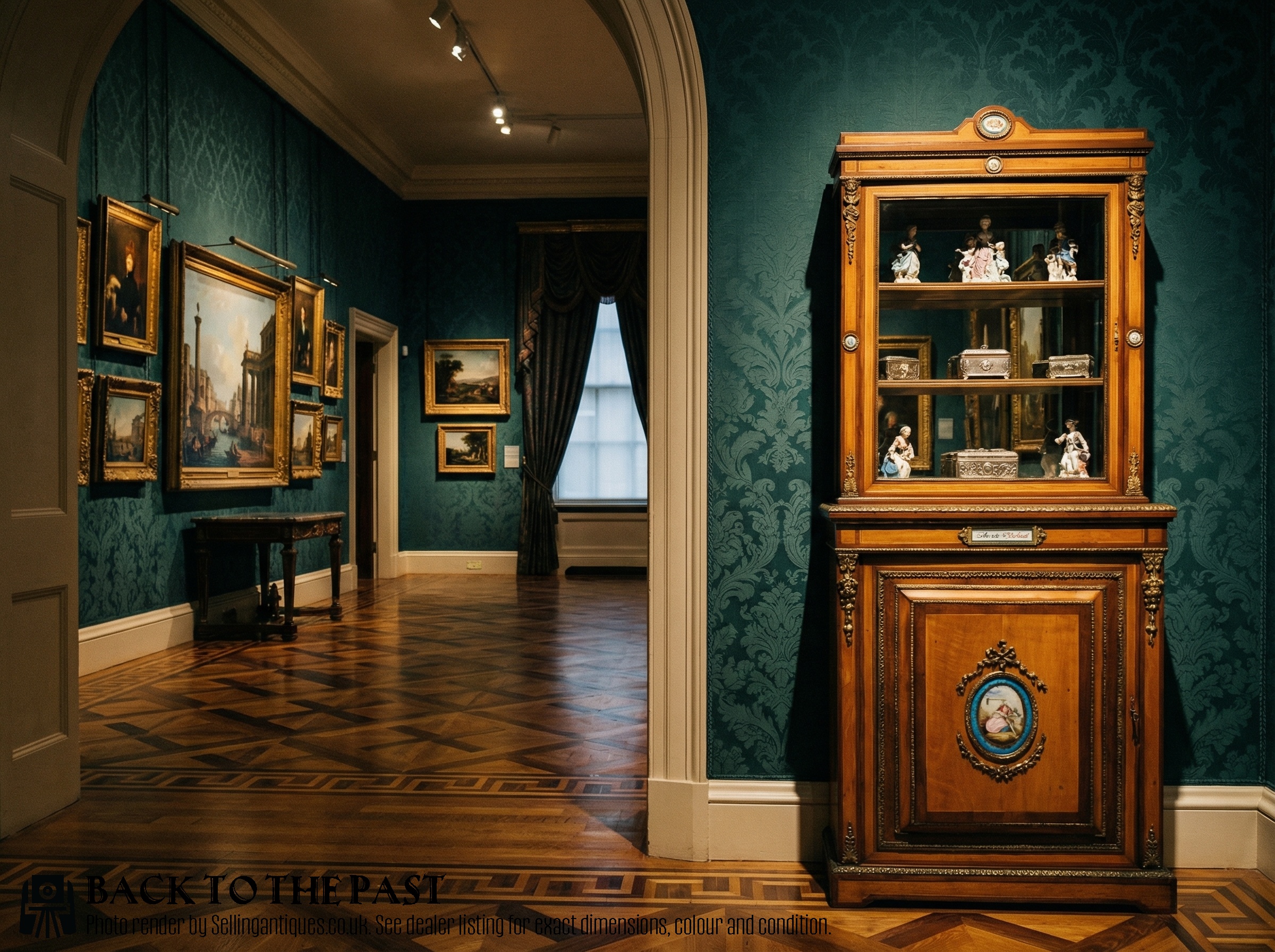
Where The Range Splits
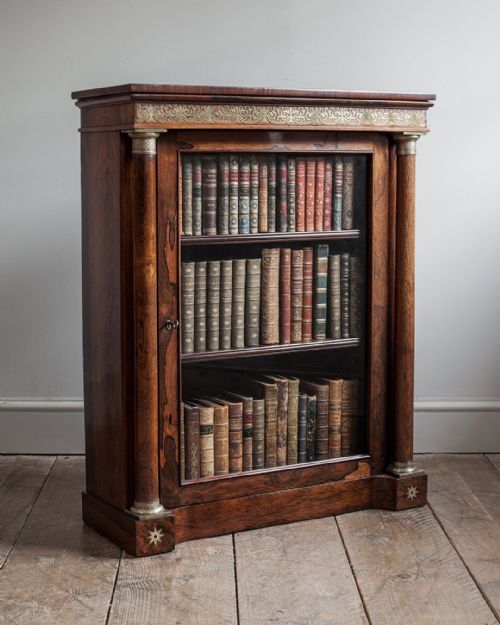
Inlay does most of the sorting. Plain rosewood cabinets sit at the lower end; marquetry, described as pictorial or floral work in contrasting woods, and cut-brass inlay associated with Regency pieces cluster at the upper. The material named in the inlay is often the clearest signal a title gives about where a cabinet stands.
Form and scale come next. Small music, bedside and hanging cabinets fill the lower end. Breakfront fronts, pier cabinets and large glazed display cabinets fill the upper. Pairs matter more than you might expect: 38 titles offer two cabinets, usually bedside cupboards or pier cabinets, and pairs sit consistently above comparable singles.
Added materials lift a piece again. Marble tops appear in two separate groups, on Regency and William IV English side cabinets and on French bedside cabinets sold in pairs. Ormolu and gilt-bronze mounts cluster high. A named firm in the title, whether stamped or only attributed, sits in the upper half without exception, though no single name recurs often enough to define the category. Japanese shodana cabinets sit at the very top.
Retail Price Guide 2026
Typical UK retail prices for rosewood cabinets, calculated from the Sellingantiques database of over a million retail prices indexed since 2003. This retail price guide relies exclusively on Sellingantiques data; no external sources or auction records are used, so the figures do not describe the wider market.
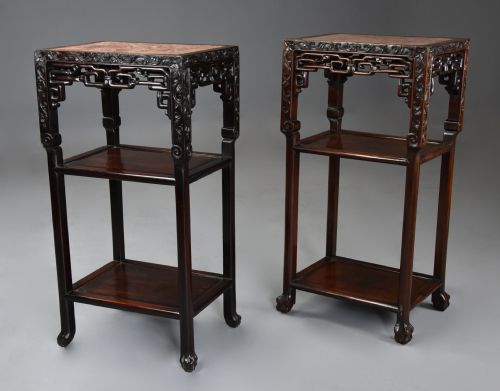
Pairs turn up often on Sellingantiques - thirty-eight listings offer two cabinets, usually bedside cupboards or pier cabinets.
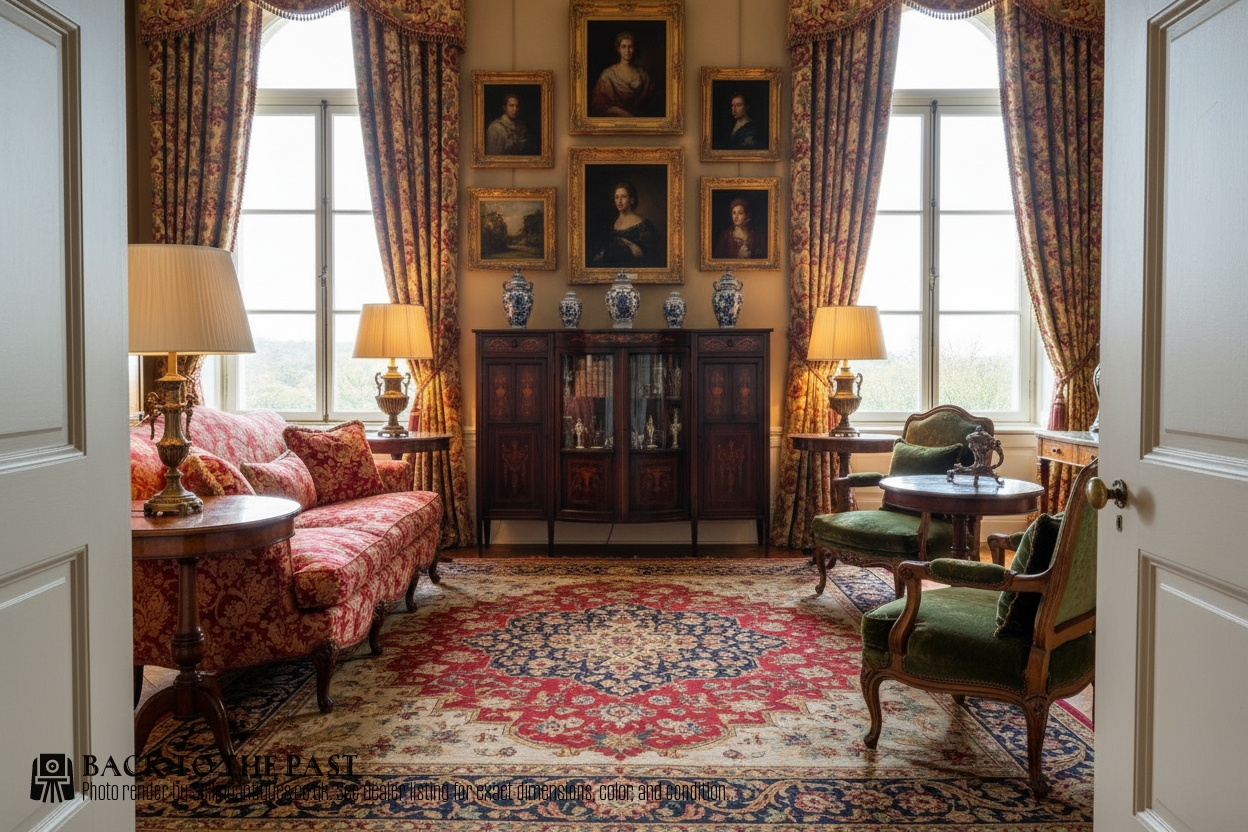
The Antique Rosewood Cabinets Glossary
- Side cabinet
- A low cupboard made to stand against a wall, and the commonest form in this category by a wide margin.
- Chiffonier
- A low side cabinet, often carrying a shelved or mirrored superstructure above the cupboard.
- Pier cabinet
- A narrow cabinet made for the pier, meaning the stretch of wall between two windows. Often sold in pairs.
- Marquetry
- Pictorial or floral inlay worked in contrasting woods. Sometimes written 'marquetry inlaid' in titles.
- Brass inlaid
- Cut-brass inlay set into the timber, tied closely to Regency pieces in this archive.
- Shodana
- A Japanese display cabinet with asymmetric shelves and small cupboards. Also spelled shodona, and occasionally applied to a Chinese piece.
Frequently Asked Questions
What is the most common form of rosewood cabinet?
The side cabinet. It appears in about a quarter of all titles, low and made to stand against a wall, and it is most often labelled Victorian or Regency.
Beneath it come the smaller specialist forms: music cabinets, bedside cabinets, chiffoniers, corner cabinets and pier cabinets. Together these account for much of the rest.
Why do so many listings say inlaid?
Because inlay is the norm in this category rather than an extra. A third of titles carry the word, and marquetry and brass inlay are named separately again.
The inlaid material varies: bone, mother-of-pearl, boxwood, satinwood and ivory all appear. Plain rosewood cabinets sit at the lower end of the range.
How old are these cabinets usually?
The dated listings run from 1800 to 1930, with the weight falling in the 1880s to 1900s.
There's also a clear Regency and William IV group at the earlier end, and Art Deco pieces at the later. Many listings give a reign name or a decade rather than a year, and '19th Century' on its own is the largest single label.
Are French rosewood cabinets part of this category?
Yes. French pieces make up a substantial run alongside the English cabinets, roughly one title in ten.
Vitrines, the glazed display cabinets, are usually French in the titles that use the word. French bedside cabinets sold in pairs with marble tops are another recurring group, and French vitrines sit near the top of the range.
What does shodana mean in a listing title?
It's a Japanese display cabinet with asymmetric shelves and small cupboards.
The spelling shifts between shodana and shodona, and the word is sometimes applied to a Chinese piece. Of the Asian forms in this category, it's the one that consistently sits at the upper end.
Do pairs of cabinets turn up often?
More often than you'd expect. Thirty-eight titles offer two cabinets, most commonly bedside cupboards or pier cabinets.
Pairs sit consistently above comparable singles, and pairs of pier cabinets sit near the top of the range.