



Antique Haberdashery Cabinets
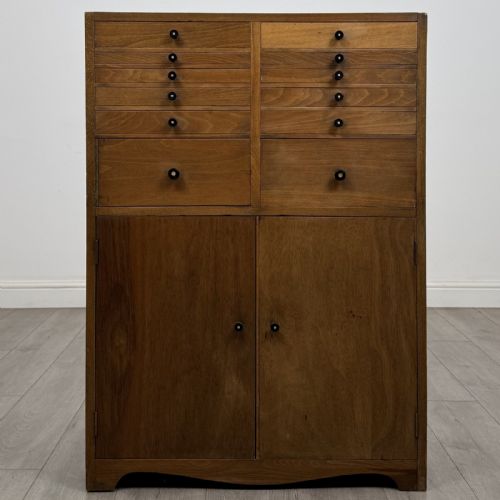
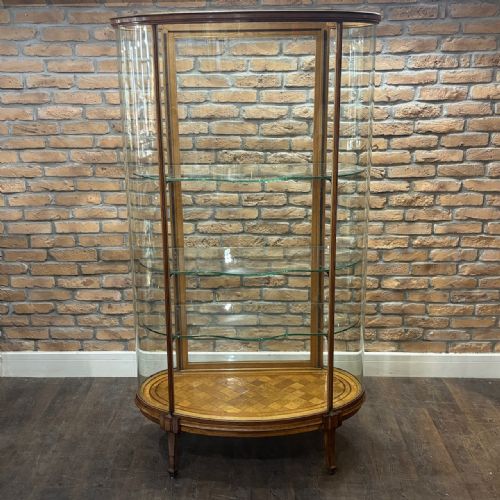
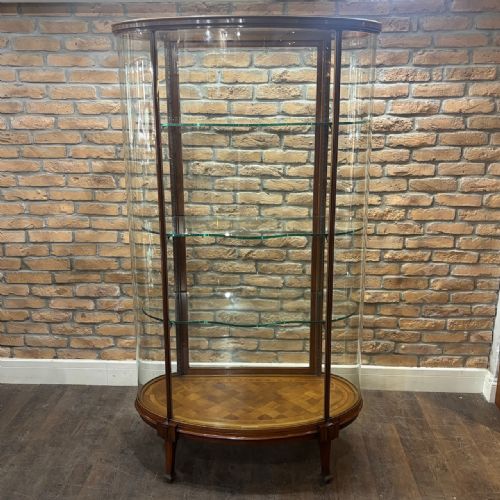
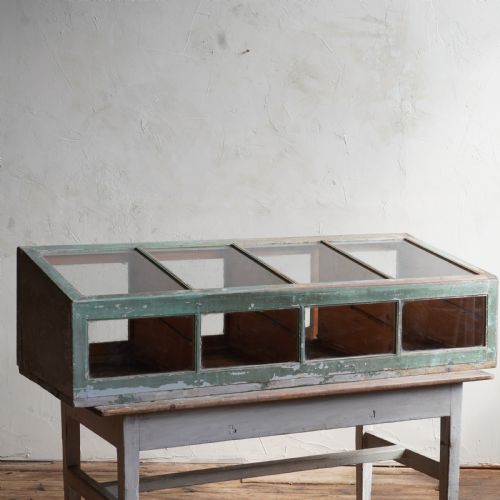
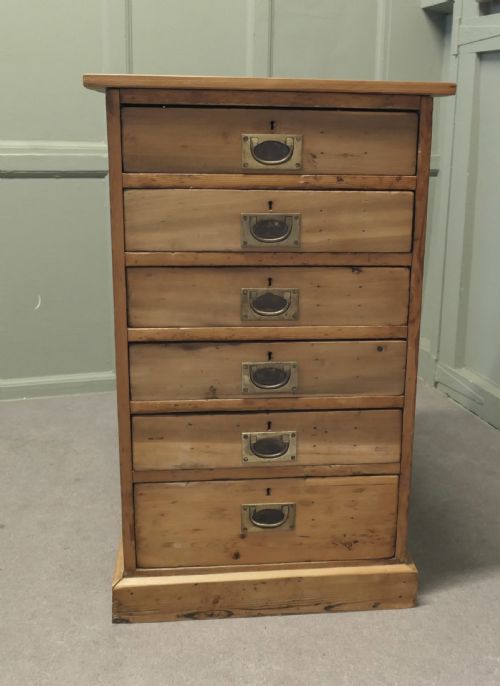
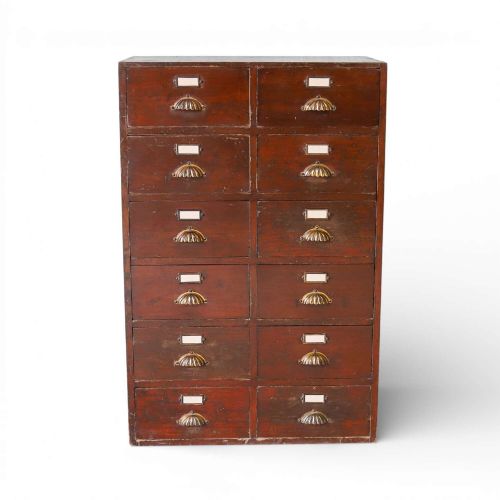
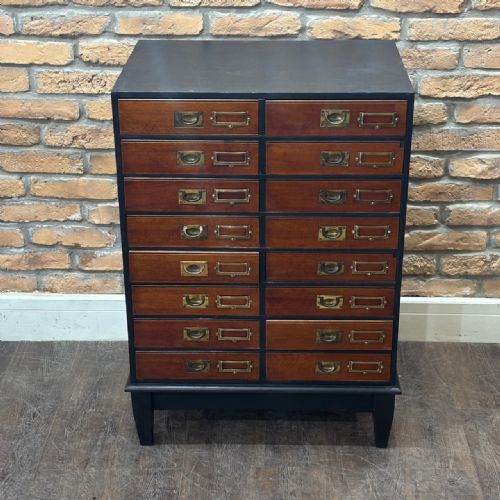
Shop furniture from drapers' and haberdashers' counters: banks of shallow drawers and glazed display cases built to store ribbons, threads, buttons and collars and show them across a counter.
Antique Haberdashery Cabinets
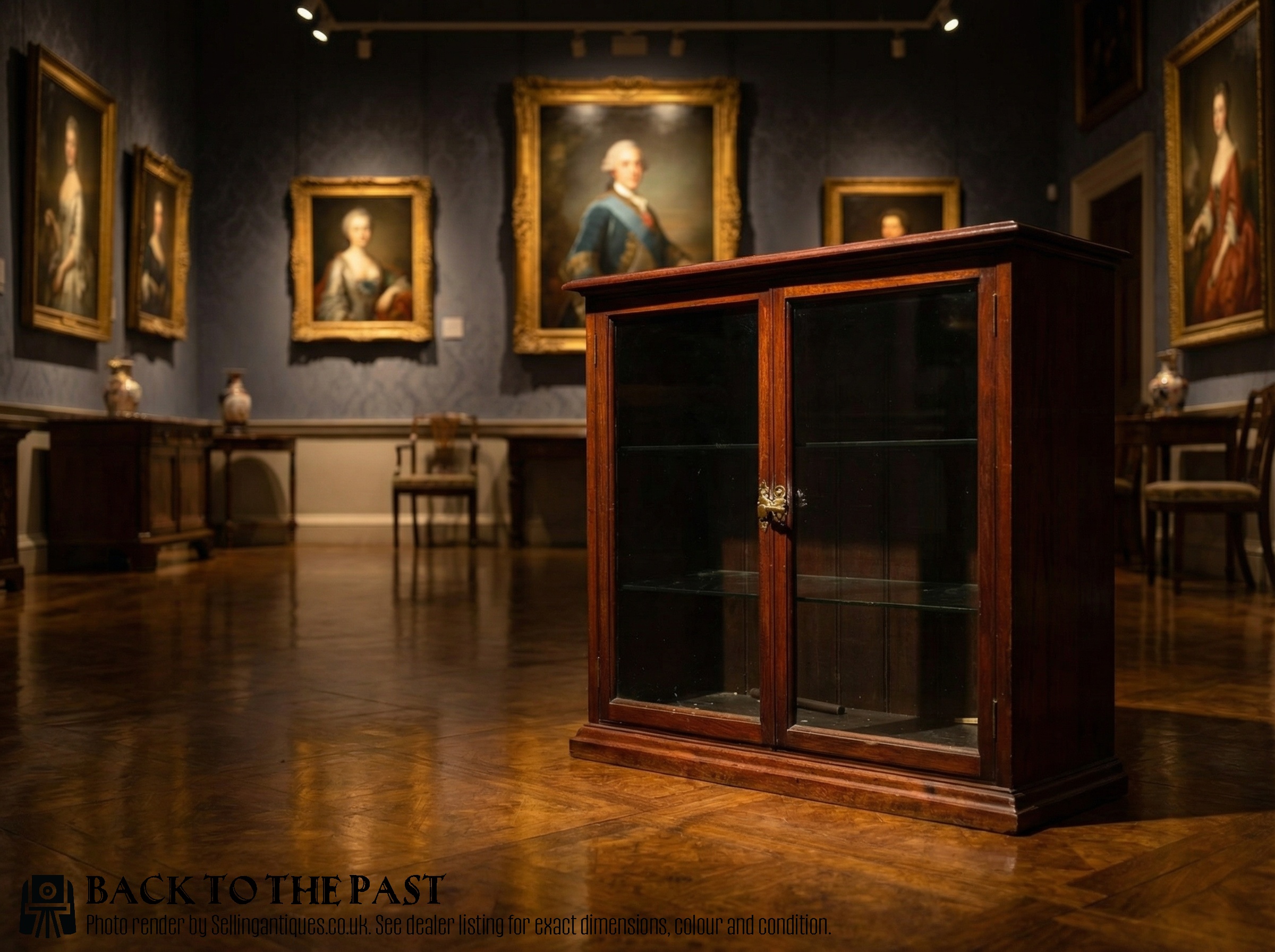
These are shop fittings rather than house furniture. Drapers and haberdashers needed shallow drawers for small sewing goods and glazed cases for collars and shirts, keeping stock clean and visible to a customer standing on the other side of the counter. They reached the second-hand market as shops were refitted or closed.
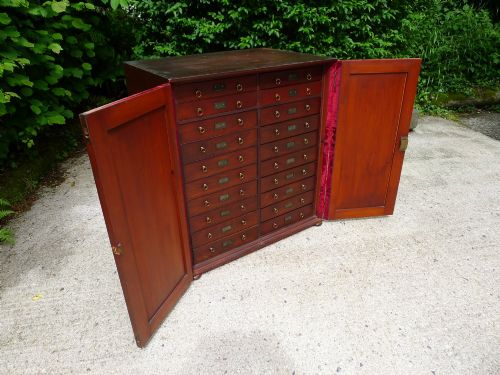
The listing you are most likely to meet is an interwar oak cabinet of drawers. Oak is named in 61 of 264 titles and mahogany in 43, and of the 223 listings carrying a clean year, 160 fall in the 1920s or 1930s. The word "shop" appears in 103 titles, "display" in 96 and "counter" in 64.
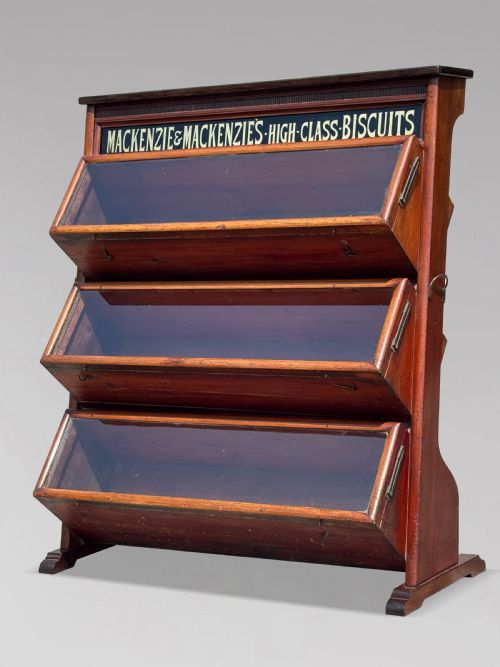
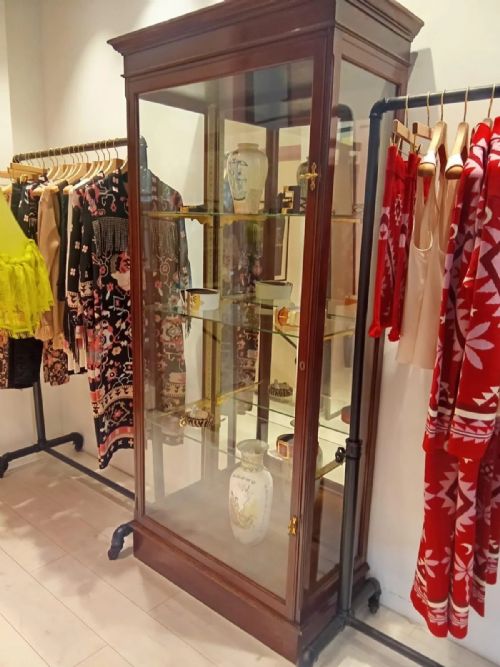
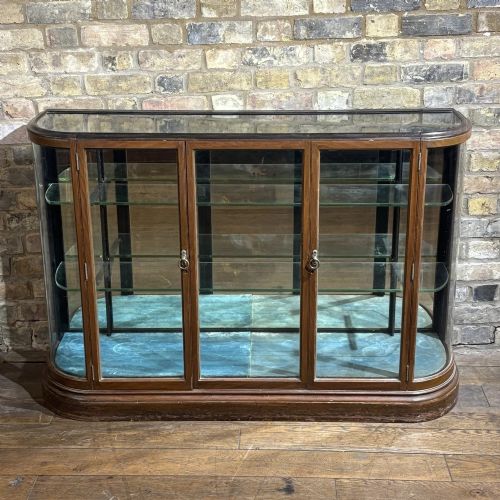
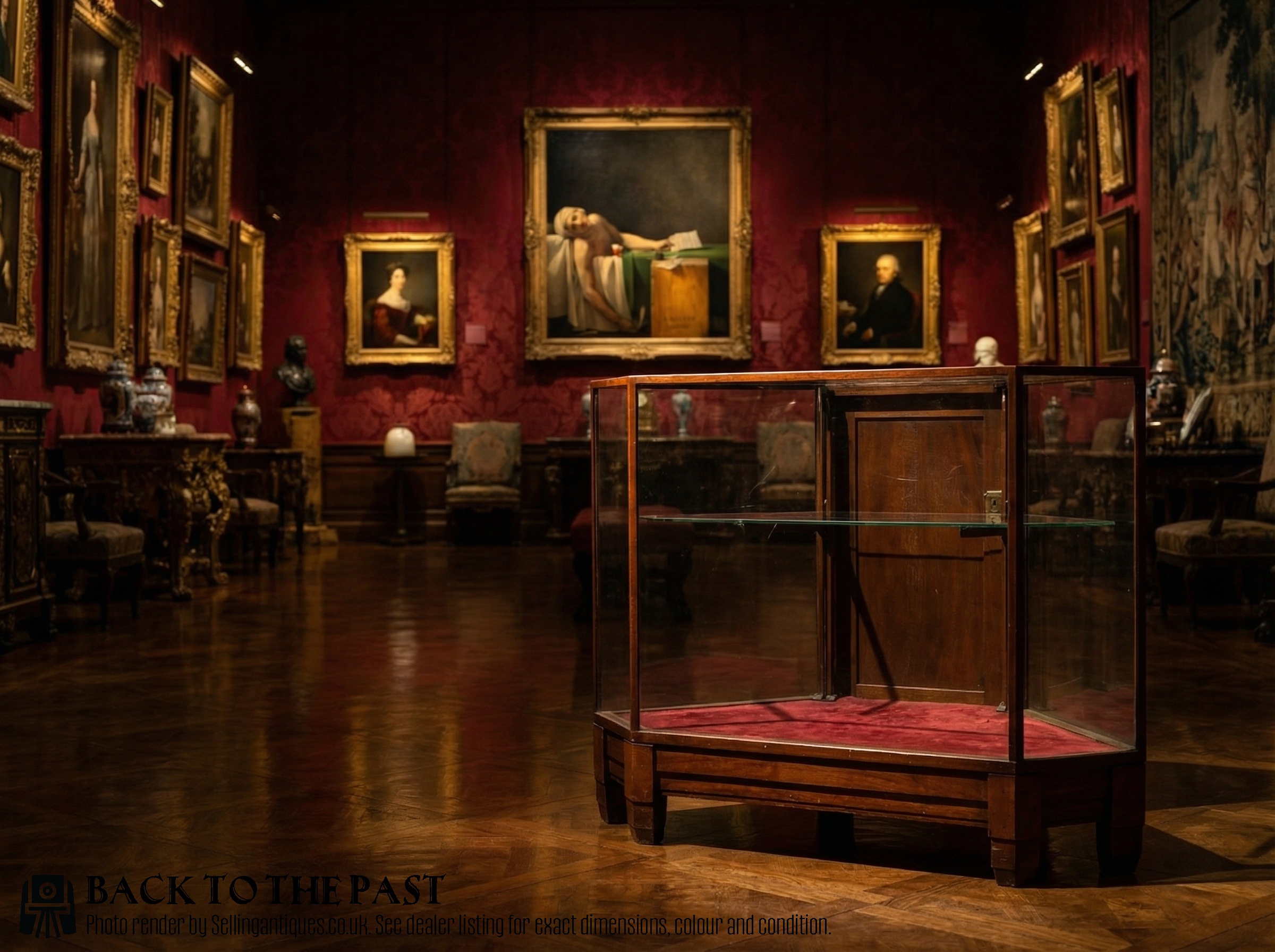
Three shapes carry the category. Multi-drawer drapers' cabinets, often with fronts that flip up for display, make up roughly a third. Glazed counter-top cases make up another third and the bulk of live stock, from small table-top boxes to bow-end and pentagonal forms. Full-length serving and island counters are a visible minority, quoted at 6ft and, in one instance, 4.95 metres.
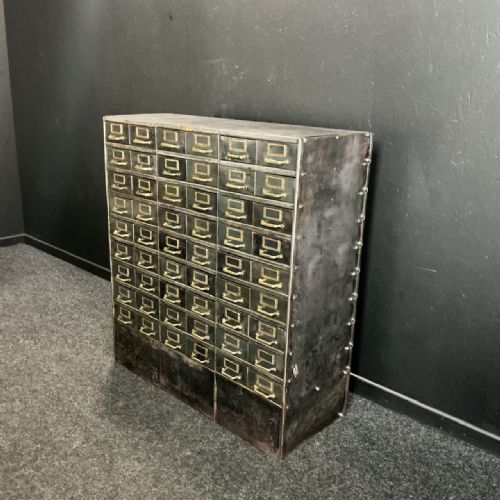
A steady fringe of listings is not haberdashery at all. Chemist, apothecary, dentist, jeweller, bijouterie and shoe cabinets used the same fittings, and dealers file them under the same heading, along with library card indexes, letter files and bankers' banks of drawers. Sign-written confectionery advertising cases turn up throughout.
What Sets Them Apart
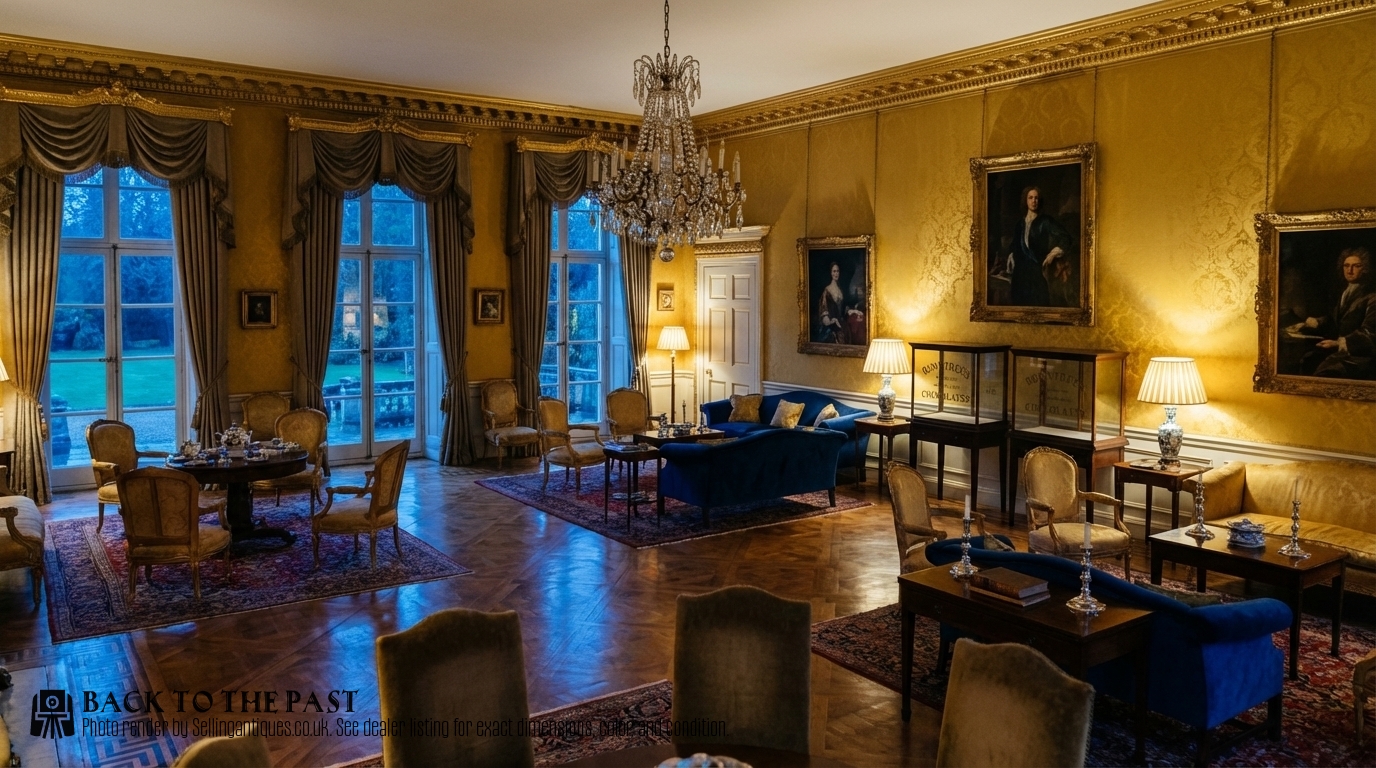
Size does most of the work. Long counters and multi-cabinet sets sit at the top of the range, with "large" in 12 titles and "tall" in nine; the small table-top and countertop cases a buyer could carry out under one arm sit consistently at the bottom. Matched pairs reach higher than singles, and eight titles offer them.
Timber sorts the middle. Mahogany and walnut sit above plain oak, and oak above pine, beech and stained deal, which show up only once or twice each and toward the lower end. The metal-framed end is its own small world: brass frames in ten titles, bronze drapers' counters in three, one aluminium-framed display counter, all in the upper part of the range.
Drawers get counted in the titles, and the counting matters. Stated runs of 12, 16, 20, 25, 30, 32 and once 66 track upward, as does width, with units described as single stack, double, triple and "3 across". A fitting that carries the name of a shopfitting firm or the store it came from sits above an anonymous one, and the plainest listing is simply a haberdashery cabinet.
Antique Haberdashery Cabinets Retail Price Guide 2026
Typical UK retail prices for haberdashery cabinets, calculated from the Sellingantiques database of over a million retail prices indexed since 2003. This retail price guide relies exclusively on Sellingantiques data; no external sources or auction records are used, so the figures do not describe the wider market.
Dated stock runs from 1850 to 1950. The earliest is a cedar collector's cabinet in the Indian style, and only three reach the 1950s.
The Antique Haberdashery Cabinets Glossary
- Haberdashery
- The small sewing goods trade of threads, buttons, ribbons and tapes, and by extension the fittings that held them.
- Drapers
- The cloth and clothing shop. It appears in 33 titles and is used more or less interchangeably with haberdashery.
- Flip or flip-up
- A drawer or front hinged to lift up so the contents show. Ten titles describe one.
- Counter-top
- A small case made to stand on the shop counter rather than on the floor. Sometimes written countertop.
- Graduated drawers
- Drawers increasing in depth down the stack; one title specifies 30 oak graduated drawers.
- Bijouterie
- A glazed-top case for jewellery and trinkets, appearing in two titles. Vitrine is used for a couple of the higher-end glazed cases.
Antique Haberdashery Cabinets: Frequently Asked Questions
How old are most haberdashery cabinets?
The dated field runs from 1850 to 1950, but the interwar years dominate. Of 223 cleanly dated listings, 81 are 1920s and 79 are 1930s.
Earlier decades thin out quickly: 24 from the 1910s, 12 from the 1900s, 11 from the 1890s and seven from the 1880s. Only three listings reach the 1950s.
What wood are they usually made from?
Oak is named in 61 titles and mahogany in 43, so between them they cover a good part of the category.
Other timbers are one-offs: walnut, burr walnut, cedar, pine, beech and stained deal each turn up once or twice. Some fittings are framed in brass or bronze instead, with a single aluminium-framed display counter recorded.
Are these cabinets always from haberdashers?
No. Neighbouring trades used the same style of fitting, and dealers list them under the same heading.
Chemist, apothecary, dentist, jeweller, bijouterie, shoe and shirt cabinets all appear, as do sign-written confectionery advertising cases. Filing, library card and collectors' banks of drawers are filed here too.
How big do the counters get?
The largest recorded is a Victorian haberdashery drawer counter measured at 4.95 metres. Two further counters are quoted simply as 6ft.
At the other end sit table-top and countertop cases small enough to carry. Between the two are single, double and triple stacks and units described as "3 across".
Do many of these come up for sale?
Around 23 come to market a year on Sellingantiques, and 56 different dealers have listed one. It's a wide, shallow trade rather than the preserve of a few specialists.
Glazed counter-top display cases make up the majority of live stock at any one time.
Were any made outside Britain?
Non-British pieces turn up only rarely. The examples recorded are a Parisian haberdashery fitting, a late nineteenth-century French museum case, a French brass glazed shop cabinet and one American showcase from Illinois.
Everything else in the archive reads as British shopfitting.