





Antique Lidded Vases
A vase supplied with its cover, made to seal, to scent a room, or simply to stand on a chimneypiece as part of a matched set.
Antique Lidded Vases
The lid is the defining feature. Dealers phrase it three ways: "vase and cover", "lidded vase", or "vase with lid", and the pot pourri vase is the same idea with a scent-releasing cover. Bodies run from small Japanese jars to Sèvres-style pairs standing well over a metre high.
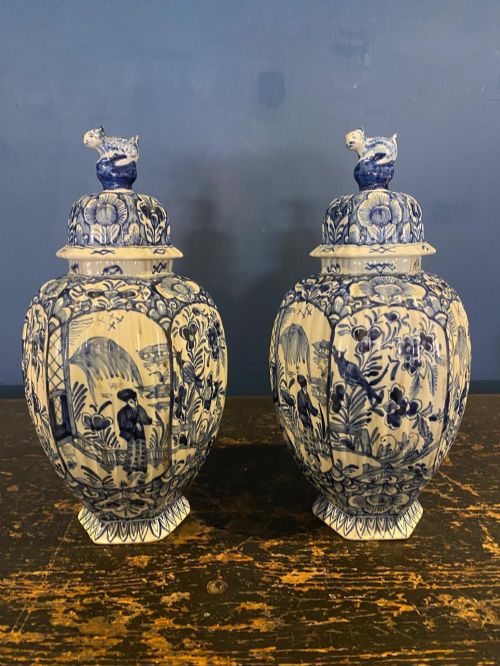
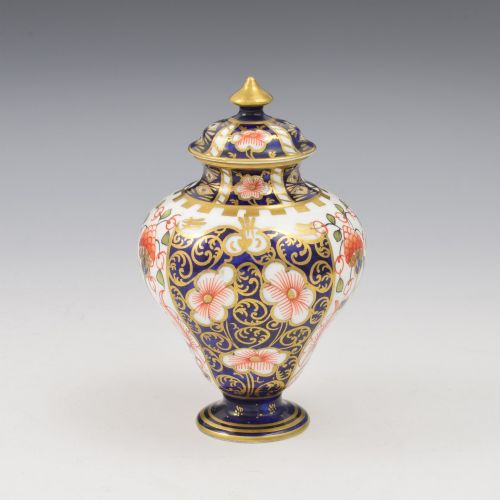
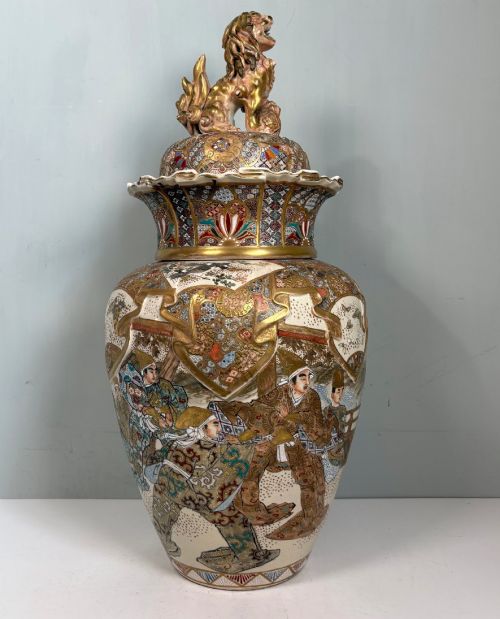
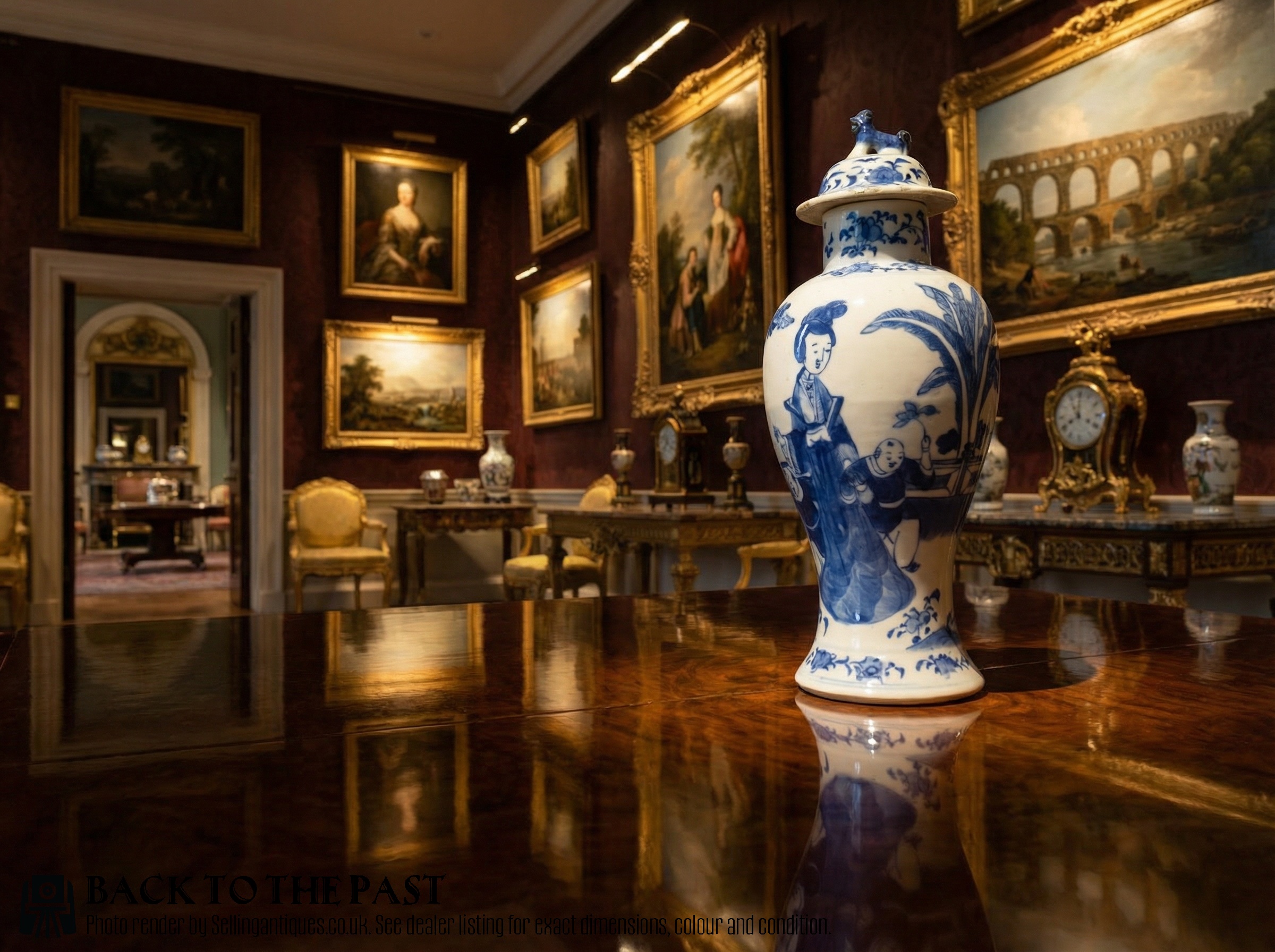
The version you're most likely to meet is 19th-century Japanese porcelain in the Imari palette of blue, iron-red and gilt, sold singly or as a pair. Japanese pieces make up roughly a third of the category on Sellingantiques, with Satsuma, Kutani, Arita and Fukagawa alongside the Imari.
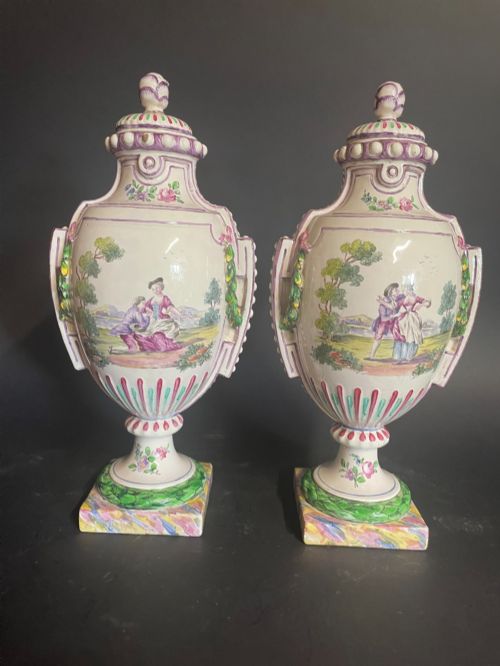
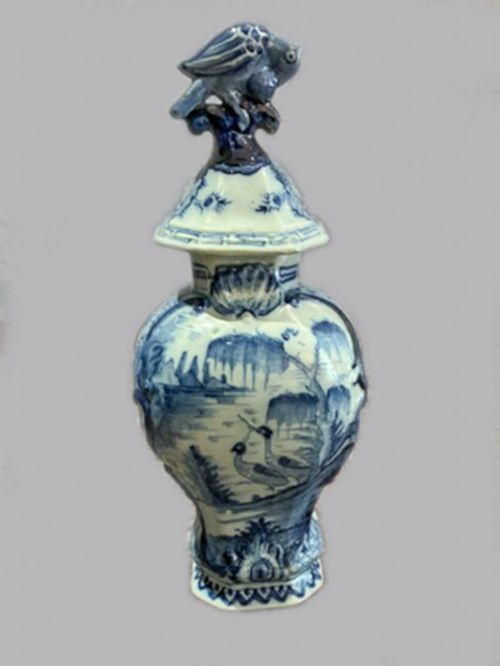
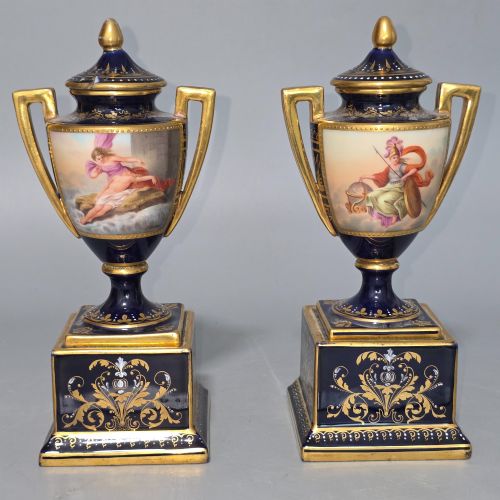
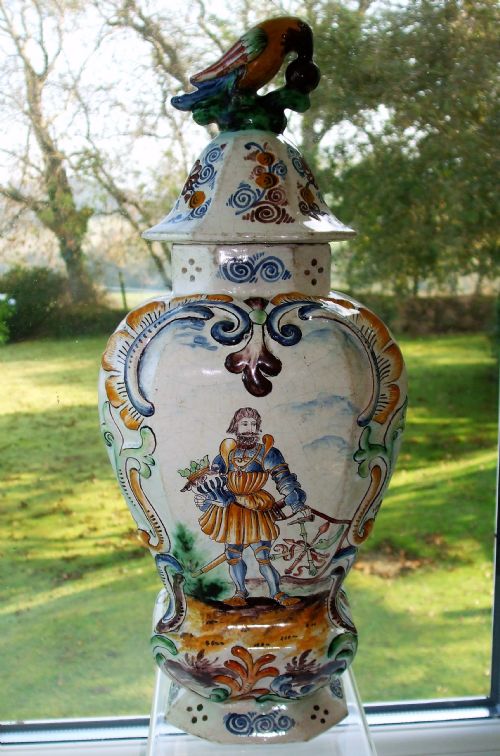
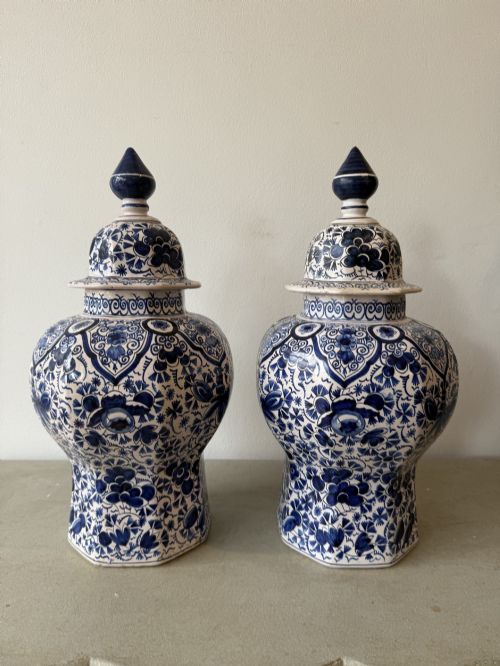
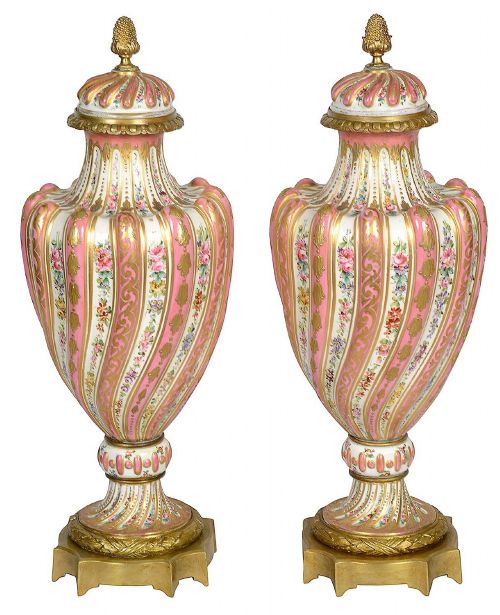
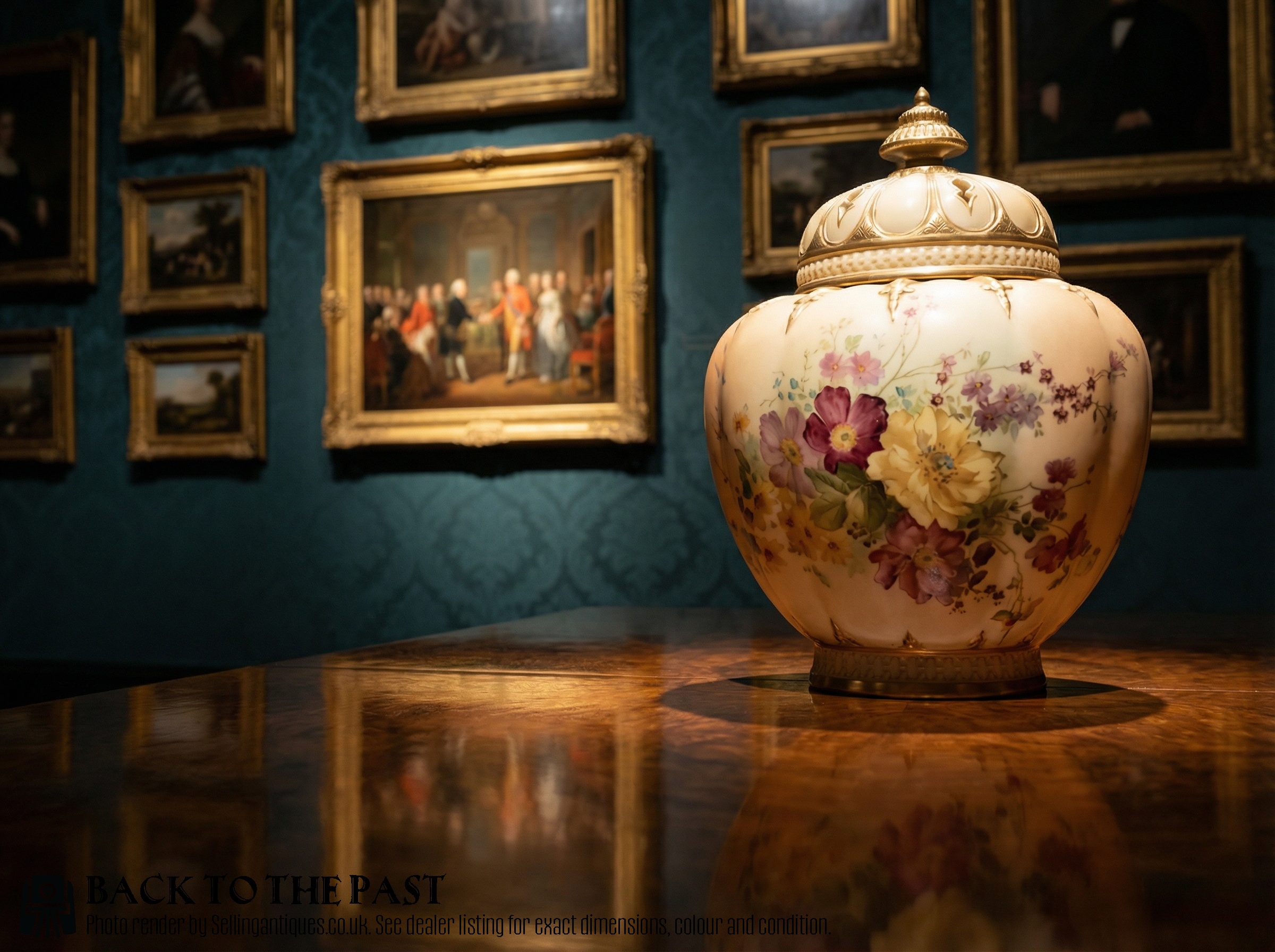
After that comes the English factory group, about a fifth, led by Royal Worcester, often in blush ivory and often a pot pourri form. A French Sèvres-style branch, frequently ormolu-mounted, accounts for roughly one in ten and sits at the top of the range. Smaller runs cover Delft and continental faience, Germanic and Viennese porcelain, and Chinese porcelain and cloisonné.
Dating is broad rather than precise. "19th Century" is far and away the largest bucket, with "Victorian", "Edwardian" and "Regency" used just as loosely, and circa dates more common than firm ones. The dated field runs from 1800 to 1960, so painted-fruit Worcester pot pourri vases of the mid-20th century sit in the same category as a 17th-century Arita pair.
What Sets Them Apart
A named hand lifts a piece further than a named factory alone. Royal Worcester with a painter's name attached, Coalport with a decorator credited, a signed Vienna vase, a Sèvres-style vase carrying a maker's name in the title: these sit high. Titles that say no more than "antique hand painted lidded vase" sit at the bottom.
Scale and number do most of the rest of the work. "Large" appears in a quarter of titles, heights climb past a metre, and words like monumental and impressively large attach to the dearer end. Pairs account for well over a third of listings, and the sets reach highest of all: a trio of Japanese Imari, a Vienna-style garniture of three, five pieces of blue and white Delft with their original lids.
Mounts and early date pull the same way. Ormolu and gilt-bronze mounts turn up almost only on the French group, and always near the top. The handful of 18th-century pieces, and the two 17th-century Arita pairs that sit outside the main span, rank at or near the top, while the 1920s and 1930s cluster low.
Antique Lidded Vases Retail Price Guide 2026
Typical UK retail prices for lidded vases, calculated from the Sellingantiques database of over a million retail prices indexed since 2003. This retail price guide relies exclusively on Sellingantiques data; no external sources or auction records are used, so the figures do not describe the wider market.
Among the one-offs: a Japanese pumpkin-shaped cloisonne vase, and a Satsuma bottle vase whose lid is modelled as a cricket.
The Antique Lidded Vases Glossary
- Vase and cover
- The trade's usual phrasing for a lidded vase, and the wording that dominates current stock. "Lidded" and "with lid" say the same thing, the latter more common in the sold archive.
- Pot pourri vase
- A covered vase whose lid is pierced so scent can escape. A recurring form in the Royal Worcester group.
- Imari
- The blue, iron-red and gilt palette of Japanese export porcelain, copied elsewhere too. Titles sometimes hedge it as "Imari palette" or "Imari pattern" rather than claiming Japanese origin.
- Blush ivory
- Royal Worcester's soft cream-to-peach shaded ground, named in its own right in listings.
- Garniture
- A matched set of vases, usually three or five, made to stand together. Only three appear in the archive.
- Bleu celeste
- The pale turquoise-blue ground associated with Sèvres, named in several ormolu-mounted listings.
Antique Lidded Vases: Frequently Asked Questions
Are lidded vases usually sold in pairs?
Pairs are very common. "Pair" appears in well over a third of titles, and plural "vases" at the same rate, so a single vase and a facing pair are both ordinary sights.
Sets of three or five turn up as well, described as garnitures. They are the exception rather than the pattern, and they reach the highest end of the range.
What does pot pourri vase mean?
It's a covered vase whose lid is pierced so scent can escape. The phrase appears in a run of titles, most often within the Royal Worcester group.
Otherwise it behaves like any other vase and cover, and dealers list it under the same heading.
How old are most of these?
The dated field spans 1800 to 1960. "19th Century" is by far the biggest bucket, which places a piece in a hundred-year span and no closer.
Decade buckets are thinner, with the 1900s the largest of them. Eight listings are dated 18th century, and a 17th-century Arita pair and a circa-1680 pair sit outside the main span altogether.
Which countries do they come from?
Japan supplies the largest share, roughly a third, through Imari, Satsuma, Kutani, Arita and Fukagawa. English factory pieces follow at about a fifth, and French Sèvres-style vases at roughly one in ten.
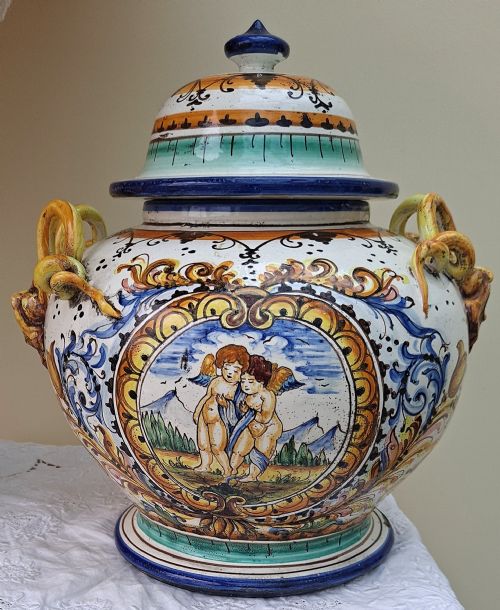
Smaller groups cover Dutch Delft and continental faience and maiolica, Germanic and Viennese porcelain, and Chinese porcelain, cloisonné and champlevé.
Are they always porcelain?
Almost always ceramic, whether porcelain, faience, maiolica or crackle-glazed earthenware.
A few sit outside that. The archive holds a pair of ivory-mounted burr fruitwood urns of campana form, a Bohemian cabochon overlay glass example, and a pair of Japanese mixed-metal vases.
How many come up for sale each year?
Around 28 lidded vases are listed a year on Sellingantiques.
Fifty-eight different dealers have handled one, so no single specialist owns the field, and no maker reaches enough listings to count as a category-wide presence.