
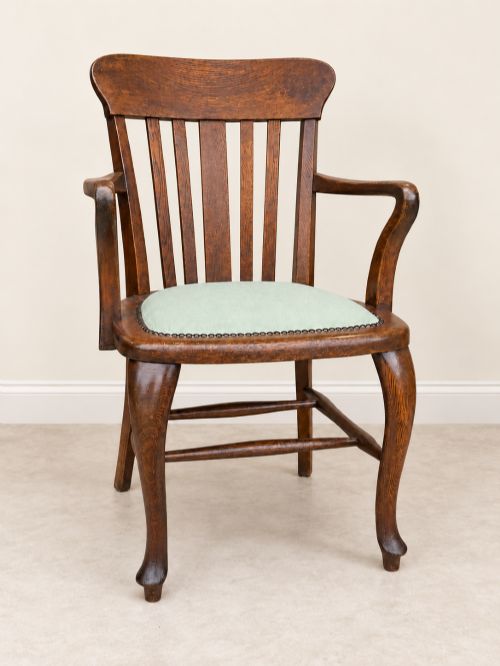
Antique Desk Chairs
A single chair for writing at, from mahogany open-arm and elbow chairs to oak revolving office chairs on a screw column and leather-seated library seats.
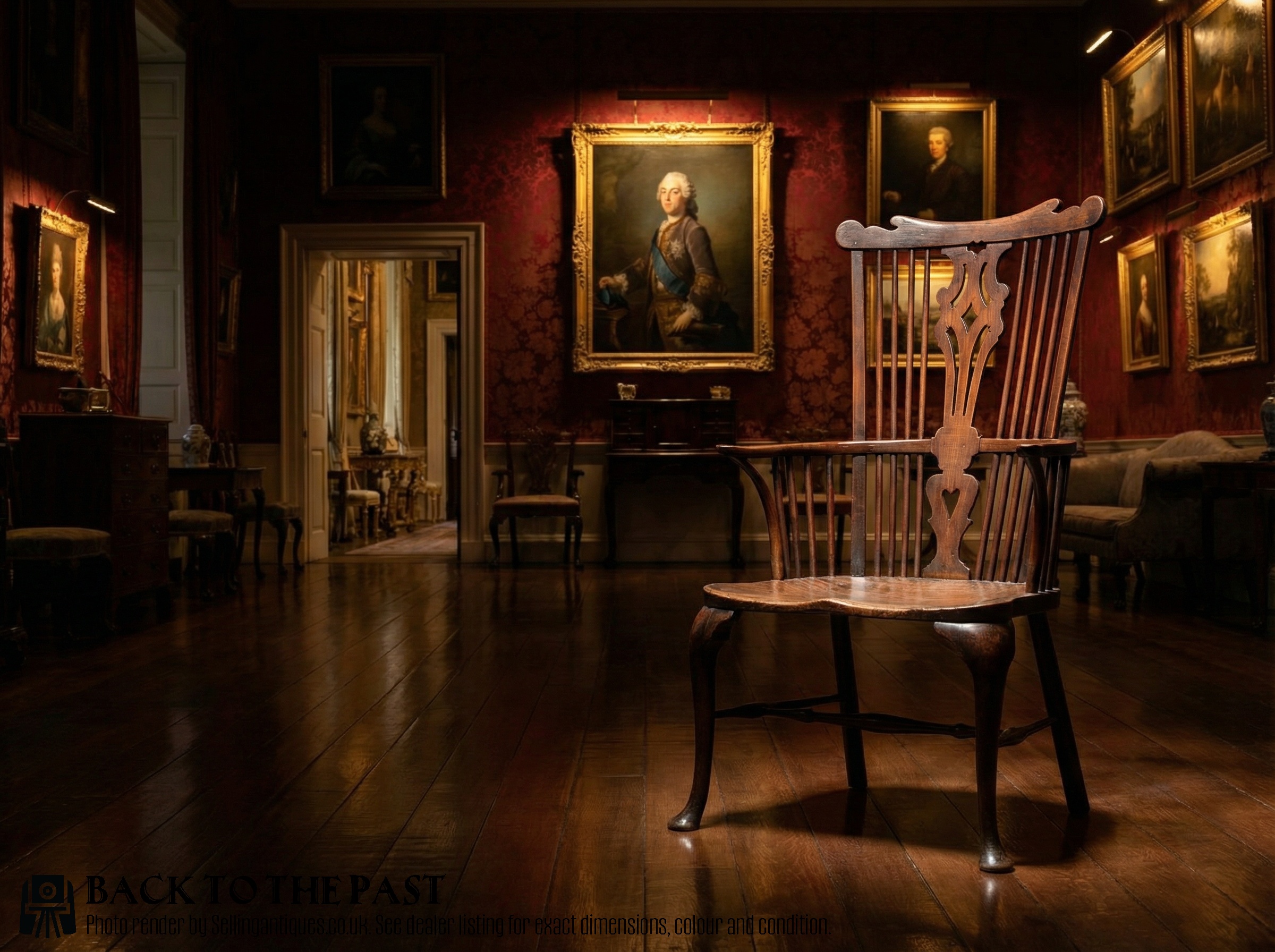
Antique Desk Chairs
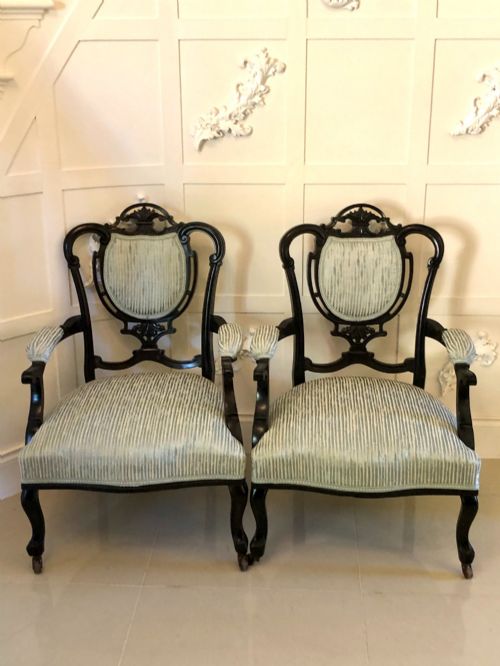
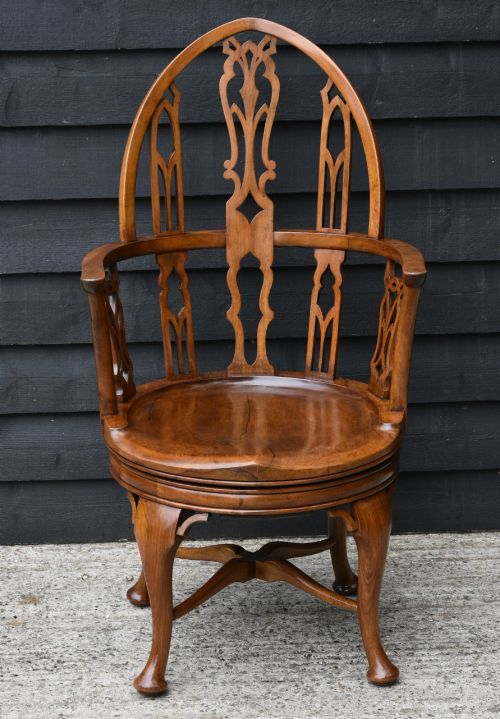
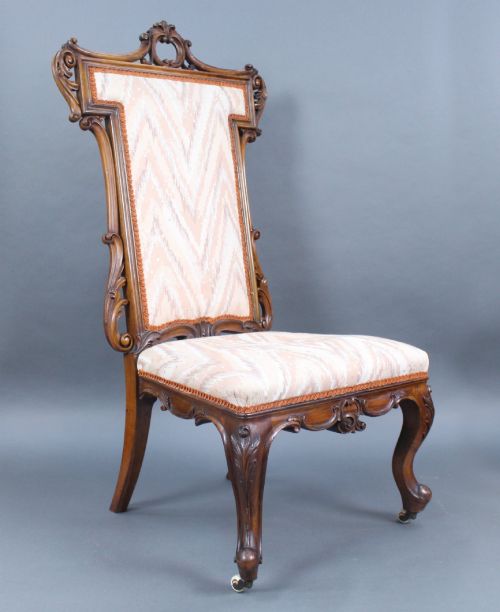
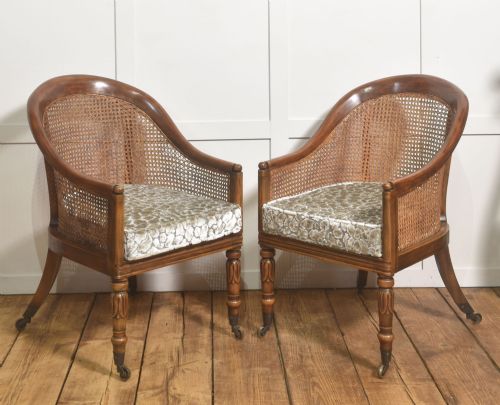
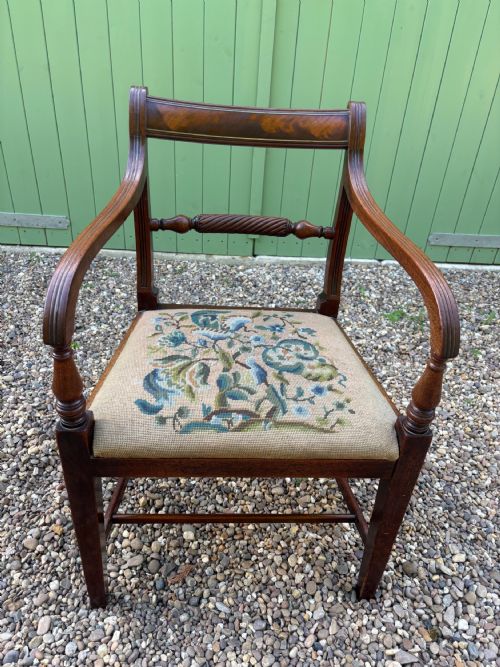
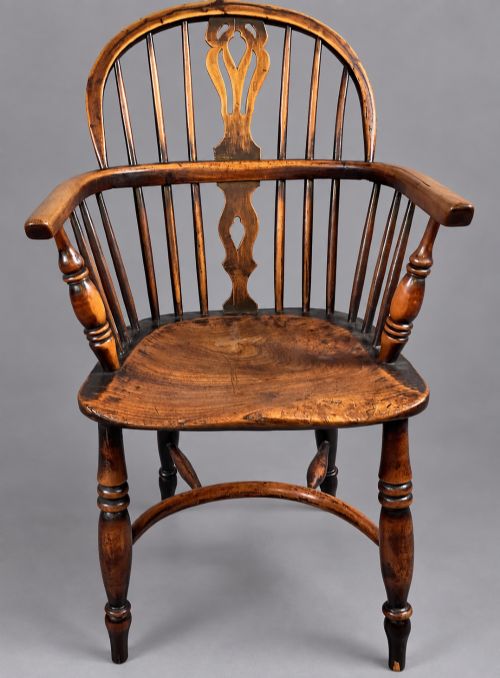
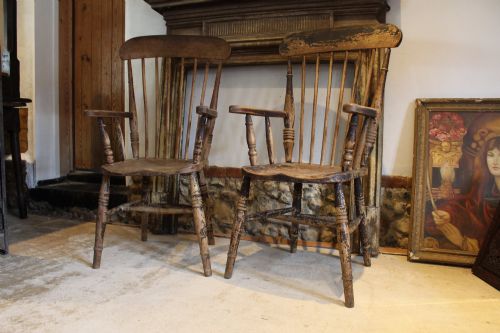
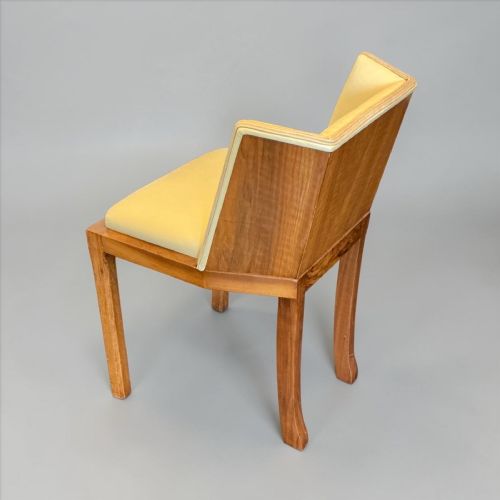
The heading is applied broadly. The same listing will read "carver, elbow or desk chair" or "desk/library chair", and a fair number of the chairs sold under it are Windsors, smoker's bows, dining carvers or salon chairs pressed into desk service. What dominates is a single open-arm chair, mahogany or oak, of Victorian or Edwardian date.
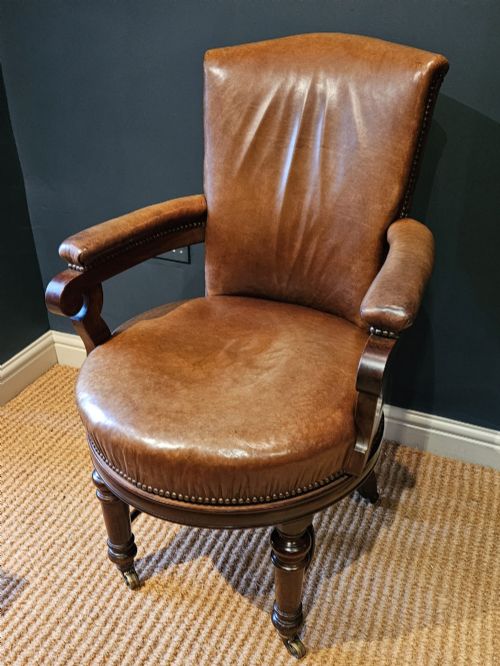
Mahogany leads the titles outright, oak comes second, and armchair, arm and elbow together show the open-arm form is the norm. Arms sit low or short so the chair clears a desk edge. Behind that comes the revolving office chair, turning on a central column and raised on a screw, commonly oak with a leather seat. Leather-upholstered library and captain's chairs make up around a sixth.
Dates run from 1700 to 1950 in the dealer field, though much of it is period label rather than year: 19th Century, Victorian, Edwardian and Regency are bands. Where decades are given they cluster at the turn of the century, the 1910s ahead of the 1920s and 1900s, so the bulk is late Victorian to inter-war. Anything before the 18th century is exceptional.
Around 313 come to market a year on Sellingantiques, handled by 322 different dealers, which makes this a category almost every furniture dealer touches rather than a specialism. About one listing in eight is a pair or a set rather than a single chair.
Top And Bottom
Timber sets the floor and the ceiling. Plain oak and beech sit through the middle and lower range, and 1900s to 1930s oak office chairs sit at the bottom. Mahogany, walnut, satinwood, rosewood and burr walnut carry the upper end, and yew drives the best of the Windsors.
Work on the frame separates the rest. Carved and inlaid turn up in a few hundred titles between them, and the highest-priced examples are described as carved mahogany or as marquetry and floral inlaid. Date pulls the same way: 18th-century and Georgian-labelled chairs sit at the top, the standard office chairs of the early 20th century at the other end.
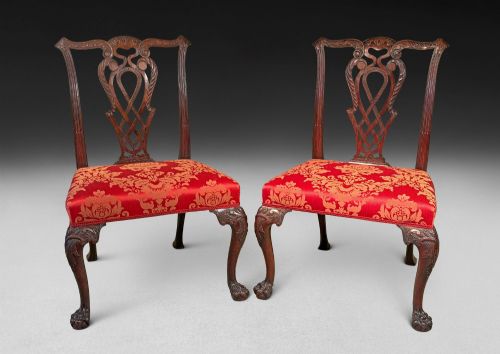
Number matters as much as anything. Singles are the norm, and pairs and sets sit in the upper part of the range, with sets of four, six and eight recurring and one set of ten mahogany armchairs the largest recorded. A name on the chair, or an attribution, does the same.
Antique Desk Chairs Retail Price Guide 2026
Typical UK retail prices for desk chairs, calculated from the Sellingantiques database of over a million retail prices indexed since 2003. This retail price guide relies exclusively on Sellingantiques data; no external sources or auction records are used, so the figures do not describe the wider market.
Mahogany leads the titles on Sellingantiques for desk chairs, with oak second, then walnut, elm, yew and beech.

Gillows
The Antique Desk Chairs Glossary
- Elbow chair
- An open-arm single chair. It's the older name for the form, and it appears in well over a hundred titles here.
- Carver
- An arm chair from a dining set, often offered for desk use. Around 130 titles use the word.
- Revolving or swivel
- The seat turns on a central column and is often raised and lowered by screw. Between them these two words cover a good slice of the archive.
- Captain's chair
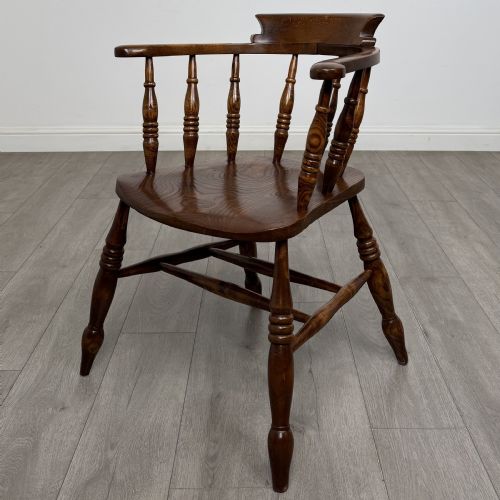
- A deep bow-arm chair on a turned or revolving base, commonly oak or elm with a leather seat.
- Smoker's bow
- A low hoop-arm chair of Windsor type, made for offices and sold throughout this category as a desk chair.
- Gainsborough
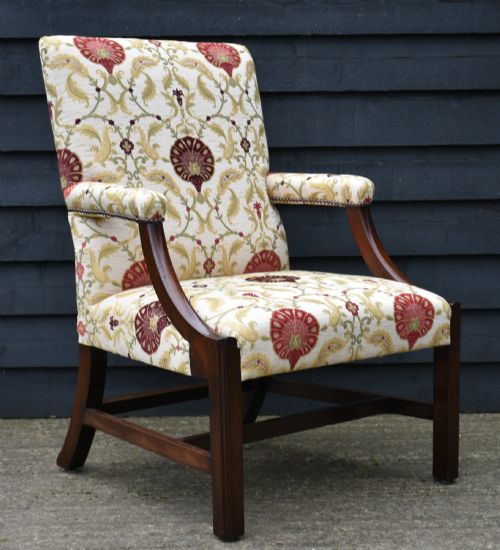
- A broad open armchair upholstered on back, arms and seat, the term used for the grander leather examples.
Antique Desk Chairs: Frequently Asked Questions
What timber are they usually made from?
Mahogany dominates outright, in more titles than any other timber, with oak a clear second. Walnut follows, then elm, yew and beech.
Mahogany tends to the open-arm and elbow chairs, oak to the revolving office chairs and country forms. Yew is the timber at the top of the Windsor range.
How old is a typical antique desk chair?
Younger than the heading suggests. The busiest decade band is the 1910s, with the 1920s and 1900s just behind, and the 1880s and 1890s not far off.
Only around 1,350 of 3,117 listings carry a clean year. The rest sit in bands like 19th Century, Victorian or Edwardian.
Are revolving office chairs part of this category?
Yes, and they form roughly a fifth of it. Revolving, swivel and office appear across hundreds of titles, and "revolving office" is a set phrase in its own right.
The common version is oak with a leather seat, turning on a central column, often height-adjustable by screw. Captain's and tilting forms show up on the same base.
Do pairs and sets come up?
About one listing in eight is a pair or a group. Pair appears in 410 titles, with sets of four, six and eight recurring in the samples.
The largest recorded is a set of ten mahogany armchairs. Multiples sit in the upper part of the range.
Why are Windsor chairs listed as desk chairs?
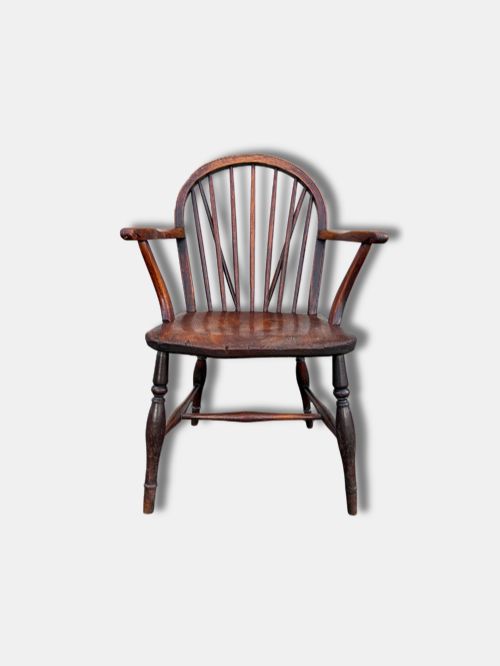
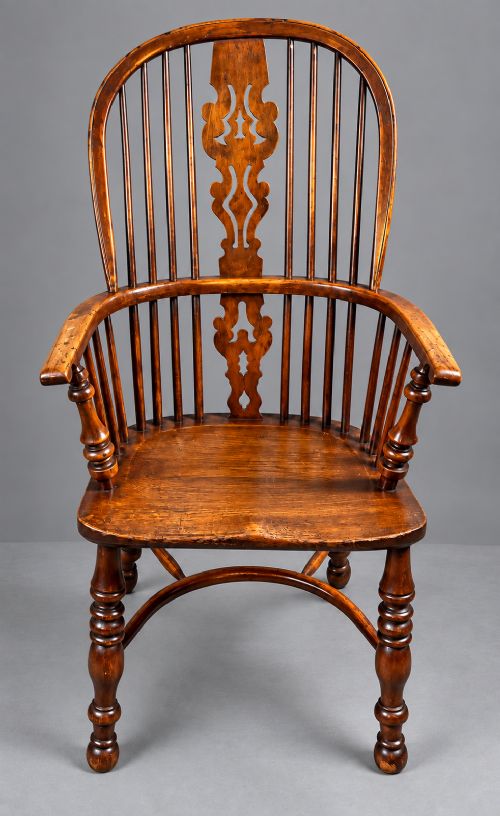
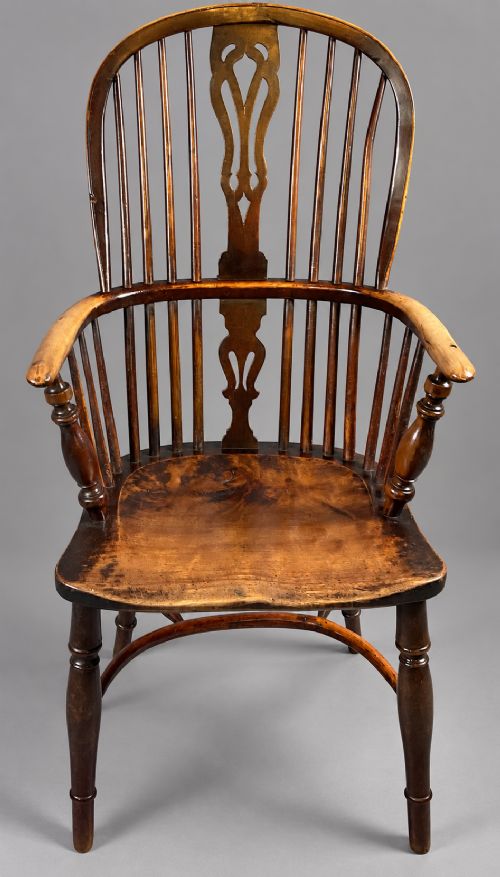
Because the label is used loosely. Windsors, smoker's bows and elm country chairs are sold for desk use throughout the archive, and they're stronger still in current stock.
Windsor appears in 167 titles, elm in 129, yew in 68. The highest-reaching country chair in the samples is an 18th-century Thames Valley cherrywood Windsor.
Which unusual forms turn up in this category?
Odd things surface once and nowhere else. Two Great Western railway chairs appear, one a station master's chair with a crinoline stretcher, the other sign-written on a Victorian bar-back frame.
Other one-offs include a rotating carved oak ships chair, a revolving music chair described for harp and cello, a library armchair with a reading stand, a cockfighting chair and a Ceylonese solid ebony chair.