
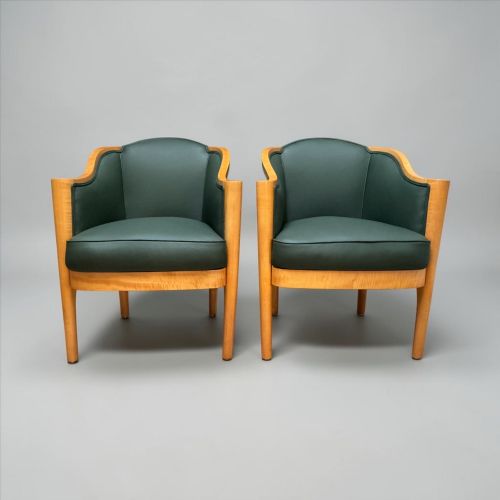
Antique Accent Chairs
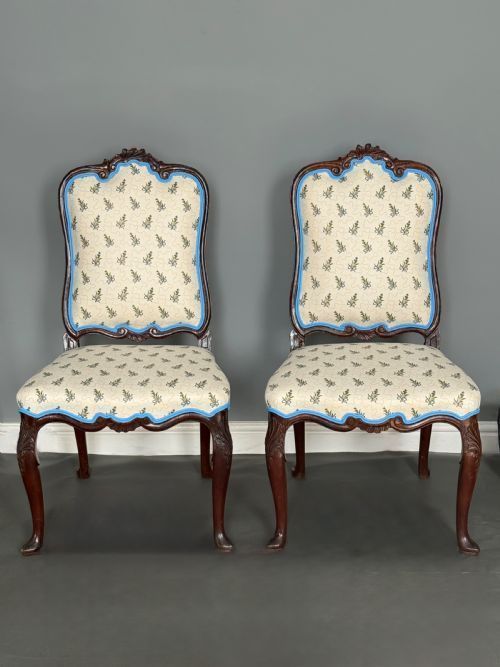
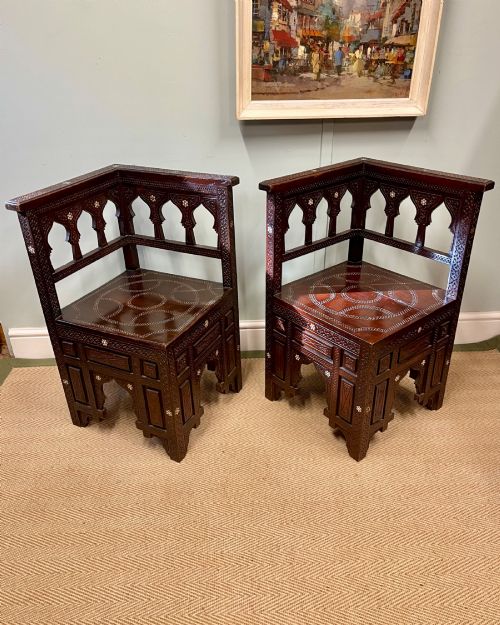
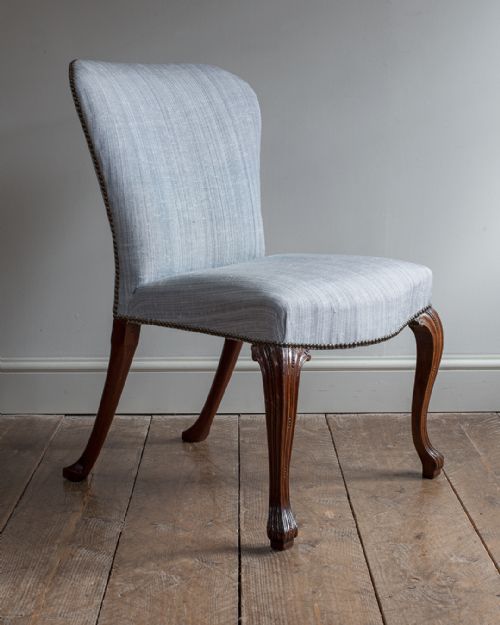
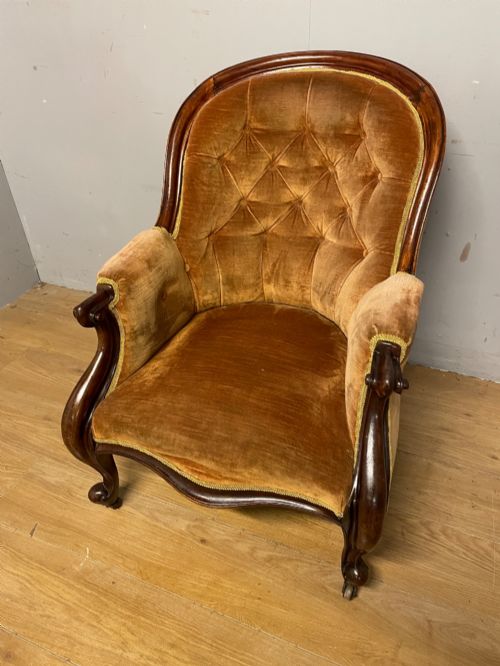
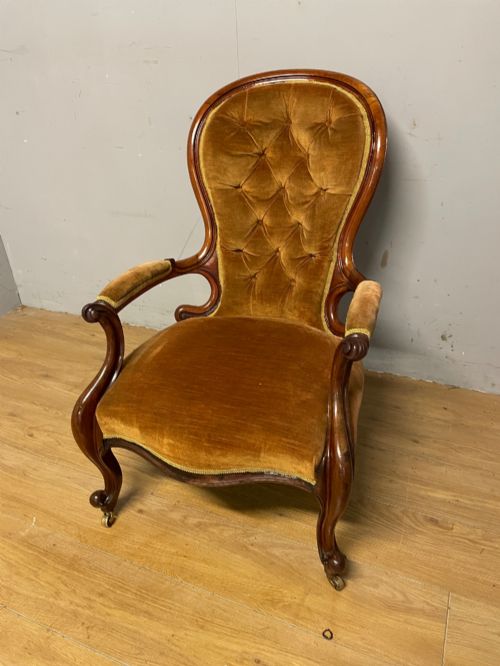
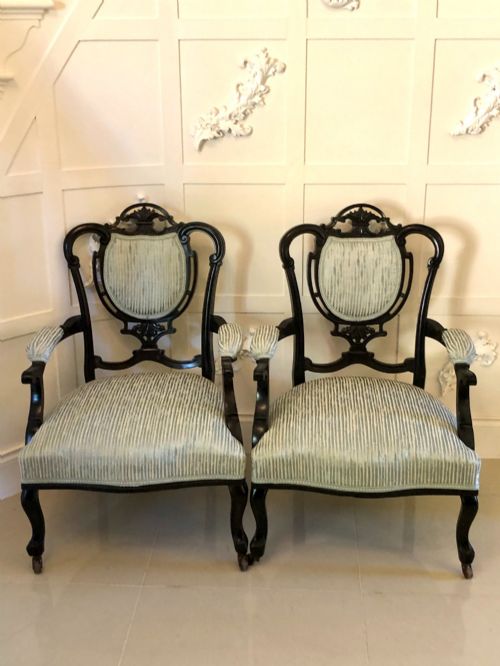
Single occasional seating made to stand apart from a dining set: hall chairs, side chairs, open armchairs, nursing and bedroom chairs, sold on their own or, very often, in pairs.

Antique Accent Chairs
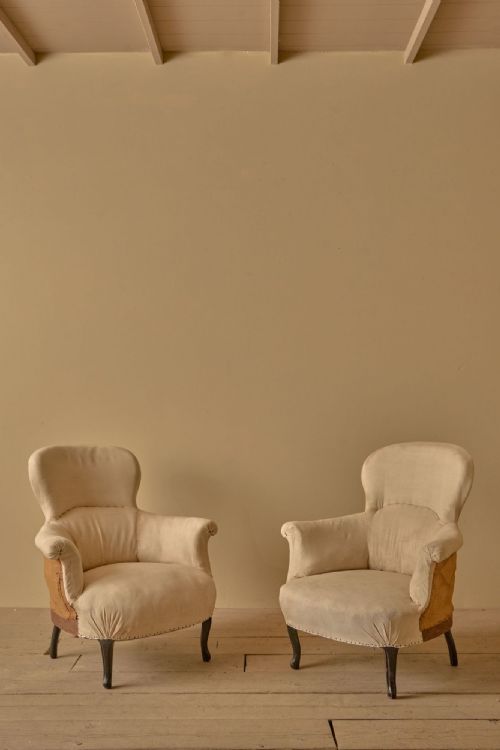
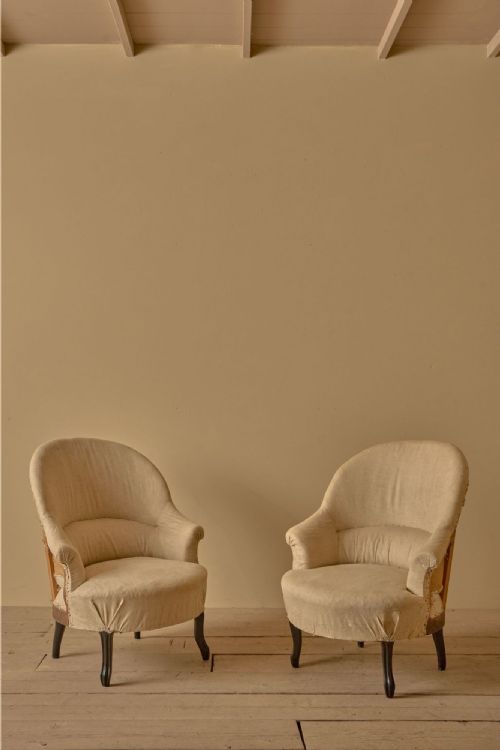
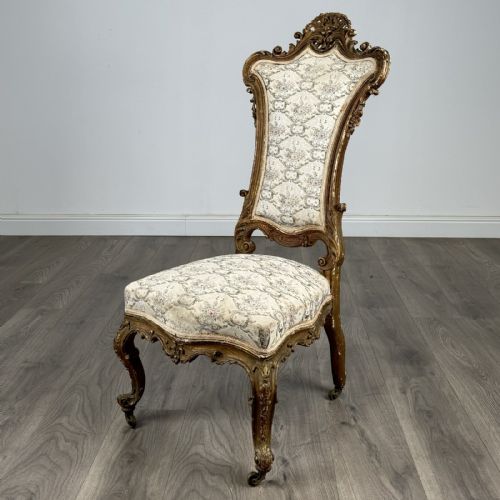
The heading covers chairs made for a place rather than for a table. Halls, bedrooms, drawing rooms and salons each got their own seat as houses acquired specialised rooms in the eighteenth and nineteenth centuries, and the forms follow the room: a hard-seated hall chair, a low armless nursing chair, an upholstered salon fauteuil.
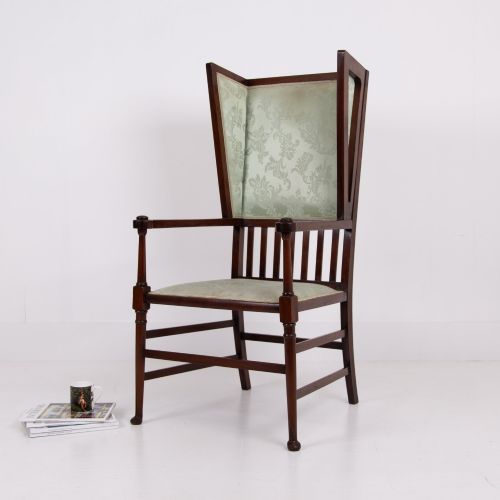
What dominates is nineteenth-century English hardwood. Mahogany leads the titles, then walnut, oak, rosewood and elm, with Victorian the single commonest period word. Shaped or carved backs, upholstered or caned seats. Around two fifths of titles carry an arm term of some kind, whether armchair, elbow or open armchair.
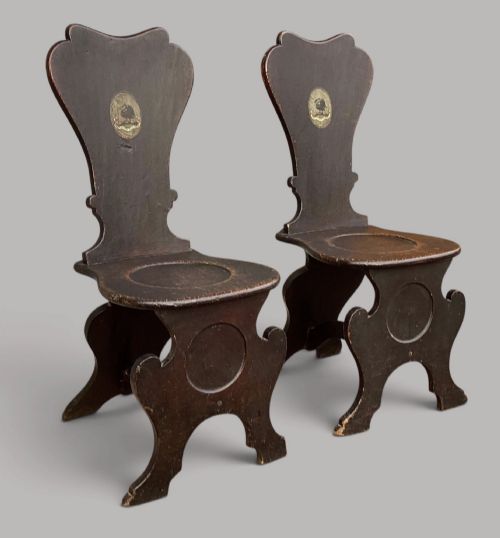
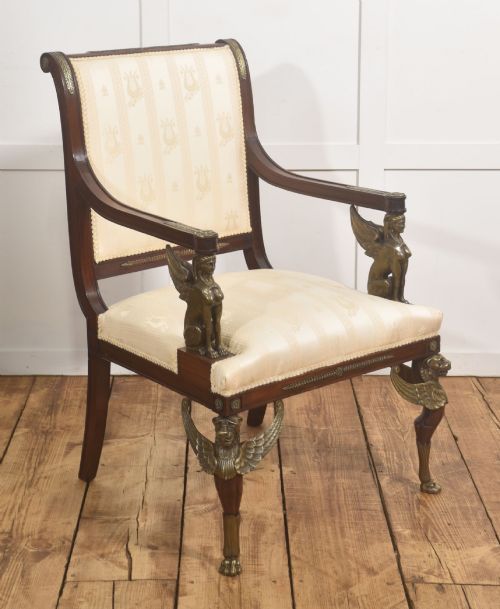
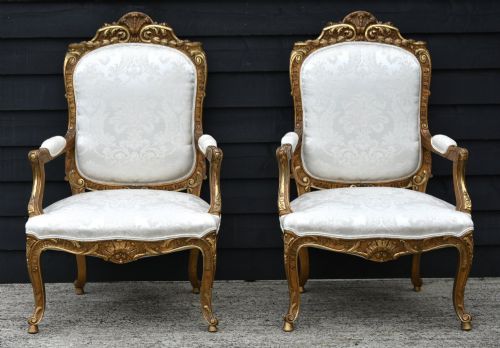
The named sub-types cluster. Hall chairs are the most identifiable, turning up in oak, mahogany and walnut with shield backs, sgabello and Gothic forms among them. Side chairs run a close second. A French contingent brings fauteuils, bergeres, giltwood salon seating and Louis and Empire forms. Country work shows as Windsors in ash, elm and yew, wainscot chairs and backstools.
Expect to be offered two as often as one. Pair appears in 604 of 1,541 titles, and sets of three, four, six and ten have sold on Sellingantiques. Dating is often banded rather than exact: 19th Century and Victorian between them account for over a third of the category, with the dealer dates spanning 1700 to 1940.
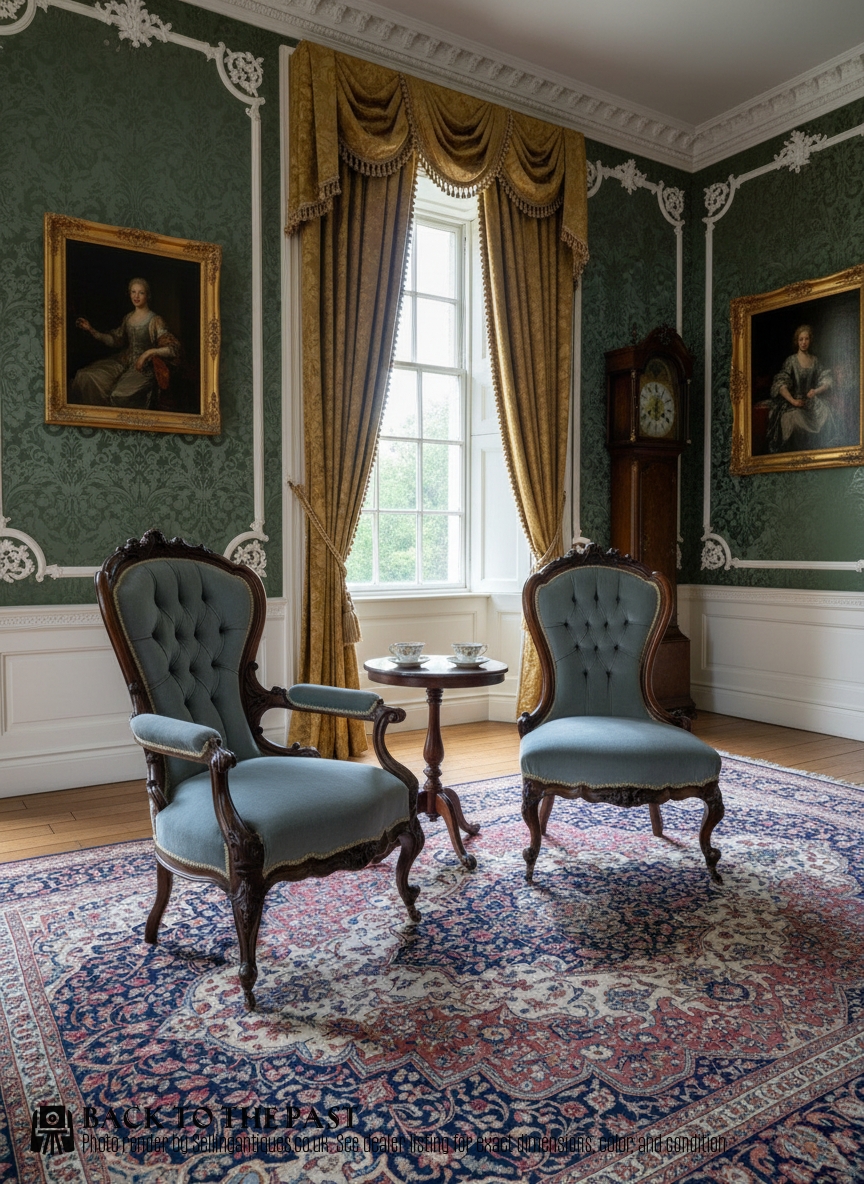
What Sets Them Apart
Number counts first. Pairs and sets sit toward the top of the range and singles below them, and the highest-reaching entries are overwhelmingly two chairs or more rather than one. A George I walnut and marquetry set of 1715 and a Restauration giltwood pair with palace provenance mark the ceiling.
Then decoration and timber. Carved walnut, giltwood, marquetry and inlay pull upward; carved appears in 202 titles, inlaid in 60, giltwood in 38. Yew, satinwood, padouk, ebony and huanghuali sit at the upper end of the wood range, while beech, pitch pine and scumbled softwood sit at the lower. Scale plays in too, with giltwood throne armchairs, temple chairs and oversized library chairs accounting for much of the top.
Date and name do the rest. Pieces dated before 1750 sit well above the middle, while 1900s, Edwardian and 1920s bedroom and nursing chairs occupy the bottom. Attribution to a named workshop lifts a chair, though only one maker name recurs across more than a dealer or two.
Antique Accent Chairs Retail Price Guide 2026
Typical UK retail prices for accent chairs, calculated from the Sellingantiques database of over a million retail prices indexed since 2003. This retail price guide relies exclusively on Sellingantiques data; no external sources or auction records are used, so the figures do not describe the wider market.
Dealer dates on Sellingantiques run from 1700 to 1940, with 548 listings carrying a clean year rather than a period band.
Gillows
The Antique Accent Chairs Glossary
- Side chair
- A chair without arms. The phrase carries 107 titles, mostly English hardwood work sold singly or in pairs.
- Open armchair, or elbow chair
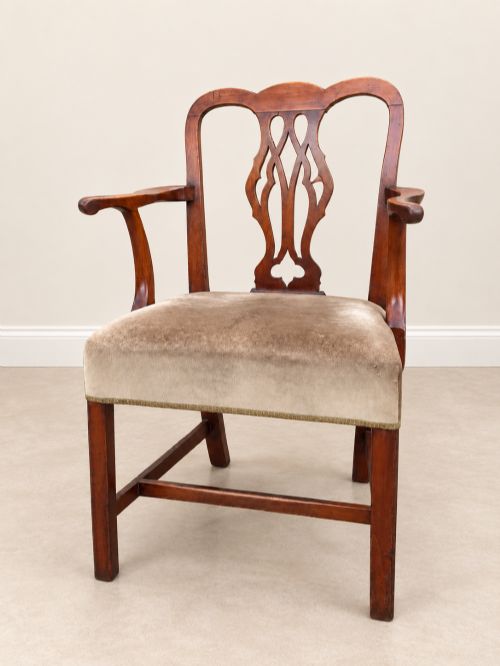
- An armchair with an exposed wooden frame rather than fully upholstered arms. Open appears in 78 titles, elbow in 37.
- Hall chair
- A hard-seated chair, often with a solid decorated back panel, made to stand in an entrance hall. Shield-back, heraldic, Gothic and sgabello versions all turn up.
- Nursing chair
- A low-seated upholstered chair with no arms or short arms, listed 48 times, commonly in walnut, mahogany or rosewood.
- Fauteuil and bergere
- The two French armchair forms: the fauteuil with upholstered back and seat on an exposed frame, the bergere with enclosed or caned sides.
- Backstool and wainscot chair
- Early joined oak forms, the first essentially a stool with a back, the second a panel-backed armchair of 17th-century type also copied in the 19th century.
Antique Accent Chairs: Frequently Asked Questions
Are accent chairs usually sold in pairs?
Often, yes. Pair appears in 604 of 1,541 titles, so a buyer meeting this category is about as likely to be offered two chairs as one.
Larger groupings show up as well. Sets of three, four, six and ten chairs have been sold together on Sellingantiques.
Which woods turn up most?
Mahogany leads with 286 titles, then walnut at 222 and oak at 158. Rosewood and elm follow further back.
Beyond the staples the samples carry yew, satinwood, padouk, ebony, huanghuali and goncalo alves at the upper end, and beech, pitch pine and scumbled softwood at the lower.
What is a hall chair for?
It was made to stand in an entrance hall rather than to be sat in for long. Hard seat, no upholstery, and commonly a solid back panel carrying carving or a painted crest.
It's the most identifiable named sub-type in the titles, with 85 listings using the phrase and 139 mentioning hall. Oak, mahogany and walnut are the usual woods.
How old are these chairs?
The dealer dates run from 1700 to 1940. Much of that is banded rather than exact: 19th Century accounts for 362 entries and Victorian a further 170.
Beyond those, 1900s, 18th Century, 1880s, Edwardian and 1920s make up the bulk. Seventeenth-century oak backstools, wainscot and Carolean armchairs appear in small numbers.
Do French chairs feature in this category?
They form a substantial contingent, 177 titles. Fauteuils, bergeres and giltwood salon seating, with Louis XIV, XV and XVI, Empire, Directoire, Restauration and Napoleon III forms all present.
Giltwood and gilt each show in around forty titles, and the carved and gilded work sits high in the range.
What are the more unusual forms?
Chinese seating forms its own small stream: horseshoe and yoke-back armchairs, concubine chairs, folding chairs and Qing throne chairs in elm, hongmu and huanghuali.
Single oddities have surfaced too, among them a barber's chair, a musical chair with marquetry inlay, a spinning chair, a gossip chair and a five-legged bedroom chair. Origins reach to Burma, Ceylon, Syria, North Africa, the Levant and Piedmont, each once or twice.