
Antique Occasional Chairs
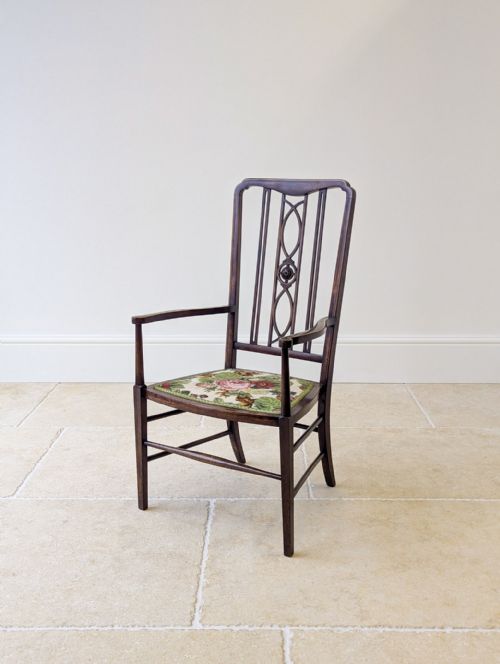
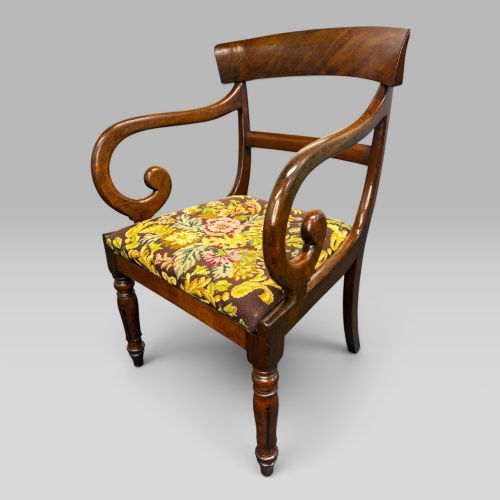
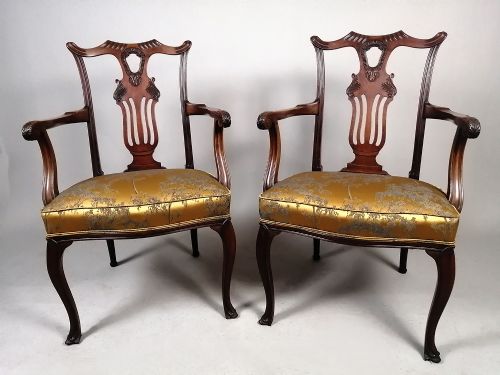
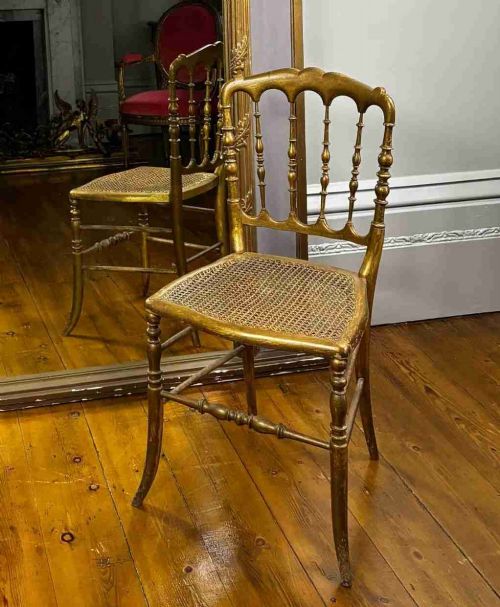
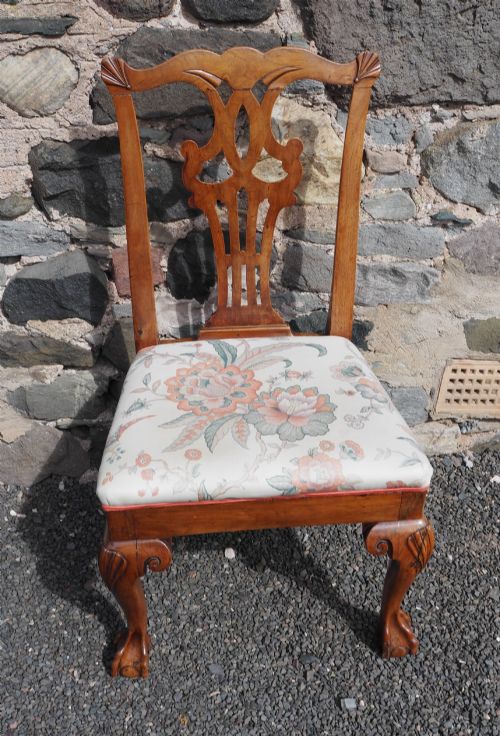
A light single chair, armless or with open arms, made for a bedroom, hall, salon or writing table rather than a fixed place at the dining table.
Antique Occasional Chairs
The name describes use, not construction. As interiors specialised through the 18th and 19th centuries, houses wanted movable seating away from the dining room, and the chair took the name of the room it stood in. That's why one listing on Sellingantiques can run through side, hall, salon, bedroom, desk and library in a single breath.
What dominates is 19th and early 20th century British cabinet work. Victorian appears in 121 of 371 titles and Edwardian in 58, with mahogany the leading timber at 102 titles and walnut next at 50. Rosewood, oak and beech follow. Seats are upholstered or caned, and the dated field runs from 1800 to 1930, so on this site the occasional chair is effectively a long-19th-century object.
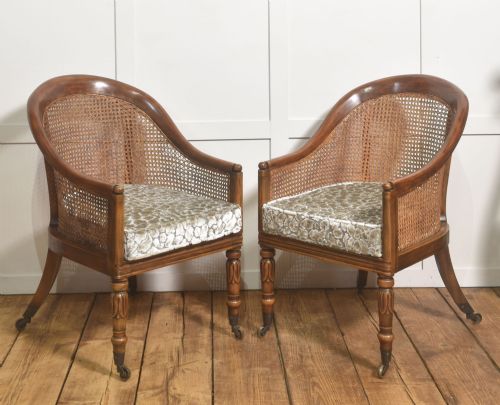
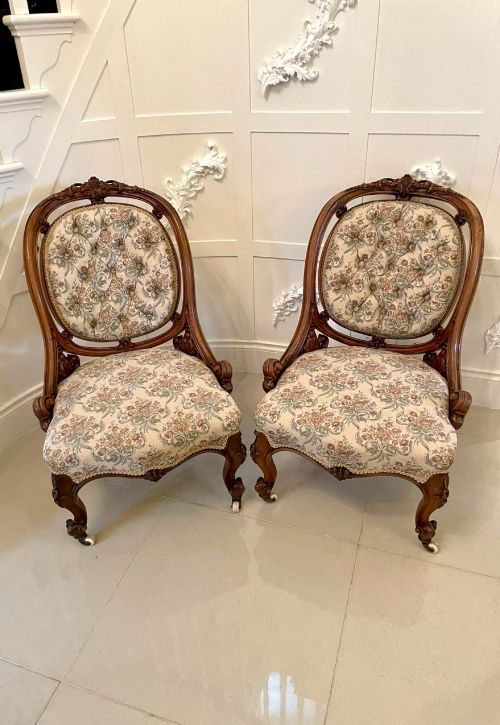
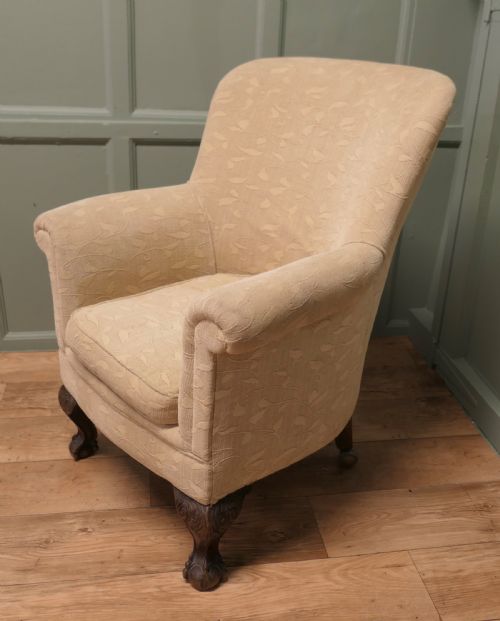
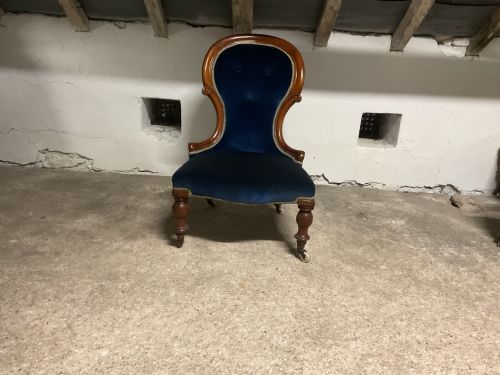
The most recognisable sub-type is the upholstered back chair: button back, spoon back, balloon back, shell and scroll back, heavily Victorian and roughly a sixth of the category. Bedroom and nursing chairs make up about one in seven. Desk, office, library and elbow chairs with open arms form a substantial minority, usually multi-named in one title.
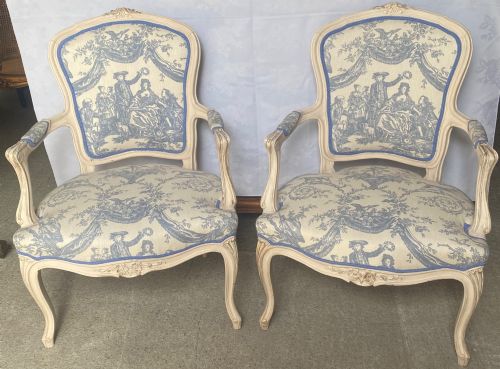
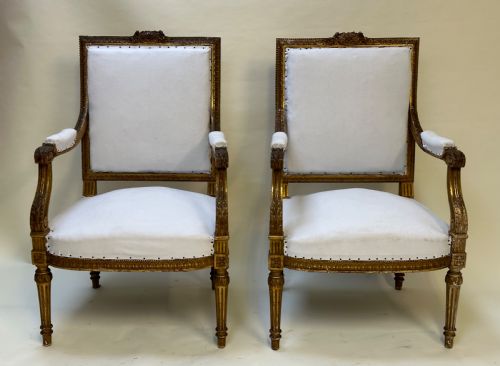
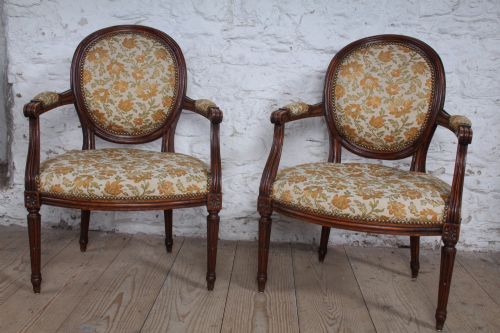
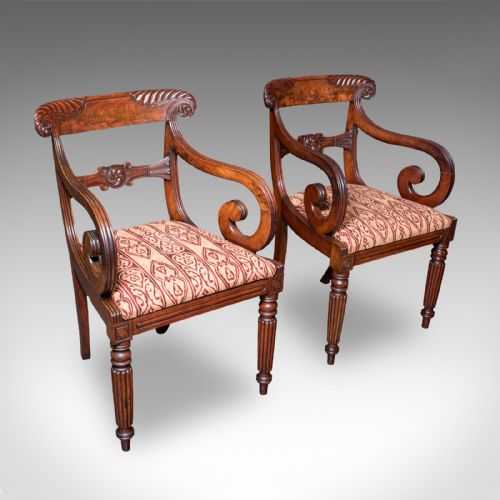
Pairs are close to the default unit, appearing in 101 titles, with sets of three, four and six also filed here rather than as dining chairs. French salon and drawing-room chairs are the one non-British group with any weight at 28 titles; Chinese, Indian, Italian and Biedermeier pieces turn up as single entries.
Top And Bottom
Timber sorts the range first. Beech and stained hardwood chairs sit at the bottom, mahogany and walnut fill the middle, and rosewood, satinwood and figured walnut sit at the top. The archive also carries maple, elm, fruitwood, Cuban mahogany, Indian ebony and Chinese hongmu, and those uncommon woods tend to sit high.
Then decoration. Carved and inlaid frames lift a chair above a plain one, with carved in 31 titles and inlaid in 39, and carved is the term rising fastest in current stock. Above that again sit the specialist surfaces: giltwood, painted work, papier mache, mother-of-pearl inlay and ebonised chinoiserie.
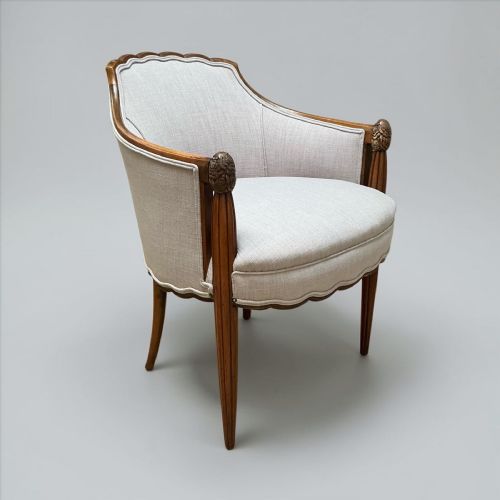
Number matters as much as ornament. Single bedroom and nursing chairs cluster at the lower end while pairs and sets of four or six occupy the upper half. A recognised design idiom pushes upward too, whether Regency, Georgian, Louis XV or XVI, Art Nouveau or Art Deco, and the 1930s Art Deco examples, few as they are, cluster at the most expensive end alongside 18th-century Georgian library armchairs.
Antique Occasional Chairs Retail Price Guide 2026
Typical UK retail prices for occasional chairs, calculated from the Sellingantiques database of over a million retail prices indexed since 2003. This retail price guide relies exclusively on Sellingantiques data; no external sources or auction records are used, so the figures do not describe the wider market.
The most expensive occasional chair ever sold on Sellingantiques was a 19th century Chinese hongmu hardwood chair, in April 2025.
The Antique Occasional Chairs Glossary
- Side chair
- A chair without arms, named in 58 titles, and often the same object a dealer elsewhere calls a bedroom or hall chair.
- Elbow chair
- A chair with open arms, the older British term for an armchair, used in 25 titles.
- Button back
- Upholstery drawn into a pattern with buttons, giving the deep-dimpled back found in 19 titles.
- Balloon back
- A rounded, waisted open back typical of mid-Victorian seating; 14 titles use the term.
- Nursing chair
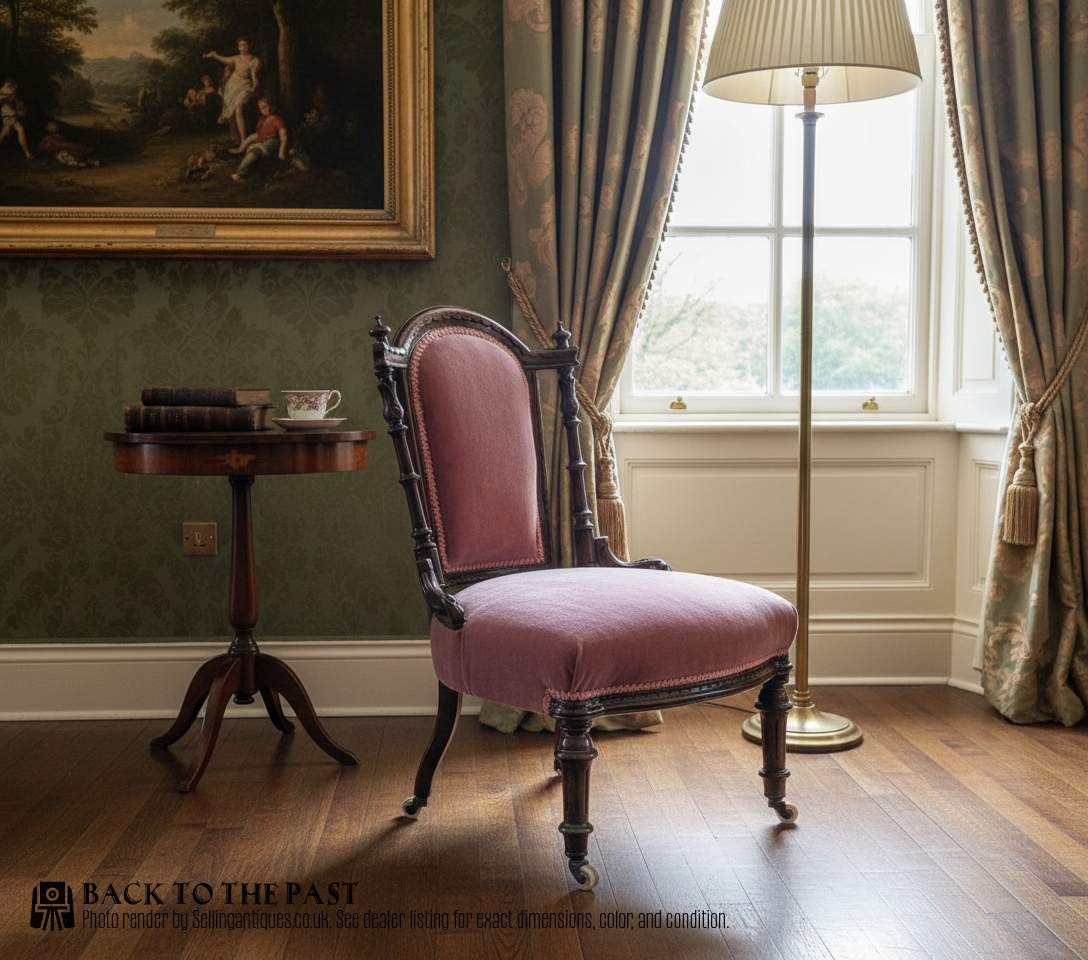
- A low-seated chair, usually armless, for bedroom use. Nineteen titles carry the name, and spoon-backed versions are common.
- Carver
- An armed chair from a dining set, named in 10 titles and frequently resold as a desk or occasional chair.
Antique Occasional Chairs: Frequently Asked Questions
How many occasional chairs sell here each year?
Around 43 are listed a year on Sellingantiques, and 122 different dealers have offered one.
That spread tells you something about the category. It isn't a specialism so much as a class almost every general furniture dealer touches at some point.
Why does one chair have so many names?
Because the form is defined by where it stood rather than how it was built. A light armless chair works equally well in a hall, a bedroom or beside a desk.
Dealers reflect that by stacking the names. Sampled titles run through side, hall, salon, bedroom, desk, office, library and tub in one line.
Are these usually sold as pairs?
Pairs are close to being the default unit, appearing in 101 of 371 titles.
Sets of three, four and six also turn up, filed as occasional rather than dining chairs. Single bedroom and nursing chairs sit at the other end of the scale.
What period do most of them date from?
The dated field runs 1800 to 1930, with 135 listings carrying a clean year, so the archive sits in the long 19th and early 20th century.
Much of it is labelled by reign instead: Victorian 87, Edwardian 49, Regency 16. A further 53 say only 19th century, which is a bracket rather than a date.
Sampled 17th, 18th and George III pieces appear, but as outliers.
Which woods turn up most often?
Mahogany leads at 102 titles, then walnut at 50, rosewood 19, oak 16 and beech 10.
Beyond those, the archive carries satinwood, maple, elm, fruitwood, Cuban mahogany, Indian ebony and Chinese hongmu hardwood.
Do unusual forms appear in this category?
They do, mostly once each. An Italian Sgabello, a Savonarola chair, a spinning chair, a Scottish gossip chair and a folding campaign chair have all passed through.
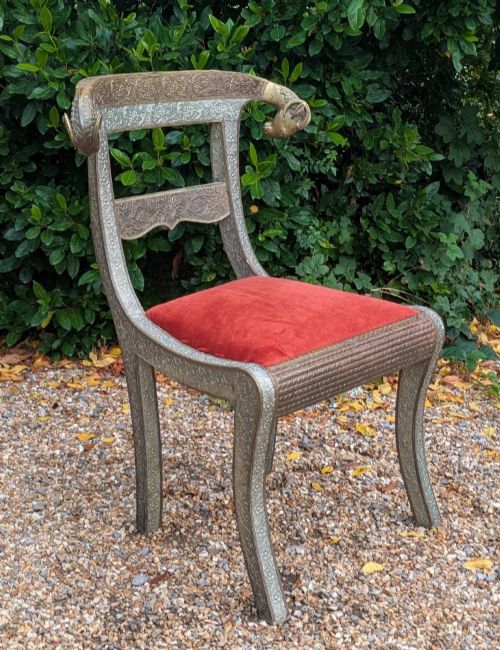
Others include a papier mache chair, an Indian wedding chair with rams' heads, a chair fitted with a drawer, and a Japanese pair sold with their own table.