

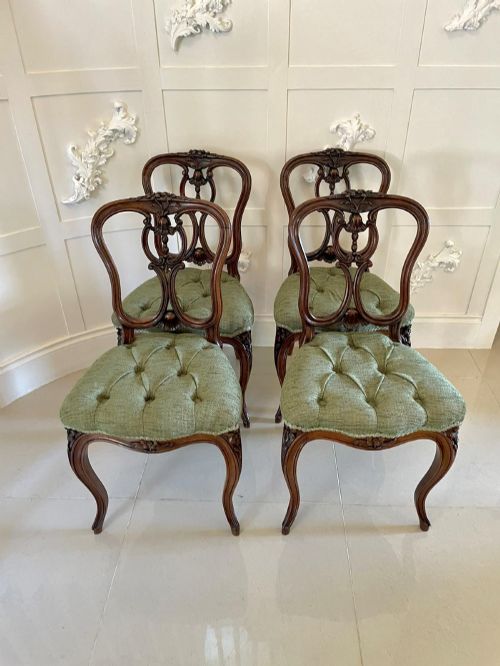

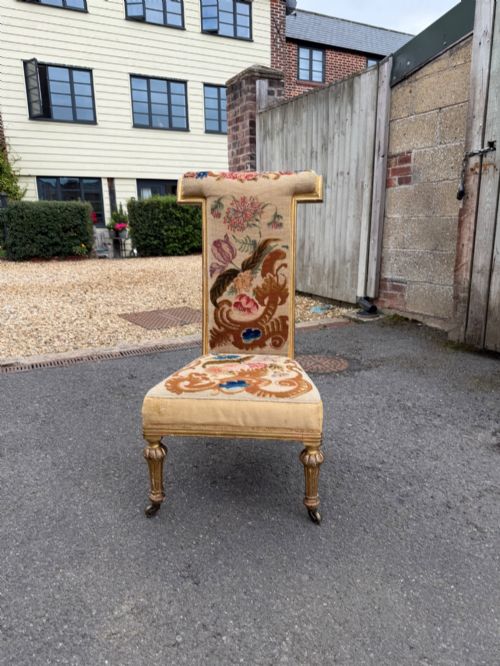
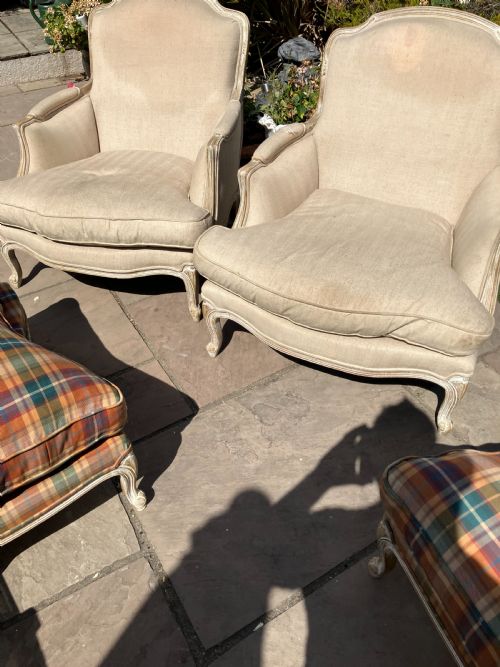


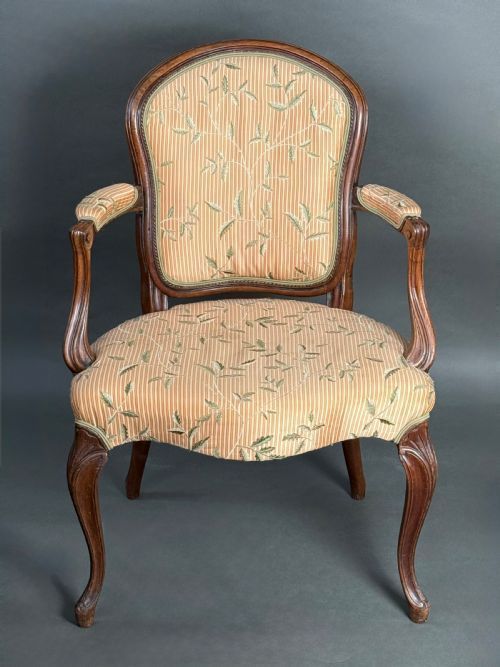

Antique French Chairs
French chairs are seating made across the Channel for the salon, the dining room and the smoking lounge, and they arrive on the market two at a time more often than one.
Antique French Chairs
The heading covers several forms held together by French origin. Open armchairs, deep bergeres, salon and side chairs, dining and kitchen sets, and leather club chairs all sit under it. What dominates is the drawing-room chair: the salon and fauteuil vocabulary runs right through the titles, well ahead of the dining chair.
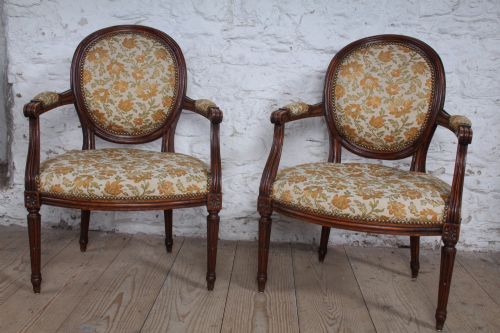
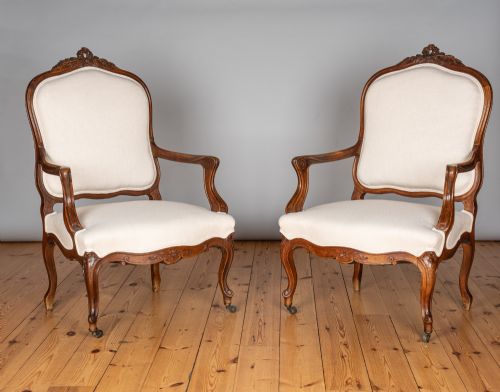
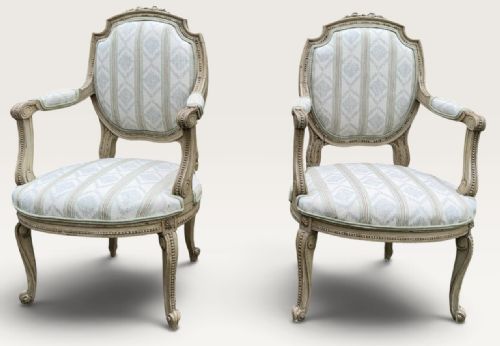
The chair you are most likely to meet is a pair of upholstered open armchairs in a carved wood frame, dated somewhere between the later 19th century and the 1930s. More than half of all titles say "pair", so two chairs is the normal unit of trade. That goes back to the way these were made, in matching pairs and larger suites for formal rooms.
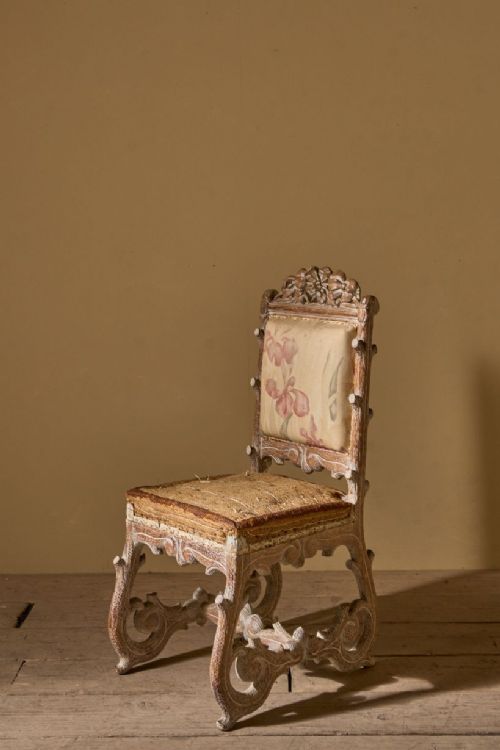
Walnut is the house timber, ahead of oak and mahogany. Painted surfaces are commoner than gilding, though giltwood and parcel gilt both turn up, and upholstery in leather, tapestry or needlework is often named in the title. Around 227 French chairs are listed on Sellingantiques in a year, handled by 258 different dealers, one of the widest dealer bases of any seating category.
Dating runs from 1700 to 1960, but the weight sits either side of 1900. The single commonest date given is the phrase "19th Century" rather than a decade, used by 732 listings. Genuine 18th-century dating is scarce, and much of the Louis-named material is described as style or revival rather than period.
Where The Range Splits
Surface does most of the work. Gilt, giltwood and gilt wood titles cluster in the upper half of the range, with carved giltwood at the very top, and original paint recurs as a selling point across the painted group. A plain, unfinished frame sits at the other end. Carving matters alongside it: carved walnut and foliate carved show frames sit consistently higher than uncarved ones.
Number counts. A pair beats a single, and matched runs beyond that keep climbing, with sets of six, eight, ten and twelve all appearing and the twelves at the top of the range. Scale pulls the same way, with large pairs, large scale, oversize and throne turning up in the upper part.
The last split is period against taste. Only a handful of listings carry an 18th-century date, and those, with the Empire-dated examples, sit high. Where a title reads Louis XVI style or revival, it is describing the look rather than the date, and the market reads it that way.
Antique French Chairs Retail Price Guide 2026
Typical UK retail prices for french chairs, calculated from the Sellingantiques database of over a million retail prices indexed since 2003. This retail price guide relies exclusively on Sellingantiques data; no external sources or auction records are used, so the figures do not describe the wider market.
Dates on French chairs listed on Sellingantiques run from 1700 to 1960, a span of 260 years. Genuine pre-1800 seating is the rarest part of it.
The Antique French Chairs Glossary
- Pair
- Two matching chairs sold together, and the commonest unit in this category by a wide margin. More than half of all titles use the word.
- Fauteuil
- French open armchair, the arms not upholstered down to the seat. Titles often gloss it themselves as "open armchair".
- Bergere
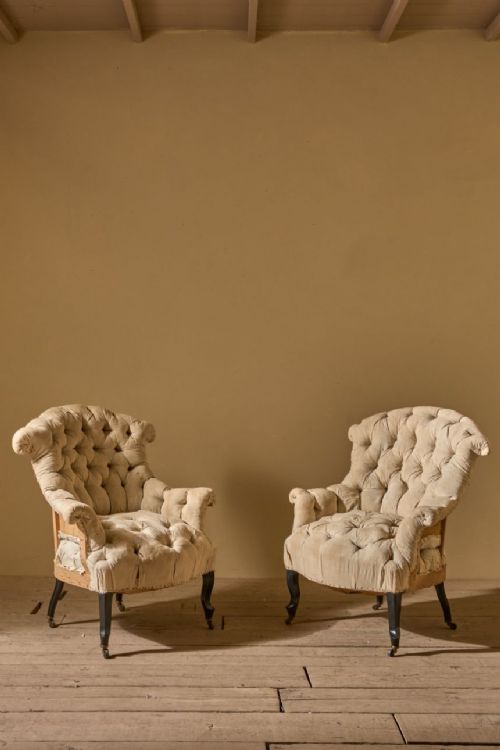
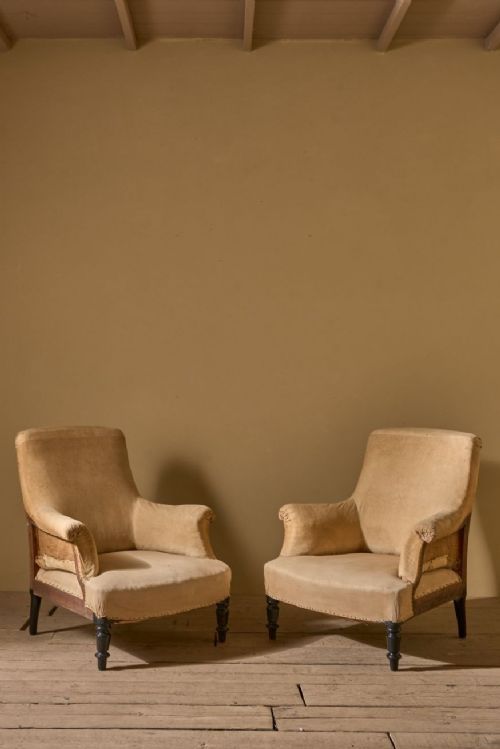
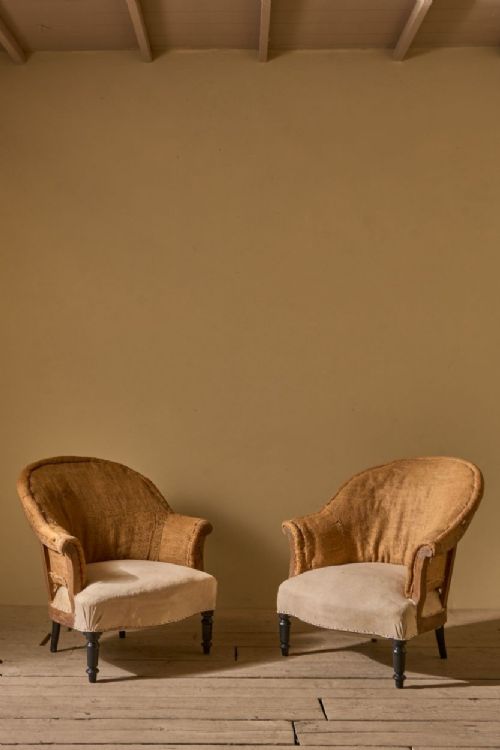
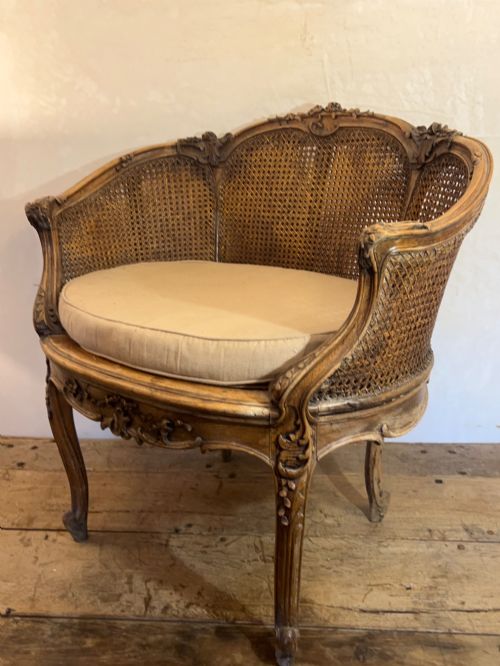
- Deep armchair with enclosed sides, either upholstered or caned. A recurring form, sometimes titled as a tub chair.
- Salon chair
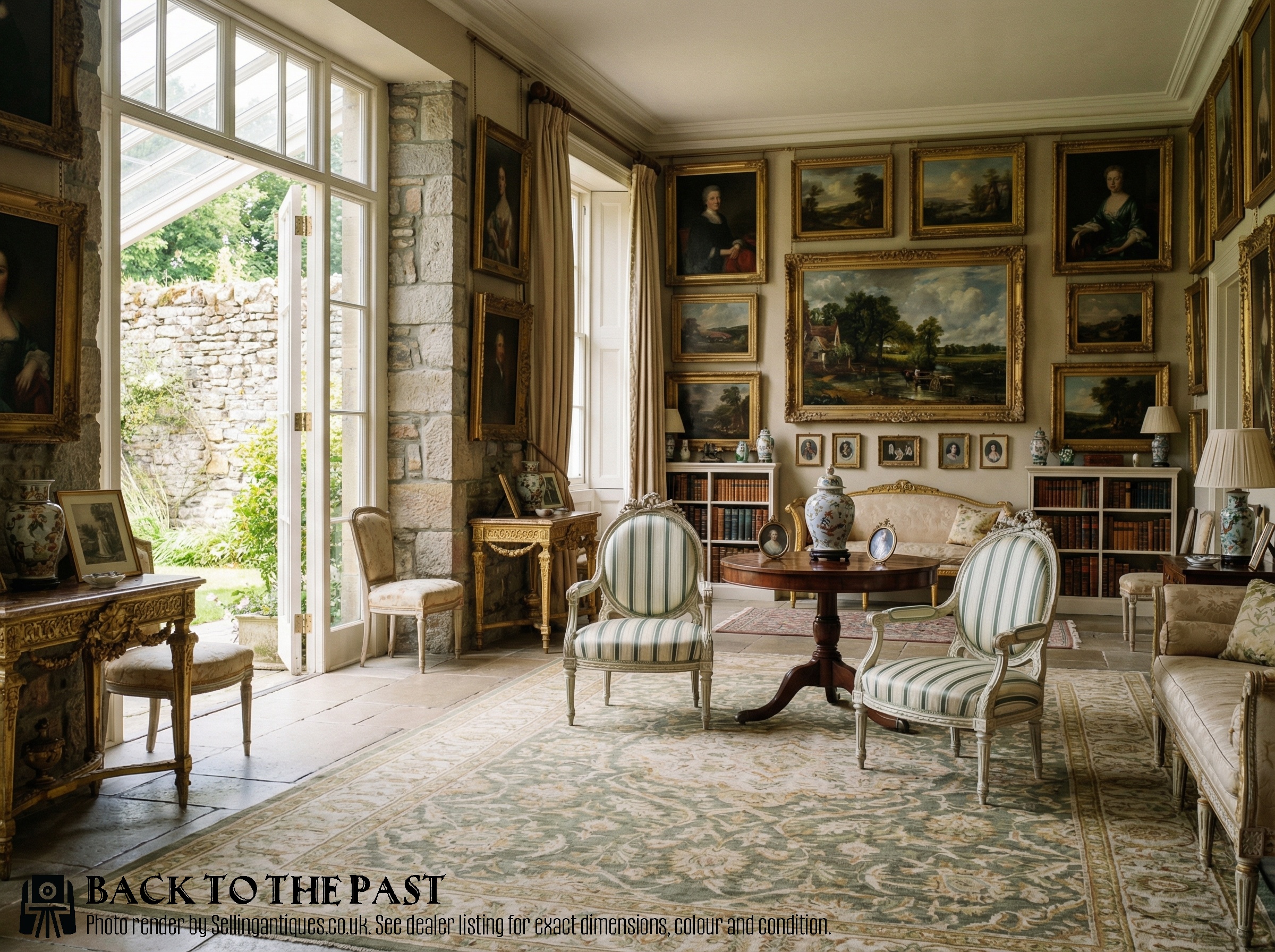
- Drawing-room chair, upholstered, made for show rather than dining. The salon vocabulary marks out the default type here.
- Giltwood
- Carved wood with a gilded surface. Where only parts of the frame are gilded and the rest painted or bare, titles say parcel gilt.
- Duchesse brisee
- Chair with a separate matching stool that pushes up to it to form a day bed. A named form that recurs in the titles.
Antique French Chairs: Frequently Asked Questions
Why are French chairs so often sold in pairs?
Chairs for formal French rooms were made in matching pairs and larger suites, and they have largely stayed together.
That shows in the listings: more than half of all titles say "pair". Singles do come up, but two at a time is the norm.
Are most French chairs really 18th century?
No. Only 47 of 2,385 listings carry an 18th-century date, which makes pre-1800 French seating the rarest thing in the category by period.
The bulk of what trades is late 19th century to inter-war. Where decades are given, the 1920s, 1900s, 1930s and 1880s carry the most weight.
What does Louis XVI style mean on a chair?
It describes the taste: straight fluted legs and neoclassical lines. Louis appears in 289 titles, Louis XVI in 100.
The counts show most of that material is written as style or revival rather than period, so the phrase points at the design rather than the date.
Which timber is commonest in French chair frames?
Walnut, named in 351 titles, ahead of oak and mahogany.
Cherry, elm, beech, fruitwood, rosewood and satinwood all surface, but as one-offs rather than a steady seam.
How big do French dining chair sets get?
Well beyond the usual four or six. Sets of eight, ten and twelve all appear on Sellingantiques.
The matched runs of twelve dining chairs sit at the very top of the range.
Do leather club chairs count as French chairs?
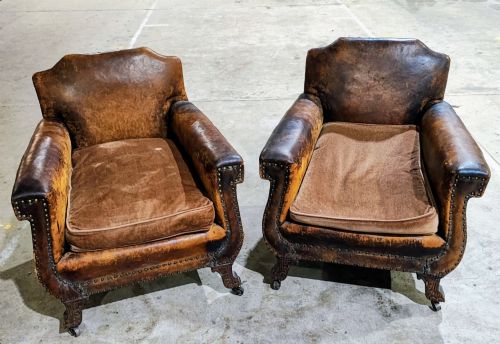
They do, and they form a distinct branch. Leather appears in 179 titles and club in 100, many of them reading c1920 or c1930.
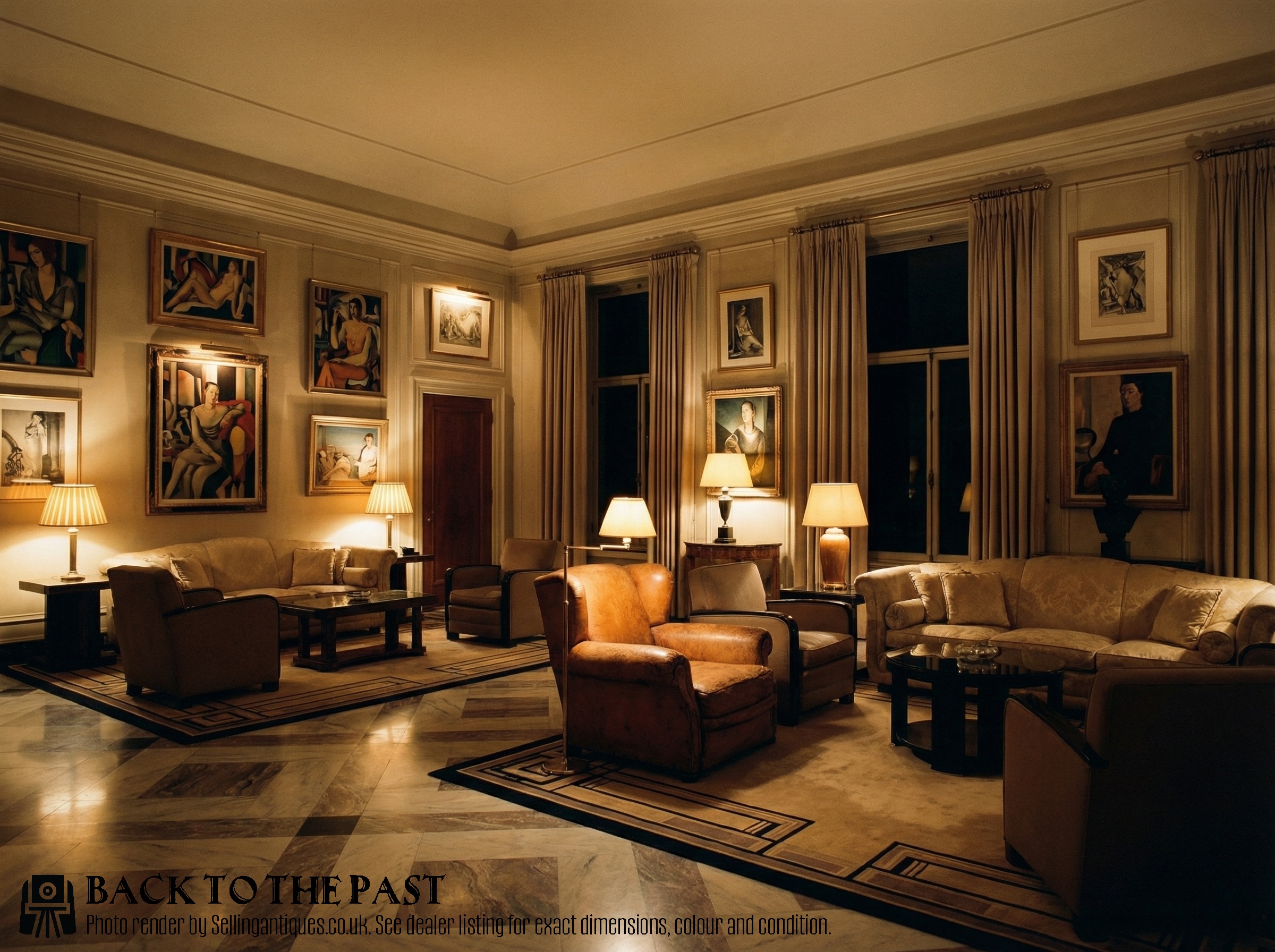
The club chair is a later development than the salon forms, low and deep and fully upholstered, made for lounges and smoking rooms. Art Deco turns up alongside it in the titles.