

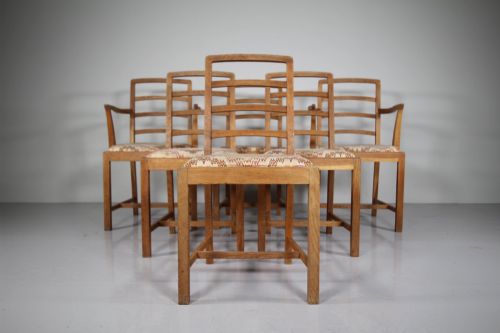
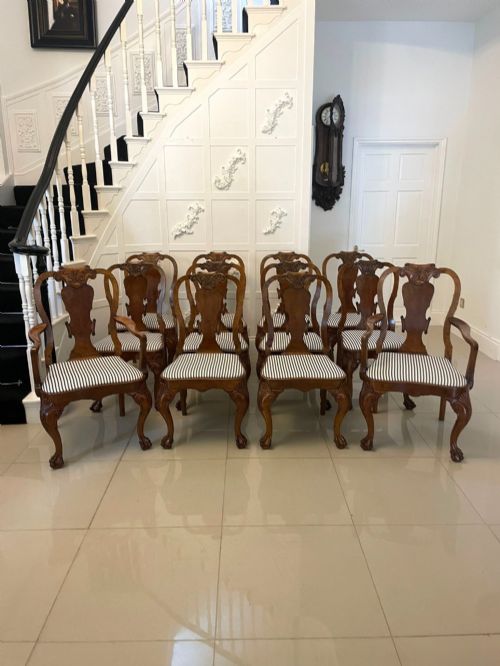
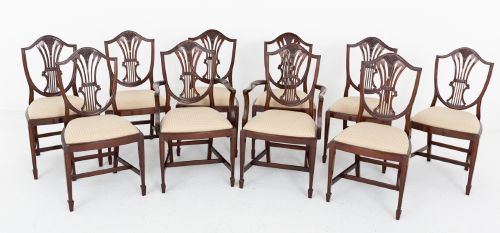
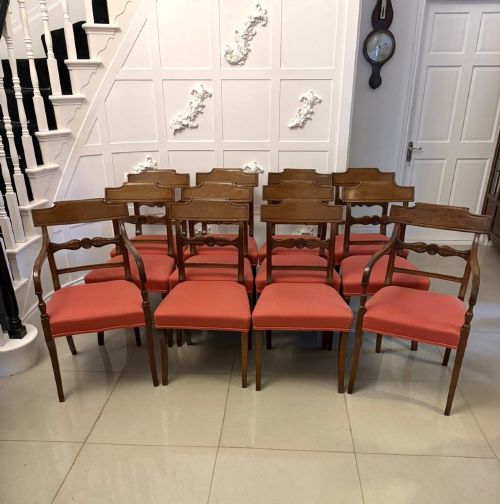
Antique Carver Chairs
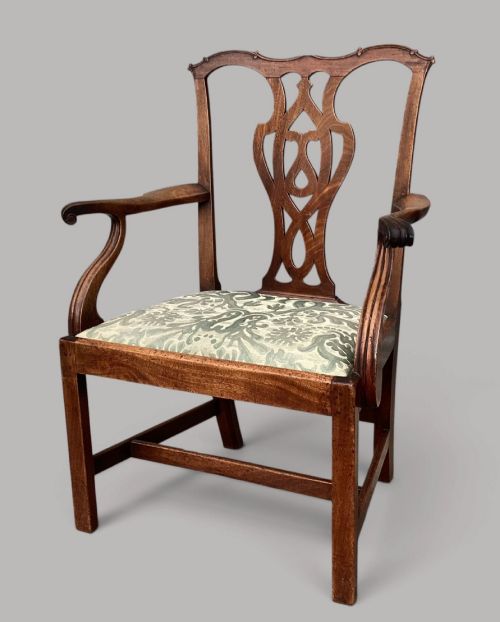
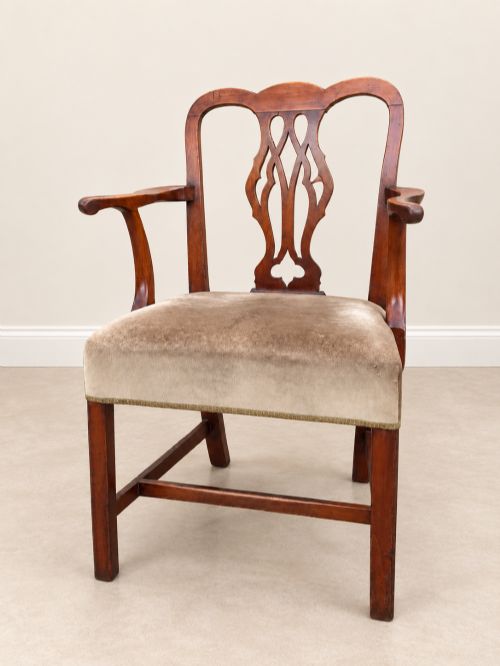
A carver is the open-armed chair that heads a dining set, named for the person who carved the joint at table.
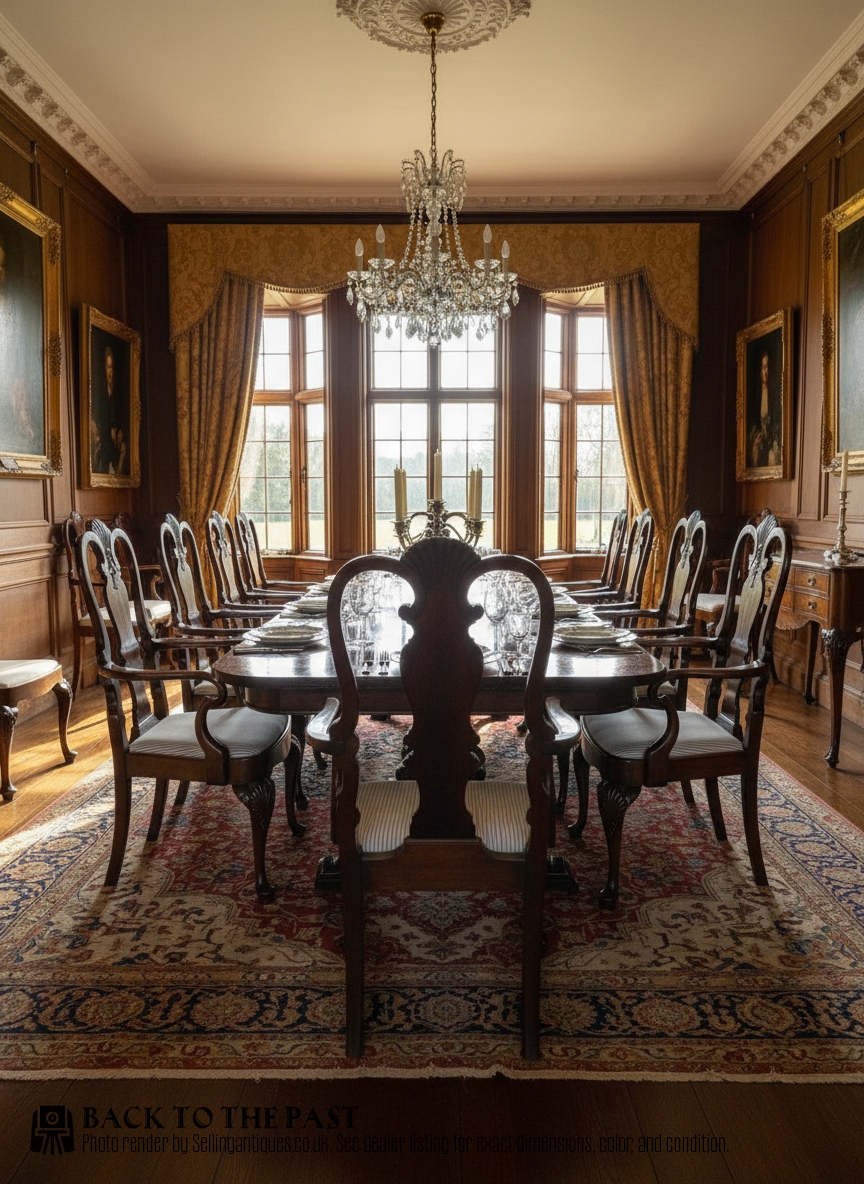
Antique Carver Chairs
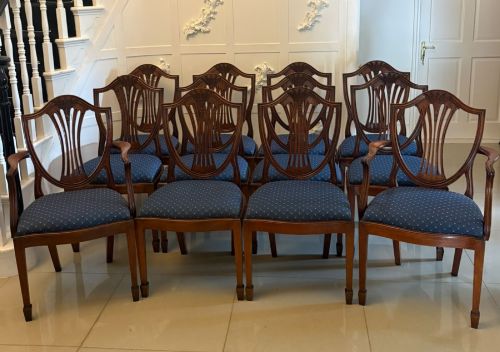
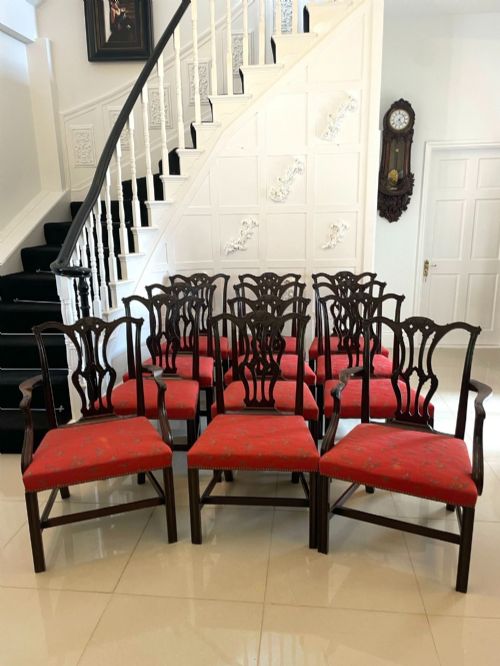
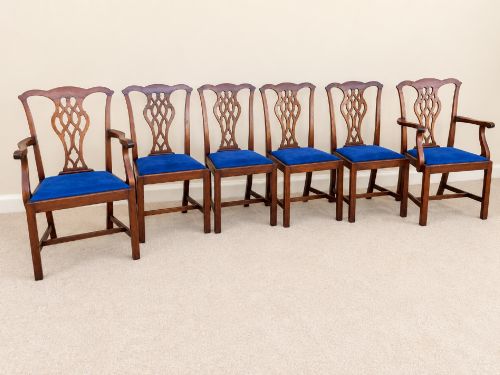
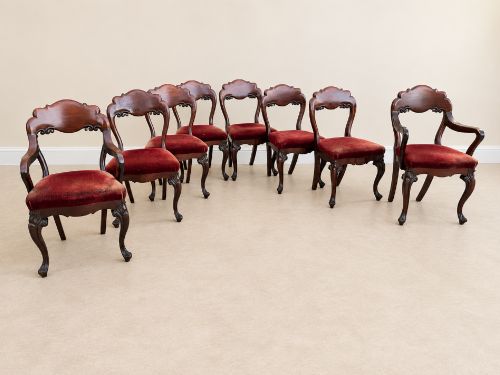
The word is used loosely in listing titles, swapped for elbow chair, armchair and desk chair, and it covers more than single chairs. Alongside singles you'll find pairs, and whole dining sets sold with one or two carvers built in. Set titles run to the shorthand 6+2 or 8 (6+2), meaning six singles plus two armed chairs.
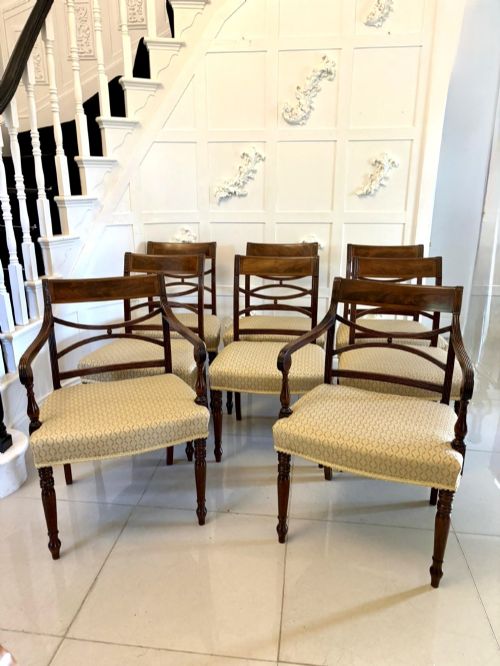
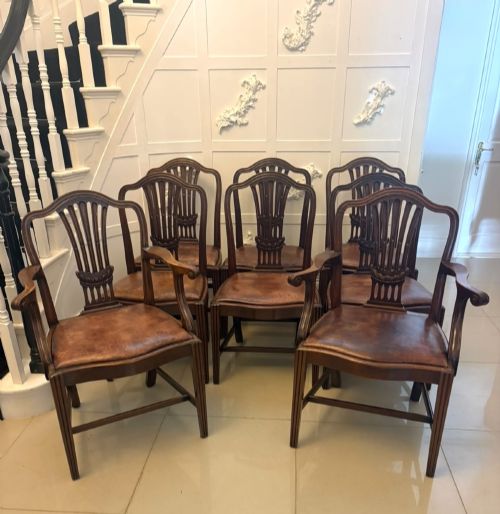
Mahogany dominates the titles, and the form you'll meet most often is a mahogany open-arm carver of Georgian-to-Regency taste, listed on its own or as a pair. Regency mahogany and Georgian mahogany are the two commonest wood-and-period pairings.
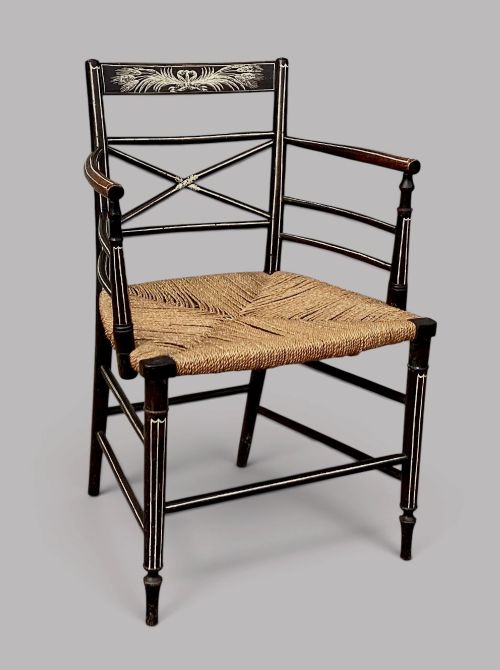
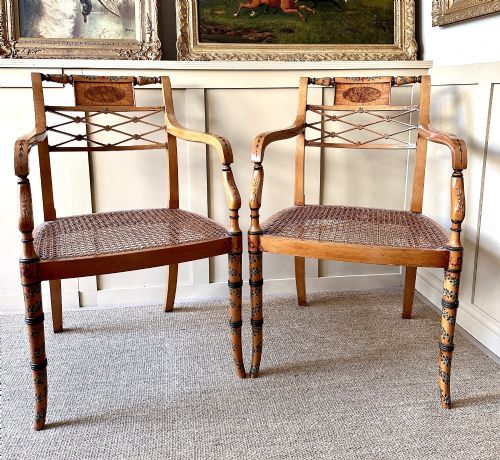
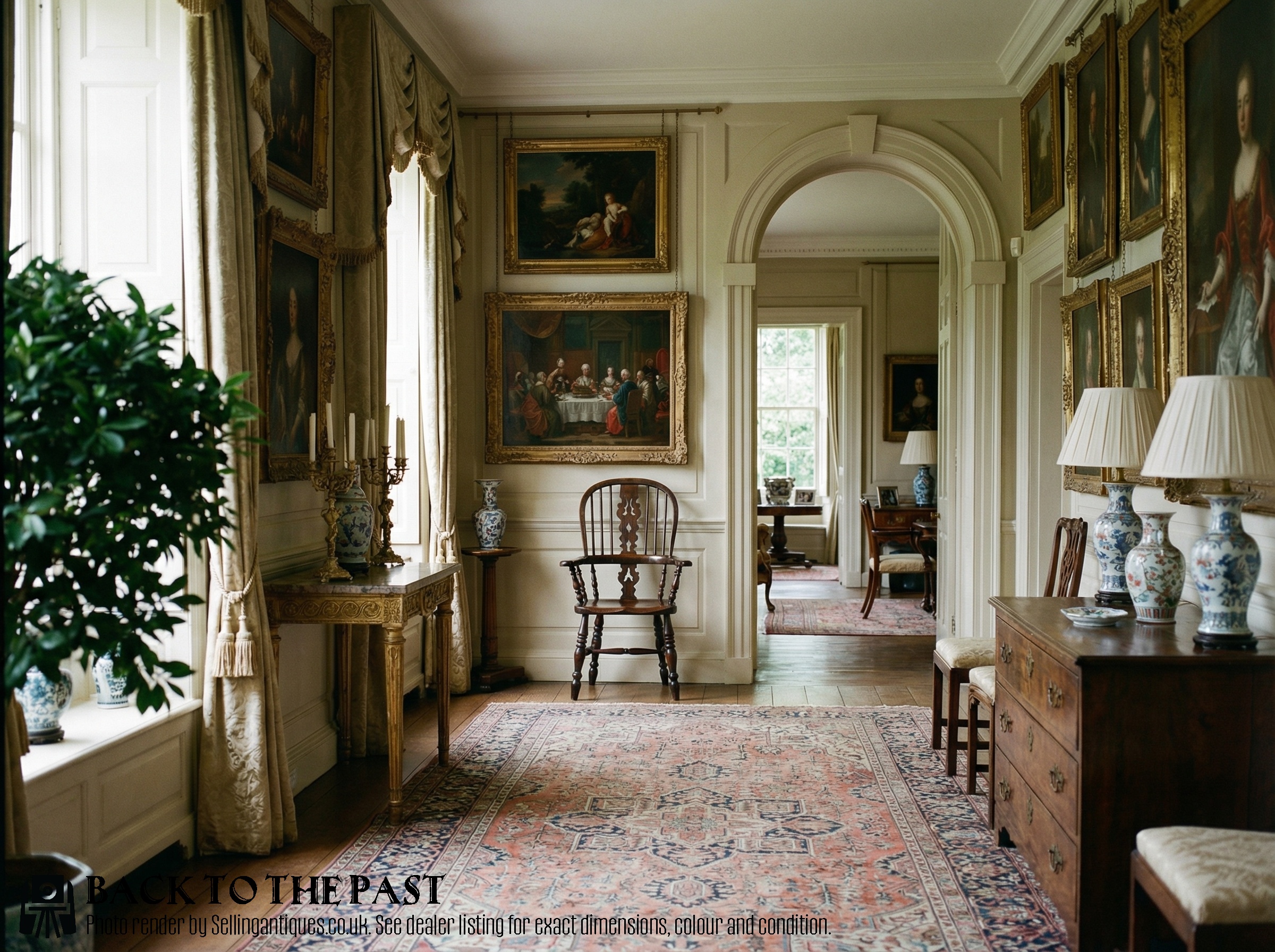
Away from the polished mahogany sits a country population in native timbers: elm, ash, oak and yew, with Windsor forms in wheelback, comb back, bow back and lath back, plus spindlebacks and Lancashire rush seats. These served the same head-of-table role in farmhouse and kitchen use. Regional types are named with unusual precision, from Thames Valley and Macclesfield to Derbyshire, Welsh and Scottish work.
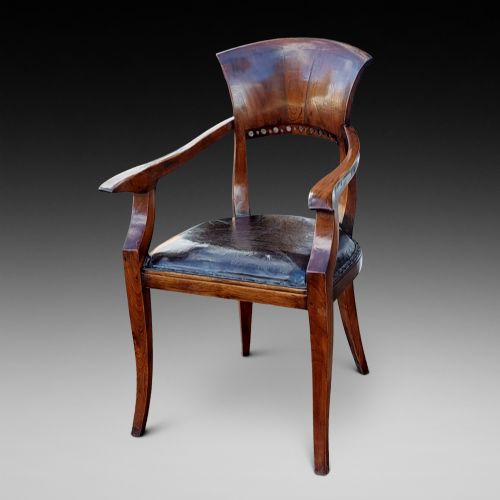
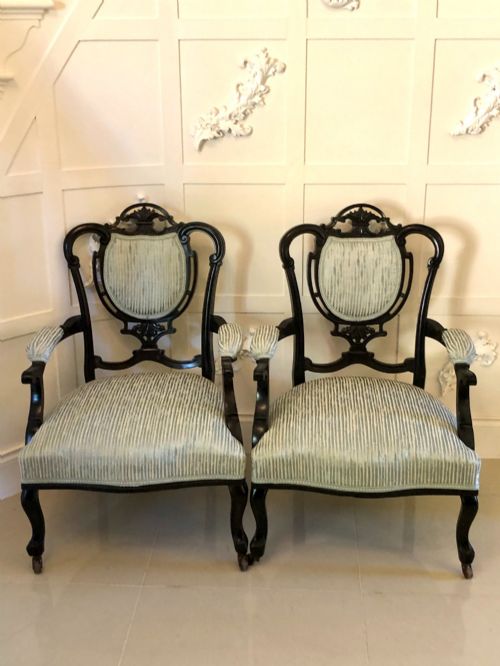
Two smaller groups fill out the category. Desk and office carvers, often mahogany with leather, include the low turned smokers bow. Then there's revival and Arts and Crafts work of roughly 1890 to 1930, where Chippendale Revival, Sheraton Revival, Queen Anne style and barley twist sets carry an earlier design in later hands.
Where The Range Splits
Numbers drive the top of the market. A single beech or elm elbow chair sits at the bottom; a matched set of period mahogany with two carvers sits at the top, and the highest-priced work seen on Sellingantiques runs to sets of ten, twelve and fourteen, with one suite of forty-two giltwood chairs as the outlier. Between the extremes, a pair beats a single of the same type.
Period matters as much as design. Titles distinguish Chippendale period and Hepplewhite period work from Chippendale Revival and Sheraton Revival, and the earlier chair runs above the later copy of the same pattern. That distinction is made in the listing wording itself, not left to the reader.
Timber sets the third line. Figured and faded mahogany, burr walnut, satinwood and yew push a chair upward, and yew-wood Windsors reach the upper part of the country end consistently. Beech and mixed country woods sit lower. A stamp, a label or an attribution lifts a piece too, though no single workshop name recurs across dealers.
Antique Carver Chairs Retail Price Guide 2026
Typical UK retail prices for carver chairs, calculated from the Sellingantiques database of over a million retail prices indexed since 2003. This retail price guide relies exclusively on Sellingantiques data; no external sources or auction records are used, so the figures do not describe the wider market.
The top sale of the last year on Sellingantiques was a set of twelve mahogany ladder back dining chairs, ten singles and two carvers, in May 2026.
The Antique Carver Chairs Glossary
- Elbow chair
- The same thing as a carver under another name, an open-arm chair, and it appears in 126 titles. Dealers use the two words interchangeably.
- 6+2
- Set notation for six single chairs plus two carvers. Often written 8 (6+2), and used throughout the set listings.
- Splat
- The vertical central board of a chair back. Titles name vase splat, pierced splat and high splat backs.
- Bar back
- A back built of horizontal bars instead of a splat. A recurring alternative to splat-back forms in the mahogany chairs.
- Drop-in seat
- An upholstered seat frame that lifts out of the chair rails, rather than being fixed and covered in place.
- Crinoline stretcher
- The curved hoop stretcher running under a Windsor seat, tying the legs together. Named in the country listings alongside wheelback and comb back.
Antique Carver Chairs: Frequently Asked Questions
What's the difference between a carver and a side chair?
The carver has open arms and heads the table. The side chairs in the same set have none.
Sets are listed with that split built into the title, most often as 6+2 or 8 (6+2), meaning six armless singles and two carvers.
Are carvers usually sold singly or in pairs?
Both turn up in quantity. Pair appears in 354 titles, and near-identical descriptions run as singles and as pairs right through the range.
Dining sets that include one or two carvers make up a large block of the listings too, rather than standalone chairs.
What wood are they made from?
Mahogany leads, mostly in the Georgian and Regency taste. Oak, elm, walnut and ash account for a separate country-chair population.
At the upper end you'll see figured mahogany, faded mahogany, burr walnut, satinwood and yew named in the wording. Beech and bentwood chairs sit at the other end.
How old are antique carver chairs?
The dated listings run from 1700 to 1950, with 550 carrying a clean year. A few sampled pieces reach further back, including a laburnum armchair given as c.1680 and Derbyshire back stools of the same date.
"19th Century" is the largest single bucket. Georgian and Regency are used as style brackets as much as dates, and sampled pieces labelled that way carry circa dates from 1780 to 1830 elsewhere in the title.
Is a Windsor chair a carver?
An armed Windsor does the same job, and 119 titles in this category use the word. It's a turned stick-built chair with a solid seat, commonly elm.
Back forms named here include wheelback, comb back, bow back and lath back. Yew-wood Windsors are the country timber that consistently reaches the upper part of the range.
Do carver chairs carry maker's names?
Some do. Titles turn up with Stamped, Labelled, with makers stamp or Attributed to, and that lifts a piece.
No single workshop name recurs across the category, though. The named work is scattered, one listing at a time.