


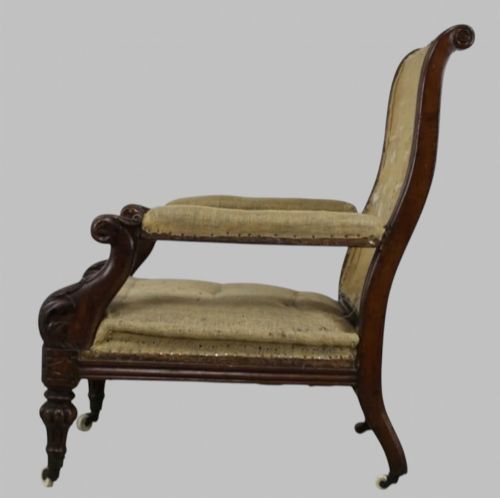
Antique Regency Chairs
English seating in the Regency taste, mostly mahogany or rosewood, made for dining rooms, libraries and halls, and sold as sets, pairs and singles.
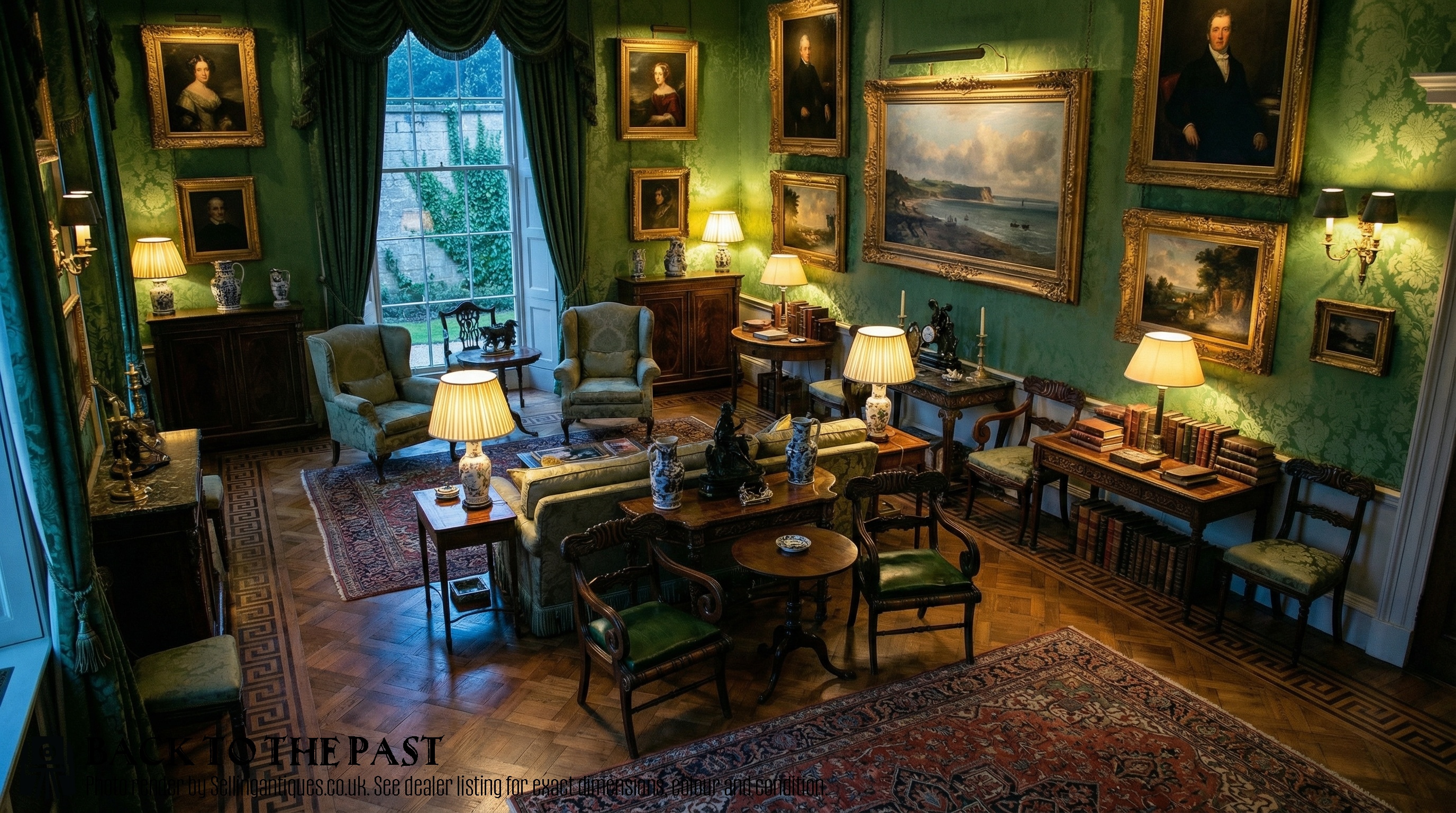
Antique Regency Chairs
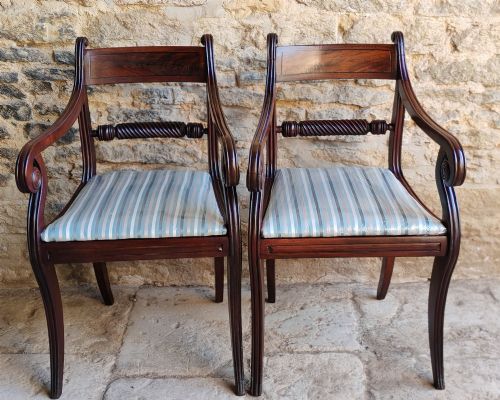
Regency describes English furniture of roughly the first three decades of the nineteenth century, when chair design turned to classical Greek and Roman models. The sabre leg, the klismos back and the scrolled arm come from that turn, along with close-grained imported timbers. The style was revived from the late nineteenth century onward for dining rooms and libraries.
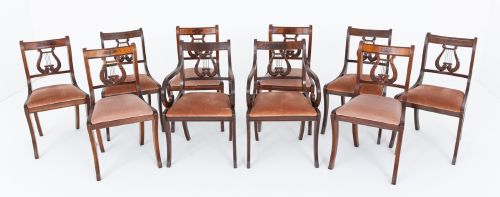
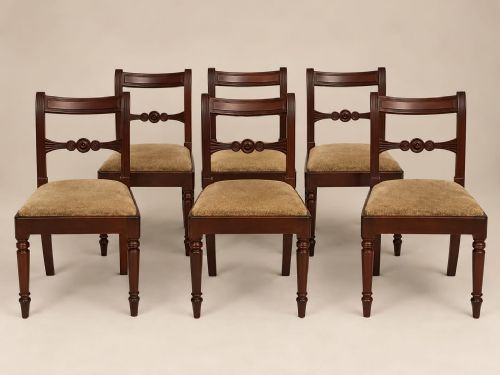
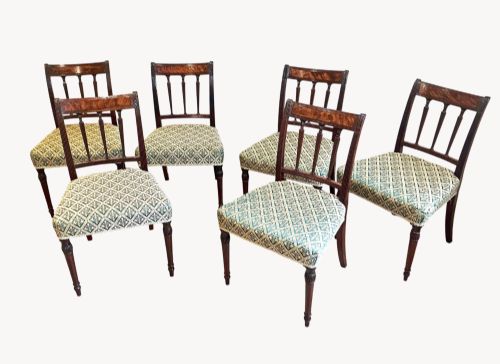
The chair you are most likely to meet is a mahogany dining chair sold as a set or a pair. "Chairs" appears in over half the titles on Sellingantiques and "mahogany" in about the same number, with sabre legs and bar backs the recurring back-and-leg descriptions. Sixes are the standard unit, ahead of fours and eights, and the "6 + 2" formula of six singles with two carvers turns up throughout.
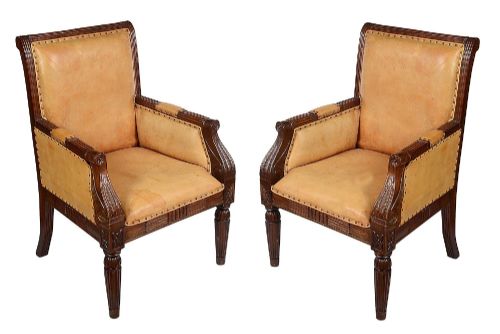
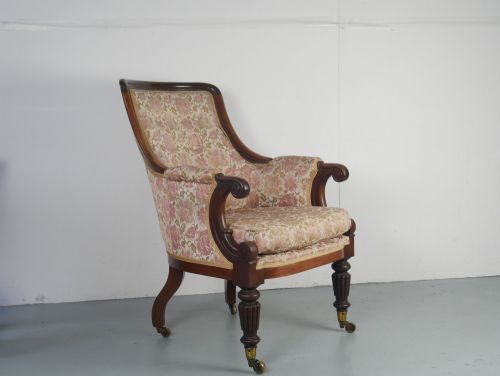
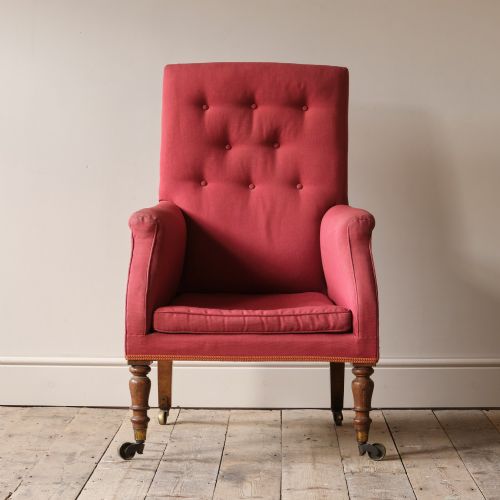
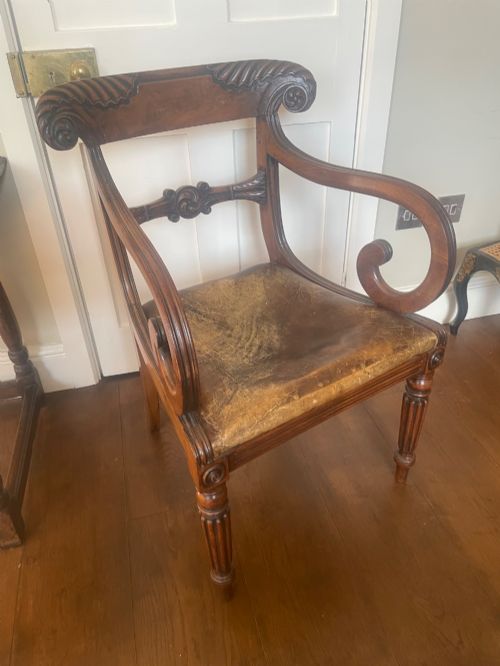
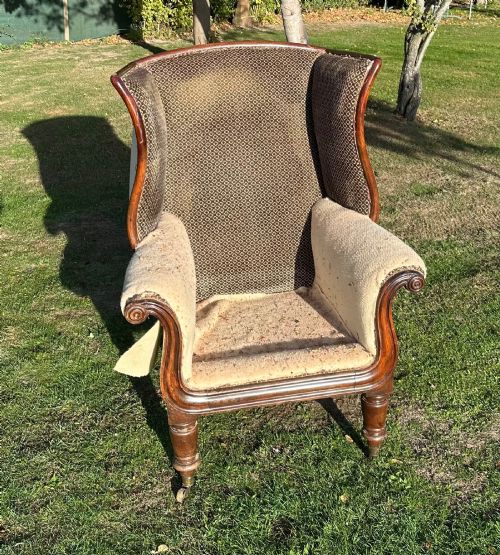
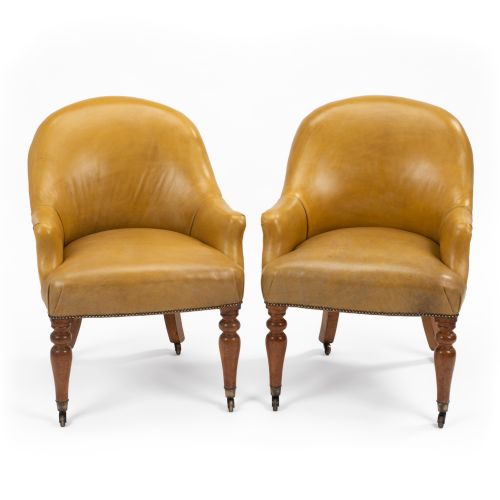
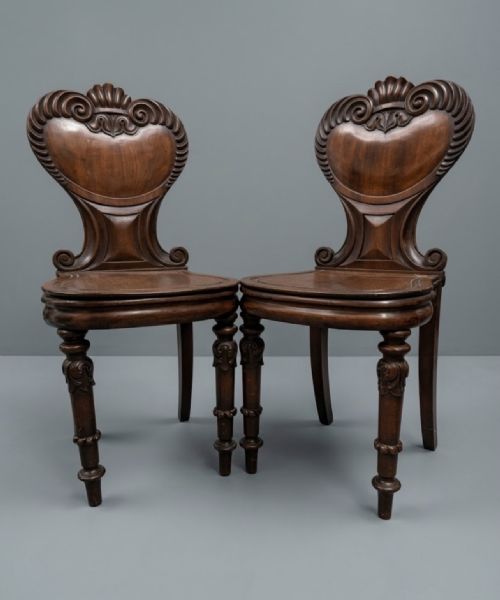
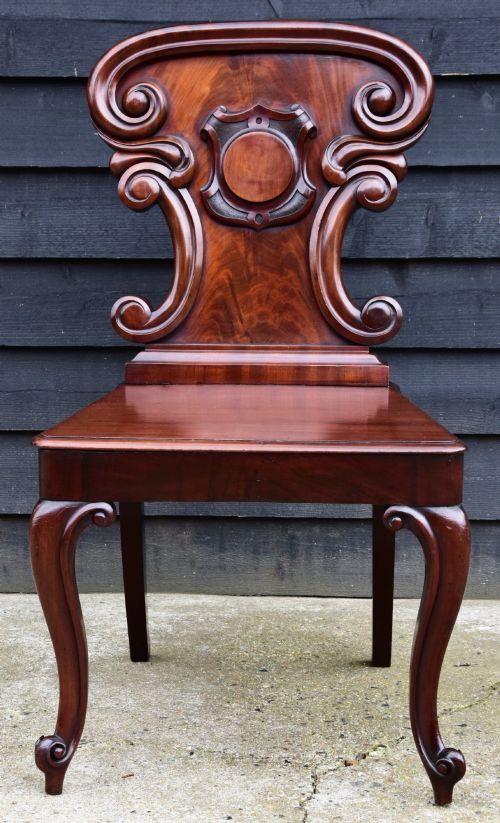
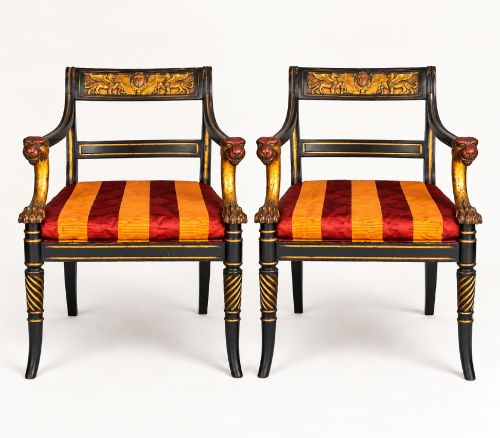
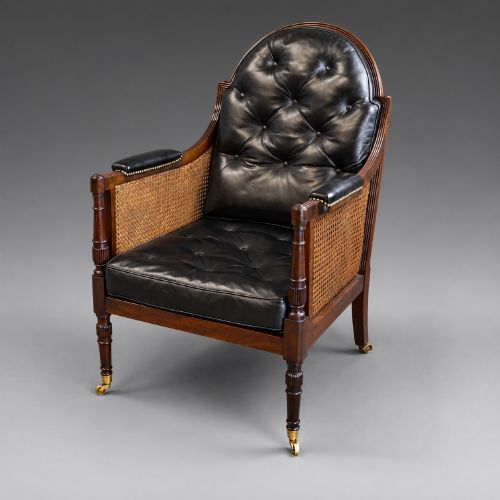
Beyond the dining sets, two other groups account for much of the category. Open-arm elbow, carver and desk chairs come as singles and pairs and make up around a quarter. Deep caned or upholstered bergere and library chairs are roughly one in ten, with caned, reclining and reading variants named in titles. Hall and side chairs form another group of about the same size, hall chairs sometimes with armorial backs.
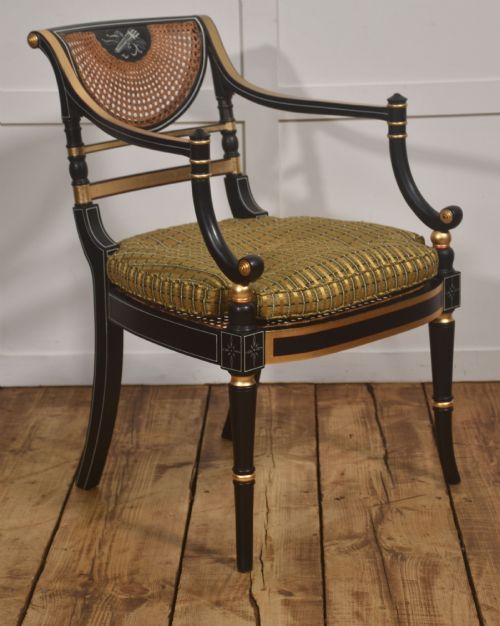
A smaller run is painted, ebonised, simulated or faux-grained rather than solid timber, often beech or elm dressed as rosewood, satinwood or bamboo. On dates, treat the word Regency with care: 1,253 listings use it as a style label and only 254 in the whole archive carry a clean year. Those that do run from 1800 to 1940, and the later ones are largely Regency style or Regency Revival.
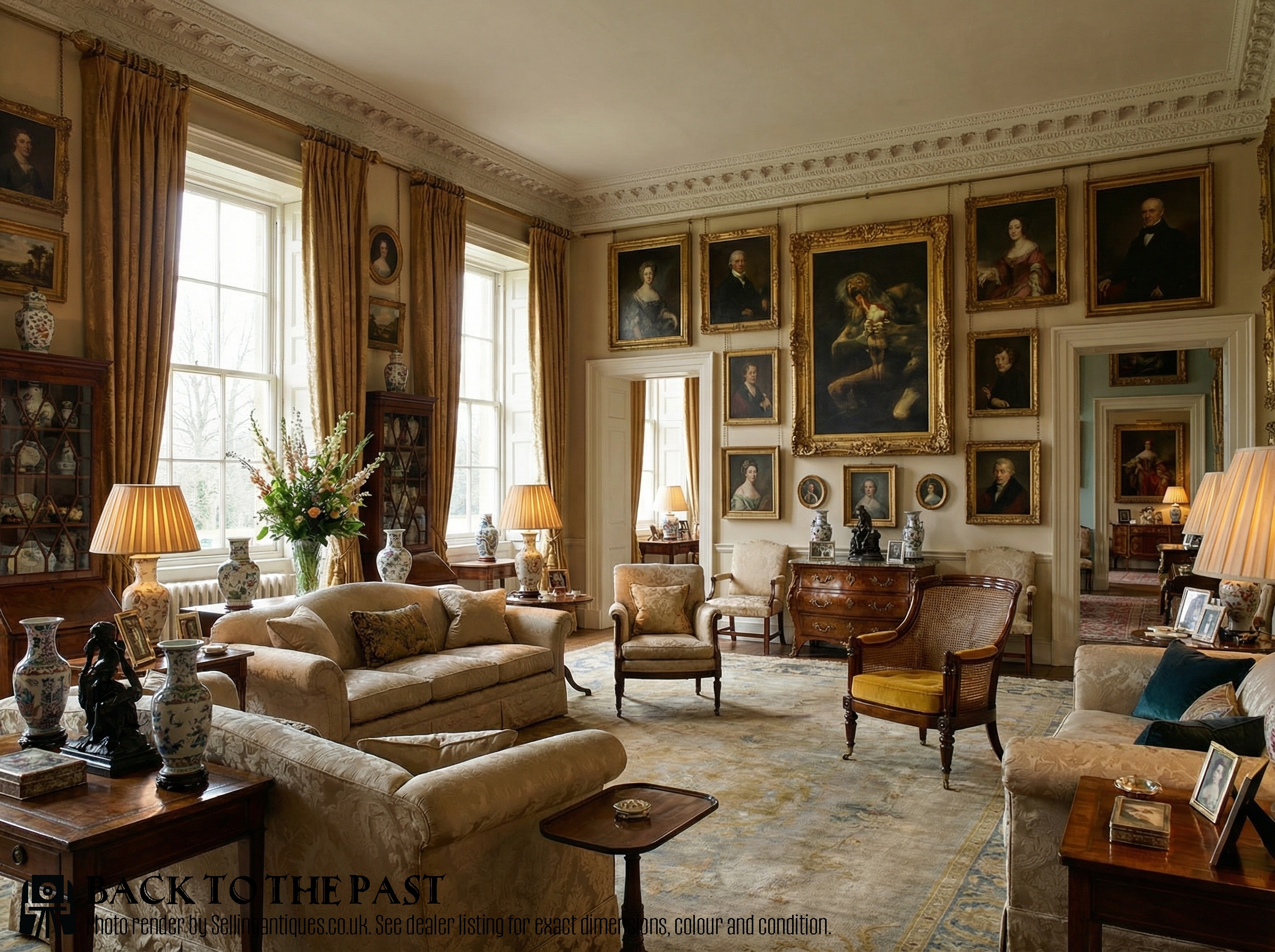
What Sets Them Apart
Set size does more than anything else to separate the top of the range from the bottom. Sampled titles run from single chairs and pairs up to sets of ten, twelve and fourteen, and the largest original runs sit at the extreme top, a fourteen-chair Anglo-Indian ebony suite and a fourteen-chair Scottish oak set among them. Singles and fours cluster low.
Timber and decoration pull in the same direction. Cuban and figured mahogany, carved rosewood, walnut, satinwood and ebony appear in upper-range titles, while plain mahogany, beech, elm and pine sit lower. Brass inlay, carving, parcel gilding and giltwood recur near the top; rosewood alone is named in 219 titles.
Two other things move the range. A named or attributed workshop lifts a chair well above the middle, and period pieces with an early year sit above those described as Regency style or Regency Revival, or dated between 1900 and 1940.
Antique Regency Chairs Retail Price Guide 2026
Typical UK retail prices for regency chairs, calculated from the Sellingantiques database of over a million retail prices indexed since 2003. This retail price guide relies exclusively on Sellingantiques data; no external sources or auction records are used, so the figures do not describe the wider market.
The biggest sets on Sellingantiques run to fourteen chairs: an Anglo-Indian ebony suite and a Scottish oak set both reach that number.
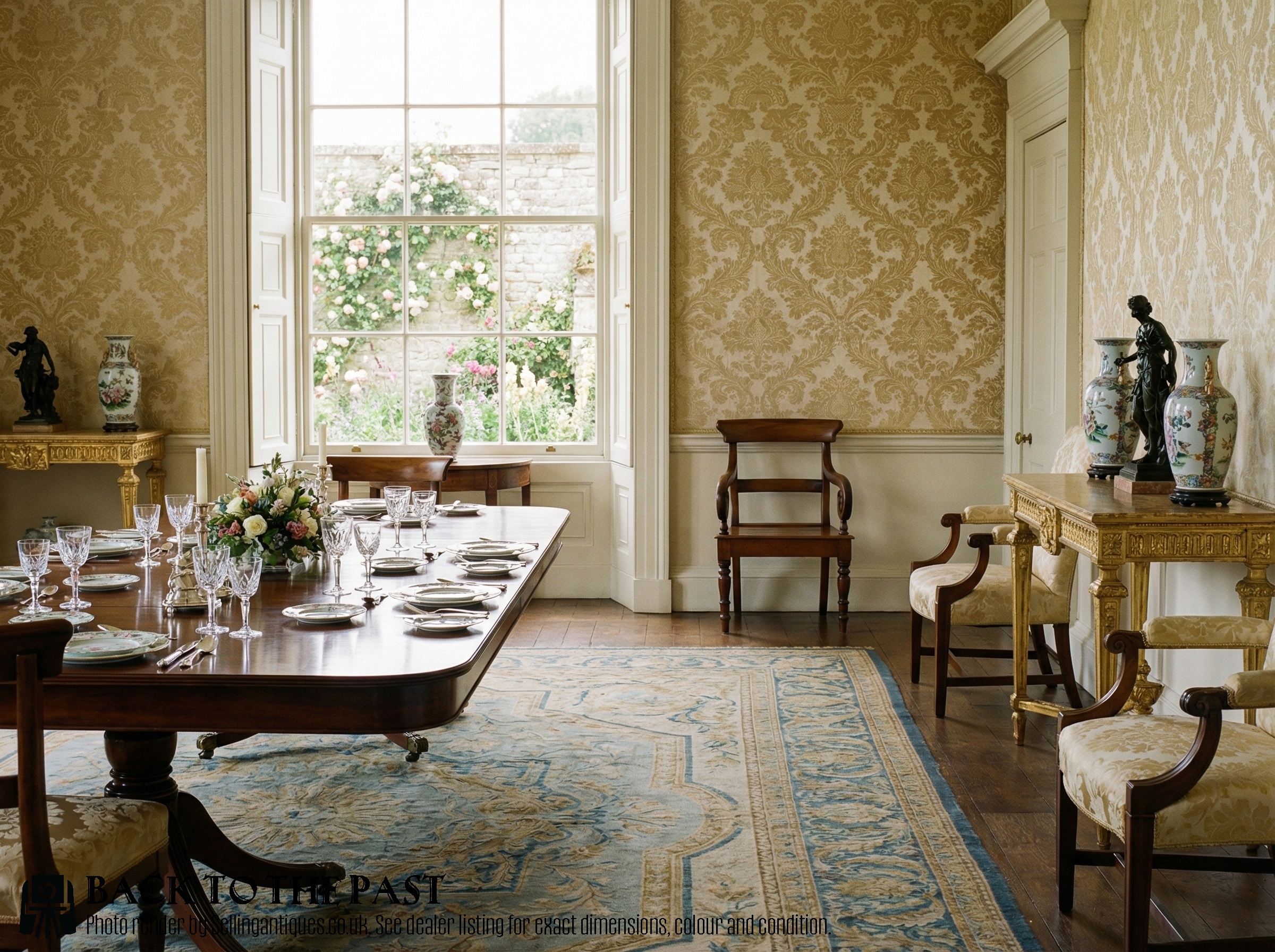
Gillows
The Antique Regency Chairs Glossary
- Sabre leg
- The outward-curving front leg of the classical Regency chair, named in 54 titles. Thirty-six say sabre leg in full.
- Carver
- The armed chair at the head of a dining set, in 83 titles and often counted in the "6 + 2" formula.
- Bar back
- A horizontal top rail across the back rather than a vertical splat. Used in 42 titles.
- Bergere
- A deep enclosed chair, usually caned at back and sides. It appears in 126 titles, 58 of them mahogany.
- Simulated or faux
- Grained or painted to imitate a costlier timber, most often rosewood or bamboo. Simulated appears in 61 titles, faux in 51.
- Harlequin or matched set
- A set assembled from chairs of the same design but not one original run, rather than a single workshop batch.
Antique Regency Chairs: Frequently Asked Questions
What is an elbow chair?
An open-arm chair. The word turns up in 88 titles, often meaning the same thing as carver or desk chair.
These come as singles and pairs, and together with desk and carver chairs they account for around a quarter of the category.
How many chairs are in a typical set?
Six is the standard unit. "Six" appears in 182 titles, against 93 for "four" and 79 for "eight".
Sets in the archive run from three up to fourteen. The largest, including a fourteen-chair Anglo-Indian ebony suite and a fourteen-chair Scottish oak set, sit at the extreme top of the range.
Does Regency in a listing mean the chair is early?
Not on its own. It is used across the archive as a style label: 1,253 listings say simply Regency and 501 say 19th Century.
Only 254 listings out of 2,159 carry a clean year, and those run from 1800 to 1940. The later dates belong largely to Regency style and Regency Revival chairs.
Which timbers show up most often?
Mahogany dominates, named in about half of all titles. Rosewood is second, in 219.
Upper-range titles name Cuban mahogany, figured mahogany, carved rosewood, walnut, satinwood and ebony. Beech, elm and pine appear at the lower end, sometimes under paint or graining.
Are painted and faux-grained Regency chairs common?
They are a real but small part of the group, under one in ten. Painted appears in 94 titles, simulated in 61, bamboo in 55, faux in 51 and ebonised in 41.
What these describe is beech or elm grained or painted to look like rosewood, satinwood or bamboo.
Who made Regency chairs?
Gillows is the one workshop with real currency in this category, named or attributed by 22 dealers across 26 mentions.
The name comes up stamped, or as "attributed to", and those titles sit well above the middle of the range. Every other name in the archive belongs to a single dealer.