


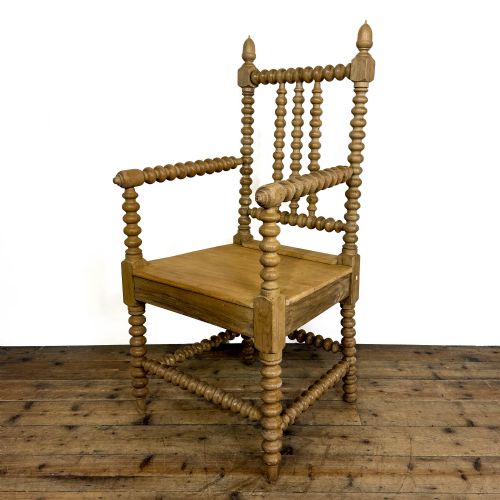
Antique Elbow Chairs
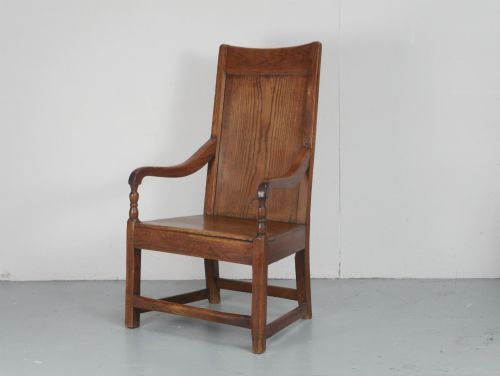
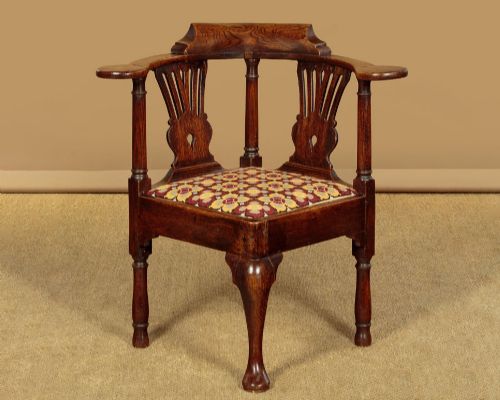
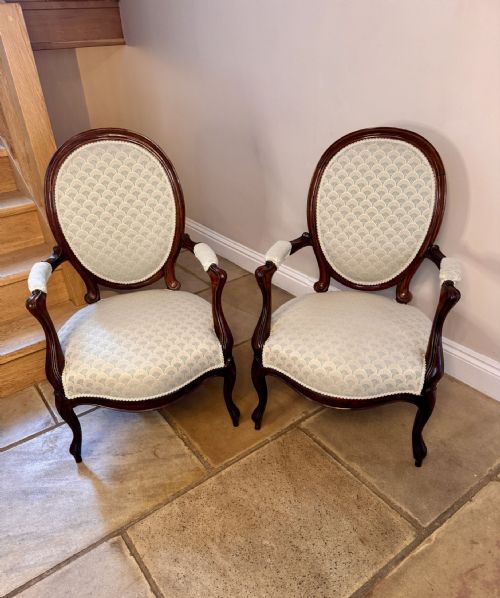
An elbow chair is simply a chair with arms: the carver at the head of a dining set, or a single open armchair used at a desk, in a hall or by the fire.
Antique Elbow Chairs
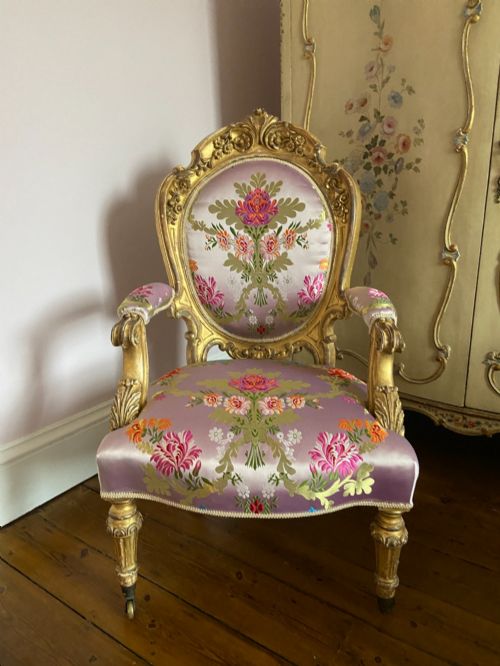
The name is a trade term, used in English furniture from the eighteenth century onward for an armed chair as opposed to an armless side chair. It describes the arms and nothing else, so the heading gathers Georgian mahogany dining carvers, country Windsors in elm and ash, and Edwardian inlaid armchairs under one word.
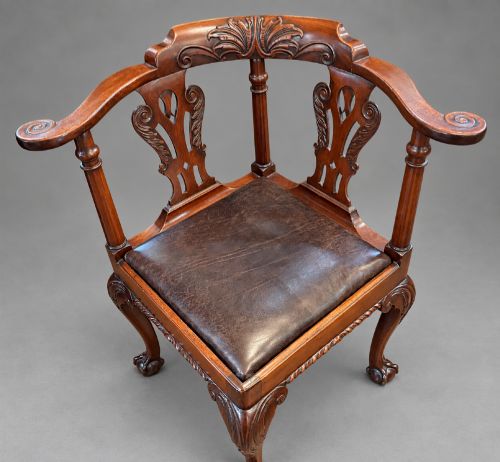
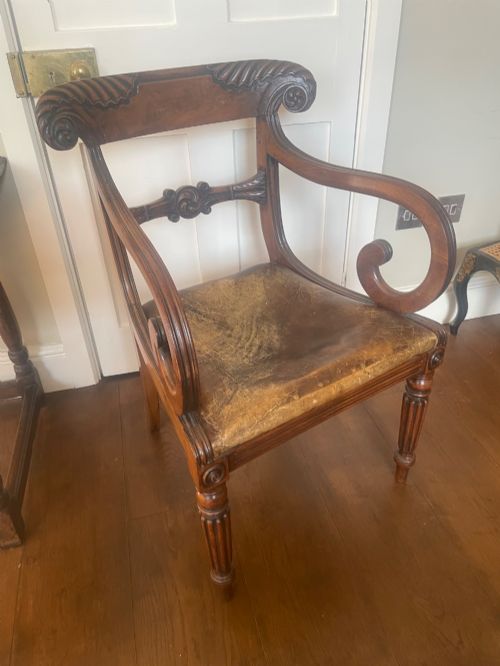
What dominates is a wooden-framed, open-armed chair rather than an upholstered easy chair. Mahogany appears in a third of titles, with elm, oak, yew and ash behind it; only a small handful mention upholstery or leather. The single mahogany open armchair of Georgian or Regency character is the version you'll meet most often, frequently sold as a desk chair.
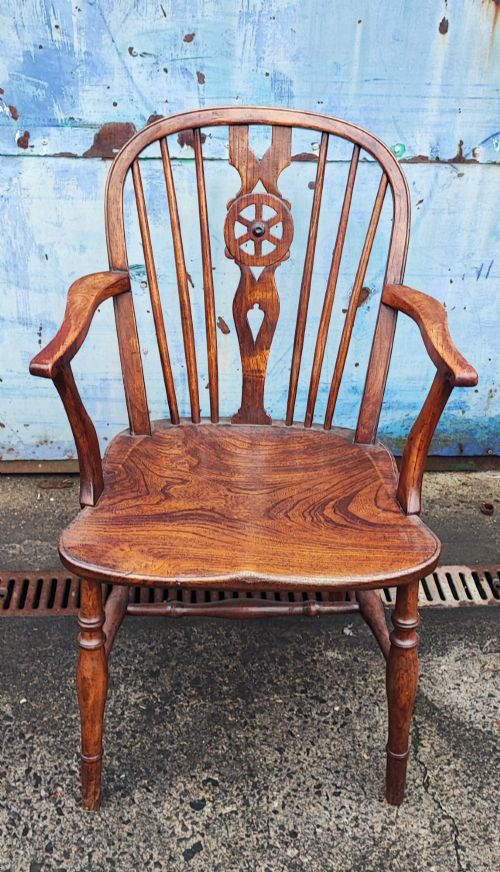
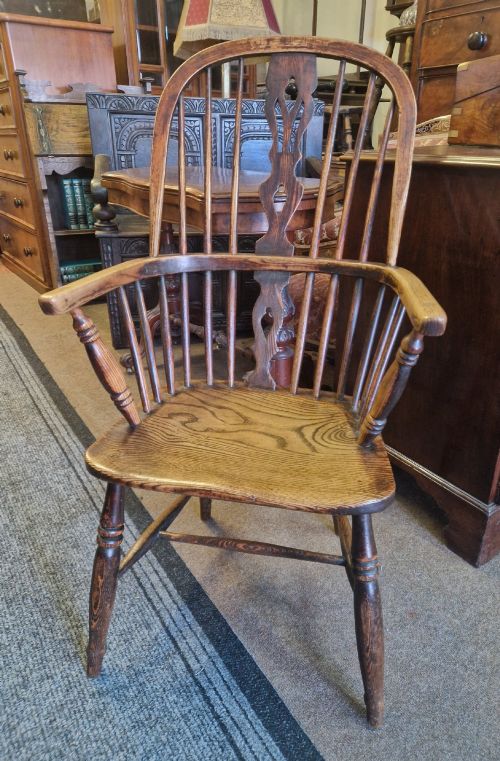
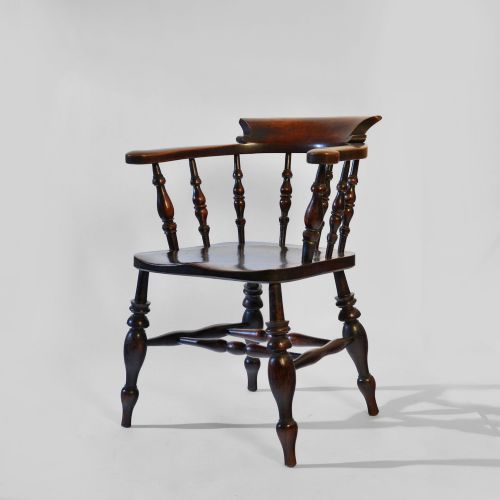
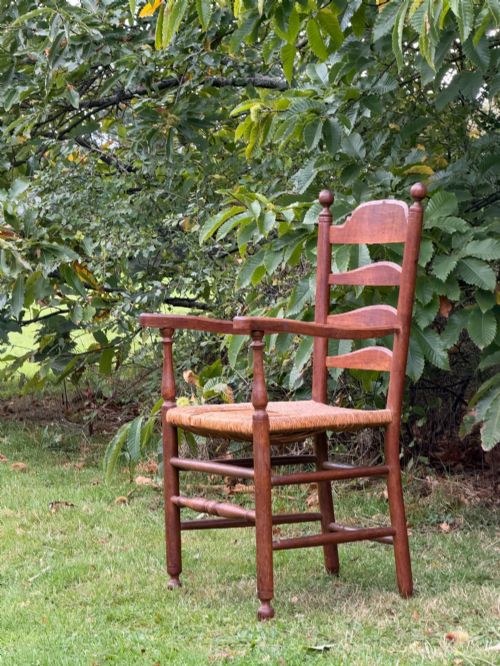
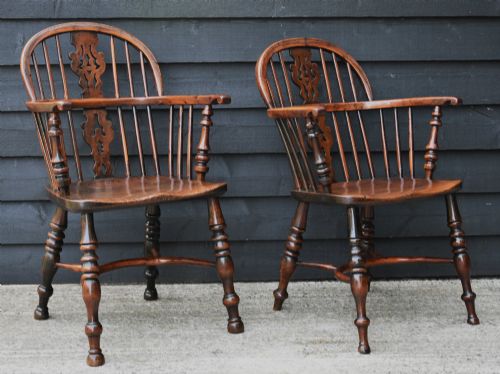
Country stick-back Windsors form the next largest group: comb backs, hoop backs, low backs, broad arms and smoker's bows, in elm, yew and ash, sometimes with a regional name attached such as Thames Valley, Yorkshire, Worksop, Nottinghamshire, Lancashire, Welsh or West Country. Oak Arts and Crafts and vernacular oak chairs, with rush seats, ladder backs and spindle backs, run alongside them.
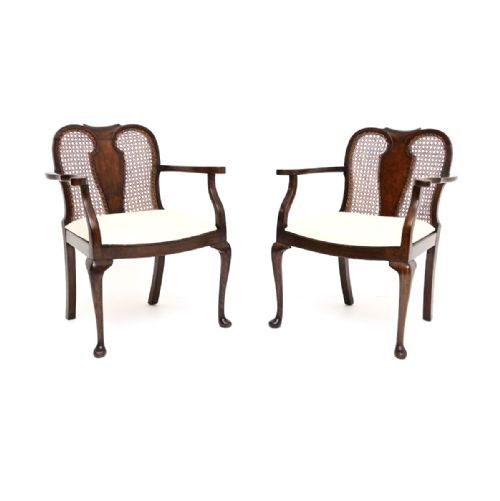
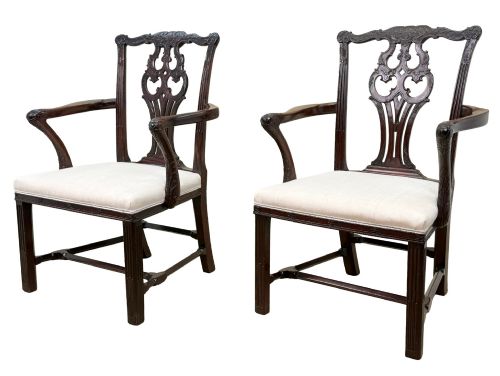
Dates in listings run from 1750 to 1940, though many chairs are given a reign or a century rather than a year, and '19th Century' is the single commonest label. Twentieth-century work is a real part of the supply: Edwardian and revival chairs in Chippendale, Sheraton, Georgian and Queen Anne taste turn up throughout. Roughly a quarter are offered as pairs; sets of four, six and eight appear, and once a set of fourteen.
Where The Range Splits
Timber does much of the work. Yew, and figured or burr yew above that, sits at the top of the Windsor end and is the scarcest of the common country woods on Sellingantiques. Beech, stained birch and fruitwood sit lower. Between them, mahogany carries the Georgian and Regency chairs that make up the biggest single branch.
Period against revival is the other main division. George II and George III chairs, and Chippendale-period work, occupy the upper part of the range, while chairs described as 'style', 'design' or 'revival' sit lower and in the middle. Revival isn't confined to the cheap end, though; those titles appear across the range.
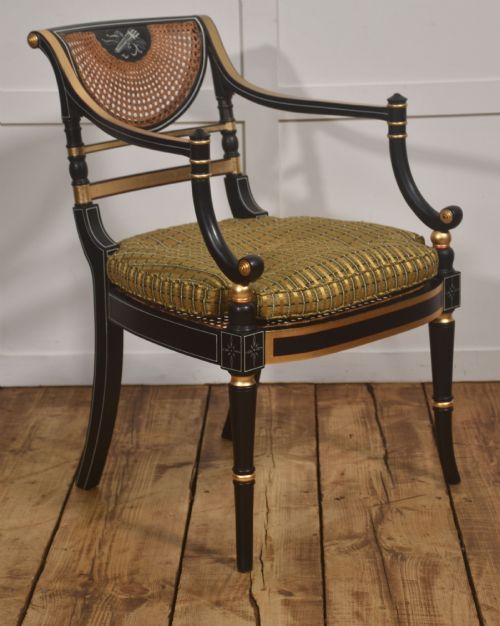
Beyond that, it's decoration and identity. Original paint, parcel gilding, brass inlay and marquetry lift a chair above a plain frame. So does a named regional Windsor or a stamped one, which stands well above a listing that says only 'Windsor chair'. And numbers count: pairs and sets cluster higher than singles.
Antique Elbow Chairs Retail Price Guide 2026
Typical UK retail prices for elbow chairs, calculated from the Sellingantiques database of over a million retail prices indexed since 2003. This retail price guide relies exclusively on Sellingantiques data; no external sources or auction records are used, so the figures do not describe the wider market.
The largest group ever offered in one lot on Sellingantiques was fourteen Anglo-Indian ebony armchairs. Singles and pairs are the rule.
The Antique Elbow Chairs Glossary
- Carver
- The armed chair from a dining set, as distinct from the armless singles; the word appears in a good number of titles here.
- Open armchair
- A chair with exposed wooden arms and no upholstery to the sides, the form that dominates this heading.
- Desk chair
- An elbow chair offered for a desk or office, a description used across a large slice of the mahogany chairs.
- Splat
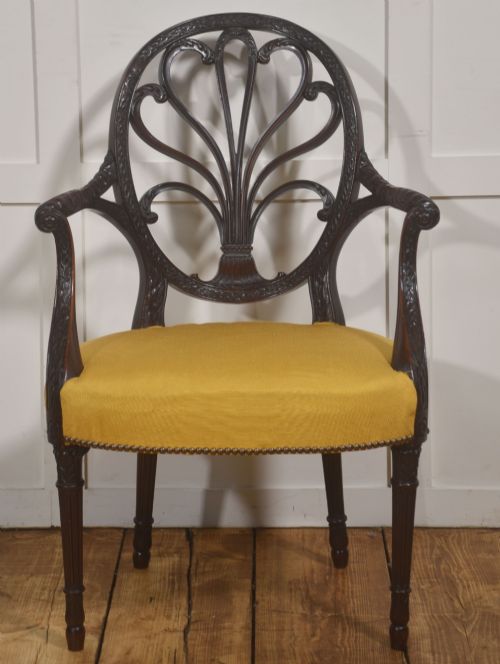
- The flat central upright in a chair back, often carved, pierced or inlaid.
- Bar back
- A back built on a horizontal rail rather than a splat, common on Regency mahogany chairs, usually paired with sabre legs that curve outward at the front.
- Smoker's bow
- A low-backed Windsor whose continuous bow forms both back and arms; also sold as a captain's chair.
Antique Elbow Chairs: Frequently Asked Questions
Is an elbow chair the same as a carver?
Near enough. Carver is the word for the armed chair that came with a dining set, and it turns up in a fair number of titles under this heading.
Elbow chair is the wider term. It covers the dining carver, the desk chair and the single hall or country armchair alike.
What wood are they usually made from?
Mahogany leads by a distance, appearing in about a third of titles, mostly on Georgian and Regency chairs sold as carvers or desk chairs.
After that come the country timbers: elm, oak, yew and ash, with beech and fruitwood turning up as well. Yew is the scarcest of the Windsor woods on Sellingantiques and sits at the top of that end.
How old are most of these chairs?
Dates in the listings run from 1750 to 1940. Fewer than a third carry a clean year; the rest are given as a reign or a century, and '19th Century' alone covers a large block.
Regency, Victorian, Georgian and 18th Century are the next commonest labels. Edwardian, 1900s, 1910s and 1920s together account for a substantial share, so revival-period chairs are a normal part of the supply.
Do elbow chairs come in pairs?
Around a quarter of listings are pairs. The rest are singles, which is how the form is usually met.
Sets do appear: fours, sixes and eights, and on one occasion a set of fourteen Anglo-Indian ebony armchairs. Paired and set listings sit higher in the range than comparable singles.
What is a Windsor elbow chair?
A stick-back country chair with turned legs and spindles socketed into a solid seat, made mainly in elm, ash and yew.
The backs are named by shape: comb back, hoop back, bow back and low back. Broad arm examples recur in Yorkshire and yew-wood chairs, and the smoker's bow is the low-backed version with a continuous bow.
Are there non-British examples under this heading?
The great bulk of it is English. Regional Windsor names run from the Thames Valley to Yorkshire, Worksop, Nottinghamshire, Lancashire, Wales and the West Country.
Other origins surface once or twice each: Chinese yoke-back and horseshoe chairs, Anglo-Indian, Dutch marquetry, Flemish, Swedish, Portuguese, Italian, Breton and Syrian.