
Antique Tea Caddies
A tea caddy is a small lockable wooden box, fitted inside with compartments or metal canisters, made to keep loose tea under key when tea was an expensive import.
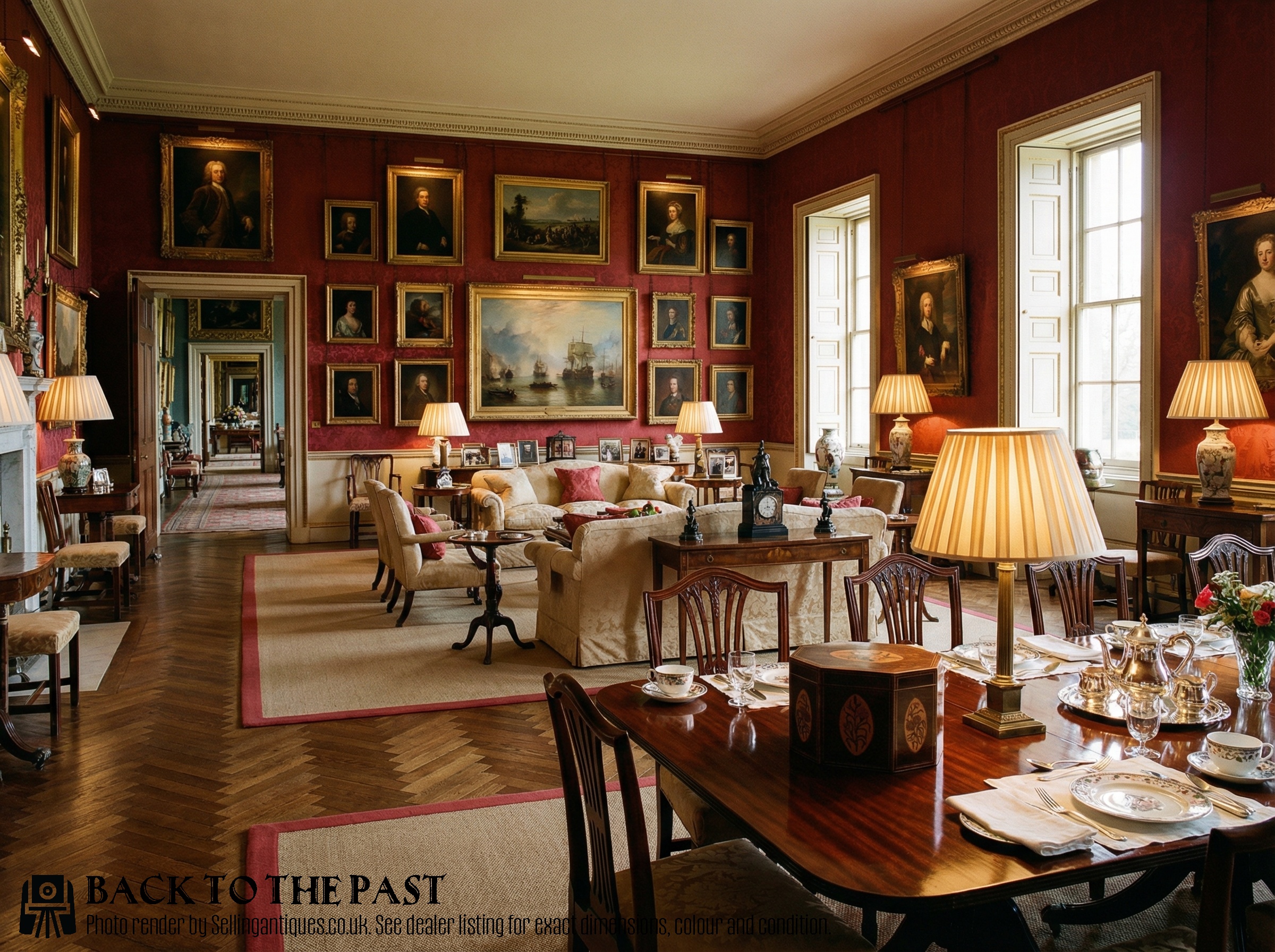
Antique Tea Caddies
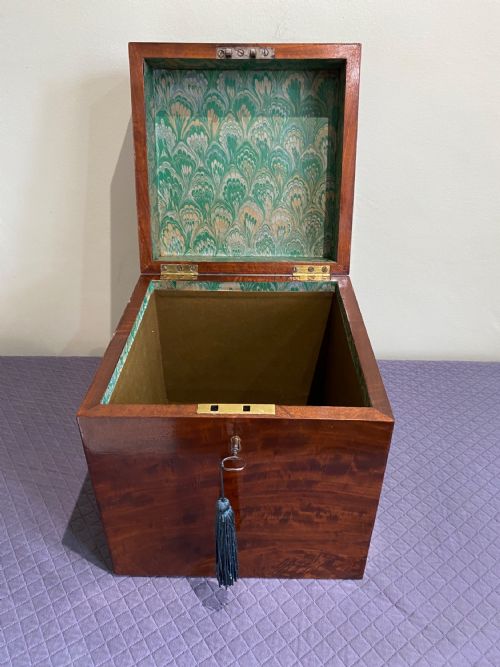
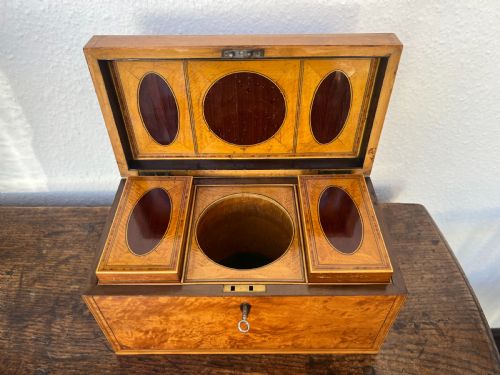
Tea reached Britain in the seventeenth century as a costly commodity, and the lockable box was the domestic answer to that cost. Through the eighteenth and nineteenth centuries the standard type settled: a lidded box, hand-sized to two-hand-sized, with one, two or three interior compartments, sometimes removable metal canisters, sometimes a glass bowl set between the divisions for blending.
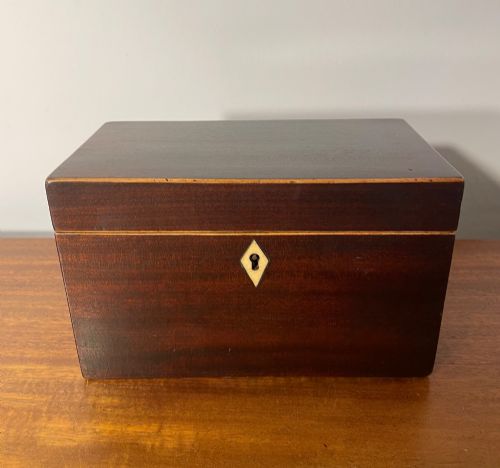
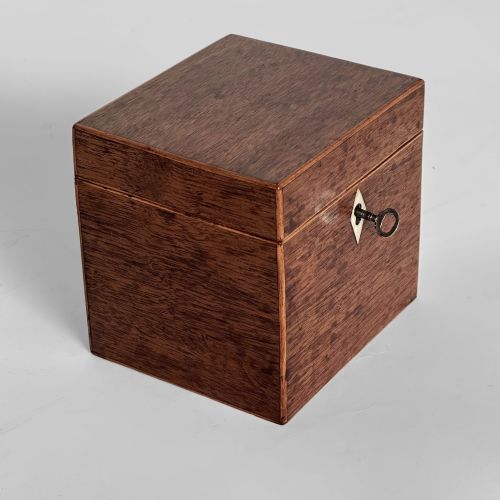
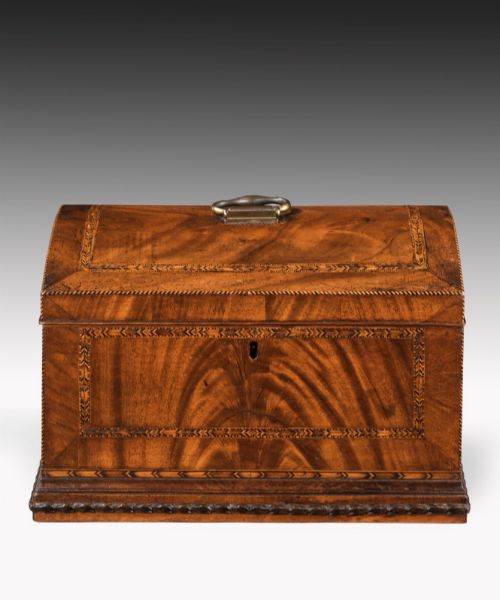
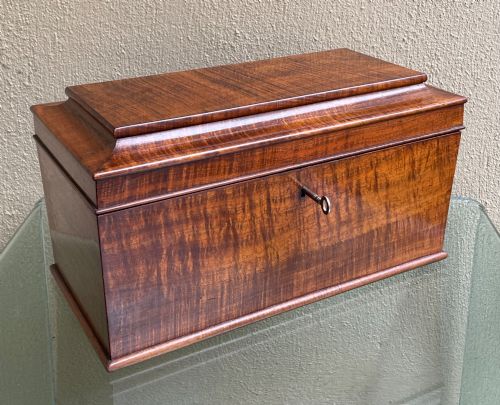
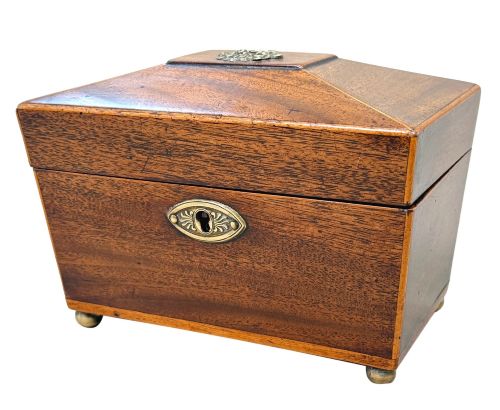
The version you're most likely to meet is a Georgian or Regency rectangular veneered box in mahogany or rosewood, often with stringing or inlay. Mahogany appears in one title in five on Sellingantiques and rosewood in one in eight, and the pairings "Georgian mahogany" and "Regency rosewood" recur again and again. Interiors are described as single, twin or double compartment, with three-compartment and canistered examples turning up regularly.
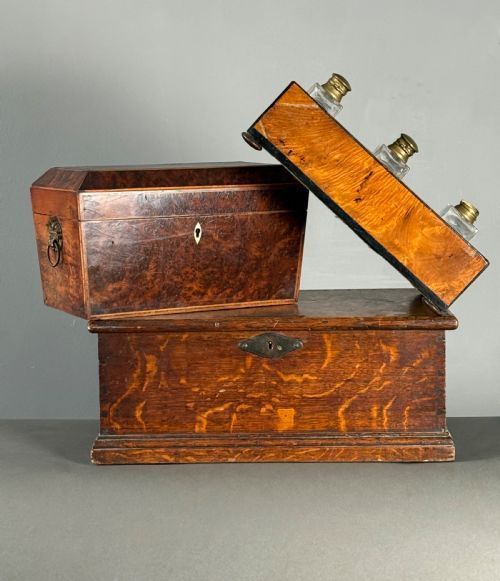
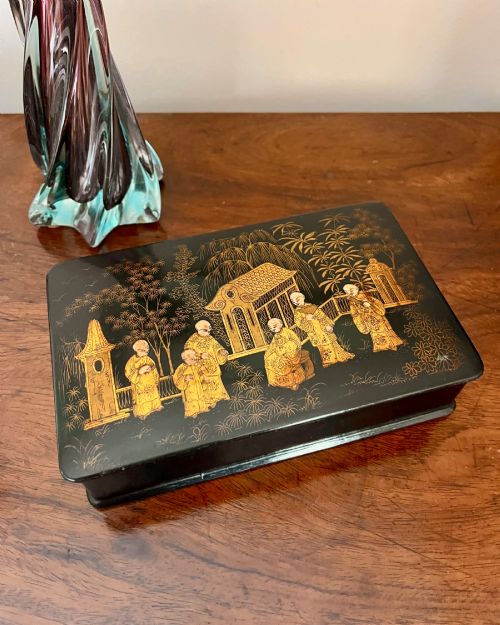
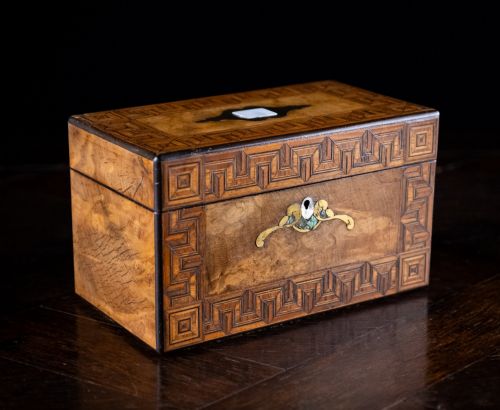
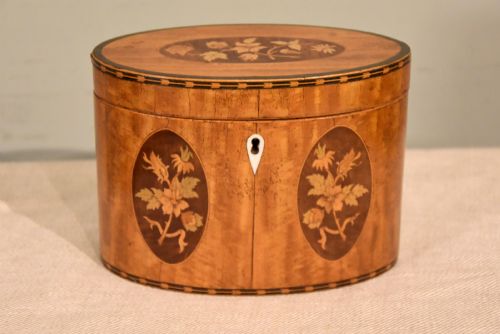
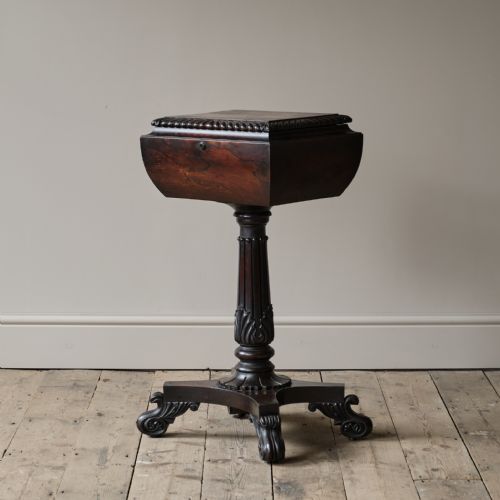
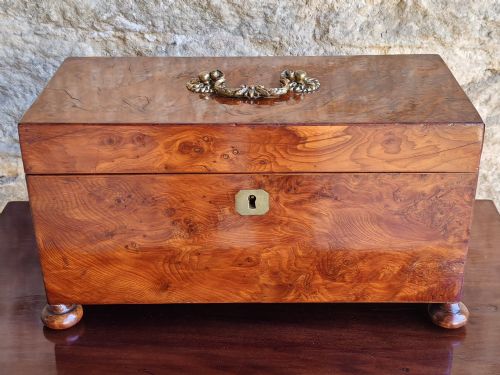
Beyond the plain hardwood box, the category runs in a few clear directions. Burr and figured timbers make up around a fifth of it: burr walnut, burr yew, burr elm, mulberry, birdseye maple. Decorative surfaces are roughly one in ten, covering tortoiseshell, papier mâché with mother of pearl, penwork, lacquer and tole. Tunbridge ware and marquetry form a smaller but steady stream, and teapoys, caddies raised on their own tripod stands, make a short tail.
Dating is broad by nature. Dealers more often give a period than a year, and Georgian, Regency and Victorian carry most of the load, with 19th Century and 1800s behind them. Only a quarter of listings offer a clean year at all, so read Georgian and 19th Century as brackets, and expect the earliest eighteenth-century attributions to rest on style.
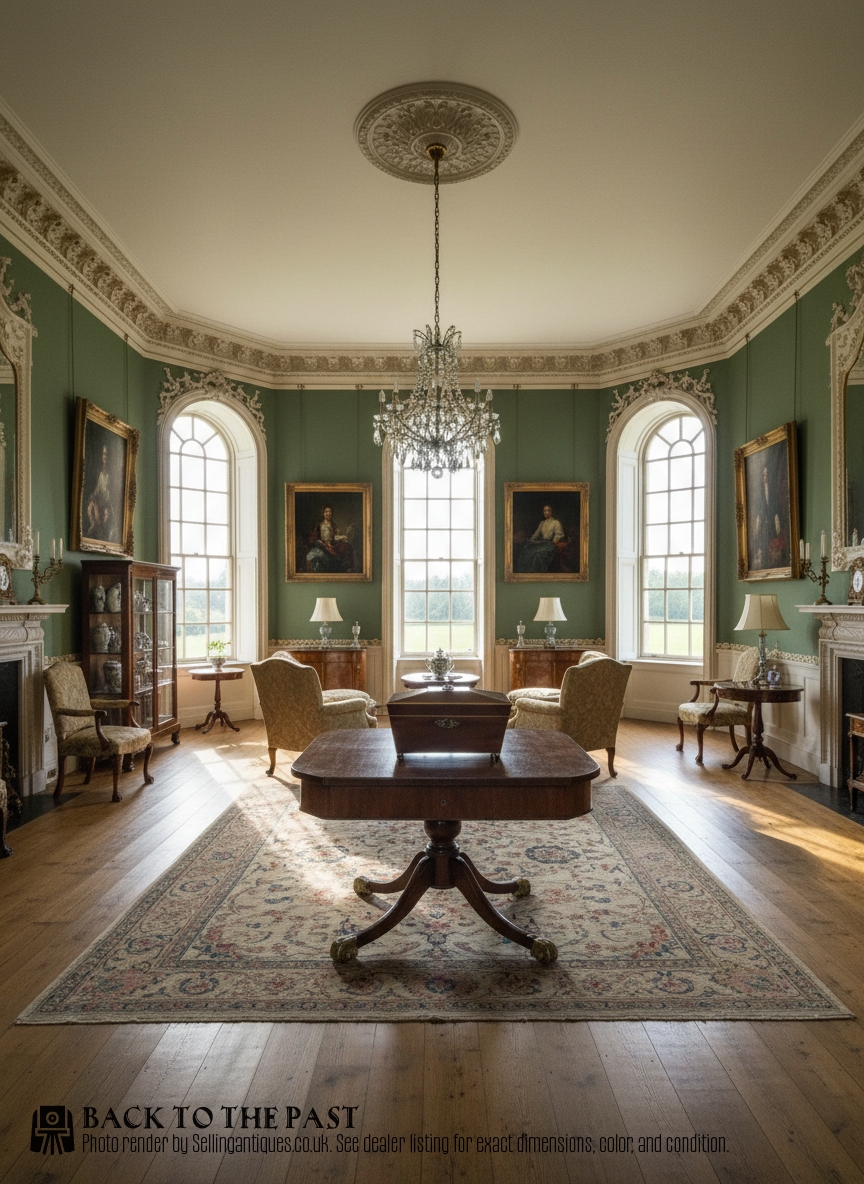
Where The Range Splits
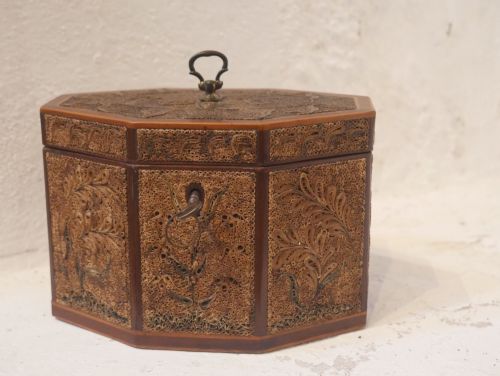
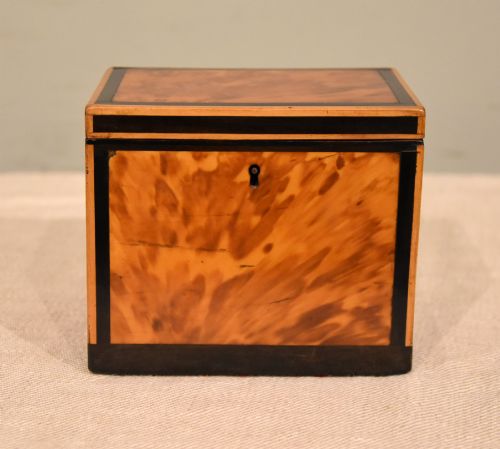
Surface material does most of the sorting. Plain Georgian and Victorian mahogany and oak boxes sit at the bottom of the range. Tortoiseshell, at fewer than one title in twenty, takes a large share of the top, and blonde tortoiseshell is scarcer again. Rolled paper and quillwork caddies appear only a handful of times in the whole record, and every one sits high.
Timber figure works the same way within the wooden boxes. Burr veneers lift a caddy above straight-grained stock, and the woods dealers flag as unusual, burr elm, burr mulberry, thorn wood, amboyna, partridge wood, harewood, cluster upward. Inlay pushes in the same direction: shell, mother of pearl, brass and marquetry, with star, moth and stag motifs among the higher-placed examples.
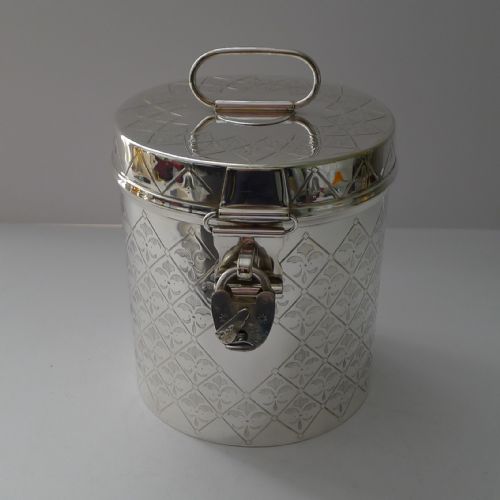
Shape and completeness finish the picture. Anything away from the plain rectangle counts, oval, octagonal, hexagonal, bombé, sarcophagus, and the novelty forms modelled as a house, a pear, an apple, a melon or a coal scuttle turn up once or twice each across the entire archive. Interiors matter too, since titles that assert original canisters, a fitted interior, an original glass bowl or a key are making a claim about the top of the range.
Antique Tea Caddies Retail Price Guide 2026
Typical UK retail prices for tea caddies, calculated from the Sellingantiques database of over a million retail prices indexed since 2003. This retail price guide relies exclusively on Sellingantiques data; no external sources or auction records are used, so the figures do not describe the wider market.
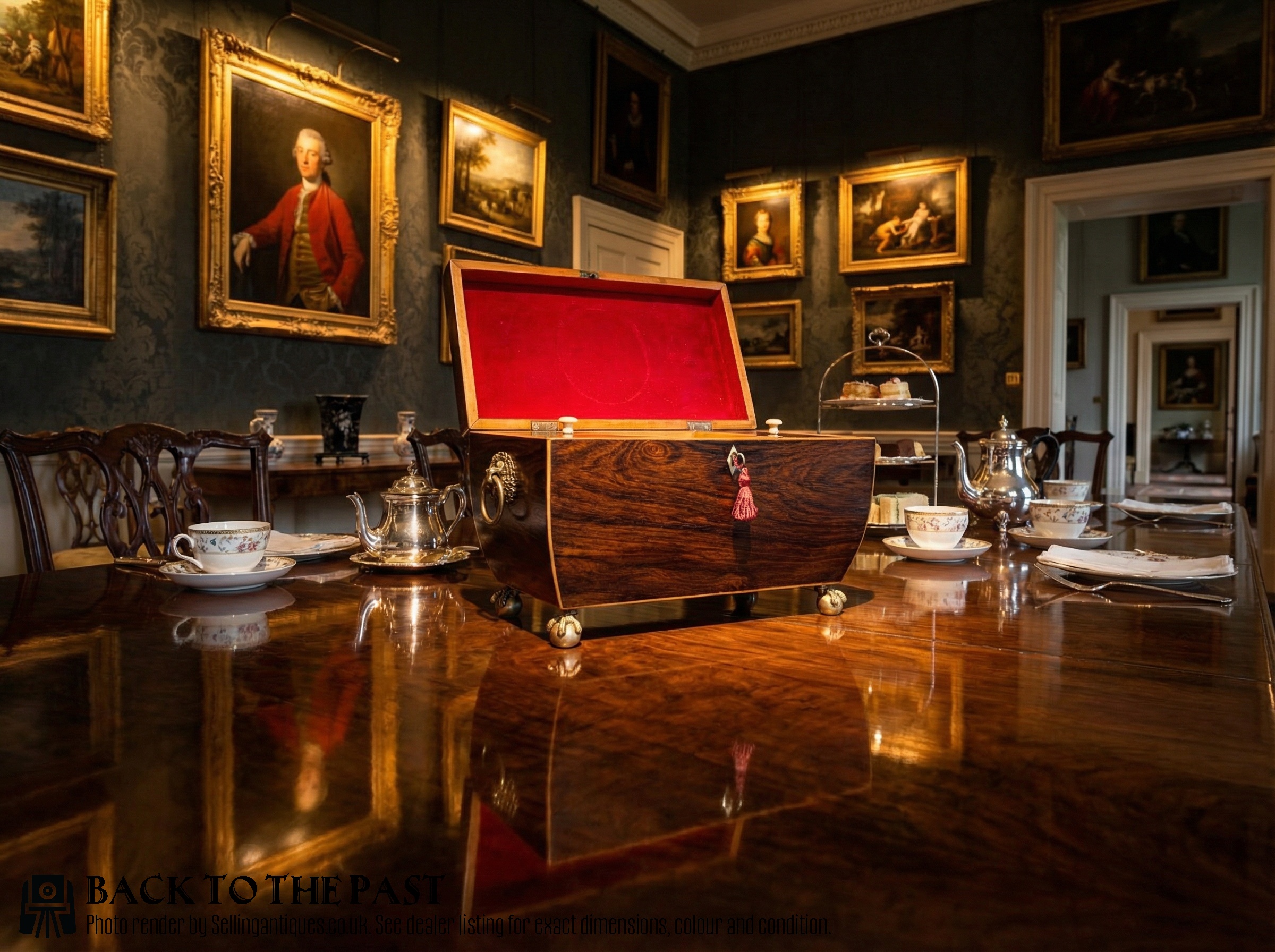
Sarcophagus is the body shape named most often in tea caddy titles on Sellingantiques, ahead of oval, then octagonal.
The Antique Tea Caddies Glossary
- Sarcophagus
- A tapering, coffin-profile body standing on feet, usually with a stepped or domed lid. It's the only named body shape to reach a sizeable share of titles, ahead of oval and octagonal.
- Single, twin, double, triple
- The count of interior tea compartments or lids. Single, twin and double are the common descriptions; three-compartment caddies turn up regularly, often with a bowl in the middle.
- Canister
- A removable metal or pewter container that sits inside the caddy and holds the tea itself. Titles asserting original canisters are pointing at a complete interior.
- Mixing bowl
- A glass or cut-glass bowl set between the compartments, used for blending two teas. It appears in a number of sampled titles.
- Burr
- Veneer cut from a knotty growth on the trunk, giving a swirled, dense figure. Burr walnut and burr yew dominate the burr titles, with elm and mulberry behind them.
- Tunbridge ware
- Mosaic decoration built from bundled coloured wood rods, glued, sliced across and applied to the surface. It forms a small but constant presence in the category.
Antique Tea Caddies: Frequently Asked Questions
What wood are tea caddies usually made from?
Mahogany is the single most common word in these listings after the object name itself, appearing in one title in five, with rosewood in one in eight. Satinwood, walnut and yew follow.
Beyond those, harewood, kingwood, coromandel, amboyna and partridge wood recur in smaller numbers, generally as decorative veneers rather than whole bodies.
Why do caddies have locks?
Tea arrived in Britain in the seventeenth century as an expensive commodity, and the box was made to keep it under key. That's the origin of the form.
The lockable wooden box with fitted compartments or metal canisters became the standard domestic type through the eighteenth and nineteenth centuries. Keys are mentioned in only a couple of titles across the archive.
How many compartments does a caddy have?
One, two or three is the usual arrangement. Titles describe single, twin and double compartment interiors in similar numbers.
Three-compartment caddies turn up regularly, and some have a glass or cut-glass mixing bowl set between the divisions for blending two teas.
What is a teapoy?
A caddy raised on its own pillar-and-tripod stand, made as a piece of furniture rather than a box for a table.
Teapoys are a small tail of the category, appearing in around nineteen titles. Sampled examples run to rosewood, mahogany, oak, satinwood and burr walnut, plus one Swedish burr elm.
Are tortoiseshell caddies common?
No. Tortoiseshell appears in fewer than one title in twenty, counting both spellings used by dealers.
Despite that, tortoiseshell examples account for a large share of the upper end of the range. Blonde tortoiseshell is rarer still.
Do unusual shapes and novelty caddies exist?
They do, though sparingly. Sarcophagus, oval and octagonal forms are the established alternatives to the plain rectangle, with hexagonal, cube, bombé and domed-top bodies behind them.
True novelties surface once or twice across the whole archive: a house, a pear, an apple, a melon, a decanter, a coal scuttle, a clock tower and a bulldog in a kennel.