
Antique Document Boxes
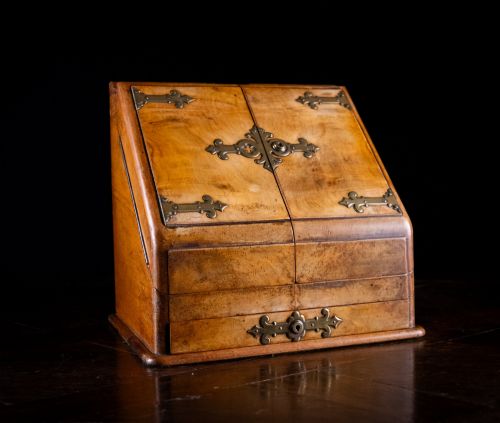
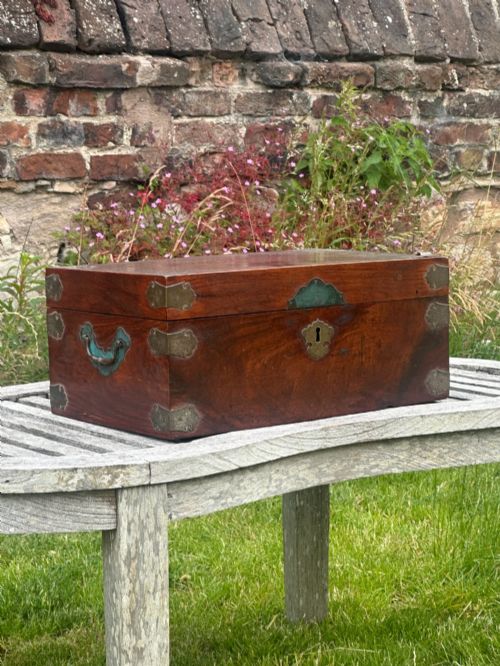
A lidded box for papers, deeds and letters, and often a sloped-lid writing box that did the same job with a working surface on top.
Antique Document Boxes
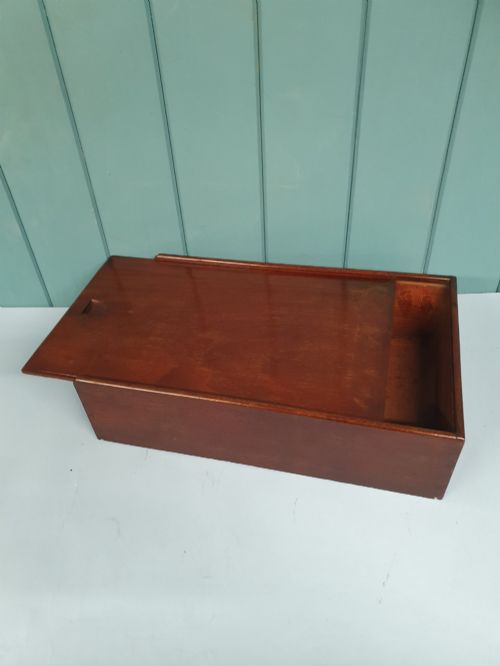
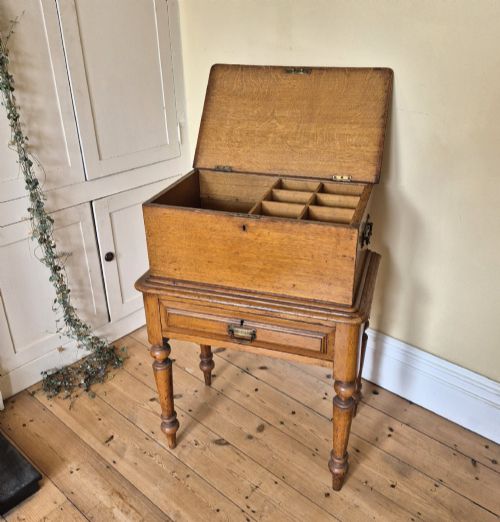
The heading covers lidded wooden and leather boxes made to hold papers, deeds, letters and stationery. Titles here often double the function up: document and stationery, bible and deed, correspondence or letter box. Sizes are desk- or table-top rather than furniture, and where a width is stated it tends to be small.
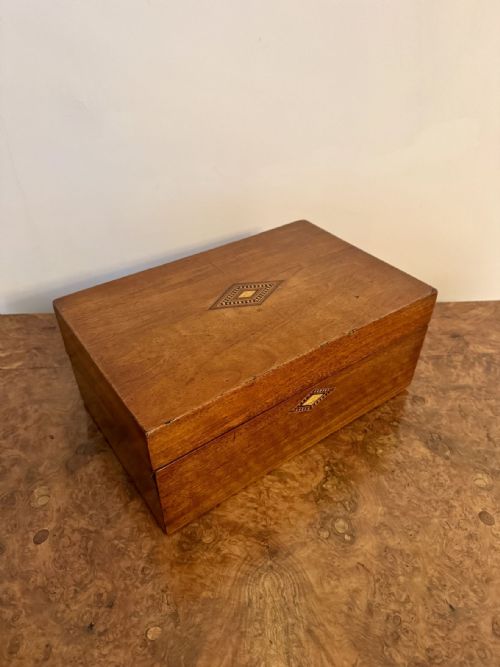
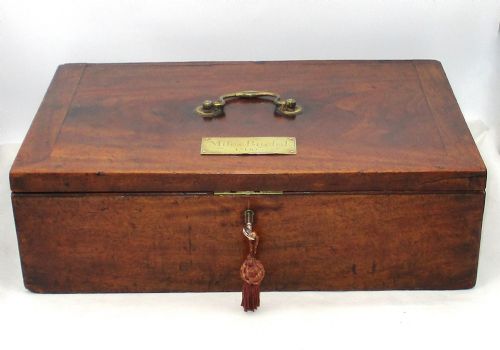
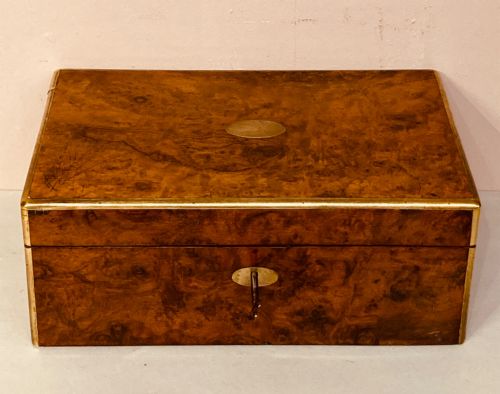
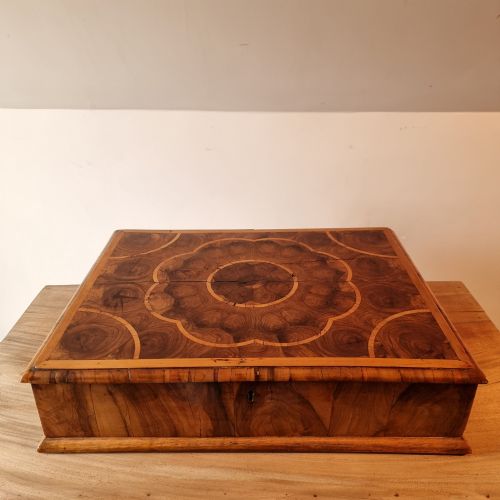
The form you'll meet most often is a 19th-century writing box or slope in a figured hardwood. "Writing" appears in 79 of 294 titles, "slope" in 44, and Victorian or 19th Century date roughly a third of the archive between them. Oak, walnut, mahogany and rosewood are the timbers behind them, with brass in 39 titles and brass-bound in 18.
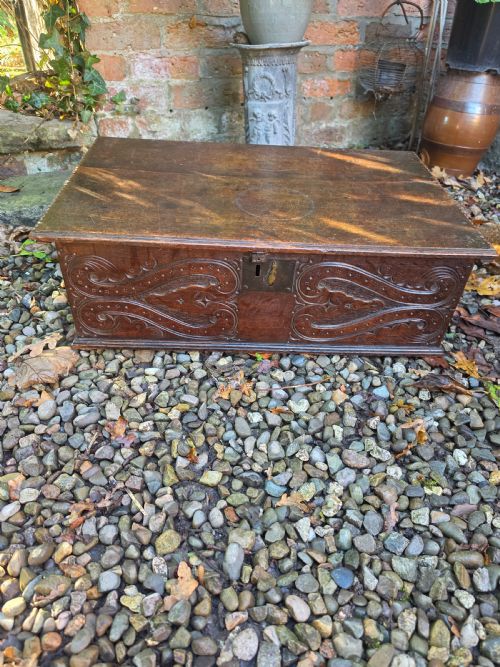
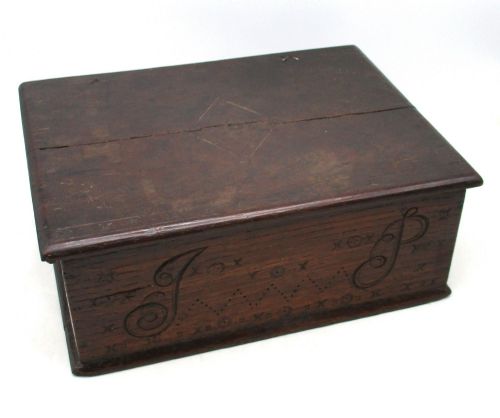
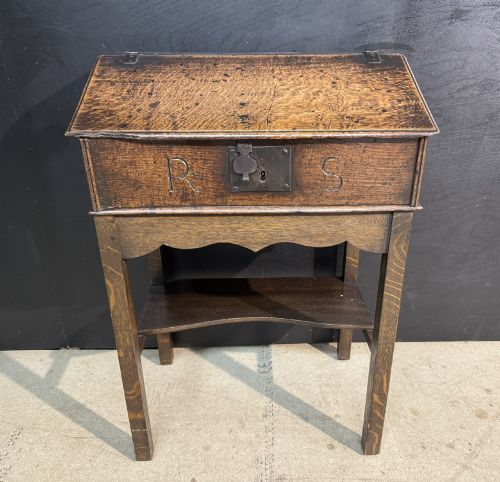
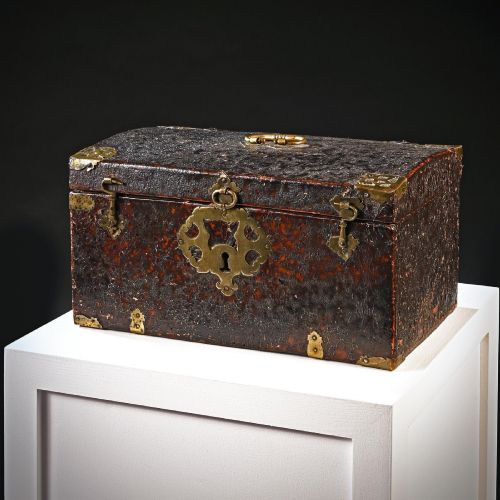
Around a third are plainer document, deed and stationery boxes in native timbers, oak and mahogany chiefly. Oak bible and desk boxes of 17th and 18th-century type account for roughly one in ten, some carved, some initialled and dated. Leather-covered deed, dispatch and jewellery boxes make up just under one in ten, including crocodile and pigskin.
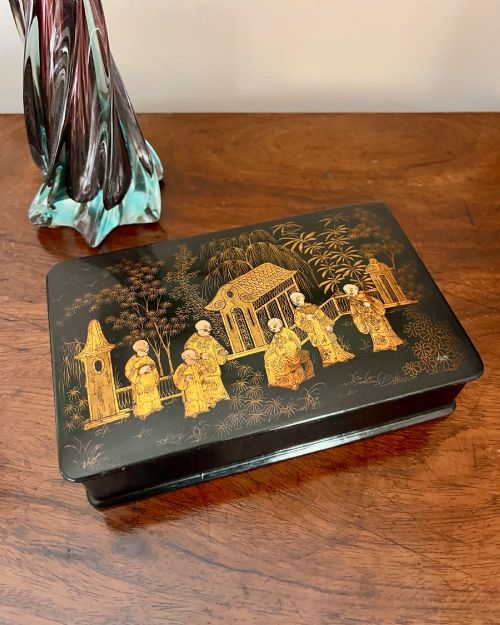
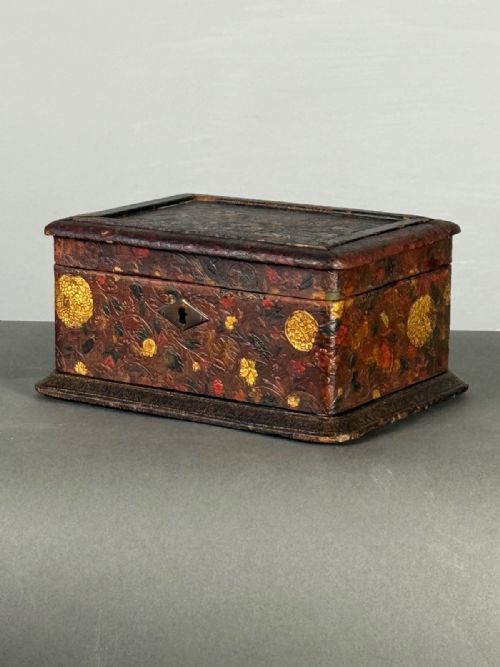
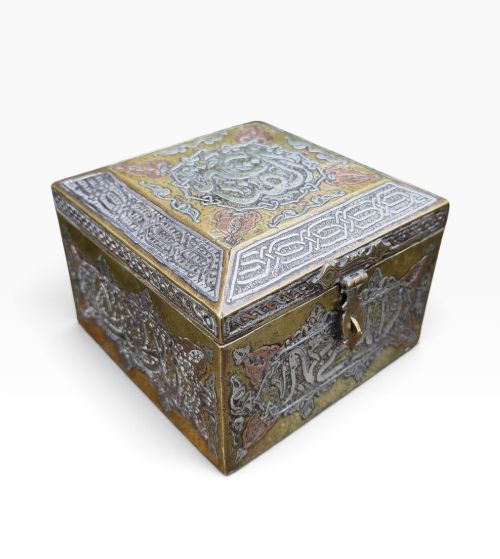
The rest is Asian and colonial work: Japanese lacquer bunko and suzuribako, Anglo-Indian sadeli, Chinese and Ceylonese boxes. That group runs stronger in what has sold on Sellingantiques than in what is currently listed. Around 35 document boxes come to market in a year, and 118 different dealers have listed one, so this is a category general dealers touch rather than a specialist field.

The Range
Timber does most of the work. Burr, figured and exotic woods sit at the top, coromandel, satinwood, ebony, kingwood and olivewood among them, with burr walnut named in 13 titles. Plain pine and elm boxes sit at the bottom of the range, including a run of painted Scandinavian and Swedish strong boxes, several oval or sarcophagus-shaped.
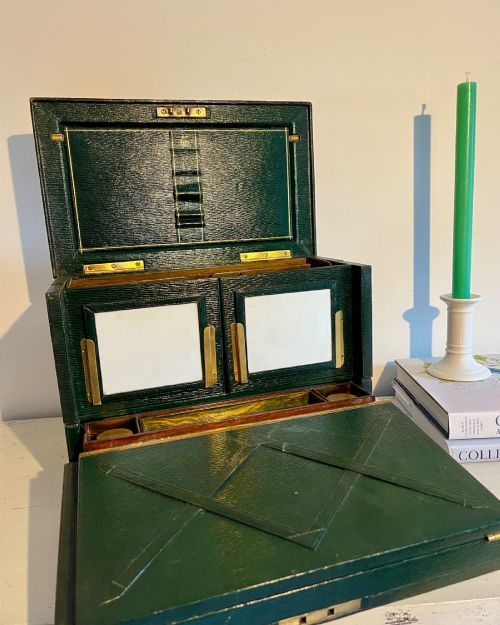
Above that, it's mounts, fittings and decoration. Brass-bound, brass-inlaid and brass-mounted slopes cluster in the upper half. So do fitted interiors, named locks and secret drawers, which ten titles advertise, almost all of them on walnut or rosewood slopes. Marquetry, inlay, carving, penwork and lacquer decoration all lift a box: inlaid appears in 15 titles, carved in 13, painted in 11.
Date and association carry the early end. Nineteen listings are filed as 17th Century, with samples described as circa 1640 and one initialled and dated 1695, and the earliest piece in the archive is a small oak travelling strong box placed at the turn of the 16th century. The very top of the range, though, is held by early continental cabinetwork rather than by the Victorian slopes that make up the bulk of the stock.
Antique Document Boxes Retail Price Guide 2026
Typical UK retail prices for document boxes, calculated from the Sellingantiques database of over a million retail prices indexed since 2003. This retail price guide relies exclusively on Sellingantiques data; no external sources or auction records are used, so the figures do not describe the wider market.
Document boxes have been listed on Sellingantiques since 2011.

The Antique Document Boxes Glossary
- Writing slope
- A box whose hinged lid opens to a sloped writing surface, usually covered in baize or leather.
- Brass bound
- Corners and edges strapped in brass for strength on a travelling box. Eighteen titles use the phrase.
- Bible box
- A plain or carved oak lift-lid box of 17th or 18th-century type, used for deeds as much as for scripture.
- Dispatch box
- A lockable travelling case for official correspondence. Deed box covers the same job for legal papers, frequently leather-covered or japanned metal.
- Bunko
- The Japanese term for a document box. Suzuribako is the companion writing box, and two listings offer the pair together, which is how they were used.
- Sadeli
- Anglo-Indian geometric micro-mosaic inlay of bone, horn and metal. Tunbridge ware is the English equivalent in tiny wood strips.
Antique Document Boxes: Frequently Asked Questions
What's the difference between a document box and a writing slope?
A document box is a lidded box for papers, with a flat or slightly domed top. A slope opens to an angled surface you can write on.
Both sit under the same heading on Sellingantiques, and titles regularly pair the two functions. The slope is the more numerous form: "writing" runs through 79 of 294 titles.
Which woods turn up most?
Oak leads with 41 titles, then walnut at 33, mahogany at 31 and rosewood at 22. Burr walnut is named separately in 13.
At the upper end of the range you'll find coromandel, satinwood, ebony, kingwood and olivewood. Pine and elm sit at the other end, including painted Scandinavian strong boxes.
How old are these boxes usually?
Most dating in the archive is by label, not year. 19th Century appears on 64 listings, Victorian on 51, Regency on 15, 18th Century on 12 and Edwardian on 11.
Nineteen sit in 17th Century, with samples read as circa 1640 and one dated 1695. Where a title gives circa 1905 or c.1880, that's the dealer's estimate rather than documentation.
Are secret drawers common in writing slopes?
They're a recurring selling point rather than a rarity. Ten titles advertise a secret compartment or drawer.
Almost all of those are walnut or rosewood slopes, and fitted interiors with named locks tend to appear on the same boxes.
Do Asian document boxes appear in this category?
Yes, roughly one in ten. Japanese lacquer supplies its own vocabulary, bunko for the document box and suzuribako for the writing box, and two listings offer the pair.
Anglo-Indian sadeli work, Chinese and Ceylonese boxes make up the rest. The group is stronger in the sold archive than in current stock.
What are the more unusual forms?
They're one-offs rather than a pattern. A set of seven toleware solicitor's document tins, a railway ticket-dispensing box on a stand, a faux-book box from a palace library.
Also a swing-out cleric's travelling case and a porcupine-quill box. English pieces dominate otherwise, with "english" in 21 titles.