


Antique Post Boxes
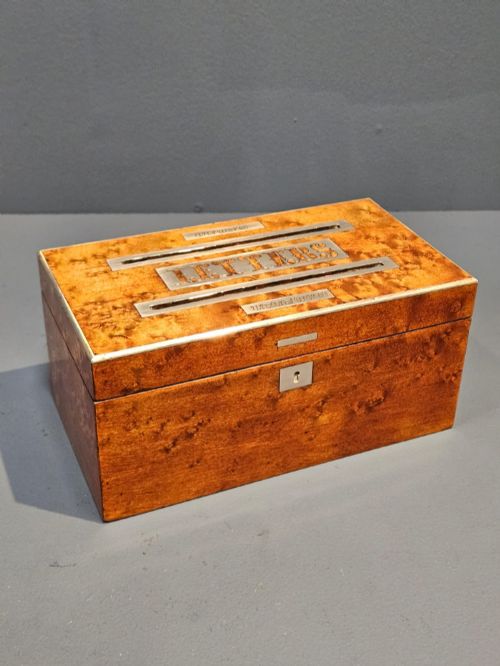
A small lockable wooden box with a posting slot, made to gather outgoing letters inside a house, hotel or institution rather than to stand in the street.
What Are They?
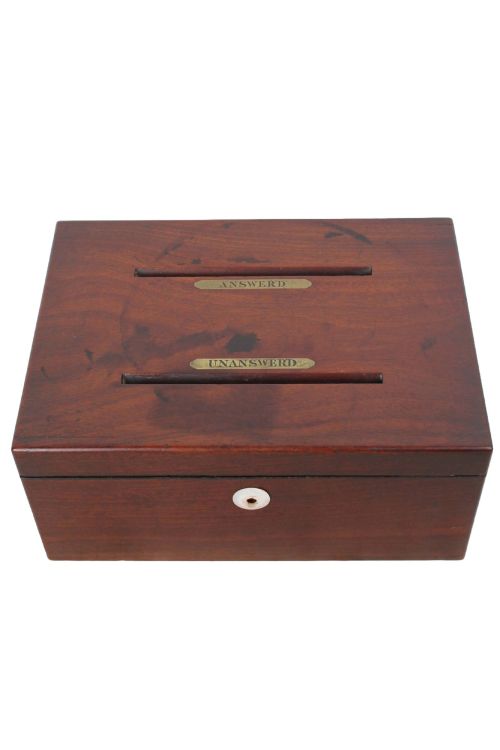
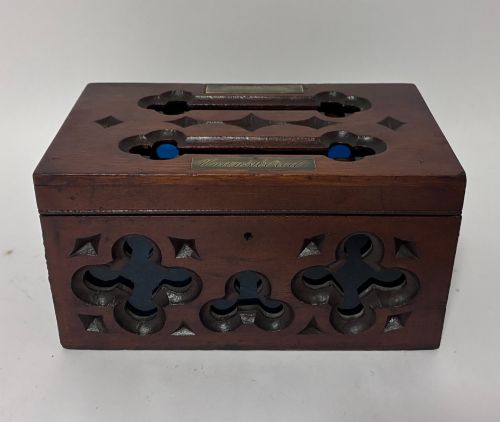
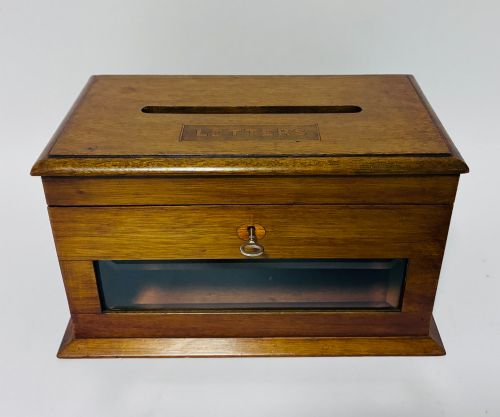
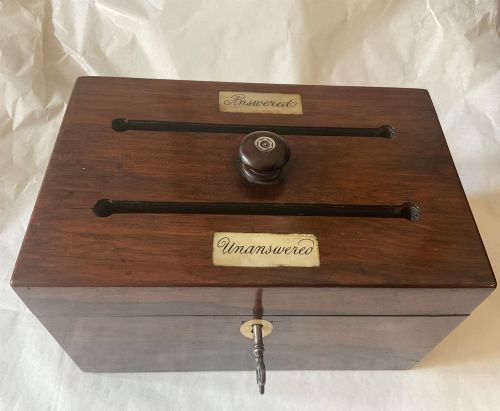
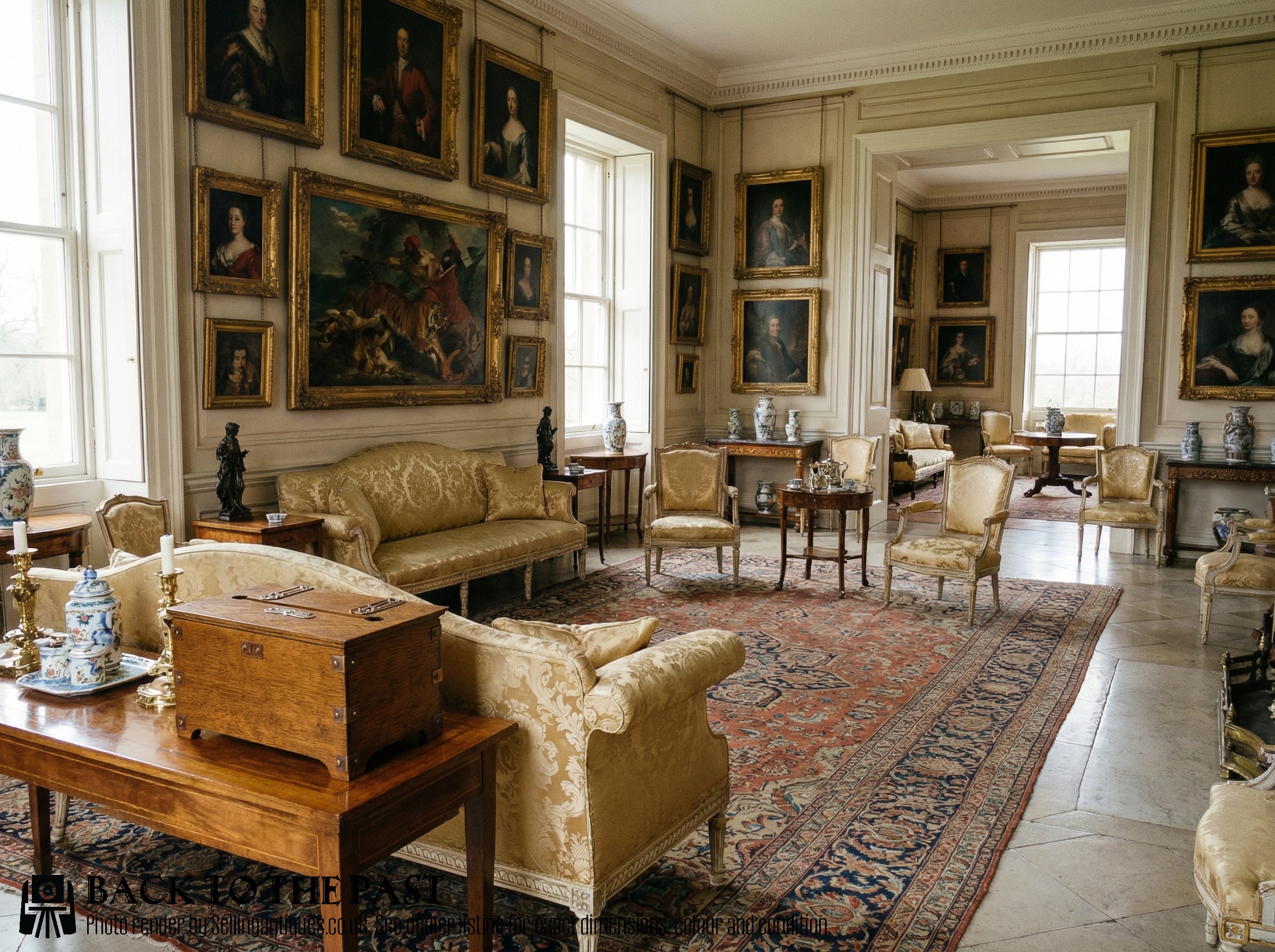
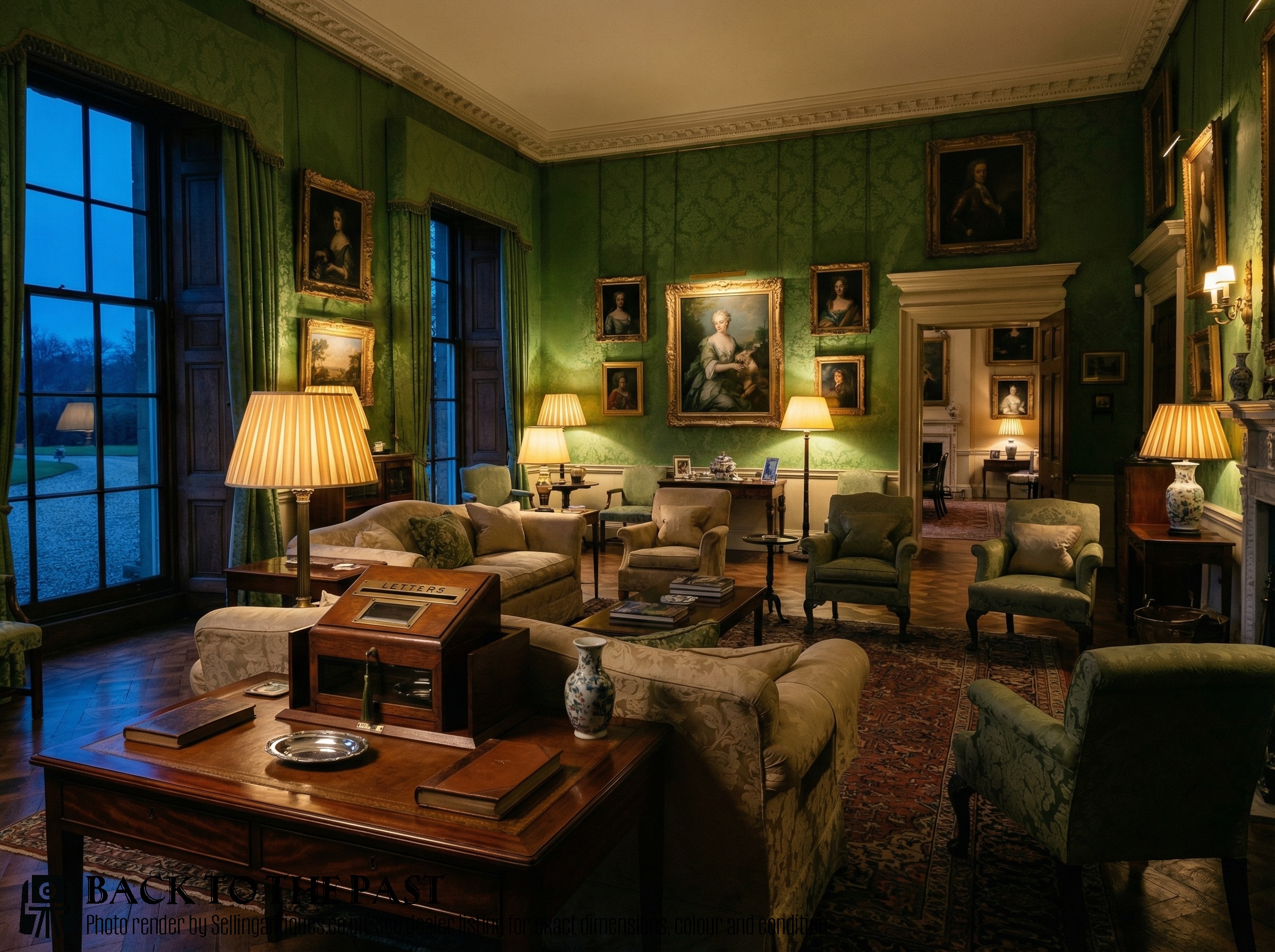
The category is dominated by the domestic sort: a lockable box with a slot cut in the lid or front, often through a brass plate, hung on a wall or standing on a base. Boxes like this became common in Britain from the middle of the nineteenth century, when cheap prepaid postage and regular collections made one lockable point for household mail useful.
Oak is the default timber, named in around a third of titles, with mahogany a good way behind. Brass mounts, straps or slot plates are named in a good number. Nearly three in ten titles use the phrase "country house", and a quarter use "letter" rather than "post", so the same object arrives under several headings. Hotel boxes make up about one in six, including free-standing lobby examples and Art Deco ones.
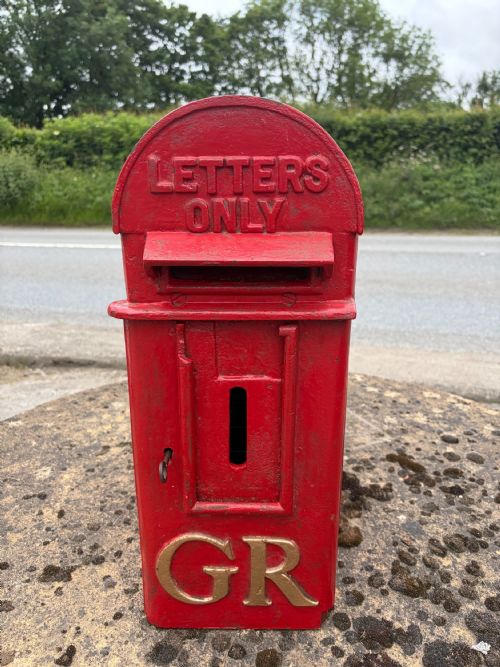
The public cast-iron boxes are the minority. Pillar, pole-mounted and wall types turn up, identified by reign through the royal cypher rather than by shape, with Edward VII, George V and George VI all recorded. Around them sit occasional one-offs: correspondence and stationery boxes with a slot, a boarding-school box, one doubling as a ballot case, a novelty "Answered / Unanswered" box, a French letter box.
Dates run from 1800 to 1940, but only about half the listings carry a clean year. "19th Century" on its own accounts for a good many, with Victorian and Edwardian labels behind it, and decade tags cluster in the 1900s and 1920s. Period labels and years sometimes disagree inside one listing, so both are worth reading together.
The Range
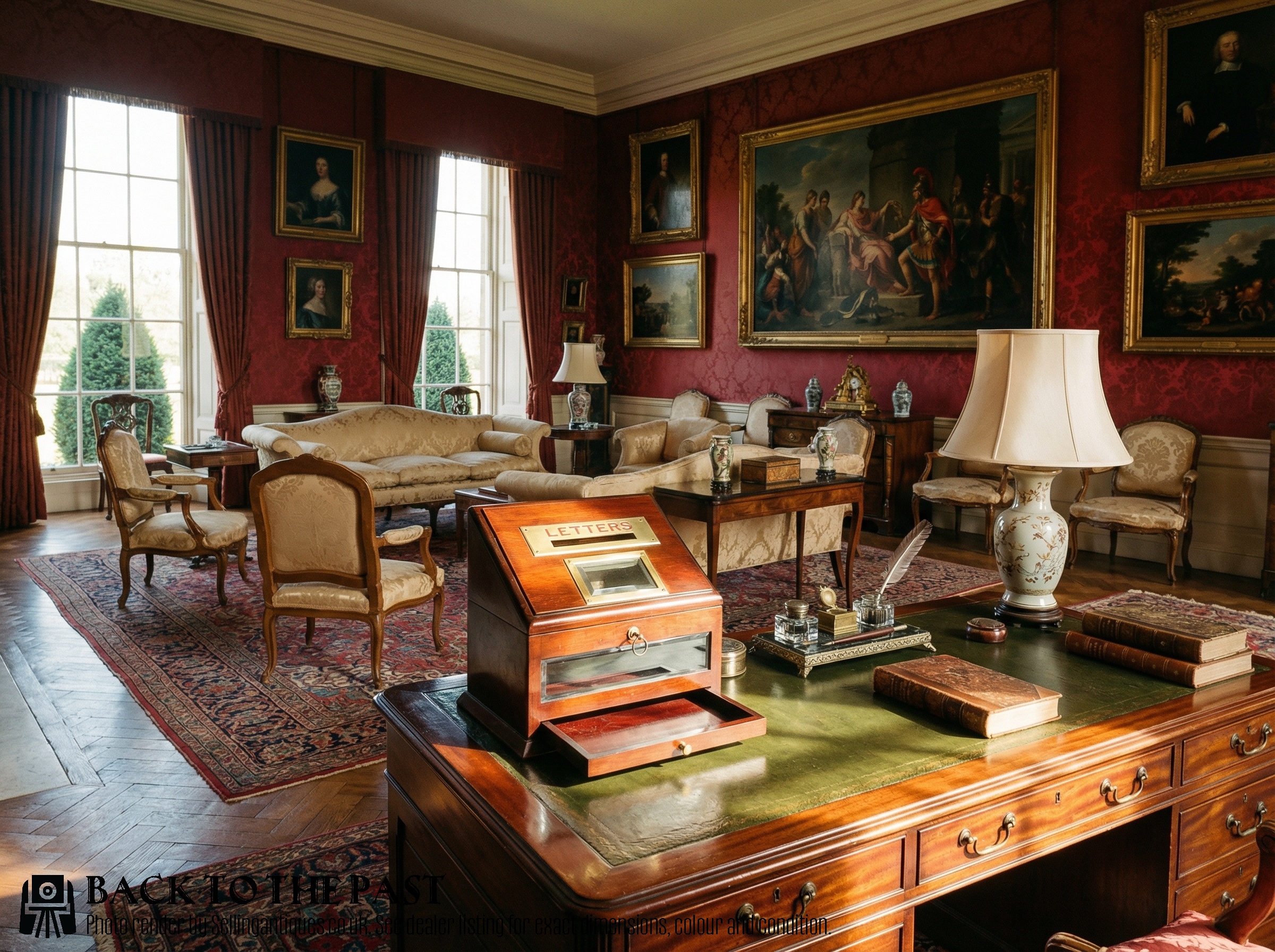
Decoration does most of the separating. Boxes described as carved, Gothic in style or standing on lion's paw feet sit high, and the two titles carrying a London firm's name or a design attribution stand at the very top of what has sold. Plain boxes with nothing said about the surface sit at the other end.
Size and format pull the same way. Large free-standing hotel boxes and "large" country house posting boxes sit toward the top, while a miniature and the small oak examples sit toward the bottom. Timber and mounts follow: golden oak, burr satinwood and inlaid mahogany appear in the higher titles, as does brass mounting.
For the cast-iron public boxes the argument is about completeness of fittings. Titles stressing an original cypher, an original enamel collection plate and a key gather in the upper half of the range, and the plainer or stripped ones do not.
Retail Price Guide 2026
Typical UK retail prices for post boxes, calculated from the Sellingantiques database of over a million retail prices indexed since 2003. This retail price guide relies exclusively on Sellingantiques data; no external sources or auction records are used, so the figures do not describe the wider market.
About nine antique post boxes are listed on Sellingantiques each year, and 42 dealers have listed one, so most handle a single example.
The Antique Post Boxes Glossary
- Posting slot
- The letter aperture, cut in the lid or the front, and often set in a brass plate.
- Country house post box
- A domestic box, usually oak or mahogany, for household outgoing mail. The commonest description in this category.
- Brass mounted
- Fitted with brass straps, corners, handles or plates. Brass bound means much the same thing.
- Cypher
- The royal monogram cast on a public post box, VR, EVIIR or GR, showing the reign it was made under.
- Collection plate
- The enamel panel on a public box giving collection times. Named as original in several of the higher-priced listings.
- Hovis top
- Dealer shorthand for a particular domed cast-iron box top, used of pole-mounted examples.
Frequently Asked Questions
What wood are they usually made from?
Oak dominates. It is named in about a third of titles on Sellingantiques, against mahogany at roughly half that rate.
Beyond the two staples, single listings record burr satinwood, inlaid mahogany and a French satinwood and cut-steel box of about 1820.
Were these used in the street?
Mostly no. The archive is overwhelmingly domestic and institutional: boxes for a hall, a hotel lobby, a boarding school.
Public cast-iron boxes do appear, in pillar, pole-mounted and wall forms, but they are under one in ten of what has been listed.
How do you date a cast-iron post box?
By the royal cypher. The public boxes recorded are identified by reign rather than form, with Edward VII, George V and George VI all present.
The latest dated piece in the archive is a 1940 cast-iron box with its original enamel collection plate, and a 1938 pole-mounted box with a domed top sits just behind it.
Why do dates look so vague in the listings?
Because they often are. Only about half of the listings carry a clean year, and "19th Century" on its own accounts for a large share of the rest, with Victorian and Edwardian labels behind that.
Where years do appear, the decade tags gather in the 1900s and 1920s, with smaller groups in the 1880s, 1890s, 1910s and 1930s.
Labels and years can also disagree within a single entry, such as a George V box tagged Georgian.
Are hotel boxes different from country house ones?
Not always in construction. Several titles hedge with "hotel or country house", the same box serving either setting.
Hotel examples do skew larger and free-standing, made for a lobby, and the group includes Art Deco pieces. They account for about one in six listings.
How often do they come up for sale?
Around nine a year on Sellingantiques, from a pool of 42 different dealers who have listed one.
That works out at a single example for most dealers who handle them, so it isn't a category anyone specialises in.