
Antique Snuff Boxes
A small lidded box made to keep powdered tobacco dry and portable, carried in a pocket or set out on a table for company to share.
What Are Antique Snuff Boxes?
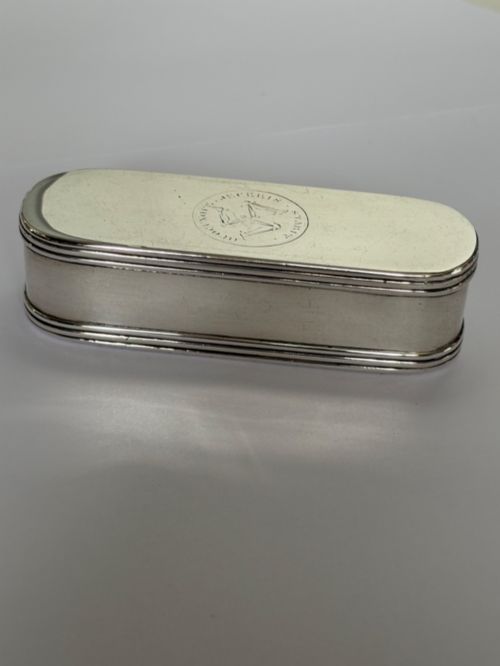
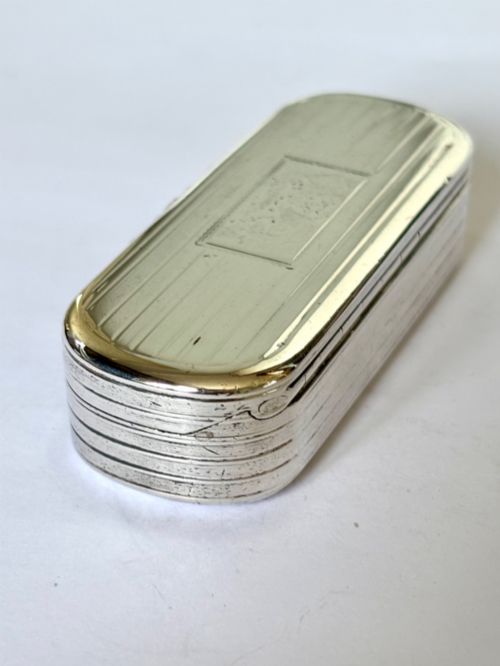
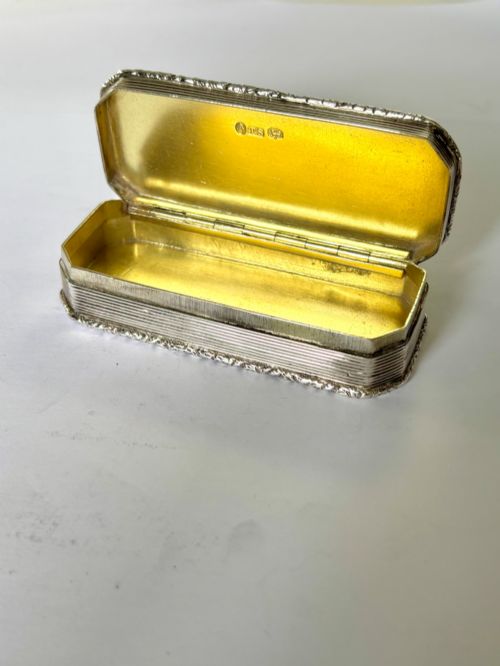
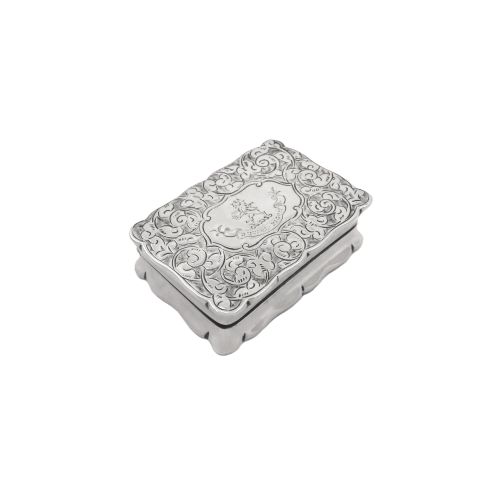
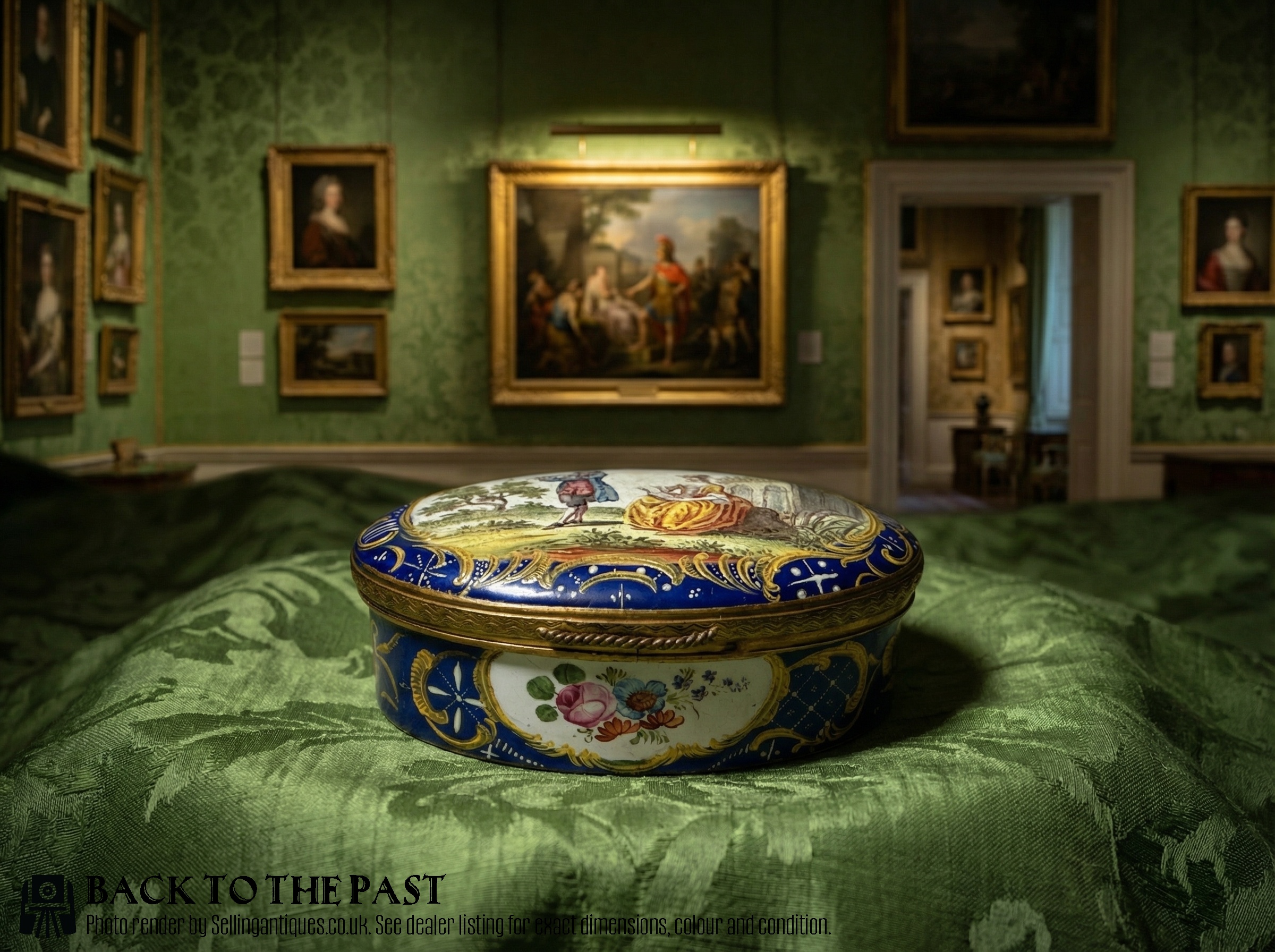
Snuff, powdered tobacco taken by the nose, spread through Europe from the 17th century, and the box was what kept it dry. Small hinged boxes went in a pocket. Larger table boxes and Scottish mulls stayed put and were passed round. On Sellingantiques the heading also gathers the closely related small boxes dealers list alongside them: patch boxes, pill boxes, tobacco boxes and the odd trinket box.
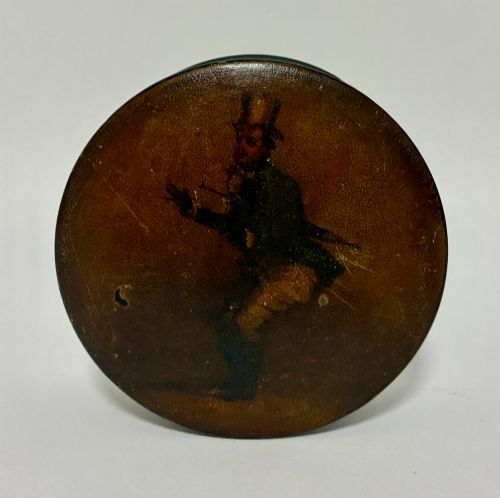
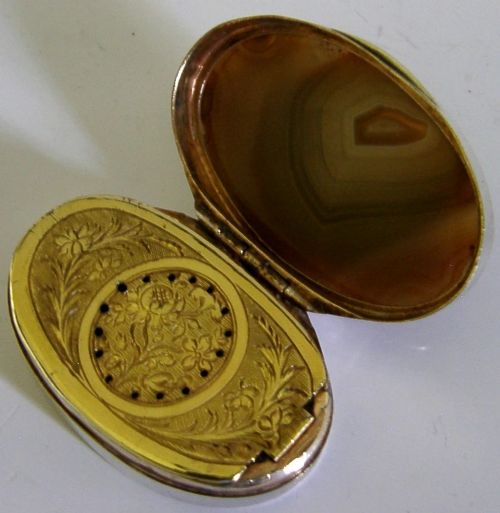
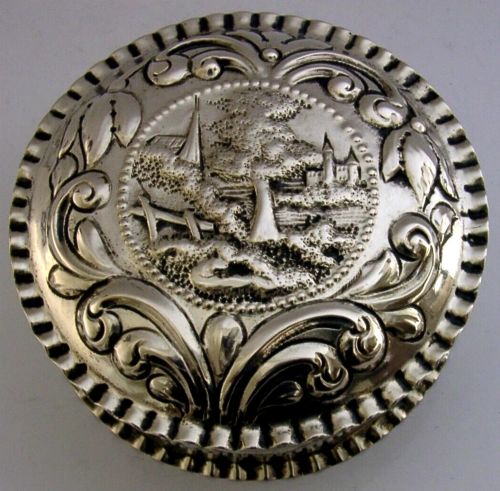
The one you're most likely to meet is wooden. Treen appears in 107 of 598 titles, turned, carved or inlaid in fruitwood, mahogany, burr walnut, birch and boxwood, with lignum vitae, yew, laburnum, amboyna, ebony, elm and sycamore behind them. Beyond wood the archive runs to horn, brass, copper, pewter, papier mâché, tortoiseshell, enamel on copper, agate, silver and gold, so the term describes a use rather than a material.
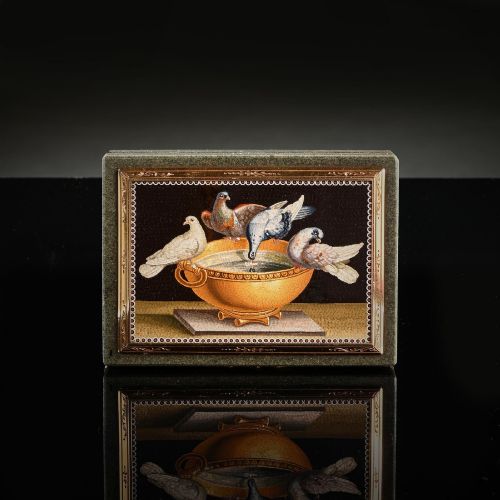
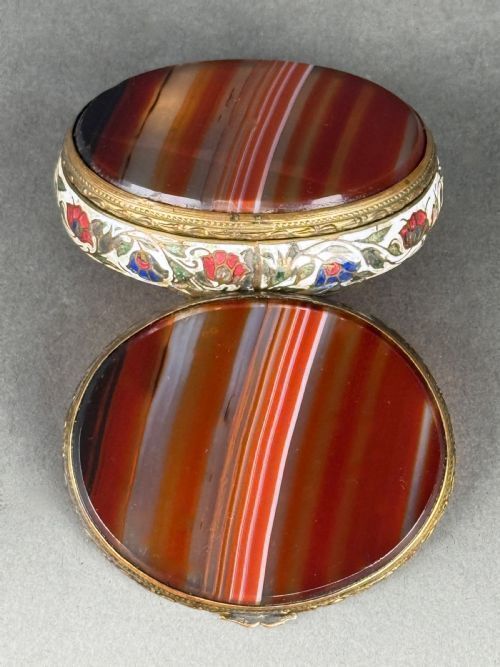
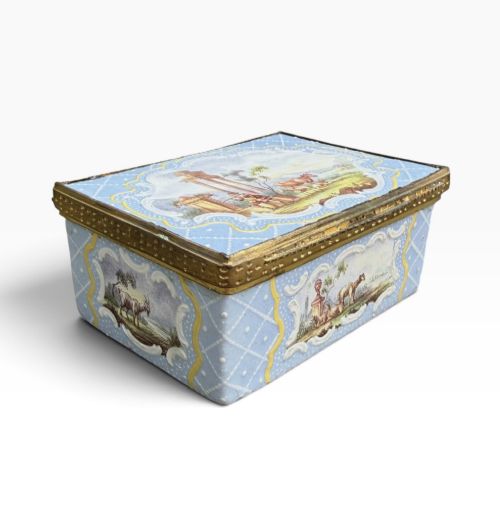
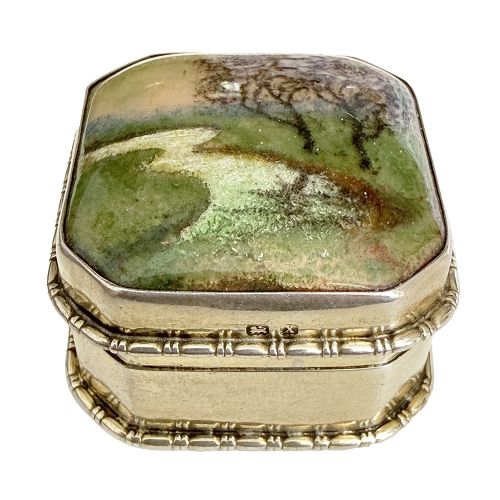
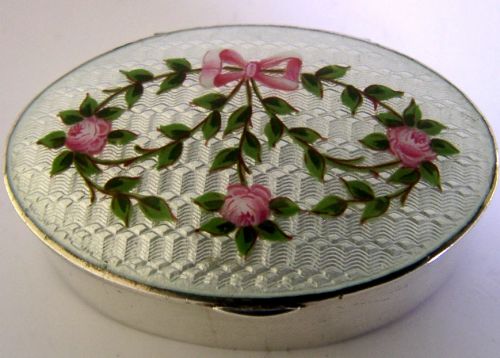
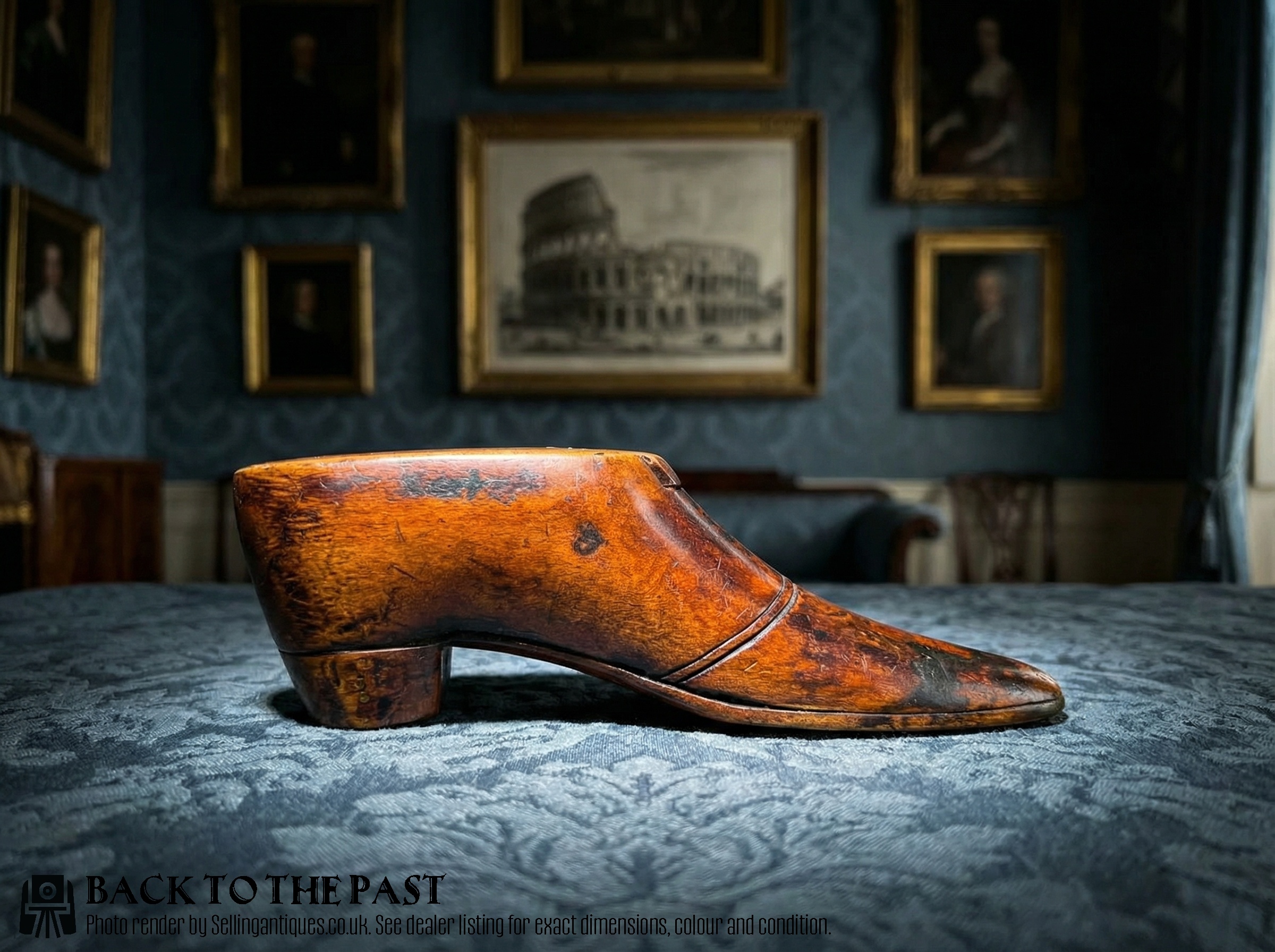
Four other groups turn up throughout. Shoe and boot boxes are the signature novelty, 73 titles, made in mahogany, fruitwood, pewter, papier mâché, leather and pine, singly, in pairs and with two openings. Horn covers pressed horn love tokens, staghorn and Scottish mulls mounted in silver or pewter. Enamel on copper, described as Bilston or South Staffordshire, sits with the patch boxes. Silver, gold, agate and tortoiseshell make up the precious end.
Dating is broad rather than precise. 324 listings say only "19th Century" and 67 say "18th Century", with Georgian, Victorian, Regency and Edwardian doing much of the rest; only 55 of 598 carry a clean year, though a number of dealers narrow it in the title with phrasing like c1840-60 or c1820-40. The stated range runs 1700 to 1950, and 20th-century entries are a fringe.
What Sets Them Apart
Material does most of the work. Gold, agate and hallmarked silver occupy almost the whole upper range, and every gold example in the samples carries a carat mark in its title. Plain turned boxwood, pewter, tin and undescribed papier mâché sit at the other end. Weight is quoted only on the metal boxes, in grams, and the heavier ones stand higher.
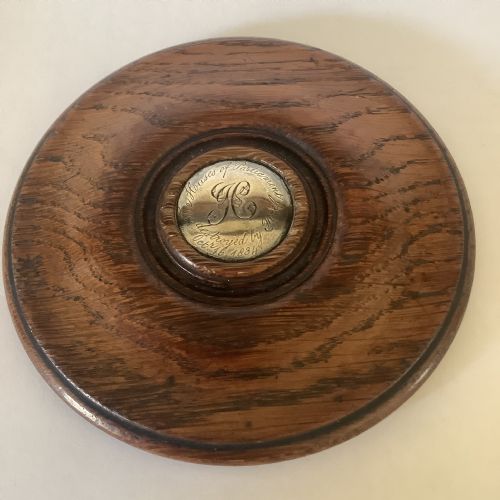
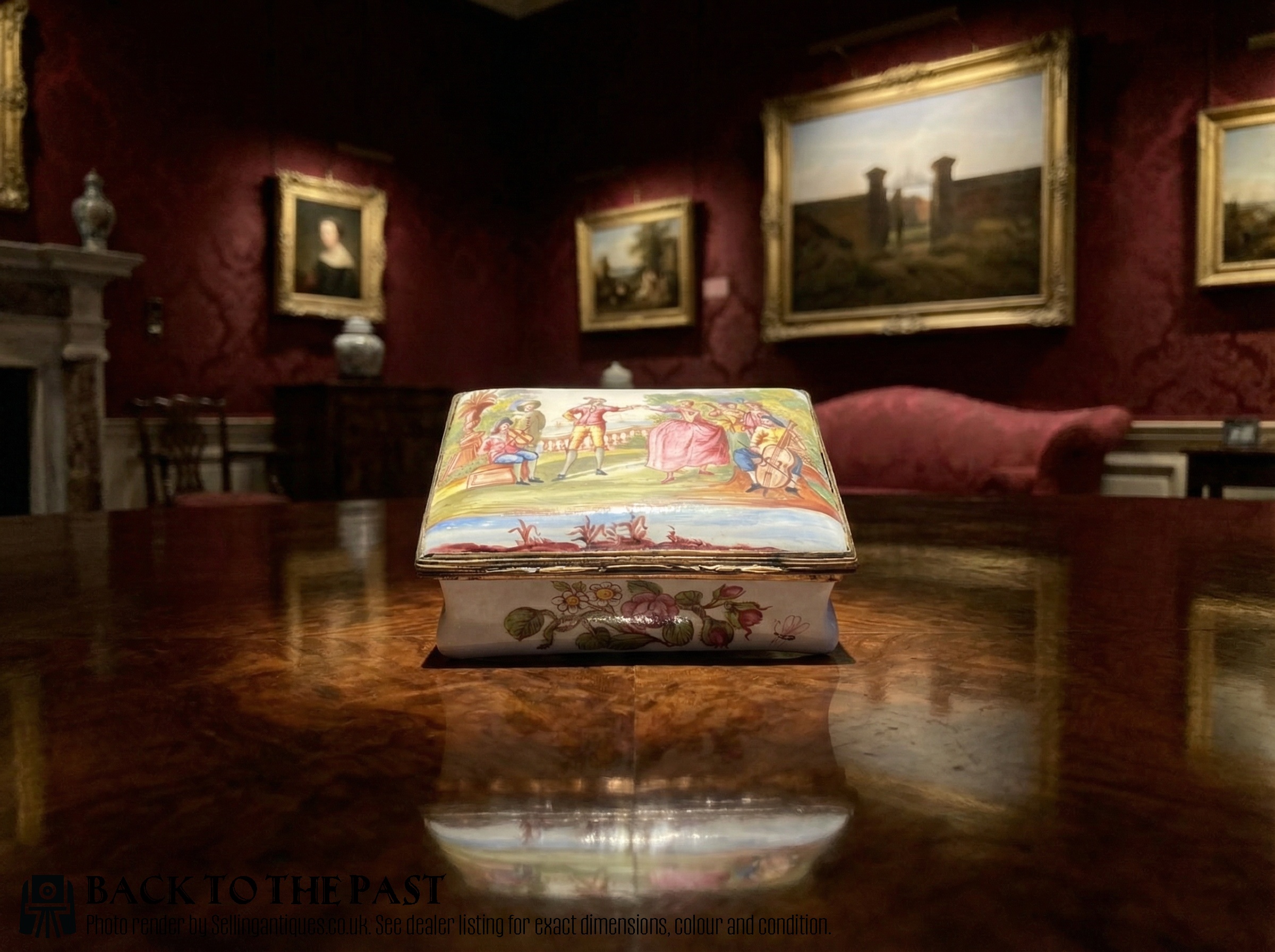
Then comes what the box says about itself. A named decorative tradition lifts a piece above its plain equivalent: Bilston or South Staffordshire enamel, Mauchline ware, Tunbridge ware. So does an inscription. Dealers routinely put an owner's name and a year straight into the title, and boxes recording a person, a date or a presentation appear often enough to count as a habit of the category.
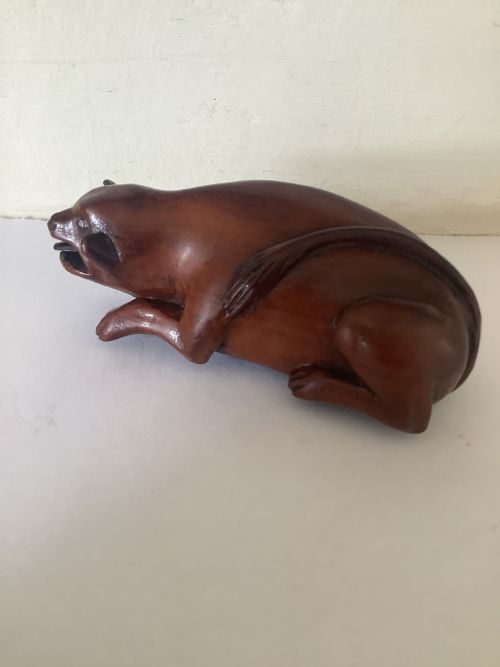
Form is the third lever. Novelty and figural carving are worth more than a plain oval, and the archive has produced a toad, a bird, a wood plane, a sperm whale, a hand holding a pinch, a boar's head, bellows and a naval cap. Trick and puzzle mechanisms recur too, from hidden catches and sliding sequences to two-dial combination boxes. Scale counts as well, with large table boxes above pocket size.
Retail Price Guide 2026
Typical UK retail prices for snuff boxes, calculated from the Sellingantiques database of over a million retail prices indexed since 2003. This retail price guide relies exclusively on Sellingantiques data; no external sources or auction records are used, so the figures do not describe the wider market.
The shoe is the category's signature shape: seventy-three titles describe one, in mahogany, fruitwood, pewter, papier mache, leather and pine.
The Antique Snuff Boxes Glossary
- Treen
- Small useful objects turned or carved from solid wood, and the commonest single description in this category.
- Mull
- A Scottish snuff container made from a horn, ram's, cow's or stag's, often mounted in silver or pewter.
- Table snuff box
- A larger communal box meant to sit out and be passed round rather than pocketed.
- Patch box
- A small lidded box, often enamelled, for beauty patches, listed alongside snuff boxes and sometimes as both.
- Piqué
- Decoration inlaid as tiny points or pins of brass, silver or gold set into wood, horn or tortoiseshell.
- Coquilla nut
- The hard dark-brown nut of a South American palm, carved into figural boxes; it appears in 19 titles.
Frequently Asked Questions
What are most antique snuff boxes made of?
Wood dominates. Treen appears in 107 of 598 titles, turned, carved or inlaid, with fruitwood, mahogany, burr walnut, birch and boxwood the woods named most often.
The rest spread widely: horn, brass, copper, pewter, papier mâché, tortoiseshell, enamel on copper, agate, silver and gold. Odder materials have come through too, including cowrie shell, abalone, mother of pearl, pony skin, lead and shellac sealing wax.
Why are so many snuff boxes shaped like shoes?
The shoe is the category's signature novelty. Some 73 titles describe one, roughly one in eight listings.
They turn up in mahogany, fruitwood, pewter, papier mâché, leather and pine. The archive has them singly, in pairs, and as double-opening examples, along with boots and clogs.
What is a Scottish mull?
A mull is a snuff container made from a horn, usually ram's, cow's or stag's, and often mounted in silver or pewter.
Mull appears in 18 titles and Scottish in 38. Horn more broadly covers 38, taking in pressed horn love tokens, staghorn and buffalo horn.
How precisely are these boxes dated?
Broadly. 324 listings give only "19th Century" and 67 only "18th Century", with reign labels such as Georgian and Victorian filling much of the remainder.
Just 55 of 598 carry a clean year. Some dealers narrow things in the title instead, with c1840, c1820 and phrasing like C1840-60 recurring.
Are snuff boxes signed by known makers?
Names are not a feature of this category. No maker runs through it as a recognisable presence.
What listings record instead is the owner. Dealers put names and years into titles, and 19 titles contain "dated" with 13 "engraved".
How often do snuff boxes come up for sale?
Around 69 are listed on Sellingantiques in a year.
87 different dealers have handled them, so the category is spread widely rather than held by a few specialists. Origins named in titles are mostly English and Scottish, with French, Dutch, German, Russian, Swiss, Austrian, Scandinavian and Chinese examples appearing occasionally.